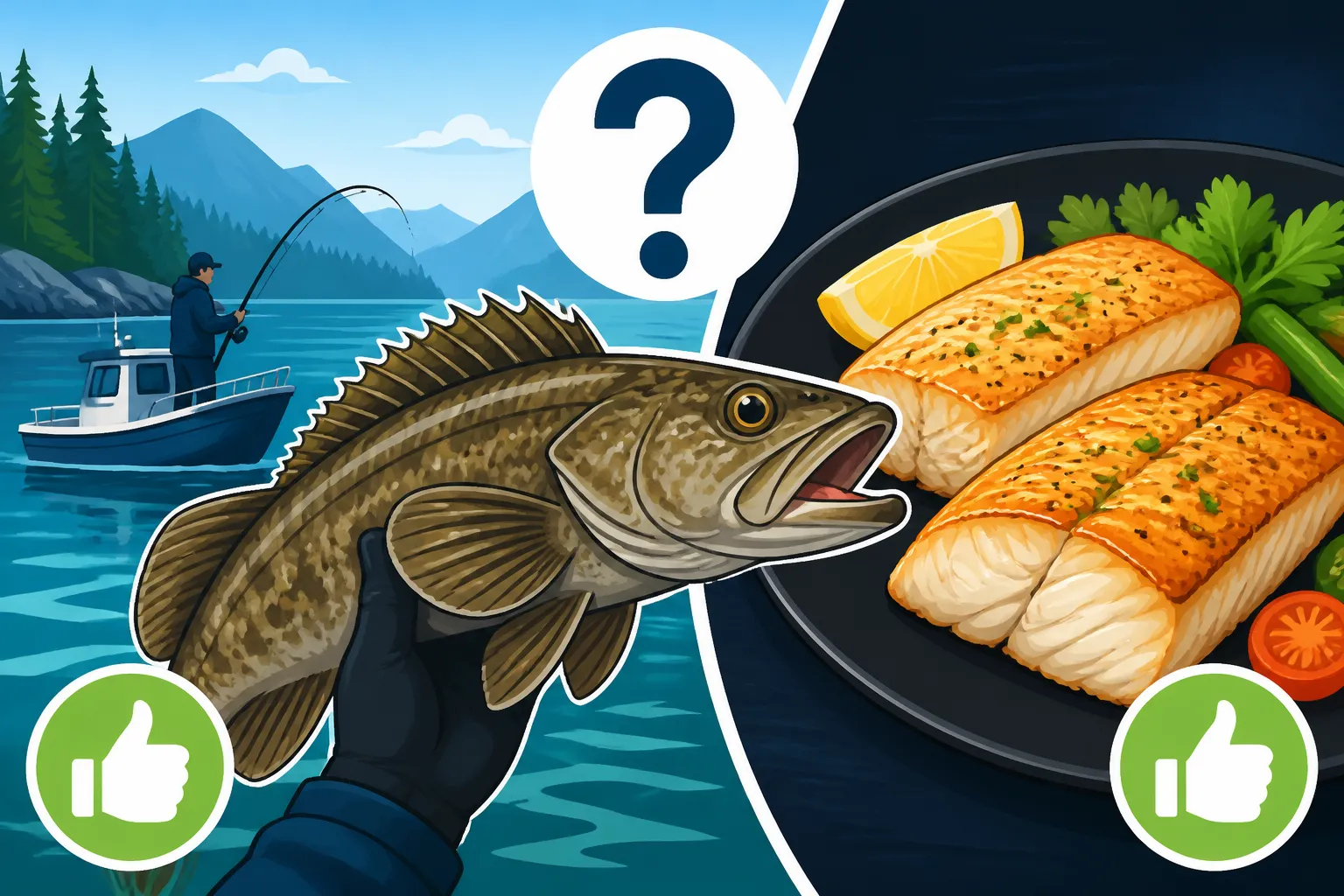
Is Lingcod Good to Eat?
One question I hear all the time from anglers, especially those new to saltwater fishing in British Columbia, is about the edibility of certain fish species. Lingcod, with its often formidable appearance and robust size, definitely sparks a lot of curiosity. Many wonder if this unique bottom-dweller is truly a prize for the dinner table or just a fun fight. This guide is here to tell you, unequivocally, that lingcod is not only good to eat but is also one of BC's most underrated and versatile culinary delights, and we'll walk you through why and how to make the most of your catch.
The Culinary Appeal of Lingcod: Why Anglers Love It
Lingcod might not win any beauty contests, with its gaping mouth and sharp teeth, but what it lacks in conventional good looks, it more than makes up for in gastronomic excellence. For those of us who appreciate fresh, local seafood, lingcod holds a special place. It’s truly a testament to the idea that you shouldn't judge a book by its cover, or in this case, a fish by its face!
Flavor Profile and Texture: A Deep Dive
Let's talk taste. The flavor of lingcod is wonderfully mild and subtly sweet, making it incredibly appealing to a wide range of palates. It doesn't have an overly "fishy" taste that sometimes turns people off; instead, it offers a clean, delicate profile that allows other seasonings and ingredients to shine. This makes it a fantastic choice for those who might be hesitant about stronger-flavored fish but still want to enjoy a fresh ocean catch.
Beyond the flavor, the texture is where lingcod truly excels. Its flesh is notably firm, lean, and beautifully white when cooked, flaking apart into large, satisfying pieces. It holds up exceptionally well to various cooking methods without falling apart, a common issue with some more delicate white fish. Think of it as having the best qualities of cod and halibut combined: the delicate sweetness of cod but with the robust, meaty texture that’s closer to halibut. This firm texture is also a huge plus when you're dealing with larger fillets, ensuring they remain intact and presentable on the plate.
Versatility in the Kitchen: More Than Just Frying
One of the most exciting aspects of lingcod is its incredible versatility in the kitchen. Seriously, you can do almost anything with this fish! While a classic fish and chips preparation is always a winner – and lingcod makes absolutely fantastic fish for frying – its firm texture and mild flavor invite much more adventurous culinary exploration. You'll find yourself reaching for it again and again.
Consider baking a thick lingcod fillet with a simple lemon-herb butter, allowing its natural sweetness to come forward. For a healthier option, poaching it gently in a flavourful broth keeps the flesh incredibly moist and tender. Grilling creates a beautiful char and a hint of smoky flavor, especially when marinated lightly. Pan-searing yields a lovely golden crust while keeping the interior succulent. You can even cut it into chunks for hearty stews, curries, or even tacos. The possibilities are truly endless, and it’s a fish that encourages you to experiment. Imagine it in a rich bouillabaisse, absorbing all those wonderful Mediterranean flavors, or a simple foil packet with fresh vegetables for a no-fuss meal.
Sourcing and Selecting the Best Lingcod in BC
Just like with any wild-caught seafood, the quality of your lingcod experience starts long before you even think about cooking it. Sourcing and selecting the freshest fish possible is paramount to enjoying its full potential. British Columbia's waters are known for producing high-quality fish, and knowing what to look for will only enhance your dining experience.
Freshness is Key: What to Look For
When you're at the fish market or processing your own catch, there are a few tell-tale signs of truly fresh lingcod. First, take a good look at the eyes. They should be clear, bright, and bulging, not cloudy or sunken. This is often the first indicator of freshness. Next, lift the gill plate and inspect the gills; they should be a vibrant red or pink, free of slime, and not brownish or dull. Give the fish a sniff – it should smell like the ocean, clean and fresh, not overly "fishy" or ammoniated.
Finally, feel the flesh. It should be firm and spring back immediately when you gently press it with your finger. Avoid any fish that feels soft, mushy, or leaves an indentation. If you're buying fillets, look for firm, translucent white flesh with no gaping or discoloration. Sometimes, you might even find lingcod with a bluish-green tint to its flesh, particularly in smaller fish. Don't worry, this is natural and completely safe; it's a pigment that disappears when cooked, leaving you with that beautiful white meat.
Understanding Sustainable Harvesting: A Responsible Choice
As anglers and consumers, it's crucial to be mindful of where our food comes from and how it's harvested. British Columbia has various regulations in place to ensure the sustainability of its fisheries, including those for lingcod. Understanding these efforts not only supports healthy fish populations for future generations but also often means you're getting a higher quality product. Lingcod are a fascinating species, often found near rocky structures and reefs, a habitat characteristic of many areas off the BC coast. Knowing more about Lingcod Habits Around Structure can give you an appreciation for their role in the ecosystem.
Many local fish markets in BC pride themselves on offering sustainably caught seafood, often labeled with information about where and how it was caught. When fishing yourself, make sure you're familiar with the current BC Bag and Possession Limits by Species for lingcod to ensure you're compliant with regulations. These limits are put in place by fisheries management to help maintain healthy stocks. Choosing locally sourced, sustainably caught lingcod means you're supporting responsible fishing practices and enjoying a product that's good for both you and the environment.
Preparation and Cooking Tips for Delicious Lingcod
Alright, you've got your beautiful, fresh lingcod. Now for the fun part: getting it ready for the plate! Proper preparation is key to maximizing the flavor and texture of this incredible fish. Don't be intimidated; with a few simple techniques, you'll be cooking lingcod like a seasoned pro.
Filleting and Skinning: Step-by-Step Guide
If you've caught your own lingcod, or purchased it whole, filleting might seem daunting, but it's a skill worth learning. Lingcod can be a bit challenging due to their thick skin and robust bone structure, but the payoff is worth it. Here’s a basic approach:
- Start with a Sharp Knife: This is non-negotiable. A sharp, flexible fillet knife will make the job much easier and safer.
- Make Your Initial Cuts: Lay the fish on its side. Cut behind the pectoral fin down to the backbone. Then, run your knife along the top of the backbone from head to tail, making a deep cut.
- Separate the Fillet: Working from the head end, carefully run your knife along the rib cage, separating the fillet from the bones. Keep your knife angled slightly down towards the bones to maximize meat yield. Repeat on the other side.
- Skinning the Fillet: Place the fillet skin-side down on your cutting board. Starting from the tail end, make a small cut to separate a corner of the skin from the flesh. Hold the skin firmly with one hand (a towel can help with grip!) and angle your knife slightly downwards towards the skin. Work the knife back and forth in a sawing motion, keeping it flat against the skin, until the fillet is free.
- Remove Pin Bones: Run your finger along the center of the fillet; you'll feel tiny pin bones. Use a pair of needle-nose pliers or specialized fish tweezers to pull these out. They usually run in a single line.
It takes practice, but once you get the hang of it, you'll be filleting like a pro. And remember, the bones and scraps can be used to make a fantastic fish stock!
Popular Cooking Methods and Recipes
The firm, flaky texture of lingcod makes it adaptable to almost any cooking method. Here are a few popular ways to prepare it, along with some tips:
- Baking or Roasting: This is a fantastic hands-off method. Preheat your oven to around 400°F (200°C). Place your lingcod fillets in a baking dish, drizzle with olive oil, season with salt, pepper, and your favorite herbs (dill, parsley, or thyme work beautifully), and maybe some lemon slices. Bake for 12-18 minutes, depending on thickness, until the fish flakes easily with a fork. It's a healthy, simple way to let the fish's natural flavors shine.
- Pan-Searing: For a beautiful crust, pan-searing is the way to go. Heat a good quality cast iron or non-stick pan over medium-high heat with a little oil or butter. Season your fillets. Place them skin-side down (if you left the skin on, which can be delicious and crispy!) or presentation-side down first. Cook for 3-5 minutes per side, until golden brown and cooked through. A little garlic and white wine can be added to the pan to deglaze and create a quick sauce.
- Grilling: Lingcod holds up well on the grill. Brush fillets with oil and season. For thinner fillets, consider using a grill basket to prevent sticking or breaking. Grill over medium-high heat for about 4-6 minutes per side, until opaque. A squeeze of fresh lime juice after grilling is always a winner.
- Poaching or Steaming: If you're looking for a delicate, super moist result, poaching or steaming is ideal. Place fillets in a shallow pan with just enough simmering liquid (fish stock, white wine, or water with herbs) to cover halfway, or steam in a steamer basket over boiling water. Cook until just opaque, usually 5-8 minutes. This method is excellent for salads or light, healthy meals. You can find some excellent cooking tools and spices on Amazon to help you with these preparations, from sharp fillet knives to specialized grill baskets.
Pair your cooked lingcod with simple sides like roasted vegetables, a fresh green salad, rice pilaf, or creamy mashed potatoes. Its mild flavor means it complements a wide variety of accompaniments.
Lingcod Compared to Other BC Fish: A Taste Test
Living in British Columbia means we're spoiled for choice when it comes to fresh seafood. Lingcod, while fantastic, exists in a vibrant ecosystem of other delicious fish. Understanding how it compares to some of its more famous counterparts can help you appreciate its unique qualities and decide what to cook for dinner tonight.
How Lingcod Stacks Up Against Cod, Halibut, and Salmon
When people ask "Is lingcod good to eat?", they're often implicitly comparing it to other white fish or popular seafood options they've tried. Let's break down how lingcod holds its own against some other BC favorites:
| Feature | Lingcod | Pacific Cod | Pacific Halibut | Wild BC Salmon (e.g., Sockeye, Chinook) |
|---|---|---|---|---|
| Flavor Profile | Mild, sweet, clean, not overly "fishy" | Mild, slightly sweet, distinct "cod" taste | Very mild, sweet, delicate | Rich, oily, distinctly "salmon" flavor |
| Texture | Firm, flaky, robust, meaty | Tender, flaky, medium-firm | Very firm, dense, large flakes, meaty | Firm to very firm, rich, flaky |
| Fat Content | Lean | Lean | Lean | High (especially Chinook, Sockeye) |
| Ideal Cooking Methods | Baking, grilling, frying, poaching, pan-searing, stews | Frying, baking, steaming, soups, fish tacos | Grilling, baking, pan-searing, roasting | Grilling, baking, broiling, smoking |
| Cost Shape | Mid-range to high-end | More accessible | Premium, often highest | Varies by species, generally high |
As you can see, lingcod truly occupies a sweet spot, offering a firmer texture than many cod species but often at a more approachable price point than the coveted halibut. While it lacks the rich, oily profile of salmon, that's precisely its charm, providing a blank canvas for various culinary creations. Lingcod is a fantastic alternative if you love white fish but want something with a bit more substance than delicate cod. If you're weighing your options, perhaps consider Is Halibut Good to Eat? or Is Sockeye Salmon Good to Eat? for a more in-depth look at those species.
Storage and Freezing Your Lingcod Catch
Once you've caught or purchased your lingcod, proper storage is vital to maintain its quality and ensure it remains delicious. Freshness degrades quickly, so acting fast is essential.
For short-term storage (up to 2 days), clean and gut the fish immediately if whole. Pat fillets dry with paper towels. Place them in a single layer on a plate lined with paper towels, then cover tightly with plastic wrap, or place in an airtight container. Keep it in the coldest part of your refrigerator, ideally nestled in ice if possible.
For long-term storage (several months), freezing is your best bet.
- Clean and Fillet: Process your fish into fillets, removing skin and bones as desired.
- Rinse and Pat Dry: Rinse the fillets under cold water and pat them thoroughly dry. Excess moisture leads to freezer burn.
- Vacuum Seal or Water Pack: The absolute best way to freeze fish is using a vacuum sealer. This removes all air, preventing freezer burn. If you don't have one, you can "water pack" fillets. Place fillets in a freezer-safe container, cover completely with cold water, and freeze. The ice block protects the fish from air. Alternatively, wrap individual fillets tightly in plastic wrap, then in foil, and place in a freezer bag, squeezing out as much air as possible.
- Label and Date: Always label your packages with the date and type of fish.
- Freeze Quickly: Place packages in the coldest part of your freezer.
When you're ready to cook, thaw frozen lingcod slowly in the refrigerator overnight for the best texture. Avoid thawing at room temperature, which can lead to bacterial growth and degrade quality.
Addressing Common Concerns and Myths About Lingcod
Like many wild fish, lingcod can sometimes be subject to misconceptions or common concerns that might deter new anglers or cooks. Let's clear the air on a couple of these points so you can enjoy your lingcod with full confidence.
"Wormy" Lingcod: Fact or Fiction?
This is probably the most common concern I hear about lingcod, and it's something that can definitely make people squeamish. It's true: lingcod, being a predator at the top of its local food chain, can sometimes host parasites, specifically various types of nematodes (roundworms) within its flesh. However, this is completely natural for wild fish. It's not a sign that the fish is unhealthy or unsafe. In fact, finding a few worms in a wild-caught fish often indicates a healthy ecosystem.
The key thing to remember is that proper cooking eliminates any risk. Cooking lingcod to an internal temperature of 145°F (63°C) will kill any parasites, making the fish perfectly safe to eat. Additionally, visually inspecting your fillets when you're preparing them and simply removing any visible worms is good practice, though they usually cook down and disappear anyway. Many commercial fisheries also flash-freeze their catches to very low temperatures, which also kills parasites. So, while you might encounter them, it's really nothing to worry about as long as you cook your fish thoroughly.
Mercury and Consumption Advisories
When discussing any larger, longer-lived fish, the topic of mercury often comes up. Lingcod are indeed predatory fish and can live for quite a while, which means they can accumulate some mercury over their lifespan. However, compared to some other large predatory species, lingcod generally have lower mercury levels.
That said, it's always wise to be aware of general guidelines, especially if you or someone you're cooking for falls into a sensitive group (pregnant women, young children). The general advice for many species is that smaller, younger fish tend to have lower mercury levels than very large, older individuals. For the most up-to-date and specific guidance on consumption, always check local and provincial health advisories. These advisories consider local conditions and specific fish populations. While I can't provide live data, this is something that regional health authorities often publish. You might also find general information on Mercury advisory fish species in BC waters helpful for context.
In summary, lingcod is a truly excellent table fish, celebrated for its firm, white, mild-tasting flesh and incredible versatility. Don't let its less-than-charming looks or a natural parasite concern deter you. With proper preparation and cooking, you'll discover why so many BC anglers consider it a prized catch for the dinner table. So next time you're out on the water, or at your local fishmonger, don't hesitate to bring home some lingcod – your taste buds will thank you!
Disclaimer
This article is for general informational purposes only and does not constitute professional advice. Laws, prices and regulations vary by location and change over time. Consult a qualified professional for guidance on your specific situation.