What fish species are unique to BC’s coastal rivers
When many of us dream of fishing in British Columbia, our minds often jump straight to the vast, open ocean or the legendary salmon runs on the Fraser River. But tucked away within BC's intricate network of coastal rivers lies a world of unique and often overlooked fish species, each with its own incredible story and adaptations. This guide will take you on a deep dive into the fascinating aquatic life that makes these rivers so special, highlighting the species that truly stand out in these dynamic environments.
The Distinctive Coastal River Environment
British Columbia's coastal rivers are far from uniform. They are shaped by a complex interplay of factors: the dramatic coastal mountain ranges, the immense rainfall, the powerful tidal influences of the Pacific Ocean, and the varied geology that carves out everything from steep, rocky gorges to wide, meandering estuaries. This creates a mosaic of habitats, each fostering a unique set of aquatic residents.
Influences Shaping Coastal River Life
Think about the difference between a tranquil, sun-dappled interior lake and a roaring, glacier-fed coastal river. The latter experiences extreme fluctuations. Heavy winter rains and spring snowmelt can turn placid streams into raging torrents, scouring riverbeds and reshaping banks. Tidal rivers near the ocean mouth experience daily push and pull of saltwater and freshwater, creating brackish zones where only the most adaptable species can thrive. These aren't just minor differences; they demand incredible resilience and specific biological traits from the fish that call them home. Fish here need to be masters of navigation, adaptation to varying salinities, and often, incredible feats of strength to migrate upstream.
What Makes Them Unique Habitats
These rivers are often shorter, steeper, and more volatile than their interior counterparts. Their proximity to the ocean means that anadromous species—fish that spend part of their lives in saltwater and return to freshwater to spawn—are particularly prominent. This connection to both worlds gives many coastal river fish a unique life cycle, distinct from fish found exclusively in freshwater lakes or purely marine environments. You'll find everything from deep, slow pools that offer refuge during high flows to fast, oxygen-rich riffles that are perfect for spawning and feeding. The sheer diversity of these micro-habitats within a single river system is truly what makes them special.
The Iconic Salmon: Coastal River Adaptations
While salmon are found across much of BC, the populations residing in and returning to coastal rivers often exhibit specific adaptations and run timings that make them unique to these particular waterways. It’s not just "a salmon"—it’s a coastal river salmon, a product of its specific environment. Pacific Salmon Species Identification Guide can help you understand the broader family, but here, we're focusing on their riverine uniqueness.
Chinook: Powerhouses of the Lower Reaches
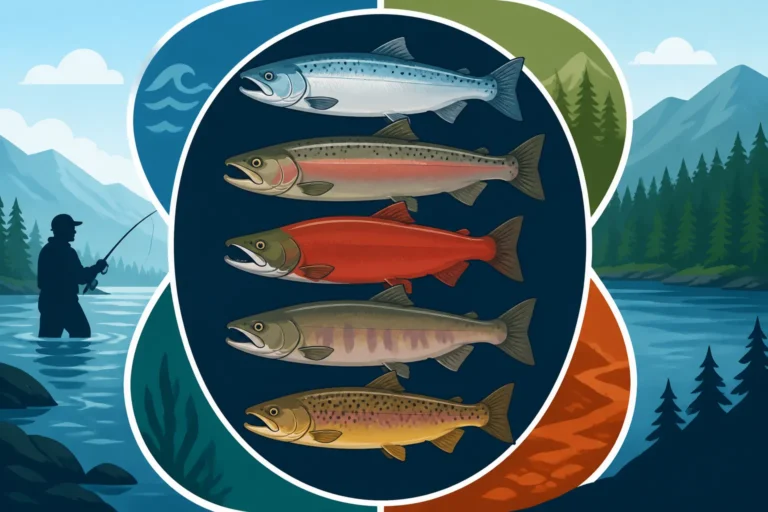
Chinook salmon, often called "Kings" for their impressive size and strength, are a cornerstone of many coastal rivers. What makes them unique in these systems is often their sheer scale and the challenge they present to anglers. Coastal river Chinook runs are frequently concentrated in the lower to middle sections of rivers like the Squamish, Cheakamus, and Campbell Rivers. These fish arrive from the ocean in prime condition, often carrying incredible fighting power. Their powerful bodies are built to navigate strong currents, and they will hold in the deepest, most turbulent pools, making them an incredible sport fish. Understanding their behaviour in these specific river settings is key to targeting them. Chinook Salmon Fishing in BC goes into more detail on how to pursue these magnificent fish.
Coho Salmon: Agile Hunters of the Middle River
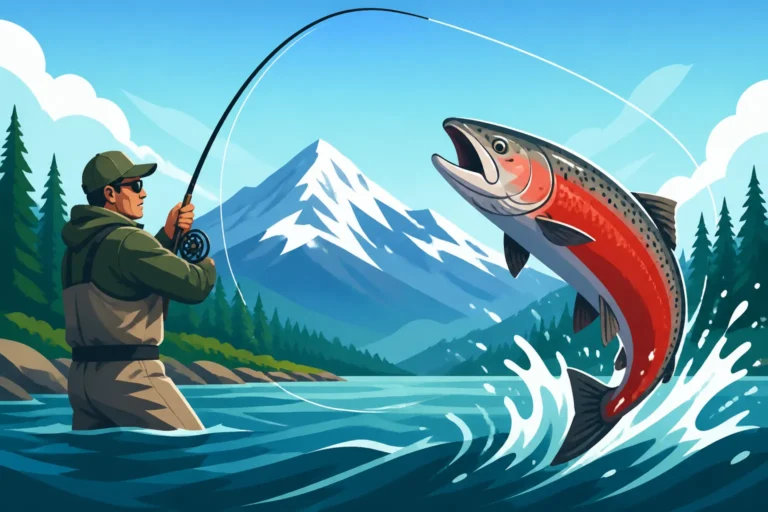
Coho salmon, known for their acrobatic jumps and spirited fights, thrive in the mid to upper reaches of coastal rivers, often making their appearance after the main Chinook runs. What's unique about coastal river Coho is their aggressive nature and willingness to strike at a variety of presentations, especially during the fall freshets (periods of increased river flow). They are incredibly responsive to fly fishing and light tackle, darting through runs and pools with lightning speed. The smaller, often clearer coastal streams like those on Vancouver Island or the Sunshine Coast offer some truly special Coho experiences. Their migration patterns and feeding habits are closely tied to the fluctuating water levels and abundant insect life that coastal river systems provide. If you're looking to challenge yourself, Coho Salmon Fishing in BC offers plenty of tips.
Pink and Chum: Tidal Influence Spawners
Pink and Chum salmon are often overlooked compared to their Chinook and Coho cousins, but they represent a truly unique and vital component of BC's coastal river ecosystems, especially those with strong tidal influence. Pinks, with their biennial runs (primarily even years on many southern BC rivers), flood into these rivers in staggering numbers, often preferring the lower, tidally affected sections. Their presence provides a massive food source for other species and wildlife. Chum salmon, with their distinctive barred patterns, are incredibly powerful fish that also favour the lower to mid-river sections, often spawning closer to the estuary. Their sheer abundance in rivers like the Harrison or Goldstream provides an ecological spectacle that is unique to these coastal systems. These species are less about the trophy fight and more about the incredible natural spectacle they create, demonstrating the sheer productive power of healthy coastal rivers.
Sea-Run Cutthroat Trout: The Estuary Wanderers
Now, if there’s one fish that truly embodies the spirit of BC's coastal rivers and their connection to the sea, it’s the sea-run cutthroat trout. These aren't just any trout; their anadromous lifestyle makes them incredibly special and unique to our Pacific Northwest coast.
A Truly Unique Life Cycle
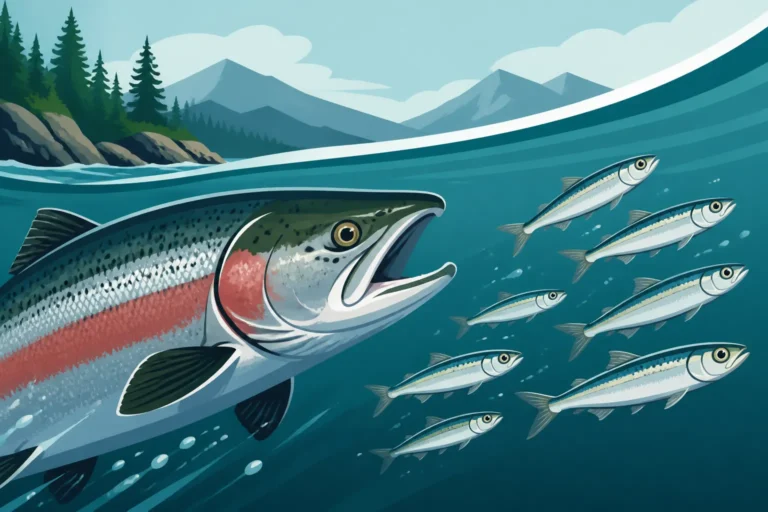
Unlike their purely freshwater cousins, sea-run cutthroat trout spend a significant portion of their lives in the brackish estuaries and nearshore ocean environments, venturing into rivers for spawning and often overwintering. Imagine a fish that embraces both worlds: the salt and the fresh! They are opportunistic feeders, often targeting small baitfish and crustaceans in the saltwater, which gives them a distinct flavour and fighting prowess. When they return to the rivers, often during fall and winter, they bring a wild, silvery beauty and an aggressive appetite. What cutthroat trout runs look like on coastal streams is truly something to behold, as these fish often show up in robust numbers, providing fantastic sport. Where sea-run cutthroat trout are found in BC is essentially any coastal river system with good estuary access and healthy freshwater habitat, from the Gulf Islands to the remote reaches of the North Coast. They are typically smaller than salmon but make up for it with their scrappy fights and stunning appearance.
Resident Cutthroat: Adapting to Freshwater
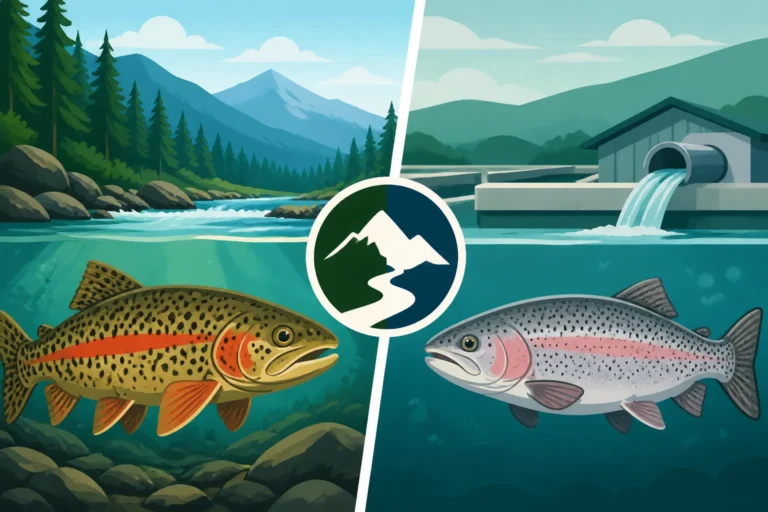
Within these same coastal rivers, you'll also find resident cutthroat trout that complete their entire life cycle in freshwater. These individuals might be genetically identical to their sea-run kin but have chosen (or been forced by habitat conditions) to forgo the saltwater migration. This highlights the adaptability of the species. They might be found further upstream, in smaller tributaries, or in isolated pockets of mainstem river. While they lack the impressive size that a few years in the ocean can provide, they are still beautiful, feisty fish that are uniquely adapted to their specific freshwater stretches within the larger coastal river system. Their diet shifts to insects, smaller fish, and even mice or voles that fall into the water.
Steelhead: The Elusive Winter Warriors
Ah, steelhead. These are the crown jewels of BC's coastal rivers for many anglers, and for good reason. They are essentially sea-run rainbow trout, but their size, strength, and elusive nature make them a distinct and revered species, truly unique to the Pacific Northwest.
Wild Steelhead Strongholds
British Columbia's coastal rivers, particularly those on the North Coast like the Skeena River system (including the Bulkley, Kispiox, and Babine rivers), are globally renowned for their robust wild steelhead runs. These are not hatchery fish; they are wild, powerful athletes that have survived years in the Pacific Ocean and returned to their natal streams. The sheer size and fighting spirit of a wild coastal steelhead are legendary. They typically enter rivers in late fall and winter, braving frigid temperatures and high flows, making them an incredible challenge for anglers. Steelhead Runs on BC's North Coast Rivers attract anglers from around the world. These fish are incredibly sensitive to habitat changes and angling pressure, which is why conservation is so critical.
The Journey and Adaptation
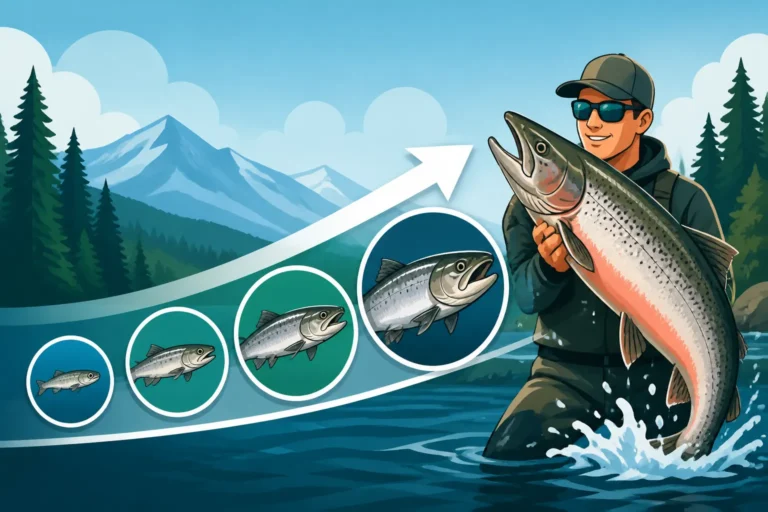
The life cycle of a steelhead is a testament to resilience. After hatching in a freshwater stream, they spend a year or two in the river before migrating to the ocean. They might spend 2-4 years in the vast Pacific, growing large and strong, before embarking on the arduous journey back to freshwater to spawn. Unlike Pacific salmon, steelhead are iteroparous, meaning they can survive spawning and return to the ocean, potentially to spawn again in future years. This "repeat spawning" trait is incredibly rare and adds to their uniqueness. Catching one of these magnificent fish, often in challenging winter conditions, is considered the pinnacle of freshwater fishing for many. Do Steelhead Reproduce Naturally in BC Rivers? The answer is a resounding yes, and protecting these natural spawning grounds is paramount to their survival.
Lesser-Known but Equally Fascinating Coastal River Fish
Beyond the celebrated salmon, cutthroat, and steelhead, BC's coastal rivers harbour a host of other fascinating species that contribute to the unique ecological tapestry. While some of these might be found in interior waters too, their specific forms and ecological roles within coastal systems are noteworthy.
Dolly Varden and Bull Trout: Often Confused, Always Intriguing
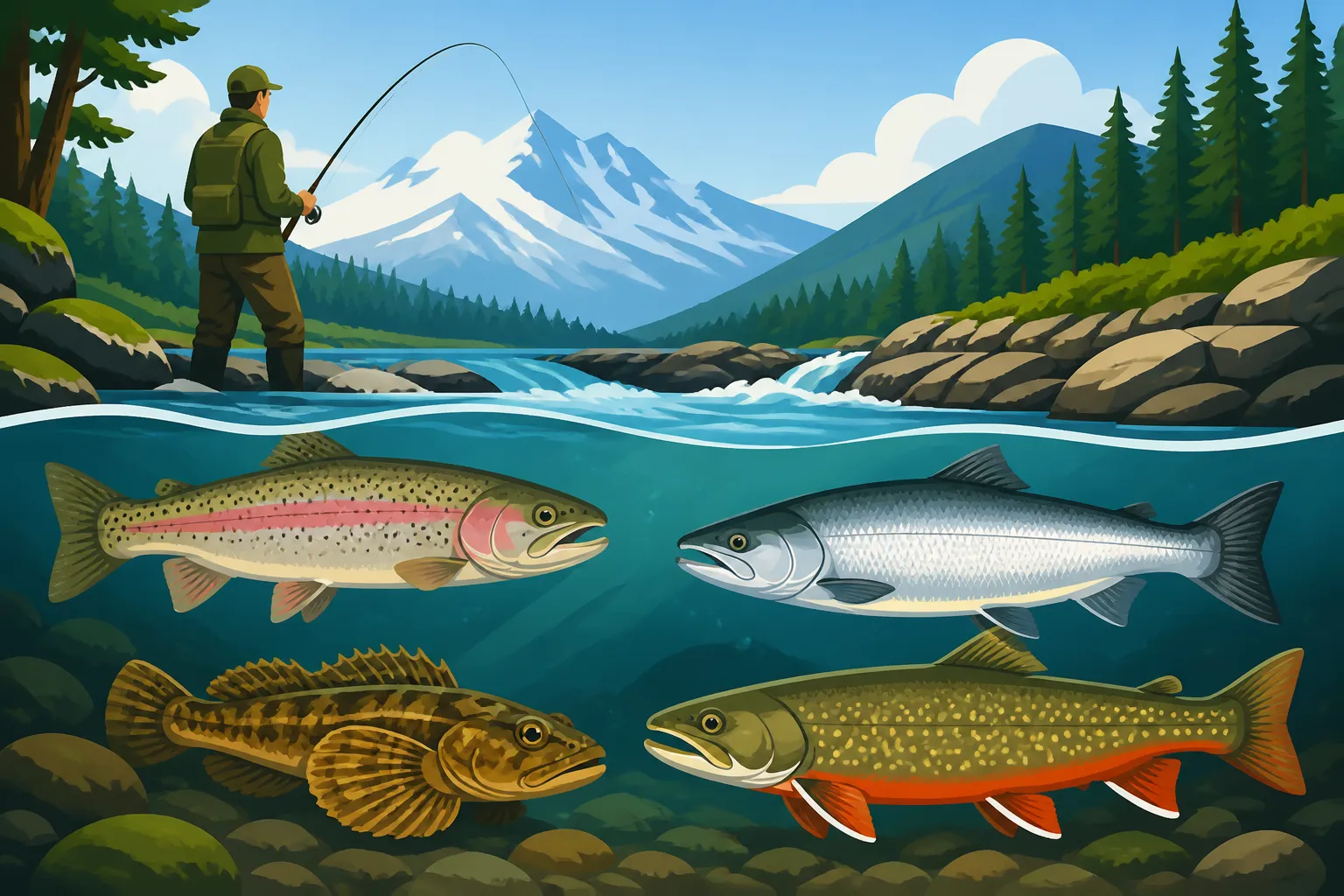
Dolly Varden and Bull Trout are often confused due to their similar appearances and shared char family lineage, but they are distinct species, and both can be found in BC's coastal rivers. In many coastal systems, particularly those further north, the term "Dolly Varden" is often used. These fish are aggressive predators, feeding on smaller fish, eggs, and insects. What makes their presence in coastal rivers unique is their anadromous tendencies in some populations, where they will migrate between freshwater and saltwater, following salmon runs to gorge on protein-rich eggs. How to tell a bull trout from a Dolly Varden involves subtle differences in head shape, fin colour, and spot patterns, but both are incredibly beautiful and powerful fish. Their role as opportunistic feeders means they are a vital part of the river's food chain, cleaning up after salmon spawns and preying on vulnerable fry.
Stickleback and Sculpins: The Tiny Trophies
While not typically targeted by sport anglers, the humble stickleback and sculpin species are unsung heroes of BC's coastal rivers, representing unique adaptations to their specific niches. Three-spined sticklebacks, for example, are small, spiny fish found in a variety of coastal habitats, including brackish estuaries and freshwater rivers. They build intricate nests and display complex courtship rituals. Sculpins, with their flattened bodies and large pectoral fins, are bottom-dwelling ambush predators, perfectly camouflaged against the riverbed. They feed on insects, larvae, and small fish, and are a crucial food source for larger predators like trout and salmon. Their presence in these rivers, often in unique local variations, speaks volumes about the detailed and varied ecosystems at play, even at the smallest scale.
Conserving BC's Unique Coastal River Fish
The very uniqueness of these coastal river fish makes them particularly vulnerable to environmental changes. Their reliance on both pristine freshwater and healthy marine environments means they face threats from both land and sea.
Conservation Efforts and Angler Responsibility
British Columbia has a strong tradition of conservation, with many organizations, government agencies, and passionate anglers working tirelessly to protect these unique fish populations and their habitats. This includes habitat restoration projects, careful management of fishing seasons and limits, and ongoing scientific research. As anglers, our role is crucial. Practising responsible angling, such as proper catch and release techniques, respecting closures, and understanding BC Fishing Regulations Explained and BC Catch and Release Only Waters, is paramount. We are the first line of defense for these precious resources. When you're out on a river like the Skeena River Steelhead Fishing, you're not just fishing; you're participating in a legacy.
How You Can Contribute
Beyond following regulations, there are many ways to support the conservation of BC's unique coastal river fish. Consider volunteering for local streamkeeper groups, participating in habitat restoration days, or supporting organizations dedicated to fisheries conservation. Educating yourself and others about the importance of these ecosystems, from the smallest stickleback to the mightiest Chinook, helps foster a culture of respect and stewardship. Every effort, no matter how small, contributes to the health and longevity of these extraordinary fisheries for future generations. Protecting Endangered and Protected Fish Species in BC is a collective responsibility.
These coastal rivers truly are biological treasures, brimming with life that has adapted in remarkable ways to some of the most dynamic environments on Earth. So next time you're planning a trip, consider looking beyond the obvious, delve into a coastal river, and discover the unique aquatic wonders it holds.
Disclaimer
This article is for general informational purposes only and does not constitute professional advice. Laws, prices and regulations vary by location and change over time. Consult a qualified professional for guidance on your specific situation.