Difference between wild and stocked trout in BC
It's a common dilemma for many anglers, especially when you're casting your line into British Columbia's diverse waters: "Is this beautiful trout I just hooked a wild fish, or one that started its life in a hatchery?" The truth is, sometimes it's really tough to tell, and that uncertainty can take a little something away from the experience. But understanding the difference between wild and stocked trout isn't just about satisfying curiosity; it can actually help you become a more effective and appreciative angler. This comprehensive guide will break down the tell-tale signs, explain why BC stocks fish, and give you practical tips to identify and target both.
The Fundamental Differences Between Wild and Stocked Trout
When you're out on the water, whether it's a remote mountain lake or a popular roadside pond, every fish tells a story. For trout in British Columbia, part of that story often involves whether they were born in a stream bed, nurtured by their natural environment, or raised in a controlled hatchery setting before being released. Knowing which story your fish carries can make a big difference in how you approach your fishing and how you understand the ecosystem around you.
Appearance: Reading the Cues on the Fish Itself
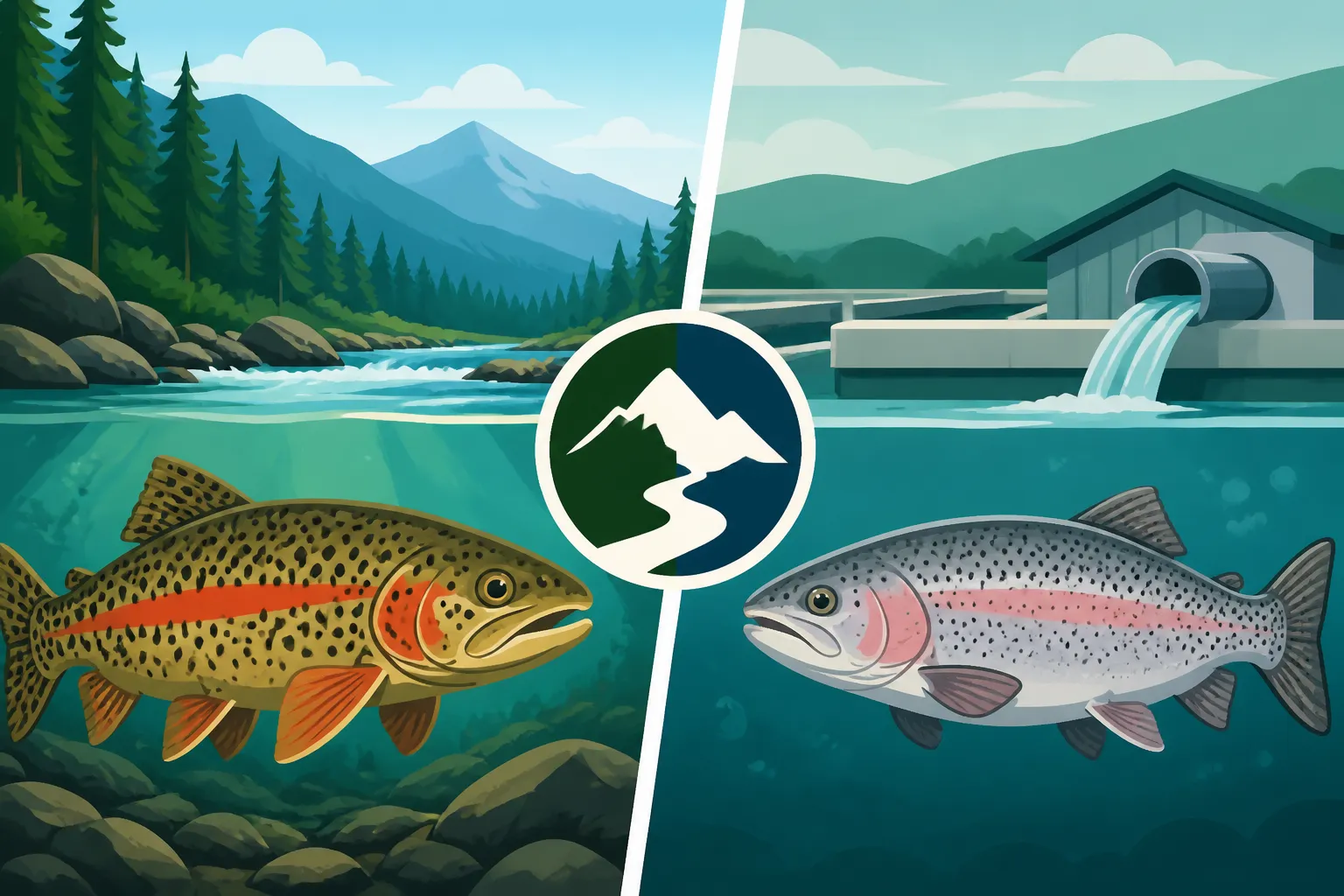
The most immediate and often the clearest indicators of a trout's origin are its physical characteristics. Wild trout, constantly navigating the challenges of their natural environment, tend to develop a distinct look compared to their hatchery-raised counterparts.
First, take a close look at the fins. Wild trout, especially those in fast-flowing rivers or rocky lakes, have fins that are usually perfect, often sharply pointed, and fully intact. They use these fins constantly for maneuvering, fighting currents, and evading predators, which keeps them strong and healthy. Hatchery fish, on the other hand, particularly those that have been recently stocked, frequently show signs of wear and tear on their fins. They're often kept in crowded tanks or raceways, leading to fin-nipping from other fish or abrasion against concrete surfaces. You might see stubby, rounded, or even completely missing sections of their pectoral, pelvic, or dorsal fins. This "fin erosion" is one of the most reliable giveaways for a stocked fish.
Next, consider the coloration. Wild trout typically boast vibrant, rich, and often complex colour patterns that reflect their natural diet and environment. Their spots might be more pronounced, their flanks might shimmer with iridescent hues, and their overall appearance often screams "survival of the fittest." They've spent their lives camouflaging against rocks, gravel, and vegetation, and their colours are a testament to that adaptation. Stocked fish, by contrast, can sometimes appear a bit duller or more uniform in colour. While they can still be beautiful, their colours might lack the intensity and depth seen in wild fish. This is often due to a more standardized diet and less exposure to the varied conditions that influence pigmentation in the wild.
The body shape and overall condition also offer clues. Wild trout are generally lean, muscular, and incredibly streamlined. They're built for speed, agility, and enduring tough conditions. Their heads might appear slightly larger in proportion to their bodies, a characteristic of fish that have had to work hard for their meals. Stocked trout, especially those fresh from the hatchery, might have a somewhat "fatter" or chunkier appearance, a result of a consistent, high-calorie diet and less need to expend energy hunting. Sometimes, their heads can seem disproportionately small compared to their well-fed bodies. This isn't always the case, particularly with "holdover" stocked trout that have survived in the wild for a season or more, but it's a common initial indicator.
Here's a quick comparison of physical traits:
| Feature | Wild Trout | Stocked Trout (Recently Released) |
|---|---|---|
| Fins | Fully formed, sharp, often perfect condition | Worn, frayed, rounded, sometimes missing bits |
| Coloration | Vibrant, rich, complex patterns, deeply hued | Often duller, more uniform, less intense colour |
| Body Shape | Lean, muscular, streamlined, large head | Chunkier, often less streamlined, smaller head |
| Spots/Markings | Distinct, varied, well-defined | Sometimes less defined or faded |
| Overall Vigor | Appears robust, alert, natural camouflage | Can seem a bit soft, less wary, "factory-made" |
Behavior and Fight: What to Expect on the Line
Beyond their looks, the way a trout behaves both before and after it takes your lure can provide strong hints about its upbringing. This is where experience on the water truly pays off, allowing you to "feel" the difference.
Wild trout are often incredibly wary. They've survived by being cautious, by recognizing threats, and by understanding their environment. Approaching a prime wild trout lie with heavy footsteps or a clumsy cast is almost guaranteed to send them darting for cover. When they do strike, it's typically a deliberate, confident take, often followed by an explosive, acrobatic fight. These fish use their strong, well-developed fins and powerful tails to their full advantage, making long runs, head shakes, and often jumping clear of the water. They are masters of their domain and fight with an instinct for survival ingrained over generations. Landing a wild trout often feels like a true accomplishment, a testament to your skill in outsmarting a creature perfectly adapted to its natural world.
Stocked trout, particularly those recently introduced, tend to be less cautious and more opportunistic. They've spent their lives in an environment where food is readily available and predators are absent, so they haven't developed the same level of wariness. You might find them in more open, exposed areas, and they might be quicker to strike at a wider variety of baits and lures, sometimes even hitting aggressively without much thought. While they still provide a fun fight, it's often described as less intense or sustained than that of a wild fish. They might make a few strong initial runs but often tire more quickly, lacking the sheer muscle and endurance of a wild trout. This isn't to say they don't put up a good struggle—they certainly do, especially for newer anglers—but the raw, untamed power often isn't quite the same.
Of course, there's a spectrum. A "holdover" stocked trout, one that has survived in a lake or river for a season or more, can start to exhibit more wild-like traits. They adapt to foraging, become warier of predators, and build muscle tone more akin to their wild brethren. These fish can be particularly tricky to identify, blurring the lines between the two categories. However, their initial physical marks, if still present, might be the only clue to their hatchery origin. Knowing How to catch holdover rainbow trout in BC can be a rewarding challenge.
Habitat and Location: Where You're Likely to Find Each
The environment where you encounter a trout is another significant piece of the puzzle. British Columbia's vast and varied landscape offers countless fishing opportunities, from remote alpine lakes to bustling urban ponds.
Wild trout typically thrive in pristine, undisturbed environments. Think of the crystal-clear, oxygen-rich waters of mountain streams, the remote, deep lakes accessible only by hike or float plane, or the colder, healthier sections of larger rivers. These are places where water quality is excellent, natural food sources (insects, smaller fish, crustaceans) are abundant, and the habitat provides ample cover from predators and harsh weather. They are masters of survival, occupying ecological niches that support self-sustaining populations. When you're fishing in truly wild country, far from roads and human intervention, the chances of encountering a native, wild-born trout are significantly higher. Native trout species found in BC are often found in these types of pristine environments.
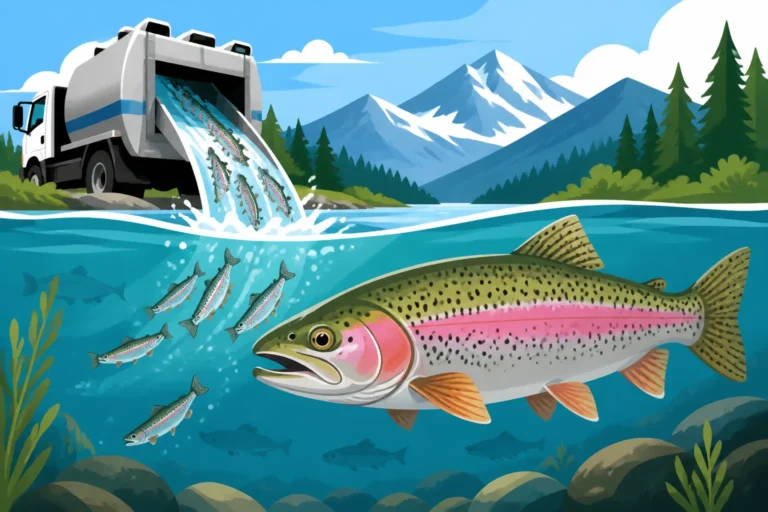
Stocked trout, conversely, are usually released into waters that either cannot support a robust natural population or where fishing pressure is so high that natural reproduction alone wouldn't meet angler demand. This often includes easily accessible lakes and ponds near towns and cities, smaller reservoirs, or even certain sections of rivers where fishing is particularly popular. The Freshwater Fisheries Society of BC plays a vital role in this, stocking millions of fish annually into hundreds of lakes across the province to ensure consistent fishing opportunities for everyone. These stocked waters are often chosen for their accessibility and their ability to provide immediate gratification for anglers, especially families and beginners. You might find detailed stocking reports for these lakes, which can be a dead giveaway. If you're fishing a small, accessible lake that gets a lot of recreational use, it's highly probable you're targeting stocked fish. For more on these programs, you can look into Are Triploid Rainbow Trout Stocked in BC Lakes?.
It's also worth noting that some larger, naturally productive lakes and rivers might host both wild and stocked populations, particularly if they are part of a program to supplement fisheries or introduce specific strains of trout. In these mixed environments, applying all the identification techniques becomes even more crucial. Checking local regulations and fishery notices, like those found in Reading the BC Freshwater Fishing Regulations Synopsis, can give you a better idea of what to expect in specific bodies of water.
Why British Columbia Stocks Trout (and What It Means for Anglers)
British Columbia is renowned globally for its incredible fishing, and a significant part of sustaining that reputation, especially for recreational anglers, comes down to strategic stocking programs. It's not just a random act; it's a carefully managed effort designed to enhance fishing opportunities for everyone while also playing a role in broader conservation.
Enhancing Fishing Opportunities and Conservation Efforts
The primary reason for stocking trout in BC is quite simple: to provide more fish for more people to catch. Many lakes, especially those that are easily accessible, experience heavy fishing pressure. Without stocking, these waters might quickly become depleted, leading to frustrated anglers and diminished recreational value. The Freshwater Fisheries Society of BC, for instance, operates several hatcheries and releases millions of trout into hundreds of lakes across the province each year. This ensures that even novice anglers or families with young children have a good chance of catching fish, fostering a love for the sport and for nature. For those interested in Rainbow Trout Fishing in BC, knowing where these fish are released can lead to some fantastic days on the water.
Beyond sheer numbers, stocking programs also serve several key conservation and management purposes:
- Creating "Put-and-Take" Fisheries: These are waters where fish are stocked specifically to be caught. They relieve pressure on wild populations in more sensitive areas, effectively redirecting angler effort to more resilient, managed fisheries. This is especially true for popular species like Rainbow Trout and Kokanee Fishing in BC.
- Rehabilitation of Depleted Fisheries: In some cases, stocking can be used to help re-establish fish populations in waters where natural stocks have been damaged or lost due to environmental factors, overfishing, or habitat degradation.
- Introduction of New Species: While less common with trout, stocking can sometimes be used to introduce a suitable species into a new water body to create a fishery where none existed before, or to introduce a specific strain of fish known for desirable traits (like the Kamloops trout strain of rainbow trout).
- Providing Diverse Experiences: Stocked lakes often cater to a different kind of angling experience. They can be ideal for teaching beginners, experimenting with new gear, or simply enjoying a relaxing day with a high probability of success.
It's a delicate balance: ensuring enough fish for sport while protecting the integrity of wild populations. The goal is not to replace wild fish but to supplement opportunities and manage resources responsibly.
Understanding Stocking Programs and Schedules
For any angler looking to maximize their chances of success, especially in waters that are regularly stocked, understanding the "when" and "where" of stocking programs is incredibly valuable. In British Columbia, this information is often publicly available and can be a game-changer for your fishing strategy.
The Freshwater Fisheries Society of BC provides detailed stocking reports that are a treasure trove of information. These reports typically list the lakes that have been stocked, the species of trout released (often Rainbow Trout, but sometimes Eastern Brook Trout or [Kokanee]), the number of fish, and the date of the release. This kind of data allows anglers to plan their trips strategically, targeting lakes that have recently received a fresh batch of fish, or avoiding lakes that might have been heavily fished out since their last stocking. You can often find this information on their website or through various fishing apps and resources. Knowing the stocking schedule can significantly increase your catch rate, as newly stocked fish are often less wary and more eager to bite. How to catch trout right after stocking in BC becomes much easier with this knowledge.
When reviewing stocking schedules, pay attention to the size of the fish being released. Hatcheries might release fingerlings (very small fish), catchable-sized trout, or even larger "trophy" fish. The size of the stocked fish will influence the tackle and techniques you use. For smaller, recently released fish, lighter tackle and smaller baits or flies might be most effective. For larger, holdover, or trophy-sized stockers, you might need to adjust to heavier gear, similar to what you might use for wild fish.
Many local tackle shops and fishing clubs are also excellent resources for current stocking information and tips. They often have firsthand knowledge of which lakes are "hot" and what techniques are working best for the recently stocked fish. Pairing official reports with local insights can give you the ultimate advantage. For instance, if you're planning a trip and need some new tackle, checking out what's available on Amazon for "light spinning rods" or "trout powerbait" might be a good start, but always cross-reference with local knowledge.
Angler's Perspective: Pros and Cons for Your Fishing Experience
As anglers, we often approach fishing with a mix of anticipation, challenge, and a deep appreciation for the natural world. The presence of both wild and stocked trout in BC waters shapes our experiences in distinct ways, offering different joys and presenting unique considerations.
The Joy of Catching Each Type
There's a unique thrill in catching any fish, but the satisfaction can vary subtly depending on whether you've landed a wild or a stocked trout.
Catching a wild trout often evokes a profound sense of accomplishment and connection to nature. These are the fish that have beaten the odds, survived predators, harsh winters, and lean times. They've honed their instincts and thrived in truly wild environments. Landing one feels like you've truly outsmarted a creature in its own domain. The fight is often more spirited and cunning, testing your skills and patience. There's a certain respect that comes with releasing a wild trout, knowing it will continue its journey in the ecosystem. For many, a single wild trout caught after a challenging hike into a remote lake is more memorable than a dozen stocked fish from an easily accessible pond. It's about the entire experience—the solitude, the pristine surroundings, and the sense of earning your catch.
On the other hand, catching a stocked trout provides a different kind of joy, one that is equally valid and often more immediately accessible. These fish are a fantastic resource for learning, practice, and simply having a fun, productive day on the water. For beginners, kids, or those introducing friends to fishing, stocked lakes offer a higher chance of success, which is crucial for building confidence and enthusiasm. The sheer volume of fish means more bites and more opportunities to practice casting, setting the hook, and playing a fish. It's an excellent way to hone your skills before tackling the more elusive wild populations. Plus, stocked fisheries often provide a wonderful family outing, with picnic spots and easy access that make fishing a relaxed, enjoyable activity rather than an arduous expedition. If you're looking to just get out and feel a tug on the line, stocked waters are your friend. For gear recommendations, a quick search on Amazon for "beginner fishing rod and reel combo" will show you plenty of affordable options to get started.
Ethical Considerations and Conservation Practices
Regardless of whether you're targeting wild or stocked trout, responsible angling practices are paramount in British Columbia. Our beautiful fisheries depend on us treating them with respect and ensuring their sustainability for future generations.
When fishing for wild trout, conservation becomes an even more critical component of the experience. These populations are self-sustaining, but they are also often more vulnerable to overfishing, habitat degradation, and improper handling. Practices like catch-and-release are highly encouraged, especially in sensitive wild fisheries. When releasing a wild trout, it's vital to handle it gently, minimize its time out of water, and ensure it's revived before letting it go. Using single, barbless hooks can also significantly reduce harm. Knowing your BC Fishing Regulations Explained for specific wild waters is non-negotiable, as some areas may have special restrictions, bait bans, or gear limitations to protect these precious resources. The ethical angler understands that catching a wild trout is a privilege, and their actions should reflect a commitment to its continued existence.
For stocked trout, while the conservation concerns are different, ethical practices are still important. Even though these fish are often raised for harvest, responsible angling ensures a quality experience for all. This includes adhering to bag limits (which can be more generous for stocked fish, but still important), properly disposing of all trash, and being respectful of other anglers and the environment. If you plan to keep your catch, ensure you dispatch the fish quickly and humanely. Using a cooler with ice is essential to keep the fish fresh, especially if you're enjoying a longer day out. Although these fish are replenished, treating them with respect and following regulations helps maintain the health of the stocked water and the overall reputation of anglers. For carrying your catch, portable soft-sided coolers, many available on Amazon, are a convenient option.
Practical Tips for Identifying and Targeting Both
Being able to identify wild versus stocked trout, and then adapting your approach, can dramatically improve your success and enjoyment on BC's waters. It's all about understanding the fish and its environment.
Gear and Techniques for Wild Trout
Targeting wild trout often requires a more refined approach, a bit more stealth, and tackle that helps you present your offering naturally.
For gear, think light and subtle. A lighter action spinning rod with a sensitive tip, paired with a small spinning reel spooled with light monofilament or fluorocarbon line (4-6 lb test is common), will give you the feel you need. If you're a fly angler, a 3 to 5-weight fly rod is generally perfect for most wild trout streams and smaller lakes, allowing for delicate presentations. Leaders should be long and tippets fine, typically 4x to 6x, to minimize visibility to wary fish. While you can find excellent specialized gear in local BC shops, for general fly fishing essentials like fly lines or tippet material, exploring options on Amazon can also be convenient.
In terms of techniques, stealth is key. Approach fishing spots quietly, keeping a low profile. Wild trout are highly attuned to movement and shadows. Longer casts are often beneficial to keep you at a distance. When it comes to lures and baits, "matching the hatch" is crucial for fly anglers—imitating the insects prevalent in that particular ecosystem. For spin fishers, small, natural-looking inline spinners, spoons, or soft plastics resembling local baitfish or insects can be very effective. Drift fishing natural baits like worms, roe, or small insects downstream with minimal weight can also entice strikes. Focus on presenting your offering as naturally as possible, letting currents do much of the work. Look for natural cover, current seams, and deeper pools where wild trout might be holding. Fishing during dawn and dusk, when light is low and trout are most active, can also yield better results.
Gear and Techniques for Stocked Trout
Stocked trout are often less finicky, making them a great target for a wider range of gear and techniques, particularly for those just starting out.
You can often get away with slightly heavier, more robust tackle for stocked trout, especially if they're newly released. A medium-light spinning rod with 6-8 lb test line is perfectly adequate. For fly fishing, a 5-6 weight rod can handle bigger stockers and heavier indicators or sink tips. Because stocked fish are often less line-shy, you don't always need the super fine leaders and tippets that wild trout demand, making rigging a bit simpler.
Technique-wise, you can be more direct. Stocked fish are often conditioned to feeding aggressively, so brighter, more active lures can work wonders. PowerBait, scented soft plastics, corn, or even bright marshmallow-and-worm combos are often highly effective when still-fishing from shore or a boat. Small spoons and spinners in flashy colours or with enticing wobbles are also excellent choices for casting and retrieving. Troll small plugs or wedding bands tipped with bait if fishing from a boat. Don't be afraid to experiment with different colours and retrieves until you find what they're hitting. Because these fish are often concentrated, once you find a feeding school, you can often catch multiple fish in the same area. Best technique for bank fishing a stocked lake often involves stationary bait presentation, but don't overlook covering water with lures.
Researching Your Fishing Destination
Before you even tie a knot, the single most impactful thing you can do is research your specific fishing destination. This due diligence can save you time, effort, and frustration, and put you on the right track for identifying and catching your target.
Start by checking the official resources. The Freshwater Fisheries Society of BC's website is an invaluable tool, providing current stocking reports, lake profiles, and access information. This will tell you if a lake is stocked, when it was last stocked, and with what species and size of fish. Similarly, the BC Fishing Regulations Explained and the annual Freshwater Fishing Regulations Synopsis are essential reads for understanding specific rules for each water body, including bag limits, bait restrictions, and special conservation measures that might indicate the presence of sensitive wild populations. The synopsis will also highlight "Special Regulation Waters in BC" or "BC Catch and Release Only Waters," which are often prime wild trout habitats.
Beyond official channels, local knowledge is golden. Visit local tackle shops in the area you plan to fish. The folks working there are often avid anglers themselves and can provide up-to-the-minute information on what's biting, what techniques are working, and whether people are primarily catching wild or stocked fish. They can also point you towards specific gear or bait that's locally effective. Online fishing forums and local social media groups can also offer real-time reports and insights from other anglers. Don't be afraid to ask questions; most anglers are happy to share their knowledge, especially when it helps promote responsible fishing.
By combining physical identification, an understanding of trout behavior, and thorough research of your chosen fishing spot, you'll be well-equipped to appreciate the differences between wild and stocked trout in British Columbia. This knowledge not only makes you a more informed angler but also deepens your connection to the incredible aquatic environments we are so lucky to enjoy.
Disclaimer
This article is for general informational purposes only and does not constitute professional advice. Laws, prices and regulations vary by location and change over time. Consult a qualified professional for guidance on your specific situation.