Where kokanee live in BC lakes
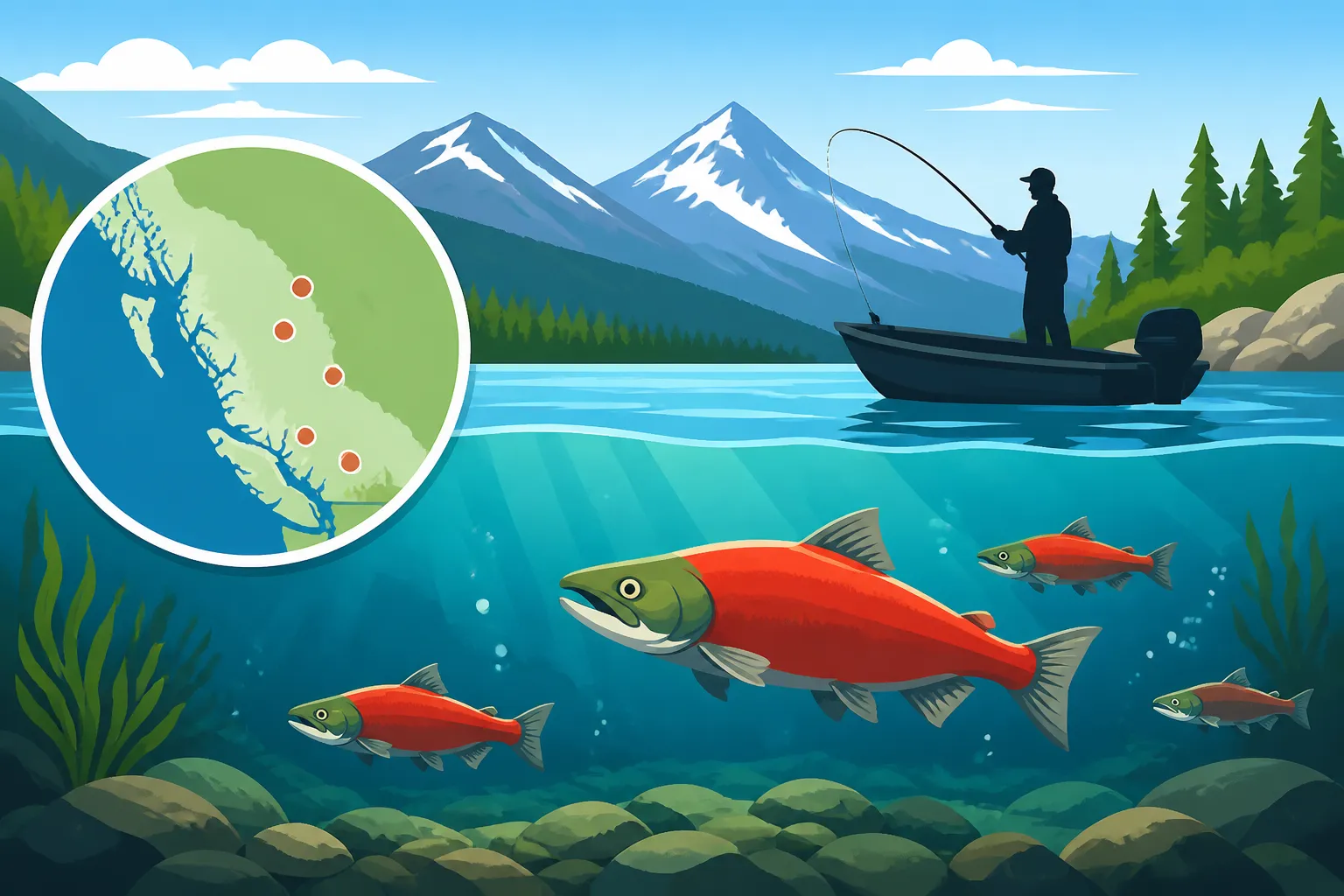
One of the most rewarding — and sometimes frustrating — experiences in British Columbia fishing is trying to find kokanee salmon. These feisty, delicious landlocked sockeye can be incredibly elusive, disappearing into the vast depths of our beautiful lakes. It’s easy to feel like you're just blindly trolling or casting, hoping for a bite. This comprehensive guide is here to unravel the mystery of kokanee habitat, helping you understand where these silver bullets prefer to live in BC lakes and how you can use that knowledge to put more fish in your cooler.
Understanding Kokanee's Preferred Habitat in BC Lakes
Kokanee are truly unique; they're essentially sockeye salmon that have chosen a freshwater, landlocked existence, foregoing the epic journey to the ocean. Because of their salmonid heritage, they have very specific environmental needs that dictate where they’ll spend their lives in a lake. If you can understand these fundamental requirements, you're already halfway to finding them.
The Allure of Deep, Clear, Cold Water
The number one rule for kokanee is: they love deep, clear, and cold water. Think about it – their sockeye cousins are ocean-dwelling fish, adapted to vast, cool environments. When they get "stuck" in a lake, they seek out conditions that mimic that ancestral home as much as possible. This means you won't typically find kokanee thriving in shallow, muddy, or overly warm lakes.
They gravitate towards lakes that have significant depth, often exceeding 50 feet, and ideally much more. This depth provides a crucial refuge from warmer surface temperatures, especially during the peak of summer. Clear water is also vital, as kokanee are primarily sight feeders, relying on their keen vision to spot the tiny zooplankton that make up the bulk of their diet. Turbid or cloudy water makes foraging much harder for them. The cold water component isn't just about comfort; it's about oxygen. Colder water holds more dissolved oxygen, which is essential for these active fish, especially as lake temperatures rise. This is why you often hear about them concentrating in specific bands of water rather than being spread throughout the entire lake.
The Phenomenon of Thermal Stratification
This brings us to a critical concept: thermal stratification. In many deeper BC lakes, especially during the warmer months, the water column develops distinct layers of different temperatures. The warmer, lighter water sits on top (the epilimnion), a transitional zone with a rapid temperature change exists below that (the thermocline), and then the colder, denser water resides at the bottom (the hypolimnion).
Kokanee are incredibly sensitive to water temperature. They generally prefer temperatures in the range of 10-15°C (50-59°F), sometimes pushing a little warmer or cooler depending on food availability. This means they will actively seek out the thermocline and the upper reaches of the hypolimnion, where these ideal temperatures and sufficient oxygen levels exist. Think of the thermocline as their comfort zone – a literal sweet spot where all their physiological needs are met. During summer, this layer might be 30, 50, or even 80 feet down, constantly shifting based on weather and lake dynamics. Anglers who consistently find kokanee are usually adept at locating and staying within this thermal band. Using a good fish finder or a dedicated temperature probe can be an absolute game-changer for identifying this crucial depth. Many modern sonar units from brands like Amazon offer excellent temperature readings at different depths.
Plankton-Rich Environments: The Kokanee Buffet
Finally, kokanee are planktivores, meaning their diet consists almost exclusively of zooplankton – tiny crustaceans and other microscopic organisms drifting in the water. Therefore, they will always be found where this food source is abundant. Lakes with healthy plankton populations are prime kokanee habitat.
These plankton blooms are often tied to nutrient cycling within the lake and can be influenced by inflows, sunlight, and the overall productivity of the water body. Kokanee will move in schools, sometimes vast ones, to track these plankton concentrations. If you’re trolling and suddenly start marking a "cloud" on your sonar, especially in that ideal temperature range, there's a good chance you've found a school of kokanee feasting on a plankton bloom. Understanding What kokanee are and how they differ from sockeye often helps explain their dietary preferences and, by extension, their habitat choices.
Key Lake Features Attracting Kokanee
While deep, cold, and clear water with ample plankton is the general rule, certain physical features within a lake act like magnets for kokanee, concentrating them in specific areas that anglers can target.
Inflows and Outflows: Nutrient Highways
River inflows and outflows are often critical hotspots for kokanee. Inflows, where rivers or larger creeks enter a lake, bring in fresh, often cooler, and more oxygenated water. More importantly, they transport nutrients and organic matter that fuel the plankton growth kokanee depend on. These areas can act as natural food funnels.
Similarly, outflows, where rivers exit a lake, create currents and upwellings that can concentrate plankton. During spawning season, these inflows and outflows become absolutely vital as kokanee, in their final life stage, instinctively seek out moving water to complete their reproductive cycle. Knowing the location of these tributaries can be immensely helpful, not just for spawning runs but also for targeting feeding kokanee throughout the year, as they often patrol these nutrient-rich zones. For those interested in their full life cycle, exploring the Kokanee Spawning Season in BC provides great insight into these migrations.
Drop-offs, Ledges, and Submerged Structures
Kokanee, despite their schooling nature in open water, still appreciate structure, especially when it offers quick access to deeper, cooler water. Drop-offs, where the lake bottom plunges sharply, are prime examples. These underwater cliffs allow kokanee to quickly ascend to feed on plankton in shallower, richer waters, and then retreat to the safety and comfort of the depths. Ledges and shelves also serve a similar purpose, acting as staging areas where schools can gather.
While they don't necessarily "hide" in structure like a bass would, these topographic features concentrate their food source or provide advantageous cruising lanes. Anglers often find success trolling along the contours of these drop-offs, keeping their gear in the zone where kokanee are likely moving. Submerged islands or humps that rise from the depths but don't quite reach the surface can also be fantastic spots, as they create currents and upwellings that bring food closer to the surface, forming underwater "summits" for kokanee. Think of them as underwater highways or pit stops.
Less Critical, But Still Present: Submerged Vegetation and Timber
Compared to other fish species like trout or bass, kokanee generally aren't as tightly associated with submerged vegetation or timber. They are primarily pelagic, meaning they live in the open water column, not necessarily hiding amongst weeds or sunken logs. However, there are exceptions. In some lakes, if dense weed beds grow at depths that fall within the kokanee's preferred temperature and oxygen range, they might hold fish. These weeds can provide shelter for plankton, thus attracting kokanee.
Similarly, large areas of submerged timber, such as old-growth forests flooded by damming, can create intricate habitats. While not their primary choice, these structures can break up currents, creating eddies where plankton collects, or provide deeper shade in warmer conditions. It's less about the cover for the fish itself, and more about how these features might concentrate their food. However, generally, when targeting kokanee, you're looking for open water where schools can freely roam, following their food.
Regional Hotspots: Major BC Lakes Known for Kokanee
British Columbia is blessed with an incredible array of freshwater lakes, and many of them host thriving kokanee populations. However, a few stand out as legendary destinations for these beautiful fish. Understanding which lakes are famous for kokanee helps narrow down your search and provides a starting point for planning your next angling adventure.
Okanagan Lake: A Kokanee Powerhouse
When you talk about kokanee in BC, Okanagan Lake inevitably comes up. This long, deep, and relatively warm lake in the Okanagan Valley is a true kokanee powerhouse. Its immense depth provides ample cold-water refuge, and its rich ecosystem supports abundant plankton populations, making it an ideal home for these fish.
Okanagan Lake is particularly known for its consistent kokanee fishery, especially through the summer months when they can be found schooled up in the depths. Anglers here often employ specific trolling techniques to target them, working with downriggers to precisely position lures at the thermocline. Common areas to focus on include the deeper basins, points that drop into deep water, and around the mouths of major creeks like Peachland Creek or Mission Creek, particularly during spawning runs. The size of kokanee in Okanagan Lake can vary, but healthy populations provide plenty of action. If you're looking for specific tactics for this lake, check out Best Kokanee Trolling Techniques for Okanagan Lake and Okanagan Lake Kokanee Fishing. Finding Best public boat launches on Okanagan Lake is also key to accessing these productive waters.
Kootenay Lake: Home of Giants (and Kokanee)
While Kootenay Lake is famous for its colossal Gerrard Rainbow Trout, these rainbows wouldn't get so big without a primary food source – you guessed it, kokanee. Kootenay Lake boasts a massive kokanee population, which in turn sustains the legendary trout. This deep, fjord-like lake, particularly the North and South Arms, offers perfect habitat for kokanee with its cold, clear waters and rich plankton.
The kokanee in Kootenay Lake often grow to impressive sizes themselves, providing a fantastic sport fishery. Anglers target them throughout the year, with various techniques. In winter, ice fishing for kokanee can be popular in certain bays. During open water season, trolling is the primary method, often using attractors and small lures to entice bites. The kokanee here are vital to the ecosystem, and their health is closely monitored. For an overall picture of this lake's fantastic fishery, don't forget to read about Kootenay Lake Gerrard Rainbow Trout Fishing.
Shuswap Lake and the Arrow Lakes: Other Notable Fisheries
Beyond Okanagan and Kootenay, several other BC lakes offer fantastic kokanee opportunities. Shuswap Lake, another large, deep interior lake, supports a healthy kokanee population. Its complex shoreline, numerous bays, and significant depths make it a prime location. Anglers often find success here, particularly in the deeper areas and around tributary mouths. In the winter, Best ice fishing access on Shuswap Lake is often sought out by intrepid anglers.
The Arrow Lakes (Upper and Lower Arrow Lakes), part of the Columbia River system, also hold good numbers of kokanee. These long, deep reservoirs provide ideal conditions. While perhaps less "famous" than Okanagan or Kootenay for kokanee specifically, they offer excellent fishing, often with less pressure. Other lakes throughout the Interior of BC, like Adams Lake or Christina Lake, can also offer exciting kokanee fishing, often providing a more secluded experience. For a broader view of where to find them, consider looking into Best Kokanee lakes in the interior of BC.
Seasonal Movements and Depth Changes
Kokanee are not static. Their location within a lake is highly dynamic, influenced primarily by water temperature, oxygen levels, and food availability, which all change throughout the year. Understanding these seasonal shifts is crucial for consistently finding them.
Spring: Waking Up in Shallower Waters
As winter ice melts and spring arrives, kokanee often begin to move shallower. The entire lake slowly warms, and plankton populations start to bloom closer to the surface, driven by increasing sunlight. During early spring, you might find kokanee in the upper 20-40 feet of the water column, actively feeding.
They'll be more dispersed at this time, following pockets of food. This is often an excellent time for anglers, as they don't have to fish as deep, making them more accessible with various methods, including flat-lining or using lighter tackle. However, as spring progresses and surface temperatures continue to rise, they will begin their descent, seeking cooler comfort. This transition period can be a bit tricky, as their exact depth might vary day to day depending on weather patterns and the speed at which the lake warms. Knowing Best time to fish for kokanee at first light can be particularly useful in the spring when they might be even shallower during low light conditions.
Summer: The Deep Water Migration and Thermocline Focus
Summer is when kokanee truly become creatures of the deep. With surface waters heating up significantly, they are forced to retreat to the thermocline and deeper, cooler waters of the hypolimnion. This is their absolute comfort zone, typically found anywhere from 30 to 80+ feet down, depending on the lake's size, depth, and the specific weather patterns of the season.
During summer, kokanee are almost exclusively found in schools, often massive ones, tightly concentrated within this narrow band of preferred temperature and oxygen. They will move laterally across the lake, following plankton blooms within this depth range. This is the prime time for downrigger fishing, allowing anglers to precisely present their lures in the strike zone. Without a good fish finder, locating this specific depth can be like looking for a needle in a haystack. Many experienced kokanee anglers will tell you that if you're not fishing at the right depth, you might as well not be fishing at all. The key here is understanding What water temperature salmon prefer and how to target it.
Fall: The Spawning Migration
As the long days of summer shorten and fall colours begin to paint the landscape, a profound change occurs in the kokanee world: the spawning migration. This is the final, instinct-driven journey for these fish. Unlike their anadromous sockeye relatives, kokanee don't return to the ocean, but they still seek out natal streams and rivers or specific shallow gravel shoals within the lake to lay their eggs.
During this period, kokanee move out of the deep, open water and towards these spawning grounds. They undergo a dramatic physical transformation, developing the characteristic red bodies and hooked jaws of their sockeye cousins. While they stop feeding actively during this phase, anglers can still intercept them as they stage near stream mouths or move through shallower areas en route to their spawning sites. This period is often short and intense, offering a unique opportunity to witness this incredible natural event, though fishing regulations often change around spawning areas to protect the fish. For a deeper dive into this incredible natural event, reading about the Kokanee Spawning Season in BC is a must.
Tips for Locating Kokanee on the Water
Now that you understand where kokanee live and why, let's talk about the practical side of actually finding them when you're out on the water. It’s a mix of technology, technique, and old-fashioned observation.
Mastering Your Electronics: Sonar and Fish Finders
If there's one piece of equipment that will dramatically improve your kokanee fishing success, it's a quality fish finder or sonar unit. This isn't just a fancy gadget; it's your window into the underwater world. A good unit will show you several critical pieces of information:
- Depth: Obvious, but essential for understanding the lake's contours.
- Temperature Profile: Many modern units can provide a temperature reading at the transducer or even a thermocline indication, helping you pinpoint that ideal comfort zone.
- Baitfish and Plankton: Look for fuzzy clouds or dense schools of tiny marks – these are often plankton or baitfish that kokanee are feeding on.
- Fish Arches: Once you've found the plankton, look for distinct arches or marks within or around those clouds. These are your kokanee.
When you're out on a lake like Okanagan or Kootenay, spend time cruising around with your sonar on, paying close attention to the depth and temperature readings. Look for that crucial thermocline layer and any concentrations of bait or fish within it. Don't be afraid to experiment with your sonar settings, adjusting sensitivity and gain to get a clearer picture of what's beneath your boat. Brands like Garmin, Humminbird, and Lowrance offer a range of reliable units available through retailers like Amazon. Learning How to locate kokanee in BC lakes really starts with understanding your electronics.
Effective Trolling Patterns and Depths
Once you've identified the general area and depth where kokanee are likely holding, trolling becomes your most effective search tool. Kokanee are schoolers and constantly on the move, so covering water is key.
Start by setting your gear to target the depth you identified with your sonar (e.g., if the thermocline is at 45 feet, set your downriggers to 40-50 feet). Use small, flashy spoons, hoochies, or wedding rings behind an attractor (like a dodger or flasher). These attractors create vibration and flash that mimic baitfish and draw kokanee in. Experiment with trolling speeds, typically between 1.0 and 2.5 mph, until you find what triggers bites. Kokanee can be particular, so subtle changes in speed can make a big difference. Don't be afraid to make S-curves or figure-eights to vary your lure's action and depth slightly, as this often triggers strikes. Check out Best Kokanee Trolling Techniques for Okanagan Lake for more specific tactics.
Reading the Water for Subtle Signs
While electronics are incredibly helpful, don't underestimate the power of simply "reading the water." Sometimes, the most subtle signs can point you to kokanee.
Look for signs of baitfish near the surface, especially early or late in the day. Birds diving or feeding on baitfish can indicate concentrations of forage that kokanee might also be keying in on, albeit deeper. Pay attention to other anglers; if you see boats consistently catching fish in a particular area or at a certain depth, it's a good clue. Notice the colour and clarity of the water – overly turbid areas might be less productive. Swirls or subtle disturbances on a calm surface can sometimes indicate feeding fish, though this is less common for deep-dwelling kokanee. While these visual cues might be more relevant for other species, developing an overall understanding of a lake's behaviour and environment will only make you a better kokanee angler. Finally, learning How to Catch Kokanee in BC delves into the full spectrum of successful techniques.
| Season | Typical Depth (Approximate) | Key Considerations | Primary Angling Method |
|---|---|---|---|
| Spring | 20-40 feet, moving deeper | Warming water, plankton blooms, post-spawn recovery | Trolling (flat-line, planer) |
| Summer | 30-80+ feet (thermocline) | Deepest, coldest water, tight schools | Downrigger Trolling |
| Fall | Variable (staging to shallow) | Spawning migration, often near tributaries | Trolling (shorter leads) |
| Winter | Deep (similar to summer) | Ice fishing or deep trolling in open water | Jigging, Downrigger Trolling |
Disclaimer
This article is for general informational purposes only and does not constitute professional advice. Laws, prices and regulations vary by location and change over time. Consult a qualified professional for guidance on your specific situation.