Best kokanee lakes in the interior of BC
It's incredibly frustrating when you're itching to get out on the water in British Columbia, specifically for those feisty kokanee salmon, but you’re not sure which lake holds the best promise for a successful day. Many anglers struggle to sift through the sheer number of beautiful lakes, wondering where these landlocked sockeye truly thrive. This comprehensive guide is here to cut through the confusion, revealing the top kokanee lakes across BC’s stunning interior and arming you with the knowledge to make your next fishing trip a memorable one.
Understanding Kokanee in BC’s Interior Waters
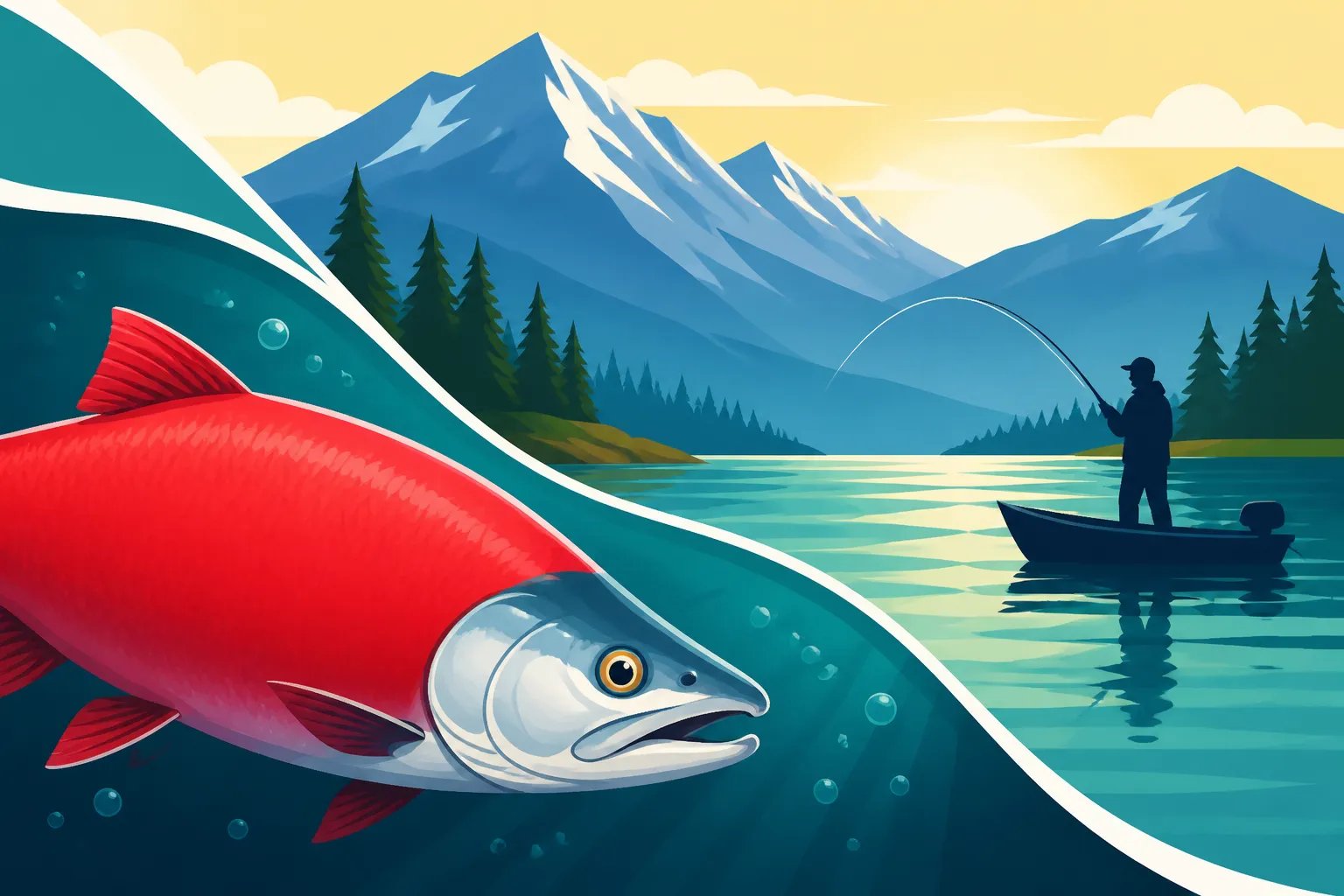
Kokanee, often called "silver bullets" or "redfish" when they turn their spawning colors, are a real gem in British Columbia's freshwater fishing scene. They are essentially landlocked sockeye salmon, meaning they complete their entire life cycle in freshwater lakes rather than migrating to the ocean. This makes them incredibly accessible and a fantastic target for both seasoned anglers and those just getting into the sport. Understanding their habits and preferred environments is key to consistently finding them.
What Are Kokanee and Why Are They Popular?
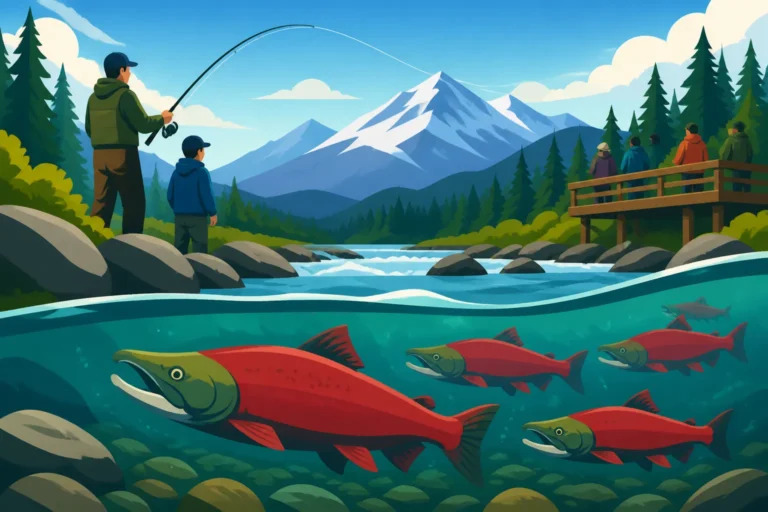
Unlike their ocean-going cousins, kokanee spend their entire lives in the cool, clear waters of BC's interior lakes. They feed primarily on zooplankton, which gives their flesh that distinctive orange-red hue and delicious flavor, highly prized by many. What makes them so popular with anglers? Well, they're often abundant, they put up a spirited fight on light tackle, and they taste fantastic! Plus, you don't need a massive boat or heavy gear to target them; a smaller craft or even a float tube can get you into the action. They typically mature and spawn after 3-4 years, often turning a brilliant red with green heads before they die, completing their life cycle. Knowing their life cycle helps a lot in understanding Kokanee Spawning Season in BC.
Key Characteristics of Good Kokanee Lakes
Not all lakes are created equal when it comes to kokanee. These fish have specific preferences that dictate where they’ll thrive. First and foremost, kokanee need deep, cold, and well-oxygenated water, especially during the warmer summer months. This usually means lakes with a strong thermocline, a distinct layer where water temperature changes rapidly with depth. They'll often hang out just above, within, or just below this layer, chasing their zooplankton food source.
Secondly, a healthy zooplankton population is non-negotiable. If the lake doesn't have enough of these tiny organisms, the kokanee won't grow large or numerous. Finally, the presence of specific lake features like underwater drop-offs, humps, and submerged creek channels can concentrate these schools of fish, making them easier to target. When you're trying to figure out How to locate kokanee in BC lakes, looking for these characteristics is your best bet.
Top Kokanee Lakes in the Okanagan Valley
The Okanagan Valley is famous for its sunny climate, vineyards, and stunning lakes – and for good reason, many of these lakes are absolute kokanee powerhouses. If you're looking for a quintessential BC kokanee experience, this region is a must-visit.
Okanagan Lake: The Big One
Okanagan Lake is arguably the most famous kokanee destination in the interior, and it’s a big one, stretching over 135 kilometers. This vast, deep lake offers an incredible amount of habitat for kokanee, and it’s not uncommon to catch some truly respectable-sized fish here. The sheer size of Okanagan Lake means that kokanee populations can vary by area, but generally, the central and northern sections are highly productive.
Anglers often target kokanee here by trolling with downriggers, using small dodgers or flashers paired with wedding rings or small spoons, tipped with a kernel of corn. During the summer, you'll be fishing deep, often between 40 to 100 feet, following the thermocline. Early spring and late fall can see them shallower. If you're new to the area or looking for local insights, consider checking out some of the local guides or charters that list on platforms like FishingBooker for their expertise on Best Kokanee Trolling Techniques for Okanagan Lake.
Skaha Lake: A Consistent Producer
Just south of Okanagan Lake, Skaha Lake offers a slightly more intimate, yet equally rewarding, kokanee fishing experience. While smaller in scale, Skaha is known for its consistent kokanee fishery and often produces good numbers of fish. The lake is generally shallower than Okanagan but still maintains the crucial deep, cool pockets kokanee need.
Trolling is the most popular method here, again utilizing small gear, dodgers, and corn-tipped lures. Because Skaha is a bit more compact, it can sometimes be easier to pattern the fish, especially if you have a good fish finder. Spring and fall are prime times, as the fish are more spread out and shallower before congregating in the deeper, cooler water during the peak of summer.
Wood Lake: A Hidden Gem
Nestled between Kalamalka Lake and Okanagan Lake, Wood Lake is a fantastic kokanee fishery that sometimes gets overlooked. It's a moderately sized, relatively shallow lake compared to its neighbors, but it has a surprisingly robust kokanee population. The fish here tend to be a bit smaller on average than those in Okanagan, but what they lack in size, they often make up for in sheer numbers.
Wood Lake is a great spot for family fishing trips, as the kokanee can be quite cooperative. Standard trolling techniques work well here, and because of its shallower nature, you might not need to run your gear quite as deep as you would in Okanagan. It's an excellent lake for those learning How to Catch Kokanee in BC, providing plenty of action.
Kalamalka Lake: The Lake of Many Colors
Known for its stunning turquoise and green hues, Kalamalka Lake is not only one of the most beautiful lakes in British Columbia but also a strong contender for kokanee fishing. It's a deep, oligotrophic lake, meaning it's nutrient-poor, which typically results in fewer but often larger fish. The kokanee here are known for their vibrant color and firm flesh.
Fishing Kalamalka can be a bit more challenging than Wood Lake due to its depth and clarity, but the rewards can be substantial. Anglers often employ precise trolling techniques, paying close attention to their sonar to locate schools of fish. Early morning and late evening often yield the best results, especially during the warmer months when the fish are concentrated in the deeper, cooler sections of the lake.
Prime Kokanee Fishing Destinations in the Kootenays
Moving eastward into the rugged beauty of the Kootenay region, you'll find another set of magnificent lakes that are prime kokanee territory. This area is known for its majestic mountains and pristine waters, providing a stunning backdrop for any fishing adventure.
Kootenay Lake: A Legendary Fishery
Kootenay Lake is legendary, not just for its kokanee, but also for producing world-record-class Gerrard rainbow trout that feed on these very kokanee. The lake itself is immense, stretching over 100 kilometers, and incredibly deep. Historically, Kootenay Lake supported an astounding kokanee population, which in turn fueled the growth of those giant rainbows.
While the kokanee population has seen its ups and downs over the years, management efforts have aimed to restore its abundance, and it remains a fantastic place to target them. Trolling is the dominant method, often involving substantial lead and deep-diving gear to reach the fish. If you manage to find a school of Kootenay Lake kokanee, you're in for some fast-paced action. It's a truly spectacular place to fish, offering not just kokanee but the chance at a truly monstrous trout.
Arrow Lakes (Upper and Lower): Vast Opportunities
The Arrow Lakes, formed by the damming of the Columbia River, consist of Upper Arrow Lake and Lower Arrow Lake. These vast reservoirs offer an expansive fishery with a healthy kokanee population. The sheer size of these lakes means there's always new water to explore and plenty of room for anglers to spread out.
Kokanee in the Arrow Lakes are generally robust and provide a good fight. Similar to Kootenay Lake, deep trolling is the preferred method, often requiring downriggers to get your lures into the feeding zone. The best fishing can vary between the upper and lower sections and even change with water levels, so staying informed about local conditions is always a good idea. For those venturing out, remember to always check BC Fishing Regulations Explained, as rules can be specific to certain waters.
Lake Koocanusa: Cross-Border Kokanee
Straddling the Canada-US border, Lake Koocanusa is another fantastic kokanee lake in the Kootenays. While portions of it extend into Montana, the BC side offers excellent fishing for these landlocked salmon. This reservoir, created by the Libby Dam, has clear, cold waters that are ideal for kokanee.
The kokanee in Koocanusa are known for being plentiful, making it a great destination for anglers looking to fill their limits. Trolling with small, flashy spoons and wedding rings, often tipped with corn, is the most effective approach. Given its cross-border nature, anglers should be especially diligent about checking specific regulations for the Canadian side and ensuring they have the correct British Columbia Fishing License Guide for 2026 before heading out.
Other Notable Interior BC Kokanee Lakes
Beyond the primary regions, British Columbia's interior is dotted with numerous other lakes that offer fantastic kokanee fishing, each with its unique charm and challenges. Don't overlook these options when planning your next adventure.
Shuswap Lake: Big Water, Big Fish Potential
Shuswap Lake is another one of BC's truly massive interior lakes, known for its intricate fjord-like arms and incredible natural beauty. This sprawling lake system provides diverse habitats, and it holds a significant population of kokanee. While perhaps not as historically famous for kokanee as Okanagan or Kootenay, it's a very productive lake.
The kokanee in Shuswap can grow to a respectable size, offering a thrilling experience on light gear. Due to its size and depth, finding the fish can be a bit of a challenge, but once you locate a school, the action can be non-stop. Trolling at various depths is key, adapting your strategy to the time of year and water temperatures. Shuswap also offers incredible scenic beauty, making the entire fishing experience even more enjoyable. For those who love exploring big water, Best Fishing Lakes in British Columbia, especially Shuswap, are worth investigating.
Quesnel Lake: Deep and Wild
Deep in the Cariboo region lies Quesnel Lake, one of the deepest fjord lakes in the world and another excellent kokanee destination. Its cold, clear, and very deep waters are ideal for supporting healthy populations of kokanee, which in turn support large rainbow trout. This lake offers a more remote and wild fishing experience, far from the bustling crowds of the Okanagan.
Kokanee in Quesnel Lake tend to be found in the upper water column during cooler months and dive deep in the summer. Anglers here often use electronics to mark schools before deploying downriggers. The size of kokanee from Quesnel Lake can be impressive, making the effort of getting there well worth it. This is a lake for those who appreciate solitude and a pristine wilderness setting with their fishing.
Canim Lake: Cariboo's Kokanee Jewel
Canim Lake, situated in the South Cariboo, is another excellent and often less-pressured kokanee fishery. It's a large, picturesque lake that’s known for its consistent production of good-sized kokanee. Canim Lake is easily accessible and offers a fantastic option for those exploring the Cariboo Chilcotin region.
Anglers targeting kokanee on Canim Lake will find success with typical trolling methods, using smaller presentations like wedding rings, small spoons, or hootchies behind dodgers. The lake also has good public access and a few resorts, making it a comfortable base for a fishing trip. Early season and fall can be particularly productive as kokanee are more active in the shallower zones before retreating to the depths.
Idabel Lake: A Stocked Gem Near Kelowna
For those looking for a guaranteed kokanee experience, especially if you're near Kelowna, Idabel Lake is a fantastic option. This smaller, easily accessible lake is regularly stocked with kokanee by the Freshwater Fisheries Society of BC, ensuring a robust population. While the fish might not reach trophy sizes, they offer consistent action, making it an ideal spot for beginners or families.
Idabel Lake is often fished by small boat or float tube, with trolling being effective. Due to its smaller size, it’s easier to cover the lake and locate schools. Check the stocking reports if you're looking for BC Fishing Season Dates and Closures, as recently stocked fish are often eager biters. It's a perfect example of how BC manages its fisheries to provide diverse angling opportunities.
Essential Gear and Techniques for Interior Kokanee
Having the right gear and understanding effective techniques will significantly boost your kokanee catch rate. These fish are finicky feeders, so presentation and depth are critical.
Trolling Setups: Precision and Presentation
Trolling is, without a doubt, the most popular and effective method for catching kokanee in BC’s interior lakes. This involves pulling lures behind a boat, typically at slow speeds.
- Downriggers: These are essential for consistently hitting the desired depth, especially in deep lakes like Okanagan or Kootenay. They allow you to present your lure precisely in the thermocline where kokanee are feeding.
- Dodgers/Flashers: These reflective attractors are rigged ahead of your lure. They mimic small baitfish and create vibrations that draw kokanee in. Popular options include the Gibbs Delta Tackle "Delta Diver" or various brands of small, flat dodgers.
- Lures: The actual lure often consists of a small spoon (like a Gibbs Delta "Wedding Ring" or an Apex Trout Killer) or a hootchie (small squid-like skirt) in bright colors like pink, orange, chartreuse, or even silver and blue. Tipping your lure with a kernel or two of white shoepeg corn is often the secret sauce; the scent and visual attractant can make all the difference. Sometimes, a bit of krill scent or garlic spray can enhance the appeal.
Jigging for Kokanee: Vertical Action
While trolling dominates, jigging can be incredibly effective, especially when kokanee are schooled tightly or during ice fishing season.
- Open Water Jigging: If you locate a dense school of kokanee on your fish finder, dropping small, weighted jigs directly into the school can yield impressive results. Use jigs that are typically 1/8 to 1/4 ounce, in similar bright colors as your trolling lures, and tip them with corn or a maggot. Slowly lift and drop the jig, mimicking a struggling insect or baitfish.
- Ice Fishing: When the lakes freeze over, kokanee can be caught through the ice. Small jigs, often called "kokanee spoons" or "ice jigs," are lowered through drilled holes. The same lift-and-drop motion, combined with baiting the hook, is highly effective. Ice fishing for kokanee requires specific safety precautions, so always ensure the ice is thick enough and follow local guidelines.
Best Baits and Lures
For kokanee, the presentation is often more important than the exact lure, but certain baits and lure types are undeniably more successful:
- Corn: White shoepug corn is a legendary kokanee bait. It adds scent, color, and a subtle texture that these fish can't resist. Always tip your lures with a kernel or two.
- Maggots/Mealworms: These can also be used to tip jigs or small spoons, adding natural scent and movement.
- Wedding Rings: These classic lures, often adorned with beads and a small spinner blade, are incredibly effective when trolled behind a dodger.
- Small Spoons: Brands like Gibbs Delta, Luhr Jensen, and even some custom-painted spoons are popular. Look for sizes between 1.5 and 2.5 inches.
- Hootchies: Small, unweighted squid skirts in bright colors can be deadly, especially when kokanee are feeding aggressively.
Seasonal Strategies for Kokanee Success
Kokanee behavior changes significantly with the seasons, mainly due to water temperature and their spawning cycle. Adapting your strategy to the time of year is crucial for consistent success.
Spring: Shallow Water Exploration
As the ice melts and water temperatures begin to rise in spring, kokanee will move into shallower waters, often in the upper 10-30 feet. They are hungry after the leaner winter months and more spread out.
- Early Spring (April-May): Focus on bays, points, and areas near creek inlets where warmer water might be attracting zooplankton. Trolling at shallower depths, sometimes even without downriggers, can be very productive. Look for fish cruising near structure or along drop-offs into deeper water. This is often an excellent time to get good numbers of fish. For other species, understanding BC Fishing Seasons by Month, is key.
Summer: Deep Water Pursuit
Summer sees kokanee retreating to the deeper, cooler parts of the lake as the surface water warms. They will congregate around the thermocline, typically between 40 to 100 feet deep, sometimes even deeper in very large, deep lakes.
- Peak Summer (July-August): This is prime time for downrigger fishing. Use your fish finder religiously to locate the thermocline and any schools of fish within or just above it. Speed and scent become even more critical. You might need to experiment with trolling speeds (usually 0.8 to 1.5 mph) and lure colors to find what they prefer on a given day. These are often the biggest kokanee of the year before they start their spawning run.
Fall: Pre-Spawn Aggression
As lake temperatures begin to cool in late summer and early fall, kokanee will start to stage for their spawning run, often moving shallower and becoming more aggressive.
- Late Summer/Early Fall (September-October): The fish will start to take on their spawning colors, developing that characteristic red body and green head. They can be very aggressive at this time, attacking lures with more vigor. They might still be found at moderate depths, but as the water cools, they’ll move increasingly shallower, often in preparation to enter tributary streams or shallow shoals to spawn. Be mindful of BC Kokanee Retention Rules, as limits can change as fish move into spawning stages.
Winter: Ice Fishing Opportunities
In many interior BC lakes, winter brings the opportunity for ice fishing, and kokanee are a popular target.
- Ice Fishing (December-March): Once safe ice forms, anglers drill holes and jig small spoons or jigs, often tipped with corn or maggots. Kokanee will typically hold in specific areas, often suspended over deeper water. A good fish finder (flasher style is popular for ice fishing) is invaluable for marking fish and determining their depth. Bundle up, bring a buddy, and always prioritize safety on the ice!
Regulations and Conservation for Kokanee Fishing
Fishing in British Columbia is a privilege that comes with the responsibility of understanding and adhering to regulations. These rules are in place to ensure the health and sustainability of our precious fisheries, including kokanee.
License Requirements
Before you even think about dropping a line, you absolutely need a valid BC freshwater fishing license. The type of license you need depends on your residency status (resident, non-resident Canadian, or non-resident non-Canadian) and the duration of your trip (annual, 1-day, 8-day, etc.). You can purchase these online through the BC government's website or from authorized vendors. Remember, even if you’re fishing from a guided trip booked through a platform like FishingBooker, you'll still need your own license. If you’re under 16, be aware of the BC Youth Fishing License Exemption Under 16, but always double check the latest rules.
Bag Limits and Size Restrictions
Kokanee, like most species, have specific daily bag and possession limits. These limits can vary significantly from lake to lake, and even change throughout the year, especially if there are specific conservation concerns or successful stocking programs. It’s imperative to consult the current BC Freshwater Fishing Regulations Synopsis before each trip. This synopsis outlines general regulations for all freshwater species, as well as specific rules for certain classified waters or special regulation zones. Reading the BC Freshwater Fishing Regulations Synopsis, is your duty as an angler.
Table 1: Overview of Top Interior BC Kokanee Lakes
| Lake Name | Region | Avg. Kokanee Size (inches) | Best Season(s) | Primary Technique | Notes |
|---|---|---|---|---|---|
| Okanagan Lake | Okanagan Valley | 12-16 | Spring, Summer | Deep Trolling | Largest lake, potential for bigger fish. |
| Skaha Lake | Okanagan Valley | 10-14 | Spring, Fall | Trolling | Consistent action, good for families. |
| Wood Lake | Okanagan Valley | 9-12 | Spring, Summer | Trolling | Abundant numbers, smaller average size. |
| Kalamalka Lake | Okanagan Valley | 11-15 | Spring, Fall | Trolling | Beautiful clear water, often larger fish. |
| Kootenay Lake | Kootenays | 10-14 | Summer, Fall | Deep Trolling | Supports large Gerrard Rainbow Trout. |
| Arrow Lakes | Kootenays | 10-13 | Spring, Summer | Trolling | Vast water, good exploration. |
| Lake Koocanusa | Kootenays | 9-12 | Spring, Summer | Trolling | Cross-border lake, plentiful fish. |
| Shuswap Lake | Shuswap Region | 10-14 | Spring, Summer | Trolling | Diverse fishing, scenic. |
| Quesnel Lake | Cariboo Region | 12-16 | Summer | Deep Trolling | Remote, very deep, wilder experience. |
| Canim Lake | Cariboo Region | 10-14 | Spring, Fall | Trolling | Consistent, accessible. |
| Idabel Lake | Near Kelowna | 8-11 | Spring, Summer, Fall | Trolling, Jigging | Regularly stocked, great for beginners. |
Conservation Efforts
Fishery managers and angler organizations are actively involved in kokanee conservation. This includes monitoring populations, managing stocking programs for specific lakes (like Idabel Lake), and setting appropriate regulations. Some kokanee runs, particularly those connected to sockeye, may face more stringent rules or even closures during sensitive periods, such as when BC Fraser River Sockeye Closure Windows, are in effect. Practicing responsible catch and release, respecting private property, and properly disposing of litter are all ways anglers can contribute to healthy kokanee fisheries for generations to come.
Disclaimer
Please note that fishing regulations, seasons, and conditions can change rapidly in British Columbia. Always consult the most current BC Freshwater Fishing Regulations Synopsis and relevant Fishery Notices before heading out on any fishing trip. The information provided here is for general guidance only and should not be considered a substitute for official regulatory documents.