Best time to fish for kokanee at first light
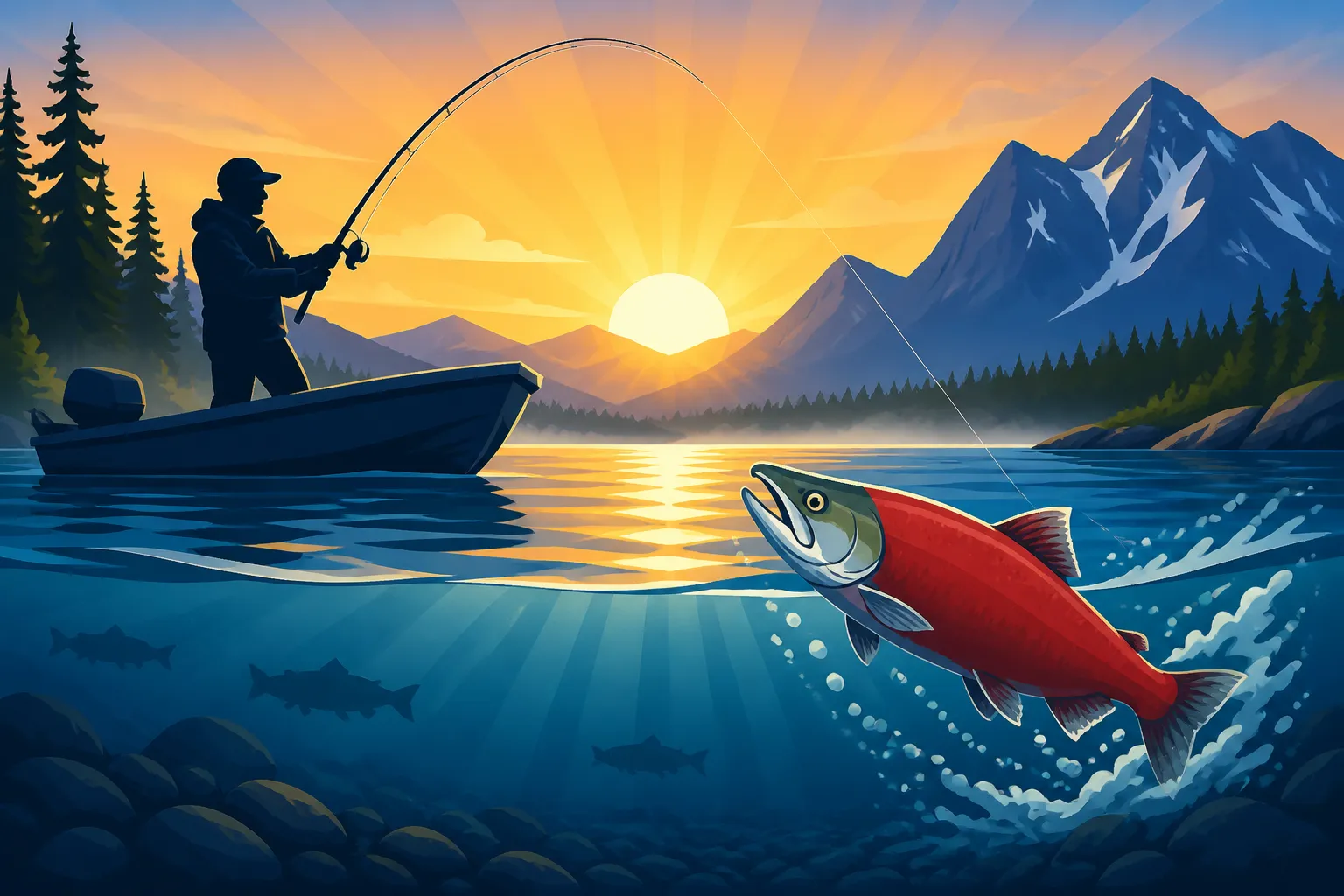
There's a special kind of peace that settles over a lake just before the sun breaks the horizon, a silence only truly understood by anglers. But for those of us chasing the shimmering silver of kokanee salmon in British Columbia, that pre-dawn chill isn't just atmospheric; it's often the absolute best window of opportunity. Many anglers get frustrated trying to find these schooling fish later in the day, but this guide will walk you through exactly why first light is your golden hour for kokanee and how to make the most of it.
The Undeniable Magic of First Light for Kokanee
If you've ever arrived at a BC lake just as the stars are fading and seen the water come alive, you know there's something magical about first light. For kokanee, it's less magic and more pure instinct, driven by their biology and the dynamics of their underwater world. Understanding this is key to consistently finding them.
Why Kokanee Are Most Active at Dawn
Kokanee salmon, landlocked sockeye, are cold-water fish that thrive in the deep, clear lakes scattered across British Columbia. Their activity levels, especially their feeding, are incredibly sensitive to light conditions. As the first faint glow appears on the horizon, kokanee begin to rise in the water column from their deeper, nighttime resting areas. This upward migration is primarily driven by their search for plankton, their main food source, which also undergoes a daily vertical migration. Plankton rises towards the surface in low light conditions, and the kokanee follow suit, creating a brief but intense feeding frenzy.
Think about it from a predator's perspective too. In the low light of dawn, they feel a bit safer from larger predators like lake trout, bull trout, and even ospreys and eagles. The twilight offers a degree of camouflage, making it harder for predators to spot them, yet bright enough for the kokanee to visually key in on their tiny food. This combination of feeding opportunity and perceived safety makes them much bolder and more aggressive feeders than they will be even an hour or two later.
The Biological Clock of Kokanee
Every species has its rhythm, and for kokanee, it's largely dictated by the sun. As the sun climbs higher and the light penetrates deeper into the water, kokanee will typically retreat to deeper, cooler, and darker waters. This isn't just about comfort; it's also about metabolism. In warmer, brighter conditions, their metabolism can speed up, making them less efficient feeders. The cooler water and subdued light of dawn provide optimal conditions for foraging.
This means that if you're out on a lake like Kootenay Lake or Okanagan Lake, the difference between catching a limit and struggling all day can often come down to getting there before the sun fully clears the mountain peaks. The precise timing will vary depending on the time of year and specific lake conditions, but generally, the period from about 45 minutes before sunrise to an hour after is prime. Missing that window often means you're trying to coax fish that are already starting their descent into the depths.
Essential Preparations for a Successful First Light Kokanee Outing
Successfully capitalizing on that precious first-light window isn't just about being on the water; it's about being ready. There's nothing worse than fumbling with gear in the dark when the fish are biting. A little pre-planning goes a long way.
Scouting and Setup Before Dawn
The best kokanee anglers are often the earliest risers. This isn't just to be on the water at first light, but to be fully set up and fishing at first light. This means arriving at the boat launch well before dawn. Think about getting there an hour to an hour and a half before the scheduled sunrise. This gives you ample time to launch your boat, get to your desired fishing grounds, and deploy your gear without rushing or disturbing the fish too much.
Scouting ahead of time, even just a quick look at a contour map of the lake, can tell you a lot about where kokanee might congregate. They love open water near significant depth changes or where current patterns might concentrate plankton. For example, if you're fishing one of the larger lakes like Shuswap Lake, knowing the specific bays or drop-offs where kokanee were holding the day before, or checking the latest BC Fishery Notices and In-Season Closures, can save you precious minutes. Setting up your downriggers, attaching your lures, and having your lines ready to drop before you even hit the water can make all the difference. Remember, the first drops of the lure are often the most productive!
Gear Checklist for Early Morning Success
Having the right gear is non-negotiable, especially when you're fumbling around in the low light. You'll want light to medium-light action rods, typically 7-9 feet long, paired with sensitive reels spooled with light line, often 6-10 lb test monofilament or fluorocarbon. Kokanee have delicate mouths, so a forgiving rod and smooth drag are crucial.
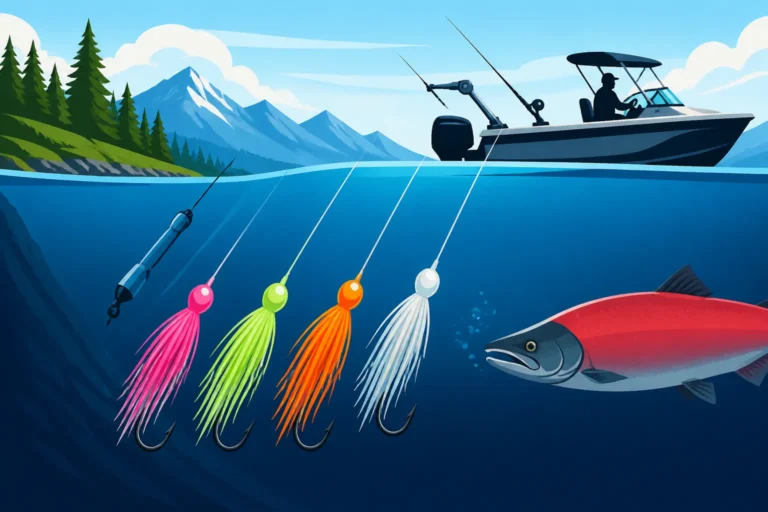
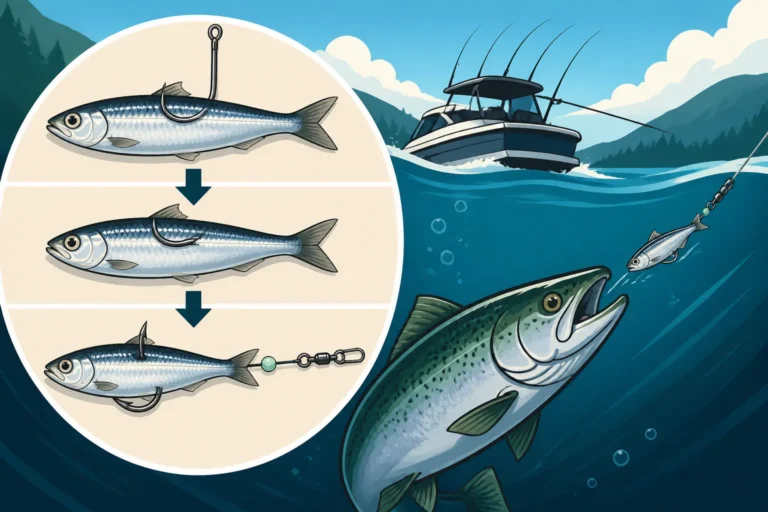
For lures, kokanee are suckers for small, flashy presentations. Think small spoons, wedding bands, hoochies, or spinners in bright colours like pink, orange, chartreuse, or even silver and white. Brands like Gibbs Delta or Trophy Tackle make excellent kokanee-specific lures. Don't forget your scent! Kokanee often respond incredibly well to corn, shrimp, or even Anise scents applied to your lures. A good UV flashlight is also a game-changer for charging up glow lures in the dark. You can find a huge selection of these specific items on Amazon, making it easy to stock up. Finally, a reliable fish finder/sonar unit is essential to locate schools and determine their depth. Understanding how to locate kokanee in BC lakes using your electronics is key to finding those morning concentrations.
Mastering First Light Kokanee Fishing Techniques
Once you're on the water and properly equipped, it's time to put your plan into action. The techniques for catching kokanee at first light are often about subtle presentations and knowing where to look.
Trolling Strategies for Dawn
Trolling is hands down the most popular and often most effective method for kokanee, especially during the low light of dawn. The goal is to cover water and present your lure at the depth where the fish are actively feeding. This almost always means using downriggers to precisely control your depth. Start by deploying your lures at various depths, perhaps one at 15 feet, another at 25, and a third at 35, to quickly ascertain where the fish are holding. Once you get a strike, adjust your other lines to that productive depth.
Your trolling speed is also critical. Kokanee generally prefer a slower, more deliberate presentation. Aim for speeds between 0.8 and 1.5 miles per hour. This allows your lures to wobble and flash naturally, imitating small baitfish or plankton. Using dodgers or flashers ahead of your lures can significantly increase their visibility and attraction, creating vibration and flash that draws kokanee in. The specific setup, often a dodger followed by a short leader (8-12 inches) to a small spoon or hoochie, is crucial for "Best Kokanee Trolling Techniques for Okanagan Lake" and other similar waters. Remember to tip your lure with a kernel of shoepeg corn or a piece of shrimp for added scent and appeal.
Here's a quick comparison of fishing strategies:
| Factor | First Light Kokanee Trolling | Mid-Day Kokanee Trolling |
|---|---|---|
| Depth | Shallower (15-40 feet) | Deeper (40-100+ feet) |
| Lure Action | Often more aggressive strikes | Slower, more subtle presentations sometimes needed |
| Visibility | Fish rely more on lateral line/vibration | Visual appeal becomes more important |
| Fish Aggression | High, actively feeding | Lower, more dispersed |
| Best Lures | Flashy spoons, hoochies, wedding bands | Same, but sometimes smaller or different colors |
| Scent Use | Essential for added attraction | Equally important |
| Boat Traffic | Lower, less pressure | Higher, more competitive |
Jigging and Still Fishing Tactics
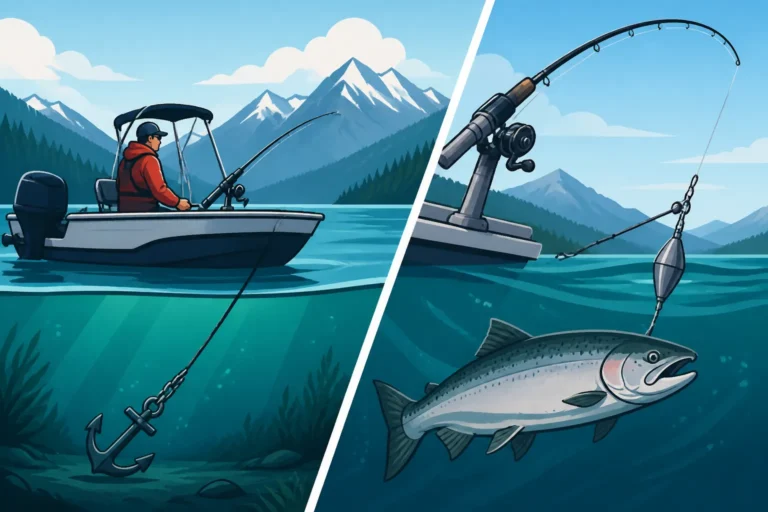
While trolling is king, sometimes conditions or accessibility (e.g., shore anglers, kayakers) call for different approaches. Jigging can be incredibly effective when you've located a dense school of kokanee, either from a boat or even a dock. Small, flashy jigging spoons or ice fishing jigs (even when there's no ice!) in those same bright colours can entice strikes. The key is a gentle lift-and-drop retrieve, often with a slight pause, allowing the lure to flutter on the fall. Tipping your jig with a piece of corn or maggot can make it irresistible.
For still fishing, especially from shore or an anchored boat, a simple bobber and bait setup can work, though it's generally less effective than active methods. A small piece of worm, powerbait, or corn on a tiny hook (size 8-12) suspended a few feet off the bottom or at the depth where you've seen activity can occasionally draw a bite. However, the active feeding nature of kokanee at first light usually means that methods covering more water or providing more movement are more productive. If you're using a kayak, for example, a slow paddle-troll with a small spoon might be your best bet, especially if you're exploring the "Best kayak launch points on Okanagan Lake."
Beyond First Light: Adapting to Changing Conditions
While first light is undeniably the prime time, the day doesn't end when the sun is high. Understanding how kokanee behavior shifts and how to adapt your strategy can extend your fishing success.
What Happens as the Sun Rises
As the sun climbs higher in the sky and penetrates deeper into the water, a few key things happen that affect kokanee fishing. Firstly, the plankton, which are light-sensitive, will start to descend back into deeper water. True to their nature, the kokanee will follow their food source. This means that the schools you found at 15-30 feet at dawn might now be holding at 40-60 feet, or even deeper, depending on the lake and the season. This is why having good electronics and constantly monitoring your depth is so important. If the bites slow down, don't be afraid to drop your lines another 10-20 feet.
Secondly, the increased light makes kokanee more wary. They lose the cover of twilight and become more susceptible to predation. This often translates into less aggressive bites and a preference for more subtle lure presentations. You might need to experiment with smaller lures, different colours, or slower trolling speeds to coax a strike. This shift from aggressive dawn feeding to more cautious mid-day behavior is a common pattern for many fish species, including those you'd target with "Trolling Techniques for BC Lake Trout".
Other Prime Times and Why They're Secondary
While first light reigns supreme, kokanee can certainly be caught at other times. The period just before sunset, often referred to as "last light," can also be productive. Similar to dawn, the diminishing light encourages plankton to rise, bringing kokanee up with them for another feeding window. However, this window is often shorter and less intense than the morning bite. The fish might also be more scattered by this point in the day.
Overcast days or periods of heavy cloud cover can sometimes mimic low-light conditions, allowing kokanee to stay shallower and more active throughout the day. If you get a day with persistent cloud cover, you might find decent action even in the middle of the afternoon. However, on bright, sunny days, the mid-day hours are usually the toughest. The fish are often deepest, most dispersed, and least willing to chase a lure. This is a stark contrast to species like salmon in tidal waters, where "Best time of day to catch salmon on an incoming tide" might be more critical than light levels. For kokanee, it's all about that brief, magical period when the world is just waking up. So, set that alarm, brew that coffee, and embrace the dawn; your kokanee are waiting.
Disclaimer
Fishing conditions and regulations in British Columbia can change rapidly. Always consult the most current BC Freshwater Fishing Regulations Synopsis and local fishery notices before heading out. Safety first on the water!