Kootenay Lake Gerrard Rainbow Trout Fishing
The dream of hooking into a truly monumental rainbow trout, a fish that tests your every skill and the strength of your gear, is what draws so many of us to the water. But often, we only encounter smaller, stocker-sized fish, or the elusive giants remain just that – elusive. On British Columbia’s Kootenay Lake, however, lies the legend of the Gerrard Rainbow Trout, a unique strain capable of growing to astounding sizes. This guide is your deep dive into understanding, finding, and hopefully landing one of these magnificent fish, making your Kootenay Lake fishing adventure a truly unforgettable experience.
Understanding the Legend: What Makes Gerrard Rainbow Trout So Special?
For many anglers, the Gerrard Rainbow Trout of Kootenay Lake isn't just another fish; it's an obsession. These are not your average pond rainbows; they represent a pinnacle of freshwater angling, drawing enthusiasts from around the globe. To truly appreciate the pursuit, it's essential to understand what sets these incredible fish apart.
The Unique Life Cycle and Size Potential
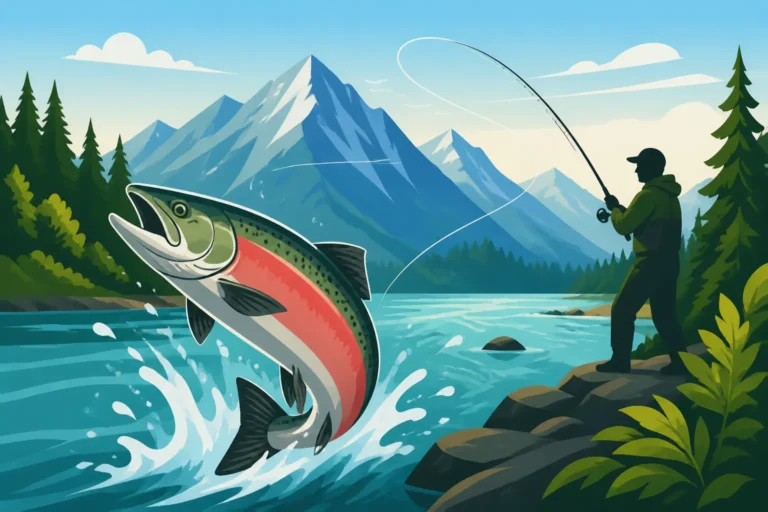
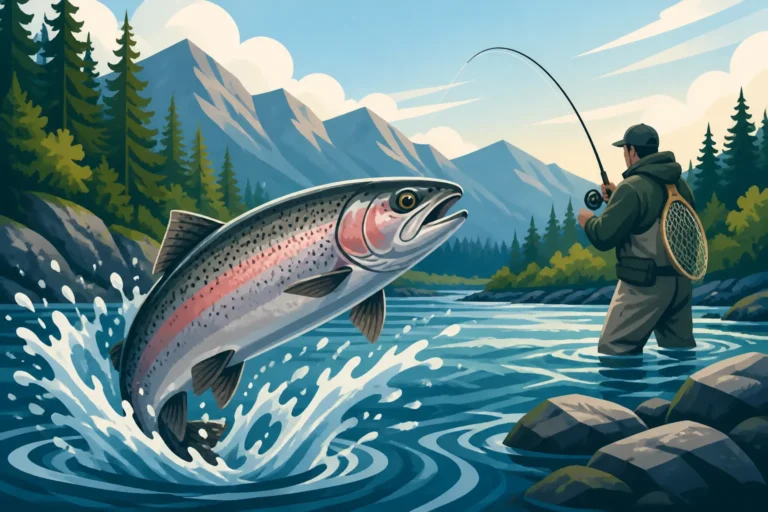
The Gerrard Rainbow Trout (a distinct ecotype of Oncorhynchus mykiss) are genetically unique, native to Kootenay Lake and its main spawning tributary, the Lardeau River. Often affectionately dubbed "Gerrards" or "Lardeau Redsides" because of the stunning crimson stripe they display during their spawning runs, these fish are a marvel of natural selection. Their incredible size is largely attributed to a singular dietary preference: Kokanee salmon. Kootenay Lake’s abundant Kokanee populations provide an unrivaled, high-protein food source, allowing the Gerrards to achieve astonishing growth rates and lifespans. It's not uncommon for these fish to reach weights exceeding 15 to 20 pounds, with historical records of specimens pushing well over 30 pounds. This piscivorous diet and long life cycle – they can live for over a decade – combine to create a truly formidable adversary for any angler.
Unlike many trout species that might feed on insects or smaller minnows, the Gerrards have evolved to specialize in hunting Kokanee. This means that a successful angler must think like a Gerrard, understanding the movements and habits of its primary prey. The challenge lies in presenting an offering that perfectly mimics a vulnerable Kokanee, deep within the vast waters of Kootenay Lake. Their immense strength and stamina, honed by years of chasing salmon, ensure that every strike is explosive and every battle is epic, demanding every ounce of skill and patience from the angler.
Kootenay Lake's Ideal Habitat for Giants
Kootenay Lake itself is a character in this story, providing the perfect stage for the Gerrard's legendary growth. Stretching over 100 kilometers (60 miles) long, this deep, cold, and remarkably clear lake is an oligotrophic body of water, meaning it's relatively nutrient-poor but supports a robust food web, crucially centered around the Kokanee. Depths regularly exceed 150 meters (500 feet) in places, creating vast expanses of ideal habitat for both the predatory Gerrards and their prey. The sheer volume of water provides ample room for these fish to grow unhindered, developing the immense power that makes them such a prized catch.
The lake’s ecosystem is delicately balanced, with significant inflows from rivers like the Kootenay, Lardeau, and Duncan, and an outflow into the Kootenay River at the west end. These river systems are vital, not just for the lake’s water exchange, but as critical spawning grounds for both the Kokanee and the Gerrards. The consistent presence of a healthy Kokanee population is the bedrock of the Gerrard fishery; without this abundant food source, the giants simply wouldn't exist. This intricate relationship means that fishing success often correlates directly with the health of the Kokanee stocks and their annual migrations.
Furthermore, the lake's diverse underwater structure – ranging from vast, deep basins to sharp drop-offs, submerged shelves, and numerous tributary inlets – creates a complex environment that supports different feeding and holding patterns throughout the year. Understanding these varied habitats and how they relate to the seasonal movements of Kokanee is key to unlocking the secrets of Gerrard Rainbow Trout fishing. Whether it's the shallow, warmer bays in spring or the deep, thermocline layers of summer, Kootenay Lake offers a dynamic and challenging environment for those seeking its legendary residents.
Prime Time and Seasons for Gerrard Rainbows on Kootenay Lake
Timing is everything when it comes to chasing Gerrard Rainbows on Kootenay Lake. While these magnificent fish are present year-round, their activity levels and preferred depths fluctuate dramatically with the seasons. Knowing when and where to focus your efforts can make the difference between a frustrating day of searching and a memorable encounter with a true trophy.
Spring Frenzy: Post-Spawn and Feed-Up
Spring, typically from late April through May, ignites a feeding frenzy on Kootenay Lake that many dedicated Gerrard anglers eagerly anticipate. Following their demanding spawning journey up the Lardeau River, the massive rainbows return to the main lake, hungry and aggressive, seeking to replenish their energy reserves. This post-spawn period is often considered one of the absolute best times to target trophy-sized fish, as they are actively regaining condition and are less wary. The water temperatures are gradually rising, which in turn brings the Kokanee closer to the surface in certain areas, making them more accessible to the big predatory trout.
During this spring period, the upper North Arm of Kootenay Lake, particularly near the mouth of the Lardeau River and towards Balfour, becomes a prime hunting ground. The currents and inflows here concentrate baitfish, drawing in the hungry Gerrards. Anglers often find success by trolling larger spoons and plugs in the upper water column, sometimes as shallow as 10-20 feet, though depths can vary daily. While the fishing can be exceptional, spring weather on Kootenay Lake can be unpredictable, ranging from calm, sunny days to strong winds and squalls. Always prioritize safety and be prepared for changing conditions on such a large body of water.
Summer Deepwater Tactics
As the warmth of June gives way to the full heat of July and August, Kootenay Lake undergoes a significant stratification. The surface waters warm considerably, pushing the Kokanee, and consequently the Gerrards, into deeper, cooler layers of the lake known as the thermocline. This means that if you're planning a summer expedition, you'll need to adjust your tactics dramatically to reach these deep-dwelling giants. We're talking depths often ranging from 50 to 120 feet, sometimes even deeper, making downriggers an absolute necessity.
The primary challenge in summer fishing is locating the schools of Kokanee within the vast open water. Modern electronic fish finders and sonar units become your best friend, as you'll be constantly scanning for bait balls. Trolling the main lake basins, especially along deep-water edges, drop-offs, and around submerged structures, is the most effective approach. While the fish are deeper, they remain actively feeding, albeit often in more subtle ways. Patience is a virtue during the summer months, and long days on the water are frequently rewarded with powerful strikes from truly immense fish. Just remember that the sun can be intense, so bring plenty of water and sun protection!
Fall Feast: Pre-Spawn Aggression
As summer fades and the cooler temperatures of September and October settle over the Kootenay region, the lake experiences another surge of activity that makes fall an incredible time for Gerrard Rainbow Trout fishing. This period is marked by the Kokanee beginning their own spawning migrations, which often brings them closer to the surface and into more accessible areas. For the Gerrards, it's a critical time of aggressive feeding, as they stock up on calories before the lean winter months and their own eventual spring spawn.
The cooling water temperatures signal a change in behavior, and you'll find the big rainbows moving shallower again, particularly around the mouths of creeks and the lower reaches of the Lardeau River. This pre-spawn aggression can lead to some truly spectacular fishing, with powerful strikes that leave no doubt about the size and strength of the fish on the other end of your line. Unlike the often-turbulent spring, fall weather on Kootenay Lake can be more stable, offering many beautiful, crisp days on the water.
This season is a fantastic opportunity for anglers seeking active fish and powerful battles. The combination of cooler temperatures and the Gerrards' intense feeding drive creates conditions ripe for success. Whether you're trolling spoons or plugs, the fall bite can be relentless, providing some of the most memorable angling experiences of the year. For a more general overview of prime fishing times across the province, you might also consult guides on the Best Time of Year to Fish in BC for broader seasonal insights.
Essential Techniques and Gear for Kootenay Lake's Giants
Successfully hooking into a Gerrard Rainbow Trout isn't just about being in the right place at the right time; it demands specialized techniques and robust gear designed to handle truly enormous freshwater fish. These aren't delicate brook trout, and your approach needs to reflect their power and preferred diet.
Trolling with Downriggers and Large Baits
To effectively target the deep-dwelling Kokanee, and by extension, the Gerrard Rainbows that prey upon them, downriggers are not just an option – they are an absolute necessity, especially during the warmer months. A downrigger allows you to precisely control the depth of your lure, sending it down to where the Kokanee are holding, often well below 50 feet. It's an art form to set your lines, monitor your sonar for baitfish schools, and adjust your depths accordingly, ensuring your presentation is right in the strike zone.
Many Kootenay Lake anglers employ a multi-line setup, often running two or three downriggers with different depths and lure combinations. Learning to use stackers (clips that allow you to run a second line off the same downrigger cable) can increase your coverage. Boat speed is crucial; typically, a trolling speed between 2.0 and 3.5 mph is effective, but varying your speed with subtle accelerations and decelerations can often trigger a strike from a hesitant fish. Performing "S-turns" with your boat also varies the lure's speed and depth through the water column, creating an irresistible action. For those new to these specialized techniques, considering a guided trip with a seasoned Kootenay Lake pro can be invaluable for a hands-on learning experience. Many experienced Kootenay Lake guides can be found and booked through platforms like FishingBooker, offering firsthand expertise.
Popular Lures and Their Presentation
When it comes to lures for Gerrard Rainbows, the name of the game is imitation – specifically, imitating a Kokanee salmon. Large spoons are overwhelmingly popular, with brands like Gibbs-Delta, Silver Horde, and Coyote dominating tackle boxes. Sizes typically range from 3.5 to 5 inches, mimicking the size of a Kokanee. Colors like silver, blue, green, and chartreuse are perennial favorites, often with scale patterns or reflective tape. The flash and wobble of a well-trolled spoon are highly effective at drawing in aggressive Gerrards.
Beyond spoons, diving plugs such as Tomic Plugs or Hot Rods also have a strong following. These lures offer a different action, often diving with a wide, erratic wobble that perfectly imitates an injured or disoriented baitfish – an easy meal for a hungry Gerrard. Some anglers also find success with hootchies or squid imitations rigged behind a flasher or dodger. The flasher/dodger provides additional attraction, creating vibration and flash in the water that can draw fish from a distance. The choice of color can sometimes depend on light conditions and water clarity; brighter, more iridescent colors might excel on overcast days or in deeper water, while more natural tones could work in bright conditions.
Leader length and material are also critical. Many Kootenay Lake veterans prefer fluorocarbon leaders (15-25 lb test) for their near-invisibility in clear water and excellent abrasion resistance. Experimenting with leader lengths, typically between 6 to 12 feet behind the flasher or spoon, can fine-tune your presentation. Remember, these fish are powerful, so every component of your setup needs to be top-notch. If you want to dive deeper into specific tactics, guides like Trolling Techniques for BC Lake Trout offer excellent insights.
Rods, Reels, and Line for Monster Trout
Let's be clear: when you're targeting Gerrard Rainbow Trout, you are fishing for monsters. This is not the place for flimsy ultralight gear. Your rods, reels, and line need to be robust enough to withstand the explosive strike and sustained, powerful runs of a 15-pound-plus fish. Imagine a freight train hitting your lure – that's what a Gerrard strike feels like.
For rods, think medium-heavy to heavy action trolling rods, typically between 8.5 to 10 feet in length. These rods need enough backbone to handle a heavy fish and the strain of trolling, but also enough tip sensitivity to detect strikes and absorb head shakes. Brands like Fenwick, Shimano, or Lamiglas offer excellent options. The longer length also helps spread out lines when multiple rods are deployed, reducing tangles.
Matching these rods with high-quality, level-wind baitcasting reels is essential. Reels like the Ambassadeur 7000 series, Shimano Tekota, or Daiwa Saltist are popular choices. They need a smooth, reliable drag system that can withstand intense pressure without sticking or failing, allowing the fish to take line when necessary without breaking off. Spool your reel with 20-30 lb monofilament or, increasingly, braided line, followed by a fluorocarbon leader. While braid offers incredible strength and sensitivity, the stretch of monofilament can be forgiving on powerful runs. Line capacity is paramount; these fish often make long, deep runs, so you need enough line to weather the storm. Always use fresh, high-quality line, and regularly inspect it for nicks or abrasions – losing a fish of a lifetime to worn line is a heartbreaking experience that no angler wants to endure.
Navigating Kootenay Lake: Best Spots and Access Points
Kootenay Lake is a vast and intricate body of water, offering countless possibilities for anglers. But like any large lake, knowing where to start and how to access the best fishing grounds can feel overwhelming. Familiarizing yourself with the lake's distinct arms and key access points will significantly enhance your chances of success in landing a Gerrard.
North Arm Hotspots
The North Arm of Kootenay Lake, stretching from the communities of Balfour and Kootenay Bay north towards the Lardeau River, is a hub of activity, particularly during the spring and fall seasons. This area is often preferred due to its dynamic currents and nutrient inflows, which tend to concentrate baitfish and, consequently, the predatory Gerrards. In spring, as fish return from their spawning migrations in the Lardeau, this arm becomes a prime feeding ground. The varying depths and structures here create excellent ambush points for hungry trout.
Specific areas of interest in the North Arm include the narrows near Balfour, the depths surrounding Queens Bay, and the expansive waters near Ainsworth. These locations often feature good underwater structure, such as ledges and drop-offs, which provide habitat for Kokanee and attract the larger rainbows. While these spots are widely known, remember that the fish are constantly on the move, following their food. Success here often depends less on simply hitting a known "spot" and more on actively using your sonar to locate baitfish schools and then positioning your boat accordingly. The ability to read your electronics and understand fish behavior is far more important than any specific GPS coordinate.
South Arm Structure and Feeding Grounds
While the North Arm draws a lot of attention, the South Arm of Kootenay Lake, extending downwards towards the international border, offers equally compelling opportunities, particularly for those willing to explore its deeper, wider expanses. This section of the lake generally features greater average depths and extensive areas of open water, providing vast trolling grounds. It tends to be a stronghold for Gerrards and Kokanee during the summer months when fish seek refuge in the cooler, deeper thermoclines.
Anglers exploring the South Arm should pay close attention to areas with significant depth changes, prominent underwater ledges, and the inflows from various tributaries. Productive zones often include the waters near Boswell, Gray Creek, and Kuskonook, where submerged structure or current patterns can concentrate baitfish. These areas require longer boat runs and a willingness to cover considerable distances, but the reward can be some of the largest Gerrards in the lake. The sheer scale of the South Arm can be intimidating, but it offers solitude and tremendous potential for trophy fish for those who put in the effort. For a truly detailed exploration of the lake's nuances, a comprehensive Kootenay Lake Fishing Guide can offer invaluable insights.
Public Access and Boat Launches
Accessing Kootenay Lake requires a suitable vessel, as it's a large body of water that can become choppy very quickly, particularly with strong winds. Thankfully, there are several public boat launches available to anglers. The most prominent and well-equipped is often found near Balfour, close to the Kootenay Lake ferry landing. This launch typically offers good ramps and ample parking, making it a popular choice for larger boats. Other potential access points include Riondel on the east shore and possibly Kootenay Bay, depending on local facilities and conditions.
Given the size and potential rough conditions of Kootenay Lake, it’s crucial to have a seaworthy boat that can handle big water. A stout fiberglass or aluminum boat, ideally 18 feet or longer, with adequate freeboard, is highly recommended. Always check the marine weather forecast before heading out, and be prepared to stay close to shore or even postpone your trip if conditions are too rough. Moreover, remember that navigating BC waters means adhering to BC Boating Laws for Anglers. Ensure you have all required safety equipment on board, including life jackets for every passenger, and that you possess a valid Pleasure Craft Operator Card. Safety should always be your top priority on a lake of this magnitude.
Conservation and Responsible Fishing Practices
The Kootenay Lake Gerrard Rainbow Trout fishery is a globally renowned natural treasure, but it's also a delicate ecosystem that relies heavily on responsible angling practices. These incredible fish represent a significant investment of time and resources by conservationists, and every angler has a role to play in ensuring their future. Understanding and adhering to regulations, and practicing ethical catch and release, are paramount to preserving this legendary fishery.
Understanding Regulations and Limits
First and foremost, before you even cast a line, it is absolutely critical to understand and strictly adhere to the BC Fishing Regulations Explained. The Gerrard Rainbow Trout population is carefully managed due to its unique status and the desire to sustain trophy fishing opportunities. Regulations can, and do, change frequently, sometimes even in-season, so always consult the most current British Columbia Freshwater Fishing Synopsis before each trip. This document, available online through the provincial government, will outline specific rules for Kootenay Lake.
For Gerrard Rainbows, regulations are often highly restrictive. This might include a very small daily quota (e.g., one fish over a specific minimum size, or even catch-and-release only at certain times or in specific areas) to protect the larger, older broodstock that are essential for reproduction. It’s also important to remember that you need a valid BC freshwater fishing license. You can easily learn Where and How to Buy a BC Fishing License online or through authorized license vendors across the province. Ignorance of the regulations is never an excuse, and penalties for non-compliance can be severe, including hefty fines and confiscation of gear. Being a responsible angler means being an informed angler.
Catch and Release Best Practices for Gerrard Rainbows
Given the immense value of each large Gerrard Rainbow Trout, responsible catch and release practices are not just encouraged, but often expected, particularly for the trophy-sized individuals. These older, larger fish are the primary spawners and are vital for maintaining the genetic integrity and health of the fishery. Practicing careful catch and release ensures that these magnificent fish can continue to reproduce and provide thrilling angling experiences for future generations. It’s a conservation ethos that echoes the spirit behind rules like the BC Salmon Conservation Stamp Rules, even for freshwater trout.
To maximize the survival rate of released fish, several best practices should be followed. Use barbless hooks whenever possible, as they significantly reduce injury and make unhooking quicker and easier. Minimize the fight time by using appropriate tackle that can subdue the fish efficiently, without exhausting it to the point of no return. Keep the fish in the water as much as possible; avoid dragging it onto the boat deck or shore. When handling, always use wet hands to protect the fish's protective slime coat, and support its body horizontally. Never hold a large fish vertically by the jaw or tail, as this can cause irreversible damage to its internal organs and spine.
If you wish to take a photo, do so quickly, preferably with the fish partially submerged. Get your camera ready before you lift the fish, snap a few shots, and then gently release it, holding it upright in the water until it swims away under its own power. Observe it for a moment to ensure it's strong enough to go. Every trophy Gerrard released is an investment in the future of Kootenay Lake's world-class fishery, ensuring its legend continues for years to come.
Kootenay Lake Gerrard Rainbow Trout Fishing Overview
| Season | Target Depth (approx.) | Primary Technique(s) | Key Considerations |
|---|---|---|---|
| Spring (Apr-May) | 10-60 feet | Trolling with Spoons/Plugs | Post-spawn, aggressive, often shallower; variable weather. |
| Summer (Jun-Aug) | 50-120+ feet | Downrigger Trolling | Fish follow Kokanee into deep, cool thermocline; electronics crucial. |
| Fall (Sep-Nov) | 20-80 feet | Trolling with Spoons/Plugs | Pre-spawn feeding frenzy; more stable weather. |
| Winter (Dec-Mar) | Variable, often deep | Limited/Ice Fishing (specific bays) | Less common, generally slower fishing; requires specialized gear. |
Disclaimer
The information provided in this guide is for general informational purposes only and is subject to change. Fishing regulations, seasons, and access points can vary. Always consult the official British Columbia Freshwater Fishing Synopsis and local authorities before planning any fishing trip to ensure compliance with current laws and safe practices. Fishing inherently carries risks, and anglers should always prioritize safety on the water.