How big chinook salmon get in BC
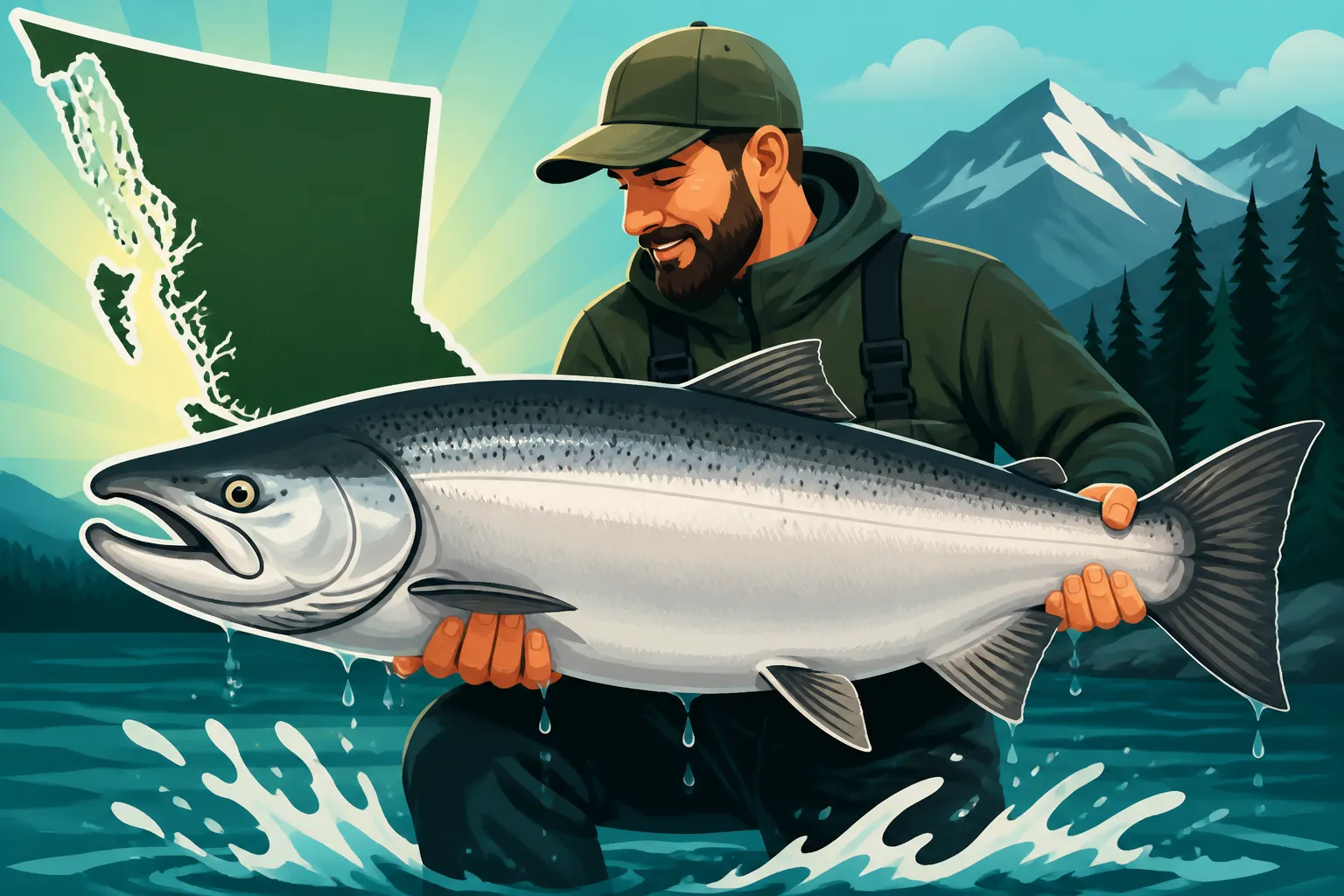
One of the most thrilling questions any angler asks when heading out onto the majestic waters of British Columbia is, "Just how big can a Chinook salmon get here?" It's a question born of dreams – dreams of a bent rod, a screaming reel, and the sheer power of an absolute leviathan on the end of your line. While most of us are happy with a solid 10 to 20-pounder for the dinner table, the truth is, BC waters hold the potential for truly enormous Chinook, fish that can dominate tales for generations. This guide dives into the impressive size potential of BC's "King" salmon, exploring what makes them so massive and how you might just tangle with one of these legendary fish.
The Lure of the "King": Understanding Chinook Salmon Size
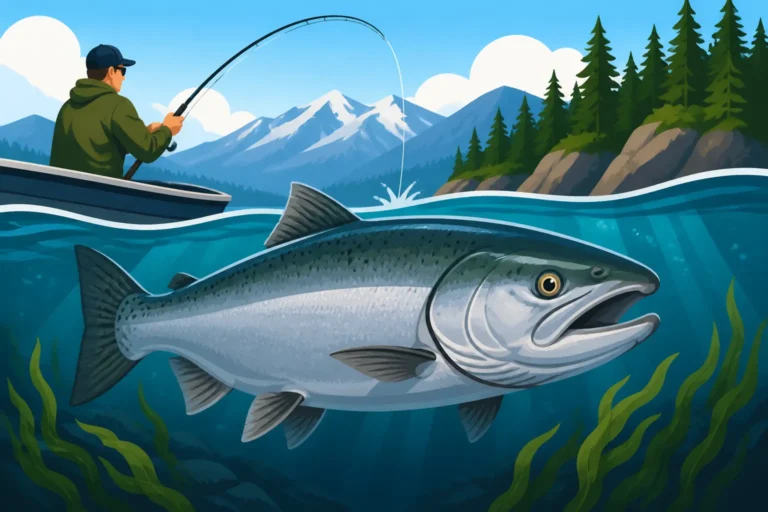
There's a reason Chinook salmon are affectionately known as "Kings" by anglers across North America. It's not just their regal appearance, with that deep-bodied build and often dark, iridescent hue; it's their sheer, undeniable size. When you think of a truly massive salmon, you're almost certainly picturing a Chinook. These fish represent the pinnacle of salmon angling for many, offering a fight that can test even the most seasoned fisher.
What Makes a Chinook a 'King'?
The "King" moniker for Chinook salmon is well-earned. While other salmon species like Coho or Sockeye are fantastic fighters and incredible table fare, they simply don't reach the same kind of gargantuan proportions as a Chinook. Anglers in BC regularly encounter Chinook salmon in the 15 to 30-pound range, and these are considered excellent fish. They put up a formidable battle, stripping line with powerful runs and deep dives, truly earning their spot on the BBQ or in the smoker.
However, it's the outliers that truly capture the imagination. The whispered stories around the campfire or at the local tackle shop often revolve around those rare, incredible fish that break the 40-pound barrier, sometimes even pushing past 50 or 60 pounds. These are the true titans, the fish that solidify the Chinook's royal status and draw anglers from all over the world to places like the Campbell River Salmon Fishing grounds or the vast reaches of the Fraser River Fishing Guide. Every year, a few lucky individuals will land one of these monsters, creating memories that last a lifetime.
Factors Influencing Growth: Genetics and Environment
The impressive size potential of Chinook salmon isn't just a matter of chance; it's a complex interplay of genetic predisposition and environmental conditions. Just like people, some Chinook are simply born with the genes to grow larger, given the right circumstances. Different river systems across BC are known for producing larger Chinook strains, a testament to the genetic diversity within the species. For example, some of the wild, robust populations returning to remote northern rivers like the Skeena system are famed for their inherent growth potential.
Beyond genetics, the ocean environment plays an absolutely critical role in how big a Chinook ultimately gets. The Pacific Ocean is a vast and rich feeding ground, and the abundance of forage fish like herring, anchovies, and pilchards directly fuels their growth. Chinook salmon are voracious eaters, and a consistent, high-quality food supply allows them to pack on pounds rapidly. Water temperatures, ocean currents, and overall ocean health also contribute significantly. A year with plentiful food and favorable conditions can mean a banner year for large Chinook returns, demonstrating how intricately connected these magnificent fish are to their marine habitat.
Average vs. Trophy: What to Expect in BC Waters
When you hit the water in British Columbia, it's important to have realistic expectations, even while holding onto that dream of a record-breaker. There's a big difference between a "good-sized" Chinook and a "trophy" Chinook, and what you're likely to encounter often depends on where you're fishing and at what time of year.
Typical Chinook Sizes Across BC Regions
The typical size of Chinook salmon can vary quite a bit depending on the region and even the specific river or marine area within British Columbia. On the coast, particularly in the prime feeding grounds and migratory routes around Vancouver Island and the Gulf Islands, you'll find a consistent population of "feeder" Chinook, often in the 8 to 20-pound range. These fish are still growing and are fantastic sport. As they mature and begin their journey back to their natal rivers to spawn, their size often increases significantly.
Major river systems like the Fraser and Skeena are renowned for their larger Chinook returns. The Fraser River Fishing Guide can point you towards spots where 20 to 40-pound fish are not uncommon during peak runs, especially in the tidal reaches and lower river sections. Up north, systems associated with the Skeena River Steelhead Fishing also produce legendary Chinook, often larger than their southern counterparts, thanks to powerful genetics and extensive ocean foraging. Generally speaking, if you're targeting salmon in saltwater, you'll encounter a wider range of sizes, from juvenile "springs" (smaller Chinook) to fully mature fish. Freshwater fishing often targets those larger, returning adults.
Chasing the Giants: Trophy Chinook Dimensions
So, what constitutes a "trophy" Chinook in British Columbia? While any fish over 30 pounds is certainly impressive, most anglers would agree that a true trophy starts north of 40 pounds. These are the fish that require significant effort, robust gear, and often a fair bit of luck. A 50-pound Chinook is a fish of a lifetime for most, a true testament to the power and majesty of the species. When you hook into a fish of this caliber, it's an experience you'll never forget – a brutal, sustained fight that will push your tackle and your stamina to their limits.
The holy grail, of course, are those legendary Chinook that push into the 60 and even 70+ pound categories. These are exceedingly rare, but BC waters have certainly produced them. Stories of massive "Tyee" Chinook from spots like the Campbell River are part of the province's rich angling folklore. While the official BC record chinook salmon weight stands as a testament to the ultimate potential, chasing these giants is less about breaking records and more about the challenge and the sheer awe of connecting with such a powerful creature. It's a journey of patience, skill, and an unwavering belief that the next cast could be the one.
Here's a general overview of Chinook salmon size expectations in BC:
| Category | Typical Weight Range (Pounds) | Average Length (Inches) | Characteristics | Common Locations (Examples) |
|---|---|---|---|---|
| Feeder/Juvenile | 5-15 | 20-30 | Actively feeding, strong fighters for their size | Coastal waters, Gulf Islands, near river mouths |
| Average Adult | 15-35 | 30-45 | Mature fish, excellent table fare, formidable fight | Fraser River, Campbell River, many coastal areas |
| Trophy | 40-60+ | 45-60+ | Rare, powerful, often long-lived ocean residents | Skeena River, some remote coastal areas, specialized charters |
The Lifecycle's Impact on Chinook Size
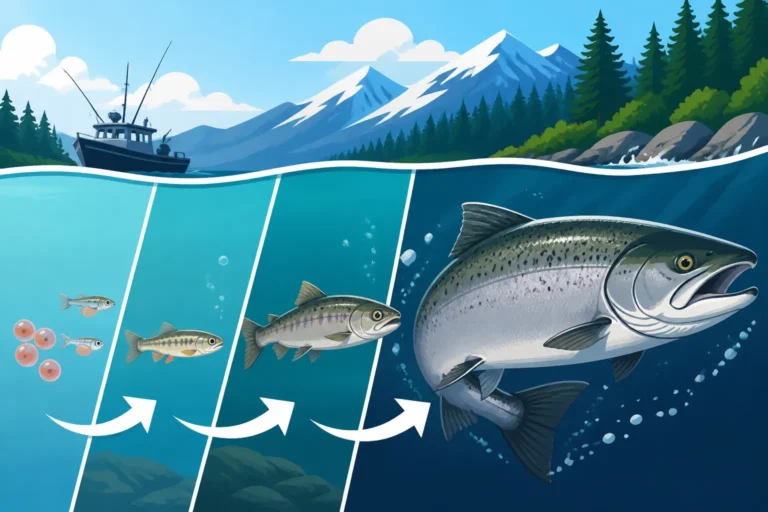
The remarkable size that Chinook salmon achieve is intrinsically linked to their incredible lifecycle. From tiny eggs deposited in freshwater rivers to their epic journey across the Pacific Ocean and back, every stage plays a part in their growth and development. Understanding this journey helps to appreciate why some Chinook grow so much larger than others.
From Fry to Feeder: Early Growth Stages
The life of a Chinook salmon begins in the gravel beds of freshwater rivers and streams, often hundreds of miles from the ocean. After hatching from their eggs, they spend their early lives as alevin, then fry, and eventually smolts. During this freshwater phase, their growth is relatively modest, fueled by aquatic insects and small invertebrates. They're growing just enough to survive and prepare for the arduous journey ahead. This period in freshwater can last from a few months to up to a year, depending on the river system and environmental conditions.
Once they reach the smolt stage, typically between 3 to 6 inches long, they undergo a physiological transformation, adapting their bodies for saltwater. This is when they begin their migration downstream, eventually reaching the vast and nutrient-rich waters of the Pacific Ocean. It's in this marine environment that the real growth spurt begins, transforming these small silvery fish into the powerful giants we know.
The Ocean Buffet: Foraging and Maturation
The Pacific Ocean is the ultimate buffet for Chinook salmon. Here, they spend years feasting on an abundant supply of forage fish, primarily herring, pilchard, anchovies, and even squid. The availability and density of these food sources directly influence how quickly and how large a Chinook can grow. A year with a booming herring population, for instance, can lead to exceptionally robust salmon returns years later. This continuous, high-calorie diet allows them to pack on significant weight and muscle, transforming them from sleek, slender smolts into deep-bodied, powerful athletes.
The duration they spend in the ocean is another crucial factor. Chinook salmon typically spend 3 to 7 years feeding in the ocean before returning to their natal streams to spawn. The longer a Chinook spends in the ocean, the more time it has to feed and grow. Early returning fish, often called "jacks" (males that mature early), are usually smaller. Conversely, those fish that spend an extra year or two at sea – sometimes referred to as "late-run" fish – are often the largest individuals in the run, having had more opportunity to build up their formidable size and strength. You can learn more about this incredible journey in our detailed guide on Chinook Salmon Migration Patterns in BC.
Gear and Tactics for Targeting Larger Chinook
To consistently target and land the larger Chinook salmon that BC waters offer, you need more than just luck. You need the right gear, the right techniques, and a solid understanding of where and when these behemoths are likely to be found. It’s a combination of preparation, skill, and patience that often pays off with that unforgettable catch.
Choosing the Right Tackle for Big Kings
When you're aiming for a trophy Chinook, your tackle needs to be up to the task. These fish are immensely powerful, and a standard trout setup simply won't cut it. You'll want heavy-duty rods, typically in the 8.5 to 10.5-foot range with a medium-heavy to heavy action. These rods provide the backbone needed to absorb powerful runs and turn a large fish. Paired with a robust levelwind or conventional reel, spooled with 25-40 pound test monofilament or braided line, you'll have the stopping power necessary for a big King. Fluorocarbon leaders in the 25-50 pound range are essential for abrasion resistance and stealth. Don't skimp on quality swivels, snaps, and terminal tackle either; a small failure point can mean losing the fish of a lifetime. You can find a fantastic selection of heavy-duty rods and reels on Amazon, perfect for battling BC's largest salmon.
Beyond the rod and reel, consider your lures and baits. Large spoons, plugs, and hootchies are popular choices for saltwater Chinook, often fished behind a flasher. For river fishing, substantial roe bags, large jigs, or weighty plugs might be more effective. When selecting line, I always recommend checking out what's available on Amazon for high-strength, low-stretch options that can withstand the incredible force these fish exert. Remember, it’s not just about hooking the fish, but having the gear to land it efficiently and safely, minimizing stress on both the fish and the angler.
Techniques and Locations for Trophy Hunts
Targeting trophy Chinook often means employing specific techniques and knowing the prime locations. In saltwater, downrigger trolling is a popular method, allowing you to present large baits or lures at precise depths where big Kings feed. Look for deep-water structure, bait balls, and current seams in areas known for large salmon, such as those covered in Best Salmon Fishing Spots in BC. Mooching with large whole or cut herring is another incredibly effective technique, especially when fish are concentrated. Patience is key here, as you might spend hours waiting for that one powerful strike.
In freshwater, particularly in larger rivers like the Fraser River Sturgeon Catch and Release Requirement areas (though you're targeting salmon here), bar fishing with heavy gear and large bait can be very productive. Drifting roe or large jigs through deep pools and runs is also effective. For these more specialized setups, particularly when you need specific weights, hooks, or a broad range of tackle options quickly, Amazon can be a great resource for finding those harder-to-locate items. Always check the BC Fishing Regulations Explained and BC Bag and Possession Limits by Species for specific areas and seasons, as regulations can vary and are often more restrictive for larger, wild Chinook to protect breeding stocks.
Conservation and the Future of Big Chinook
While the pursuit of a massive Chinook is an exhilarating experience, it's also our responsibility as anglers to consider the future of these incredible fish. The populations of large, wild Chinook face numerous challenges, and our actions on the water can play a significant role in their continued existence.
Pressures on Chinook Populations
Unfortunately, the populations of truly enormous, wild Chinook salmon are not as robust as they once were. These larger, older fish are often the most reproductively valuable, contributing significantly to future generations. They face a multitude of pressures, including habitat degradation in their freshwater spawning grounds due to urbanization and resource extraction. In the ocean, climate change impacts ocean currents and food availability, affecting their growth and survival rates. Fishing pressure, both commercial and recreational, also plays a role, particularly on the largest individuals.
It's a delicate balance, and understanding these pressures helps us appreciate the increasing rarity of these leviathans. The stories of 70+ pound Chinook are becoming less common, making the successful capture and release of these genetic powerhouses even more critical for the health of the species. Our collective efforts in conservation and responsible angling are more important than ever.
Angler's Role in Protecting the Giants
As anglers, we have a vital role to play in the conservation of Chinook salmon, especially the larger, mature individuals. First and foremost, always adhere strictly to all fishing regulations. This includes understanding BC Fishing Season Dates and Closures, bag limits, and specific gear restrictions for the area you are fishing. Many areas have selective fisheries or catch-and-release only rules for wild Chinook, designed to protect these precious stocks.
When you do hook into a large Chinook, practicing responsible catch-and-release techniques is paramount, particularly if you intend to release the fish. Minimize fight time, keep the fish in the water as much as possible, use barbless hooks, and handle it gently. Avoid lifting large fish vertically by the tail or gill plate, as this can cause internal damage. A quick photo, if desired, and a careful release will give that fish the best chance of survival to spawn or continue its journey. Remember, the future of these magnificent "Kings" depends on all of us.
Disclaimer
This article is for general informational purposes only and does not constitute professional advice. Laws, prices and regulations vary by location and change over time. Consult a qualified professional for guidance on your specific situation.