Endangered and Protected Fish Species in BC
It's incredibly frustrating to head out to your favorite fishing spot in British Columbia, only to feel uncertain about which fish species you're allowed to keep, or even target, due to conservation concerns. Anglers often worry about accidentally harming a vulnerable population or inadvertently breaking a regulation they didn't even know existed. This comprehensive guide is here to shed light on the endangered and protected fish species in BC, explaining what these designations mean for you, highlighting key species, and empowering you with the knowledge and resources to become a more responsible and effective conservationist.
What Does "Endangered" and "Protected" Mean for Fish in BC?
When we talk about fish species being "endangered" or "protected" in British Columbia, it's more than just a label; it carries significant legal and ethical weight for everyone who interacts with these ecosystems, especially anglers. These classifications are not arbitrary, but rather the result of rigorous scientific assessment and often lead to specific regulatory measures designed to prevent population declines and encourage recovery. Understanding the nuances of these terms is the first step in responsible angling.
Understanding Conservation Statuses: SARA, COSEWIC, and Provincial Designations
In Canada, fish species can receive conservation designations from both federal and provincial bodies, creating a multi-layered system of protection. Federally, the Committee on the Status of Endangered Wildlife in Canada (COSEWIC) is an independent advisory panel of experts that assesses the national status of wild species. They use a comprehensive set of criteria to classify species as "Extinct," "Extirpated" (no longer existing in the wild in Canada, but found elsewhere), "Endangered," "Threatened," "Special Concern," "Data Deficient," or "Not at Risk." These COSEWIC assessments then inform whether a species is listed under the federal Species at Risk Act (SARA). Once a species is listed under SARA, it receives legal protection, which can include prohibitions against killing, harming, harassing, capturing, or taking individuals, and against damaging or destroying their critical habitat.
Provincially, British Columbia also has its own legislative frameworks and agencies that identify and manage species at risk. The province uses a system of "Red List" (endangered or threatened) and "Blue List" (special concern) designations. While these provincial lists don't always carry the same immediate legal prohibitions as a SARA listing, they inform provincial management decisions, habitat protection efforts, and can influence specific fishing regulations. For example, a species might be provincially Red-listed, leading to closed seasons or catch-and-release only rules in certain areas, even if it's not yet fully listed under SARA. This dual approach means that anglers need to be aware of both federal and provincial conservation statuses, as they can both impact fishing opportunities and responsibilities.
The Role of Federal and Provincial Legislation: Navigating the Legal Landscape
The legal landscape surrounding endangered and protected fish species in BC can feel a bit like a maze, with overlapping jurisdictions and varying degrees of protection. The federal Species at Risk Act (SARA) is paramount for species listed under it, often leading to very strict prohibitions. For instance, if a fish species is SARA-listed as endangered, it's generally illegal to catch, harm, or possess it, even if you intend to release it. These regulations are serious, and violations can carry substantial fines and penalties. It’s not just about active harm; even actions that indirectly damage critical habitat can be prohibited.
Beyond SARA, Fisheries and Oceans Canada (DFO) plays a crucial role in managing marine and freshwater fisheries, and they often implement regulations specific to vulnerable fish stocks under the broader Fisheries Act. This can include closures, gear restrictions, daily limits of zero, or mandatory BC Catch and Release Only Waters rules for certain species or in particular areas. Similarly, the provincial government, through its Ministry of Water, Land and Resource Stewardship, manages freshwater fisheries and can enact its own regulations to protect species identified as at risk within BC's borders. The key takeaway for anglers is that these laws are designed to protect the future of these fish, and ignorance is rarely an excuse for non-compliance. It's your responsibility as an angler to check the latest regulations before every trip, consult resources like the Reading the BC Freshwater Fishing Regulations Synopsis, and understand the conservation status of the fish you might encounter.
Key Endangered and Threatened Freshwater Species in BC
British Columbia is home to an incredible diversity of freshwater fish, but sadly, some of these iconic species are facing severe challenges. Their populations are dwindling due to habitat loss, climate change, pollution, and historical overfishing. Understanding which species are most vulnerable is essential for every angler who wants to help secure their future.
White Sturgeon: A Fraser River Icon Under Threat
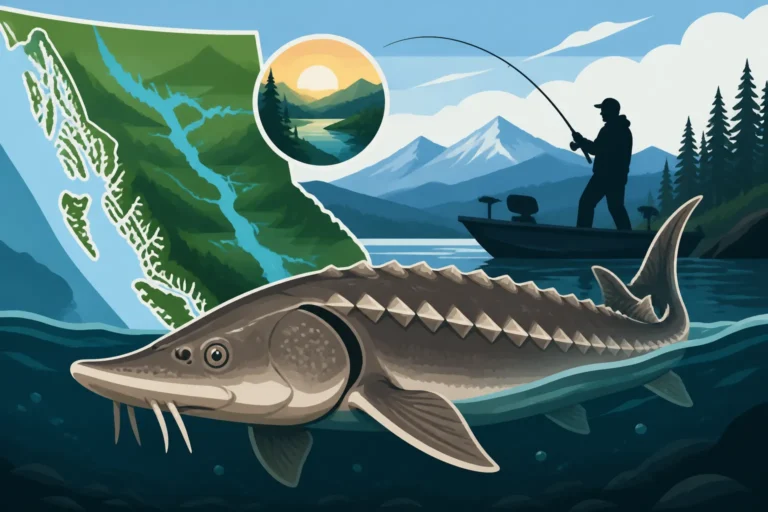
The White Sturgeon (Acipenser transmontanus) is truly a prehistoric marvel, the largest freshwater fish in North America, and an undeniable icon of British Columbia's Fraser River. These magnificent giants can live for over 100 years and grow to incredible sizes, with some individuals reaching lengths of over six meters. Unfortunately, their populations have been severely impacted by habitat degradation, pollution, and disruptions to their spawning grounds, particularly in the lower Fraser River. As a result, the White Sturgeon population in the Fraser River, and in other BC watersheds like the Nechako and Columbia, is listed as Endangered under Canada's Species at Risk Act (SARA).
For anglers, this SARA listing means that White Sturgeon are heavily protected. While guided White Sturgeon Fishing on the Fraser River is a popular experience, it is strictly catch-and-release only, with severe penalties for any retention or harm. Guides and anglers must adhere to very specific handling guidelines to minimize stress and injury to these vulnerable fish. This includes proper netting techniques, keeping the fish in the water as much as possible, and using appropriate gear to ensure a quick fight and release. Learning Sturgeon catch and release survival tips is paramount to ensure these incredible fish have the best chance of recovery. Even with these stringent rules, every interaction is carefully managed to ensure the species' long-term survival. The thrill of catching a Fraser River White Sturgeon is immense, but the responsibility of protecting it is even greater.
Interior Fraser River Steelhead: A Precarious Future
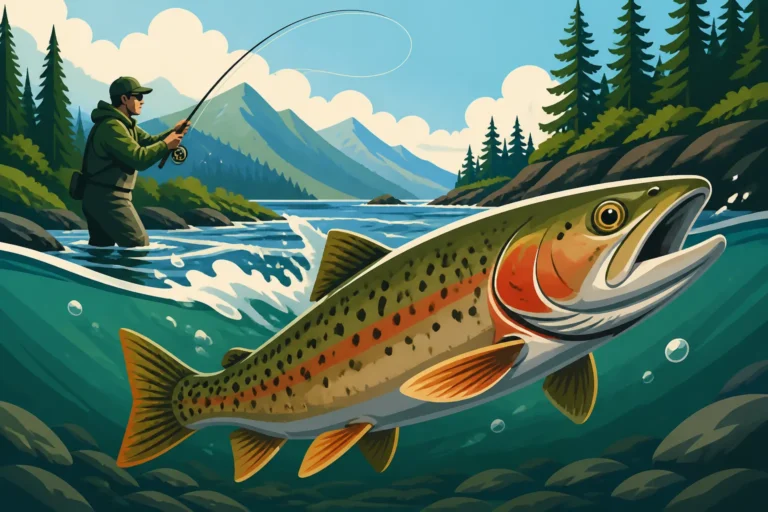
Steelhead (Oncorhynchus mykiss), the sea-run form of rainbow trout, are revered by anglers for their strength and beauty, representing a pinnacle of freshwater fishing in BC. However, some populations, particularly the Interior Fraser River Steelhead, face an extremely precarious future. These unique fish undertake epic migrations from the ocean back into the Thompson and Chilcotin river systems to spawn, but their numbers have plummeted to alarmingly low levels. Their decline is attributed to a complex mix of factors including ocean conditions, habitat degradation in their spawning rivers, predation, and potential impacts from other fisheries.
The Interior Fraser River Steelhead populations are currently designated as Endangered by COSEWIC and are under emergency protection orders, which have led to significant conservation measures. This means that large areas of their spawning and migratory routes, particularly in the Thompson and Chilcotin rivers, have stringent BC Interior Fraser steelhead protection closures in place. For anglers, this often translates to complete closures of these rivers to steelhead fishing, or strictly enforced catch-and-release regulations with specific gear restrictions, to ensure no incidental harm to these fragile stocks. Even if you're targeting other species, you need to be acutely aware of these closures and regulations to avoid accidentally interacting with steelhead. While the desire to target Steelhead Fishing in BC is strong for many, respecting these protections is absolutely critical for giving these magnificent fish a fighting chance at recovery.
Other Vulnerable Freshwater Fish: Beyond the Big Names
While the White Sturgeon and Interior Fraser Steelhead often capture headlines due to their iconic status and severe declines, British Columbia is home to numerous other freshwater fish species that are also facing significant threats and are listed under various conservation statuses. These lesser-known, but equally important, species contribute to the rich biodiversity of BC's aquatic ecosystems. For instance, the Nooksack Dace (Rhinichthys cataractae ssp. nooksack), a small minnow species, is listed as Endangered under SARA. Its habitat is restricted to a few small streams in the Fraser Valley, making it highly vulnerable to development and pollution. Anglers might not directly target them, but understanding their presence is vital to avoid disturbing their delicate habitats.
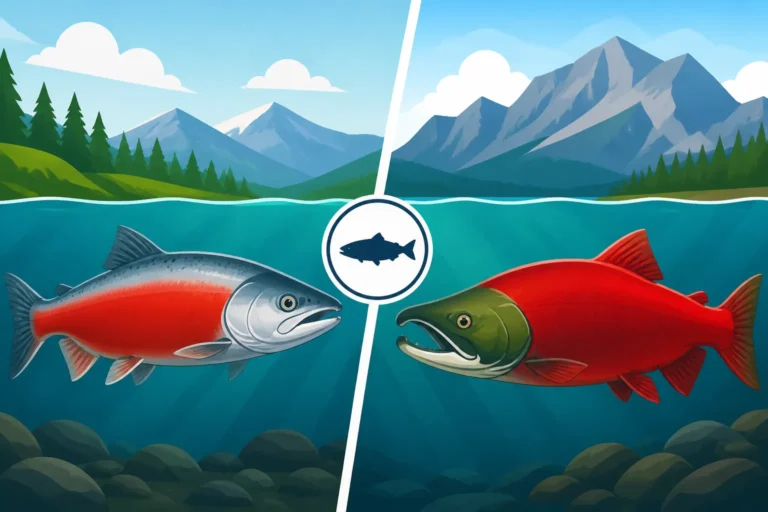
Similarly, the Cultus Lake Sockeye (Oncorhynchus nerka) is a genetically distinct population of Sockeye Salmon found only in Cultus Lake near Chilliwack, and it's also federally listed as Endangered. This unique Sockeye stock faces threats from habitat degradation, invasive species, and water quality issues. While Sockeye are a major target species for many anglers in other parts of the Fraser system, specific regulations are often in place to protect this particular vulnerable population. The Salish Sucker (Catostomus sp.) is another example, a small bottom-dwelling fish found in limited lowland streams in the Fraser Valley, listed as Threatened. These species often require specific habitat conditions, and any disturbance, even unintentional, can have a disproportionate impact. Anglers are encouraged to learn about the unique fish populations in the areas they frequent, as seemingly minor changes in fishing practices can make a big difference for these fragile stocks. Resources like specialized field guides, which can be found on Amazon, can be incredibly helpful for identifying these more obscure, yet important, fish.
Protected Marine Species and Conservation Zones
Moving from BC's freshwater rivers and lakes to its expansive coastline, the story of conservation continues. The marine environment, while vast, is not immune to the pressures that threaten fish populations. Anglers venturing into tidal waters also need to be aware of protected species and specific conservation measures designed to safeguard marine biodiversity.
Pacific Salmon Concerns: A Complex Web of Threats
Pacific Salmon are the lifeblood of BC's coastal ecosystems, supporting a vast array of wildlife and cultures. While some Pacific Salmon populations are robust, many specific stocks or runs, especially of Chinook (King) and Coho (Silver) salmon, are facing significant conservation challenges and are listed as Threatened or of Special Concern by COSEWIC, with some under SARA protection. These designations often reflect localized declines rather than a species-wide issue, meaning that a particular run of Chinook returning to a specific river might be in crisis, while another run just a few hundred kilometers away is healthy. The complexities of Pacific Salmon Species Identification Guide become crucial here, as regulations can vary not just by species, but by specific stock, time of year, and even geographic area.
Factors contributing to these declines are multifaceted, including warming ocean temperatures, habitat loss in freshwater spawning grounds, marine predation, and historical fishing pressures. As a result, DFO implements highly dynamic and often restrictive regulations for salmon fishing in tidal waters. This can include non-retention rules for certain sizes of Chinook, BC Chinook Salmon Non-Retention Areas during critical migration periods, or reduced daily possession limits for Coho. For example, specific areas or times might be closed entirely to protect vulnerable migrating salmon, even if other species are open. Anglers are expected to be diligent in checking the latest DFO Fishery Notices, which are constantly updated to reflect the most current scientific assessments of salmon stock health. The goal is always to balance sustainable recreational fishing with the urgent need to protect and rebuild these vital salmon populations.
Rockfish Conservation Areas: Protecting Bottom Dwellers
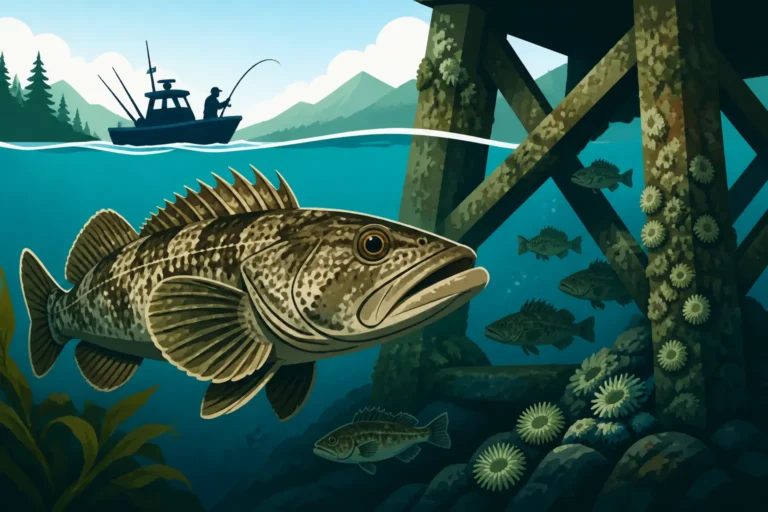
British Columbia's coastal waters are home to a remarkable diversity of rockfish species, ranging from the colorful Yelloweye Rockfish to the Quillback Rockfish. Many of these species are incredibly long-lived, slow-growing, and highly susceptible to overfishing, particularly due to their tendency to suffer from barotrauma (swim bladder expansion) when brought up from deep water. This means even catch-and-release can be fatal if not done correctly, particularly for fish caught below certain depths. Recognizing their vulnerability, many rockfish species are listed as being of Special Concern or Threatened by COSEWIC, and some, like the Yelloweye Rockfish, are federally listed under SARA as Threatened.
To protect these sensitive populations, Fisheries and Oceans Canada has established an extensive network of Rockfish Conservation Areas (RCAs) along the entire BC coast. These are specific marine zones where the retention of all rockfish species is prohibited year-round, and often, all fin-fish fishing (including for species other than rockfish) is prohibited, or specific gear restrictions apply. The purpose of RCAs is to provide refuges where rockfish can live and reproduce undisturbed, allowing populations to recover. It's absolutely critical for marine anglers to know the boundaries of these RCAs before heading out on the water. Detailed maps and coordinates are available through DFO, and neglecting to check can lead to serious fines. For proper identification of these species, a good field guide like those often found on Amazon can be an invaluable tool for anglers new to marine fishing. Understanding the different species using a Rockfish Species Identification Guide for BC helps you know what you're seeing and how to avoid targeting protected species or areas.
How Anglers Can Contribute to Conservation Efforts
As anglers, we are often the first to notice changes in fish populations and habitat. This unique position gives us a vital role to play in conservation. Far from being passive observers, we can actively contribute to protecting endangered and threatened fish species in BC, ensuring that future generations can also experience the joy of fishing.
Practicing Responsible Catch and Release: Giving Them a Fighting Chance
For many protected or vulnerable fish species, fishing is strictly catch and release. But catch and release is not always benign; if not done properly, it can still lead to delayed mortality. Therefore, mastering responsible catch and release techniques is one of the most significant ways anglers can contribute to conservation. This starts with using appropriate gear: strong enough tackle to land the fish quickly, minimizing fight time and exhaustion. Barbless hooks are highly recommended, as they make hook removal much easier and less damaging, especially for delicate mouthparts. When landing the fish, use a rubberized, knotless landing net or tail-grab to minimize slime coat removal and scale damage. Avoid touching the fish's gills or eyes, and support its body horizontally when handling.
The most crucial rule for many species, especially large ones like sturgeon or deeply-hooked salmon, is to keep the fish in the water as much as possible. For instance, with White Sturgeon, regulations mandate that the fish remains in the water, especially for measuring and photography. If a fish is too large to easily bring to the boat, consider measuring and releasing it boatside. For fish caught from deeper water, where barotrauma is a concern, understand proper venting or descending device techniques if allowed and appropriate for the species. Always prioritize the fish's well-being over a perfect photo. By following best practices for Sturgeon catch and release survival tips and other vulnerable species, we give these fish the best possible chance to survive and contribute to their population.
Reporting Sightings and Violations: Being an Extra Set of Eyes
Anglers spend countless hours on the water, often in remote locations where conservation officers might not be present. This makes us invaluable as "eyes and ears" for fisheries management and enforcement. If you witness suspected illegal fishing activities, such as someone retaining protected species, exceeding bag limits, fishing in closed areas, or using illegal gear, it's crucial to report it. Don't confront individuals directly; instead, gather as much information as safely possible, such as boat descriptions, license plate numbers, time, location, and a description of the activity, and report it to the Observe, Record, Report (ORR) line run by DFO. This information helps enforcement agencies apprehend offenders and deter future violations.
Beyond illegal activities, your observations can also contribute to scientific understanding and conservation efforts. Reporting unusual sightings of fish, such as diseased individuals, fish in unexpected locations, or signs of habitat degradation (e.g., pollution, unauthorized alterations to streams), can provide valuable data to researchers and managers. Many conservation organizations and government agencies have citizen science programs where anglers can submit their observations. Even simply noting water levels, clarity, or unusual wildlife activity can be helpful. By actively participating and reporting, anglers become partners in monitoring the health of BC's aquatic environments, helping to protect vulnerable species and ensure sustainable fisheries for everyone.
Supporting Sustainable Fishing Practices: Your Choices Matter
Beyond individual actions on the water, anglers can contribute significantly to the broader conservation landscape by supporting sustainable fishing practices and policies. This involves making informed choices about where, when, and how you fish, and also advocating for responsible management. Consider supporting fishing guides and charter operators who are known for their strong conservation ethics and who strictly adhere to regulations. Their commitment to sustainability helps foster a culture of responsible angling within the community. When purchasing gear, look for products that promote conservation, such as rubberized nets or specialized de-hooking tools. You can find many such items, including excellent books on sustainable fishing and species identification guides, easily on Amazon.
Furthermore, engaging with local conservation groups, angling associations, and even government consultations can give your voice power. Many organizations, such as the Freshwater Fisheries Society of BC or the Pacific Salmon Foundation, work tirelessly to restore habitat, conduct research, and advocate for sustainable fisheries. Becoming a member or volunteering your time can directly support these efforts. By staying informed about the issues facing specific fish stocks and advocating for science-based management decisions, you help shape the future of fishing in British Columbia. Every choice, from the tackle you buy to the organizations you support, has an impact on the health of our aquatic ecosystems and the species that depend on them.
Resources and Further Information for Anglers
Staying informed is perhaps the most critical component of responsible angling, especially when dealing with endangered and protected species. The regulations and conservation statuses in British Columbia are dynamic, changing based on scientific assessments, environmental conditions, and management decisions. Thankfully, there are many valuable resources available to help you keep up to date.
Checking Official Fishery Notices: Stay Up-to-Date
The single most important resource for any angler in British Columbia is the official Fishery Notices issued by Fisheries and Oceans Canada (DFO) and, for freshwater, also by the provincial government. These notices provide real-time updates on openings, closures, changes to bag limits, gear restrictions, and special conservation measures. They are the definitive source for current regulations and supersede any information found in annual synopses if changes have occurred mid-season. It's not enough to check once at the start of the year; conditions and regulations can change rapidly, sometimes weekly or even daily, especially for sensitive species or during critical migratory periods.
Before every single fishing trip, and particularly if you're venturing into a new area or targeting a specific species, make it a habit to check the DFO website for relevant Fishery Notices. For freshwater, also check the provincial government's fishing regulation updates. This is particularly crucial for species with specific conservation concerns, like certain salmon runs or steelhead populations, where zones can open or close on short notice based on stock assessments. Ignoring these notices is not only irresponsible but can lead to unintentional violations and significant penalties. Consider signing up for email alerts from DFO to receive updates directly to your inbox, ensuring you're always informed about BC Fishery Notices and In-Season Closures, Explained.
Understanding Regulation Synopses: Your Angler's Bible
While Fishery Notices provide real-time updates, the annual Freshwater Fishing Regulations Synopsis, published by the provincial government, and the Tidal Waters Sport Fishing Guide, published by DFO, serve as your foundational "bibles" for fishing in British Columbia. These comprehensive documents outline the general rules, limits, and definitions that apply throughout the year, unless specifically modified by a Fishery Notice. They cover everything from general licensing requirements to species-specific limits, gear restrictions, and designated special management areas.
Taking the time to thoroughly read and understand these synopses at the beginning of each fishing season is non-negotiable for any responsible angler. Pay particular attention to the sections detailing specific waterbodies or regions you plan to fish, as well as rules pertaining to species that may be endangered or protected. The synopses often include maps of Rockfish Conservation Areas or other special zones, which are vital for marine anglers. Keep a digital or printed copy with you when you're on the water; it's an invaluable reference tool. Familiarizing yourself with these documents, such as Reading the BC Freshwater Fishing Regulations Synopsis, empowers you to make informed decisions and ensures your angling activities are always within the bounds of the law and conservation ethics.
Leveraging Online Tools and Communities: Digital Age Conservation
In today's digital age, there's a wealth of online tools and communities that can further support your conservation efforts and help you stay informed. Beyond the official government websites, many reputable angling forums, Facebook groups, and conservation organization websites offer valuable discussions, shared experiences, and timely information. These platforms can be excellent places to ask questions, learn about local nuances, and connect with other conservation-minded anglers. However, always cross-reference information from unofficial sources with official government notices to ensure accuracy.
Additionally, many apps are now available that can help with fish identification, mapping of fishing zones, and even logging your catches to contribute to citizen science data. Satellite imagery and mapping tools can help you identify sensitive habitats, such as spawning areas or shallow wetlands, to avoid disturbing them. Educational videos on proper catch and release techniques, often available on platforms like YouTube, can be incredibly beneficial for visual learners. By embracing these digital resources, anglers can enhance their knowledge, improve their practices, and become more effective advocates for the protection of BC's precious fish species. Remember, the more you know, the better equipped you are to protect these incredible aquatic inhabitants.
Summary of Key Protected Fish Species and Angler Responsibilities
Here's a quick overview of some key protected species and the general angler responsibilities associated with them in British Columbia:
| Species | Conservation Status (SARA) | Primary Location(s) | Angler Responsibility |
|---|---|---|---|
| White Sturgeon | Endangered | Fraser River, Nechako, Columbia | Strictly catch-and-release only. Mandatory in-water handling, specific gear. Is It Legal to Release a Sturgeon You Catch in BC? requires proper handling. |
| Interior Fraser Steelhead | Endangered | Thompson, Chilcotin Rivers | Strict closures or mandatory catch-and-release only with specific gear. Check BC Interior Fraser steelhead protection closures for specific regulations. |
| Cultus Lake Sockeye | Endangered | Cultus Lake | Specific non-retention rules and often complete closures for Sockeye in or near Cultus Lake to protect this unique stock. |
| Nooksack Dace | Endangered | Fraser Valley Streams | Avoid disturbing habitat in specific small stream systems. Non-target species, but awareness is key to avoid incidental harm. |
| Yelloweye Rockfish | Threatened | BC Coast | Mandatory release if caught, often with descending device. Strictly prohibited in Rockfish Conservation Areas. Identify accurately using Rockfish Species Identification Guide for BC. |
| Other Rockfish Species | Special Concern/Threatened | BC Coast | Mandatory release in RCAs and often elsewhere. Best practice to avoid targeting deepwater rockfish entirely if not prepared for proper release from depth. |
| Specific Salmon Stocks | Varies (e.g., Chinook) | Rivers & Coastal Waters | Regulations vary widely by area, time, and specific stock. Check Fishery Notices for specific non-retention, size limits, or area closures for vulnerable Pacific Salmon Species Identification Guide populations. |
Disclaimer
This article is for general informational purposes only and does not constitute professional advice. Laws, prices and regulations vary by location and change over time. Consult a qualified professional for guidance on your specific situation.