What a Kamloops trout is and where they live
Many anglers hear the name "Kamloops trout" and picture a truly iconic fish, a real jewel of British Columbia's freshwater scene. Yet, there's often a bit of confusion about what truly defines them among the vast array of rainbow trout strains in our province. If you've ever wondered what sets these particular beauties apart, why they're so revered, or precisely where you can find them thriving, you've come to the right place. This guide will dive deep into the fascinating world of Kamloops trout, clarifying their unique identity and revealing their prime habitats across BC.
The Iconic Identity of the Kamloops Trout
When we talk about a "Kamloops trout," we're not just throwing around a fancy regional name for any old rainbow trout. This isn't just a marketing gimmick; it refers to a distinct, native strain of rainbow trout (Oncorhynchus mykiss) that historically flourished in the larger, deeper lakes and associated river systems of British Columbia's interior. They are renowned for their incredible fighting spirit, stunning coloration, and impressive size, making them a prized catch for freshwater anglers across the province and beyond.
More Than Just a Name: Defining the "Kamloops" Strain
Historically, the term "Kamloops trout" specifically identified the unique genetic stock of rainbow trout found in the Kamloops area's large lakes, such as Kamloops Lake itself, and surrounding river systems. These fish developed specific adaptations to their environment, growing large in expansive waters and exhibiting remarkable acrobatic prowess once hooked. Over time, due to their desirable traits – their size, strength, and willingness to strike a fly or lure – this specific strain became a cornerstone of BC's freshwater stocking programs. It's important to understand that while many stocked rainbow trout in BC might be derived from Kamloops stock, the true "Kamloops" experience is often linked to the specific environments where these fish naturally thrive or where their lineage has been consistently maintained in larger, nutrient-rich waters.
What makes them so special isn't just their size potential, but their overall vigour. These aren't sluggish bottom-feeders. They are active predators, often found cruising the open waters of lakes, chasing baitfish, and showing incredible aerial displays when hooked. This energetic nature is a hallmark of the strain, setting them apart in the hearts and minds of anglers who cherish a challenging fight.
While the term "Kamloops" might sometimes be used loosely to describe any big, silvery rainbow trout, a purist will tell you it points to that specific genetic lineage. This lineage means they've got the raw potential for incredible growth and a spirited fight, especially when they're in an environment that allows them to reach their full potential. It's akin to knowing the difference between a thoroughbred racehorse and a general riding horse – both are horses, but one has a particular genetic heritage built for speed and endurance.
A Legacy of Lustrous Silver and Leaping Fights
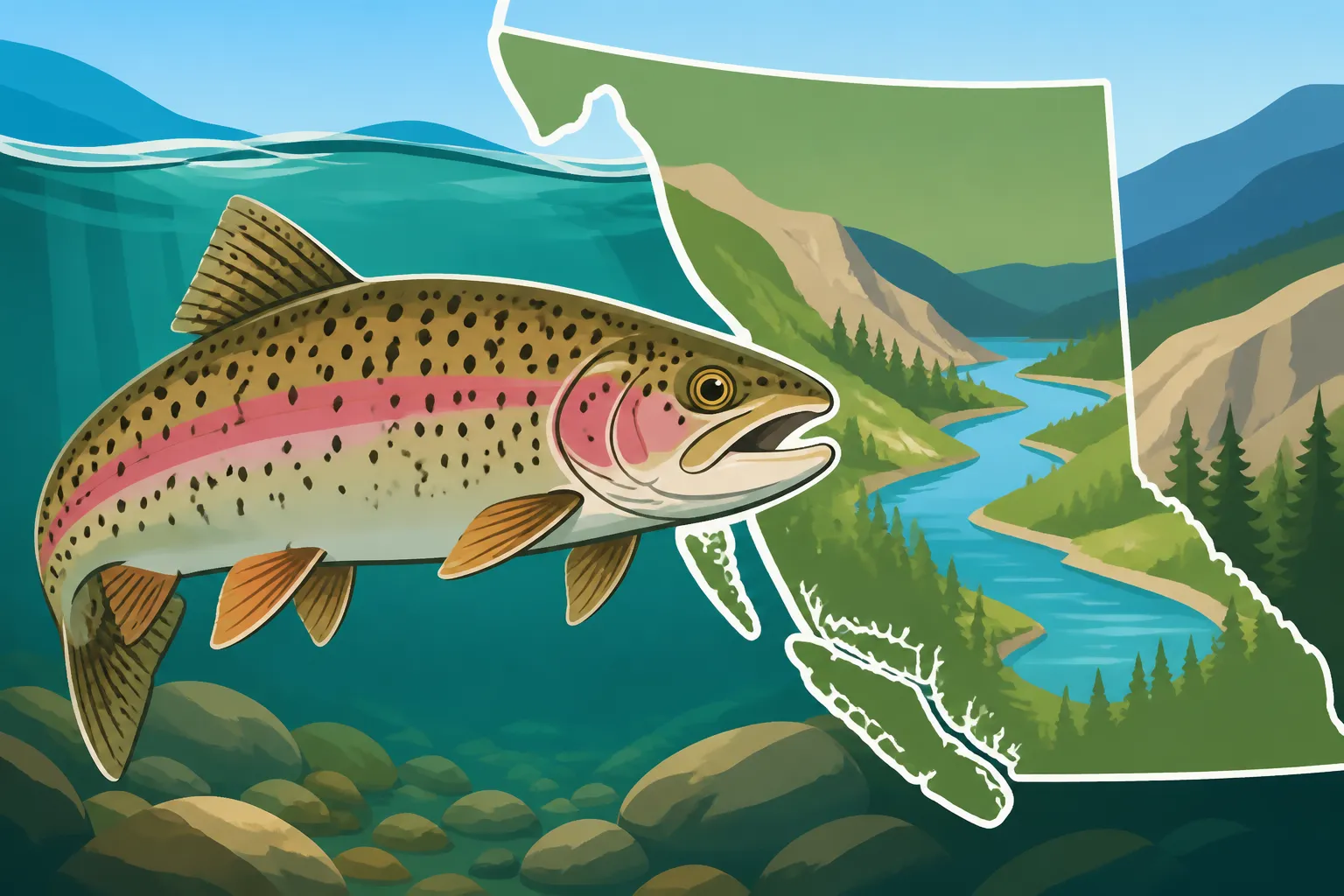
The aesthetic appeal of a Kamloops trout is undeniable. They often boast a strikingly bright, silvery flank, sometimes with a beautiful iridescent sheen, which transitions into a darker, often olive-green or bluish back. Their bodies are typically adorned with numerous small, distinct black spots that extend onto their fins and tail. This vibrant appearance is often a strong indicator of a fish that spends its life in open, clean water, feeding aggressively and growing rapidly.
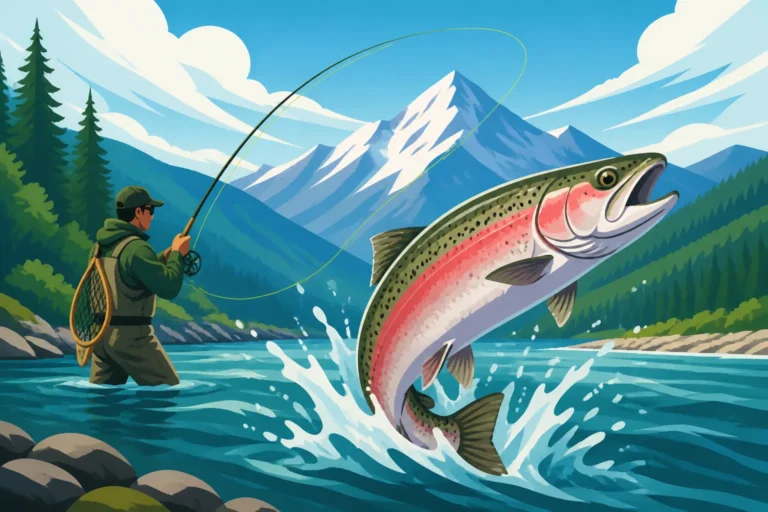
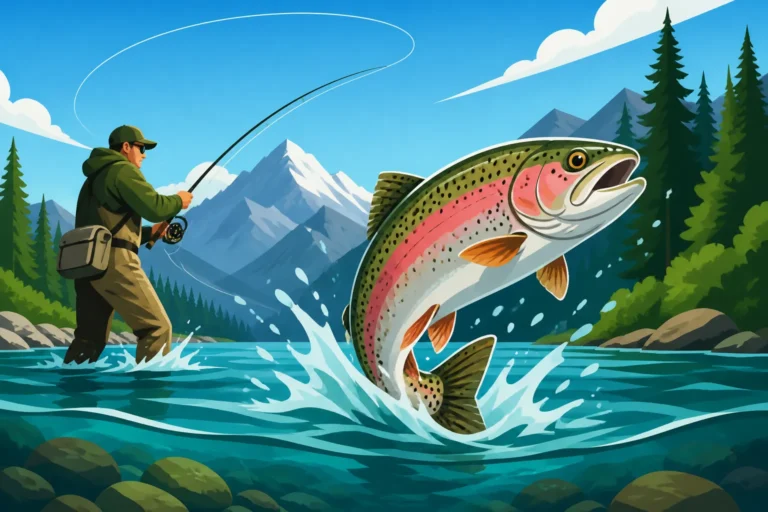
But it's not just their looks; it's their spirit. When you hook into a sizable Kamloops trout, be prepared for a fight that often involves spectacular jumps and powerful runs. They are notorious for breaking the surface, shaking their heads vigorously, and attempting to throw the hook. This acrobatic display is precisely why they've garnered such a legendary reputation among anglers. It’s a thrill that keeps people coming back, year after year, to the waters where these fish flourish.
Many a seasoned angler will tell you stories of a Kamloops trout that peeled line off their reel at an alarming rate, only to erupt from the water in a series of breathtaking leaps. This isn't just a fish; it's an experience. Their vigorous nature demands good tackle, and you'll find plenty of robust spinning rods, fly rods, and strong lines on sites like Amazon that are well-suited for battling these freshwater giants.
Where the Kamloops Trout Calls Home: Prime Habitats in BC
While the name "Kamloops" immediately points to the city and region, the actual habitat of these magnificent trout extends far beyond. They are primarily lake-dwelling fish, thriving in large, deep, and often nutrient-rich bodies of water that can support a healthy ecosystem and provide ample food sources for rapid growth. Their preferred environments are usually colder, well-oxygenated lakes, often with feeder streams where they can spawn.
The Okanagan and Shuswap Regions: Heartlands of the Kamloops
When you think of the quintessential Kamloops trout habitat, the Okanagan Valley and Shuswap regions of British Columbia's interior immediately come to mind. Lakes like Okanagan Lake, Shuswap Lake, and Kamloops Lake itself are iconic strongholds for this trout strain. These massive lakes offer vast expanses of deep, cool water, abundant baitfish (like kokanee, a landlocked sockeye salmon that forms a crucial food source), and numerous inflowing streams perfect for spawning.
Anglers targeting Kamloops Trout in Okanagan Lakes can expect to find them in the deeper sections, often cruising for schools of kokanee. These lakes are perfect for trolling with various lures and flies, mimicking the baitfish that make up the bulk of their diet. The sheer size and depth of these waters provide the ideal conditions for Kamloops trout to grow to truly impressive sizes, sometimes reaching well into the double digits in terms of pounds.
The rich aquatic food base in these interior lakes allows these trout to pack on weight quickly. Imagine a fish with a constant buffet of smaller fish, insect larvae, and zooplankton – that's the life of a Kamloops trout in these prime habitats. This access to abundant food is a key factor in their reputation for size and strength, making these regions a must-visit for serious trout enthusiasts. If you're planning a trip to the region, be sure to consult a comprehensive Okanagan Valley Fishing Guide to maximize your chances.
Beyond the Interior: Other Notable Waters
While the interior lakes are the undisputed heartland, Kamloops trout, or at least trout heavily influenced by this genetic strain, can be found in various other large lakes across British Columbia, particularly those involved in past stocking efforts. Many of BC's "trophy" rainbow trout lakes, even some lesser-known ones, might owe their fantastic fishing to the introduction of Kamloops stock over the decades. These fish have been selectively bred and introduced to many lakes, aiming to replicate their impressive growth and fighting qualities.
It's not uncommon to find thriving populations in lakes within the Cariboo region, the Thompson-Nicola region, and even some systems further north or west where suitable large lake environments exist. The key is typically a large body of water that supports a diverse food web, with good oxygen levels and cold temperatures, especially in the deeper sections during summer months. For a broader perspective on where to find these gems, exploring resources like Best Fishing Lakes in British Columbia can be incredibly helpful.
However, anglers should always remember that "Kamloops trout" in these other areas might not be as genetically pure as those in the historical strongholds. Many lakes might hold hybrid strains or fish that have been crossed with other rainbow trout varieties. Regardless, any fish displaying the classic characteristics – the bright silver, the aggressive fight, and the impressive size – will offer an unforgettable angling experience.
Spotting the Difference: Identifying a True Kamloops
With so many rainbow trout in BC, how do you know if you've landed a true Kamloops? While genetic testing is the only definitive answer, there are several visual cues and characteristics that experienced anglers often use to distinguish them from other rainbow trout strains. Understanding these features can enhance your appreciation for these specific fish and help you better target them.
Distinguishing Features: Colour, Spots, and Fin Shape
When you pull a Kamloops trout from the water, one of the first things you'll notice is their incredibly bright, silvery coloration. This silver often dominates their sides, sometimes appearing almost chrome, particularly in larger, lake-dwelling specimens. This contrasts with some river-dwelling rainbows or smaller stocked fish that might have a more pronounced pink or red lateral band and a duller overall hue. The back typically has a darker, iridescent green or blue tone.
Their spotting pattern is also quite distinctive. Kamloops trout tend to have numerous, relatively small, and well-defined black spots. These spots are usually evenly distributed over their body, extending noticeably onto their dorsal fin and caudal (tail) fin. Other rainbow trout might have fewer spots, larger spots, or spots that are concentrated more towards their back. The head of a Kamloops trout is often proportionally smaller and more streamlined than some other rainbow strains, contributing to their sleek, torpedo-like appearance.
| Feature | Kamloops Trout (Typical) | Other Rainbow Trout (General) |
|---|---|---|
| Overall Color | Bright silver, chrome, iridescent sheen | More greenish/bronze, stronger pink/red lateral band |
| Spotting Pattern | Numerous, small, distinct black spots, even, extend to fins | Fewer, larger, or more clustered spots; less fin coverage |
| Body Shape | Streamlined, torpedo-like, often deep-bodied | Variable, can be stockier or more slender |
| Head Size | Often proportionally smaller and streamlined | Can be larger, especially in river-dwelling strains |
| Fin Coloration | Spots extend clearly onto dorsal and caudal fins | Spots might be less prominent on fins |
| Fighting Style | Highly acrobatic, strong leaps, powerful runs | Variable, can be strong but less consistently acrobatic |
This table provides a general comparison, but remember, individual fish can vary based on diet, age, and specific habitat conditions. For a more comprehensive understanding of different trout species, refer to a Trout Species Identification Guide for BC.
Kamloops Trout vs. Gerrard Rainbows: A Tale of Two Giants
It's common for anglers to wonder about the difference between Kamloops trout and another legendary BC rainbow: the Gerrard rainbow. Both are celebrated for their size and fighting ability, and both are indeed strains of rainbow trout. However, they are distinct. The Gerrard rainbow, primarily found in Kootenay Lake, is known for being exceptionally large and often has a darker, more torpedo-shaped body. They are also highly predatory, feeding almost exclusively on kokanee in their specific lake environment, leading to their immense size. For more on this, check out What a Gerrard rainbow trout is.
While a Kamloops trout can certainly grow large, especially in lakes with abundant kokanee, the Gerrard strain is arguably the apex predator in its niche, consistently reaching sizes that make it one of the largest wild rainbow trout strains on Earth. Think of it like this: all Gerrards are rainbows, and many Kamloops are large rainbows, but the Gerrard has evolved in a unique ecosystem to become a true freshwater leviathan. Both are incredible, but they represent slightly different evolutionary paths within the same species.
The geographical separation is also key. While Kamloops trout are widespread in many interior lakes and have been extensively used in stocking programs, the Gerrard strain is intrinsically linked to Kootenay Lake and its specific food web. While both will give you an incredible fight, the sheer brute force and size potential of a Gerrard is often cited as a step beyond even the largest Kamloops.
Angling for the Agile: Tips for Pursuing Kamloops Trout
Fishing for Kamloops trout is a rewarding experience, but it often requires specific techniques and a good understanding of their behaviour. Since they primarily inhabit large lakes and often feed on baitfish, your approach will differ from river fishing for other trout species.
Preferred Gear and Techniques
When targeting Kamloops trout, especially in larger lakes, trolling is often the most effective method. This involves dragging lures or flies behind a boat at a slow speed, covering large areas of water where the trout might be cruising for food. Downriggers are frequently used to get lures down to the precise depths where baitfish, like kokanee, are schooling. Popular lures include spoons, plugs, and small apex hootchies that imitate kokanee. Brands like Gibbs Delta and Luhr-Jensen offer excellent options for these types of lures, many of which are readily available on Amazon.
Fly fishing can also be incredibly productive, particularly during certain times of the year or in specific areas of the lake. Streamer patterns that mimic baitfish are excellent, as are large nymph patterns or even dry flies during prolific insect hatches near shore or in shallower bays. For example, some anglers find success with chironomid patterns in the spring when these insects hatch in large numbers. Good quality fly rods and reels, often in weights from 6 to 8, are crucial for casting larger flies and handling the powerful fight of a Kamloops trout. You can find a vast selection of these on Amazon, from beginner-friendly kits to more specialized setups.
For bait fishing, still-fishing with live or dead bait (where permitted) can also be effective, especially near drop-offs or underwater structure. However, many anglers prefer the active pursuit of trolling or fly fishing for these energetic fish. Regardless of your chosen method, sturdy line and strong leaders are essential; these fish are known for testing your tackle to its limits. Need some pointers? Check out How to Catch Rainbow Trout in BC Lakes.
Understanding Their Behavioural Quirks
Kamloops trout, being primarily open-water predators in large lakes, tend to follow their food source. This means understanding the movements and depths of kokanee is paramount. They often feed actively during low light conditions – early mornings and late evenings – but can be caught throughout the day, especially if there's overcast weather or if you're targeting deeper waters. In the spring, they might be found closer to the surface as water temperatures are cooler and insect hatches are more prevalent. As summer progresses, they'll retreat to cooler, deeper thermoclines.
They are also highly susceptible to changes in barometric pressure and weather. A stable high-pressure system often means consistent fishing, while a sudden drop in pressure or a storm front can make them finicky. Observing the behaviour of other wildlife, especially birds diving for baitfish, can give you clues to where the trout might be concentrating. Additionally, keeping an eye on local BC Fishery Notices and In-Season Closures, Explained is crucial, as regulations can change to protect spawning fish or sensitive populations.
Patience and persistence are key when chasing these big lake trout. Covering water systematically, varying your depths, and changing up your lure presentations until you find what they're hitting on will increase your success. Don't be afraid to experiment with different speeds, colours, and sizes of lures. A digital fish finder can be an invaluable tool for locating bait schools and identifying promising underwater structure. For those who enjoy fishing from shore, Best technique for bank fishing a stocked lake might offer some relevant tips, though most big Kamloops are caught from boats.
Disclaimer
This article is for general informational purposes only and does not constitute professional advice. Laws, prices and regulations vary by location and change over time. Consult a qualified professional for guidance on your specific situation.