Best topwater lure for dawn bass fishing
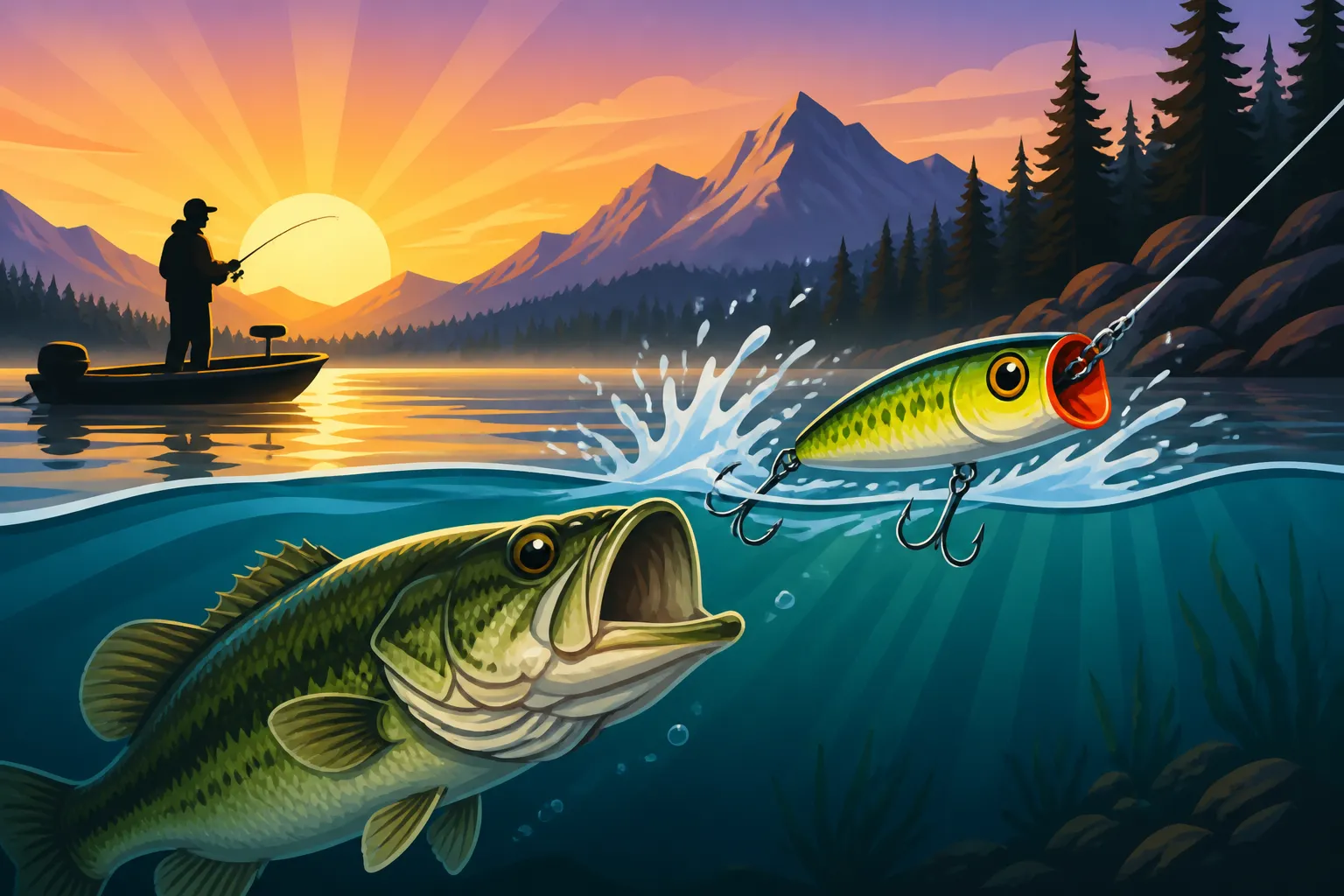
There's nothing quite like the serenity of a British Columbia lake at dawn, the mist still clinging to the water, the air crisp and quiet. But for bass anglers, that quiet serenity quickly gives way to pure adrenaline when a big largemouth or smallmouth absolutely explodes on a topwater lure. It's exhilarating, but finding that perfect topwater lure that consistently triggers those explosive strikes as the sun just begins to kiss the horizon can feel like a lifelong quest. This guide is here to cut through the noise, helping you understand why dawn is so magical for bass and exactly which topwater lures will give you the best shot at an unforgettable morning.
Why Dawn is Prime Time for Bass in BC Waters
Many anglers in BC focus on salmon or steelhead, but our province's interior lakes, particularly in the Okanagan region, offer some truly fantastic bass fishing. And if you're chasing bass, those first few hours of daylight are often your golden ticket. It's a combination of light, temperature, and the bass's natural predatory instincts that make this window so productive for topwater action.
The Bass's Morning Routine
Think about it from the bass's perspective. After a night of potentially sporadic feeding or hiding in deeper cover, the early morning brings cooler water temperatures and lower light levels, which are ideal conditions for them to move into shallower areas to hunt. They're often hungry and looking for an easy meal. This is when you'll find them lurking around structure like fallen trees, weed beds, lily pads, and docks, waiting to ambush any unsuspecting prey that ventures too close to the surface. They're particularly aggressive in these shallow haunts because the low light gives them an advantage over their prey, making them feel more secure to patrol openly. The metabolic demands of digestion also mean they need to replenish energy, and what better way than a convenient, easy-to-catch meal near the surface?
The cooler water temperatures also mean more oxygen, which invigorates the bass, making them more active and willing to chase. As the sun rises higher and the water warms, bass often retreat to deeper, cooler, and shadier spots, making them harder to entice with surface presentations. That brief period of low light and cool water is truly when they are most vulnerable and aggressive at the top of the water column. You might even hear the tell-tale "blup" of a smaller bass rising to a bug or see ripples from baitfish trying to escape a lurking predator.
Low Light, High Reward
The science behind low light feeding for bass is fascinating. Bass have excellent low-light vision, which gives them a distinct advantage over many of their prey species like minnows, frogs, or insects as dawn breaks. The diffused light reduces their silhouette against the brighter surface, making them less visible to aerial predators and allowing them to stalk prey more effectively. For a topwater lure, this means the bass isn't scrutinizing your presentation as much as it might in broad daylight. Instead, it's reacting instinctively to the commotion and profile you're creating.
This is why topwater fishing at dawn can be so explosive. The bass are actively looking up, and anything that creates a disturbance or presents a clear silhouette against the brightening sky is seen as a potential meal. The shadows cast by shorelines, docks, or overhanging trees also create ambush points where bass can hide, further emphasizing their low-light preference. It's a magical time where you can literally watch your lure disappear in a splash, often followed by a heart-stopping fight. If you're out on Okanagan Lake early, you'll experience this firsthand.
The Top Topwater Lures for Dawn Bass Fishing
Choosing the right topwater lure for dawn bass fishing in BC largely depends on the specific conditions of the water you're fishing – whether it's weedy, open, calm, or slightly choppy. Each lure type has its strengths, designed to mimic different prey items and create various disturbances.
Walking Baits and Poppers: The Versatile Crowd-Pleasers
These are often the first lures many anglers reach for at dawn, and for good reason.
Walking Baits
Walking baits, like a classic Zara Spook, are designed to glide back and forth across the surface with a "walk-the-dog" retrieve. They create a rhythmic, sashaying motion that perfectly mimics a dying baitfish or a struggling rodent on the surface. The beauty of these lures lies in their subtlety and their ability to cover water efficiently. In the low light of dawn, that distinctive side-to-side swagger, coupled with the subtle gurgle and splash, is incredibly enticing to a hungry bass. They're particularly effective in relatively open water where you can really work the lure without snagging.
When a bass sees that silhouette dancing on the surface, especially when worked with a varied retrieve (sometimes fast, sometimes paused), it triggers an aggressive strike. It’s also incredibly satisfying to watch a bass track the lure from a distance before committing to the strike. Many anglers find a good selection of walking baits on online retailers like Amazon, ensuring they have different sizes and colours for varying conditions. You can check out options that work for Best techniques for Bass in Okanagan Lakes.
Poppers
Poppers, with their cupped faces, are all about creating a commotion. A good popper can imitate a frog, a struggling insect, or even a panicking baitfish. With a quick twitch of the rod tip, the popper will "spit" water forward and create a distinct "pop" sound. This noisy presentation is fantastic for calling bass out of cover, especially when they're tucked under docks, alongside fallen logs, or near thick weed edges. The key at dawn is often to mix up your retrieves – sometimes a series of quick pops, followed by a long pause, letting the ripples dissipate. This pause often triggers a strike from a bass that has been drawn in by the noise and is now scrutinizing the motionless lure.
Poppers are less about covering vast amounts of water and more about targeting specific spots where you suspect bass are holding. Their noisy nature and ability to sit still after a pop make them incredibly effective in low light where visual cues are limited, and sound becomes a primary attractor.
Frogs and Buzzbaits: The Weed-Whacking Wonders
When you're dealing with thick vegetation, lily pads, or heavy cover—common in many of BC's bass-rich lakes like Best bass spots on Osoyoos Lake—traditional treble hook topwaters are a snagging nightmare. That's where soft plastic frogs and buzzbaits shine.
Hollow-Bodied Frogs
Hollow-bodied frogs are practically weedless, allowing you to cast them directly into the densest cover imaginable. This is where big bass often hide, especially at dawn, waiting to ambush prey. The frog can be worked slowly across lily pads, over submerged grass, or through matted vegetation, mimicking a frog swimming clumsily on the surface. The legs often have a subtle kicking action that adds to the realism. When a bass strikes a frog, it's usually explosive and dramatic, often engulfing the entire lure.
The key with frog fishing at dawn is patience. Let the lure sit for a moment after it lands, then twitch it, let it sit again, and slowly retrieve it over the cover. When you get a strike, resist the urge to set the hook immediately. Let the bass take the lure, feel the weight, and then set the hook hard. This ensures the bass has fully committed and swallowed the frog, increasing your hook-up ratio significantly. Having a variety of colours from a reliable source like Amazon can be beneficial, matching local frog populations or simply standing out in murky water.
Buzzbaits
Buzzbaits are noise machines. Their spinning propeller creates an incredible amount of surface disturbance, gurgling, squeaking, and splashing as it's retrieved. This is a fantastic search bait for dawn, particularly when you suspect bass are scattered or you want to cover a lot of water quickly. The loud commotion calls bass from a surprising distance, and their single upturned hook makes them relatively weedless for running over light cover.
Buzzbaits work best with a steady, medium-to-fast retrieve, just fast enough to keep the blade spinning and the lure on the surface. The bass often strike with extreme aggression, seemingly out of nowhere, drawn in by the sound and vibration. They're especially effective on slightly windy mornings where other, more subtle topwaters might get lost in the chop.
Prop Baits and Wakebaits: Subtle Attraction
Sometimes, less is more, especially on calm, clear mornings or when bass are pressured. Prop baits and wakebaits offer a more nuanced surface presentation.
Prop Baits
Prop baits, like the Berkley Choppo, feature one or two small propellers that spin and churn water as the lure is retrieved. They create a distinctive "plopping" sound and a turbulent wake behind them. This can be less aggressive than a buzzbait but more enticing than a silent walking bait, striking a perfect balance. They excel in calm conditions or when bass are short-striking other topwater lures. The commotion is subtle enough not to spook wary fish but noticeable enough to grab attention.
You can work prop baits with a steady retrieve or with a stop-and-go action, letting the lure sit for a moment before starting it again. The pause can be crucial for enticing hesitant bass. These lures are excellent choices for targeting areas around sparse cover or open pockets in weed beds, where bass might be a bit more cautious.
Wakebaits
Wakebaits are perhaps the most subtle of the topwater family. These lures are designed to run just below the surface, creating a distinctive "V" shaped wake. They don't typically make loud splashes or pops, instead relying on their swimming action and the visual disturbance of their wake to attract fish. They often mimic a swimming baitfish or a rodent making its way across the water.
Wakebaits are fantastic on super calm mornings when the water is like glass and bass might be sensitive to more aggressive presentations. Their natural swimming action can be incredibly effective when bass are cruising just under the surface. A slow, steady retrieve is usually best, allowing the bait to displace water and create that enticing wake. They can also be effective after a cold front fishing tactics for BC trout where bass might be less aggressive and respond better to a subtle presentation.
Here's a quick comparison of these topwater lure types:
| Lure Type | Best Conditions | Key Action | Pros | Cons |
|---|---|---|---|---|
| Walking Bait | Open water, calm to light chop | Side-to-side glide | Realistic baitfish, covers water, versatile | Requires practice for "walk-the-dog" retrieve, treble hooks snaggy |
| Popper | Around cover, calm water, calling fish from depth | Pop, spit, pause | Loud, attracts fish from distance, great for pinpoint | Less efficient for covering large areas, can be too noisy sometimes |
| Hollow-Bodied Frog | Heavy weeds, lily pads, matted cover | Glide, twitch, pause | Weedless, targets thick cover, great for big bass | Lower hook-up ratio if not patient, slower retrieves |
| Buzzbait | Covering water quickly, light to medium cover | Propeller churn | High commotion, calls fish, relatively weedless | Constant retrieve required, can be too aggressive for wary fish |
| Prop Bait | Calm to light chop, mixed cover, wary fish | Propeller splash, wake | Balanced commotion, versatile retrieve options | Can tangle if not cast carefully, less weedless than frog |
| Wakebait | Super calm water, clear conditions, subtle approach | Subsurface wake | Very natural, great for wary fish, quiet | Less effective in choppy water, requires keen eye for strike |
Retrieval Techniques for Dawn Topwater Success
Having the right lure is only half the battle; knowing how to work it effectively is what truly seals the deal. The way you retrieve your topwater lure at dawn can make all the difference between a frustrating morning and an unforgettable one.
The Stop-and-Go Retrieve: Mimicking Struggling Prey
This is a fundamental topwater technique that works wonders, especially with walking baits and poppers. The idea is to mimic a wounded or struggling baitfish, frog, or insect that's having trouble staying on the surface. Start with a cast to your target area, let the ripples settle, and then begin your retrieve. With a walking bait, a series of short twitches of the rod tip (pointing slightly down) will get it walking. After a few "walks," pause. The duration of this pause can vary from a quick one-second stop to a longer, five-second lull. Sometimes, a bass will rocket up and strike the lure while it's completely still.
For poppers, a couple of sharp pops to create a splash, followed by a lengthy pause, is often incredibly effective. This allows the bass drawn in by the commotion to locate the motionless lure. Don't be afraid to experiment with the length of your pauses. On some mornings, bass want it fast and aggressive; on others, a painfully slow retrieve with extended pauses is what it takes. Pay attention to how the bass are reacting, or not reacting, and adjust your tempo accordingly. Remember, many strikes happen right as you resume the retrieve after a pause, so stay vigilant!
Walking the Dog: Master the Classic
The "walk-the-dog" retrieve is iconic for walking baits, creating that distinctive side-to-side sashay that mimics a wounded baitfish perfectly. It takes a bit of practice but is incredibly rewarding once mastered. To achieve it, cast your lure out and let it settle. Then, keep your rod tip pointed slightly downwards towards the water. With slack in your line, give a short, sharp twitch of the rod tip. As the lure darts to one side, reel in the slack line. Immediately, give another short twitch, and the lure will dart to the opposite side. Continue this rhythm: twitch, reel slack, twitch, reel slack.
The key is to maintain a rhythm and keep your rod tip low. Don't pull the lure; guide it. This creates a mesmerizing, unpredictable movement that bass find irresistible. In the low light of dawn, that erratic movement and subtle surface commotion are exactly what a hungry bass is looking for. It suggests an easy meal that isn't quite right, triggering their predatory instinct. This technique is fantastic for covering open water, along weed lines, or even over submerged structure where bass might be cruising for food.
Popping and Chugging: Creating a Disturbance
For poppers, it's all about varying the intensity and frequency of your pops and chugs. A hard, downward snap of the rod tip will make the popper dig in and "chug" a good amount of water, creating a loud splash. A softer, upward twitch will produce a more subtle "pop" and less spray. At dawn, especially in murky water or around heavy cover, a louder, more aggressive retrieve can be excellent for calling bass from a distance. Think about attracting attention, especially if you're fishing a new area or trying to locate fish.
However, on calm mornings or in clearer water, a series of softer pops might be more effective, mimicking smaller prey or a feeding fish. Always incorporate pauses. After a few pops, let the lure sit completely still. The rings on the water will expand, and often, that's when a bass will come up and suck it down. Experiment with how many pops you make before a pause – sometimes one pop and a long pause is deadly, other times a rapid-fire series of three or four pops followed by a shorter pause works better. The more you fish, the more you'll get a feel for what the bass are telling you they prefer on any given morning.
Seasonal Considerations and BC Specifics
While dawn fishing with topwater lures is often productive, understanding the nuances of the BC fishing seasons and local bass behavior can further refine your approach. Our province offers a diverse range of conditions and fish habits, and tailoring your strategy to the time of year and specific body of water is crucial.
Spring Into Action: Pre-Spawn and Spawn Behavior
Spring in British Columbia sees water temperatures begin to rise, signaling the start of the bass fishing season. As ice recedes and waters warm, bass move into shallower areas, first for pre-spawn feeding and then to spawn. This is arguably the best time for topwater action at dawn.
During the pre-spawn, bass are actively feeding and bulking up before the rigors of spawning. They'll be aggressive and very responsive to topwater lures that mimic baitfish or even smaller panfish that might be in their feeding zones. Look for them around points, submerged humps, and the edges of future spawning flats. The low light of dawn gives them confidence to feed heavily in these areas. As the spawn approaches and during the actual spawning period, bass become highly protective of their beds. While they might not be actively feeding, a topwater lure passing over or near a bed can trigger an aggressive, territorial strike. A hollow-bodied frog worked slowly over shallow cover or a wakebait gliding near a bed can often elicit a vicious strike from a protective male bass. It's not about hunger; it's about defending their territory. Always practice catch and release during the spawn to help protect these valuable fish populations.
Summer Mornings: Heat and Deeper Cover
As BC's summer temperatures climb, bass habits shift. While dawn remains a prime time for topwater, the window of opportunity can be narrower. As the sun rises and the water quickly warms, bass often retreat to deeper, cooler water or seek out dense overhead cover to escape the heat.
During these warmer months, focus your dawn topwater efforts on shaded areas, dense lily pads, thick weed mats, and deep docks or overhangs. These spots provide both shade and ambush points. Hollow-bodied frogs and buzzbaits that can be worked through or over heavy cover become invaluable. The bass are still aggressive feeders, but they're not going to chase a lure across open, warm water. You need to present the lure directly into their comfort zone. Early morning is also when you'll find bass transitioning from their nocturnal shallow feeding back to their deeper daytime haunts, making them interceptable with a well-placed topwater. You can also explore Best kayak launch points on Okanagan Lake to get to those secluded, shaded spots before the crowds.
Best Bass Lakes and Spots in British Columbia
While BC is renowned for its salmon and trout, we have some fantastic bass fishing, particularly in the interior. The Okanagan Valley is truly the heart of BC's bass country, boasting excellent populations of both largemouth and smallmouth bass.
- Okanagan Lake: While famous for kokanee and rainbow trout, Okanagan Lake also holds good populations of smallmouth bass, especially in the shallower bays and around rocky points. For more specific advice, check out Best public boat launches on Okanagan Lake to plan your trip.
- Osoyoos Lake: This lake is arguably BC's premier largemouth bass fishery. The southern end, with its extensive weed beds, lily pads, and submerged structure, is a topwater paradise at dawn. There are also great smallmouth bass here, often found around rocky outcrops and drop-offs. Anglers looking for largemouth should specifically look for Largemouth Bass in Okanagan Lakes.
- Shuswap Lake: Another large interior lake, Shuswap has good smallmouth populations. Focus on rocky shorelines, points, and transition areas between shallow and deeper water.
- Kalamalka Lake: Known for its stunning turquoise waters, Kalamalka also has healthy smallmouth bass populations that can be targeted with topwater at dawn, especially around rocky structures.
- Warmwater Ponds and Small Lakes: Don't overlook the numerous smaller, warmer lakes and ponds throughout the Fraser Valley and other parts of the interior. Many of these are stocked or naturally hold populations of bass and can offer incredible, often overlooked, dawn topwater action. Some of these locations are also listed as Best family-friendly fishing spots in BC.
Understanding BC Fishing Seasons by Month and the Best Time of Year to Fish in BC in general will also help you plan your bass fishing adventures, aligning your trips with peak activity times for these feisty fish. It's all about being there when they're ready to bite, and at dawn, with the right topwater lure, they very often are.
Disclaimer
This article is for general informational purposes only and does not constitute professional advice. Laws, prices and regulations vary by location and change over time. Consult a qualified professional for guidance on your specific situation.