Where Arctic grayling are found in northern BC
If you've ever dreamt of casting a line into pristine, wild waters under the vast northern sky, chances are the elusive Arctic grayling has crossed your mind. These stunning fish, with their sail-like dorsal fins and vibrant colours, are a true jewel of British Columbia's northern wilderness. But unlike some of our more common trout species, finding where these beauty queens reside can feel like searching for a needle in a very large, wild haystack. This guide is here to unravel that mystery, taking you deep into the heart of northern BC to uncover the prime habitats and secrets of locating these magnificent creatures.
The Unique Appeal of Arctic Grayling and Their Northern BC Strongholds
Arctic grayling, often called "sailfish of the north" due to their strikingly large, iridescent dorsal fin, are a truly special fish. They embody the spirit of the remote, wild waterways they inhabit. Unlike their salmon and trout cousins that often dominate the angling conversation in BC, grayling prefer colder, purer, and often more remote river systems and lakes, making their pursuit an adventure in itself. Northern British Columbia, with its vast tracts of unspoiled wilderness, countless tributaries, and a climate perfectly suited to their needs, provides some of the best habitat for these incredible fish in all of Canada. It’s not just about catching a fish; it’s about experiencing a landscape that feels untouched by time.
Why Northern BC is Prime Grayling Territory
Think about what Arctic grayling need to thrive: cold, clean, well-oxygenated water, often with a mix of riffles, runs, and deeper pools, and abundant insect life. Northern BC delivers all of this in spades. The region is characterized by extensive boreal forests, towering mountain ranges, and an intricate network of rivers, streams, and lakes fed by snowmelt and glaciers. This creates a consistently cool water environment, even during the peak of summer, which is crucial for grayling survival.
The sheer remoteness of many of these areas also plays a significant role. Less human impact means less pollution, fewer habitat disturbances, and generally healthier ecosystems. While accessible areas might have some grayling populations, the truly robust fisheries are often found off the beaten path, sometimes requiring bush planes, long drives down gravel roads, or even multi-day float trips to reach. This makes a trip for grayling not just a fishing excursion, but a true wilderness adventure, where you might share the river with moose, bears, and eagles rather than other anglers. For a truly immersive experience, you might even consider multi-day float trips on BC rivers to truly get away from it all.
Understanding Grayling Habitat Preferences
Arctic grayling are incredibly sensitive to water quality and temperature. They thrive in streams and rivers with gravel bottoms, where they can easily find aquatic insects to feed on. They love a good mix of faster-moving water (riffles and runs) for feeding, interspersed with deeper pools and undercut banks for resting and protection from predators. In lakes, they tend to favour shallower, vegetated bays early in the season, moving to deeper, cooler waters as summer progresses. During spawning, which typically occurs in spring shortly after ice-out, they seek out shallow, gravelly areas in rivers or tributary streams connected to lakes.
One of the frustrating parts of chasing grayling is that they can be finicky. You might find them in one section of a river one day and nowhere to be seen the next. Their movements are often dictated by insect hatches and water conditions. Being able to read the water, spot subtle rises, and understand where they might be holding is key. While they can be caught on a variety of methods, fly fishing is often the most rewarding and effective, mimicking the insect life they so readily consume.
Key Regions and Rivers for Arctic Grayling
Northern British Columbia is a vast area, encompassing several distinct regions, each with its own network of rivers and lakes that hold Arctic grayling. Knowing where to focus your efforts can make all the difference in a successful trip.
The Peace Region and its Tributaries
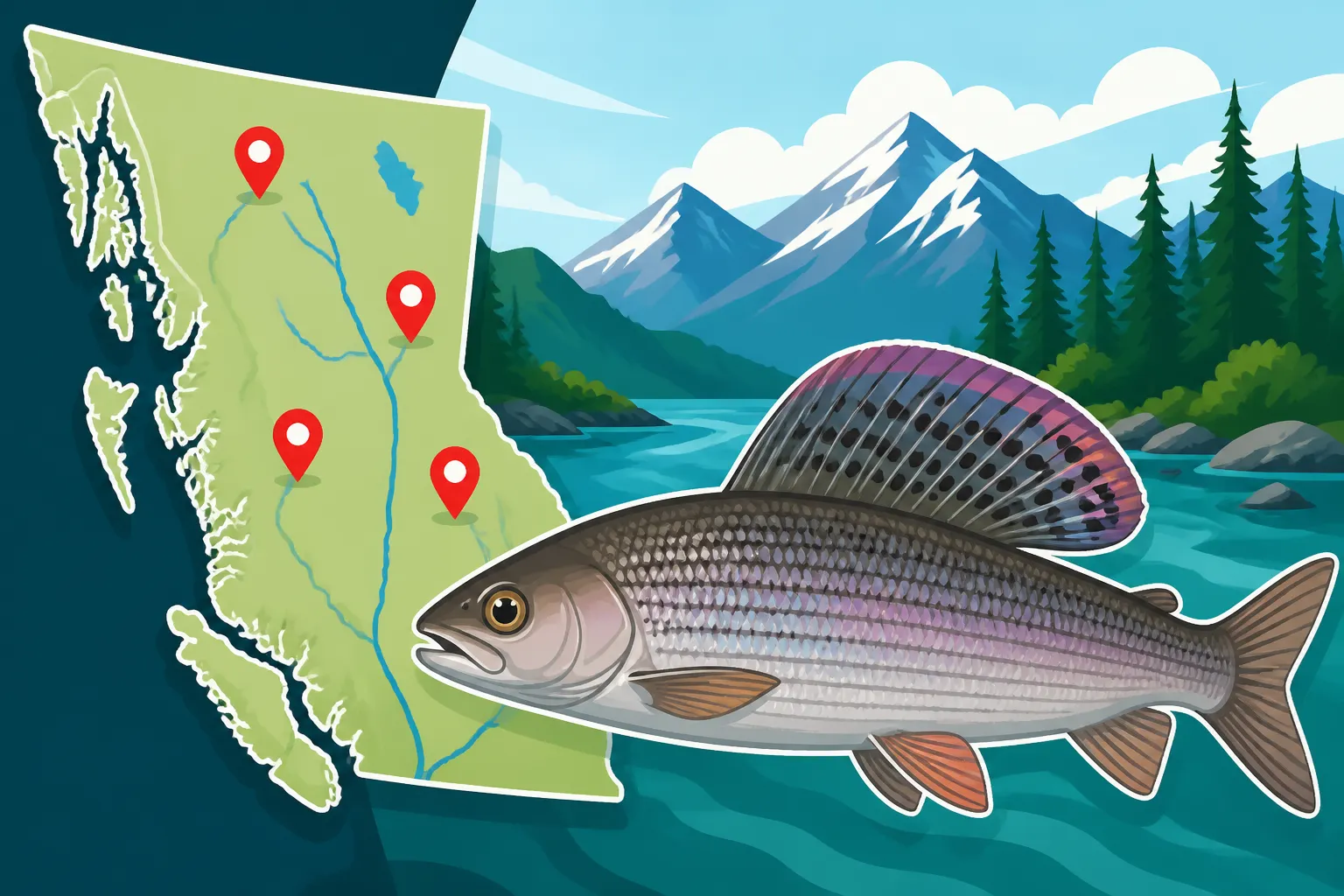
The Peace Region, in the northeast corner of BC, is perhaps one of the most renowned areas for Arctic grayling. This region is characterized by rolling hills, expansive forests, and a massive network of rivers that eventually feed into the Peace River, a major tributary of the Mackenzie River system. The smaller rivers and streams that flow into the Williston Reservoir and the Peace River itself are often excellent grayling habitat.
Rivers like the Halfway River, the Graham River, and the Kiskatinaw River are known to hold good populations. These rivers typically have clear, cold water and gravel bottoms, providing ideal conditions. Access can vary; some stretches are accessible by road, while others require more effort, sometimes involving ATVs or even a boat shuttle. Anglers often target these rivers in late spring through early fall. The Peace Region offers a unique blend of wilderness and accessibility, with communities like Fort St. John and Dawson Creek serving as jumping-off points for expeditions. It's wise to check BC Fishing Regulations Explained for any specific regional or species-specific rules before heading out.
The Omineca Region and Central Interior Streams
Moving west into the Omineca Region, which surrounds communities like Prince George and Mackenzie, you’ll find another rich tapestry of grayling waters. While often overshadowed by the larger salmon and steelhead rivers of the Skeena system, the smaller, often overlooked tributaries and headwaters here are critical grayling strongholds.
The Parsnip River, a major tributary of the Williston Reservoir, and its feeder streams are prime examples. Other rivers like the Nation River and the various streams flowing into the Fraser River system, particularly its northern reaches, can also hold grayling. These are typically smaller, freestone rivers with classic riffle-and-pool structures. Fishing these waters can be incredibly rewarding, but often requires a more adventurous spirit and detailed topographical maps. You might not find a fishing shop on every corner, so ensure you have all your gear, from waders to flies, purchased well in advance, perhaps through a reliable online retailer like Amazon.
The Skeena Region's Inland Tributaries
While the Skeena Region is famous globally for its colossal salmon and steelhead runs, its vast inland territories, away from the tidal influence, also boast excellent grayling fishing. Think of the upper reaches of the Bulkley River system or the countless smaller streams that feed into larger rivers like the Skeena, Nass, or Stikine. These are often high-gradient, clear-water streams winding through dense wilderness.
These grayling populations are typically wild and can be quite robust in areas with limited fishing pressure. Due to the sheer scale of the wilderness and often challenging terrain, these spots can be very remote, making them less crowded. A lot of these spots require fly-in access or serious backcountry trekking. For those truly looking to escape and challenge themselves, these remote Skeena tributaries offer a profound wilderness experience. Before venturing into such remote areas, make sure your fishing license is in order, including any necessary conservation stamps. Information on BC Freshwater vs Tidal Waters License, Explained can help ensure you have the correct one.
| Region | Key Rivers/Watersheds | Characteristics | Access Level |
|---|---|---|---|
| Peace Region | Halfway, Graham, Kiskatinaw Rivers, Williston Reservoir tributaries | Rolling hills, clear, cold rivers, gravel bottoms | Moderate to Challenging |
| Omineca Region | Parsnip, Nation Rivers, upper Fraser tributaries | Boreal forests, freestone streams, classic riffle-pool | Challenging, often remote |
| Skeena Region (Inland) | Upper Bulkley, various smaller Skeena/Nass/Stikine tributaries | Mountainous, high-gradient, pristine wilderness streams | Very Challenging, often fly-in |
Lakes and Stillwater Opportunities for Arctic Grayling
While rivers often steal the spotlight when it comes to Arctic grayling, northern BC also boasts a multitude of lakes, from vast reservoirs to small, pristine alpine tarns, where these beautiful fish thrive. Fishing lakes for grayling can offer a different, often more relaxed, experience compared to river fishing, and can be particularly productive for those looking for slightly larger specimens.
Large Lakes and Reservoirs
Large water bodies like the Williston Reservoir, formed by the W.A.C. Bennett Dam on the Peace River, and Babine Lake, further west in the Skeena system, contain significant grayling populations. These fish often reside in the shallower, tributary-fed arms of the lakes, especially during the cooler months of spring and fall, or near inflows and outflows during the summer.
Fishing these larger lakes can involve trolling small spoons or spinners, or fly fishing with leeches or chironomids from a boat or float tube. It's a different game than stalking river fish, but equally rewarding. The sheer size of these lakes means there's always new water to explore, and they can be fantastic for multi-day trips. You can find essential gear like a quality depth finder or a new float tube on Amazon to enhance your stillwater grayling adventures. For a broader overview of the region's stillwater potential, check out Best Fishing Lakes in British Columbia.
Remote Alpine Lakes and Small Ponds
The true gems for many grayling enthusiasts are the countless remote alpine lakes and smaller ponds scattered throughout northern BC's mountain ranges. These are often accessed by hiking, horseback, or floatplane, making the journey part of the adventure. These high-elevation lakes are typically crystal clear, fed by snowmelt, and hold populations of wild grayling that rarely see a hook.
The grayling in these lakes can be incredibly vibrant and aggressive, often rising readily to dry flies throughout the day. Because these ecosystems are often delicate, practicing catch-and-release is highly encouraged to preserve these pristine fisheries. Pack light, be prepared for changing mountain weather, and always leave no trace. This is where the term "wilderness experience" truly comes alive. Remember to check BC Bag and Possession Limits by Species for specific grayling regulations, which can be different in specific lakes or regions.
Shore Fishing vs. Boat Access
Whether you're targeting a large lake or a smaller pond, your approach to access will vary. Many of the more accessible lakes will have boat launches, allowing you to cover more water and explore different depths. However, for those without a boat, or for the truly remote lakes, shore fishing or using a float tube/kayak can be extremely effective.
When shore fishing, focus on areas where rivers or streams flow into the lake, points, or sheltered bays with submerged structure or vegetation. Grayling often cruise these areas looking for food. With a float tube or kayak, you gain more mobility and can present your flies or lures more precisely in areas inaccessible from shore, such as weed lines or deeper drop-offs. Always prioritize safety when on the water, especially in remote areas.
Planning Your Arctic Grayling Adventure in Northern BC
Embarking on a grayling trip to northern BC isn't just a casual outing; it's an expedition into some of Canada's wildest landscapes. Proper planning, appropriate gear, and a solid understanding of local regulations are paramount for a safe and successful journey.
Essential Gear and Preparation
Because many prime grayling spots are remote, you need to be self-sufficient. Here's a quick checklist of essentials:
- Fishing Gear: A light-to-medium action fly rod (3-5 weight) is ideal for grayling, paired with a floating line. For lures, small spinners (e.g., Mepps, Rooster Tail) or spoons are effective. A diverse selection of dry flies (elk hair caddis, adams, parachute adams), nymphs (prince nymph, pheasant tail), and streamers (woolly bugger) will serve you well. Don't forget tippet, leader, and nippers!
- Navigation: Detailed maps (physical and digital), a GPS device, and a compass are non-negotiable. Cell service will be non-existent in many areas.
- Safety: Bear spray, a first-aid kit, a satellite communication device (like a Garmin InReach), fire-starting supplies, and emergency shelter are crucial.
- Camping/Hiking: Quality tent, sleeping bag, cooking equipment, sturdy hiking boots, and appropriate layered clothing for all weather conditions. Even in summer, northern nights can be cold.
- Licensing: Ensure you have the correct British Columbia Fishing License Guide for 2026 for freshwater, as well as any required conservation stamps. You can often purchase these online or from local vendors. Don't forget to understand BC Fishing License Age Requirements if you're traveling with younger anglers.
I often find myself browsing Amazon for durable dry bags, lightweight stoves, and even specific fly patterns that aren't readily available in my local shop before I head out on a big trip. Having everything sorted before you leave the pavement saves a lot of headaches later on.
Best Time to Go and Local Knowledge
The window for prime Arctic grayling fishing in northern BC is generally from late spring (after ice-out and spring runoff subsides) through to early fall (before the major cold snaps).
- Spring (Late May – June): Post-spawn grayling can be hungry and active. Water levels might still be a bit high from snowmelt, but as they drop, fishing can be excellent. Insect hatches begin to kick off.
- Summer (July – August): This is often peak season. Warmer temperatures mean prolific insect hatches, leading to incredible dry fly action. Grayling will be actively feeding in riffles and often rising in calmer pools. However, be mindful of water temperatures; if rivers get too warm during prolonged heatwaves, grayling can become lethargic and stressed.
- Fall (September – Early October): As temperatures drop, grayling become more aggressive, feeding heavily before winter. Fewer insects mean they might be more receptive to nymphs and streamers. Fall colours also make for a breathtaking backdrop.
Connecting with local outfitters, fishing guides, or even online forums for northern BC fishing can provide invaluable, up-to-the-minute information on river conditions, hatches, and specific hotspots. They often have the pulse of the local fisheries and can help you avoid wasted time.
Conservation and Ethical Angling
Arctic grayling are a precious resource, and given their sensitivity to habitat and environmental changes, practicing responsible angling is vital.
- Catch and Release: Many anglers choose to release all grayling, especially in remote, wild populations, to ensure their sustainability. If you do decide to retain fish, always adhere strictly to BC Bag and Possession Limits by Species.
- Handle with Care: Grayling have delicate mouths and scales. Use barbless hooks, land fish quickly, keep them in the water as much as possible, and revive them fully before release.
- Respect the Environment: Pack out all trash, avoid disturbing spawning beds, and minimize your impact on the pristine wilderness. Leave it better than you found it.
By respecting the fish and their environment, we can ensure that these magnificent "sailfish of the north" continue to thrive for generations of anglers to come. Their presence is a testament to the wild beauty that still exists in British Columbia, waiting for those willing to seek it out.
Disclaimer
This article is for general informational purposes only and does not constitute professional advice. Laws, prices and regulations vary by location and change over time. Consult a qualified professional for guidance on your specific situation.