Bank Fishing Techniques for BC Rivers
There’s nothing quite like the allure of fishing a British Columbia river, but if you’re like many anglers, you might feel a little overwhelmed by the sheer size and power of our waterways, especially when you’re stuck on the bank. It can be a real challenge knowing where to cast, what gear to use, and how to effectively present a bait or lure without a boat. This comprehensive guide is dedicated to helping you master the art of bank fishing on BC's diverse rivers, offering practical techniques, essential gear advice, and tips for finding those perfect shore-bound honey holes.
Understanding BC River Dynamics for Bank Anglers
When you're fishing from the bank, you're not just casting into water; you're engaging with a complex, dynamic ecosystem. Unlike lake fishing where you might deal with static structure, rivers are constantly moving, shaping, and reshaping their beds and banks. Learning to "read the water" from shore is paramount to your success, as it allows you to identify potential holding lies for fish and understand how the current will affect your presentation.
Reading the Water from Shore
The first step to effective bank fishing is to become a detective of the currents. Water flow isn’t uniform across a river; it speeds up, slows down, and creates eddies and seams that are magnets for fish. When you look at a river, try to visualize the different currents and how they interact. Faster, turbulent water often indicates shallower areas or obstructions, while slower, smoother stretches might suggest deeper pools or slack water behind structure.
Seams, where fast water meets slow water, are particularly important. These are highways for migrating fish and prime ambush points for resident species. From the bank, you can often identify these seams by subtle differences in the water’s surface texture or by watching debris float downriver. Fish will often hold just outside the main current, conserving energy while waiting for food to drift by. Your goal is to get your bait or lure into these seams, allowing it to drift naturally into a fish's strike zone. Understanding how different water levels affect these seams is also crucial. A river that's running high and fast after a rain will have different holding water than one that's low and clear in late summer.
Identifying Prime Bank Fishing Structure
Fish in rivers are almost always associated with structure, whether it’s natural or man-made. From the bank, you’ll want to scout for anything that breaks the current, offers cover, or creates a current seam. Look for downed trees, log jams, large boulders, undercut banks, and gravel bars. These features provide refuge from strong currents, hiding spots from predators, and areas where food collects.
Undercut banks, in particular, are goldmines for bank anglers. These are areas where the river has eroded the soil beneath the bank, creating a literal cave for fish to hide in. Often, you can’t see the fish, but you can infer their presence. Casting your presentation along these undercuts, allowing it to drift naturally, can be incredibly effective. Gravel bars and riffles, especially those with deeper water nearby, are crucial spawning areas for some species and feeding grounds for others. Learning to identify these structures and understanding how fish use them at different times of the year is a skill that takes time, but it's one that will drastically improve your success. Remember, what looks like a chaotic mess of logs from shore might actually be a highly organized fish apartment building under the surface!
Essential Gear for Successful Bank Fishing in BC
Bank fishing in British Columbia rivers demands a thoughtful approach to gear. You can't just wade out to where the fish are, and you certainly don't have the luxury of a boat to store endless tackle. Every piece of equipment needs to be chosen for its utility, portability, and ability to handle the robust fish and diverse conditions BC rivers throw at you.
Rod, Reel, and Line Selection
Choosing the right rod, reel, and line is foundational for any bank angler on BC rivers. For most situations, you'll want a rod with enough backbone to fight powerful salmon or steelhead, but also enough sensitivity to detect subtle bites. A medium-heavy to heavy power spinning or casting rod, typically between 9 and 11 feet in length, is often ideal. The extra length helps with casting distance, especially when you need to reach that distant seam, and provides better line control over varied currents. Brands like Fenwick, Shimano, and G. Loomis offer excellent river rods that can handle the abuse of bank fishing.
Pair your rod with a reliable spinning reel in the 3000-5000 size range, or a baitcasting reel designed for heavy line and strong drags. Look for reels with a smooth drag system, as this is critical for preventing break-offs when a large fish makes a powerful run. As for line, many BC river anglers swear by braided line for its sensitivity and strength, often in the 30-50 lb test range. The no-stretch property of braid allows you to feel even the lightest takes and set the hook effectively at long distances. You'll typically tie a fluorocarbon or monofilament leader of a lighter test (10-25 lb) to your braid, providing a stealthy presentation and some shock absorption. For more specific guidance, you might find our article on Salmon Fishing Techniques for BC Rivers helpful.
Essential Terminal Tackle and Baits
Your terminal tackle is where the magic happens – it’s what connects you directly to the fish. For bank fishing on BC rivers, a well-stocked tackle box should include a variety of weights (pencil weights, slinkies, cannonball sinkers), swivels, beads, and hooks. The specific size and type will depend on your target species and fishing technique. For float fishing, you'll need slip floats or fixed floats, often paired with split shot or pencil weights to get your bait drifting naturally at the correct depth. Circle hooks are gaining popularity for their effectiveness and reduced harm to fish, especially in catch-and-release fisheries.
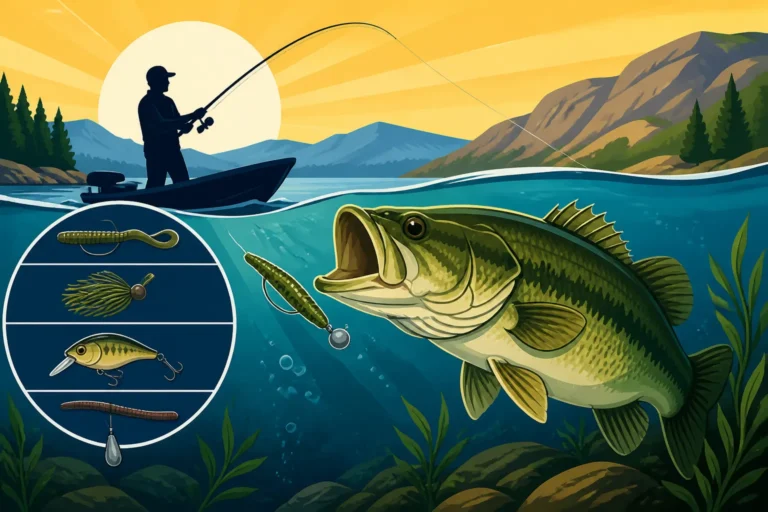
When it comes to baits, versatility is key. Fresh roe (salmon or steelhead eggs) is a classic and highly effective bait for steelhead and salmon, often presented in mesh bags. Worms, cured shrimp, and even chunks of sardine or anchovy can also be incredibly productive, particularly for species like sturgeon. Don't forget artificial options like jigs (marabou, yarn, or plastic worms), spoons, and spinners. These lures allow for active fishing and can cover a lot of water from a static bank position. Always check the current BC Fishing Regulations Explained for any bait restrictions in your specific river. You can often find a great selection of these items on Amazon, allowing you to stock up without leaving the house.
Comfort and Safety Gear for the Bank
Bank fishing isn't just about catching fish; it's about enjoying the experience safely and comfortably. British Columbia's weather can be unpredictable, and riverbanks can be treacherous. Investing in good quality waterproof and breathable outerwear (jacket and pants) is crucial, as you'll often be exposed to rain, wind, or spray. Sturdy, waterproof boots with good ankle support are a must for navigating uneven terrain, slick rocks, and muddy banks. Some anglers even prefer hip waders or chest waders if they plan on briefly entering the water near the bank to reach a specific spot, but always exercise extreme caution in moving water.
Beyond clothing, a few safety items are non-negotiable. A first-aid kit, a whistle, and a way to communicate (fully charged cell phone or satellite messenger) are vital, especially if you're fishing in more remote areas. A personal flotation device (PFD) is always a good idea, even if you’re just bank fishing, particularly when crossing swift side channels or fishing near deep, fast currents. Other comfort items like a comfortable backpack to carry your gear, a water bottle, snacks, and insect repellent can make a huge difference in your enjoyment, allowing you to focus on the fishing instead of discomfort.
Popular Bank Fishing Techniques for BC's Target Species
BC rivers host a magnificent array of fish species, each demanding specific techniques, even from the bank. Mastering these methods will open up a world of possibilities, whether you're chasing migratory salmon, elusive steelhead, or prehistoric sturgeon.
Float Fishing for Salmon and Steelhead
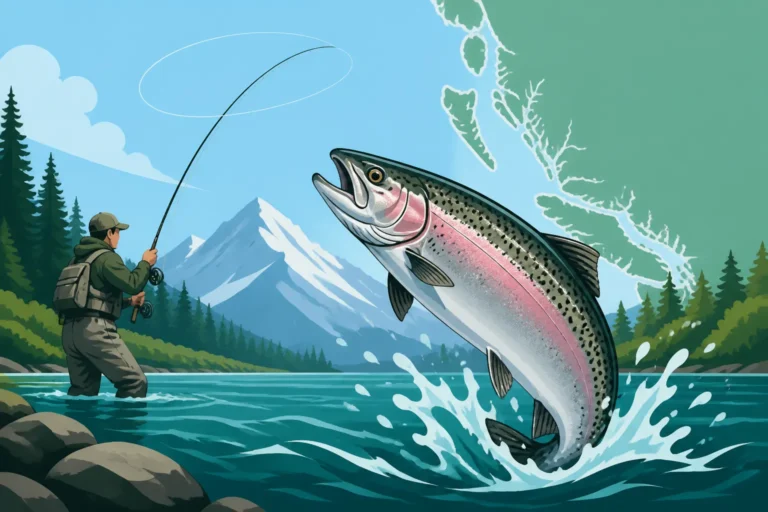
Float fishing, also known as "drift fishing with a float" or "Dink fishing" in some circles, is arguably one of the most popular and effective bank fishing techniques for salmon and steelhead in BC rivers. The basic premise is to present a bait or lure naturally downstream, suspended at a specific depth by a float, mimicking a free-drifting food item. This technique excels in runs, riffles, and seams where fish are holding just off the main current.
To execute a good float drift, you’ll want a long, sensitive rod (9-11 feet is common) paired with a good quality float that can carry enough weight to get your bait down quickly. Rig your line with a slip float, allowing you to adjust depth, followed by a series of split shot or pencil weights spaced evenly above your leader and hook. The amount of weight should be just enough to make the float ride properly and get your offering to the fish’s depth without dragging bottom excessively. Cast upstream and slightly across the current, then allow your float to drift naturally downstream, mending your line (picking up slack) as needed to prevent drag. The key is to keep your line as perpendicular to the current as possible for a truly natural drift. When that float dips or disappears, set the hook! For more in-depth knowledge, check out our guide on How to Catch Steelhead in BC.
Bottom Bouncing for Sturgeon and Trout
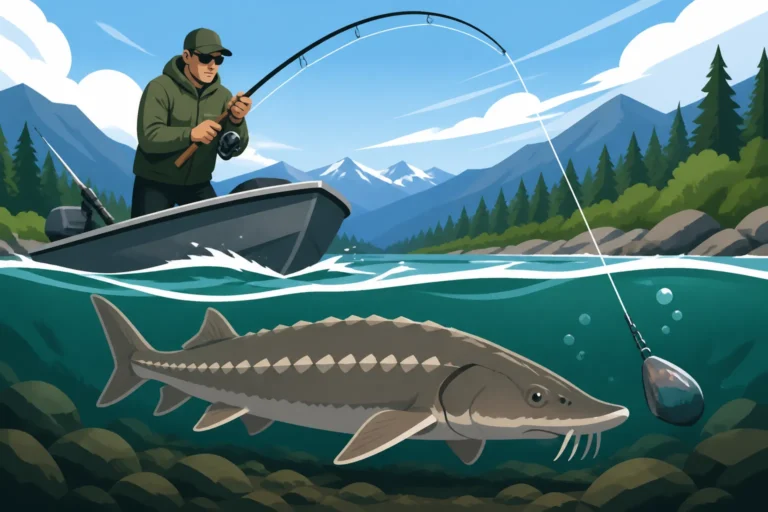
While float fishing reigns supreme for many anadromous species, bottom bouncing is a deadly technique when you need to get your bait right on the riverbed, especially for species like Fraser River sturgeon or opportunistic trout that feed on the bottom. This method involves using a heavy sinker to maintain contact with the riverbed while your bait drifts enticingly just above it.
For sturgeon, the setup is typically a heavy mainline (80-120 lb test braided line is common for its strength and abrasion resistance), followed by a heavy leader, and a large hook often baited with something smelly like cured roe, lamprey, or eulachon. A common rig involves a sliding weight (often a cannonball sinker or pyramid sinker, sometimes 8-16 ounces or more depending on current) above a swivel, then a shorter, heavier leader (around 2-3 feet) to a large circle hook. The weight sits on the bottom, and the current allows your bait to flutter and move naturally. When a sturgeon picks up the bait, the line slides freely through the weight, so the fish doesn’t feel resistance. Patience is a virtue with sturgeon; they often "mouth" the bait before committing. For more expert tips, our How to Catch Sturgeon on the Fraser River guide offers extensive details. For trout, a lighter version of this rig using smaller weights and hooks can be effective in deeper pools or runs, especially when drifting worms or roe.
Spin Fishing and Lure Presentation from Shore
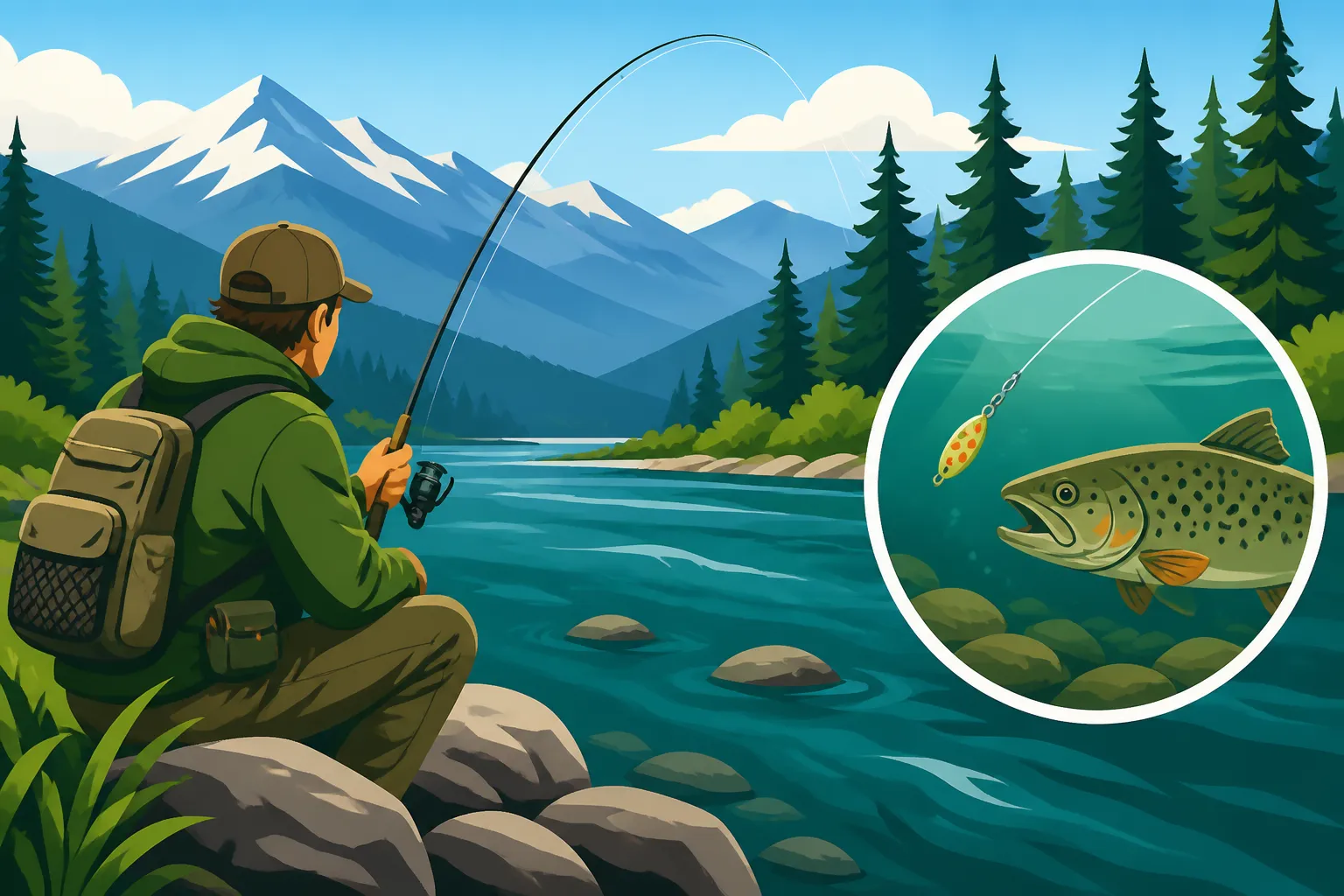
Spin fishing with lures from the bank is an active and versatile approach, allowing you to cover vast stretches of water and entice aggressive fish. This method is particularly effective for salmon (especially Coho and Chinook), trout, and char. The beauty of lures is their ability to mimic baitfish, making them irresistible to predatory fish.
Popular lures for BC rivers include spoons (like the Croc, Koho, or Kitimat), spinners (Blue Fox, Rooster Tail), and twitching jigs. The technique often involves casting your lure out and retrieving it at varying speeds, imparting action with rod twitches and pauses. For spoons and spinners, the retrieve needs to be fast enough to make the lure wobble or blade spin, creating flash and vibration. Jigs, on the other hand, are often "twitched" or "hopped" along the bottom, mimicking an injured baitfish or invertebrate. The key to success is experimentation – varying your retrieve speed, depth, and presentation until you find what triggers a strike. Pay close attention to how the current affects your lure; sometimes, casting slightly upstream and letting the lure swing through a run can be incredibly effective, allowing the current to impart a natural action. Having a selection of different weights and colors is important for adapting to different light conditions and water clarity.
Here's a quick comparison of these popular bank fishing techniques:
| Technique | Target Species | Typical Location | Ideal Conditions | Key Gear | Pros | Cons |
|---|---|---|---|---|---|---|
| Float Fishing | Salmon, Steelhead, Trout | Runs, seams, riffles, deep pools | Moderate current, clear to murky water | Long rod, slip float, pencil weights, roe/worms | Natural presentation, high strike visibility | Can be difficult in strong, inconsistent currents |
| Bottom Bouncing | Sturgeon, Trout, Salmon | Deep pools, slow runs, troughs | Varying current, muddy to clear water | Heavy rod, heavy weights, large hooks, smelly bait | Gets bait to bottom, targets bottom feeders | Less active, requires patience, heavy gear |
| Spin Fishing | Salmon, Trout, Char | Runs, riffles, eddies, ambush points | Active fish, varying water conditions | Medium-heavy rod, variety of spoons/spinners/jigs | Covers lots of water, active, enticing | Can snag easily, less natural presentation |
Navigating Access and Regulations for BC River Banks
One of the biggest hurdles for bank anglers in British Columbia isn’t necessarily catching fish, but finding a place to legally and safely fish from shore. BC’s vast landscape features numerous private properties, protected areas, and Indigenous territories, meaning public access can sometimes be a challenge. Beyond access, the regulations governing our rivers are incredibly detailed and can change rapidly, often requiring anglers to be diligent in their research before heading out.
Finding Public Access Points and Fishing Hotspots
Finding accessible bank fishing spots often requires a bit of research and local knowledge. Many of BC’s popular rivers, like the Fraser, Thompson, and Chilliwack/Vedder, have well-known public access points, often maintained by provincial parks, regional districts, or local angling groups. These spots might include boat launches, designated fishing piers, or riverside trails. Online resources, local tackle shops, and fishing forums are invaluable tools for identifying these locations. Google Maps satellite view can also be your best friend, helping you spot potential trails, parking areas, or open stretches of riverbank.
However, be aware that "public access" doesn't always mean easy access. Some spots might require a short hike, while others could be seasonal due to high water or wildlife closures. Always respect private property signs and be mindful of your surroundings. Exploring lesser-known tributaries or sections of larger rivers can sometimes yield fantastic results if you're willing to do a bit of legwork. Just remember to always leave no trace – pack out everything you pack in, and respect the natural environment. Our Fraser River Fishing Guide has some excellent tips for finding spots along that mighty waterway.
Understanding Local River Regulations and Closures
British Columbia’s fishing regulations are complex and frequently updated, making it essential for every angler to do their homework before each trip. River regulations can vary significantly even within short stretches of the same river, and rules often change seasonally or in-season due to conservation concerns. You absolutely must consult the current BC Freshwater Fishing Regulations Synopsis (for freshwater) or the BC Tidal Waters Sport Fishing Guide (for tidal portions of rivers near the ocean), along with any in-season BC Fishery Notices and In-Season Closures, Explained.
Key aspects to check include:
- Open and Closed Seasons: Many rivers or specific sections are closed during certain times of the year to protect spawning fish or sensitive populations. For instance, there are specific BC Steelhead Season Dates and different rules for Chinook salmon in various areas, sometimes even with BC Chinook Salmon Non-Retention Areas.
- Gear Restrictions: Some rivers or sections may have restrictions on tackle, such as single barbless hooks only, no bait, or specific fly-fishing-only waters.
- Bag and Possession Limits: Always know how many fish of each species you are allowed to retain daily and possess at home.
- Species-Specific Rules: Certain species, like sturgeon, are strictly catch-and-release, often with specific handling requirements.
- Conservation Surcharge Stamps: For some species like salmon and steelhead, you need to purchase additional stamps on top of your base license.
Ignorance of the regulations is not an excuse, and penalties for non-compliance can be severe, including hefty fines and loss of fishing privileges. So, take the time to read those regulations thoroughly every single year, and check for updates before you head out.
Seasonal Considerations for Bank Fishing Success
The rhythm of bank fishing on British Columbia’s rivers is inextricably linked to the seasons. Each time of year brings unique challenges and opportunities, driven by water levels, temperatures, and the migratory patterns of fish. Adapting your techniques and target species to the seasonal changes is key to consistent success.
Spring and Fall Salmon Runs from Shore
Spring and fall are prime times for targeting Pacific salmon from the banks of many BC rivers. Spring often sees the arrival of early Chinook (King) salmon, eager to spawn. These are powerful fish, and a strong, durable setup is essential. In the fall, the rivers become highways for a multitude of salmon species – Chinook, Coho, Sockeye, Pink, and Chum – each with their own unique behaviors and preferred presentations.
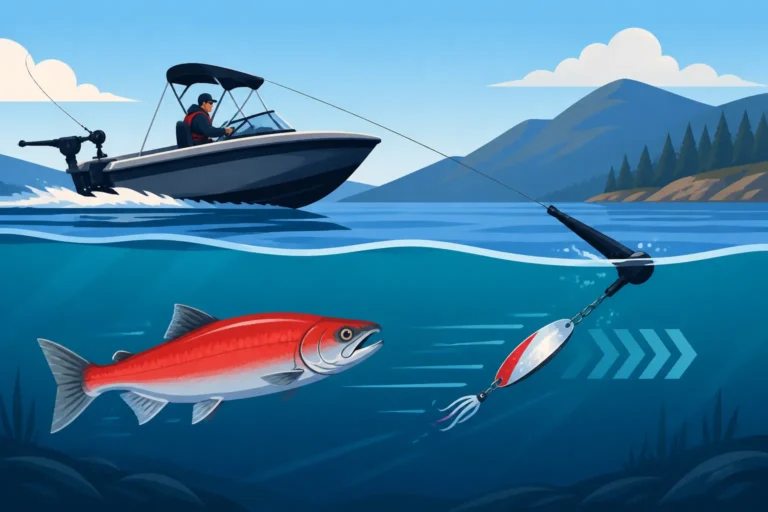
During these runs, fish are primarily focused on migrating upstream. They will hold in deeper pools, behind structure, and in slower seams to rest before continuing their journey. Float fishing with roe bags or jigs is incredibly effective for these resting fish. For aggressive biters, especially Coho and Chinook, casting and retrieving spoons or spinners can also be highly productive. The sheer volume of fish during a strong salmon run makes bank fishing incredibly exciting, but also highlights the importance of understanding specific regulations, as certain species may be closed or have strict retention limits depending on the year and location. Remember that Best Time of Day to Catch Salmon can vary, but generally, early mornings and late afternoons are productive.
Summer Trout and Char Opportunities
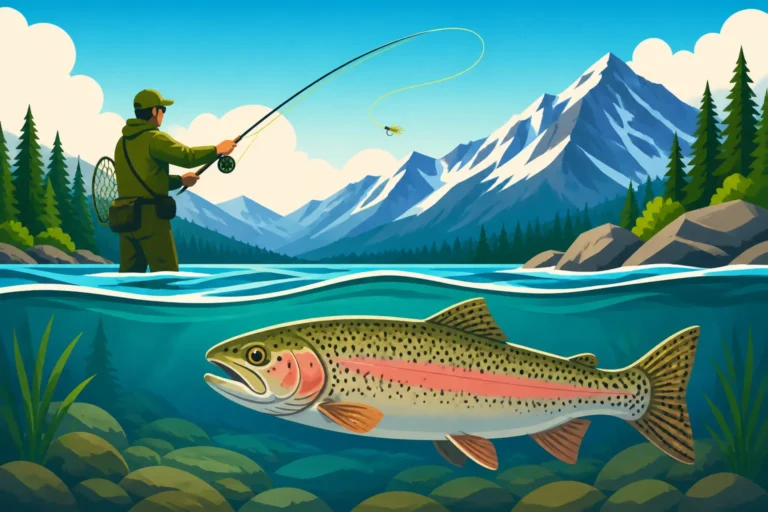
As the salmon runs subside and river levels stabilize in the warmer months, summer brings fantastic opportunities for targeting resident trout and char from the bank. Rivers across BC are home to various species, including Rainbow Trout, Cutthroat Trout, Bull Trout, and Dolly Varden. These fish become more active in the summer, feeding aggressively on insects, minnows, and other aquatic life.
During summer, look for trout and char in riffles, pocket water, and around submerged structure like logs and rocks. They'll often feed in areas with good oxygenation and cooler water. Fly fishing with dry flies, nymphs, or streamers can be incredibly effective if you have casting room from the bank. For spin anglers, small spinners, spoons, or even small jigs tipped with a worm or PowerBait can be deadly. Early mornings and late evenings, when insect hatches are prevalent and water temperatures are cooler, are often the most productive times. Some rivers also offer excellent opportunities for targeting larger predatory char, like Bull Trout, with larger streamers or minnow imitations, especially in deeper pools or tributary mouths.
Winter Steelhead Challenges
Winter steelhead fishing from the bank is a true test of patience and skill, but the rewards are absolutely legendary. These magnificent, elusive fish ascend rivers throughout BC during the colder months, offering some of the most challenging yet exhilarating angling experiences. Unlike salmon, steelhead are often not aggressively feeding, making their capture a feat of subtle presentation and perseverance.
When targeting winter steelhead from the bank, conditions are key. You’ll often be contending with cold, high, or clear water. Float fishing with roe, jigs, or artificial worms is the most common and effective technique, as it allows for a natural, slow drift through potential holding water. Steelhead tend to hold in slow, deep pools, current seams, and behind large structure, conserving energy in the cold water. The take can be incredibly subtle – sometimes just a slight hesitation or dip of the float. A long, sensitive rod is crucial for detecting these light bites and managing your line in the currents. Dressing warmly and in layers is absolutely essential, as you'll be spending extended periods in cold, damp conditions. Understanding Best Techniques for Winter Steelhead can significantly increase your odds of success during this demanding but rewarding season.
Disclaimer
The information provided in this guide is for general informational purposes only. Fishing regulations in British Columbia are subject to change without notice. It is the angler's sole responsibility to consult the most current BC Freshwater Fishing Regulations Synopsis, BC Tidal Waters Sport Fishing Guide, and any in-season Fishery Notices before heading out to fish. Always prioritize safety and conservation.