Fraser Canyon Fishing Spots
When you picture British Columbia fishing, your mind might immediately go to serene coastal waters or the vastness of the Fraser River's lower reaches. But for those who crave a truly wild, challenging, and profoundly rewarding experience, the majestic Fraser Canyon presents an entirely different proposition. This isn't your average leisurely cast; it's an immersive adventure that demands respect for nature's raw power and rewards you with some of the most incredible freshwater fishing in North America. This guide will take you deep into the heart of the Fraser Canyon, exploring its unique fishing opportunities, prime spots, target species, and the essential preparations needed to tackle this iconic stretch of river.
The Allure of Fishing in the Fraser Canyon
The Fraser Canyon is more than just a geographical feature; it's a monumental natural wonder that carves a dramatic path through British Columbia's landscape. For anglers, this means a unique blend of powerful currents, deep pools, intricate riffles, and stunning scenery that sets it apart from any other fishing destination.
A Landscape Defined by the Mighty Fraser
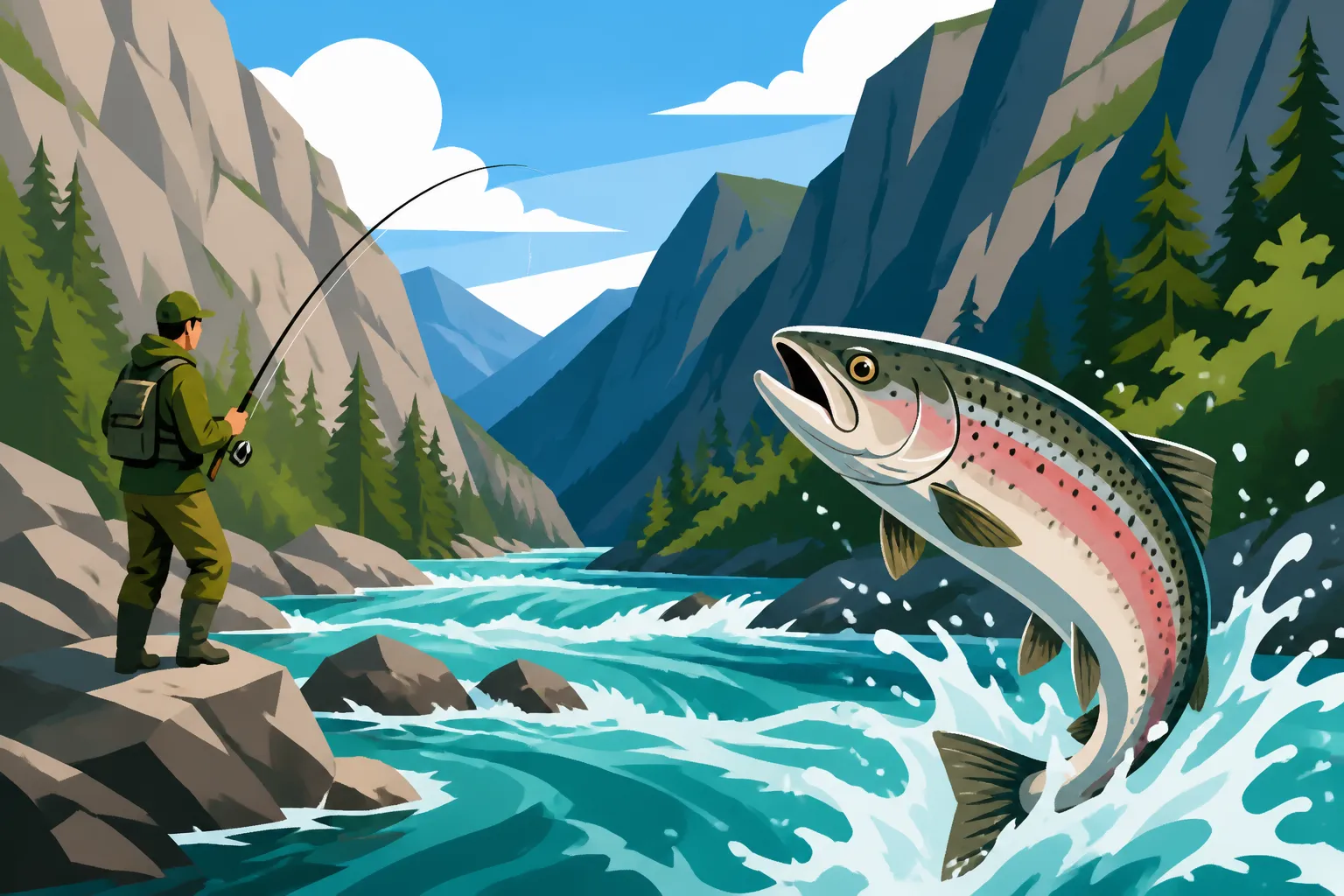
Imagine towering cliffs, ancient rock formations, and dense forests clinging to steep slopes, all carved over millennia by the relentless force of the Fraser River. This is the Fraser Canyon. Starting roughly around Hope, the river narrows significantly, gaining immense velocity and depth as it pushes through this geological bottleneck, continuing north past communities like Yale, Boston Bar, and Lytton. The sheer scale and power of the water here are humbling. It's a testament to nature's artistry, and it’s this very power that creates such dynamic and rich fishing environments. The deep canyons and swift currents churn up nutrients and create holding lies that attract an incredible diversity of fish species, particularly migratory salmon and the colossal white sturgeon.
The geological history of the Fraser Canyon plays a huge role in its fishing character. Ancient glacial activity and seismic events have sculpted a riverbed that varies dramatically, from wide, gravelly flats to impossibly deep, rocky trenches. This varied topography means that anglers need to be adaptable, understanding how different water features impact fish behaviour and presenting their offerings accordingly. The river here isn't just a conduit; it's a living, breathing ecosystem with countless micro-environments, each potentially holding a trophy catch.
Why the Canyon is a Unique Fishing Destination
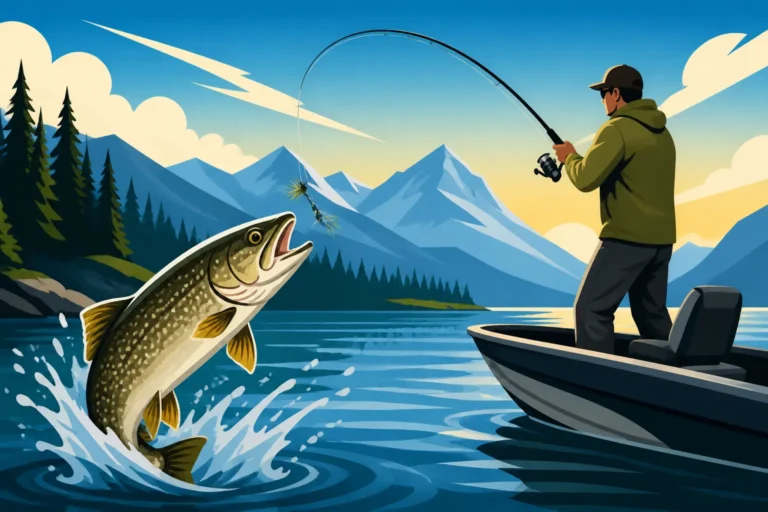
What truly sets the Fraser Canyon apart from other fishing locales in BC is its incredible raw power and the sheer abundance of its migratory fish runs. This isn't a place for the faint of heart; the currents are strong, the terrain can be rugged, and the fish fight with an intensity unmatched in calmer waters. However, it's precisely these challenges that make the rewards so much sweeter. Landing a chrome-bright Chinook salmon or battling a prehistoric white sturgeon in the heart of the canyon is an experience that stays with you long after your line is reeled in.
The Fraser Canyon is a critical migration corridor for millions of Pacific salmon, including Chinook, Coho, Sockeye, Pink, and Chum, as they make their arduous journey upstream to their spawning grounds. This funnel effect means that at peak times, the river can be absolutely teeming with fish. Additionally, the deep, nutrient-rich waters and abundant food sources make it prime habitat for the world's largest freshwater fish, the white sturgeon. Unlike the lower, wider stretches of the Fraser, fishing in the canyon often involves more focused efforts, targeting specific seams, eddies, and deeper pools where fish congregate to rest or feed before continuing their monumental upstream swim. This focused fishing can lead to incredibly productive days for those who understand the river's unique rhythms.
Prime Fishing Locations within the Fraser Canyon
The Fraser Canyon, while a contiguous stretch of river, offers a variety of distinct fishing environments. Knowing where to go, and how to access these spots, is key to a successful trip. The landscape here is rugged, so preparedness and understanding access limitations are paramount.
Key Access Points and Shoreline Opportunities
While much of the canyon is steep and challenging to access, there are several well-known points that offer excellent shore fishing or launch opportunities. These spots often coincide with older roadbeds, railway lines, or small community areas.
One of the most popular and accessible areas is around Hope, BC, often considered the gateway to the canyon. Just upstream from Hope, the river begins to narrow and accelerate. Spots like the "Othello Tunnels" area, while more of a tourist attraction, have sections nearby where determined anglers can find shore access. Further upstream, near Yale, there are various pull-offs along Highway 1 that lead to trails and paths down to the river. These spots, often frequented by locals, can offer great opportunities for salmon when they are moving through in numbers. Keep an eye out for small parking areas or turnouts. Always be mindful of private property and active railway lines, as safety is paramount in this rugged environment.
Another renowned spot for shore anglers, particularly during salmon runs, is the area around Boston Bar. This community has several historical access points and gravel bars that become exposed at lower water levels, providing excellent casting opportunities. Local knowledge is invaluable here, and it's worth chatting with residents or checking local tackle shops for the most current information on access and fish activity. These areas often have visible "fish highways" or resting spots where salmon stack up before pushing further upstream. For sturgeon, shore fishing is more challenging due to the need for heavy gear and the difficulty of fighting large fish from a fixed position, but it’s not impossible in slower, deeper eddies close to shore. Just remember to have a sturdy rod holder and be prepared for a serious workout!
Boat-Accessible Hotspots and Deep Water Channels
For serious sturgeon and salmon anglers, a boat is often the preferred way to unlock the true potential of the Fraser Canyon. Having a powerful, reliable jet boat is crucial, as prop boats are generally unsuitable for navigating the shallow, rocky, and swift currents of the canyon.
Many guided trips, particularly for sturgeon, launch from Hope and work their way upstream into the canyon. The stretches between Hope and Yale, and further up to Boston Bar, contain numerous deep channels and immense gravel bars that are prime sturgeon habitat. Guides often know specific "sturgeon holes" – deep, calm eddies or depressions behind large boulders where these massive fish rest and feed. These spots can be difficult to locate without experience, but once found, they can be incredibly productive. For salmon, boats allow anglers to target prime holding water along ledges, current seams, and the mouths of tributaries that would be impossible to reach from shore. When it comes to fishing for the legendary white sturgeon, having a boat is almost a prerequisite, especially if you're targeting the truly colossal specimens that roam the deepest parts of the river. Charters available through services like FishingBooker often utilize specially designed jet boats with experienced captains who know these waters intimately, providing a significant advantage.
Navigating the Fraser Canyon by boat is not for the inexperienced. The currents are incredibly strong, hidden rock hazards are common, and water levels can change rapidly. Always ensure your boat is well-maintained, equipped with all necessary safety gear, and that you have a thorough understanding of the river's conditions. It’s highly recommended to go with an experienced guide for your first few trips, or at least with someone who knows the canyon's specific boating challenges.
Seasonal Considerations for Specific Canyon Zones
The Fraser Canyon’s fishing productivity shifts significantly with the seasons, largely dictated by the migration patterns of salmon and the feeding habits of sturgeon.
Spring (March – May) sees the river starting to warm up, and some of the first salmon runs, like spring Chinook (also known as "springers"), begin to push through. This is also a fantastic time for sturgeon fishing, as they become more active after the winter chill. The river levels are often lower and clearer before the main snowmelt (freshet) hits, offering excellent conditions. The clarity allows sturgeon to key in on bait, and salmon are generally more aggressive.
Summer (June – August) brings the height of the freshet, typically from late May through July. This is when snowmelt swells the river, making it high, fast, and often murky with glacial silt. While challenging, sturgeon are still catchable in slower eddies and back channels, especially if you can find clearer water. Mid-to-late summer sees the massive Sockeye salmon runs, along with more Chinook, and the first Coho. While Sockeye can be difficult to catch by traditional angling methods due to their focus on migration, they are present in astounding numbers, creating an electrifying atmosphere on the river. However, be aware of specific closures, especially for Sockeye, which are frequently implemented to ensure conservation targets are met. It’s crucial to check the BC Fishing Season Dates and Closures before heading out.
Fall (September – November) is arguably the prime time for salmon fishing in the Fraser Canyon. Millions of salmon, including abundant Chinook, Coho, Pink, and Chum, are all making their way upriver. The freshet has usually subsided by this point, and water levels stabilize, often bringing better clarity. This is when the river truly comes alive with anglers targeting these powerful fish. Sturgeon fishing remains excellent, as they fatten up before winter. The cooler temperatures make for a comfortable angling experience, and the vibrant fall foliage adds to the stunning backdrop. This is also when some of the largest, most aggressive salmon are present, offering incredible battles.
Winter (December – February) can be very quiet in the canyon. While some resident species might be present, and hardy anglers might still find sturgeon in deeper, slower pools, the extreme cold and often icy conditions make it a less popular time for active fishing. Access can also be challenging due to snow and ice on roads and trails.
Targeting Fraser Canyon's Prized Fish Species
The Fraser Canyon is renowned for two species in particular: the ancient white sturgeon and the powerful Pacific salmon. Each offers a unique angling challenge and a truly memorable experience.
The Legendary White Sturgeon
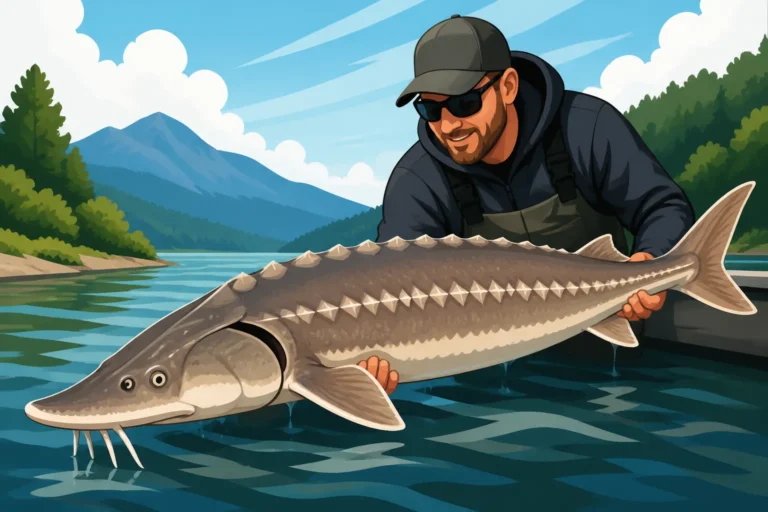
British Columbia's Fraser River is globally famous for its white sturgeon fishery, and the Fraser Canyon holds some of the largest specimens in the river system. These prehistoric giants can live for over 100 years and grow to incredible sizes, often exceeding 10 feet in length and weighing hundreds of pounds.
Sturgeon Biology and Habits: White sturgeon are bottom feeders, relying on their sensitive barbels to detect food along the riverbed. They consume a diet primarily of eulachon, salmon eggs, lamprey, and decaying salmon carcasses. In the canyon, the powerful currents concentrate these food sources in deep pockets and slower eddies, making these areas prime hunting grounds for sturgeon. They are ambush predators and will often lay in wait for food to drift by. Their strength is legendary, capable of long, powerful runs and spectacular acrobatic leaps, making them one of the most exciting freshwater sportfish to target. The White Sturgeon Fishing on the Fraser River guide delves deeper into their habits and how to target them.
Best Times and Techniques: Sturgeon fishing in the Fraser Canyon is excellent from early spring through late fall, peaking during and after salmon runs when food is abundant. Conventional bottom fishing is the primary technique. This involves using heavy-duty rods and reels capable of handling immense strain, spooled with strong braided line. A heavy pyramid or flat lead weight (often 8-16 ounces, depending on current) is used to hold bait on the bottom, often presented on a single hook rig. Baits typically include eulachon, salmon roe, lamprey, or even chunks of salmon. A vital aspect of Fraser River sturgeon fishing is the strict catch-and-release policy. You'll need appropriate gear for safe handling, including heavy gloves, measuring tape, and often a soft mat for larger fish. Always ensure the fish remains in the water as much as possible, especially for revival. Check out BC Fraser River Sturgeon Catch and Release Requirement for detailed guidelines.
Finding Sturgeon in the Canyon: Guides familiar with the Fraser Canyon often target specific deep holes, trenches, and large eddies behind prominent rock formations or islands. These are natural resting and feeding areas where sturgeon conserve energy and find concentrated food. While shore anglers can sometimes access these spots from stable ledges or gravel bars, boat access provides the flexibility to position your bait precisely in the deepest, most productive water. Services like FishingBooker can help connect you with experienced sturgeon guides who know the canyon's intricacies.
Battling Pacific Salmon Runs
The Fraser River is synonymous with Pacific salmon, and the canyon acts as a major bottleneck through which millions of salmon must pass on their way to upstream spawning grounds. This makes for incredible, albeit challenging, salmon fishing. For a broader overview, check out the Fraser River Fishing Guide.
Chinook Salmon: Also known as "King" salmon, Chinook are the largest and most sought-after of the Pacific salmon species. They enter the Fraser in various runs, with spring-run Chinook arriving early and fall-run fish arriving later in the season. In the canyon, they are powerful fighters, using the strong currents to their advantage. Targeting them often involves bar fishing, drift fishing with roe or large lures, or using heavy spinners and spoons from shore or boat. The Chinook Salmon Fishing in BC article provides more insight.
Sockeye Salmon: Famous for their bright red spawning colours and delicious flesh, Sockeye return to the Fraser in astounding numbers, sometimes in the tens of millions. However, they are notoriously difficult to catch on traditional gear in freshwater as they are primarily focused on migration. During peak runs (typically July-September), anglers might try specific flossing or bottom-bouncing techniques, but many areas have strict closures or gear restrictions for Sockeye to protect the run. Always consult the most current BC fishing regulations synopsis for specific dates and rules.
Coho Salmon: Known for their acrobatic fights and aggressive takes, Coho (or "Silver" salmon) are a favourite among many anglers. They typically arrive in the canyon from late summer through fall. They readily strike spinners, spoons, and flies, making them a great target for both gear and fly anglers. Their energy in the strong canyon currents makes for an exhilarating battle.
Pink Salmon: Every odd-numbered year (e.g., 2023, 2025), massive runs of Pink salmon (or "Humpies") return to the Fraser. These smaller salmon are incredibly abundant and offer fast-paced action, often readily hitting small pink-coloured spinners, spoons, or flies. They are an excellent option for beginners or those seeking consistent action.
Chum Salmon: While less commonly targeted for eating, Chum salmon (or "Dog" salmon) are powerful fighters and reach considerable size. They arrive in the fall, often in the lower and middle canyon areas. They aggressively strike large, brightly coloured jigs, flies, and sometimes roe presentations.
Salmon Fishing Techniques in the Canyon: The strong currents of the Fraser Canyon necessitate specific techniques. For boat anglers, back-trolling plugs or bait can be effective. From shore, drift fishing roe, jigs, or even bottom-bouncing large spinners can work. Bar fishing, where heavy weights hold lines with bait (often roe) in specific current seams from stable shore points, is also popular. Remember, a BC Salmon Conservation Stamp Rules is often required for retention of certain salmon species, even on freshwater licenses.
Other Notable Freshwater Species
While sturgeon and salmon dominate the headlines, the Fraser Canyon also supports other freshwater fish populations that can provide additional angling opportunities, particularly for those looking for variety.
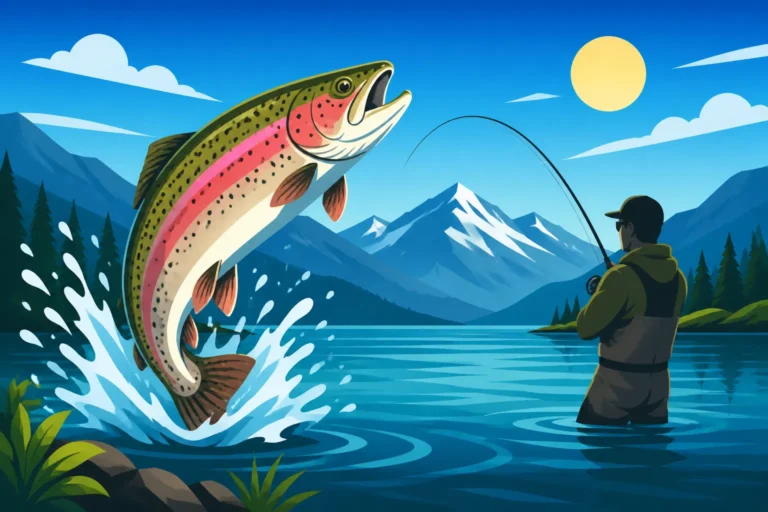
Rainbow Trout and Dolly Varden: These native trout species are found throughout the Fraser River system, including the canyon. While not as abundant or large as in some other BC waters, opportunistic anglers might hook into a rainbow trout or Dolly Varden while targeting salmon, especially in the slower moving water at the mouths of tributary streams. Fly fishing or light spinning gear with small spinners or lures can be effective. They typically feed on insects, smaller fish, and salmon eggs during the spawn.
Bull Trout: Related to Dolly Varden, true Bull Trout are a protected species in many areas and identification is crucial. If you suspect you've caught a Bull Trout, it's best to release it immediately and unharmed. These predatory char can grow quite large and are known for their aggressive strikes, often on streamers or spoons. Always double-check regulations regarding these species before targeting them, as they often fall under specific conservation guidelines.
Kokanee: While less prevalent directly in the main stem of the canyon, Kokanee, the landlocked sockeye salmon, can be found in some of the lakes and larger tributaries feeding into the Fraser system in the broader region. These offer a different kind of angling, usually involving trolling small lures or jigs.
Essential Gear, Tactics, and Safety for Canyon Angling
Fishing the Fraser Canyon is not like stillwater angling. The immense power of the river and the size of its inhabitants demand specialized gear, smart tactics, and an unwavering commitment to safety.
Rods, Reels, and Terminal Tackle for Heavy Hitters
When it comes to the Fraser Canyon, think heavy-duty. Your standard trout rod simply won't cut it against a powerful Chinook or a massive sturgeon.
Sturgeon Gear: For white sturgeon, you're looking at robust setups.
- Rods: Dedicated sturgeon rods are typically 7 to 9 feet long, with a heavy or extra-heavy action and a very strong backbone. Brands like Lamiglas, Fenwick, or custom-built rods are popular. They need to handle weights up to 16+ ounces and the incredible pulling power of a sturgeon.
- Reels: Large, conventional baitcasting reels (level wind or star drag) are essential, such as those from Shimano (Tekota, Calcutta), Penn (Fathom), or Ambassadeur. They should have a smooth, powerful drag system and capacity for at least 250-300 yards of heavy line.
- Line: Braided line, typically 80-150 lb test, is preferred for its strength, low stretch, and sensitivity. A fluorocarbon or heavy monofilament leader (60-100 lb test) is tied to the braid, often 2-4 feet long.
- Terminal Tackle: Use strong, sharp circle hooks (10/0 to 16/0) for ethical catch-and-release, as they tend to hook in the corner of the mouth, minimizing harm. Heavy pyramid or flat cannonball sinkers (8-16 oz) are needed to hold bottom in strong currents. Swivels and bead chains complete the rig.
Salmon Gear: While still heavy, salmon gear can be slightly lighter than sturgeon setups, depending on the target species and technique.
- Rods: For Chinook, a medium-heavy to heavy action casting or spinning rod, 8-10.5 feet long, is versatile for drift fishing, bar fishing, or casting large lures. Brands like Raven, Sage (for fly), or Ugly Stik are popular.
- Reels: Large spinning reels (e.g., Shimano Stradic, Penn Battle sizes 4000-8000) or conventional baitcasting reels (e.g., Daiwa Lexa, Shimano Tranx) are appropriate. They need good drag and capacity for 150-250 yards of line.
- Line: 20-40 lb braided mainline with a 15-30 lb monofilament or fluorocarbon leader is common.
- Terminal Tackle: A variety of lures work, including large spoons (e.g., Gibbs-Delta, Luhr Jensen Kwikfish), spinners (e.g., Mepps, Rooster Tail, Gibbs-Delta), and jigs (especially for Coho and Chum). Roe bags are also highly effective for drift fishing salmon. For specific techniques, our Salmon Fishing Techniques for BC Rivers guide offers more details.
Proven Techniques for Sturgeon and Salmon
Mastering the techniques for Fraser Canyon fishing requires understanding the river's flow and how fish behave in strong currents.
Sturgeon Techniques: The key is to get your bait to the bottom and keep it there.
- Anchor Fishing: From a boat, anchoring upstream of a known sturgeon hole or deep channel and casting bait into the target zone is most common. Allow the current to spread the scent. Patiently wait for the subtle taps or the sudden, powerful run of a sturgeon.
- Slack Water & Edges: Sturgeon often lie in the slower water adjacent to fast currents, where food is swept by but they don't have to fight the main flow. Target these current seams and eddies.
- Bait Presentation: Keep your bait fresh and appealing. Changing it every 20-30 minutes, or after any suspicious bumps, is a good practice. Ensure your hook is exposed for a good hook-set. The How to Catch Sturgeon on the Fraser River article elaborates on successful tactics.
Salmon Techniques: Vary depending on species and conditions.
- Drift Fishing: This is a popular and effective method. From shore or boat, let your bait (roe bag, yarn, small jig) drift naturally with the current, slightly bouncing along the bottom. Proper weight is crucial to keep it in the strike zone without snagging too much.
- Bar Fishing: Primarily a shore-based technique, especially effective for Chinook. Anglers use heavy rods anchored in holders, casting large weights with bait into the main current. The current sweeps the scent, and a bell on the rod tip signals a bite.
- Casting Lures/Spinners: For active salmon, particularly Coho and Chinook, casting and retrieving large spoons or spinners can trigger aggressive strikes. Focus on casting into current seams, eddies, or where the river slows.
- Fly Fishing: While challenging in the main canyon due to current, fly fishing can be effective for Coho and Chum in slower side channels or tributary mouths, using large streamers or weighted flies.
Critical Safety Measures in a Powerful River Environment
Safety cannot be overstated when fishing the Fraser Canyon. This is a powerful, unpredictable river.
- Life Jackets (PFDs): Absolutely essential for anyone on a boat, and highly recommended for shore anglers, especially when wading or fishing from steep banks. The currents can be deadly. Familiarize yourself with Life Jacket Requirements for BC Boaters.
- River Awareness: Always be aware of changing water levels, strong currents, and potential hazards like submerged logs or shifting gravel bars. Never turn your back on the river.
- Footwear: Sturdy, cleated wading boots or heavy-duty hiking boots with good ankle support are a must for shore anglers. The terrain is often slippery and uneven.
- Communication: Always let someone know where you are going and when you expect to return. Cell service can be spotty in the canyon. Consider carrying a satellite messenger for emergencies.
- Respect Wildlife: You are in prime wildlife territory. Be aware of bears, cougars, and other animals. Carry bear spray and know how to use it.
- Weather: Canyon weather can change rapidly. Dress in layers and be prepared for rain, wind, or sudden temperature drops.
- Boating Safety: If boating, ensure your vessel is properly equipped and you possess a BC Pleasure Craft Operator Card Requirement. Never overload your boat and always operate within your skill limits. Know your boat's capabilities in strong currents.
Navigating Regulations and Ethical Practices
Fishing in British Columbia, especially in a sensitive ecosystem like the Fraser Canyon, requires a clear understanding of regulations and a commitment to ethical angling. Ignorance of the rules is no excuse, and penalties for violations can be severe.
Understanding BC's Freshwater Fishing Regulations
British Columbia’s fishing regulations are complex and can change frequently, often mid-season, especially for salmon. It’s imperative to consult the official BC Freshwater Fishing Regulations Synopsis before every trip.
- Fishing Licenses: Everyone, with few exceptions like youth under 16, needs a valid freshwater fishing license. The type of license (resident vs. non-resident, annual vs. short-term) will affect costs and sometimes privileges. For details, refer to the British Columbia Fishing License Guide for 2026 and BC Freshwater vs Tidal Waters License, Explained.
- Salmon Conservation Stamp: If you intend to retain any species of Pacific salmon (including Chinook, Coho, Pink, and Chum), you must also purchase a Freshwater Salmon Conservation Stamp, even if you’re fishing in freshwater. This stamp is an additional cost to your base license.
- Bag and Possession Limits: Each species has specific daily and possession limits. These can vary not only by species but also by management area and time of year. For instance, you might have a limit of one Chinook per day in one section, but non-retention in another. The BC Bag and Possession Limits by Species provides a general overview, but always check the synopsis for the specific zone you are fishing.
- Gear Restrictions: Some areas or times of year have specific gear restrictions (e.g., single barbless hooks only, no bait, specific lure types). These are often implemented to protect sensitive fish runs or reduce incidental mortality.
- Closures: Rivers and specific sections can be closed entirely to fishing for certain species, or all species, at specific times to protect spawning fish or critical runs. These can be pre-announced or come into effect with short notice via fishery notices. Always check BC Fishery Notices and In-Season Closures, Explained before your trip.
The best practice is to download the most current digital version of the synopsis to your phone or print a copy and keep it with you. Local tackle shops are also excellent resources for up-to-date information.
Conservation and Responsible Angling in the Canyon
Being a responsible angler in the Fraser Canyon goes beyond simply following the rules; it's about respecting the resource and ensuring its health for future generations.
- Catch and Release Best Practices: For species like white sturgeon, it's mandatory catch and release. For other species, if you intend to release, minimize handling time, keep the fish in the water, use barbless hooks, and handle fish gently with wet hands or gloves. Avoid dragging fish onto dry land or placing them on hot surfaces. For sturgeon, ensure they are fully revived before release, often by holding them upright in the current until they can swim strongly away. This is critical for the long-term survival of the sturgeon population.
- Respect Habitat: Avoid disturbing spawning beds (redds), which are often visible as clean gravel patches in shallower water. Be mindful of your footing when wading to avoid crushing eggs or juvenile fish.
- Leave No Trace: Pack out everything you pack in. This includes all garbage, fishing line, and discarded bait. The canyon is a wilderness area, and it's up to all of us to keep it pristine.
- Support Conservation: Consider purchasing conservation stamps even if you don't intend to retain salmon, as the funds directly support salmon enhancement and habitat restoration projects.
Planning Your Unforgettable Fraser Canyon Fishing Adventure
A trip to the Fraser Canyon for fishing is an adventure. Proper planning will ensure you maximize your time on the water and have a safe, memorable experience.
Best Times to Visit and What to Expect
As discussed, the prime fishing seasons in the Fraser Canyon are generally spring (April-May) and fall (September-November), with summer (June-August) being productive but often challenging due to freshet.
- Spring (April-May): Expect lower, clearer water than summer, excellent sturgeon fishing as they become active, and the early push of Chinook salmon. Weather can be mixed, with cool mornings and pleasant afternoons. Fewer anglers than in the fall.
- Summer (June-August): High, fast, and often murky water due to snowmelt. Sturgeon are still present, but can be harder to locate. Sockeye runs bring millions of fish, creating an exciting atmosphere, but active fishing might be limited due to regulations. Later summer brings Coho and more Chinook. Hottest weather, be prepared for sun.
- Fall (September-November): The undisputed king of seasons for salmon. Millions of Chinook, Coho, Pink, and Chum move through, offering incredible angling opportunities. Sturgeon fishing remains strong. Cooler, often damp weather, but vibrant fall colours. This is typically the busiest time on the river.
Expect a rugged environment. While there are communities like Hope, Yale, and Boston Bar, services can be limited, and the focus is on the raw nature of the canyon. Be prepared for potentially long days on the water, intense fights with large fish, and breathtaking scenery.
Hiring a Local Guide or Charter Service
For many anglers, especially those new to the Fraser Canyon or targeting sturgeon, hiring a local guide is highly recommended. These professionals offer invaluable expertise and a significant advantage.
- Expert Knowledge: Local guides possess intimate knowledge of the river's ever-changing conditions, specific fishing spots, fish behaviour, and the most effective techniques. They also stay abreast of the latest regulations and fishery notices.
- Specialized Gear: Reputable guides will provide all the necessary heavy-duty gear, bait, and safety equipment, saving you the expense and hassle of acquiring it yourself. Their boats are often specially equipped jet boats designed for canyon conditions.
- Safety: Guides are experienced in navigating the powerful currents and hazards of the Fraser Canyon, significantly enhancing your safety on the water.
- Increased Success Rates: Their knowledge and equipment dramatically increase your chances of finding and landing trophy fish.
- Educational Experience: A good guide will also teach you about the river, its ecosystem, and the nuances of fishing in the canyon.
Platforms like FishingBooker are excellent resources for finding and booking reputable Fraser River fishing guides who specialize in the canyon section. When choosing a guide, look for certifications, positive reviews, and ensure they adhere to ethical fishing practices, especially regarding catch-and-release. For more advice, see How to Choose a BC Fishing Charter.
Accommodation and Amenities in the Canyon Region
While the Fraser Canyon is rugged, there are several small towns and communities that cater to visitors, providing essential services.
- Hope: As the largest town at the southern end of the canyon, Hope offers the most comprehensive range of services. You'll find various hotels, motels, bed and breakfasts, restaurants, gas stations, grocery stores, and tackle shops. It's an excellent base for exploring the lower canyon.
- Yale and Boston Bar: These smaller communities further up the canyon offer more rustic charm. Accommodation options might include smaller motels, cabins, or campgrounds. Services are more limited but provide a genuine small-town BC experience. You'll likely find local general stores and perhaps a diner or two.
- Lytton: Situated at the confluence of the Fraser and Thompson Rivers, Lytton offers some services, though it's still rebuilding after recent events. It’s a key access point for the upper reaches of the canyon.
- Camping: Provincial parks and private campgrounds are available along or near the canyon, offering a more immersive outdoor experience. However, facilities can vary, so research in advance.
When planning, especially during peak salmon runs in the fall, it’s wise to book accommodations and guides well in advance, as these periods can see significant demand.
| Fishing Spot / Zone | Primary Species | Best Season | Access Type | Key Considerations |
|---|---|---|---|---|
| Hope Area | Sturgeon, Chinook, Coho | Spring, Fall | Shore, Boat | Gateway to canyon, good amenities, busy |
| Yale Area | Sturgeon, Chinook, Sockeye | Spring, Summer, Fall | Shore, Boat | Rugged access, powerful currents |
| Boston Bar Area | Sturgeon, All Salmon | Fall, Spring | Shore, Boat | Known for salmon runs, local charm |
| Lytton Area | Sturgeon, All Salmon | Summer, Fall | Shore, Boat | Confluence of Fraser & Thompson, can be very productive |
| General Canyon | Sturgeon, Chinook | Spring, Fall | Boat (guided recommended) | Deep holes, strong currents, big fish |
Disclaimer
Fishing in British Columbia involves inherent risks, including fast-moving water, challenging terrain, and wildlife encounters. Always prioritize safety, consult official regulations before every trip, and respect local guidelines and private property. This guide is for informational purposes only and does not supersede official government regulations.