Best Kayak Fishing Spots in BC
There's nothing quite like the feeling of gliding silently across the water, the paddle dipping rhythmically, as you stalk your next big catch from the cockpit of a kayak. But let's be honest, British Columbia is a massive province with countless lakes, rivers, and coastal waters, and figuring out where to even begin your kayak fishing adventure can feel utterly overwhelming. This comprehensive guide is here to cut through that noise, pointing you toward some of the best kayak fishing spots in BC so you can spend less time planning and more time paddling and reeling.
Exploring British Columbia's Coastal Kayak Fishing Havens
British Columbia's coastline is a kayaker's dream, offering an incredible diversity of marine life and stunning scenery. The quiet stealth of a kayak gives you an unparalleled advantage, allowing you to approach fish-holding structure without spooking your quarry. From the bustling salmon runs to the hidden lingcod lairs, there's a world waiting to be explored.
Vancouver Island and the Discovery Islands
Vancouver Island is a true gem for kayak anglers, with its sheltered coves, kelp forests, and abundant salmon migratory routes. The waters surrounding the island, especially on the eastern side and into the Discovery Islands, offer fantastic opportunities for targeting all five species of Pacific salmon. Imagine paddling out from a quiet launch near Campbell River, often called the "Salmon Capital of the World," and having a chance to hook into a chrome-bright Chinook or a feisty Coho. The currents can be strong in places like Discovery Passage, so always check the tides and weather, and consider bringing a VHF radio. Further north, areas around Port McNeill and Alert Bay provide access to more remote fishing grounds, often yielding larger fish away from heavier boat traffic. You can really get into a rhythm, trolling a flasher and spoon or jigging over schools of baitfish, knowing you're in some of the most productive waters for salmon on the planet. For those planning a trip, understanding the local conditions is key; you might even find local guides on platforms like FishingBooker who specialize in kayak-friendly excursions.
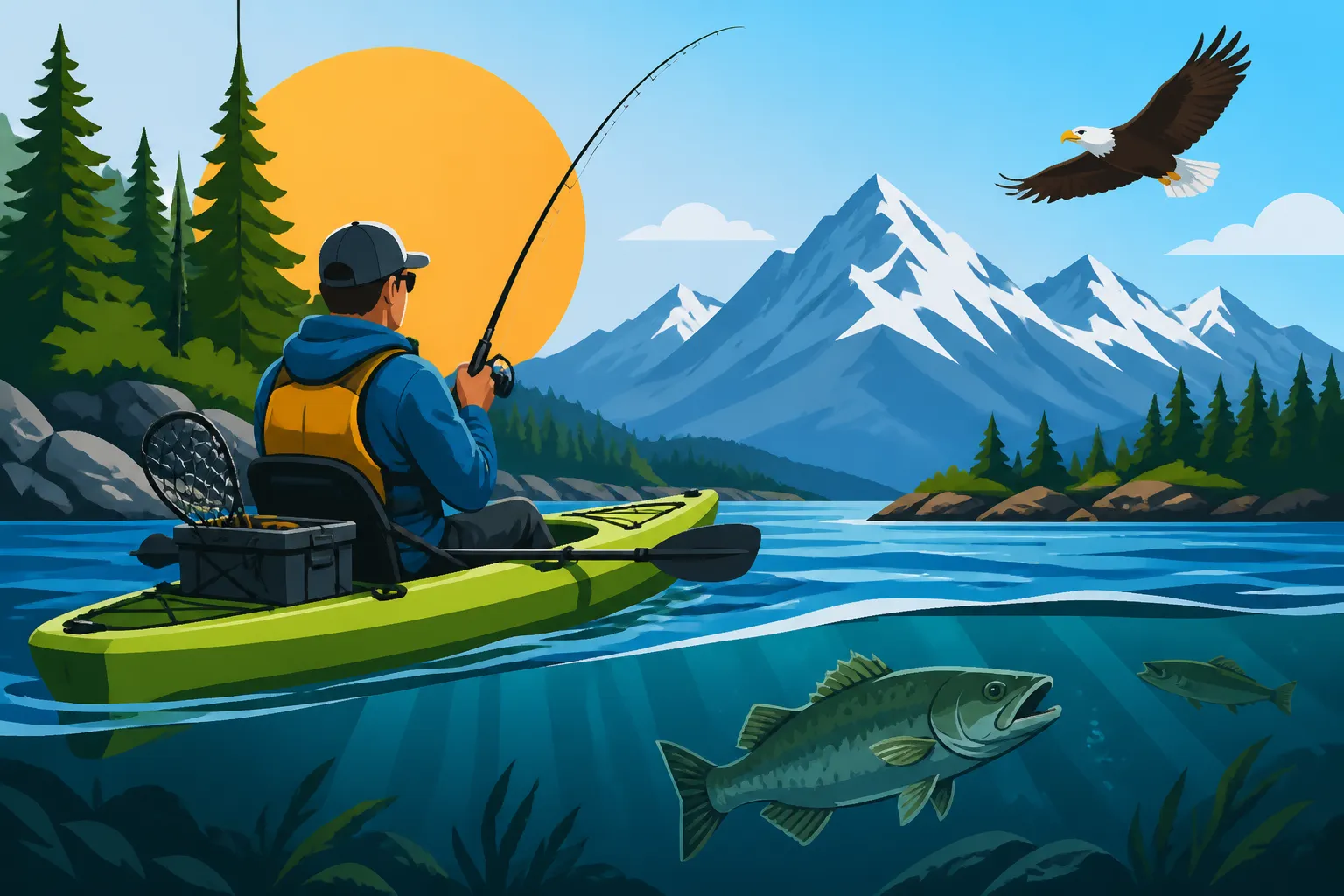
The Discovery Islands, nestled between Vancouver Island and the mainland, are a labyrinth of passages, islands, and inlets perfect for multi-day kayak fishing trips. Think about launching from Quadra Island or Cortez Island and exploring the calm, protected waters where salmon often congregate. The smaller bays and estuaries can also hold resident cutthroat trout, offering a diverse fishing experience. This region is particularly famous for its incredible beauty, with eagles soaring overhead and seals curiously watching your every move. It’s not just about the fish; it’s about the entire immersive wilderness experience that only a kayak can truly provide. Always remember to consult the British Columbia Fishing License Guide for 2026 before you head out, ensuring you have the correct licenses for tidal waters.
Gulf Islands and Sunshine Coast Paddling
Closer to Vancouver, the Gulf Islands and Sunshine Coast offer more accessible yet equally rewarding saltwater kayak fishing experiences. These areas are characterized by calmer, more sheltered waters, making them ideal for beginners or those looking for a more relaxed paddle. Picture yourself exploring the nooks and crannies around Salt Spring Island, Galiano Island, or Pender Island, casting for rockfish or jigging for lingcod in the shallower reefs. The quiet bays can also be excellent for targeting resident coho salmon that feed year-round. Public launch points are plentiful, and many provincial parks offer easy access to the water.
The Sunshine Coast, stretching north from Gibsons to Lund, is another fantastic option. The various inlets, such as Sechelt Inlet or Jervis Inlet, are long, deep, and often protected from strong winds, creating excellent conditions for kayak fishing. Here, you can target a variety of species, from various rockfish species around submerged structure to Pacific cod and, of course, salmon during their migratory seasons. These areas are less exposed to the open ocean swells, providing a safer and more comfortable experience for most kayak anglers. However, tidal exchanges can still create strong currents, especially in narrower passes, so it's always wise to understand the local BC Fishing Regulations Explained and consult tide charts. Remember, getting out on the water silently in your kayak means less disturbance and more chances to encounter fish that might otherwise be spooked by a noisy motorboat.
Freshwater Kayak Fishing in BC's Interior
Beyond the spectacular coastline, British Columbia's interior is dotted with thousands of lakes and countless rivers, many of which are perfect for a quiet paddle and a productive day of fishing. The diversity here is just as rich, from the huge trophy trout lakes of the Kootenays to the bass-filled ponds of the Okanagan.
Okanagan Valley Lakes for Kokanee, Bass, and Trout
The Okanagan Valley is renowned for its warm, sunny climate and, crucially for anglers, its fantastic freshwater fisheries. Okanagan Lake itself, a massive body of water, holds impressive populations of Kokanee and Rainbow Trout, including the famous Kamloops Trout strain. Kayak fishing here allows you to silently troll for Kokanee in the early morning or late evening, often using small spoons or wedding bands tipped with corn. The stealth factor of a kayak is a huge advantage when these schooling fish are feeding near the surface. You can cover significant ground by slowly paddling along drop-offs or over submerged structure, keying into the areas where baitfish are congregating.
Beyond the main lake, smaller lakes like Osoyoos Lake offer incredible opportunities for Largemouth and Smallmouth Bass. Kayaks are absolutely perfect for navigating the weed beds, lily pads, and fallen timber where these ambush predators love to hide. You can cast topwater frogs, soft plastics, or spinnerbaits into tight cover that larger boats simply can't reach, often leading to explosive strikes. For trout anglers, many smaller, stocked lakes in the region are regularly replenished by the Freshwater Fisheries Society of BC. These lakes are often easily accessible, making them great for a quick afternoon paddle and cast. Check out the BC Fishing Season Dates and Closures for specific lake openings and regulations, as some smaller lakes have unique rules or bait restrictions. This region offers a truly diverse kayak fishing experience, combining beautiful scenery with a variety of species to target.
Kootenay and Shuswap Regions for Gerrard Rainbows and Lake Trout
Moving east, the Kootenay and Shuswap regions are home to some of BC's most iconic trophy fisheries. Kootenay Lake, in particular, is legendary for its Gerrard Rainbow Trout, a strain of rainbow that can grow to truly enormous sizes. Kayak anglers with a strong sense of adventure can target these giants by trolling large spoons or plugs in the deeper sections of the lake. While it's a big water body, focusing on specific drop-offs or river mouths can be highly productive. The quiet nature of a kayak is less intrusive, which can be an advantage in clear waters where large trout are easily spooked.
Shuswap Lake, another vast and stunning lake, offers excellent fishing for a mix of species, including Rainbow Trout, Lake Trout, and even Burbot in its deeper, colder sections. Kayak fishing for Lake Trout often involves vertical jigging or deep trolling with downriggers. The numerous bays and arms of Shuswap Lake also provide plenty of sheltered water ideal for smaller craft. For those looking to combine fishing with camping, many of the remote shoreline areas are only accessible by water, making a kayak the perfect vessel for a multi-day wilderness fishing trip. Exploring the numerous arms and bays, you can find quiet spots to cast for Kokanee in the spring and fall or target larger trout along rocky points. Knowing How to Catch Kokanee in BC will significantly boost your success here.
Cariboo and Northern Lakes for Trout and Burbot
Further north into the Cariboo and beyond, you'll find an almost endless network of smaller, often less-pressured lakes that are absolute havens for rainbow trout, brook trout, and even burbot. This is where kayak fishing truly shines, allowing you to reach waters that are either too small for larger boats or lack developed launch points. Imagine paddling a remote Cariboo lake, casting dry flies to rising trout in the evening, or jigging for burbot during the winter ice fishing season. Lakes like Lac La Hache, Sheridan Lake, and numerous smaller, unnamed bodies of water are stocked regularly and offer consistent action.
The quiet, solitary nature of kayak fishing in these northern regions allows for a truly immersive experience. You can easily access shallow bays and reedy areas where trout feed, or explore rocky shoals for aggressive strikes. For anglers targeting Burbot, often referred to as "freshwater cod," the deeper sections of these lakes can be productive, especially during colder months. The Cariboo and Northern BC offer a more rugged, wilderness-oriented kayak fishing experience, where self-sufficiency and preparation are paramount. Always pack extra layers, a first-aid kit, and ensure your communication devices are charged, as cell service can be spotty. Remember to check BC Freshwater vs Tidal Waters License, Explained to ensure you have the correct endorsement for the waters you plan to fish.
Navigating British Columbia Rivers by Kayak
While much of BC's river fishing is done from the bank or larger drift boats, kayaks can offer a unique and stealthy approach to certain river systems. However, river kayaking, especially fishing from one, requires a higher level of skill and caution due to currents, rapids, and potential hazards.
Lower Mainland River Systems and Tributaries
For those in the Lower Mainland, some of the smaller, calmer tributaries and back channels of major rivers like the Fraser offer kayak fishing opportunities. The Harrison River, a significant tributary to the Fraser, for instance, can be kayaked in its calmer sections, especially during the fall salmon runs. Here, you can target migrating salmon, like Chum and Coho, using spoons, spinners, or even fly gear. The stealth of a kayak allows you to approach holding water without spooking fish, often leading to more hook-ups.
Other smaller rivers and sloughs that feed into the Fraser, such as parts of the Stave River or Nicomekl River, can also be suitable for kayaks, particularly during slower water periods. These areas are often more focused on resident trout or smaller salmon species. However, always be acutely aware of currents, log jams, and potential flood conditions, which can change rapidly. It's crucial to scout the river sections beforehand or go with someone experienced. Even small rivers can present significant hazards if you're not prepared. While the main stem of the Fraser River is generally not recommended for kayak fishing due to its immense size, powerful currents, and heavy boat traffic, its calmer arms and tributaries can provide excellent opportunities if approached cautiously.
Squamish and Cheakamus Rivers for Trout and Salmon
North of Vancouver, the Squamish and Cheakamus Rivers offer beautiful glacial-fed waters that are famous for their salmon and steelhead runs, as well as resident trout populations. Kayak fishing on these rivers is typically done in the calmer, wider sections or slower pools. During the fall, you can paddle and cast for Pink, Chum, and Coho salmon. In the spring, the challenge shifts to targeting aggressive trout that feed on salmon eggs and fry. The stunning mountainous backdrop adds to the allure of fishing these rivers.
However, these are swift-flowing rivers, often with whitewater sections, so choosing your launch and take-out points, and the specific river stretches, is paramount for safety. Float plans and understanding your capabilities are not just recommendations here, they are necessities. Many anglers opt for guided drift boat trips on these rivers due to the technical challenges, but experienced kayak anglers can find rewarding opportunities in the right conditions. Always wear your PFD, know your exit points, and be prepared for rapidly changing conditions. These rivers require respect and a high degree of situational awareness.
Safety First: River Kayak Fishing Considerations
River kayak fishing is a different beast entirely compared to lake or even coastal kayak fishing. The dynamic nature of river currents, obstacles, and changing water levels presents unique challenges. Before attempting to fish any BC river from a kayak, you must prioritize safety above all else. This isn't just about catching fish; it's about getting home safely.
Always wear a properly fitted personal flotation device (PFD) – not just have it on board, but wear it. Understand how to self-rescue and practice wet exits. Carry a throw bag, a knife, and a whistle. Research the river section thoroughly; look for rapids, dams, log jams, and other hazards. Many online resources and local fishing shops can provide up-to-date information on river conditions. Consider taking a whitewater paddling course if you plan to tackle anything more than dead-still water. Furthermore, never paddle alone on a river, and always let someone know your float plan and expected return time. Rivers demand respect, and a small mistake can quickly escalate into a serious situation. For more extensive boating safety requirements, review the BC Boating Laws for Anglers.
Essential Gear and Safety for Kayak Anglers
Being well-equipped and prepared is crucial for any fishing trip, but it takes on an even greater importance when you're in a kayak. You're more exposed to the elements, space is limited, and self-reliance is key.
Kayak Selection and Rigging for Fishing
Choosing the right fishing kayak is the first step. For BC's diverse waters, a stable sit-on-top kayak is generally preferred by anglers due to its ease of entry/exit, open deck space for gear, and stability. Pedal-drive kayaks, like those from Hobie or Old Town, have become incredibly popular, as they free up your hands for fishing and allow for effortless trolling. These are often heavier and more expensive but offer significant advantages. For river fishing, a shorter, more maneuverable kayak might be better, while longer, narrower kayaks are great for covering distance on large lakes or coastal waters.
Rigging your kayak effectively means having everything you need within easy reach, securely fastened, and organized. This includes flush-mount or rail-mounted rod holders, a fish finder (often with a small lithium battery), a milk crate or dedicated tackle box for storage, and anchor trolley systems for positioning. Make sure everything is tied down or attached with leashes – losing gear in the water is a common and frustrating occurrence. Waterproof bags for electronics and personal items are also non-negotiable. Think about how you’ll store your catch if you plan to keep fish; a soft-sided cooler that fits in a tankwell or a small insulated bag is ideal.
Safety Equipment and Emergency Preparedness
Safety should never be an afterthought. Beyond your PFD, a comprehensive safety kit is paramount. This should include a signalling device (whistle, air horn), a bailing device (sponge, hand pump), a throw bag for rescues, and a spare paddle. For coastal waters, a marine VHF radio is essential for communication, as cell service can be unreliable, and it’s a requirement under the Life Jacket Requirements for BC Boaters. Always carry a first-aid kit, a headlamp, and sufficient water and snacks.
In colder months or regions, dry suits or immersion suits are highly recommended, as hypothermia is a serious risk if you capsize. Even in summer, water temperatures can be surprisingly cold. A well-stocked emergency bag with a fire starter, emergency blanket, and extra food is a smart addition, especially if you're venturing into remote areas. Let someone know your float plan, including your route, launch and retrieve points, and estimated return time. Many anglers use GPS devices or apps on their phones to track their location and navigate, but always have a backup, like a paper map and compass.
Fishing Gear for Kayak Anglers
Your fishing gear needs to be appropriate for the species you're targeting and suitable for the confines of a kayak. Shorter rods (6-7 feet) are often preferred as they are easier to handle in a seated position and less likely to snag on your kayak or gear. A dedicated kayak fishing net with a long handle and rubberized mesh is invaluable for landing fish safely and preventing hook tangles. For diverse fishing, having a couple of different rod setups, one for casting lures and another for bait fishing or trolling, can be very useful.
Storage is critical. Tackle boxes should be compact and well-organized. Many kayak anglers utilize waterproof tackle storage systems that fit neatly into their kayak's hatches or tankwell. Pliers, line clippers, and other tools should be on lanyards to prevent them from going overboard. Consider a dry bag for extra layers of clothing, a hat, and polarized sunglasses, which are essential for spotting fish and structure. The less clutter, the better your fishing experience will be, as you'll have more space to move and fight fish.
Planning Your Ultimate BC Kayak Fishing Trip
A successful and enjoyable kayak fishing trip in British Columbia hinges on careful planning. From understanding local rules to predicting the weather, a little homework goes a long way.
Understanding Regulations and Licenses
British Columbia has distinct regulations for freshwater and tidal (saltwater) fishing, and it's absolutely crucial to have the correct licenses for the waters you plan to fish. For freshwater, you'll need a Freshwater Fishing License, which often requires additional conservation stamps for species like salmon or steelhead. For tidal waters, a Tidal Waters Sport Fishing License is mandatory, and if you plan to retain salmon, a Salmon Conservation Stamp is also required. These regulations can be complex, with specific bag limits, size restrictions, and gear requirements varying by region and species. You can find detailed information by reading the BC Fishing Regulations Explained.
It's your responsibility as an angler to know and follow these rules. Ignoring them can lead to significant fines and the loss of your fishing privileges. Always check the current regulations synopsis and any in-season fishery notices, as rules can change throughout the year, especially for salmon. Websites like FishingBooker can sometimes offer insights from local guides regarding current regulations, but always verify directly with official government sources. Remember to always carry your license with you while fishing, whether in digital or printed format.
Weather, Tides, and Water Conditions
Weather is perhaps the single most important factor for safe and successful kayak fishing in BC. Sudden changes in wind, temperature, or precipitation can turn a pleasant day into a dangerous ordeal. Always check the marine forecast for coastal trips and detailed weather forecasts for lakes and rivers. Strong winds can quickly create choppy conditions on large bodies of water, making paddling difficult and potentially unsafe.
Tides are critical for coastal kayak fishing. An incoming tide can bring baitfish and salmon closer to shore, while an outgoing tide can concentrate fish in channels or river mouths. Strong tidal currents can also make paddling challenging or even impossible in certain areas. Understanding the tide tables for your specific location is essential for planning your launch, fishing spots, and safe return. For river fishing, water levels and clarity are key. High, murky water from heavy rain or snowmelt can make fishing difficult and create dangerous currents. Conversely, low, clear water can make fish spooky. Utilizing resources like BC Fishery Notices and In-Season Closures, Explained can provide crucial updates on conditions and special closures.
Finding Launch Points and Accommodation
Finding good launch points can sometimes be a challenge for kayak anglers, especially in more remote areas. Public boat launches, provincial parks, and regional parks are often good starting points. Look for locations that offer easy, sheltered access to the water and ample parking. Some areas, particularly on the coast, may require a short portage over beach or rocky terrain. Consider using online mapping tools to scout potential launch sites, looking for satellite imagery that shows easy access.
For longer trips or multi-day adventures, consider accommodations that are kayak-friendly. Many campgrounds, lodges, and even some B&Bs cater to outdoor enthusiasts and may offer secure storage for kayaks or easy access to the water. If you're planning a trip to a popular destination like Campbell River or Tofino, booking accommodations and potentially a guided trip through platforms like FishingBooker well in advance is highly recommended, especially during peak season. Researching local bait and tackle shops can also be invaluable, as they often have the most up-to-date local knowledge about fishing conditions, hot spots, and any specific gear requirements for the area.
| Region/Water Body | Primary Target Species | Typical Techniques | Kayak Suitability | Key Considerations |
|---|---|---|---|---|
| Vancouver Island Coast | Chinook, Coho, Halibut, Lingcod | Trolling, Jigging, Mooching | High (experienced) | Tides, weather, strong currents in passages |
| Gulf Islands | Coho, Rockfish, Lingcod, Cutthroat | Trolling, Jigging, Casting (lures) | High (all levels) | Protected waters, currents in narrow passes |
| Okanagan Lakes | Kokanee, Rainbow Trout, Largemouth Bass | Trolling (spoons), Jigging, Casting (soft plastics) | High (all levels) | Warm weather, boat traffic on main lakes |
| Kootenay/Shuswap Lakes | Gerrard Rainbow, Lake Trout, Kokanee | Trolling (large spoons), Deep Jigging, Fly fishing | High (experienced) | Large, deep lakes; sudden weather changes |
| Cariboo Lakes | Rainbow Trout, Brook Trout, Burbot | Fly fishing, Casting (spinners), Jigging | High (all levels) | Remote access, basic amenities |
| Harrison River (calmer) | Chum, Coho, Pink Salmon, Trout | Casting (spoons/spinners), Fly fishing | Medium (cautious) | Currents, log jams, check water levels |
| Squamish/Cheakamus Rivers | Salmon (fall), Steelhead (spring), Trout | Casting (lures), Fly fishing | Medium (experienced) | Swift currents, whitewater sections, cold water |
Disclaimer
Please note that fishing regulations, conditions, and access points in British Columbia can change frequently. Always consult the official Freshwater Fishing Synopsis and the BC Tidal Waters Sport Fishing Guide, as well as local fishery notices, before planning any fishing trip. Safety should always be your top priority.