Middle Fraser River Salmon Fishing
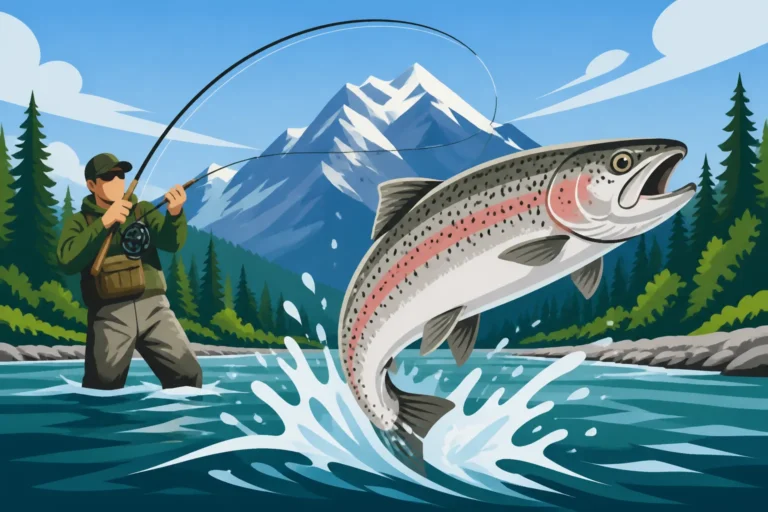
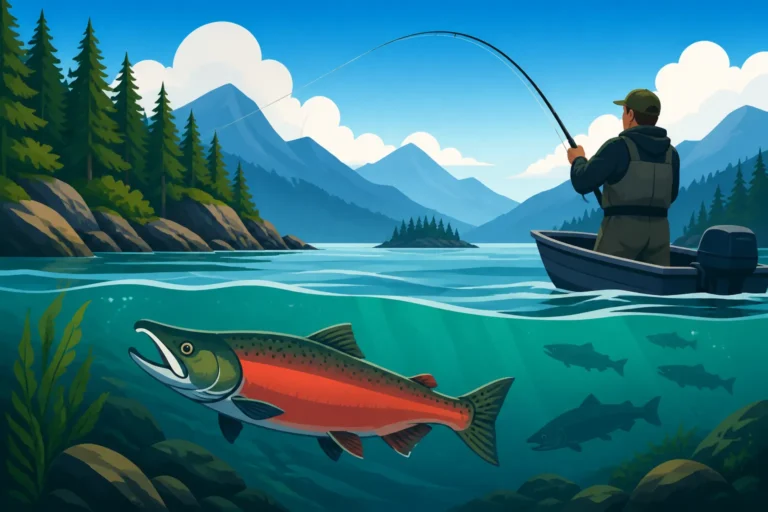
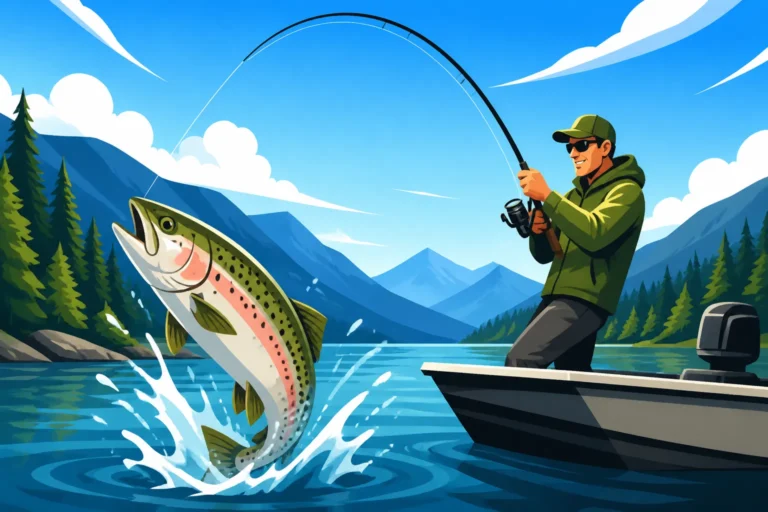
One of the most challenging yet rewarding experiences in British Columbia fishing is tackling the mighty Middle Fraser River for its incredible salmon runs. Many anglers feel overwhelmed by the sheer size and complexity of this legendary river system, unsure where to start, what species to target, or which regulations apply to this specific stretch. This comprehensive guide will demystify Middle Fraser River salmon fishing, providing you with the knowledge, tips, and strategies needed to successfully navigate its waters and connect with its iconic anadromous fish.
Understanding the Middle Fraser River's Unique Character
The Fraser River is not just a river; it's a lifeline, a monumental artery flowing through British Columbia, supporting a vast array of wildlife, including the incredible Pacific salmon. When we talk about the "Middle Fraser River," we're generally referring to the vast stretch of water roughly from Hope up to roughly the city of Prince George, although often more specifically from the Fraser Canyon upstream through areas like Lillooet, Lytton, and Williams Lake. This segment of the river differs dramatically from the Lower Fraser, with its wider, slower-moving channels, and the Upper Fraser, which becomes more of a headwater system.
Geographical Significance and Habitat
The Middle Fraser carves its way through some of BC's most stunning and rugged landscapes, including the dramatic Fraser Canyon, characterized by towering cliffs, turbulent rapids, and a relentless current. Upstream from the canyon, the river broadens into more accessible, albeit still powerful, sections that flow through ranching country and smaller communities. This geographical diversity means that fishing opportunities and approaches can vary significantly within the "Middle Fraser" designation. The river's substrate in these areas ranges from large boulders and bedrock in the canyon to gravel bars, sand flats, and deeper silty pools further upstream. These varying habitats are crucial for different salmon species as they push upstream, offering holding water, resting areas, and vital spawning grounds in tributary streams.
Ecological Importance and Migratory Pathway
The Middle Fraser River serves as an absolutely critical migratory pathway for all five species of Pacific salmon – Chinook, Sockeye, Coho, Pink, and Chum – as they journey from the Pacific Ocean to their natal spawning grounds far upstream in the Fraser's vast watershed. This includes distant tributaries like the Nechako, Stuart, Quesnel, and Thompson Rivers. The salmon navigating this stretch are often already several weeks or even months into their arduous migration, meaning they are strong, determined, and sometimes less prone to feeding than those freshly entering the Lower Fraser or coastal estuaries. Their drive is primarily reproductive, making understanding their migration patterns and holding areas paramount to successful angling. The health of the Middle Fraser is intrinsically linked to the survival of these salmon runs, impacting ecosystems and communities across the province, highlighting the importance of proper conservation and adherence to regulations.
The Salmon Species of the Middle Fraser
Angling the Middle Fraser is a salmon species smorgasbord, offering opportunities for all five Pacific salmon. Each species has its own unique characteristics, preferred holding water, and migratory timing, making the fishing experience varied and exciting. Knowing what you're targeting and when is key to maximizing your success and adhering to specific regulations.
Chinook Salmon The Kings of the River
Chinook salmon, often called "Kings," are the largest and most prized salmon species in the Fraser system. In the Middle Fraser, you'll encounter these magnificent fish primarily from late summer into early fall. These are not typically aggressive feeders once they are far upriver, but they will strike out of instinct, aggression, or territoriality. The Chinook found in the Middle Fraser are often "red-fleshed" strains, highly sought after for their rich meat, and represent some of the largest salmon in the world. When fishing for them, look for deep pools, current seams, and areas with submerged structure where they can rest out of the main current. Understanding Chinook Salmon Fishing in BC is crucial before you head out.
Sockeye Salmon The Most Abundant Migrators
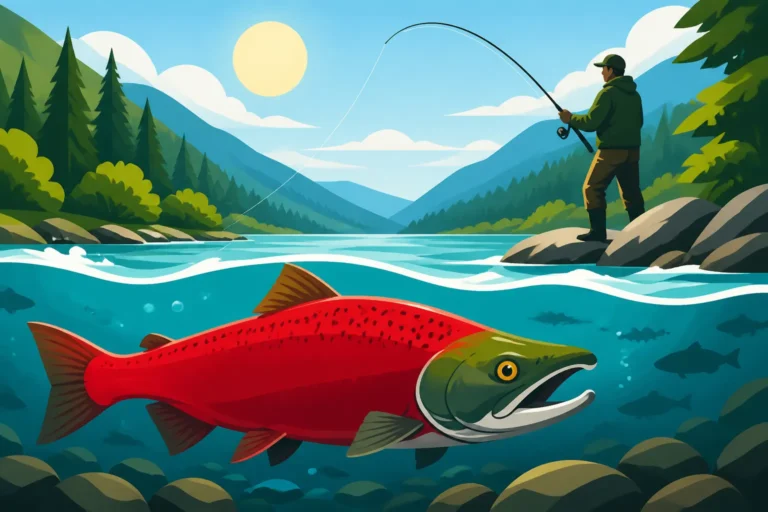
Sockeye salmon are perhaps the most iconic species of the Fraser, famous for their massive cyclical runs that turn the river red. While their primary migration route takes them through the Middle Fraser, they are notoriously difficult to catch with traditional angling methods once they've entered freshwater and are solely focused on spawning. However, certain areas and techniques, especially during peak migration, might yield results. Historically, dip netting or First Nations fisheries are more common for sockeye upriver. The timing of their runs is critical, and you'll want to be aware of BC Fraser River Sockeye Closure Windows which often occur to protect these sensitive populations. Their vibrant red spawning coloration is a sight to behold, even if direct angling isn't always productive.
Coho Salmon The Elusive and Energetic
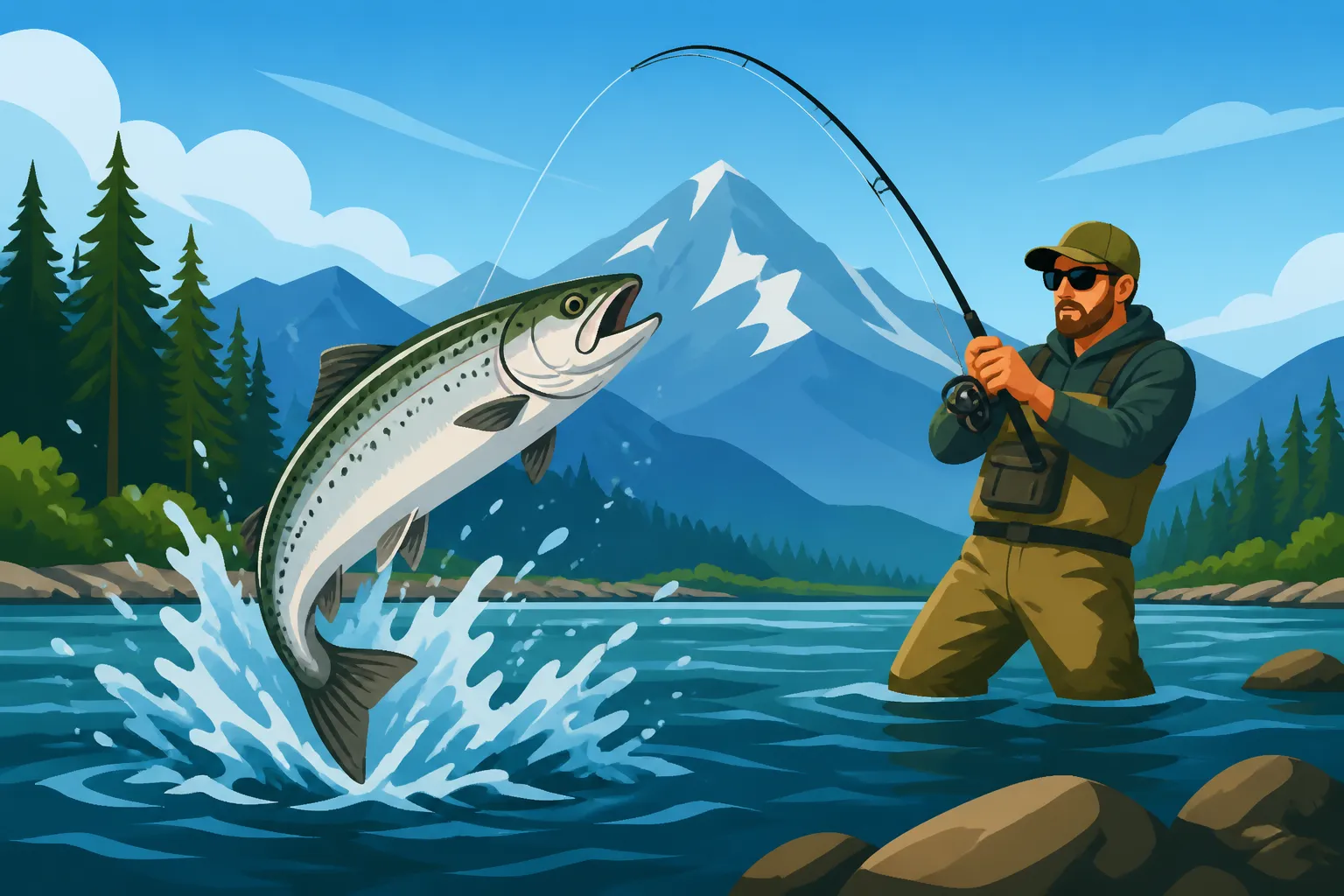
Coho salmon, known for their acrobatic fights and aggressive strikes, make their way through the Middle Fraser in the late fall, often after the main Sockeye and Chinook runs have tapered off. These fish are incredibly spirited and offer fantastic sport on lighter tackle. They tend to hold in slightly shallower, faster-moving water than Chinook, often near submerged logs, bankside cover, or gravelly runs. While not as large as Chinook, a Coho in the 8-15lb range is a powerful fish, especially in the strong Fraser current. Targeting Coho requires a bit of finesse and understanding of their aggressive yet opportunistic feeding habits. For more details, consider researching Coho Salmon Fishing in BC.
Pink and Chum Salmon Opportunistic Catches
Pink salmon, or "humpies" due to the pronounced hump developed by males during spawning, arrive in massive numbers during odd-numbered years. These are the smallest of the Pacific salmon but provide incredible action, often schooling in large numbers. They are found throughout the Middle Fraser, often in shallower riffles and gravelly areas. Chum salmon, or "dog salmon," are powerful fighters known for their distinctive large teeth and tiger-striped patterns during spawning. They typically run later in the fall, often alongside or just after Coho. While not always targeted specifically by recreational anglers in the Middle Fraser, both Pink and Chum can provide exciting incidental catches and offer strong fights, especially in the current. Learn more about Pink Salmon Runs in BC and Chum Salmon Runs in BC to better time your trips.
Prime Fishing Seasons and Timing
Timing is absolutely everything when it comes to salmon fishing on the Middle Fraser. The river experiences distinct runs for each species, influenced by ocean conditions, water levels, temperature, and the specific migratory patterns that have evolved over millennia. A successful trip hinges on being in the right place at the right time.
Summer Sockeye and Early Chinook Runs
As summer progresses into July and August, the Middle Fraser comes alive with the first major push of sockeye salmon. While challenging to catch on hook and line, their sheer numbers are a spectacle. Simultaneously, early Chinook salmon runs are also making their way upstream. These early Kings are often very large and powerful, having traveled a considerable distance. Fishing during this period can be dictated by specific fishery notices that may open or close certain stretches or species to angling to ensure conservation goals are met. Always consult the latest BC Fishing Season Dates and Closures and BC Fishery Notices and In-Season Closures, Explained before planning your trip.
Fall Chinook and Coho Action
September and October generally mark the prime window for both Chinook and Coho salmon in the Middle Fraser. The remaining Chinook, often displaying deep red hues, continue their journey, while the feisty Coho begin to arrive in earnest. This is a highly anticipated time for many anglers. Water levels usually begin to drop, and temperatures cool, which can improve fish activity. During these months, the river can be bustling with activity, both from the fish and from fellow anglers. Knowing the specific regulations for each species, including BC Bag and Possession Limits by Species, is crucial as they can change based on the strength of the runs.
Late Fall and Early Winter Chum and Post-Spawn Opportunities
As November rolls around, the Chum salmon runs are typically in full swing, offering another strong fighting fish for those willing to brave the colder weather. By this time, many of the Chinook, Sockeye, and Coho have reached their spawning grounds, but there can still be "stragglers" or late-run fish making their way through. Winter fishing can also present opportunities for other species, such as resident trout or the mighty white sturgeon, though different techniques and regulations apply. Always check what's open and what's not, as many salmon fisheries close completely by late fall to protect spawning populations.
Essential Techniques and Gear for the Middle Fraser
Fishing the Middle Fraser is a unique challenge due to its immense size, powerful currents, and the migratory nature of its salmon. While some techniques might overlap with other BC rivers, the scale and conditions here often demand specialized approaches and robust gear.
Bar Fishing and Bottom Bouncing
One of the most popular and effective methods on the Middle Fraser, particularly for Chinook, is bar fishing. This involves anchoring a boat or setting up from a prominent gravel bar, casting a heavy weight (often a pyramid sinker or a specialized bar weight) with a baited leader upstream, and allowing it to settle on the bottom. The bait, typically roe or cured salmon parts, sits in the current, attracting passing salmon. Bar fishing is often done with robust, long rods (10-12 feet) capable of handling heavy weights and powerful fish. Setting up multiple rods and waiting for a bite requires patience but can be incredibly rewarding. Similarly, bottom bouncing from a drifting boat, using a weighted rig to present bait just off the bottom, is effective for covering more water and targeting fish actively moving through runs and seams.
Spin Casting and Drift Fishing
For anglers who prefer a more active approach, spin casting with heavy spoons, spinners, or weighted plugs can be effective, especially for Coho and aggressive Chinook. Bright, flashy lures that imitate wounded baitfish or simply annoy passing salmon can trigger a strike. It's crucial to use heavy enough tackle to cast considerable distances and manage the powerful current without getting snagged constantly. Drift fishing, using a float or bobber to present bait or artificial flies (like jigs or woolly buggers) in the current, allows for a more natural presentation. This method is excellent for targeting fish holding in slower seams, eddies, or pockets behind structure. For an overview of effective methods, check out Salmon Fishing Techniques for BC Rivers.
Fly Fishing Considerations
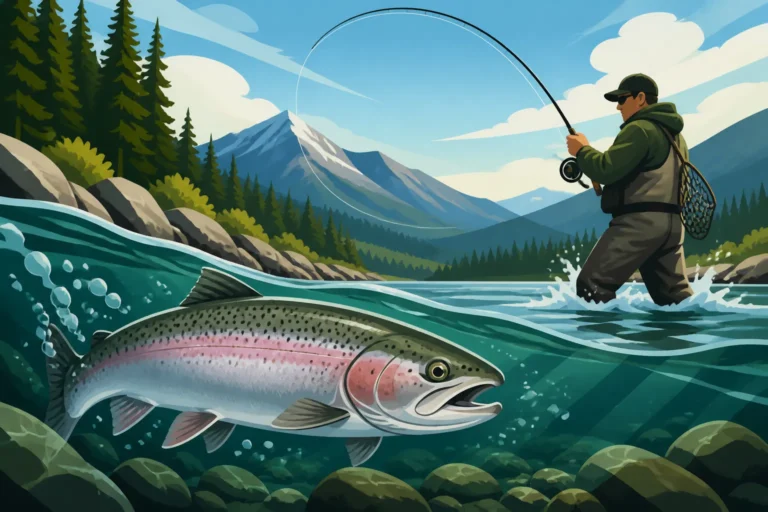
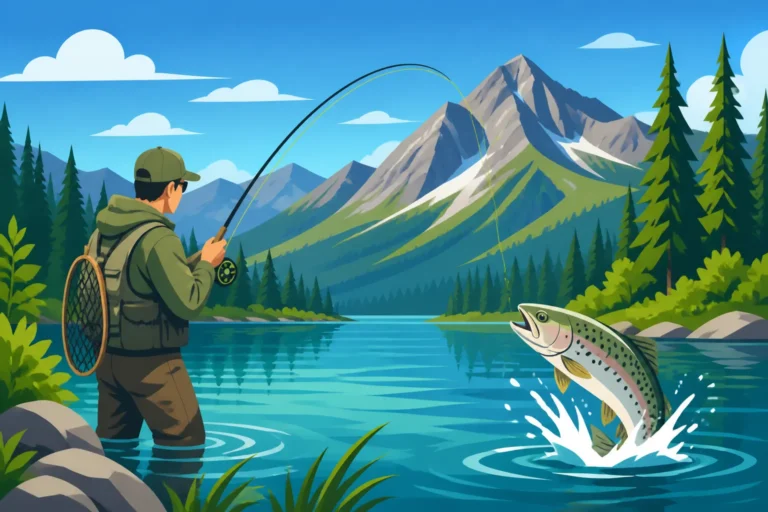
While the Middle Fraser is less commonly known as a prime fly-fishing destination compared to smaller, clearer rivers, certain sections and conditions can offer opportunities, particularly for Coho and Pink salmon. Large, heavy flies like intruders, weighted streamers, or massive leeches can be swung through likely holding water. Spey casting or two-handed rods are often necessary to handle the heavy lines and long casts required to cover water effectively in the Fraser's powerful flow. Targeting salmon with a fly rod on the Middle Fraser is a significant challenge, but hooking a chrome-bright Coho on the swing can be an unforgettable experience.
Regulations and Conservation on the Middle Fraser
Fishing on the Fraser River, especially for salmon, comes with a substantial responsibility to understand and adhere to the myriad of regulations designed to protect these vital fish stocks. The Middle Fraser is a complex environment with specific rules that can change rapidly based on run strength and conservation concerns.
Licensing and Stamps
First and foremost, every angler needs a valid British Columbia fishing license. For freshwater fishing, this is a separate license from tidal waters. If you intend to retain any salmon, regardless of whether it’s freshwater or tidal, you will also need the appropriate Salmon Conservation Stamp. These stamps contribute directly to salmon recovery and management efforts. Understanding where and how to buy a BC fishing license is critical, and you can find detailed information on Where and How to Buy a BC Fishing License. The rules regarding the BC Salmon Conservation Stamp Rules are particularly important for salmon anglers. Always ensure your license and any required stamps are current and with you while fishing.
Daily Limits and Species-Specific Rules
The Middle Fraser is subject to specific daily bag and possession limits, which vary greatly by species, time of year, and even specific river sections. These limits are frequently updated, sometimes in-season, via fishery notices issued by Fisheries and Oceans Canada (DFO). For example, there might be non-retention periods for specific salmon species, size restrictions, or limits on the number of hatchery vs. wild fish you can keep. Ignoring these rules can lead to significant fines and penalties. It's not uncommon to see specific regulations for the Fraser River proper that differ from its tributaries. Always consult the official DFO website for the most current BC Fishing Regulations Explained before each trip.
Catch and Release Best Practices
Given the conservation-focused nature of salmon fishing on the Fraser, catch-and-release is a common practice, especially for protected species or during times of low returns. If you plan to release fish, it's paramount to understand and implement best practices to ensure their survival. This includes minimizing fight time, keeping the fish in the water as much as possible, handling them gently with wet hands, and using barbless hooks, which are often mandatory in many salmon fisheries. Avoid removing fish from the water for photos, especially large, sensitive species like Chinook or Sockeye. Responsible angling ensures that these magnificent fish have the best chance to complete their arduous journey and spawn, safeguarding future generations.
Access Points and Logistics for Middle Fraser Salmon Fishing
Getting to the Middle Fraser and knowing where to drop a line can be daunting due to its extensive length and varied terrain. There are numerous access points, from well-known public launches to more remote spots accessible via logging roads. Planning your logistics ahead of time is key to a smooth and productive trip.
Popular Fishing Zones and Communities
The Middle Fraser stretches through a vast geographical area, but some communities serve as natural hubs for accessing specific fishing zones. From Hope, where the Lower Fraser transitions into the canyon, you have access to areas known for early Chinook runs. Further upstream, areas around Lytton and Lillooet, while challenging due to the canyon's ruggedness, can offer incredible opportunities for those willing to explore. Moving further into the interior, regions near Williams Lake and even further north towards Prince George provide different dynamics, with wider river sections and varying local expertise. Researching specific local insights for Best Salmon Fishing Spots in BC can pinpoint promising areas.
A good starting point for many anglers is to look for areas with publicly accessible boat launches or established gravel bars, particularly those frequented by local guides or experienced anglers. Always respect private property and access agreements.
Boat Launching and Shore Access
For boat anglers, public boat launches are available in some communities along the Middle Fraser. However, many areas, especially within the canyon or more remote stretches, might require careful navigation or even specialized jet boats to safely traverse the powerful currents and rapids. Always check river conditions and be aware of potential hazards, including fluctuating water levels and submerged debris. For those without a boat, shore fishing can be productive from accessible gravel bars, especially during peak salmon runs when fish are concentrated in specific holding areas. It's often beneficial to explore using satellite maps to identify potential access points and scout them out in person before committing to a full fishing day. When planning your trip, consider using services like FishingBooker to find local guides who are intimately familiar with specific, safe access points.
Guided Trips and Charters
For anglers new to the Middle Fraser, or those seeking to maximize their chances and learn from seasoned professionals, hiring a local fishing guide is highly recommended. These guides possess invaluable knowledge of current conditions, salmon movements, effective techniques, and safe navigation. They provide all the necessary gear and expertise, significantly improving your chances of success and ensuring you adhere to all regulations. Many guides specializing in the Fraser River, even beyond sturgeon, will focus on salmon during peak seasons. While a specific guide for salmon on the Middle Fraser might not be explicitly listed, searching on platforms like FishingBooker for guides operating out of communities like Hope, Lillooet, or even further upriver, can yield excellent results. These services are particularly beneficial for understanding the nuances of river conditions and fish behavior, allowing you to focus on the thrill of the catch.
Disclaimer
Fishing in British Columbia, especially on large river systems like the Fraser, involves inherent risks. Always prioritize safety, wear appropriate personal flotation devices when boating, be aware of rapidly changing weather and river conditions, and inform others of your plans. Fishing regulations can change frequently; it is the angler's responsibility to consult the latest DFO fishery notices and provincial regulations before heading out. The information provided in this guide is for general informational purposes only and does not constitute legal advice.