Best technique for fall float fishing
The leaves are turning, the air has that crisp, invigorating chill, and many anglers start thinking about putting their gear away for the winter. But for those in the know, fall in British Columbia actually heralds some of the most exciting and productive fishing opportunities, especially when it comes to float fishing. If you've ever felt frustrated by elusive salmon or steelhead in the cooler months, this comprehensive guide will walk you through the nuances of float fishing, ensuring you're ready to tackle the abundant waters of BC with confidence and success.
Understanding Fall Float Fishing in BC
Fall in British Columbia is a magical time for anglers, marked by vibrant colours, cooler temperatures, and the powerful migrations of various fish species. Float fishing, often underestimated, becomes an incredibly effective technique as fish behaviors shift with the season.
Why Float Fishing Shines in Fall
As autumn progresses, water temperatures begin to drop, and fish, particularly salmon and steelhead, become less aggressive or chase lures less readily. Their focus shifts from active feeding to spawning, making them more territorial and less prone to long pursuits of fast-moving offerings. This is where float fishing truly excels. By presenting a bait or lure naturally in the water column, you're able to keep your offering in the strike zone for longer, mimicking natural food sources drifting with the current. It's about precision and patience, allowing you to target specific holding lies, seams, and pockets where these fish gather. The ability to control the depth and speed of your drift is paramount, especially when targeting fish that are holding close to the bottom or tucked into deeper cover. This subtle presentation can often entice a strike when more aggressive techniques fall short.
Key Species Targeted with Fall Float Fishing
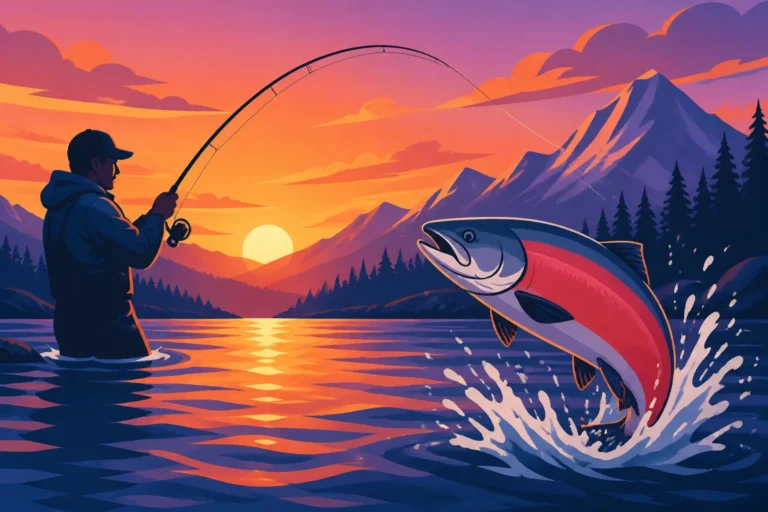
Fall is synonymous with salmon and steelhead runs in British Columbia, making these the primary targets for float anglers. Each species has its own charm and challenge.
- Salmon: You'll be primarily targeting Coho and Chinook salmon. Coho are renowned for their aggressive takes and acrobatic fights, often found in smaller coastal rivers and tributaries. Chinook, particularly the late-run "Tyee" size, are powerful, stubborn fighters that command respect. They're often in larger rivers like the Fraser or Skeena. Knowing the specific salmon runs, like the BC Fraser River Sockeye Closure Windows, is crucial for ethical and legal angling.
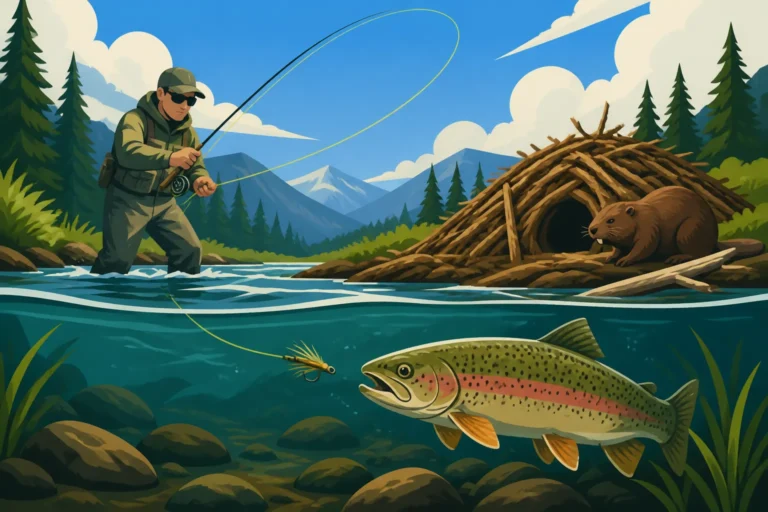
- Steelhead: These sea-run rainbow trout are perhaps the most revered fall targets. The BC Steelhead Season Dates often kick off in the fall, offering anglers a chance at these magnificent, hard-fighting fish. Steelhead are famously finicky, making the natural presentation of float fishing an ideal method for convincing them to bite. They typically hold in deeper pools and runs, making precise depth control with a float invaluable.
- Trout: While salmon and steelhead steal the spotlight, fall can also be excellent for resident rainbow trout, bull trout, and cutthroat trout in many rivers and lakes. Float fishing with smaller presentations can be highly effective for these species as they continue to feed actively before winter sets in.
The Dynamics of Fall Rivers and Lakes
The environmental conditions in BC's rivers and lakes undergo significant changes in the fall, and understanding these dynamics is key to successful float fishing.
- Water Levels and Clarity: Rivers can fluctuate wildly. Early fall might see lower, clearer water, while later in the season, rainfall can lead to higher, murkier conditions. Higher water often means fish move into slower seams and eddies, while lower water might concentrate them in deeper pools. Float fishing allows you to adapt to these changes by adjusting your weight and float size to maintain a natural drift. For instance, in higher water, a larger float with more weight helps punch through current and keep your bait down.
- Temperature Stratification: In lakes, the fall turnover occurs when surface water cools, becoming denser and sinking, mixing with deeper, warmer water. This process can redistribute fish, but often they'll be found congregating near structural elements or feeding on baitfish pushed by these changes. Rivers, on the other hand, see a general cooling trend, which triggers many species to migrate upstream for spawning.
- Fish Migration: Fall is prime migration season. Salmon push upstream in incredible numbers to spawn, and steelhead follow, often preying on salmon eggs. This concentration of fish in predictable travel corridors makes float fishing highly effective, as you can target these pathways with precision. Understanding Salmon Migration Patterns in BC will significantly improve your chances of intercepting these moving schools.
Essential Gear for Fall Float Fishing Success
Having the right gear is paramount when you're out on the water, especially when dealing with the variable conditions and powerful fish of a BC fall. Don't skimp on quality; it makes all the difference.
Rod, Reel, and Line Selection
The synergy between your rod, reel, and line is what delivers that perfect drift and helps you land those trophy fish.
- Rods: For river float fishing, a longer rod, typically 10 to 13 feet, is your best friend. This extra length helps you mend your line effectively, control your drift over longer distances, and keep excess line off the water, minimizing drag. A medium-light to medium power rod with a fast action tip is ideal, offering sensitivity for strike detection while still having enough backbone to handle large salmon or steelhead. Many anglers prefer specialized float rods from brands like Raven or Shimano for their balance and casting characteristics.
- Reels: Centrepin reels are the traditional choice for float fishing, offering unmatched line control for drag-free drifts. They demand a bit of a learning curve but are incredibly rewarding. If a centrepin seems too daunting, a high-quality spinning reel in the 3000-4000 series can work well. Ensure it has a smooth drag system and a good line capacity.
- Line: Your mainline should be a high-visibility monofilament, typically 10 to 15 lb test, which helps you track your float and detect subtle strikes. Brands like Maxima or Raven offer excellent float lines. For your leader, fluorocarbon is preferred for its invisibility underwater and abrasion resistance, especially when fishing around structure. Use a lighter test for the leader, around 8 to 12 lb, depending on water clarity and target species. Having a selection of different leader strengths in your tackle bag, perhaps sourced from Amazon, is always a good idea.
Floats, Weights, and Terminal Tackle
These small but critical components dictate your presentation and success.
- Floats (Bobbers): Floats come in various shapes and sizes, each suited for different conditions.
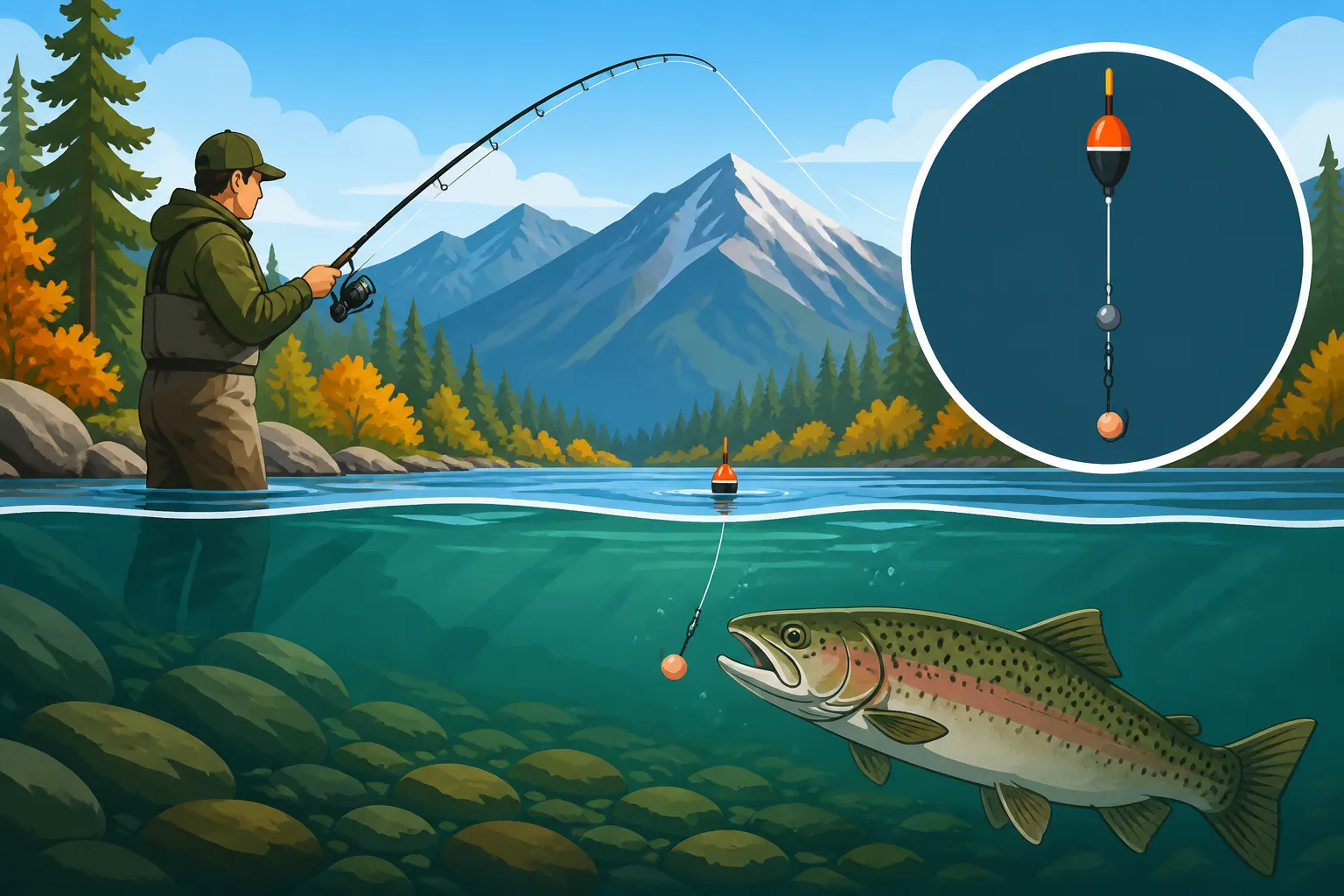
- Slip Floats: These are excellent for fishing deeper water, as the line runs freely through them, allowing you to cast and then have the float slide up to a predetermined stop knot.
- Fixed Floats: Better for shallower water, these are attached securely at a fixed point on your line.
- Dink Floats: Small, highly sensitive floats, perfect for clear, low water conditions and finicky fish.
- Long Stem Floats: These offer great stability in turbulent water.
- Choose floats with bright, easy-to-see colours (e.g., orange, chartreuse) for visibility in varying light conditions. Make sure your float is adequately weighted by your split shot; it should sit low in the water, showing only the tip, indicating it's sensitive enough to detect light bites.
- Weights (Split Shot): A good selection of non-toxic split shot in various sizes (from BB to 4 or 5) is essential. These are strategically placed above your swivel to get your bait down to the desired depth and maintain a natural drift. The "shotting pattern" is critical: most anglers use a bulk weight closer to the swivel and then taper down with smaller shots leading to the bait, creating a natural, subtle fall.
- Swivels and Leaders: A small, strong barrel swivel or three-way swivel connects your mainline to your leader, helping to prevent line twist. Leaders should be 18-36 inches long, depending on conditions.
- Hooks: Sharp, strong, single barbless hooks are mandatory in many BC fisheries, especially for salmon and steelhead. Sizes typically range from 2 to 4/0, depending on your bait and target species. Have a variety on hand; an assortment from Amazon can cover most scenarios.
Best Baits and Lures for Fall
What you put on your hook is just as important as how you present it. Fall fish have specific preferences.
- Natural Baits:
- Salmon Eggs (Cured Roe): This is arguably the most effective bait for fall salmon and steelhead. The eggs are a natural food source, especially when salmon are spawning. Cured roe can be purchased or prepared yourself. A small cluster on a single hook is often irresistible.
- Worms: Live worms, particularly dew worms or jumbo worms, can also be effective, especially for trout and less picky salmon.
- Prawns/Shrimp: Cured prawns or small pieces of shrimp can be deadly, particularly for steelhead. They have a strong scent trail that can attract fish from a distance.
- Artificial Lures/Plastics:
- Soft Beads: These plastic beads, often resembling salmon eggs, are incredibly popular and effective. They come in various colours (roe, natural, hot pink, chartreuse) and sizes. They are typically pegged a few inches above the hook, allowing the hook to swing freely.
- Wool/Yarn: Small pieces of wool or yarn in colours like pink, orange, or chartreuse can mimic egg sacs or small invertebrates and are very effective, especially in clearer water.
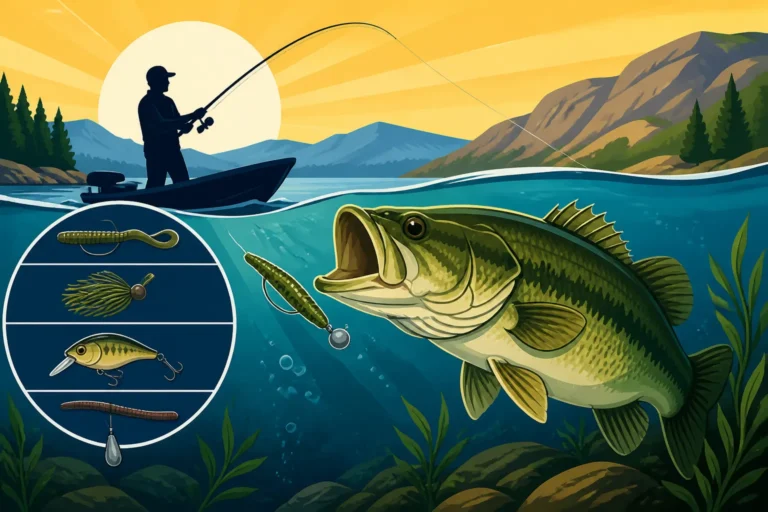
- Jigs: Small marabou jigs or plastic grub jigs, often tipped with a piece of prawn or roe, can be floated under a bobber for aggressive fish. For more detailed insights on what to use, consult resources on Best Baits for Steelhead on the Skeena.
| Item Type | Recommended Fall Use | Key Features |
|---|---|---|
| Float Rod | Steelhead, Salmon | 10-13 ft, Med-Light/Med Power, Fast Action |
| Reel | Steelhead, Salmon | Centrepin or 3000-4000 series Spinning Reel with smooth drag |
| Mainline | All species | 10-15 lb high-vis mono |
| Leader | All species | 8-12 lb fluorocarbon, 18-36 inches |
| Slip Float | Deeper pools, longer runs | Allows depth adjustment, casts easily |
| Fixed Float | Shallower water, precise short drifts | Stable, quick setup for consistent depth |
| Salmon Eggs | Steelhead, Chinook, Coho | Natural food source, high scent, highly effective |
| Soft Beads | Steelhead, Rainbow Trout, Coho | Durable, variety of colours, mimics eggs, good for catch and release |
| Jigs | Aggressive Salmon, Steelhead, Trout | Can be tipped with bait, good action in current, adds visual appeal |
Mastering the Fall Float Fishing Techniques
Float fishing isn't just about putting a bobber on your line; it's an art form that, when mastered, can unlock incredible success on BC's fall waters.
Reading the Water and Positioning
Before you even make your first cast, take the time to observe the water. This is a critical step that many beginners rush.
- Identifying Holding Lies: Look for seams where faster current meets slower water, often indicated by a slight line on the surface or a change in water texture. Fish will hold in the slower water, conserving energy, waiting for food to drift by. Other prime spots include:
- Tailouts of pools: Where a deep pool shallows out into a riffle.
- Heads of pools: The entrance to a deeper section, often where fish first pause after a strenuous swim upstream.
- Back eddies: Swirling water behind an obstruction.
- Structure: Large rocks, submerged logs, or undercut banks offer prime cover.
- Learning to read the nuances of the river, much like understanding Wading Techniques for BC Steelhead Rivers, will give you a significant advantage.
- Strategic Positioning: Your position upstream or downstream of a target area, as well as your distance from it, will dictate the quality of your drift.
- Upstream Casting: Often, you'll cast slightly upstream and across the current, allowing your float to drift down into the strike zone. This gives your bait time to sink and present naturally.
- Angle of Approach: Try to position yourself so your line creates the least amount of drag possible on your float. Casting directly across might seem intuitive, but the current will quickly create a bow in your line, pulling your float unnaturally. A slight downstream angle or a cast that allows you to "mend" your line effectively is usually best. Don't be afraid to move; a few steps can make all the difference to hit that perfect seam.
The Perfect Drift: Casting and Presentation
A natural, drag-free drift is the holy grail of float fishing. It's what separates a casual angler from a consistent catcher.
- Casting for Success: Use an overhead or sidearm cast, aiming to land your float and bait gently and accurately. Overcasting is better than undercasting, as you can always reel in slack. However, try to avoid big splashes that can spook fish.
- Mending the Line: This is perhaps the most crucial technique. As your float drifts downstream, the current will inevitably pull on your fishing line, causing your float to accelerate unnaturally. To combat this, you need to "mend" your line. This involves lifting your rod tip and flipping a loop of line upstream, effectively putting slack back into the system between your rod tip and your float. This allows your float to drift at the same speed as the current, presenting your bait naturally. Practice makes perfect here. The goal is for your float to travel exactly as if it were a natural piece of debris, without hesitation or acceleration.
- Maintaining Tension: While you want a drag-free drift, you don't want so much slack that you can't detect a bite. Keep a slight, subtle tension in your line, watching your float intently. Your goal is to be able to set the hook immediately when a fish bites.
- Depth Control: Adjust your float stop to ensure your bait is drifting just above the bottom. For salmon, they might be holding closer to the bottom; for steelhead, they could be slightly suspended. Experiment until you find the sweet spot. A good rule of thumb is to start with your leader length about 1 to 2 feet shallower than the estimated depth of the water and adjust from there.
Strike Detection and Hooksets
This is the moment of truth! Recognizing a bite and responding effectively.
- Visual Cues: The most obvious sign is your float disappearing or diving. However, bites can be much more subtle. Watch for:
- Pausing: Your float suddenly stops in a current seam where it should be moving.
- Dipping: A slight dip or wobble that isn't caused by turbulence.
- Moving Sideways: Your float moving against the current or in an unnatural direction.
- Subtle Sinking: A slow, steady sink rather than a sudden dive.
- Always assume a bite first. "When in doubt, set the hook!" is a mantra for a reason.
- The Hookset: Once you detect a strike, a quick, firm, upward sweep of the rod is usually all it takes. Avoid a massive, violent yank, which can pull the hook from the fish's mouth or break your line. The long float rod helps absorb some of the shock and leverage the hook into place. Be prepared for a strong fight, especially from a fresh fall salmon or a powerful BC steelhead. Keep your drag set appropriately before you start fishing.
Advanced Tips and Troubleshooting for Fall Floaters
Even experienced float anglers face challenges, especially with the unpredictable nature of fall fishing. Here are some pro tips and ways to overcome common hurdles.
Adjusting to Changing Conditions
Fall weather and water conditions in BC can change in an instant, demanding flexibility from anglers.
- High, Murky Water: After heavy rains, rivers can swell and become silty. In these conditions, fish often move closer to the banks, into slower seams, or behind large obstructions.
- Adjust Your Float: Use larger, more buoyant floats to handle the strong current and keep your bait down.
- Increase Weight: Heavier split shot will help your bait penetrate the fast current and reach the bottom.
- Brighter Baits: Opt for vibrant colours in your soft beads, wool, or cured roe (e.g., bright orange, hot pink) to increase visibility. Strong scents also become more critical.
- Fish the Edges: Focus your efforts on slower eddies and protected pockets where fish seek refuge from the main current. Always check BC Fishery Notices and In-Season Closures, Explained before heading out, as high water can sometimes lead to temporary closures.
- Low, Clear Water: This condition demands stealth and finesse. Fish are easily spooked and can see your line.
- Longer, Lighter Leaders: Extend your fluorocarbon leader length (up to 4-5 feet) and reduce its breaking strength (e.g., 6-8 lb test) for maximum invisibility.
- Smaller, More Natural Baits/Lures: Downsize your presentations. Use smaller soft beads in natural colours, or a tiny cluster of roe.
- Dink Floats: These highly sensitive floats are perfect for detecting the lightest bites without creating much disturbance.
- Stay Hidden: Approach the river quietly, keep a low profile, and avoid casting shadows over the water.
- Cold Snaps: A sudden drop in temperature can make fish lethargic. Slow down your drift, keep your bait in the strike zone longer, and use natural baits with strong scents. Fish may be holding tighter to the bottom or structure.
Safety Considerations for Fall Waters
Safety is paramount, especially when fishing BC's rugged and often remote fall environments.
- Wading Safety: Fall rivers can be fast, cold, and unpredictable. Always wear a wading belt, use a wading staff for stability, and go with a buddy. Understand your limits and avoid wading in water that's too deep or too fast. Layers of clothing under your waders are essential to prevent hypothermia if you take a spill. For more details, remember to check out Life Jacket Requirements for BC Boaters if you're fishing from a boat. Even bank anglers might consider wearing an inflatable PFD, particularly in strong currents or cold water.
- Weather Preparedness: British Columbia fall weather can be notoriously fickle, offering sunshine, rain, and even snow all in one day. Dress in layers, wear waterproof outer shell clothing, and bring extra warm clothes. Gloves and a warm hat are non-negotiable.
- Wildlife Awareness: Fall is also a time of increased wildlife activity, especially bears, who are foraging heavily before winter. Carry bear spray and know how to use it. Make noise while walking, and store food securely.
- Checking Regulations: Always, always check the current BC Freshwater Fishing Regulations Synopsis before you head out. Regulations can change quickly, including specific closures, bait restrictions, or mandatory catch-and-release rules for certain species or river sections. Ignorance is no excuse, and penalties for Fishing Without a License in BC: Penalties or violating regulations can be severe.
Common Mistakes and How to Avoid Them
Even seasoned anglers can fall victim to these pitfalls.
- Ignoring Drag: The single biggest mistake in float fishing. An unnatural drift will be ignored by fish. Constantly watch your float and mend your line. If your float is moving faster or slower than the surface current, you have drag.
- Incorrect Depth: Fishing too high or too low. Experiment and adjust. If you're not getting bites, try changing your depth by a foot or two.
- Dull Hooks: A sharp hook is essential for penetrating tough mouths. Check your hook point frequently and sharpen or replace it as needed. A hook sharpener is a cheap but invaluable tool.
- Fishing Too Fast or Too Slow: Sometimes anglers try to cover too much water too quickly, or they spend too long in an unproductive spot. Develop a rhythm, making a few precise drifts through a promising section, then moving on.
- Not Adjusting to Conditions: As discussed, fall conditions demand adaptability. Sticking to the same float, weight, or bait when the water changes drastically is a recipe for frustration. Keep an assortment of gear ready, easily accessible in a tackle box or vest, perhaps one you picked up from Amazon that organizes everything neatly. Being prepared for diverse situations, from Best Techniques for High Water Spring Conditions to low, clear waters, will make you a more versatile and successful angler.
Fall float fishing in British Columbia is a rewarding experience, offering the chance to connect with some of the province's most iconic fish. By understanding the species, mastering the techniques, and prioritizing safety, you'll be well on your way to creating unforgettable angling memories amidst the stunning autumn backdrop of BC.
Disclaimer
This article is for general informational purposes only and does not constitute professional advice. Laws, prices and regulations vary by location and change over time. Consult a qualified professional for guidance on your specific situation.