Kayak Fishing Techniques for BC Coastal Waters
For many of us who dream of battling a trophy salmon or wrestling a hefty halibut from the deep, the sheer cost and logistics of a large charter boat can be a real roadblock. It feels like you need a small fortune just to get out on the water. But what if there was a way to experience the wild, abundant coastal waters of British Columbia up close, on your own terms, and without breaking the bank? This comprehensive guide is here to show you how kayak fishing is not just an alternative, but an incredibly rewarding adventure, breaking down the techniques, gear, and safety considerations you need to get started.
Why Kayak Fishing in BC Coastal Waters is Truly Special
There's something uniquely exhilarating about being eye-level with the water, silently paddling through a misty fjord, or feeling the raw power of a salmon as it strips line just feet from your craft. British Columbia's coastline is a maze of islands, inlets, and hidden coves, teeming with life, and a fishing kayak offers unparalleled access to these pristine areas. Forget the roar of a diesel engine; here, it's just you, the paddle, and the pulse of the ocean.
The Unique Appeal and Freedom
One of the biggest draws of kayak fishing in BC is the incredible sense of freedom and immersion it provides. You can slip into shallow bays where larger boats dare not tread, navigate kelp forests that hold hungry lingcod, or silently stalk the edges of rock formations for lurking cutthroat trout. This intimacy with the environment allows you to observe wildlife like seals, eagles, and even whales without disturbing them, often leading to truly unforgettable encounters. It's a truly minimalist approach to fishing, reducing your carbon footprint and connecting you more directly with the natural world around you.
Beyond the tranquility, there's the sheer accessibility. Kayaks are relatively easy to launch from almost any beach or boat ramp, eliminating the need for expensive moorage or specialized trailers. Many anglers find themselves exploring waters just minutes from their homes, opening up possibilities for quick evening trips or spontaneous weekend adventures that would be impossible with a larger vessel. This low barrier to entry, combined with the high potential for incredible catches, makes kayak fishing an increasingly popular choice for both seasoned and novice anglers looking to experience the magic of BC's coast.
Overcoming the Coastal Elements
Let's be real, BC's coastal environment isn't always glassy calm. Swells can roll in, winds can pick up, and the tides can create powerful currents. These are challenges, for sure, but they're also part of the adventure. Learning to read the water, understand weather patterns, and respect the ocean's power are crucial skills that kayak fishing quickly instills. It’s not about fighting the elements, but rather working with them, choosing your fishing days wisely, and always having a backup plan.
Successfully navigating these elements comes down to proper planning and the right equipment. Modern fishing kayaks are incredibly stable and often feature sophisticated pedal drives or small electric motors that help you cover ground or hold position against currents with less effort than traditional paddling. With the right gear and knowledge, you can safely and effectively fish many of BC's productive coastal waters, from the calmer, protected inlets of the Sunshine Coast to the more exposed, halibut-rich waters off Vancouver Island.
Essential Gear for Safe and Successful Kayak Fishing in BC
Before you even think about casting a line, getting your gear sorted is paramount. Kayak fishing isn't just about throwing a rod in a boat; it's about having the right tools for safety, navigation, and, of course, reeling in that big one. Think of it as your personal, compact command center on the water.
Choosing the Right Fishing Kayak
Not all kayaks are created equal for fishing. When you're picking out your vessel for BC's diverse waters, stability and storage are your best friends. Sit-on-top kayaks are overwhelmingly preferred by anglers because they are incredibly stable, easy to get on and off (even in the water, should you capsize), and offer plenty of deck space for gear. Look for models specifically designed for fishing, often featuring integrated rod holders, gear tracks for mounting accessories, and ample storage for tackle boxes, a cooler, and your catch.
Consider the length and width; longer kayaks track straighter and are faster, which is great for covering distances, while wider kayaks offer superior stability, especially important when standing to cast or battling a strong fish. Many modern fishing kayaks also come with pedal-drive systems, like those from Hobie or Old Town, which allow you to propel yourself using your legs, freeing up your hands for fishing. This can be a game-changer when trolling or holding position in current. You'll want to think about how you'll transport and launch it, too – a 14-foot, 100-pound pedal drive kayak is fantastic on the water but can be a challenge to load onto a car roof by yourself.
Paddles, PFDs, and Personal Safety Gear
Beyond the kayak itself, personal safety gear is non-negotiable. A high-quality Personal Flotation Device (PFD) is your most important piece of equipment and is legally required under Life Jacket Requirements for BC Boaters. Don't just get any PFD; choose one designed for paddling, with comfortable armholes and pockets for essentials. It should fit snugly and be worn at all times on the water. A good paddle is also crucial – even if you have a pedal drive, a paddle is essential for shallow water, launching, landing, and as a backup. Look for a lightweight, durable model with an appropriate length for your height and kayak width.
Other critical safety items include a whistle, a bailing device (sponge or pump), a throw bag with rope, and a marine first-aid kit. Consider adding a bright safety flag to make yourself more visible to other boaters. For those chillier mornings or unexpected dips, dress in layers of quick-drying, synthetic materials, and always carry an extra set of dry clothes in a waterproof bag. Being prepared for the unexpected is key to enjoying your time on the water in BC.
Electronics and Navigational Aids
Modern kayak fishing is greatly enhanced by technology, particularly when it comes to navigating BC's vast coastline and finding fish. A reliable fish finder with GPS capabilities is almost a necessity. These units help you identify underwater structure, pinpoint baitfish schools, and mark productive fishing spots. Brands like Humminbird and Garmin offer excellent compact models perfect for kayaks, many of which can be found on Amazon. Just remember to waterproof your connections and have a dedicated battery source.
Beyond your fish finder, a handheld VHF radio is a vital communication tool, especially when fishing further offshore or in areas with limited cell service. This allows you to communicate with other boats, marine services, and monitor weather alerts. Always inform someone of your float plan – where you're going, when you expect to return, and who to call if you don't check in. A fully charged cell phone in a waterproof case is a good backup, but don't rely on it as your primary communication device in remote areas. Understanding BC Boating Laws for Anglers is also important for safe navigation.
Rod Holders, Storage, and Rigging
Efficient rigging is what truly transforms a kayak into a lean, mean, fishing machine. Flush-mount rod holders are typically integrated into fishing kayaks, perfect for storing rods while paddling or for trolling. Adjustable, rail-mounted rod holders, such as those from Scotty, offer more versatility for different fishing techniques and can be angled to maximize your spread while trolling or to keep your rod tip clear of the water when jigging.
For storage, waterproof dry bags are essential for personal items, extra clothing, and electronics. Tackle management systems that fit securely into your kayak's storage areas prevent gear from rolling around or going overboard. Many kayak anglers utilize milk crates or specialized kayak storage boxes that can be bungee-corded into the tank well (the open storage area behind the seat) to hold tackle, bait, and a small cooler for your catch. Investing in good quality, corrosion-resistant gear is wise, given the saltwater environment.
Mastering Kayak Fishing Techniques for BC's Diverse Species
Once you're geared up, it's time to put those paddles (or pedals) to work and start catching fish. BC's coastal waters offer a smorgasbord of species, from all five Pacific salmon to massive halibut and scrappy lingcod, each requiring a slightly different approach from the unique vantage point of a kayak.
Trolling from a Kayak for Salmon and Trout
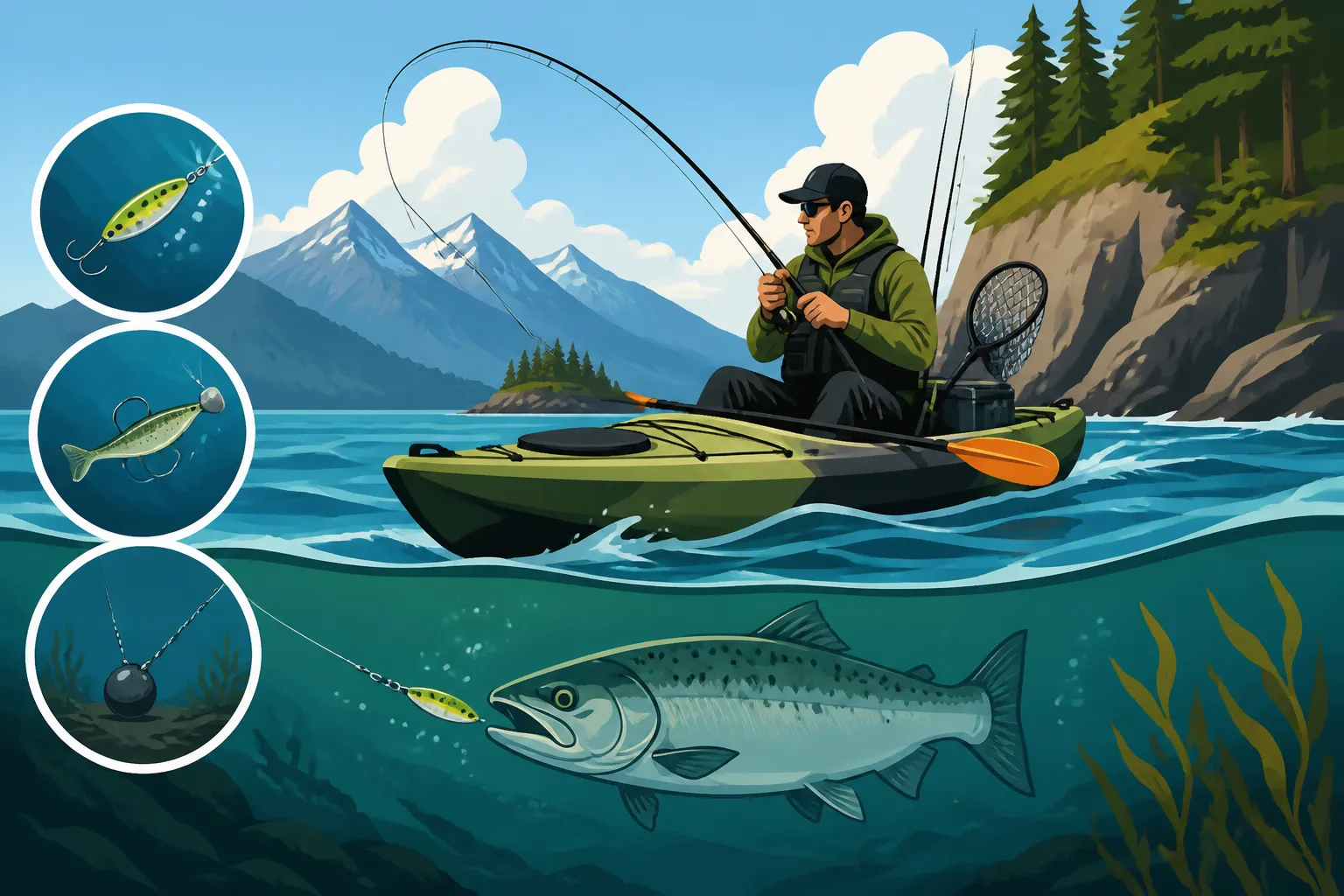
Trolling is perhaps one of the most effective and popular techniques for targeting salmon and larger trout in BC's coastal waters from a kayak. The beauty of it is that your kayak's movement provides the action for your lure or bait. You can use a single rod with a spoon, hootchy, or rigged baitfish, letting out enough line to get your offering down to the desired depth. For deeper presentations, small downriggers or diver weights are indispensable. Brands like Cannon and Scotty make compact, kayak-friendly downriggers that easily mount to your gear tracks.
The key to successful kayak trolling is maintaining a consistent speed, often around 2-3 knots, which is perfectly achievable with either a paddle or a pedal drive system. Pay attention to your fish finder to locate bait schools and depth contours where salmon might be holding. Chinook (King) and Coho (Silver) salmon are frequently caught this way, often patrolling drop-offs, kelp lines, and current seams. You'll want to ensure your setup, including your rod holders and leader strength, can handle the powerful runs of a coastal salmon. This technique is great for exploring new areas and covering a lot of water. For those aiming to land a big one, learning about the Best Salmon Fishing Spots in BC will be invaluable.
Jigging and Bottom Fishing for Halibut and Lingcod
When the goal is big, bottom-dwelling predators like halibut and lingcod, jigging and bottom fishing from a kayak is incredibly productive and offers a thrilling fight. These species often hug the bottom structure, around rocky reefs, ledges, and deep channels. To target them, you'll need heavy-duty rods and reels capable of handling large weights and powerful fish, along with strong braided line. Look for a heavy jig, often 8-16 ounces or more depending on depth and current, adorned with a large soft plastic grub or a cut bait like herring or salmon belly.
The technique involves dropping your jig or bait to the bottom, then imparting an erratic retrieve – lifting, dropping, and pausing – to entice a strike. Drift fishing over known halibut or lingcod grounds, letting the current carry your kayak and bait, can be very effective. This requires careful attention to your GPS and fish finder to stay on course and identify promising structure. When you hook into a big halibut from a kayak, be prepared for a long, intense battle; these fish can be exceptionally strong. Remember to familiarize yourself with Jigging for Halibut off Vancouver Island techniques and Halibut Fishing Techniques for BC's Coast for specific tips.
Casting and Drifting in Estuaries and Rivers
BC's coastal environment isn't just open ocean; it's also rich with estuaries and the lower reaches of rivers where salmon and trout congregate before heading upstream. Kayaks excel in these shallower, often calmer waters, allowing you to quietly drift or paddle into prime casting positions. Species like sea-run cutthroat trout, Dolly Varden, and all five species of Pacific salmon can be targeted here.
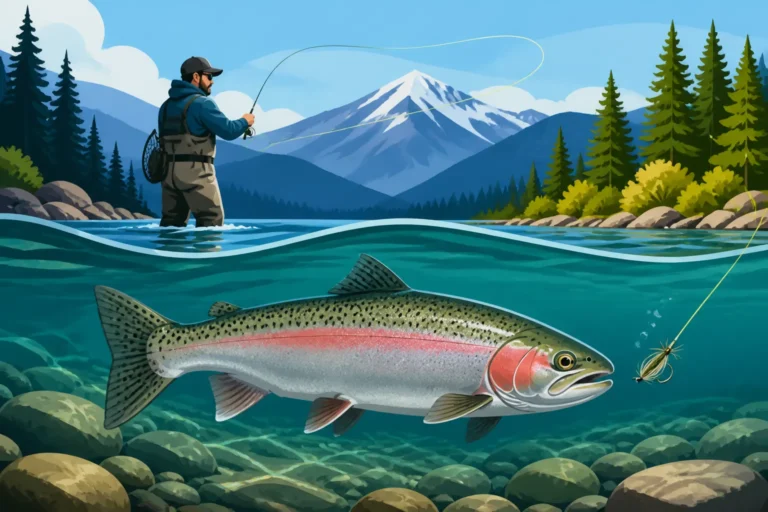
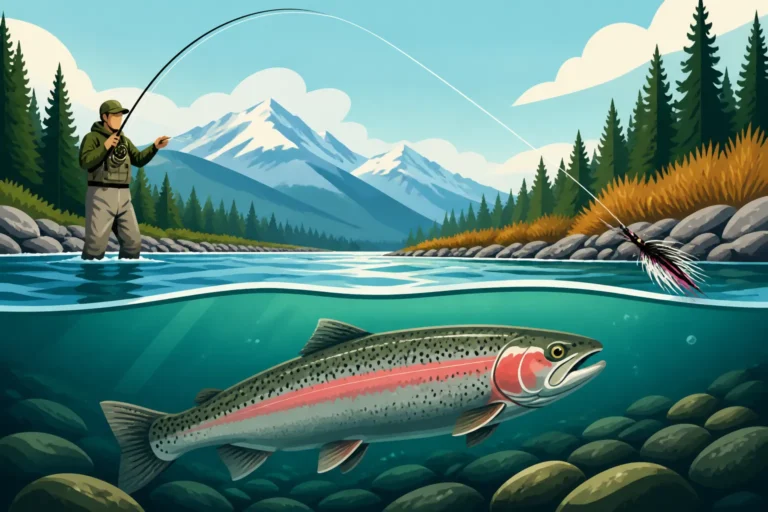
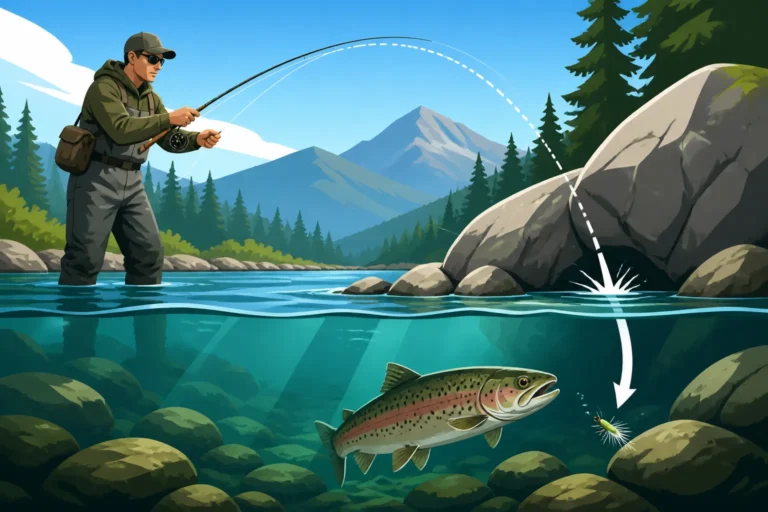
Fly fishing from a kayak in these areas is particularly rewarding. You can position yourself perfectly to cast to rising fish or along current breaks and logjams. Spin anglers can cast spoons, spinners, or small swimbaits to cruising salmon. For example, drifting the lower Squamish River in a kayak during the fall can put you right on top of migrating salmon. This technique often demands a stealthy approach, as fish in these shallower waters can be easily spooked. Pay close attention to tidal movements, as they often dictate when and where fish will be present, feeding on baitfish pushed in by the tide. You'll want to remember to check if you need a BC Freshwater vs Tidal Waters License, Explained depending on where you're fishing.
Safety First: Navigating BC's Coastal Environment in a Kayak
Safety should always be your number one priority, especially when you're out on the vast, often unpredictable coastal waters of British Columbia in a small craft. The ocean demands respect, and proper preparation can mean the difference between an epic fishing tale and a dangerous situation.
Understanding Tides, Currents, and Weather
This is arguably the most critical aspect of safe kayak fishing in BC. The Pacific Coast experiences significant tidal swings, which create powerful currents in narrow passages, around headlands, and at river mouths. Always consult tide tables and current charts before you launch. A calm, easy paddle out can turn into a strenuous, dangerous struggle against a strong ebb or flood tide on your way back. Planning your trip to go with the current and return with it is a smart strategy.
Weather can change rapidly in BC. A sunny morning can quickly give way to strong winds, rain, or fog. Always check the marine forecast before heading out, and keep an eye on the sky and water conditions. If the forecast is iffy, err on the side of caution. If you're out and conditions start to deteriorate, don't hesitate to cut your trip short. No fish is worth risking your safety. A sudden squall can quickly capsize an unprepared kayaker.
Communication and Emergency Preparedness
Beyond your PFD, paddle, and bailing device, having reliable communication and emergency gear is essential. A waterproof, fully charged cell phone is a good start, but remember that cell service can be spotty or non-existent in many remote coastal areas. A handheld VHF marine radio is a far more reliable tool for communicating with other boats, shore stations, and for calling for help in an emergency. Ensure you know how to use it, especially how to make a Mayday call.
It's also crucial to have a float plan. Tell someone on shore exactly where you're going, your planned route, when you expect to return, and what to do if you don't check in. A small anchor can be a lifesaver if you need to hold position against a current or wind. Flares, a signal mirror, and a brightly coloured safety flag are also excellent additions to your emergency kit to increase your visibility. You might also find it helpful to review What to Bring on a BC Fishing Charter as many of the general safety items apply to solo kayakers as well.
Avoiding Commercial and Recreational Boat Traffic
While you might feel alone out on the water, BC's coast is a busy place. You'll share the water with everything from massive container ships, ferries, and tugboats to smaller fishing vessels, pleasure craft, and other kayakers. As a small, low-profile craft, you are often difficult for larger vessels to see. Always assume you are invisible and take proactive steps to avoid collisions.
Stay clear of shipping lanes and ferry routes. If you must cross them, do so quickly and directly, after carefully checking for traffic in all directions. Make eye contact with operators of approaching boats if possible, and use your safety flag to enhance visibility. During peak summer months, popular spots like those found in the Vancouver Island Fishing Guide or around the Best Salmon Fishing Spots in BC can get very busy, so extra vigilance is needed. Knowing and adhering to marine navigation rules, like those outlined in BC Boating Laws for Anglers, is critical for everyone's safety.
Finding the Sweet Spots: Locating Fish from Your Kayak
Success in kayak fishing, like any fishing, comes down to finding the fish. From a kayak, this often means employing a combination of old-school water reading skills and modern electronics to pinpoint those productive zones where fish are most likely to be holding.
Reading the Water and Structure
Experienced anglers will tell you that the ocean always tells a story if you know how to listen. From a kayak, you're close enough to really "read" the water. Look for signs of baitfish – surface boils, diving birds, or even just subtle ripples in calm water – which are often indicators that predators like salmon are nearby. Current lines, where two different currents meet, can also concentrate bait and, therefore, larger fish.
Underwater structure is another key component. Kelp forests, rock outcroppings, submerged reefs, and sudden depth changes are all prime habitat for various species. Salmon might cruise the edges of kelp beds, while lingcod and rockfish will hide within the rocky crevices. Even subtle changes in bottom composition, from sand to gravel, can attract different species. When you're paddling, keep an eye on your surroundings, looking for anything that breaks up the monotony of open water, as these are often fish magnets.
Utilizing Sonar and GPS Effectively
This is where your fish finder and GPS unit become your best friends. Your sonar will paint a picture of what's below the surface: the depth, the bottom contour, and, most importantly, fish arches or bait balls. Don't just look for big red blobs; learn to interpret what your sonar is telling you. Small, dense schools of marks often indicate baitfish, which means salmon or other predators might be lurking nearby. Larger, distinct arches could be individual trophy fish.
Your GPS allows you to mark these productive spots, so you can return to them later. It's also invaluable for navigating fog, ensuring you stay on course, and knowing exactly where you are relative to potential hazards or desirable fishing grounds. When you find a good school of fish or a promising piece of structure, use your GPS to drop a waypoint. Over time, you'll build up a personal map of hot spots, greatly increasing your chances of success. Learning about how sonar helps find deep water structure on Kootenay Lake Fishing Guide can offer transferable insights for coastal waters too.
Here's a quick comparison of popular BC coastal species and effective kayak fishing techniques:
| Target Species | Preferred Habitat | Key Kayak Fishing Technique(s) | Recommended Baits/Lures | Seasonal Peak (Approx.) |
|---|---|---|---|---|
| Chinook Salmon | Coastal current lines, kelp beds, deep channels | Trolling (with downrigger/diver) | Herring, spoons, hootchies | May – September |
| Coho Salmon | Nearshore, estuaries, kelp edges, river mouths | Trolling, casting spoons/spinners | Spoons, small hootchies, fly patterns | July – October |
| Halibut | Sandy/gravel bottoms, deep drop-offs | Jigging, drift fishing | Large jigs, cut bait (herring, salmon) | May – September |
| Lingcod | Rocky reefs, kelp forests, structure | Jigging, bottom bouncing | Large jigs, swimbaits, live bait | March – October |
| Cutthroat Trout | Estuaries, shallow bays, river mouths | Casting (fly or spin), light trolling | Flies, small spoons/spinners, worms | Year-round |
| Rockfish (various) | Rocky reefs, kelp beds, structure | Jigging, bottom fishing | Small jigs, grub tails, bait | Year-round |
Advanced Tips for the Dedicated BC Kayak Angler
Once you've got the basics down and you're regularly catching fish, there are always ways to refine your skills and enhance your kayak fishing experience in BC. From optimizing your propulsion to understanding fish behavior, these advanced tips can take your game to the next level.
Pedal Drives vs. Paddles: A Comparative Look
While traditional paddles are excellent for simplicity and quiet stealth, pedal drive kayaks have revolutionized the sport for many anglers. The biggest advantage of a pedal drive system, like those from Hobie's MirageDrive or Old Town's PDL Drive, is hands-free propulsion. This allows you to continuously fish, adjust your position, or even fight a fish while still maneuvering your kayak. This is a game-changer when trolling for salmon, holding position against a current, or working a jig over a specific piece of structure.
However, pedal drives aren't without their drawbacks. They add weight and complexity to the kayak, making them harder to transport and potentially more prone to maintenance issues. They also have a deeper draft, meaning you can't go into super shallow water where a paddle kayak could. For those who enjoy the pure, simple act of paddling and want to access very skinny water, a traditional paddle kayak might still be preferred. Ultimately, the choice depends on your fishing style, the waters you frequent, and your personal priorities. Many seasoned anglers own both types for different scenarios.
Fish Handling and Conservation from a Kayak
As responsible anglers, conservation should always be top of mind, and how you handle fish from a kayak is particularly important. Landing large, powerful fish like Chinook salmon or halibut from a small kayak can be challenging. A large, rubberized landing net is essential for quickly and safely bringing fish aboard, reducing stress on both the fish and yourself. For larger fish intended for release, a sturdy lip gripper or a set of fish-friendly gloves can help you control the fish for de-hooking without harming its protective slime coat.
For catch-and-release, minimize the time the fish is out of the water. Have your camera ready for a quick photo, then release the fish gently, ensuring it's revived before letting it go. If you plan to keep your catch, a kill bag or a well-insulated cooler is vital for maintaining the quality of the fish. Bleed your fish immediately after landing to ensure the best possible flavour and texture. Always be aware of BC Bag and Possession Limits by Species and follow all regulations closely to ensure the sustainability of BC's incredible fisheries.
The Joys of Multi-Day Kayak Fishing Adventures
One of the ultimate expressions of kayak fishing in BC is the multi-day trip. Imagine paddling to a remote island, setting up camp on a secluded beach, and spending days exploring untouched fishing grounds. This allows you to truly immerse yourself in the wilderness, fish multiple tides, and target different species as conditions change. You'll need to carefully plan your gear, food, water, and safety essentials, packing everything into waterproof bags and ensuring your kayak has enough storage capacity.
Popular multi-day destinations might include parts of the Broken Group Islands, the Discovery Islands, or various inlets on the Sunshine Coast, all offering incredible fishing and stunning scenery. These trips often combine fishing with wildlife viewing, beachcombing, and simply enjoying the solitude of BC's spectacular coast. While more challenging than a day trip, the rewards of a multi-day kayak fishing adventure are immense, creating memories that will last a lifetime. For more remote waters, considering BC Fishery Notices and In-Season Closures, Explained is crucial before embarking on such an adventure.
Disclaimer
Fishing regulations, license requirements, and local conditions in British Columbia can change frequently. Always consult the most current BC Freshwater Fishing Regulations Synopsis and the Fisheries and Oceans Canada (DFO) website for tidal water regulations before heading out. Safety on the water is paramount; always wear a PFD, check weather forecasts, and tell someone your float plan. This guide is for informational purposes only and does not supersede official regulations or safety guidelines.