Triploid Rainbow Trout Stocking Program in BC
It can be incredibly frustrating to hit a beautiful lake in British Columbia, brimming with anticipation, only to find the fishing slow or the trout smaller than you'd hoped. Many anglers wonder how fisheries managers ensure a vibrant, exciting angling experience while also protecting our precious wild fish populations. This guide delves into the fascinating world of triploid rainbow trout, explaining what they are, why they're stocked, and how you can make the most of fishing for these unique, hard-fighting fish in BC.
Understanding Triploid Rainbow Trout: What Are They and Why BC Uses Them?
When you hear the term "triploid rainbow trout," you might picture something engineered or unnatural, but it's really a clever biological trick that benefits both the fish and the angler. These aren't genetically modified fish; they're simply a variation that has three sets of chromosomes instead of the usual two. This seemingly small difference has significant implications for their growth, behavior, and why they've become a cornerstone of BC's recreational fisheries.
The Science of Triploidy: More Than Just Sterile Fish
At its core, triploidy means "three sets of chromosomes." In most animals, including diploid (normal) rainbow trout, each cell contains two sets of chromosomes – one from each parent. Triploid trout, however, possess an extra set. This condition is induced in the hatchery, typically by applying a brief, carefully timed pressure or heat shock to the eggs shortly after fertilization. This shock prevents the expulsion of the second polar body, effectively doubling the maternal chromosome set and resulting in a fish with three sets. The most crucial outcome of this process is sterility. Because they cannot properly pair their three sets of chromosomes during reproductive development, triploid trout are unable to spawn. This characteristic is a game-changer for fisheries management, as it means these fish can be stocked without the risk of interbreeding with wild populations or depleting their energy on spawning efforts.
Think of it like this: a regular trout spends a significant portion of its life cycle and energy preparing for, engaging in, and recovering from spawning. They develop elaborate breeding colors, migrate, build redds (nests), and often stop feeding. A triploid trout skips all of that. Their reproductive organs remain undeveloped, allowing them to channel all that extra energy into growth and muscle development. This is why you often hear about triploids growing much larger and faster than their diploid counterparts in similar environments.
Key Characteristics of Triploid Rainbows: Growth, Fight, and Longevity
The sterility of triploid rainbow trout directly translates into several desirable traits for anglers. First and foremost is their accelerated growth rate. Without the biological imperative to reproduce, triploids focus their energy on eating and growing. This means they can reach impressive sizes relatively quickly, providing thrilling battles on the end of your line. It's not uncommon to find triploids that are significantly larger than wild or even naturally reproducing stocked trout in the same lake.
Beyond their size potential, triploids are renowned for their vigor and fighting spirit. They tend to be strong, acrobatic fighters, making for a memorable angling experience. This robust nature is partly due to their excellent condition – they're not run down by the rigors of spawning. They also tend to have a longer lifespan in the stocked environment, continuing to grow and provide angling opportunities for several seasons rather than just one or two before spawning. This combination of rapid growth, strong fighting characteristics, and sustained presence in a waterbody makes them ideal for put-grow-and-take fisheries. If you're looking for an opportunity to catch a real slab of a rainbow, a lake stocked with triploids is often your best bet.
Distinguishing Triploids from Diploids: What to Look For
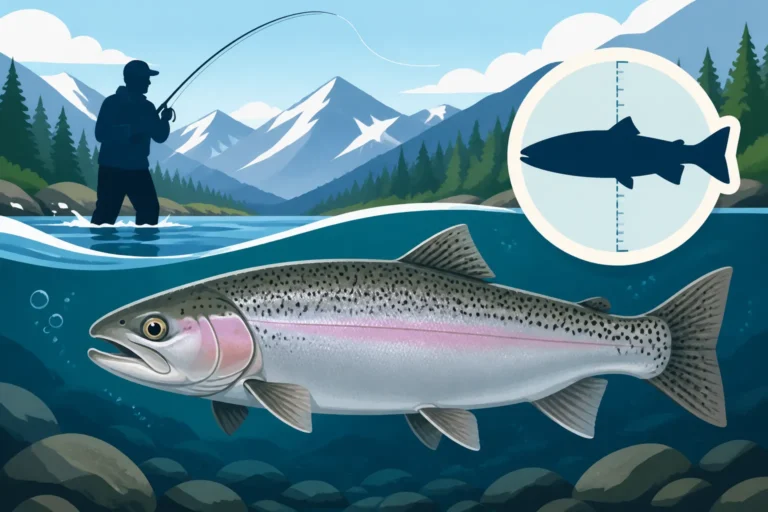
While you won't be able to tell the difference between a triploid and a diploid rainbow trout just by glancing at its scales, there are a few general indicators that might give you a clue, especially if you're pulling a larger fish from a known triploid-stocked lake. The most reliable way, of course, is to know that the lake you're fishing is specifically stocked with triploids, which you can often confirm through provincial fisheries resources.
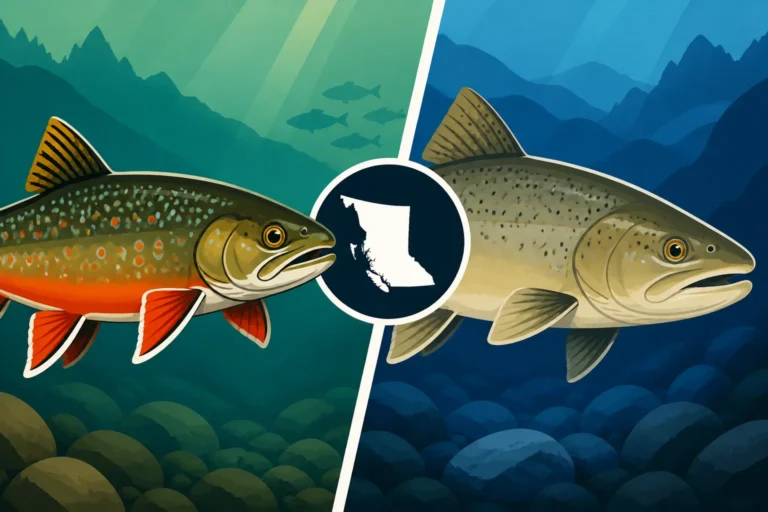
However, if you're just observing a fish, here's what to consider: Triploids often have a more robust, "football" like body shape compared to a wild, stream-reared diploid that might be more streamlined. Their fins might also appear disproportionately smaller for their large body size. Internally, a trained eye might notice undeveloped gonads, but this is clearly not something most anglers would examine. The most obvious indicator is often simply their sheer size relative to the age you'd expect a rainbow trout to be in that particular waterbody. If you're consistently catching rainbows that seem exceptionally chunky and large for their length, especially in a lake known for high stocking density, chances are good you've encountered a triploid. You can learn more about different trout varieties in our guide, Trout Species Identification Guide for BC.
The Purpose Behind BC's Stocking Program: Why Triploids Instead of Wild or Diploid?
British Columbia's diverse aquatic ecosystems are home to incredible wild fish populations, but they also support a massive recreational angling industry. Balancing these two elements—protecting wild stocks while providing ample fishing opportunities—is a constant challenge. This is where the strategic use of triploid rainbow trout stocking programs really shines, offering solutions to several complex management goals.
Enhancing Recreational Fisheries: Boosting Catch Rates and Angler Experience
One of the primary drivers behind stocking triploid rainbow trout is to enhance the recreational fishing experience for the tens of thousands of anglers who cast a line in BC each year. Many lakes, especially those with limited natural spawning habitat or heavy fishing pressure, simply couldn't sustain high catch rates through natural reproduction alone. Triploids provide a reliable, robust source of catchable fish. Because they grow faster and bigger, they offer a more exciting and rewarding challenge for anglers. Imagine a family trip where everyone has a better chance of hooking into a feisty, good-sized rainbow – that's the kind of experience triploid stocking aims to deliver.
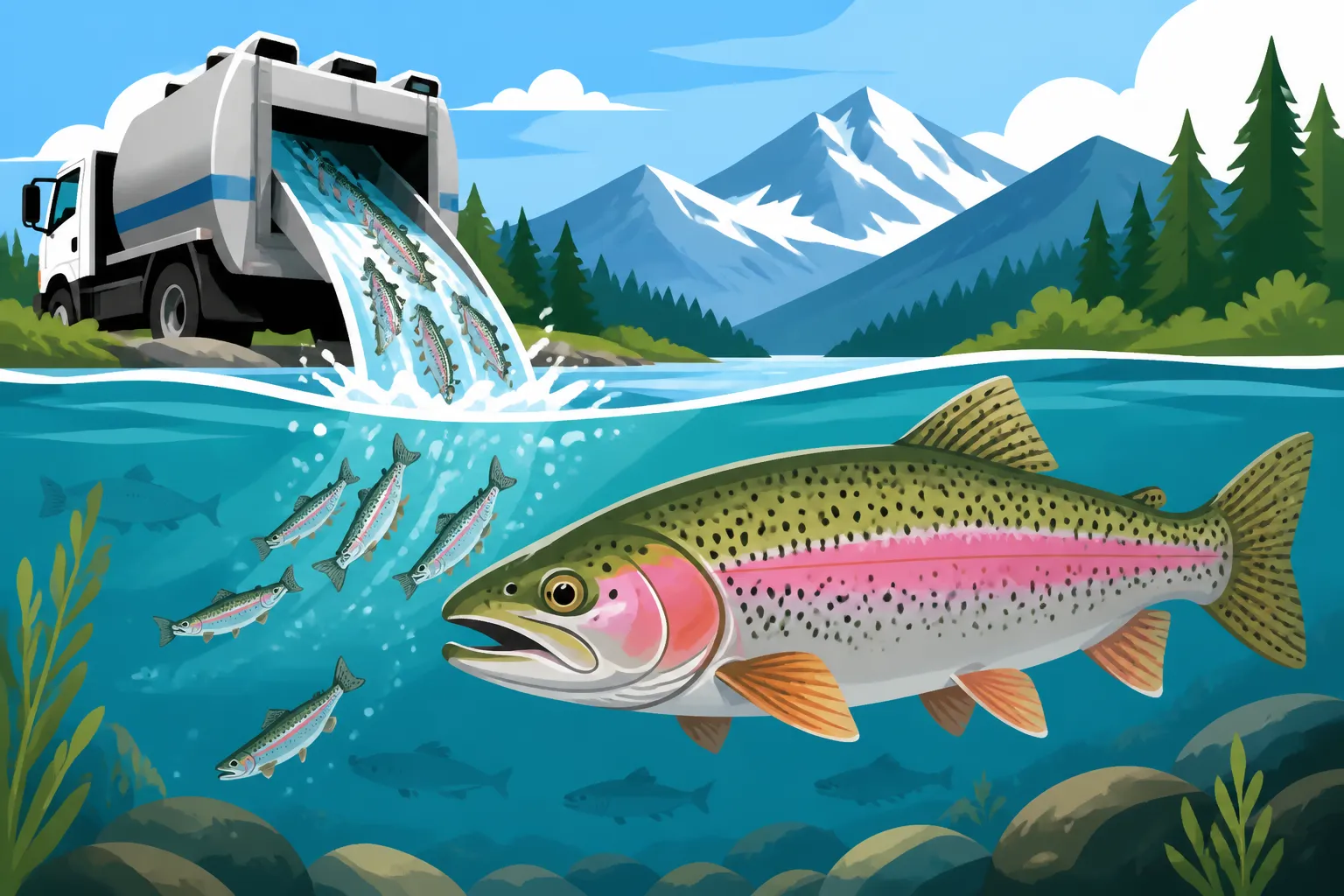
These programs effectively create "put-grow-and-take" fisheries, particularly in accessible lakes near population centers. These lakes become prime destinations for casual anglers, families, and those just learning the ropes, taking pressure off more sensitive wild fisheries. It ensures that there's always a plentiful supply of fish, improving angler success rates and keeping the sport vibrant and engaging for all skill levels. If you're looking for lakes where you're likely to have a productive day, checking out lists of stocked waters is always a smart move.
Mitigating Genetic Impacts: Protecting Native Fish Populations
This is arguably the most critical environmental benefit of using triploid trout. In the past, stocking diploid (fertile) hatchery-reared fish carried the inherent risk of genetic intermixing with wild, native populations. While increasing fish numbers, this could dilute the unique genetic adaptations of wild fish, making them less resilient to environmental changes or diseases. For example, if a hatchery fish with a less-adapted genetic makeup bred with a wild fish, it could weaken the overall gene pool of the native stock.
By stocking sterile triploid trout, this risk is virtually eliminated. Since triploids cannot reproduce, there's no chance of them interbreeding with native populations, even if they escape into a wild system. This allows fisheries managers to boost fish numbers for recreational purposes without compromising the genetic integrity of BC's precious wild trout strains. It's a delicate balance, allowing us to enjoy fishing while rigorously safeguarding the evolutionary heritage of our natural aquatic inhabitants. This distinction is particularly important in areas where BC Freshwater Salmon Retention Rules or BC Steelhead Conservation Surcharge Stamp rules are in place to protect sensitive wild populations.
Managing Fish Populations and Resources: Efficiency and Sustainability
The triploid stocking program is also a highly efficient and sustainable way to manage BC's fisheries resources. Hatcheries can produce large numbers of healthy, vigorous fish, ensuring a consistent supply for stocking. Because triploids grow quickly and focus their energy on somatic growth rather than reproduction, they convert feed more efficiently into biomass. This means more fish for anglers per unit of feed, making the hatchery operations more cost-effective.
Furthermore, their sterility means that fisheries managers don't have to worry about overpopulation issues in small, isolated lakes that might result from natural spawning of stocked fish. It also means that harvest rates can be higher, as there's no need to leave fish for spawning escapement within the stocked lake itself. This allows for a flexible and responsive management approach, where stocking levels can be adjusted based on angler demand and environmental conditions, ensuring optimal use of resources. This careful management helps support overall BC Fishing Regulations Explained.
| Feature | Diploid Rainbow Trout | Triploid Rainbow Trout |
|---|---|---|
| Chromosome Sets | Two (normal) | Three (induced) |
| Reproductive Status | Fertile, capable of spawning | Sterile, cannot spawn |
| Growth Rate | Standard, influenced by spawning | Faster, as energy diverted from spawning |
| Maximum Size Potential | Limited by energy expenditure on reproduction | Often larger due to sustained growth |
| Genetic Impact on Wilds | Potential for interbreeding | No genetic impact, sterile |
| Longevity in Fishery | May decline after spawning | Can persist and grow for multiple seasons |
| Primary Use in BC | Wild populations, some stocking | Primarily for recreational stocking |
Where You Can Find Triploid Rainbow Trout in BC: Specific Types of Waters
One of the great things about BC's triploid rainbow trout program is how widespread it is, bringing excellent fishing opportunities to many communities. If you're keen to target these fast-growing, hard-fighting fish, knowing where to look and how to find up-to-date stocking information is key.
Identifying Stocked Lakes and Ponds: How to Find Them
The best way to identify lakes and ponds stocked with triploid rainbow trout is to consult the resources provided by the Freshwater Fisheries Society of BC. They maintain comprehensive records and online databases that detail which lakes are stocked, with what species, and even the size and number of fish released. These resources are invaluable for planning your fishing trips. They often include maps, access points, and sometimes even recommended fishing methods.
Many of these stocked waters are easily accessible, located near urban centers or along major highways, making them perfect for a quick afternoon outing or a family fishing day. Don't be shy about checking these online resources; they are designed specifically to help anglers like you find success. Keeping an eye on these updates can really make a difference in your angling success. You can also find general guidance in List of BC stocked trout lakes.
Popular Regions for Triploid Stocking: Okanagan, Cariboo, etc.
While triploid rainbow trout are stocked across British Columbia, certain regions are particularly well-known for their productive triploid fisheries. The Okanagan Valley is a prime example, with many of its smaller lakes and reservoirs regularly receiving triploid plants. These waters often have good invertebrate populations, allowing the triploids to grow quickly into impressive sizes. Areas around Kamloops and the Cariboo Chilcotin also boast numerous lakes managed for trophy-sized triploids, drawing anglers from far and wide.
Even closer to the Lower Mainland, you'll find smaller lakes and ponds within an hour or two's drive that are regularly stocked, providing fantastic opportunities for urban anglers. These regional stocking efforts ensure that great fishing isn't just confined to remote wilderness areas but is accessible to a wide range of people across the province. Local tackle shops are also fantastic sources of information, as they often know exactly which lakes are fishing well and what's been stocked recently. For broader choices, check out Best Fishing Lakes in British Columbia.
Seasonal Stocking Schedules: When and Where to Expect Them
Stocking is a strategic process, and timing is everything. Triploid rainbow trout are typically stocked when water temperatures are suitable, usually in the spring and fall. Spring stocking aims to get fish into the lakes as they emerge from winter, giving them the entire growing season to bulk up before the next cold snap. Fall stocking prepares lakes for ice fishing season or for strong growth the following spring.
It's less common for large-scale stocking to occur in the heat of summer, as higher water temperatures can stress the fish. However, some higher elevation lakes with cooler water might receive summer plants. Keeping an eye on the Freshwater Fisheries Society of BC's stocking reports is the best way to stay informed about specific dates and locations. These reports will tell you not only where the fish are being released but also the average size of the stocked trout, giving you a better idea of what to expect on your next trip. Understanding these schedules can dramatically increase your chances of being on the water when the fishing is at its prime.
Fishing for Triploid Rainbow Trout: Techniques and Gear
Now that you know what triploid rainbows are and where to find them, let's talk about the fun part: catching them! These fish are often aggressive eaters and can provide some fantastic action. While they'll hit many of the same baits and lures as their diploid cousins, their larger size and vigorous fight might require a slight adjustment to your gear and approach.
Effective Lures and Baits: What They Hit
Triploid rainbow trout, being robust and often hungry, aren't usually too picky. They're often in a "growth mode," meaning they're actively looking for food.
- PowerBait & Dough Baits: These scented, moldable baits are perennial favorites for stocked trout. Rigged on a small treble hook with a sliding sinker, they float off the bottom, putting the scent right where the fish are cruising. You can find many varieties of these baits readily available on Amazon or at any local tackle shop.
- Worms & Live Bait: A classic for a reason. Earthworms, mealworms, or even small maggots can be incredibly effective. Fish them under a bobber or on a bottom rig. The natural movement and scent are often irresistible.
- Inline Spinners & Spoons: For active fishing, casting and retrieving inline spinners (like Mepps or Rooster Tail) or small spoons (such as Dick Nite or Little Cleo) can be deadly. These lures mimic baitfish or insects and provoke a strike response. Vary your retrieve speed and depth until you find what the fish are keying on.
- Flies: Fly anglers can have tremendous success with triploids. Wet flies, nymphs (like Prince Nymphs or Copper Johns), and even small streamers are excellent choices. During insect hatches, dry flies can also work, but generally, subsurface presentations are more consistent for these hungry fish. Look for patterns that imitate chironomids, leeches, or scuds. If you're new to fly fishing, a simple woolly bugger is always a good starting point. You can purchase a great selection of beginner fly fishing kits on Amazon to get you started.
Rod, Reel, and Line Recommendations: Matching Your Tackle
Because triploids can grow quite large and fight hard, you might want to consider slightly heavier tackle than you'd use for smaller stream trout.
- Rods: A light to medium-light action spinning rod, around 6 to 7 feet in length, is a versatile choice. This allows for good casting distance and provides enough backbone to handle a larger fish while still being sensitive enough to detect subtle bites. For fly fishing, a 5 or 6-weight rod is usually perfect.
- Reels: Pair your spinning rod with a reliable spinning reel in the 1000 to 2500 size range. Ensure it has a smooth drag system, which is crucial for fighting larger fish and preventing line breaks.
- Line: For spinning setups, 4-8 pound test monofilament or fluorocarbon line is a good general choice. Monofilament offers a bit of stretch and is easy to cast, while fluorocarbon is less visible underwater and more abrasion-resistant. Braided line can also be used, but you might want to add a fluorocarbon leader for stealth. For fly fishing, a weight-forward floating line is a great all-around choice. Always check your line for nicks and abrasions, especially after battling a strong fish. You can find quality fishing lines for all types of setups on Amazon.
Common Fishing Techniques: Trolling, Still Fishing, Fly Fishing
Triploid rainbow trout respond well to a variety of techniques, depending on the lake and time of year.
- Still Fishing (Bait Fishing): This is a fantastic method, especially for beginners or when fishing with kids. Find a good spot from shore or anchored boat, cast out your bait (PowerBait, worms), and wait. Using a bobber allows you to suspend your bait at a specific depth, or a bottom rig keeps it near the lakebed. This passive approach can be incredibly effective, especially in heavily stocked lakes where fish are used to feeding on readily available food.
- Trolling: If you're fishing from a boat, trolling can be very productive. Use small spoons, spinners, or even small crankbaits with a downrigger or just a bit of weight to get them to the right depth. Vary your speed and direction, often making S-curves to change the lure's action and trigger strikes. Trolling allows you to cover a lot of water and find where the fish are actively feeding. For more on this, check out Trolling Techniques for BC Lake Trout.
- Casting & Retrieving (Lure Fishing): This active technique involves casting inline spinners, spoons, or small jigs and retrieving them, varying speed and depth. It's particularly effective when fish are chasing baitfish or when you want to cover water from shore. Try to cast near structure, drop-offs, or areas where you've seen fish jump or feed.
- Fly Fishing: For the fly angler, stillwater techniques are often most effective for triploids. This includes fishing with chironomids under an indicator, stripping leeches or scuds, or even presenting dry flies if there's an active hatch. How to Catch Rainbow Trout in BC Lakes offers more specific guidance. Often, a slow retrieve with pauses can entice a reluctant bite.
Remember, flexibility is key. If one technique isn't working, don't be afraid to switch it up!
Impact and Conservation: Environmental Considerations and Success
The triploid rainbow trout stocking program isn't just about catching big fish; it's a carefully considered initiative with significant ecological and economic implications for British Columbia. It represents a modern approach to fisheries management that aims to balance angler satisfaction with robust conservation principles.
Benefits to Anglers and Local Economies: The Wider Picture
Beyond the immediate thrill of a bent rod, the triploid stocking program delivers substantial benefits to the angling community and the provincial economy. For anglers, it means more consistent success and the chance to catch larger, more exciting fish in accessible locations. This increased catchability fosters enthusiasm for the sport, encouraging new anglers to participate and keeping seasoned veterans engaged. Rainbow Trout Fishing in BC is a beloved pastime, and these programs help maintain its vitality.
Economically, a healthy recreational fishery translates into significant revenue for local communities. Anglers spend money on fishing licenses, tackle (available from local shops and online retailers like Amazon), fuel, accommodation, food, and guide services. This influx of cash supports small businesses, creates jobs, and contributes to the overall economic well-being of regions that rely on tourism and outdoor recreation. The program also helps distribute fishing pressure, preventing popular wild fisheries from being overtaxed.
Environmental Stewardship and Concerns: The Delicate Balance
While triploid stocking offers clear advantages for conservation, particularly in protecting wild genetics, fisheries managers continually weigh various environmental considerations. The primary concern is ensuring that the stocked fish do not negatively impact the existing ecosystem. This involves careful monitoring of disease transmission, competition for food resources with native species, and the overall ecological footprint of hatchery operations.
Water quality in stocking lakes is also a constant focus, as healthy environments are crucial for the triploids to thrive and grow. The program aims for a delicate balance: maximizing recreational opportunities without causing unforeseen harm to the complex natural systems of BC's lakes and rivers. Regular assessments and adaptive management strategies are employed to ensure the long-term sustainability and ecological soundness of these programs.
The Future of Triploid Stocking in BC: Ongoing Efforts
The triploid rainbow trout stocking program in BC is not a static initiative; it's an evolving one, constantly refined based on research, angler feedback, and environmental monitoring. The Freshwater Fisheries Society of BC, the main entity responsible for stocking, continuously evaluates the effectiveness of its programs. This includes assessing fish growth rates, angler satisfaction, and ecological impacts. Ongoing research into fish health, nutrition, and environmental interactions helps inform future stocking decisions.
As public interest in outdoor recreation continues to grow, so too will the demand for accessible and productive fishing opportunities. The strategic use of triploid rainbow trout will likely remain a key component of meeting this demand, allowing British Columbia to maintain its reputation as a world-class fishing destination while upholding its commitment to conservation. Ultimately, this program is a testament to how responsible fisheries management can create a win-win scenario for both fish and fishers. For specifics on annual requirements, consider reading BC Freshwater Fishing Regulations Synopsis.
Disclaimer
This article is for general informational purposes only and does not constitute professional advice. Laws, prices and regulations vary by location and change over time. Consult a qualified professional for guidance on your specific situation.