How many trout species live in BC
One of the most common questions I hear from fellow anglers, especially those new to the province, is about the sheer variety of fish available in British Columbia's waters. It can feel like a labyrinth trying to figure out what's what, particularly when it comes to trout. You're not alone if you've ever felt a bit overwhelmed trying to pin down exactly how many distinct trout species call this stunning province home. This guide will cut through the confusion, exploring the diverse world of BC's trout and char, both native and introduced, and explain why the answer isn't always as simple as a single number.
The "Trout" Identity Crisis: What Even Counts?
When you ask how many "trout species" live in British Columbia, you're actually tapping into a fascinating bit of biological and angling nuance. The term "trout" is often used quite broadly by us everyday anglers, encompassing not only true trout but also their close cousins, the char. Biologically, trout and char are distinct groups within the Salmonidae family, differing in things like tooth structure, fin markings, and the presence or absence of dark spots on a light body (char often have light spots on a darker body, while trout usually have dark spots on a lighter body).
This distinction is important not just for scientists but for anglers too, as it can sometimes affect regulations, conservation efforts, and even the techniques we use to catch them. For instance, species like Dolly Varden and Bull Trout are technically char, but they look and behave enough like trout that most of us just lump them all together. Understanding this helps explain why different sources might give you slightly different numbers. Some lists might stick strictly to "true trout," while others, like this guide, will include the char that we commonly fish for and think of as "trout" in BC. It's about demystifying the labels so you can focus on the fish!
Native vs. Introduced Species
British Columbia boasts an incredible array of native fish, and our trout and char populations are definitely among the crown jewels. These are the species that have evolved here over millennia, perfectly adapted to our diverse aquatic environments, from the glacial streams of the Coast Mountains to the vast, deep lakes of the Interior. They are often indicators of healthy ecosystems, and their conservation is paramount. When you're out on a pristine river like the Kispiox, targeting a wild steelhead, you're connecting with a truly indigenous species that has survived and thrived for eons.
However, the angling landscape of BC has also been shaped by human intervention, particularly through the introduction of non-native species. Many of these introductions happened decades, sometimes over a century ago, with the intention of enhancing sport fishing opportunities. While some introduced species have integrated relatively well, others can pose challenges to native populations by competing for food or habitat, or even preying on juvenile native fish. It’s a delicate balance, and something anglers are increasingly aware of. For example, some anglers might seek out gear like specialized lures or fly patterns on Amazon for targeting either native or introduced species, knowing that their preferences can differ.
Subspecies, Strains, and Unique Populations
Adding another layer of complexity to our "trout count" are the various subspecies and unique genetic strains that exist within a single species. The most famous example in BC is perhaps the Rainbow Trout. While Oncorhynchus mykiss (the scientific name for Rainbow Trout) is one species, within BC, we have incredibly distinct populations. Think of the mighty Gerrard Rainbow Trout of Kootenay Lake, renowned globally for its massive size, or the vibrant Kamloops Trout in Okanagan Lakes, famous for their acrobatic fights. These are all Rainbow Trout, but their specific characteristics, behaviours, and even preferred habitats can vary significantly due to their localized evolution.
Similarly, Cutthroat Trout are represented by both Coastal Cutthroat Trout and Westslope Cutthroat Trout, each with unique distribution and characteristics. These regional variations are a huge part of what makes fishing in BC so exciting – you can catch the "same" species in different parts of the province and have a completely different experience. It's a testament to the incredible biodiversity found within our provincial borders. Keeping up with these specific strains can often mean diving into resources like the BC Freshwater Fishing Regulations Synopsis for region-specific rules, as bag limits or retention rules might vary even for sub-species.
BC's Native Trout and Char Royalty: The True Locals
When we talk about the native "trout" and char of British Columbia, we're really talking about the heart and soul of our freshwater fisheries. These are the fish that define the angling experience for so many of us, from the high mountain lakes to the powerful rivers flowing to the Pacific. Their beauty, fighting spirit, and adaptability are truly remarkable.
Rainbow Trout (Oncorhynchus mykiss)
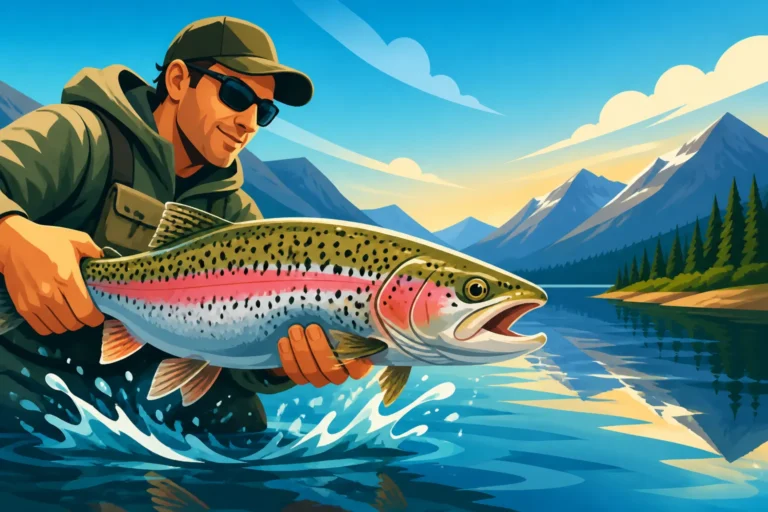
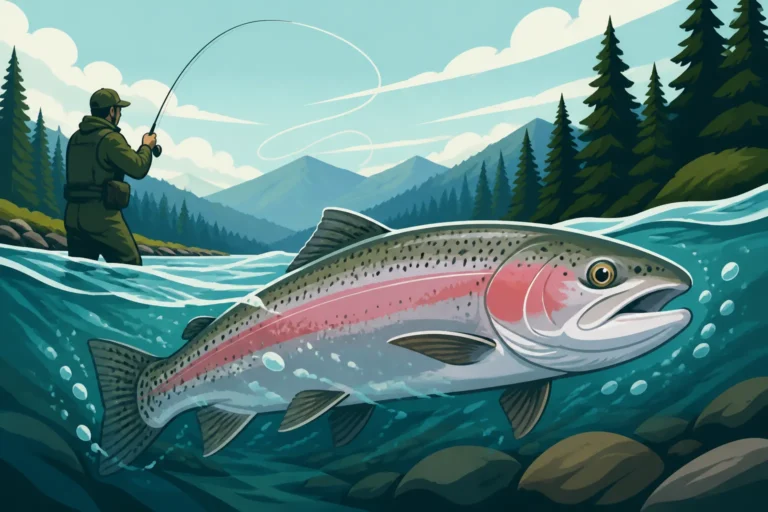
Without a doubt, the Rainbow Trout is BC's most iconic and widespread native trout species. In fact, many consider it our provincial fish, though there isn't an official designation. Found in almost every corner of the province, from small trickling streams to massive lakes and even coastal rivers as anadromous steelhead, the Rainbow is incredibly diverse. They are celebrated for their distinctive iridescent stripe down their flanks and their propensity for aggressive takes and spectacular aerial displays once hooked.
Within the Rainbow Trout species, BC hosts several genetically distinct and highly prized strains. The "Kamloops" Rainbow Trout, found primarily in the interior lakes, is famous for its vibrant colours and explosive fights, often targeted with trolling techniques or fly fishing in stillwaters. Then there's the legendary Gerrard strain from Kootenay Lake, which are truly massive, piscivorous fish that can reach incredible sizes, making them a bucket-list fish for many anglers. On the coast, resident Rainbows inhabit many lakes and streams, while their sea-run counterparts transform into Steelhead Fishing in BC, one of the most challenging and rewarding anadromous fish to pursue. Each variant offers a unique angling challenge, and understanding their subtle differences is part of the magic of fishing in BC. You might find specialized fly-fishing leaders for these specific waters on Amazon, knowing that a nuanced approach can make all the difference.
Cutthroat Trout (Oncorhynchus clarkii)
Another truly native gem, the Cutthroat Trout, is easily identifiable by the distinctive red or orange slash marks under its lower jaw – hence the name! British Columbia is home to two main subspecies: the Coastal Cutthroat Trout and the Westslope Cutthroat Trout.
- Coastal Cutthroat Trout (Oncorhynchus clarkii clarkii) are found along the Pacific coast and in the lower reaches of coastal rivers and streams, often exhibiting an anadromous life cycle, meaning they spend time in saltwater before returning to freshwater to spawn. These are beautiful fish, often with iridescent green backs fading to silver on their sides, and they can be incredibly opportunistic feeders, taking everything from insects to small fish. Anglers often target them in estuaries or smaller coastal rivers. They are a classic example of a species that thrives in the unique freshwater-saltwater interface of our province.
- Westslope Cutthroat Trout (Oncorhynchus clarkii lewisi) inhabit the eastern parts of the province, primarily in the Kootenay and Flathead drainages. These fish tend to be smaller than their coastal cousins and are typically stream-dwelling, preferring cold, clear mountain waters. They are highly prized by fly anglers for their willingness to rise to a dry fly. Cutthroat Trout in BC Coastal Streams often exhibit different feeding patterns and behaviours than those in interior streams, reflecting their diverse environments. Their conservation is particularly important in specific drainages where their populations may be vulnerable.
Bull Trout (Salvelinus confluentus)
Now we venture into the world of char, starting with the magnificent Bull Trout. While often referred to as a "trout," the Bull Trout is actually a char, easily distinguished by its cream-to-pinkish spots on a darker body and the lack of teeth on the roof of its mouth. These are apex predators of many interior BC waters, known for their aggressive nature and impressive size. Bull Trout in BC's Interior Rivers are often found in large, cold, deep lakes and the rivers that feed them, preying on other fish.
Bull Trout are a sign of healthy, cold water ecosystems and are highly valued for their sportfishing qualities. They can be challenging to catch, requiring dedication and the right techniques, often involving large streamers or spoons. Due to their predatory nature and sometimes vulnerable populations, they often fall under strict catch-and-release regulations in many areas. Understanding the difference between a Bull Trout and its cousin, the Dolly Varden, is crucial for adherence to regulations.
Dolly Varden (Salvelinus malma)
Another charismatic char species native to BC is the Dolly Varden. Historically, Dolly Varden and Bull Trout were sometimes confused or even lumped together. However, they are distinct species, though they share many similarities in appearance, often showing orange, yellow, or reddish spots on a dark body. Generally, Dolly Varden are found in coastal drainages, rivers, and streams, and often have an anadromous life cycle, moving between freshwater and saltwater, much like the Coastal Cutthroat.
Dolly Varden are beautiful fish, often with a more streamlined body shape than some Bull Trout, and they can be found in a wide variety of habitats. They are opportunistic feeders and can be a blast to catch on light tackle. When you're fishing a coastal river like the Squamish, you might encounter both resident and sea-run Dolly Varden. Knowing the Bull Trout vs Dolly Varden Identification is key, as regulations for each can sometimes differ. Both these char species add immense character to BC's native fish diversity.
Introduced Trout and Char: Adding to the Angler's Mix
While our native species are undeniably special, British Columbia's fishing opportunities have also been greatly expanded by the introduction of several non-native trout and char species. These fish have found a home in many of our lakes and rivers, providing diverse angling experiences and often thriving where native populations might be less abundant.
Brook Trout (Salvelinus fontinalis)
The Brook Trout, another char species native to eastern North America, was introduced to BC many decades ago and has established healthy, self-sustaining populations in many lakes and streams, particularly in the Interior and Cariboo regions. These fish are instantly recognizable by their vibrant, intricate patterns: worm-like markings (vermiform patterns) on their backs, red spots with blue halos along their sides, and white leading edges on their lower fins.
Brook Trout are often found in cold, clear, headwater streams and small lakes. They're typically not large fish, but what they lack in size, they make up for in beauty and willingness to bite. They are a favourite among fly anglers for their eagerness to rise to a dry fly, making them an excellent target for beginners and seasoned pros alike. They also provide fantastic opportunities for family fishing trips in many stocked lakes across the province. You can often find affordable fly-fishing kits suitable for targeting Brook Trout on Amazon, perfect for getting started.
Brown Trout (Salmo trutta)
Originally from Europe, Brown Trout were introduced to BC in the early 20th century and have established themselves in a more limited number of waters compared to Rainbows or Brook Trout. However, where they do thrive, they are highly prized by anglers. Brown Trout are known for their striking golden-brown colour, often adorned with dark spots surrounded by lighter halos, and sometimes red spots on their sides.
These fish are notoriously wary and can be challenging to catch, making them a thrilling pursuit for experienced anglers. They are often found in larger rivers and lakes where they can grow to impressive sizes, becoming very predatory and primarily feeding on other fish as they mature. Their elusive nature and powerful fights make them a true trophy for many. Specific, often larger, lures and fly patterns are needed to tempt these intelligent fish, often requiring a trip to a specialized tackle shop or a thorough search on Amazon for the right gear.
Lake Trout (Touladi) (Salvelinus namaycush)
The Lake Trout, yet another char species, is native to parts of northern North America, and while it's not universally distributed across BC, it's found in some of our larger, deeper, and colder lakes, particularly in the northern and eastern regions of the province. These are big, powerful fish, characterized by their deeply forked tails and light spots on a darker, often greyish-green, body.
Lake Trout are slow-growing and long-lived, often inhabiting the deep, cold waters of large lakes for much of the year. They are highly sought after for their trophy potential and the challenge they present. Anglers typically target them through deep trolling with heavy gear or jigging over submerged structures. Catching a large Lake Trout is a monumental feat, requiring specialized techniques and patience. They are a true testament to the cold, deep wilderness waters of British Columbia.
The Angler's Perspective: Why Knowing Matters
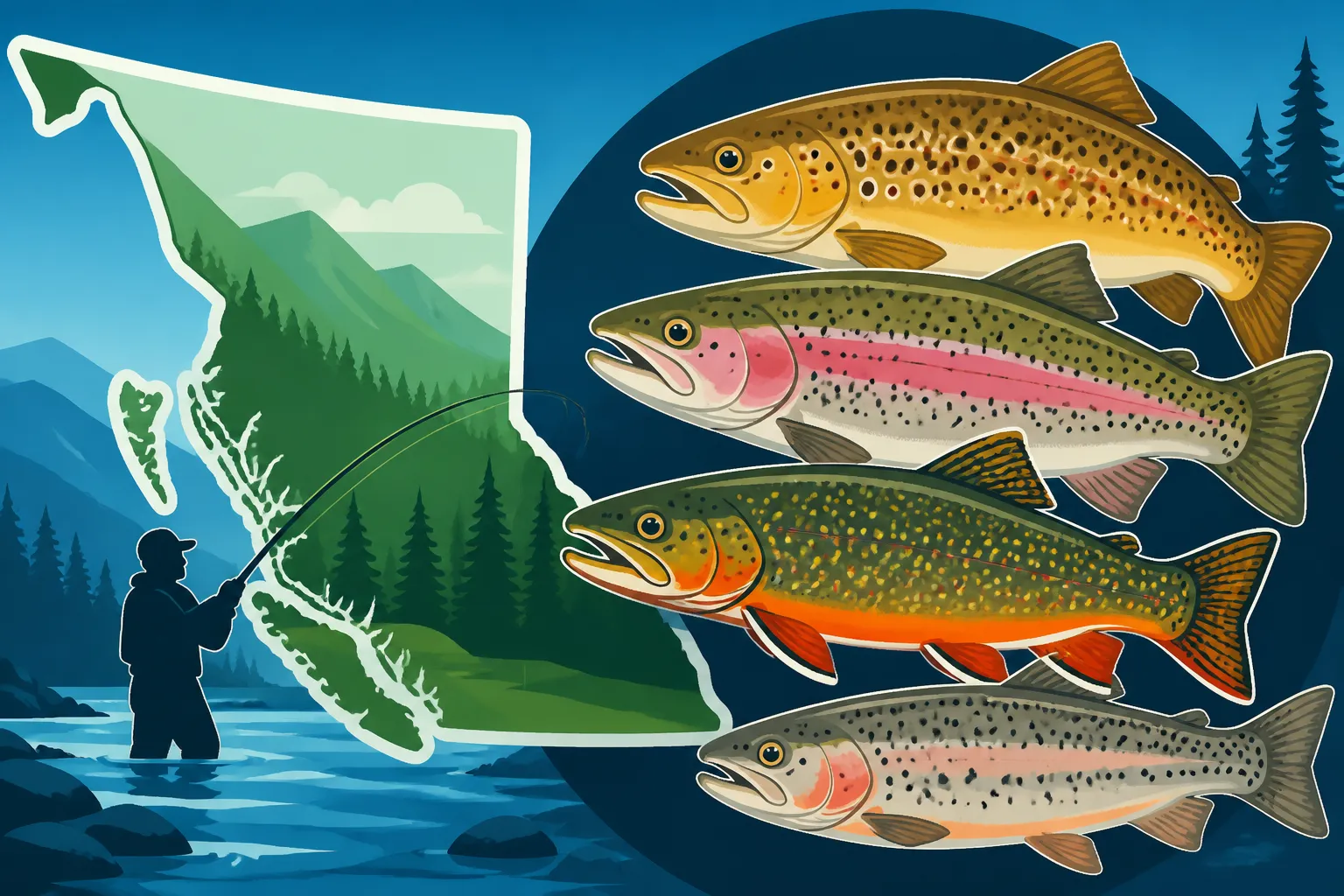
So, after delving into the specifics, how many trout species live in BC? If we broadly interpret "trout" to include all the common salmonid species that anglers refer to as trout or char, we're talking about approximately seven primary species: Rainbow Trout, Coastal Cutthroat Trout, Westslope Cutthroat Trout, Bull Trout, Dolly Varden, Brook Trout, Brown Trout, and Lake Trout. This count might simplify slightly if you only count Oncorhynchus clarkii as one Cutthroat species or Salvelinus as one Bull Trout species, but these subspecies and variations are distinct enough to be considered by anglers.
It's not just about a number; it's about appreciating the incredible diversity right here in our own backyard. Knowing the difference between these species and their individual habits helps you become a more effective and responsible angler.
Conservation and Regulations
Understanding which trout or char species you're targeting or have caught is absolutely critical for compliance with fishing regulations. BC Fishing Regulations Explained are designed to protect vulnerable populations, especially native species, and ensure sustainable fishing for generations to come. For instance, some lakes might be catch-and-release only for specific species, while others might have different BC Bag and Possession Limits by Species depending on whether you've caught a native Cutthroat or an introduced Brook Trout. Misidentifying a fish can lead to inadvertently violating regulations, which none of us want to do.
Furthermore, knowing the species helps support conservation efforts. Many native populations, such as specific strains of Rainbow Trout or Westslope Cutthroat, face unique pressures. Anglers who can correctly identify these fish and practice careful catch-and-release when required contribute directly to their survival. We all want to ensure that these incredible fish continue to thrive in BC waters. You can often learn more about specific conservation efforts and regulations by looking up Endangered and Protected Fish Species in BC.
Enhancing Your Angling Experience
Beyond regulations and conservation, knowing your BC trout and char species simply makes you a better, more knowledgeable angler. Each species has its own preferences, habits, and typical habitats. For example:
- Rainbow Trout: Often found in diverse environments, responsive to a wide range of lures, flies, and baits.
- Bull Trout/Dolly Varden: Prefer colder water, often ambush predators, requiring larger presentations.
- Brook Trout: Often in smaller streams and high-elevation lakes, aggressive feeders, great on small flies.
- Brown Trout: Wary, often nocturnal, respond well to minnow imitations or careful fly presentations.
- Lake Trout: Deep dwellers, require heavy gear and patience, often targeted by trolling or jigging.
| Trout/Char Species | Native/Introduced | Typical Habitat (General) | Common Angling Method | Key ID Features |
|---|---|---|---|---|
| Rainbow Trout | Native | Rivers, streams, lakes, coastal estuaries | Fly, spin, bait, trolling | Iridescent stripe, dark spots on light body |
| Coastal Cutthroat Trout | Native | Coastal rivers, streams, estuaries | Fly, spin, light tackle | Red/orange slash under jaw, dark spots on light body |
| Westslope Cutthroat Trout | Native | Interior mountain streams, lakes | Fly (dry), light spin | Red/orange slash, fine spots, often smaller |
| Bull Trout | Native | Cold, deep lakes and large rivers | Large lures, streamers | Light spots on darker body, large head |
| Dolly Varden | Native | Coastal rivers, streams, estuaries | Spin, fly, bait | Light spots on darker body, more slender |
| Brook Trout | Introduced | Cold streams, small lakes | Fly, spin, bait | Vermiform patterns, red spots with blue halos |
| Brown Trout | Introduced | Larger rivers, lakes (limited) | Lures, flies, live bait | Golden-brown, dark spots with light halos |
| Lake Trout | Introduced | Very deep, cold lakes | Deep trolling, jigging | Deeply forked tail, light spots on dark body |
By understanding these nuances, you can choose the right gear, select the best fishing spots, and employ the most effective techniques. Whether you're planning a trip to a remote mountain lake for Brook Trout or heading to a major river system for Rainbow Trout Fishing in BC, your knowledge of the species will truly elevate your experience. This kind of deep understanding is why many experienced anglers spend hours poring over maps, reading articles, and perhaps even checking out detailed fishing guides and books available on Amazon to hone their craft. It's about respecting the fish and the incredible waters they call home.
Disclaimer
This article is for general informational purposes only and does not constitute professional advice. Laws, prices and regulations vary by location and change over time. Consult a qualified professional for guidance on your specific situation.