Comparing Charter Boats vs River Guides in BC
Planning a fishing trip in British Columbia can feel like standing at a crossroads, especially when you're trying to decide between a thrilling ocean adventure on a charter boat and a more intimate, focused experience with a river guide. Each option offers a unique way to explore BC's incredible waters and target its diverse fish species, and picking the right one often comes down to your personal preferences, target species, and the kind of day you envision on the water. This comprehensive guide will help you navigate these choices, breaking down what each experience entails so you can make an informed decision for your next angling escapade.
Understanding British Columbia Fishing Charters
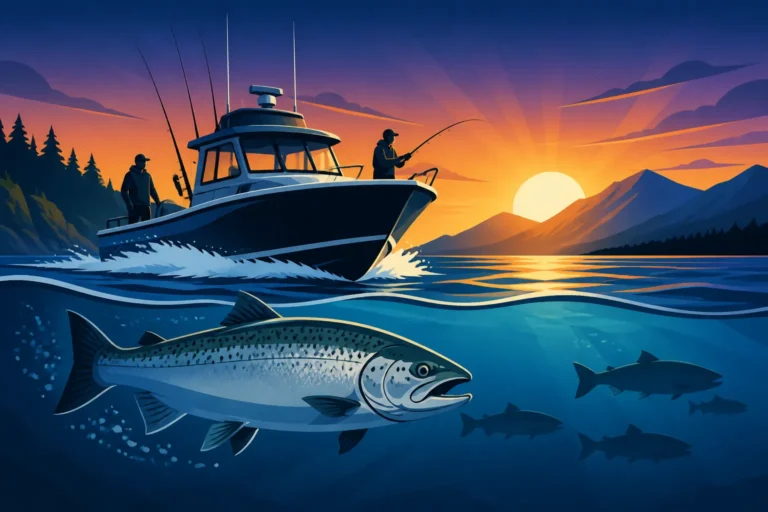
When you think of a BC fishing charter, often what comes to mind is the vast, open ocean, the salty air, and the pursuit of large, powerful game fish. These are typically boat-based operations that take you out into the coastal waters, from the sheltered inlets and sounds to the open Pacific, to target a variety of saltwater species.
Types of Charter Boats and Experiences
BC offers a diverse fleet of charter boats, catering to different group sizes and fishing styles. You might find anything from smaller, fast aluminum boats ideal for two to four anglers, perfect for getting to hot spots quickly, to larger, more stable cabin cruisers designed for comfort on longer trips or in choppier seas, accommodating larger groups. Some operators even run luxurious sportfishing yachts, offering multi-day, all-inclusive experiences out of remote lodges. The common thread is that these vessels are equipped for marine environments, often with advanced electronics like sonar, radar, and GPS, along with safety gear appropriate for coastal waters.
The experience itself can vary greatly too. Some charters focus on specific types of fishing, like downrigger trolling for salmon or deep-dropping for halibut, while others offer a mixed bag. You might spend a day out of a vibrant fishing port like Campbell River, known as the "Salmon Capital of the World," or venture from a quieter coastal community on Vancouver Island. Many charters will cater to your preferences, whether you're after a specific species or simply want a memorable day on the water with friends or family.
What's Typically Included on a Charter
One of the main draws of a charter is the all-inclusive nature of the fishing equipment and expertise. When you book a charter, you can generally expect the boat to be fully equipped with rods, reels, tackle, and bait suitable for the targeted species. The captain and crew are highly experienced, navigating the waters, setting up the gear, and often even baiting hooks and netting fish for you. This means you don't need to worry about bringing your own specialized saltwater gear, which can be expensive and cumbersome to transport.
Beyond the fishing essentials, many charters also provide important safety equipment, such as life jackets, first-aid kits, and communication devices. Some even include amenities like heated cabins, marine washrooms, and coolers for your catch and personal refreshments. It's always a good idea to confirm what's provided when you book, but generally, the goal is for you to step aboard and focus solely on the fishing experience. You'll still need to arrange your BC Freshwater vs Tidal Waters License, Explained and appropriate stamps, as these are typically the angler's responsibility, even on a guided trip.
Targeting Coastal Species
British Columbia's coastline is renowned for its incredible diversity of saltwater fish. On a charter, you're primarily going after species that inhabit the Pacific Ocean and its intricate network of inlets. The undisputed king of these waters is the Pacific Salmon, with Chinook (King), Coho (Silver), Sockeye, Pink, and Chum all making their annual migrations. Chinook and Coho are particularly prized for their fighting prowess and delicious meat, making them prime targets for many charter trips. A charter specializing in these species might focus on Salmon Fishing Techniques for BC Rivers at river mouths or in open water.
Beyond salmon, coastal charters often target bottom-dwelling species like the mighty Halibut, known for its size and superb table fare. Lingcod, a voracious predator with distinctive teeth and excellent eating quality, and various Rockfish species are also common catches. Depending on the season and location, you might also have opportunities for Dungeness crab or prawns. The beauty of a saltwater charter is the potential for a "mixed bag" day, where you might bring in a combination of different species, making each trip an exciting surprise. For the full experience, consider exploring Best Halibut Fishing Spots in BC.
Exploring the World of BC River Guides
Shifting gears from the vast ocean, a BC river guide offers a completely different, often more intimate, experience focused on the province's incredible network of freshwater rivers and sometimes large interior lakes. This is where you connect directly with the flow of the water, often wading or drifting in smaller craft, immersed in stunning natural landscapes.
Types of River Guides and Their Expertise
River guides in British Columbia are typically specialists in freshwater angling, with deep knowledge of specific river systems, fish behavior, and effective techniques. You'll find guides who focus on fly fishing for trout and steelhead, employing anything from traditional dry fly techniques to more modern Euro nymphing. Others specialize in gear fishing for species like salmon, or the immense white sturgeon that call the Fraser River home.
Their operations often involve smaller, highly maneuverable boats such as drift boats or rafts, designed to navigate rapids and shallow sections, or jet boats for covering larger stretches of water efficiently. Many guides also offer wade-fishing excursions, where they lead you to prime bank access points and teach you how to fish specific runs and pools. These guides are often passionate conservationists, intimately familiar with local regulations and the delicate ecosystems they operate within. Finding an experienced guide, perhaps through platforms like FishingBooker, is crucial for a successful river trip.
What's Included with a River Guide
Similar to ocean charters, river guides provide most, if not all, of the necessary fishing equipment. This includes specialized rods, reels, lines, and an array of flies, lures, or bait tailored to the target species and specific river conditions. If you're going after something like the ancient White Sturgeon, your guide will have heavy-duty gear capable of handling these giants. For steelhead or trout, they'll often carry a vast selection of flies or spey rods for fly anglers.
In addition to gear, your guide's expertise in reading the water, understanding fish migration patterns, and knowing the best spots at any given time is invaluable. They'll also provide transportation on the river, whether it's via drift boat, jet boat, or shuttle to various wade-in spots. Lunch, snacks, and non-alcoholic beverages are often part of the package on full-day trips. As with charters, you'll still need to have your BC Freshwater vs Tidal Waters License, Explained and any required conservation stamps in order.
Targeting Freshwater Species
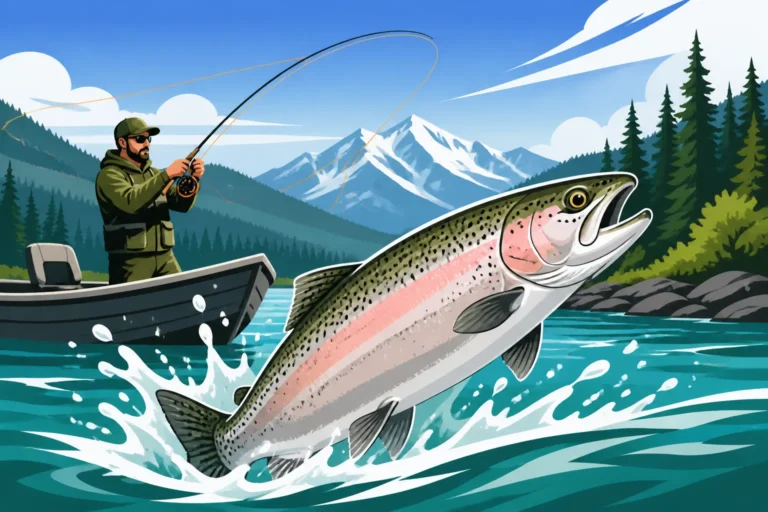
British Columbia's freshwater systems are incredibly rich, offering world-class fishing for a variety of sought-after species. The true jewels of many BC rivers are the Steelhead – sea-run rainbow trout known for their incredible strength and acrobatic fights. Rivers like the Skeena, Bulkley, and Thompson are legendary for their steelhead runs, and finding a skilled guide for How to Catch Steelhead in BC can dramatically increase your chances of success.
Beyond steelhead, you'll find excellent opportunities for resident Rainbow Trout, particularly the famous Kamloops trout in interior lakes and Gerrard rainbows of Kootenay Lake. Bull Trout and Dolly Varden also inhabit many systems, offering another exciting predatory challenge. And, of course, many of the Pacific Salmon species, like Chinook, Coho, and Sockeye, push into freshwater to spawn, providing incredible river fishing opportunities depending on the season and specific river closures. The Fraser River Fishing Guide is an excellent resource for those interested in the sheer diversity of species available in one river system, including the massive White Sturgeon. White Sturgeon Fishing on the Fraser River is a completely unique experience, often requiring specialized guiding.
Key Differences: Charter Boat vs. River Guide
While both charter boats and river guides offer guided fishing experiences, the fundamental nature of their operations, the environments they navigate, and the species they target set them apart. Understanding these core distinctions is crucial when deciding which type of adventure aligns with your expectations.
The Environment and Accessibility
The most apparent difference lies in the environment itself. Charter boats operate in the vast, often unpredictable realm of saltwater – the Pacific Ocean, its deep fjords, and intricate coastal networks. This means you're exposed to marine weather, ocean swells, and potentially longer travel times to reach distant fishing grounds. Accessibility to these boats typically involves departing from coastal marinas and harbors, often bustling hubs like those in Ucluelet, Tofino, or Prince Rupert. The sheer scale of the ocean offers a sense of boundless possibility, but also demands robust vessels and experienced marine captains.
River guides, on the other hand, navigate the more confined, yet equally dynamic, freshwater environments of rivers and lakes. The experience is often more intimate, with scenery typically dominated by dense forests, towering mountains, and the immediate riverbanks. While rivers can have challenging currents and rapids, they generally offer a different kind of exposure than the open ocean. Access points are usually smaller, often tucked away along logging roads or provincial park entrances, providing a sense of immersion in the wilderness.
The Target Species and Fishing Techniques
As we've touched upon, the species you'll encounter are distinctly different. Saltwater charters chase Pacific Salmon, Halibut, Lingcod, and various Rockfish. The techniques often involve trolling with downriggers, deep jigging, or mooching with bait. These methods are designed to cover large areas of water or target fish holding deep on structure. The fight of an ocean salmon or the tug of a large halibut is an iconic saltwater thrill.
River guides, however, focus on freshwater game. This means primarily Steelhead, various species of resident Trout (Rainbow, Cutthroat, Bull), and the anadromous salmon when they enter the rivers to spawn. And, of course, the unparalleled experience of battling a White Sturgeon on the Fraser. Techniques are often more hands-on and nuanced: fly fishing with specialized casts, drift fishing with floats or bottom-bouncing rigs, or targeting specific holding water by wading. These methods often require a more subtle approach and intimate knowledge of river currents and fish lies.
The Vessel, Gear, and Group Dynamics
The vessels themselves are tailored to their respective domains. Charter boats are typically larger, ocean-faring vessels designed for stability, comfort, and safety in marine conditions. They're often equipped with powerful engines, covered cabins, and advanced navigation systems. The gear is heavy-duty – robust rods, large reels, and terminal tackle capable of handling powerful ocean fish and deep-water currents. These boats can often accommodate larger groups, making them popular for corporate outings or multi-family trips.
River guide boats, like drift boats or jet boats, are generally smaller, more agile craft built for navigating rivers. They prioritize maneuverability in currents and shallow water. The gear is often lighter and more specialized, such as fly rods of various weights, baitcasting setups for sturgeon, or center-pin rigs for float fishing. River guides often cater to smaller groups, typically two to four anglers, which fosters a more personalized and instruction-rich experience. This intimate setting is ideal for learning new techniques or exploring specific sections of a river in detail.
Here's a quick comparison to help visualize the distinctions:
| Feature | BC Fishing Charter Boat | BC River Guide |
|---|---|---|
| Environment | Ocean, coastal inlets, deep fjords | Rivers, streams, interior lakes |
| Primary Species | Salmon (Chinook, Coho), Halibut, Lingcod, Rockfish | Steelhead, Trout (Rainbow, Bull), Sturgeon, River Salmon |
| Typical Vessel | Larger cabin cruiser, sportfisher, aluminum boat | Drift boat, jet boat, raft, or wade-in |
| Fishing Method | Trolling, deep jigging, mooching, bottom fishing | Fly fishing, drift fishing, float fishing, spinning |
| Group Size | Often 4-8+ anglers (can vary) | Usually 1-4 anglers |
| Pace | Can be faster-paced, covering more water or waiting for bites | Often slower, more focused on specific spots and techniques |
| Scenery | Coastal vistas, open ocean, islands | River valleys, forests, mountains, wilderness |
| Physical Effort | Less active (seated), reeling in large fish can be strenuous | More active (wading, casting repeatedly), varying levels |
Choosing Your Adventure: Factors to Consider
Deciding between a charter boat and a river guide isn't about one being "better" than the other; it's about finding the perfect match for your ideal fishing trip. Let's dive into the factors that will help you make that call.
Group Size and Angler Experience
Consider who you're fishing with. If you're planning a trip for a larger group – say, a family reunion with diverse ages and experience levels, or a corporate team-building outing – a saltwater charter might be a more suitable option. Larger charter boats can comfortably accommodate more people, and the crew is adept at assisting anglers of all skill levels, from complete novices to seasoned veterans. The techniques, like trolling, are often simpler for beginners to pick up, and the comfort of a cabin can be a plus for those less accustomed to the elements.
On the other hand, if your group is smaller, perhaps just two to four keen anglers, or if you're seeking a more hands-on instructional experience, a river guide is often the way to go. River trips tend to be more focused and personalized, allowing the guide to provide individualized coaching on casting techniques, reading water, and fish behavior. This is particularly beneficial for those looking to hone specific skills, like fly fishing, or for individuals who prefer a more tranquil and focused angling pursuit. You might want to consider Best Guided Trips for Beginners in BC if your group is entirely new to fishing.
Desired Catch and Location
What kind of fish gets your heart racing? This is arguably the biggest deciding factor. If landing a massive Chinook salmon, wrestling with a barn-door halibut, or exploring the vast marine ecosystem appeals to you, then a saltwater charter out of coastal towns like Tofino or Port Hardy is your prime choice. These charters are equipped and experienced in pursuing the giants of the deep and the migrating salmon runs. For specific targets like BC Halibut Bag Limit Rules and the pursuit of these flatfish, a charter is essential.
However, if your passion lies in the pursuit of elusive Steelhead, the acrobatic leaps of a Rainbow Trout, or the sheer primal power of a Fraser River Sturgeon, then a river guide is non-negotiable. Their intimate knowledge of specific river stretches, seasonal runs, and localized patterns is crucial for success in these freshwater environments. Rivers like the Skeena, Thompson, or the Fraser itself, each offer distinct freshwater experiences and target species. Think about the landscape you want to immerse yourself in – the rugged coast or the serene river valley.
Time of Year and Weather Considerations
British Columbia's fishing seasons vary significantly between saltwater and freshwater environments. Salmon runs on the coast can be strong from spring through fall, while halibut fishing is often best during warmer months. Lingcod and some rockfish can be targeted year-round, but weather plays a huge role. Ocean charters are highly susceptible to weather conditions, and rough seas can lead to cancelled trips or uncomfortable rides. It's important to be flexible and have backup plans when booking a coastal charter, especially during stormier seasons.
Freshwater fishing, particularly for Steelhead, often peaks in the spring and fall, but excellent trout fishing can be found throughout the summer. Sturgeon fishing on the Fraser is a good bet from spring to late fall. While river guides are less impacted by ocean swells, heavy rains can cause rivers to blow out, becoming high and muddy, making fishing challenging or impossible. Conversely, very low, clear water presents its own set of challenges. When planning your trip, consult local fishing reports and understand the seasonal patterns for your desired species and location. BC Fishing Seasons by Month can be a great starting point for this research.
Planning Your Trip: Booking and Logistics
Once you have a clearer idea of which type of guided fishing experience aligns best with your vision, it’s time to get into the nitty-gritty of planning and booking. A well-planned trip ensures a smooth and enjoyable time on the water.
Researching and Booking Your Guide or Charter
The first step is thorough research. Start by identifying your target location and species. For example, if you're set on salmon, you might look for Best Salmon Charters in Campbell River. If steelhead is your goal, then Best Steelhead Guides in BC would be a more appropriate search. Online platforms and dedicated guiding outfitters are excellent resources. Websites like FishingBooker can be incredibly helpful here, as they often list a wide array of guides and charters, complete with reviews, trip details, and booking availability. This allows you to compare options, check guide credentials, and find the perfect match for your needs.
When reaching out, don't hesitate to ask specific questions: What species are typically biting during your desired dates? What is the maximum group size? What exactly is included in the price? Clarifying these details upfront helps manage expectations. Remember that popular guides and charters, especially during peak seasons, can book up many months in advance, so plan to reserve your spot early. A good guide or charter will be transparent about their services and costs, ensuring you have all the information you need before committing.
Permits, Licenses, and Conservation Stamps
Regardless of whether you choose a saltwater charter or a freshwater river guide, you, as the angler, are responsible for having the appropriate fishing licenses and conservation stamps. In British Columbia, this is a critical legal requirement. For freshwater fishing, you'll need a BC Freshwater Fishing Licence, and if you plan to retain salmon, steelhead, or rainbow trout in certain areas, you'll need specific conservation stamps. For tidal (saltwater) fishing, you'll need a Tidal Waters Sport Fishing Licence, and if you're targeting salmon, a Salmon Conservation Stamp is mandatory.
These licenses and stamps can usually be purchased online through the provincial government's fish and wildlife licensing system, or from authorized vendors found in most fishing towns. It's vital to purchase these before your trip, as guides and charters are not authorized to sell them on the spot. Make sure you understand the specific regulations for the waters you'll be fishing, including bag limits and any special closures, as these can change seasonally and by location. Your guide or captain will also provide current information, but being prepared yourself is always best. British Columbia Fishing License Guide for 2026 is a fantastic resource to consult.
What to Bring and What to Expect
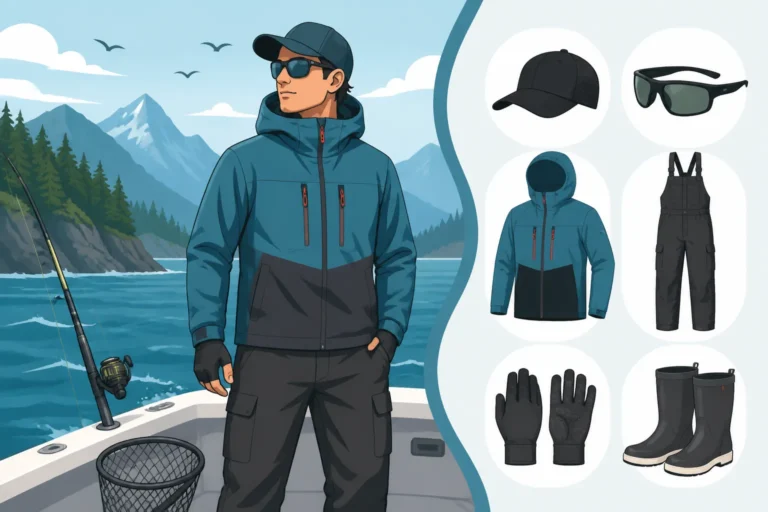
Even though guides and charters provide most of the fishing gear, there are still a few essentials you should bring to ensure a comfortable and enjoyable day. Dressing in layers is key in BC, as weather can change rapidly. Waterproof outerwear (jacket and pants) is almost always a good idea, especially on the ocean or in a drift boat. Comfortable, waterproof footwear is also highly recommended. Don't forget sunscreen, a hat, and sunglasses to protect yourself from the sun's glare, even on cloudy days.
Other useful items include a camera to capture those memorable moments, any personal medications you might need, and perhaps a small backpack for your personal effects. While some guides provide snacks and drinks, it's always wise to bring your own water bottle and any specific dietary snacks you prefer. It's also customary to consider Tipping Etiquette for BC Fishing Charters or guides, as they work hard to ensure you have a successful trip. Most importantly, bring a positive attitude and be ready to learn and have fun! Your guide or captain will typically outline exactly what to bring in your pre-trip communication.
Disclaimer
This article is for general informational purposes only and does not constitute professional advice. Laws, prices and regulations vary by location and change over time. Consult a qualified professional for guidance on your specific situation.