Best light tackle charters for coho
For many anglers, the thrill of the fight is just as important as the catch itself. If you've ever felt that larger gear dulls the excitement, especially with acrobatic fish, then you know the frustration of not getting that truly engaging battle. This comprehensive guide is here to shed light on the best light tackle charters available for coho salmon in British Columbia, helping you find an unforgettable, heart-pounding fishing experience.
Why Choose Light Tackle for Coho Salmon?
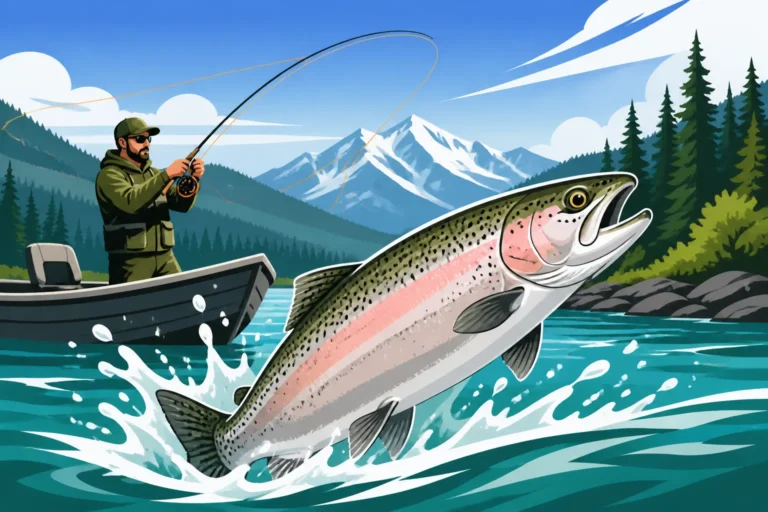
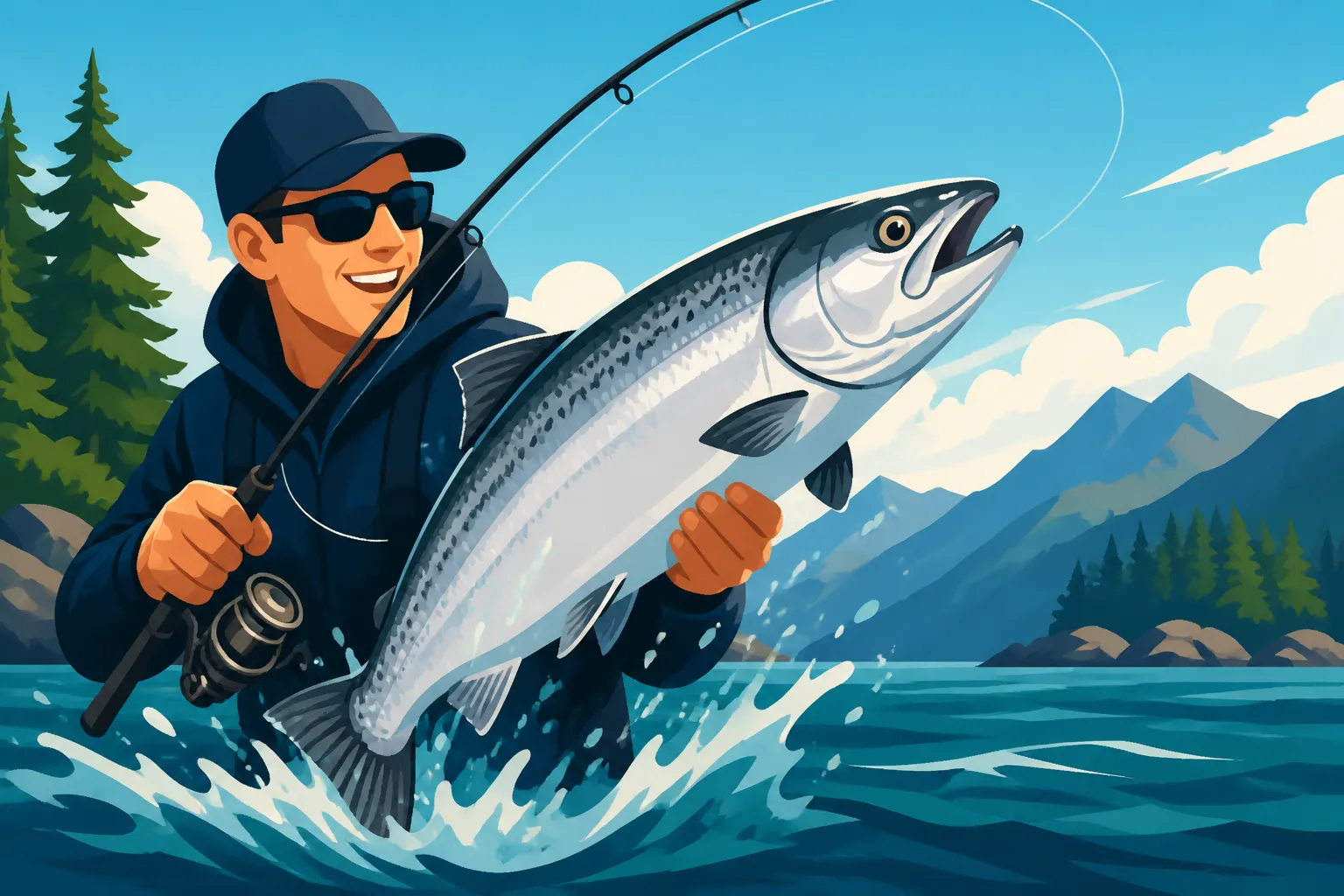
Coho salmon, often affectionately called "silvers" for their brilliant chrome flanks, are renowned for their incredible athleticism and fighting spirit. They are jumpers, tail-walkers, and acrobats, making them an absolute blast to catch on lighter gear. Using light tackle truly elevates the experience, allowing you to feel every head shake, every powerful run, and every aerial display in a way that heavier conventional gear simply can't. It's about maximizing the sport, not just the harvest.
The Thrill of the Fight on Lighter Gear
Imagine hooking into a powerful coho, feeling the instantaneous jolt transfer right through your rod to your hands. With lighter rods and lines, that initial strike is electrifying. You're not just reeling in a fish; you're dancing with it. The rod bends deeply, the drag sings, and you're constantly adjusting, anticipating the next move. This isn't a passive retrieve; it's an active, engaging battle of wits and strength. Many anglers find this heightened sensitivity and direct connection to the fish incredibly addictive. It transforms a good catch into a truly memorable angling story. For a deeper dive into these amazing fish, check out our guide on Coho Salmon Fishing in BC.
What "Light Tackle" Really Means for Coho
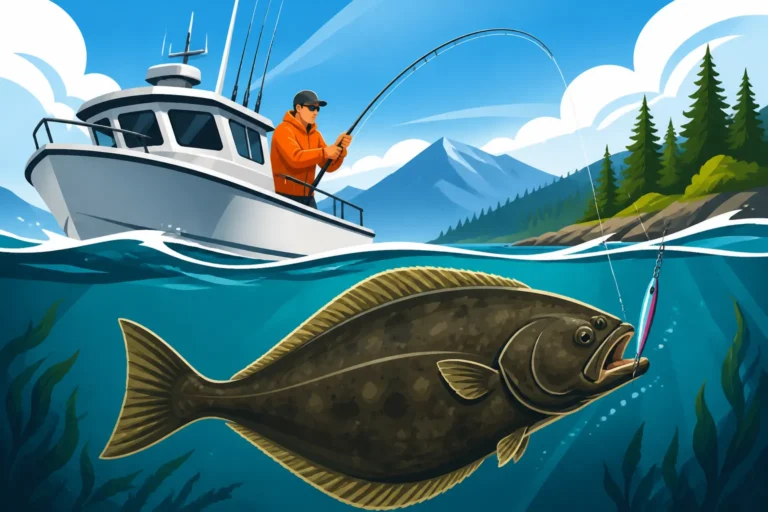
When we talk about light tackle for coho, we're typically looking at rods in the 8-12 lb class, paired with reels spooled with 8-15 lb monofilament or braid, often with a fluorocarbon leader in the 6-10 lb range. The lures and flies tend to be smaller, mimicking natural baitfish or insects more subtly. This setup is specifically chosen to match the size and fighting characteristics of coho salmon, ensuring a challenging but fair fight. It contrasts sharply with the heavy-duty gear sometimes used for larger chinook or halibut, where sheer stopping power is often the priority. The goal here is finesse and feel, allowing the fish to truly test your skills as an angler.
What to Look for in a Light Tackle Coho Charter
Finding the right charter for a light tackle coho experience can make all the difference. It's not just about finding someone with a boat; it's about finding a guide who understands the nuance of light tackle, the behaviour of coho, and prioritizes the sporting experience. A good guide will be as excited as you are about seeing a chrome coho rip line off a light setup.
Expertise in Light Tackle Techniques
The best light tackle coho guides are specialists. They aren't just taking you out; they're teaching, advising, and guiding you through the intricacies of light line fishing. This means they'll be proficient in techniques like small spoon casting, light mooching, fly fishing, or even delicate float fishing with lighter leaders. They understand that a heavy hand or an unbalanced setup can quickly lead to lost fish on light gear, and they've honed their methods to maximize your chances while preserving the sporting challenge. They'll also know how to properly handle fish caught on lighter gear to ensure a healthy release if you're practicing catch-and-release. When researching options, look for guides whose descriptions specifically mention light tackle or fly fishing for salmon. Many reputable guides list their specialties on booking platforms, and you might find excellent options when browsing through services on sites like FishingBooker.
Specialized Gear and Boat Setup
A dedicated light tackle coho charter will have the appropriate rods, reels, and terminal tackle on board. This isn't an afterthought; it's central to their operation. Expect to see a selection of medium-light to medium-action rods, well-maintained reels with smooth drags, and a variety of smaller, coho-specific lures and flies. The boat itself might also be set up for more nimble fishing, perhaps smaller and more maneuverable for getting into specific areas where coho congregate, or equipped with specific electronics to spot schools of these agile fish. Don't hesitate to ask prospective charters about their gear before booking. A good charter service should be transparent about what they provide.
Prime Locations for Coho Action
Coho salmon are found throughout BC's coastal waters and many of its rivers. Charters specializing in light tackle will often operate in areas known for strong coho runs and water conditions conducive to lighter gear. This could mean sheltered bays, river estuaries, or specific coastal currents where coho feed actively. For example, areas around Vancouver Island, especially near Campbell River and the Gulf Islands, are legendary for their coho populations. The Vancouver Island Fishing Guide offers more insights into these prime locations. Guides who frequently fish these spots will have an intimate knowledge of where the coho are moving and what they're biting on during different tides and times of year. You'll often find these specialized charters operating out of fishing towns with strong coho reputations.
| Feature | Light Tackle Coho Charter | General Salmon Charter (Heavy Tackle) |
|---|---|---|
| Primary Goal | Maximize sporting fight, enhance angler engagement | Maximize catch potential, target larger fish (Chinook) |
| Rod Weight | Medium-light to Medium (8-12 lb class) | Medium-heavy to Heavy (20-40 lb class) |
| Line Strength | 8-15 lb test (mono/braid), 6-10 lb leader | 20-50 lb test (mono/braid), 20-40 lb leader |
| Lure/Fly Size | Smaller spoons, hootchies, flies, small baitfish imitations | Larger spoons, plugs, cuttlefish, herring |
| Target Species Focus | Coho Salmon (primarily), some smaller Chinook | Chinook, Halibut, Lingcod (larger species) |
| Angler Experience | More hands-on, active fight, skill-based | More emphasis on brute force, gear does more work |
| Guide Expertise | Finesse techniques, reading coho behavior, gentle handling | Power trolling, deep dropping, heavier gear management |
| Boat & Setup | Often smaller, maneuverable boats; dedicated light gear | Larger, stable boats; heavy-duty downriggers, rod holders |
Top Spots and Seasons for Light Tackle Coho
Knowing where and when to find coho is crucial, especially when you're seeking that exhilarating light tackle experience. British Columbia is blessed with incredible coho fisheries, but some areas truly shine, particularly during peak seasons. The Best Salmon Fishing Spots in BC is a great resource if you're planning a trip.
Vancouver Island's Productive Waters
Vancouver Island is practically synonymous with salmon fishing, and its surrounding waters are outstanding for coho. Places like Campbell River, often called the "Salmon Capital of the World," offer exceptional opportunities. Here, you can find charters that specifically target coho with lighter gear, especially in the Discovery Passage and the myriad of islands and inlets. Coho are often found feeding in shallower waters and near structure, making them ideal for casting light spoons or small flies. The sheer numbers of coho that return to these waters provide ample chances for thrilling fights. For details on local guiding services, many operate out of Campbell River and can be found on services like FishingBooker, often highlighting their specialties.
Coastal River Estuaries and Feeder Streams
While offshore action is fantastic, many coastal river estuaries and lower river sections also offer incredible light tackle coho fishing, particularly as the fish gather before their upstream migration. Rivers like the Cowichan on Vancouver Island, or even some of the smaller streams closer to major population centers, can provide opportunities for fly fishing or light spin fishing for coho. These areas demand a stealthier approach and precise casts, making the light tackle experience even more rewarding. Early fall is often a prime time as the coho begin staging in these areas. You'll want to check BC Fishing Season Dates and Closures to ensure you're fishing during open periods.
Peak Season for Light Tackle Coho
The prime time for targeting coho salmon with light tackle in British Columbia generally runs from late summer through fall.
- Late Summer (August-September): This is when the first waves of coho begin to arrive in coastal waters, often aggressive and fresh from the ocean. They are actively feeding and can be incredibly eager to strike a well-presented lure or fly. Many charters will focus on these strong, ocean-bright coho.
- Fall (September-November): As fall progresses, coho continue to push into estuaries and rivers, offering fantastic opportunities for anglers looking for a more riverine or nearshore experience. These fish might start to change their coloration as they near their spawning grounds, but they retain their fighting prowess. Keep an eye on BC Fishery Notices and In-Season Closures, Explained as river conditions and regulations can change rapidly during this period.
Preparing for Your Light Tackle Coho Adventure
Embarking on a light tackle coho trip is an exciting prospect. A little preparation can go a long way in ensuring you have the best possible experience. This isn't just about packing your bags; it's about understanding what to expect and how to make the most of your time on the water.
What to Pack and Wear
Even on a guided charter, coming prepared makes a big difference. BC weather can be unpredictable, so layers are key.
- Waterproof Outerwear: A good quality waterproof and windproof jacket and pants are essential, even on a sunny day. Spray from the boat, unexpected showers, or a brisk breeze can quickly make you uncomfortable.
- Warm Layers: Think fleece, wool, or synthetic thermals. Avoid cotton next to your skin as it loses its insulating properties when wet.
- Footwear: Waterproof boots with good grip are ideal. Deck shoes or sneakers can work on calmer days, but wet feet are no fun.
- Hat, Sunglasses, and Sunscreen: Even on overcast days, UV radiation can be strong, especially reflecting off the water. A wide-brimmed hat and polarized sunglasses are invaluable for spotting fish and protecting your eyes.
- Snacks and Drinks: While some charters might provide light refreshments, it's always wise to bring your own snacks and plenty of water to stay hydrated.
- Camera: You'll want to capture those acrobatic coho moments! Ensure it's waterproof or in a protective case.
Remember that for a more detailed packing list, you can always refer to What to Bring on a BC Fishing Charter.
Understanding Licensing and Regulations
Before you even step on the boat, ensuring you have the correct fishing license is paramount. For coho salmon, you'll need a valid basic BC Tidal Waters Fishing Licence. Crucially, if you intend to retain any salmon, you'll also need to purchase an additional Salmon Conservation Stamp. These stamps contribute directly to salmon habitat restoration and conservation efforts. Your guide will provide insights into daily bag and possession limits for coho, which can vary by area and time of year. Always listen carefully to your guide regarding retention rules, as they are the most current on in-season closures and specific area regulations. You can find more information on licensing in our guide to BC Fishing Regulations Explained. If you're using a booking platform like FishingBooker, they often have helpful links or reminders about licensing requirements.
Charter Etiquette and Expectations
A light tackle coho charter is a partnership between you and your guide. Be respectful of their expertise and their boat.
- Listen to Your Guide: They are on the water constantly and know the local conditions, fish movements, and optimal techniques. Their advice is invaluable.
- Ask Questions: If you're unsure about a technique or a regulation, don't hesitate to ask. This is your opportunity to learn.
- Be Mindful of Fellow Anglers: If it's a shared charter, ensure you're sharing space and opportunities fairly.
- Tipping: It's customary to tip your guide and any deckhands for a good day's work. A general guideline is 15-20% of the trip cost if you had an excellent experience. Our guide on Tipping Etiquette for BC Fishing Charters provides more details.
- Catch & Release: Be prepared for catch and release, especially for wild coho, as conservation is a high priority. Learn proper fish handling techniques to ensure the fish's survival. Your guide will show you how. Remember, the goal with light tackle is the sporting challenge, and a healthy release often completes that circle.
Maximizing Your Light Tackle Coho Experience
So, you've booked your charter, you're geared up, and you're ready to hit the water. How can you ensure this light tackle coho trip becomes one of your most cherished fishing memories? It's about being present, adaptable, and open to the learning experience.
Being Adaptable to Conditions
Fishing, especially for migratory species like coho, is rarely predictable. Weather, tides, water clarity, and baitfish availability all play a role in how the fish behave. A great light tackle coho guide will adapt their strategy based on these variables, and you should be ready to adapt with them. If the coho aren't responding to one presentation, be open to trying another. This might mean switching from a spoon to a small hootchie, or changing your retrieve speed. The beauty of light tackle is its versatility; smaller presentations can often be more effective when fish are finicky. Understanding Best Time of Day to Catch Salmon can also give you an edge, but flexibility is always key.
Mastering the Art of the Light Tackle Hookset
With lighter gear, your hookset technique becomes crucial. It's often not about a huge, sweeping motion that might snap a light leader or pull the hook. Instead, it's a firm, steady lift of the rod, allowing the rod's flex to drive the hook home. Coho can have soft mouths, and light tackle means you need to be precise. Your guide will likely demonstrate the best technique for the specific tackle and lures you're using. Practice makes perfect, and each coho on light tackle will teach you something new about the subtle art of the hookset. This skill is vital for success, particularly with the vibrant Coho Salmon Habits in Coastal Streams.
Enjoying the Process and the Scenery
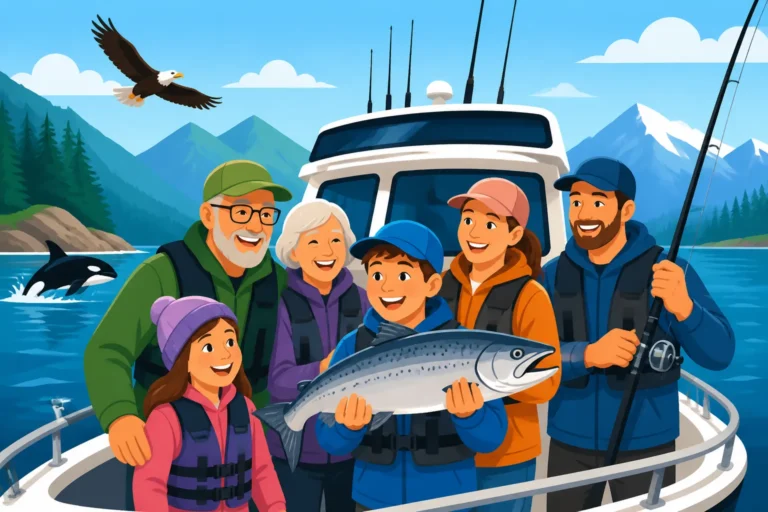
Beyond the exhilarating battles, remember to soak in the stunning natural beauty of British Columbia. The coastal landscapes, the rugged islands, and the potential for wildlife sightings (eagles, seals, sometimes even whales!) are all part of the BC fishing experience. Light tackle coho fishing is as much about the journey as it is the destination. The focus on a more engaging fight means you're more attuned to your surroundings and the subtle cues from the water. Don't be afraid to put your rod down for a moment to truly appreciate where you are. A light tackle coho charter isn't just a fishing trip; it's an immersive outdoor adventure, offering a dynamic way to experience one of BC's most exciting sportfish.
Disclaimer
This article is for general informational purposes only and does not constitute professional advice. Laws, prices and regulations vary by location and change over time. Consult a qualified professional for guidance on your specific situation.