Best Guided Trips for Beginners in BC
Stepping into the vast and incredible world of British Columbia fishing can feel like trying to navigate a dense coastal rainforest blindfolded. The sheer number of lakes, rivers, and ocean stretches, combined with diverse species and ever-changing regulations, can be incredibly daunting for anyone just starting out. It's easy to feel lost before you even cast a line. This guide is designed specifically for you, the beginner angler, to demystify the process and show you how a guided fishing trip can be your ultimate advantage, ensuring a safe, fun, and memorable first experience on BC’s spectacular waters.
Why a Guided Fishing Trip is a Beginner's Best Friend in BC
For those new to the rod and reel, British Columbia's fishing scene can be overwhelming. From the mighty Fraser River to the expansive Pacific Ocean, each body of water presents its own unique challenges and rewards. A guided trip isn't just a luxury; it's an invaluable educational experience that provides a crucial foundation for aspiring anglers.
Overcoming the Knowledge Barrier
One of the biggest frustrations for beginner anglers in BC is simply knowing where to begin. You've heard tales of monstrous salmon and prehistoric sturgeon, but how do you actually find them? What time of year is best? What tackle should you use? Without a guide, navigating these questions can lead to countless hours of trial and error, often resulting in frustration rather than fish.
A seasoned BC fishing guide is essentially a walking, talking encyclopedia of local knowledge. They spend countless hours on the water, tracking fish movements, understanding seasonal patterns, and observing the subtle cues that indicate a productive fishing spot. They know the current hotspots, the exact techniques required for different species, and how to "read" the water – identifying promising seams in a river or structures in the ocean where fish are likely to hold. This expertise instantly levels the playing field, allowing you to bypass the steep learning curve and get straight to the action. Imagine trying to locate the prime feeding grounds for salmon in the vast expanse of the Georgia Strait, or pinpointing the exact deep holes where sturgeon lie in the Fraser River, all on your own. A guide has done the homework for you, ensuring your time on the water is maximized.
Access to Expertise and Equipment
Another significant hurdle for beginners is the financial and logistical burden of acquiring the right gear. British Columbia fishing often demands specialized equipment – heavy-duty rods and reels for battling Fraser River sturgeon, sensitive setups for delicate trout presentations, or sophisticated trolling gear for ocean salmon. Investing in all of this before you even know if you truly enjoy a particular type of fishing can be cost-prohibitive. And even if you do buy gear, knowing what's appropriate and how to use it correctly is a skill in itself.
This is where a guided trip shines. Reputable guides provide all the necessary, high-quality fishing equipment. This includes the rods, reels, lines, specialized lures, and bait, all meticulously maintained and perfectly suited to the target species and conditions. This means you don't have to break the bank to get started, and you can try out different setups without commitment. Furthermore, the guide will show you how to properly use everything, from tying knots to casting techniques and bait presentation. You'll learn the nuances of gear selection and how each piece contributes to success. For instance, on a sturgeon trip, you'll be using heavy conventional gear designed for powerful fish, and the guide will teach you how to properly fight and safely handle such a large creature. You might even discover a preference for certain rod actions or reel types that you can then consider for your own future purchases.
Safety and Confidence on the Water
For many beginners, the sheer thought of navigating unfamiliar waters can be a source of anxiety. Rivers can have strong, unpredictable currents, especially after rain, and coastal waters are subject to tides, unpredictable weather, and hidden hazards. Operating a boat safely, understanding marine navigation rules, or even simply knowing how to wade a river without slipping can be intimidating tasks that detract from the enjoyment of fishing.
A professional fishing guide prioritizes your safety above all else. They are experienced boat operators, intimately familiar with local waterways, including potential hazards like submerged logs, shifting sandbars, or rocky shorelines. They understand the intricacies of weather patterns and tidal shifts, making informed decisions to ensure a safe and comfortable outing. Your guide will ensure all necessary safety equipment is on board, from life jackets to first-aid kits, and will know how to react in an emergency. This peace of mind allows you to fully immerse yourself in the fishing experience, focusing on learning and enjoying the beautiful BC scenery rather than worrying about navigation or safety protocols. You can simply relax and cast your line, knowing you're in capable hands. This builds immense confidence and transforms a potentially stressful outing into a truly relaxing adventure.
Essential Qualities of a Great Beginner-Friendly Guide
Not all guides are created equal, especially when it comes to catering to newcomers. Finding the right mentor for your first BC fishing adventure can make all the difference between a frustrating outing and an inspiring experience that ignites a lifelong passion.
Patience and Teaching Prowess
It's a common misconception that all fishing guides are natural-born teachers. While many are incredibly skilled anglers, some might lack the patience or communication skills required to effectively instruct someone with little to no experience. Beginners need a guide who understands that they're starting from scratch – someone who can explain complex concepts in simple terms, demonstrate techniques repeatedly, and offer gentle, constructive feedback without making them feel inadequate.
A truly beginner-friendly guide will possess a calm demeanor and a genuine passion for sharing their knowledge. They won't rush you through explanations or get frustrated if you tangle your line for the fifth time. Instead, they'll break down casting, bait presentation, or fish fighting into manageable steps, offering tips and tricks that resonate with a novice. Look for guides whose reviews frequently mention their patience, their ability to teach, and how supportive they were throughout the trip. Platforms like FishingBooker are excellent resources for finding such guides, as past clients often highlight these very qualities in their testimonials. A guide who takes the time to explain why certain techniques work, rather than just how to do them, will accelerate your learning significantly.
Comprehensive Local Knowledge and Specialization
British Columbia's fisheries are incredibly diverse, from the glacial rivers of the north to the temperate rainforest estuaries and vast ocean expanses. A guide who claims to be an expert in "all BC fishing" might be spread too thin. For a truly focused and effective beginner experience, you want someone who specializes in the specific type of fishing and the particular body of water you're interested in exploring.
A great guide will be a walking encyclopedia for their chosen fishery. If you're targeting salmon on the West Coast, they should know the local migration patterns, preferred baitfish, and the most effective trolling or mooching techniques for that specific area. If you're after White Sturgeon Fishing on the Fraser River, your guide should be intimately familiar with the river's unique structure, current eddies, and the subtle signs that indicate sturgeon activity. This specialization ensures that you're not only in the best hands for that particular fish but also learning the most relevant and effective strategies. Don't be afraid to ask about their specific areas of expertise when booking. This allows them to tailor the trip to your interests and the conditions, leading to a more productive and educational outing.
Safety First Mentality and Proper Licensing
While the thrill of the catch is what often draws us to fishing, safety should always be the top priority, especially when venturing into unfamiliar waters. A red flag for any guide is a casual attitude towards safety. You need a professional who puts your well-being first, ensuring all necessary precautions are in place.
A top-tier guide will adhere to all safety regulations and possess the appropriate licensing and certifications. This includes holding valid marine certifications (like a Pleasure Craft Operator Card or higher commercial licenses for ocean charters), first aid certification, and being fully insured. They will provide a safety briefing before departure, ensure that properly fitted life jackets are on board and accessible (and often insist you wear them, especially in certain conditions or while on smaller boats), and demonstrate safe handling practices for both fish and equipment. Don't hesitate to ask about their credentials and safety protocols. Reputable operators are proud to share this information. For those considering an ocean-based adventure, understanding Licensing Requirements for BC Charter Captains can give you peace of mind that your captain is fully qualified and operates legally. This commitment to safety allows you to relax and enjoy the fishing, knowing you're in competent and responsible hands.
Top BC Destinations and Species for First-Timers
British Columbia offers an astounding array of fishing opportunities, but for beginners, some destinations and target species are simply more accessible and rewarding than others. These spots often boast consistent action and offer a fantastic introduction to specific fishing techniques.
Fraser River for White Sturgeon
If you're looking for an unforgettable experience that combines history, immense power, and a truly unique catch, a guided trip for White Sturgeon on the Fraser River is an excellent choice for beginners. These magnificent, prehistoric fish can grow to epic proportions, and the sheer adrenaline rush of hooking and battling one is unparalleled. While the fish themselves are massive, the techniques used to catch them are surprisingly straightforward, often involving anchoring the boat and bait fishing the bottom, making it very accessible for novices.
The value of a guide on the Fraser River for sturgeon cannot be overstated. The river itself is powerful and complex, with shifting channels, strong currents, and numerous hazards. A professional sturgeon guide will safely navigate these waters, position the boat in proven sturgeon holes, and provide the heavy-duty rods, reels, and specialized tackle needed to land these giants. More importantly, they are experts in the delicate art of safely handling and releasing sturgeon, which is crucial as they are a protected species requiring immediate catch and release. You'll learn about proper fish welfare, how to take quick measurements, and how to revive them before release. The feeling of gently releasing a fish that could be older than you is incredibly humbling. A trip targeting White Sturgeon Fishing on the Fraser River is not just about catching fish; it's an immersive lesson in conservation and a truly iconic BC adventure.
Vancouver Island and Coastal Waters for Salmon and Halibut
For those dreaming of reeling in a mighty salmon or a flat, powerful halibut, the coastal waters of British Columbia, particularly around Vancouver Island's west coast like Tofino or Ucluelet, or the calmer waters near Campbell River, offer world-class opportunities. These areas are renowned for consistent action and provide a classic saltwater fishing experience. While ocean fishing can seem intimidating, a guided charter makes it incredibly approachable for beginners.
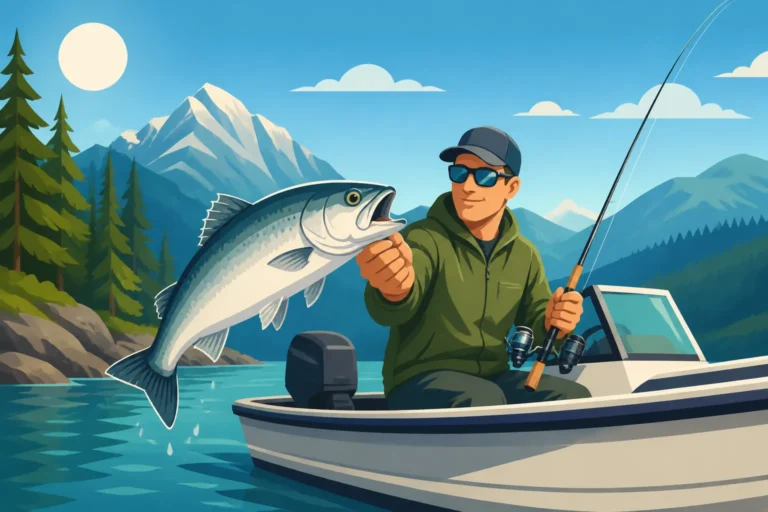
Saltwater charters provide everything you need: a comfortable, safe boat, specialized gear for trolling (dragging lures behind the boat) or jigging (vertically working a lure), and the deep expertise required to navigate the open ocean. Your guide will know where the baitfish are schooling, which usually means where the salmon and halibut will be. You'll learn about different salmon species like the powerful Chinook and the acrobatic Coho, and how to differentiate between them. For halibut, you'll learn deep-water jigging techniques using heavy weights and specialized baits. The experience of hooking a strong Chinook salmon and battling it to the boat with the stunning coastal mountains and islands as your backdrop is truly exhilarating. Charters departing from ports on Vancouver Island, easily found and compared on platforms like FishingBooker, offer diverse options for targeting these prized species. They can also provide insights into specific local regulations, such as BC Halibut Bag Limit Rules or BC Chinook Salmon Non-Retention Areas, ensuring a responsible and compliant trip.
Interior Lakes for Rainbow Trout and Kokanee
If a more serene, freshwater experience appeals to you, British Columbia's interior lakes are teeming with opportunities for Rainbow Trout and Kokanee (landlocked sockeye salmon). Destinations like the Okanagan Valley, Kootenay Lake, or countless smaller lakes in the Cariboo region offer picturesque settings and often more predictable fishing, making them ideal for a relaxed beginner trip. The techniques are often less physically demanding than battling a large ocean fish or a river monster, focusing more on finesse and presentation.
A freshwater lake guide will teach you invaluable skills, whether it's trolling with downriggers for suspended Kokanee, casting spinners or spoons for aggressive Rainbow Trout, or even the basics of fly fishing in a calm bay. They understand the nuances of lake fishing, such as reading a fish finder to locate schools, understanding water temperatures, and choosing the right lure color for the conditions. Many guides specialize in family-friendly trips, making these lakes perfect for introducing younger anglers to the sport. Learning How to Catch Rainbow Trout in BC Lakes or mastering Best Kokanee Trolling Techniques for Okanagan Lake in a tranquil environment can be incredibly rewarding and instill a deep appreciation for freshwater ecosystems. The beauty of the surrounding wilderness, combined with the satisfaction of catching delicious table fare, makes interior lake fishing a fantastic starting point for any beginner.
Different Types of Guided Trips for the Novice Angler
When you're ready to book your first guided fishing trip in BC, you'll discover a variety of formats and durations. Understanding these options will help you choose the experience that best suits your comfort level, budget, and learning goals as a beginner.
Half-Day vs. Full-Day Charters
The duration of your guided trip is a significant factor for beginners. Half-day trips typically run for 4-5 hours, while full-day trips can last 8-10 hours or more. For many first-timers, a half-day charter is an excellent introduction. It provides enough time to learn the basic techniques, feel the thrill of hooking a few fish, and get a taste of the experience without becoming overly fatigued or overwhelmed. It's like a sampler platter of fishing – just enough to whet your appetite. It's particularly good if you're unsure about seasickness on ocean charters or if you have a shorter attention span.
Full-day trips, on the other hand, offer more comprehensive fishing time. This means more opportunities to try different techniques, explore various fishing spots, and potentially target a wider range of species. While this can lead to greater success and a deeper dive into the fishing process, it can also be physically demanding for someone not used to being on the water all day. If you're eager to maximize your learning and don't mind a longer commitment, a full-day trip with a patient guide can be incredibly rewarding. Many Best Half-Day Fishing Charters in BC are specifically designed with beginners and families in mind, offering a relaxed and focused introduction to the sport. Discussing your energy levels and expectations with the guide beforehand will help you make the best choice.
Group vs. Private Trips
Another important consideration is whether you prefer a shared experience or one-on-one instruction. Group trips, sometimes called "open boat" or "shared charters," are generally more budget-friendly. You'll share the boat and the guide's attention with other anglers, which can be a fun social experience. However, the guide's time and focus will be divided, meaning less personalized instruction for you. This might be fine if you're a quick learner or prefer to observe others.
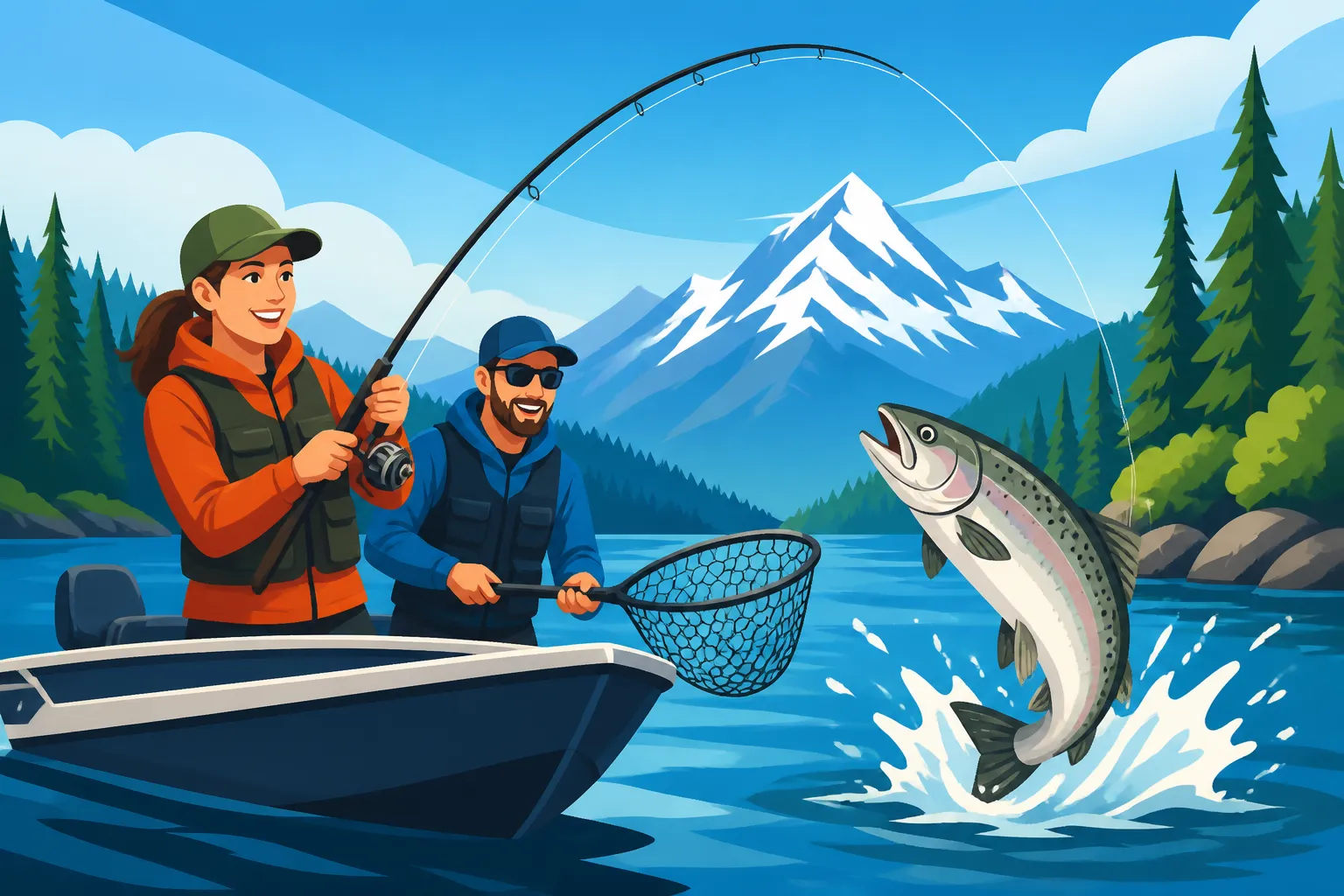
Private charters, while typically more expensive, offer an unparalleled learning environment for beginners. You have the guide's undivided attention, allowing them to tailor the instruction and the pace of the trip entirely to your needs and interests. If you're shy about asking questions, want to focus on a specific skill, or prefer a slower, more deliberate approach to learning, a private trip is highly recommended. It accelerates the learning process significantly, as the guide can correct your technique in real-time and provide continuous feedback. For example, if you want to really nail your casting technique or spend extra time on knot tying, a private guide can dedicate that time just to you. Many Best Private Fishing Charters in BC cater to this personalized instructional style, making them an excellent investment for serious beginners.
Specific Species Focus Trips
Some guided trips are designed to target one or two specific species, while others might offer a multi-species approach. For beginners, deciding on a species focus can simplify the learning process by allowing you to concentrate on a specific set of techniques and fish behaviors. If you have a dream of catching a massive Chinook salmon or battling a powerful sturgeon, booking a trip with a guide who specializes in that particular fish is ideal. They will have all the specialized gear, knowledge, and experience to put you on your target.
Alternatively, some guides offer "combo" trips or target a broader range of species depending on what's available and biting. This can be a great option if you're new to fishing altogether and want to experience different types of action. For instance, a coastal charter might target salmon in the morning and switch to bottom fish like lingcod or rockfish in the afternoon. When booking, be clear with your guide about what you hope to catch and what kind of experience you're seeking. A good guide will advise you on the best target species for beginners during your chosen season, possibly recommending something like Best Charters for Catching All Five Salmon Species if that's your ambition, or focusing on a more consistent bite to ensure a positive first experience. This clear communication ensures that your trip aligns with your expectations and provides the most rewarding introduction to BC fishing.
Preparing for Your First Guided Fishing Trip
So you've booked your guide – fantastic! Now comes the preparation. While your guide will handle most of the heavy lifting when it comes to fishing gear and expertise, there are a few crucial things you need to take care of to ensure your trip goes smoothly and you're comfortable and ready to learn.
Essential Gear and What to Bring
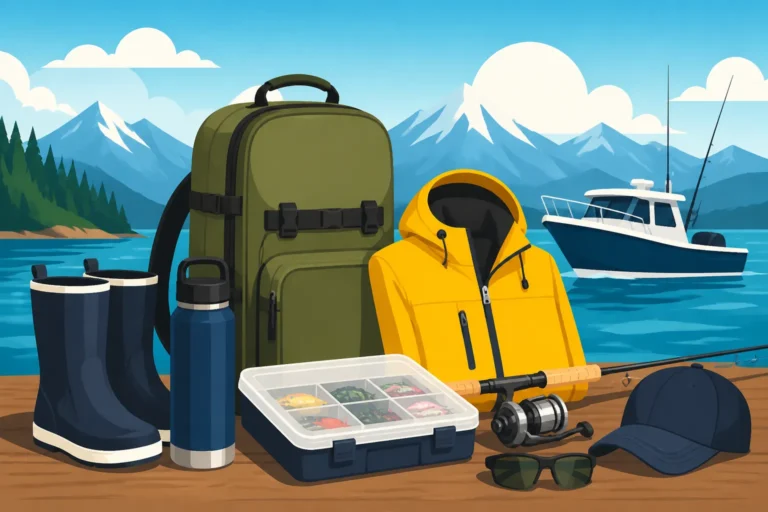
Even though your guide provides all the fishing tackle, there are still some personal items you'll need to bring to ensure your comfort and safety. British Columbia weather, especially on the coast, can change dramatically throughout the day – from sunny skies to sudden rain and dropping temperatures. Layering is key!
Start with comfortable, moisture-wicking base layers, add a warm mid-layer (fleece or wool), and top it off with waterproof and windproof outerwear (jacket and pants). You'll thank yourself if the weather turns. Good quality, non-slip footwear is also essential, especially on a boat deck. Don't forget a hat for sun protection or warmth, sunglasses to reduce glare off the water, and plenty of sunscreen. If you're prone to motion sickness, particularly on ocean charters, take appropriate medication well in advance of departure. Pack some snacks and drinks, even if your guide provides some, as staying hydrated and energized is crucial. A small backpack or dry bag is useful for keeping your personal items organized and protected from spray. Your guide will often provide a detailed list, but checking out general advice like What to Bring on a BC Fishing Charter can give you a head start on packing.
Understanding Your Fishing License Requirements
This is arguably the most critical step you must take before your trip. Your guide cannot provide your fishing license for you, and fishing without one is illegal and carries significant penalties. Even if you're on a guided trip, you are responsible for having the correct and valid license for the waters you'll be fishing.
British Columbia requires different licenses for freshwater and tidal (saltwater) fishing. You'll need to determine which type of water your trip will cover. Additionally, if you plan to target salmon in either freshwater or tidal waters, you'll need to purchase a Salmon Conservation Stamp, which is an add-on to your basic license. For some species like Steelhead, there may be additional stamps required. Licenses can typically be purchased online through the provincial government's website or from authorized vendors. It's a quick and easy process, but essential to complete before your trip. Make sure you understand BC Fishing License Age Requirements if you're bringing children, and always read up on Where and How to Buy a BC Fishing License. Print a copy or save a digital version on your phone for proof. Your guide will confirm you have this before leaving the dock or shore.
Asking the Right Questions Before You Go
Don't be shy! As a beginner, you have every right to ask as many questions as you need to feel prepared and comfortable. A good guide will appreciate your proactive approach and will be happy to provide answers. Effective communication before your trip will help manage expectations and ensure a smoother, more enjoyable experience for everyone.
Ask about current fishing conditions: "What's been biting lately?" or "What kind of fish are we most likely to target given the season?" Inquire about the expected weather: "What are the forecasted conditions, and should I bring extra layers?" Confirm the exact meeting point and departure time. If you have any specific concerns, such as a fear of boats or a desire to learn a particular technique, communicate these upfront. This allows the guide to tailor the experience to you. It's also a good idea to clarify practical details like whether lunch or snacks are provided, if there's a restroom on board (for longer trips), and what the recommended Tipping Etiquette for BC Fishing Charters is. The more you communicate your beginner status and your goals, the better your guide can prepare for you and ensure your trip is a success.
Maximizing Your Learning and Enjoying the Experience
You've planned, prepared, and now you're finally on the water with your guide in beautiful British Columbia. This is your chance to soak it all in, learn as much as possible, and truly enjoy the incredible outdoors.
Embrace the Learning Curve, Don't Expect Perfection
It's easy for beginners to get caught up in the idea of catching the biggest fish or perfectly executing every cast right from the start. But here's a secret: even seasoned anglers have days where nothing goes right. Your first guided trip is not about perfection; it's about learning, experiencing, and enjoying the process.
Expect to make mistakes – tangling your line, missing a bite, or struggling with a new technique is all part of the journey. A good guide understands this and will be there to patiently correct and encourage you. Instead of focusing solely on the fish count, try to appreciate the beauty of your surroundings, the fresh air, and the sheer joy of being out on the water. Every successful cast, every nibble, and every fish caught is a bonus. Remind yourself that every single experienced angler started exactly where you are now. This mindset will reduce pressure and allow you to fully immerse yourself in the learning experience, making it much more enjoyable regardless of the outcome.
Active Participation and Observation
To truly maximize the value of your guided trip, don't just sit back and wait for the fish to bite. Engage actively with your guide and observe everything they do. This is your opportunity to learn from a professional who has spent years honing their craft.
Ask questions about why the guide chooses a particular spot: "Why are we fishing this side of the river?" or "What makes this area good for salmon?" Pay close attention to how they set up the tackle, tie knots, and present the bait or lure. Watch their casting technique and how they reel in. If they're using a fish finder, ask them to explain what they're seeing on the screen. The more engaged you are, the more knowledge you'll absorb. Don't be afraid to ask them to demonstrate a technique multiple times. This active participation transforms the trip from just a fishing outing into a comprehensive learning session, providing you with skills and insights you can carry forward into your future fishing endeavors. You'll gain a deeper understanding of Salmon Fishing Techniques for BC Rivers or How to Catch Steelhead in BC, depending on your target.
Respecting the Environment and Regulations
A fundamental part of becoming a responsible angler is understanding and respecting the environment and the regulations designed to protect it. Your guide will not only teach you how to catch fish but also how to do so ethically and sustainably.
You'll learn about proper catch-and-release techniques, which are crucial for the health of fish populations, especially for sensitive species like sturgeon and steelhead. This includes minimizing handling time, using appropriate gear to reduce harm, and ensuring fish are revived properly before release. Your guide will also educate you on local bag limits and possession rules, explaining why these regulations are in place to ensure sustainable fishing for future generations. Understanding BC Bag and Possession Limits by Species and the broader BC Fishing Regulations Explained is part of being a good steward of the natural resources. By learning these practices from an experienced guide, you'll develop a strong ethical foundation for your angling journey, becoming a conservation-minded fisherman from day one. Remember, fishing is not just about taking from nature, but also about appreciating and preserving it.
| Trip Type | Pros for Beginners | Cons for Beginners | Ideal For |
|---|---|---|---|
| Half-Day Charter | Shorter duration, less fatigue, perfect introduction, good for testing the waters | Limited time for diverse techniques or multiple spots, may feel rushed if fish are slow | First-time ocean anglers, those prone to seasickness, individuals with limited time or energy, families with young children |
| Full-Day Charter | More fishing time, greater variety of spots and techniques, higher chance of catching diverse species | Can be tiring for novices, potentially overwhelming with too much new information at once | Enthusiastic beginners eager for a deeper dive, those aiming for specific trophy species, groups wanting a full day adventure |
| Private Trip | One-on-one instruction, tailored pace, personal attention, less pressure to perform | Higher cost, may feel isolating if you prefer a social fishing environment | Maximizing learning, personalized technique focus, shy beginners, those with specific learning goals |
| Group Trip (Shared) | More affordable, social atmosphere, chance to learn from other anglers | Less individual attention from the guide, less flexibility in choosing spots or techniques | Budget-conscious anglers, those who enjoy camaraderie, individuals who learn well by observing others |
| Freshwater Guide | Often calmer waters, diverse species (trout, sturgeon), focus on river/lake dynamics | May involve wading (requiring appropriate gear), specific knowledge of river conditions is crucial | Peaceful settings, learning river/lake specific techniques, targeting unique freshwater species like sturgeon |
| Saltwater Charter | Potential for large, powerful fish (salmon, halibut), offshore adventure, stunning coastal views | Potential for seasickness, more complex navigation and weather considerations | Ocean adventure seekers, those dreaming of big game fish, experiencing coastal BC's marine life |
Disclaimer
This article is for general informational purposes only and does not constitute professional advice. Laws, prices and regulations vary by location and change over time. Consult a qualified professional for guidance on your specific situation.