Best time to swing flies for winter steelhead
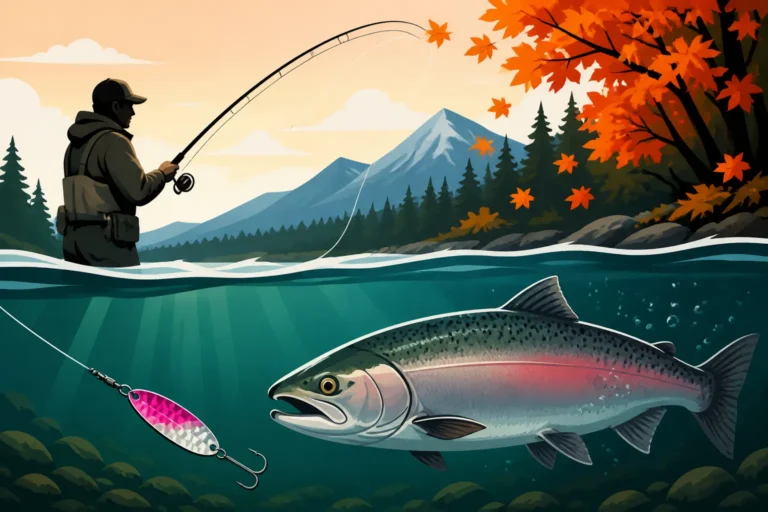
There’s nothing quite like the allure of winter steelhead fishing in British Columbia, but let’s be honest, it can be brutally tough. You spend hours, sometimes days, battling the elements, casting into frigid waters, only to feel that elusive tug maybe once or twice a season. The question on every dedicated angler's mind is: when is truly the best time to swing flies for these magnificent, chrome-bright fish? This guide dives deep into unlocking the secrets of optimal timing, river conditions, and strategies to maximize your chances on BC’s legendary winter steelhead rivers.
Understanding Winter Steelhead Behavior and Their Challenges
Winter steelhead are not your average trout. They are anadromous rainbow trout, meaning they spend most of their lives in the ocean, growing large and strong, before returning to their natal rivers to spawn. This migration happens in the dead of winter, bringing them into cold, often high-water conditions, making them incredibly challenging to intercept. Unlike their summer counterparts, winter steelhead are often less aggressive and more lethargic due to the colder water, and they’re not actively feeding once they enter the river. They are, however, territorial and can be provoked into striking a well-presented fly.
The Elusive Nature of Winter Steelhead
Imagine a fish that has traveled hundreds, sometimes thousands, of kilometers through the ocean, now navigating a powerful, icy river. These are not hungry fish looking for a meal in the traditional sense. Their primary drive is reproduction. This makes their strikes less about feeding and more about an instinctive reaction to a perceived threat or irritation. They hug the bottom, often resting in slow, deep pools or behind structure, conserving energy. Getting a fly into their strike zone and enticing a take requires not just skill, but impeccable timing and understanding of their current disposition. It’s this very difficulty that makes catching a winter steelhead so incredibly rewarding, a true badge of honor for any angler dedicated enough to brave the elements.
Factors Influencing Their Mood
Several environmental factors dictate how, when, and where winter steelhead will hold, and consequently, how likely they are to take a fly. The three big ones are water temperature, river flow, and water clarity. A slight change in any of these can mean the difference between an incredible day and a complete blank. If the water is too cold, they shut down almost entirely, becoming incredibly sluggish and unwilling to move even a few inches for a fly. If it's too high and murky, they might not see your fly, or you might not be able to effectively present it through the powerful, debris-filled currents. Conversely, if it's too low and clear, they become incredibly spooky, demanding the most delicate of presentations and often preferring to hold in the deepest, darkest pockets of the river. Being able to read these conditions and adapt your approach, sometimes minute by minute, is paramount to success.
Optimal Conditions for Swinging Flies
So, what are we really looking for when we talk about the "best time" to swing flies for winter steelhead? It's not just about the calendar date or time of day; it’s about a confluence of perfect environmental factors that make fish more active and receptive. Think of it as a delicate balance where everything aligns to give you that magical window of opportunity when these elusive fish might just decide to grab your swung fly. It’s about being observant and patient, waiting for Mother Nature to cooperate.
Water Temperature Sweet Spots
This is arguably the most critical factor, often trumping everything else. Winter steelhead, like all cold-blooded fish, have a metabolic rate directly tied to water temperature. When the water gets too cold, generally below 4°C (about 39°F), their metabolism slows to a crawl, and they become incredibly sluggish. They’ll still be in the river, but they’ll be holding tight to the bottom, conserving energy, and less inclined to move for a fly. The sweet spot for activity, where they might be willing to move and aggressively strike a swung fly, is typically between 4°C and 8°C (39°F to 46°F).
On some of our more southerly rivers, like those on Vancouver Island, you might even see activity up to 10°C (50°F) later in the spring, but for true winter fishing, that 4-8°C range is golden. Often, a slight bump in temperature, even half a degree, after a prolonged cold spell can be the trigger. This slight warming can invigorate fish, making them more willing to chase. Understanding these temperature nuances is key, as highlighted in our guide on Best water temperature for steelhead fishing.
River Levels and Clarity
Next up are river levels and clarity, which often go hand-in-hand. The ideal scenario is what we often call "green water" – not too high, not too low, and with a slight, but not overwhelming, tint of color. After a significant rain, rivers often blow out, becoming high, fast, and muddy. While new fish might push in with this high water, effective fly swinging becomes nearly impossible due to lack of visibility for both fish and angler, and the sheer power of the current. It's simply too dangerous and unproductive.
You want to hit the river on the drop, after the peak of the freshet, when the river is receding, clearing, and settling. This is often when fish that moved in on the high water are finding their holding lies and becoming more accessible and comfortable in their new surroundings. Conversely, very low and clear water conditions, often seen during prolonged cold snaps without precipitation, make fish incredibly wary. In these conditions, smaller flies, lighter tips, and longer, more stealthy casts become necessary, but the "swing" can still be highly effective, albeit demanding a more delicate touch. For more on navigating these situations, check out Fishing after a heavy rain on BC rivers.
Tidal Influence on Coastal Rivers
For many of BC's coastal steelhead rivers, particularly those that are tidally influenced in their lower reaches, the ebb and flow of the ocean can play a significant role. Fresh fish often push into the river on an incoming tide, riding the push of saltwater, especially if they've been staging in the estuary. These fresh, aggressive fish can be prime targets, sometimes eager to grab a fly as they transition from salt to fresh. As the tide recedes, fish may drop back into deeper holding water, or simply become less active as the water levels change rapidly, potentially revealing new structure or covers.
Pay close attention to tide charts for your chosen river system. Often, the last hour of the incoming tide and the first hour or two of the outgoing tide can be particularly productive, especially in pools close to the tidal boundary on rivers like the Squamish or the Cowichan. Local knowledge and experience on specific tide windows are invaluable here. This can be a huge factor in rivers that see significant tidal push, dictating when fresh fish move into the system.
Timing Your Day and Season for Success
It’s not enough to know the ideal water conditions; you also need to understand when during the day and what part of the winter season offers the best chances. Winter steelhead fishing demands dedication, often requiring early mornings and late evenings, but strategic timing can prevent endless, fruitless casting and ensure you’re present during those critical windows.
Best Times of Day to Be on the Water
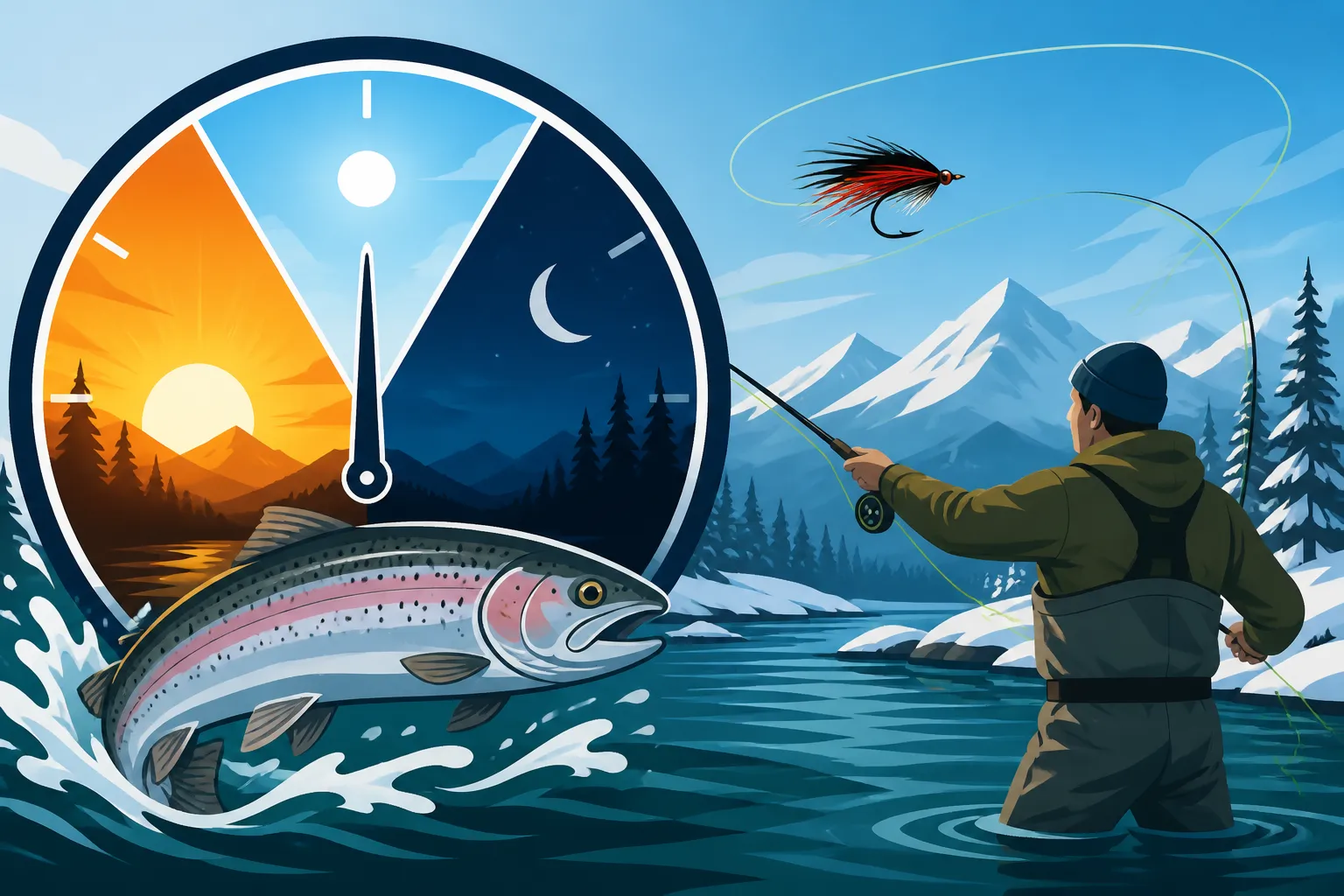
Forget sleeping in when it comes to winter steelhead! Often, the "best time" means being on the water before dawn, or at least at first light. The low light conditions of early morning can make steelhead feel more secure and less wary, making them more inclined to move out of their deepest holding lies. As the sun rises and atmospheric pressure changes, there's often a magical period where fish might be more inclined to move for a swung fly. Similarly, the last hour or two of daylight can also be incredibly productive. These low-light windows provide cover for the fish, and often coincide with slight warming or cooling trends in the water, potentially triggering activity.
During the brightest parts of the day, especially on clear days, fish tend to hold in deeper, more shaded lies, becoming less prone to chase. On overcast, drizzly days, however, the "best time" can extend throughout the entire day, as the consistent low light keeps fish feeling comfortable and less pressured. So, while early and late often produce, an all-day overcast drizzle can be a fantastic opportunity.
Seasonal Nuances: Early, Mid, and Late Winter
Winter steelhead runs aren't a monolithic event; they evolve throughout the season, with different characteristics at different times.
- Early Winter (November to December): This is often when the first significant pushes of fish start to enter the rivers. These fish are typically fresh from the ocean, aggressive, and eager to take a swung fly, making for some exciting early season action. The water temperatures might still be relatively mild compared to the deep winter months, and rivers are often fluctuating with early winter rains. Focus on the lower to middle sections of rivers where fish are just beginning their upstream journey.
- Mid-Winter (January to February): This is often considered the grind. Water temperatures are at their coldest, days are shortest, and fishing can be exceptionally tough. However, if you hit a weather window with stable or rising temperatures and good water clarity, you might encounter a surge of new, strong fish that are truly spectacular. This is when patience and persistence truly pay off, as the rewards can be immense. This period is often considered prime for Best months to catch steelhead in BC if you can brave the often brutal conditions.
- Late Winter/Early Spring (March to April): As days lengthen and temperatures slowly begin to rise, more fish enter the system, and fish that have been in the river for a while may become more active as their spawning urge intensifies. The fish tend to spread out more throughout the river system, and you might find them in shallower, faster water as they prepare for spawning. This is also when "drop-backs" (fish that have already spawned and are heading back to the ocean) can be encountered, though regulations often require their immediate release to protect their future spawning potential.
Reading the Weather and Fishery Notices
Never, ever just show up to a river blindly, especially in winter. The best time to swing flies for winter steelhead is often directly influenced by recent weather patterns and real-time river conditions. Heavy, prolonged rain can blow a river out for days or even a week, making it unfishable and unsafe, while a prolonged cold snap can lock up fish activity and make even the keenest angler consider staying home. Always check weather forecasts for both precipitation and temperature in the specific river watershed you plan to visit.
More importantly, consult local river gauges for real-time water levels and temperatures if available; these online resources are invaluable. Furthermore, government agencies regularly issue BC Fishery Notices and In-Season Closures, Explained that can drastically impact your plans. These notices provide crucial information on openings, closures, and specific gear restrictions, which can change at a moment’s notice, often related to conservation efforts for wild steelhead or specific salmon runs. Keeping an eye on these alerts, and regularly reviewing the Reading the BC Freshwater Fishing Regulations Synopsis, is vital not just for success, but for staying legal and contributing to conservation efforts.
Essential Gear and Techniques for a Successful Winter Steelhead Swing
While timing and conditions are king, having the right setup and knowing how to use it effectively dramatically boosts your chances. Swinging flies for winter steelhead is a highly specialized art form, and the right gear, meticulously chosen, becomes an extension of your intent, allowing you to present your fly exactly where it needs to be.
Essential Fly Patterns and Line Setups
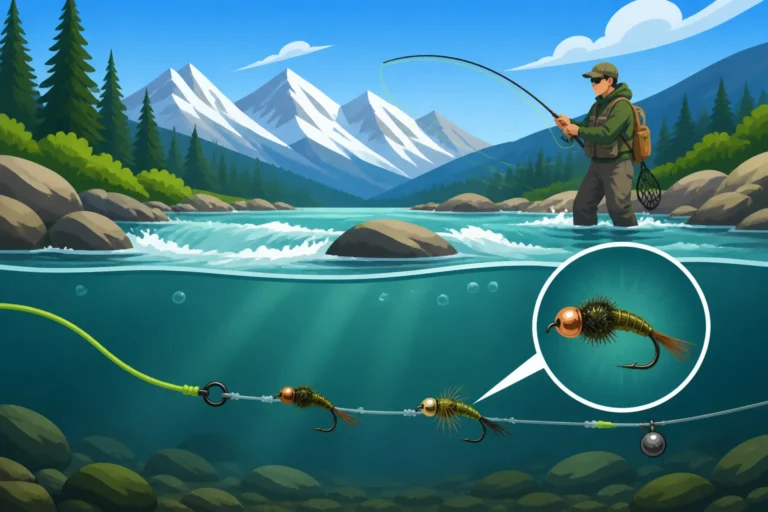
For winter steelhead, flies tend to be larger, often darker, and generally incorporate materials that move and pulse alluringly in the water, even when retrieved slowly. Think weighted intruders, classic spey flies, and various leech patterns in black, blue, purple, and sometimes chartreuse or pink. Many dedicated anglers swear by specific patterns like the "Intruder," "Skagit Sculpin," or "Prawn Star," often tied on shank hooks with trailer hooks for better hook-ups. Having a good selection of flies in various weights, sizes, and colors is key to matching the conditions and fish's mood.
For your line setup, a spey rod or switch rod is almost a requirement for effective swinging, allowing you to cast long distances with minimal backcast room, covering more water efficiently. You’ll typically use a heavy sinking tip (often T-series MOW tips or similar from brands like Rio or Airflo) to get your fly down to the fish in the heavy currents. The length and sink rate of your tip will depend entirely on the depth and speed of the water you are fishing. For more detailed insights into effective choices, explore our guide on Fly Patterns for BC Steelhead Rivers. You can find excellent selections of these specialized flies, lines, and even specific materials for tying your own on platforms like Amazon, making it easy to prepare for your trip from home.
The Art of the Swing
Swinging a fly for winter steelhead is a dance between current, line, and fly. The goal is to present your fly naturally, allowing it to sweep across the current in a controlled arc, mimicking a vulnerable baitfish or invertebrate. It’s not about strip-striking; often, the take will feel like a heavy pull, a sudden stop, or a subtle pressure that requires an immediate, firm response. The key is to keep a tight line, allowing the current to do most of the work, and to "feel" your fly’s journey through the water.
Cast across and slightly downstream, then mend your line upstream to control the swing speed, allowing the fly to sink to the appropriate depth and then sweep through the fish's holding water. Vary your angles, casting distance, and presentation until you find what triggers a response. Often, fish will be holding on the soft edges of seams, behind large boulders, or in the tail-outs of larger, deeper pools. Learning How to Catch Steelhead in BC will undoubtedly delve deeper into these nuances, emphasizing how critical precise presentation is.
Safety Considerations for Winter Fishing
Fishing for winter steelhead in BC isn't just about catching fish; it's about staying safe and warm in often harsh conditions. The rivers are cold, the banks can be icy and treacherously slippery, and the weather can turn quickly, bringing sudden downpours, snow, or biting winds. Always dress in layers, with high-quality waterproof and windproof outer shells. Waders, good wading boots with felt or stud soles for traction, and a sturdy wading staff are non-negotiable for navigating slippery riverbeds and strong currents.
Consider wearing a personal flotation device (PFD), especially when wading in strong currents or unknown waters; it could literally save your life. Always tell someone where you're going, your planned route, and when you expect to return home. Hypothermia is a real danger, so carry emergency supplies, including a thermos of hot coffee or tea, extra gloves, a beanie, and a complete change of clothes in a waterproof dry bag. Don't forget that winter daylight hours are short, so plan your trip accordingly, ensuring you have enough time to get on and off the water safely before dark. Being prepared isn't just good practice; it's essential for a successful and safe outing. Always remember to check How to wade a BC steelhead river safely.
Optimal Winter Steelhead Swinging Conditions at a Glance
| Factor | Optimal Condition | Notes |
|---|---|---|
| Water Temp. | 4°C – 8°C (39°F – 46°F) | Fish are most active in this range; below 4°C they become very sluggish and less likely to move for a fly. |
| River Flow | Dropping after a freshet, stable, medium volume | Avoid high, dirty, and powerful water or extremely low, clear conditions. "Green water" with 1-3 ft visibility is ideal. |
| Water Clarity | Slightly tinted (1-3 ft visibility) | Too clear makes fish spooky and hesitant to chase; too murky makes it hard for fish to see the fly in the current. |
| Weather | Overcast, light rain/drizzle, stable or rising air temperature | Low light conditions provide a sense of security for fish; warming trends can trigger increased activity after a cold snap. |
| Time of Day | First light, last light | Low light conditions often bring increased fish activity, especially after a cold night, as fish feel safer moving and holding higher in the water. |
| Tidal Rivers | Last hour of incoming, first 1-2 hours of outgoing | Fresh fish push in on the flood tide; active feeding/holding behavior as the tide turns can create prime windows. |
| Moon Phase | Less Critical, but can indirectly affect tides | While some anglers believe moon phases impact fish, water conditions (temp, flow, clarity) are generally more important for active takes in winter. |
Disclaimer
Please be aware that fishing regulations in British Columbia are subject to change without notice. Always consult the latest BC Freshwater Fishing Regulations Synopsis or the Department of Fisheries and Oceans (DFO) fishery notices before heading out. This guide is for informational purposes only and does not supersede official regulations.