Best technique for finesse fishing clear water trout
There's nothing quite as frustrating as showing up to a pristine British Columbia lake or river, seeing fish rise or hold in clear, inviting water, and yet, no matter what you throw at them, they just won't bite. It's a common dilemma for anglers: clear water often means spooky trout, making traditional heavy-handed tactics completely useless. This guide is here to help you crack the code, offering proven finesse fishing techniques to fool even the most wary clear water trout in BC.
Understanding Trout Behavior in Clear Water Environments
When you're fishing in gin-clear lakes or streams, it's like the trout are living in a giant fishbowl. Every move you make, every shadow you cast, and every piece of tackle you present becomes amplified. This heightened visibility makes trout incredibly wary, often fleeing at the slightest disturbance. Understanding why they behave this way is the first step to successful finesse fishing.
The Role of Visibility and Predation
In clear water, trout rely heavily on their eyesight both for hunting prey and for avoiding predators. This means they can spot your fishing line, your lure's unnatural glint, or even your silhouette on the bank from a much greater distance. Imagine trying to sneak up on a deer in a wide-open field versus a dense forest – the deer in the open field has a much better view and will react more quickly. Trout are the same. Their survival depends on being hyper-aware of their surroundings. This also means they're very good at identifying what looks "natural" versus what looks like a trap. A thick line or an oversized swivel, which might go unnoticed in murky water, can scream "danger" in crystal-clear conditions.
This intense visual acuity also affects how they feed. In clear water, trout often become more selective, carefully inspecting their food before committing. They're looking for subtle cues: natural movement, correct size, and realistic colour. They won't usually charge a brightly coloured, fast-moving lure that looks nothing like their usual diet. Instead, they'll often hold in deeper water or seek cover, only venturing out for prey they deem safe and easy to catch. You'll also notice their feeding windows can be much shorter and more defined, often coinciding with low light conditions like dawn and dusk, when their camouflage is more effective and your visibility (and theirs) is somewhat reduced.
Identifying Clear Water Trout Havens in BC
British Columbia is blessed with countless bodies of water, many of them exceptionally clear. These clear water trout havens are often found in high-elevation lakes, spring-fed streams, or glacier-fed rivers after the spring runoff has settled. Think of the pristine Cariboo lakes, certain sections of the Okanagan Valley's deeper waters, or the upper reaches of many coastal rivers once the rain has subsided. List of BC stocked trout lakes might be clear after stocking, making finesse important. For example, many of the remote lakes accessible by float plane in northern BC or the pristine alpine lakes in regions like the Kootenays or on Vancouver Island will often boast incredibly clear water. These environments, while beautiful, demand a different approach.
Trout in these waters will often position themselves in ways that maximize their view of potential food while minimizing their exposure to predators. This means they'll frequently be found near structure – submerged logs, rock ledges, weed beds, or undercut banks – which provides both cover and ambush points. They might also hold in current seams or deeper pools in rivers, using the moving water or depth as a form of natural camouflage. Observing these areas carefully before you even cast a line is crucial. Look for subtle movements, a flash of silver, or even just the perfect ambush spot a trout might call home. Often, the biggest trout will hold in these prime, protected locations, requiring the utmost stealth and a perfectly presented, understated offering to coax them out.
Essential Finesse Gear for Clear Water
Success in clear water starts with your equipment. You can't just grab your standard heavy-duty gear and expect results. Finesse fishing demands lighter lines, smaller tackle, and rods that can handle delicate presentations. It's about being subtle and presenting your offering as naturally as possible.
Light Line and Leader Choices
The single most critical element in clear water finesse fishing is your line choice. Forget heavy braids or thick monofilament; these are easily seen by wary trout. Instead, you need to think about invisibility.
- Fluorocarbon Leaders: This is your best friend. Fluorocarbon line has a refractive index very similar to water, making it virtually invisible underwater. It's also quite abrasion-resistant, which is a bonus when fishing around rocky structure. I always carry a spool of 4-6 lb test fluorocarbon for my leaders, sometimes even down to 2 lb test for exceptionally spooky fish or tiny presentations. You can find excellent quality fluorocarbon leaders on Amazon from brands like Seaguar or Berkley. The length of your leader matters too; a longer leader (3-6 feet) provides more invisibility and a more natural drift or fall for your lure or bait.
- Main Line Considerations: For your main line, a thin, low-visibility monofilament or a thin braided line is ideal. If using braid, always, always tie on a fluorocarbon leader. Braid offers incredible sensitivity and casting distance, but it's highly visible. For mono, choose a clear or light green colour in 4-6 lb test. The goal is minimal visual impact. The thinner the line, the less "line shy" the trout will be, allowing your lure to act more naturally in the water column.
Small Lures, Baits, and Flies
When it comes to what you're actually putting in the water, "small" is the operative word. Trout in clear water are often looking for small, easy meals.
- Micro Jigs: Think tiny, 1/32 oz or even 1/64 oz jigs. These can imitate small insects, larvae, or baitfish. Pair them with equally small soft plastic bodies, often 1-2 inches long, in natural colours like olive, brown, black, or white. Jigging them subtly near structure or letting them drift with the current can be deadly.
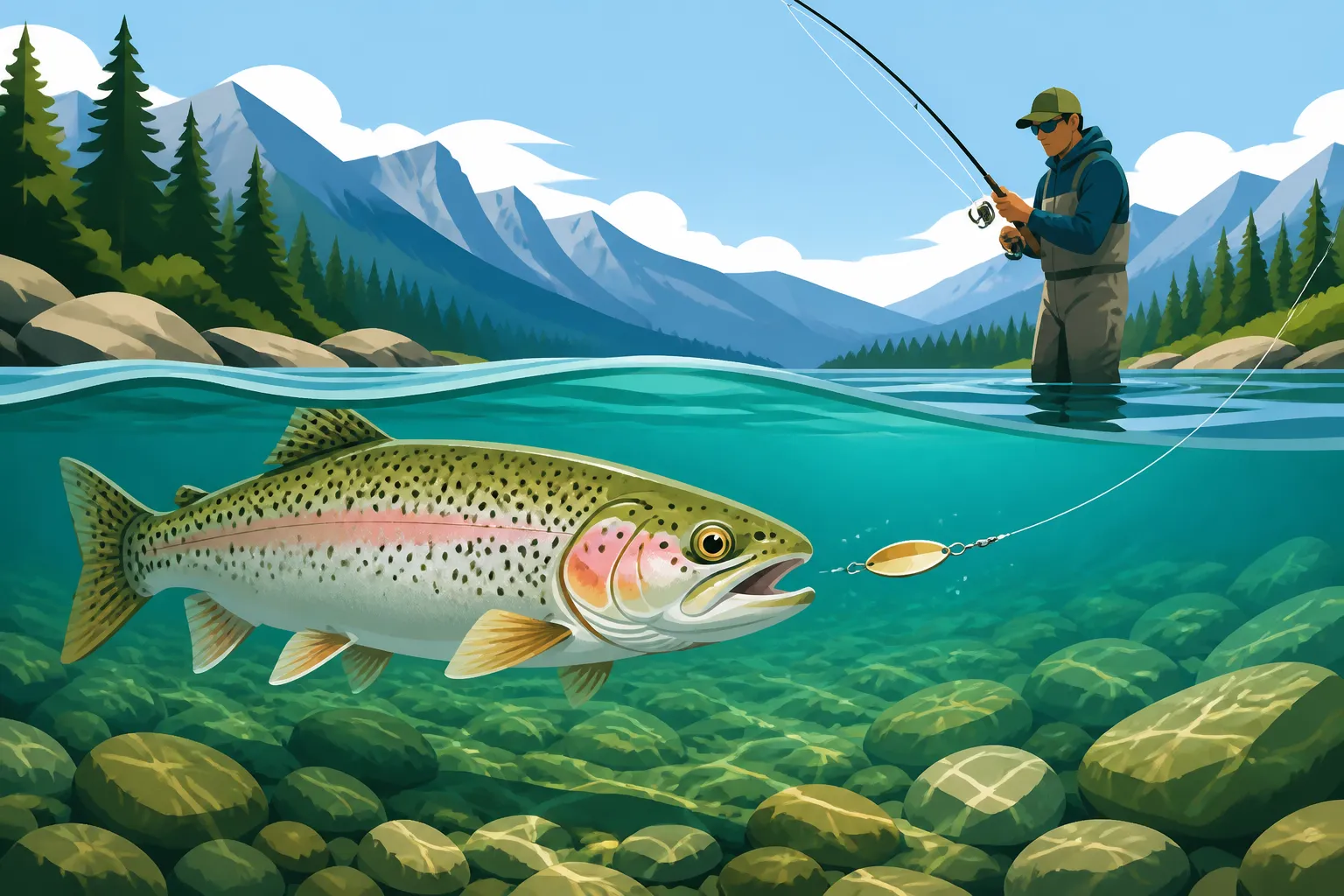
- Small Spoons and Spinners: While not always the first choice for ultimate finesse, tiny spoons (1/16 oz to 1/8 oz) and inline spinners can be effective, especially those with natural finishes (silver, gold, copper) or patterns that mimic small baitfish. Think of brands like Panther Martin or Mepps in their smallest sizes. The key is a slow retrieve and a natural flash.
- Natural Baits: Sometimes, nothing beats the real thing. A single salmon egg, a tiny worm piece, or a small grub presented on a light wire hook (size 10-14) under a small float or free-lined can be irresistible. This is often the ultimate finesse tactic for trout that have seen every artificial lure imaginable. For specific BC trout, consider matching the hatch or the prevalent natural forage. If you're fishing a lake known for a specific insect hatch, having a tiny jig or fly that mimics that insect can be incredibly effective.
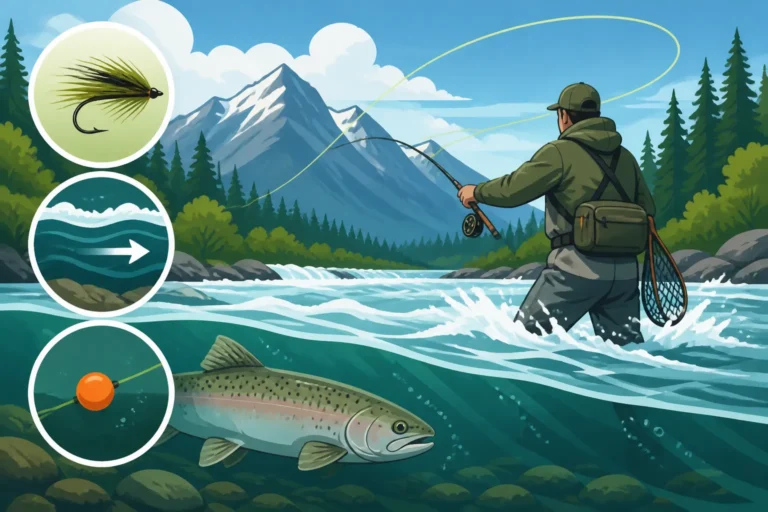
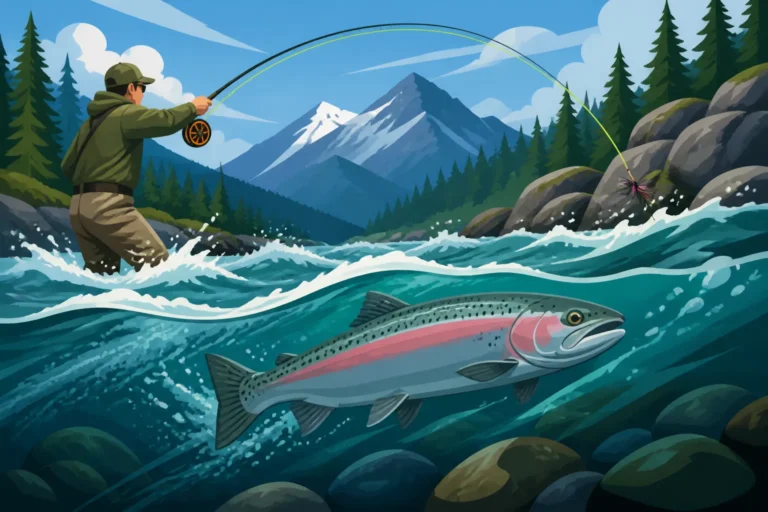
- Fly Fishing: For fly anglers, finesse in clear water means tiny nymphs, emergers, and dry flies matched precisely to the current hatch. Light tippets (6x-8x) are a must. Fly Patterns for BC Steelhead Rivers might give you ideas for similar presentations, even if for a different species.
Rod and Reel Setup for Finesse
Your rod and reel need to complement your light line and small lures. You can't effectively cast a 1/32 oz jig with a heavy action bass rod.
- Ultra-Light Spinning Rods: An ultra-light or light action spinning rod, typically 5 to 7 feet long, is perfect. It will have a very sensitive tip, allowing you to detect subtle bites and make delicate casts. The softer action also helps protect light lines from breaking when a feisty trout makes a sudden run. Rods with a fast or extra-fast action tip are often preferred as they provide superior feel and quicker hook sets.
- Small Spinning Reel: Pair your ultra-light rod with a small, balanced spinning reel (size 1000 or 2000). A smooth drag system is absolutely non-negotiable, as it will be your primary defense against a powerful trout on light line. Look for a reel with good line capacity for your chosen light line, and one that feels comfortable and balanced with your rod. Many quality options are available on Amazon.
- Waders and Stealthy Footwear: Beyond rod and reel, stealth is part of your gear. Waders, like those found on Amazon, allow you to enter the water quietly and position yourself without being seen, especially in smaller streams or shallow lake margins. Soft-soled shoes for bank fishing also help minimize noise and vibration that can spook fish.
Table: Finesse Line and Lure Pairing Guide for Clear Water Trout
| Line Type (Main/Leader) | Test Weight (lbs) | Lure/Bait Type | Best Use Case | Notes |
|---|---|---|---|---|
| Braid / Fluorocarbon | 4-6 (main) / 2-6 (leader) | Micro Jigs, Tiny Plastics | Deep water, long casts, maximum sensitivity | Braided main line for sensitivity, fluoro leader for invisibility. |
| Monofilament / Fluorocarbon | 4-6 (main) / 2-6 (leader) | Small Spoons, Spinners, Live Bait | Versatile, good for subtle presentations | Mono provides some stretch, fluoro leader adds stealth. |
| Fluorocarbon (full spool) | 2-4 | Small Worms, Single Eggs | Ultra-clear, highly pressured water, specific baitfishing | Excellent invisibility and sensitivity, less casting distance. |
| Fly Line / Fluorocarbon Tippet | (depends on rod) / 6x-8x | Nymphs, Dry Flies, Emergers | Fly fishing specific, matching natural hatches | Essential for natural drifts and subtle presentations. |
Advanced Finesse Techniques for Clear Water Trout
Having the right gear is only half the battle. Knowing how to use it effectively in clear water is what truly sets a successful angler apart. These techniques focus on presentation, stealth, and triggering those cautious bites.
The Art of the Stealthy Approach and Presentation
In clear water, your approach to the fishing spot is almost as important as your cast. Trout have an incredible lateral line system that detects vibrations, and their eyesight is keen.
- Approach from Downstream/Away from the Sun: When approaching a river or stream, always try to come from downstream, facing upstream. This keeps you out of the trout's direct line of sight as they naturally face into the current. In lakes, approach from a position where the sun is not casting your shadow over the water you intend to fish. Shadows are a huge giveaway and will send fish scattering.
- Low Profile and Quiet Movement: Keep a low profile. Crouch, kneel, or even crawl if necessary. Avoid stomping on the bank or making loud noises. Wear muted, natural colours rather than bright clothing. Think like a predator stalking its prey. The less the fish see or feel of you, the more likely they are to focus on your offering.
- Pinpoint Casting: Accuracy is paramount. You need to place your lure or bait precisely where the trout are holding or where they are likely to intercept it. Practice casting to specific targets. Over-shooting your target and dragging your lure past it can spook fish, especially in shallow, clear water. The goal is to make the lure appear naturally, as if it just drifted or swam into their strike zone. This also minimizes line disturbance on the water's surface, which can send subtle warning signals to fish below.
- Minimize Splash: With small lures, a gentle lob cast can be more effective than a powerful overhead cast that creates a big splash. The goal is for your lure to enter the water as quietly as possible, mimicking a natural falling insect or a small baitfish gently swimming to the surface.
Delicate Retrieval and Drift Techniques
Once your lure or bait is in the water, how you move it is crucial. Forget erratic, aggressive retrieves. Think subtle, natural, and enticing.
- Slow, Subtle Retrieves: For jigs and spoons, a slow, steady retrieve with occasional pauses or tiny twitches is often best. Imagine how a small insect or minnow would move. It wouldn't dart around wildly. Sometimes, simply letting the lure fall on a tight line, allowing its natural flutter to attract attention, is all it takes. Experiment with speed until you find what the fish prefer on a given day. Sometimes, a "dead stick" retrieve, where you barely move the lure, can be incredibly effective when fish are particularly lethargic or wary.
- Natural Drifts (for River Fishing): In rivers and streams, mastering a natural drift is key. For nymphs, small worms, or eggs, you want your offering to drift downstream at the same speed as the current, without any drag from your line. This is called a "dead drift." Use minimal weight, often just a tiny split shot or two, positioned a foot or so above your bait. Watch your line like a hawk for any hesitation or subtle movement that indicates a bite. Techniques like Euro Nymphing or indicator nymphing are designed precisely for this kind of precise, drag-free presentation. This requires practice and good line management to keep your line slack out of the current.
- Suspended Baits (for Lake Fishing): In clear lakes, trout often suspend at certain depths. Using a small float or bobber to suspend a tiny jig or bait at the optimal depth can be deadly. Cast it out, let it sit, and watch for any dip or movement of the float. This allows your offering to hang enticingly in the strike zone for extended periods, giving wary fish more time to inspect it. Adjusting your depth frequently until you find where the fish are holding can make all the difference. Best Techniques for Kokanee in BC Lakes might offer insight into suspended fishing, though kokanee are a different species, the principle applies.
Reading the Water for Productive Spots
Clear water makes it easier to "read" the environment, but it also means trout can read you. Learning to identify potential holding spots without spooking the fish is a valuable skill.
- Shadow Lines and Deep Edges: Trout love to hold in areas where a shadow line meets sunlight, or where shallow water abruptly drops off into deeper sections. These transition zones offer them quick access to deeper water for safety while still allowing them to ambush prey. Look for these areas along shorelines, around submerged structures, or at the edges of weed beds.
- Structure is Key: Submerged logs, rock piles, ledges, and overhanging vegetation all provide cover and ambush points. Cast your finesse offerings precisely to these structures, trying to get your bait as close as possible without getting snagged. Often, a fish will be tucked tight against such cover, waiting for an unsuspecting meal to drift by.
- Current Seams (Rivers): In rivers, current seams – where fast water meets slow water – are prime feeding lies. Trout will often sit in the slower water, expending minimal energy, while waiting for food to be swept past them in the faster current. A natural drift through these seams is often highly effective. How to Fish a Run and Pool Steelhead River offers a similar concept, applying to different species in BC's diverse river systems.
- Observational Fishing: Take time to simply watch the water before you cast. Look for rising fish, subtle boils, or even just the darting movement of baitfish. These observations can tell you a lot about where trout are feeding and what they might be eating. Sometimes, just seeing a fish jump or roll can give you the exact spot to target. Pay attention to changes in water colour or current patterns, which can indicate underlying structure or depth changes.
Overcoming Clear Water Challenges and Maximizing Success
Even with the right gear and techniques, clear water fishing can present unique challenges. It takes patience, adaptability, and a willingness to learn from every cast.
Dealing with Line Shy Fish
You've got your light leader, your tiny lure, but the fish still won't commit. This is the ultimate "line shy" scenario, and it calls for even more extreme measures.
- Downsize Even Further: If you're using 4 lb leader, try 2 lb. If your jig is 1/32 oz, try 1/64 oz. Sometimes, the smallest reduction in size and visibility can make a huge difference. Every little bit counts.
- Longer Leaders: Extend your fluorocarbon leader from 4 feet to 6 or even 8 feet. This puts more of that invisible line between your main line and your lure, creating a more natural presentation.
- Ghosting Hooks: Use hooks with a very fine wire and a dull finish. Shiny hooks can reflect light and spook fish. Some specialized finesse hooks are designed to be almost invisible.
- Natural Presentation Over Flash: If your lure has too much flash or action, try duller colours or baits that have a more subdued movement. Sometimes, a still-fished natural bait is the only answer. This might mean switching from an active spoon to a tiny piece of worm. The goal is to imitate a complacent, easy meal, not a panicking one.
- Consider a Different Time of Day: During bright, sunny conditions, trout are at their most wary. Consider fishing early morning, late evening, or even into the night if regulations permit. Low light conditions significantly reduce a trout's ability to spot your line and increase their comfort level. Best Time of Day to Catch Salmon can illustrate how light conditions impact fish behavior, a principle that applies to trout too.
Adapting to Changing Conditions
Clear water conditions aren't always static. Changes in weather, light, or insect activity can all influence trout behavior.
- Weather Fronts: A sudden cold front can make trout incredibly lethargic and less willing to chase. In these situations, slow down your retrieve even further, use smaller baits, and focus on presenting right into their holding areas. Fishing after a heavy rain on BC rivers and How to catch salmon during a cold front in BC highlight how weather impacts fishing. Conversely, a warm front might make them more active, allowing for slightly more aggressive retrieves, though still within the finesse realm.
- Sun and Clouds: On bright, sunny days, trout will be more wary and seek deeper water or heavy cover. Focus your efforts on shaded areas, deeper sections, or during low light hours. On cloudy days, fish might be more willing to move into shallower water and cruise for food, making them slightly less challenging.
- Matching the Hatch: If there's an insect hatch occurring, observant anglers will note the size, colour, and behaviour of the insects. Then, they'll choose a lure or fly that closely mimics the natural food source. This can be critical for success, as trout become incredibly selective during a hatch, often ignoring anything that doesn't look like their current meal.
- Water Temperature: While you might not feel it, trout are highly sensitive to water temperature. Too cold, and they'll be lethargic and slow. Too warm, and they'll seek cooler, deeper water and often shut down feeding. Understanding the ideal temperature range for the trout species you're targeting can help you locate them and present effectively.
The Importance of Patience and Observation
Finesse fishing in clear water is not about covering a lot of ground quickly. It's a game of patience, observation, and meticulous presentation.
- Slow Down: Resist the urge to rush. Take your time approaching the water, observing for any signs of fish. Cast slowly and deliberately. Retrieve slowly. If you're not getting bites, don't immediately change lures; try changing your retrieve speed or the depth of presentation first.
- Watch for Subtle Bites: On light line with small lures, bites can be incredibly subtle – a slight tick, a momentary halt in your line's drift, or just a feeling of added weight. Keep a keen eye on your line for any unusual movement.
- Learn from Every Cast: Pay attention to where you get bites, what retrieve worked, and what didn't. Each cast is an opportunity to learn more about the trout's behavior on that particular day. If a fish follows your lure but doesn't strike, try a smaller lure, a slower retrieve, or a different colour. Sometimes, just changing the angle of your cast can make a difference.
- Practice Catch and Release: Many of BC's beautiful clear water trout fisheries are catch and release only, or have specific retention limits. Practicing careful catch and release helps sustain these fragile populations, ensuring future generations can enjoy the challenge of clear water finesse fishing. Always handle fish gently, minimize their time out of water, and use barbless hooks for easier release. BC Catch and Release Only Waters should be consulted before your trip.
By understanding the unique challenges and embracing these finesse techniques, you'll be well on your way to enjoying some incredibly rewarding trout fishing in British Columbia's stunning clear water environments. It's a style of fishing that truly tests your skill and patience, but the rewards are often spectacular.
Disclaimer
This article is for general informational purposes only and does not constitute professional advice. Laws, prices and regulations vary by location and change over time. Consult a qualified professional for guidance on your specific situation.