Best Techniques for Ice Fishing Kokanee
There’s nothing quite like the crisp air and serene quiet of a frozen British Columbia lake, but for many anglers, the thought of dropping a line through the ice for kokanee can feel like a daunting mystery. You're bundled up, the cold seeps in, and if you're not seeing bites, it's easy to feel frustrated and question if you're even in the right spot or using the right gear. This comprehensive guide is here to unravel those mysteries, sharing proven techniques, essential gear, and crucial safety tips to help you consistently find and catch kokanee under the ice in BC.
Understanding Kokanee Behavior Under Ice
Catching kokanee through the ice isn't just about drilling a hole and dropping a line; it's about understanding how these landlocked sockeye salmon behave when the water turns to ice. Their habits shift dramatically with the seasons, water temperature, and available light, making them a fascinating, albeit sometimes challenging, target.
Seasonal Changes and Kokanee Movement
As autumn gives way to winter, the cooling waters trigger significant changes in kokanee behavior. During the initial freeze-up, kokanee often remain relatively active, feeding aggressively to build reserves. You might find them in depths similar to late fall, but as the ice thickens and the water column stabilizes, their movements become more subdued. They're still schooling fish, but those schools tend to be tighter and hold in specific areas. Early ice offers a fantastic opportunity for active fish, but as winter progresses and the lake environment becomes more stable and often darker under heavy snow cover, their metabolism slows down considerably. This means they might not chase a lure as aggressively, requiring more subtle presentations. Understanding these shifts is key to adapting your approach throughout the ice fishing season.
Feeding Patterns and Preferred Depths
Kokanee are primarily planktivores, meaning their diet consists mainly of zooplankton. Under the ice, these tiny organisms are still present, though their distribution might change. Kokanee will often orient themselves in the water column to intercept these food sources. Generally, you’ll find kokanee suspended anywhere from 20 to 60 feet down in deeper lakes, but their preferred depth can vary wildly based on the lake, time of day, and where the plankton concentrations are highest. Using a fish finder or flasher is absolutely critical for pinpointing these suspended schools. It's not uncommon to see them rise and fall throughout the day, so don't be afraid to adjust your fishing depth frequently. They tend to be more active feeders during low-light conditions, like early morning and late afternoon, but can also bite throughout the day if you hit a good school.
The Impact of Light and Pressure
Light penetration into the water column, or lack thereof, significantly influences kokanee. On bright, sunny days with clear ice, they might go deeper or be more spread out to avoid predators or intense light. Conversely, on overcast days or under snow-covered ice, they might suspend higher in the water column. Barometric pressure also plays a role; stable high pressure often leads to more active fish, while rapidly falling pressure can make them finicky. The amount of fishing pressure a lake receives also matters. On heavily fished lakes, kokanee can become conditioned and shy away from aggressive presentations or noisy anglers. In these scenarios, stealth, smaller lures, and more subtle jigging motions become essential. Remember, these fish have excellent vision, so line visibility can also be a factor, especially in clear waters.
Essential Ice Fishing Gear for Kokanee in BC
Heading out onto the ice unprepared is a recipe for a cold, frustrating day. For kokanee, you need specialized gear that’s sensitive enough to detect their notoriously light bites and robust enough to handle the chilly conditions. Investing in the right tools will not only make your experience more comfortable but significantly increase your chances of success.
Rods, Reels, and Line Selection
For kokanee, sensitivity is king. A light to ultra-light action ice fishing rod, typically 24 to 36 inches long, is ideal. The short length helps with jigging action in tight spaces and provides excellent feel. Look for rods with a very sensitive tip, often fiberglass or carbon fiber, to detect those subtle kokanee takes that feel more like extra weight on the line than a distinct bite. Paired with this, a small spinning reel (500 or 1000 series) spooled with 2 to 4 lb test monofilament or fluorocarbon line is perfect. Monofilament offers some stretch, which can be forgiving on light bites, while fluorocarbon is nearly invisible underwater and has less stretch for better sensitivity. Many anglers opt for a small leader of fluorocarbon even if using braid for the main line, and you can find excellent options on platforms like Amazon. Remember that in clear BC waters, line visibility can make a big difference, so lean towards lighter, less visible lines.
Ice Augers and Shelter Options
You can’t fish without holes, and a good ice auger is your best friend. For kokanee, you’ll typically be drilling multiple holes to locate schools, so speed and efficiency matter. A hand auger is perfectly fine for thinner ice (under 8 inches) or if you prefer the workout, but for thicker ice or drilling many holes, a power auger (gas, propane, or electric) is a game-changer. An 8-inch diameter auger is generally sufficient for kokanee and most other BC species, providing a good balance between hole size and ease of drilling. When it comes to staying warm and comfortable, an ice fishing shelter is indispensable, especially on windy days or when temperatures plummet. Portable pop-up shelters from brands like Eskimo or Clam are popular for their quick setup and portability. They offer protection from the elements, allow you to run a small heater, and make a long day on the ice much more enjoyable.
Electronics for Locating Fish and Structure
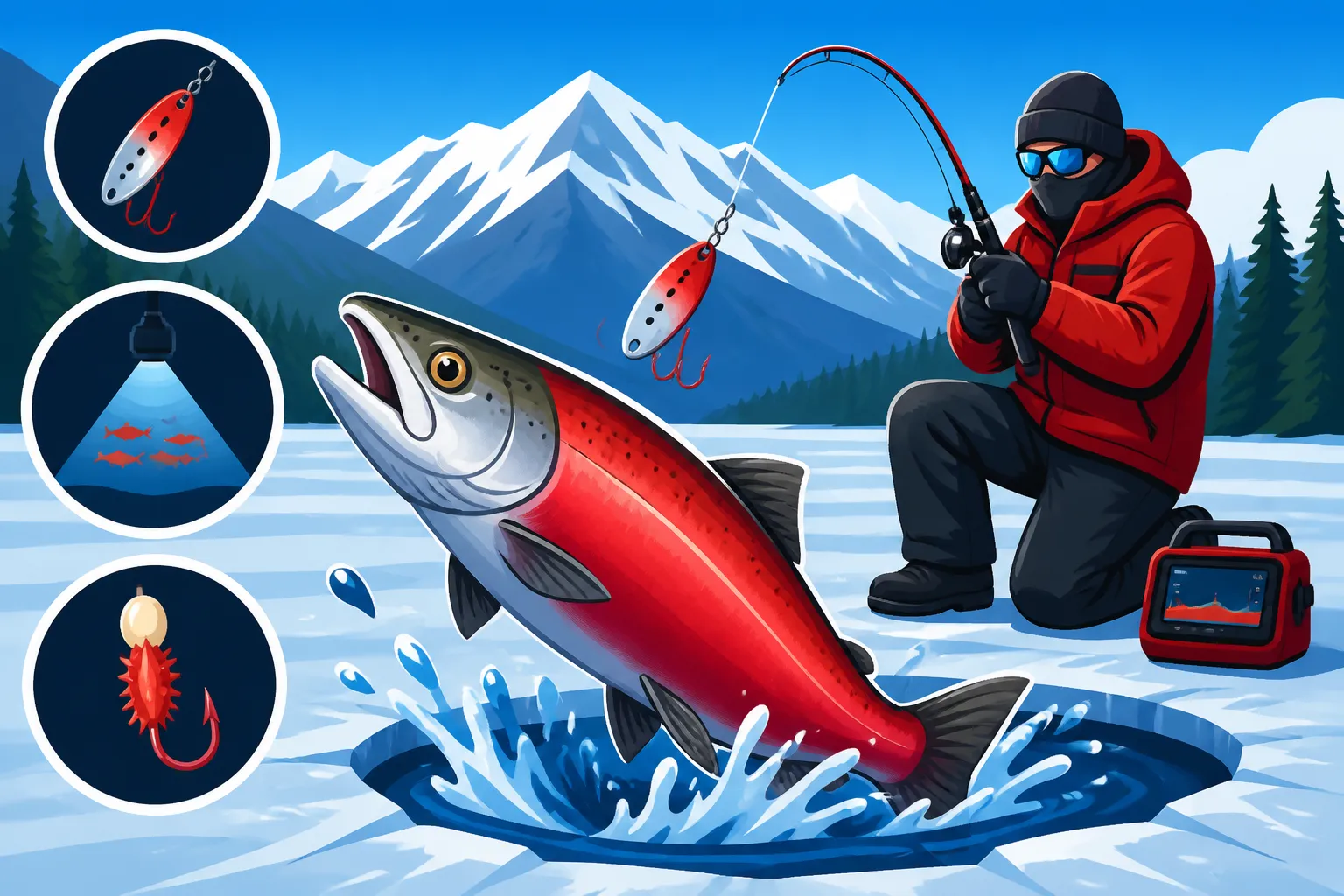
This is perhaps the most critical piece of gear for consistent kokanee success. A fish finder or flasher is not just a luxury; it's essential. Kokanee are suspended fish, and trying to find them without electronics is like looking for a needle in a haystack. Devices like those from Garmin, Lowrance, or Humminbird show you the depth of the lake bottom, any structure, and most importantly, where the fish are suspended in the water column. A flasher gives you real-time feedback on your lure and any fish approaching it, allowing you to react instantly to bites. Some advanced units even offer GPS mapping, which is incredibly useful for navigating and marking productive spots on larger bodies of water like Kootenay Lake or Okanagan Lake. Being able to see how kokanee react to your presentation and adjust your jigging motion accordingly is a massive advantage that electronics provide.
Top Techniques for Luring Kokanee Through the Ice
Kokanee are often described as finicky, and sometimes it feels like they’re just testing your patience. But with the right approach and a few go-to techniques, you can turn a slow day into a memorable one. The key is often in the subtle presentation and understanding what triggers their bite.
Jigging Strategies and Lure Choices
Jigging is the bread and butter of ice fishing for kokanee. The goal is to imitate a fleeing zooplankton or a small insect, attracting attention without being overly aggressive. Small, flashy jigs or spoons are incredibly effective. Think tiny spoons (1/16 to 1/8 ounce) in silver, gold, pink, chartreuse, or even glow-in-the-dark patterns. Specialized kokanee jigs, often teardrop-shaped or small tungsten jigs, are also excellent. The retrieve is crucial: start with a series of quick, short lifts and drops, followed by a pause. Experiment with the length of the lift and the duration of the pause. Sometimes a frantic dance is what they want, other times a barely perceptible twitch. Often, the bite comes on the pause, so pay close attention. Vary your retrieve until you find what the fish respond to. Many anglers will tip their jigs with bait, which brings us to the next point.
Using Bait and Scent Attractants
While jigs and spoons get the fish’s attention, bait often seals the deal. The most common and effective baits for kokanee through the ice are maggots (both live and synthetic Gulp! maggots), kernel corn (often dyed bright colours like pink or green for added visual appeal), or pieces of worm. Tipping your jig with just one or two maggots or a couple of kernels of corn adds scent, flavour, and a bit of natural action that can entice a reluctant kokanee to commit. Experiment with different combinations; sometimes a pink kernel of corn is the magic bullet, other times a wriggling maggot is what they’re looking for. Scent attractants, such as those infused with garlic, anise, or krill, can also be applied directly to your lures or bait. These scents can draw fish in from a wider area and encourage them to hold onto the lure longer, giving you more time to set the hook.
Deadsticking and Finicky Bites
Sometimes, even the most enticing jigging motion won't get a bite, especially when the fish are particularly finicky or pressured. This is where deadsticking comes into its own. Deadsticking involves setting up a second rod with a simple bait presentation and leaving it essentially motionless in a separate hole nearby, often suspended just above or within the kokanee school you're seeing on your electronics. A small lead weight or split shot above a single hook baited with corn or maggots is a common setup. The key is to keep the line slack or barely taut, allowing the bait to hang naturally. Many times, kokanee will approach a jigging lure, get interested, but then shy away. They might then turn around and pick up the motionless deadstick bait. This passive approach often triggers bites from those wary fish that won't commit to an active presentation. Remember to check local BC fishing regulations to ensure you're allowed to use multiple rods, as rules can vary by water body and season, as outlined in the BC Freshwater Fishing Regulations Synopsis.
Locating Kokanee Hotspots on Frozen BC Lakes
Finding kokanee under a sheet of ice can feel like a game of hide-and-seek, but knowing where to start and what to look for dramatically improves your odds. Kokanee, like most fish, relate to specific features and depths, even in their winter haunts.
Identifying Productive Structure and Depths
Kokanee are typically found in deeper, open water sections of lakes, but they still relate to structure. Look for areas where submerged points, humps, or drop-offs extend into deeper basins. These features often concentrate zooplankton, which is their primary food source, and provide migratory pathways. On larger lakes, consider main lake points or channel edges. When ice fishing on places like Shuswap Lake or Kootenay Lake, these deeper structures can be goldmines. Don't dismiss the middle of the lake entirely, as kokanee often suspend over vast open water areas, but finding subtle depth changes or underwater contours can help narrow down your search. Once you find a school, they often move along these contours. Keep an eye on your fish finder for schools suspended anywhere from 20 to 60 feet down, sometimes even shallower or deeper depending on the lake and time of day.
Reading the Ice and Understanding Lake Topography
Before you even drill a hole, take a moment to "read" the ice and consider the underlying lake topography. If you're familiar with the lake in open water, apply that knowledge. Where do the creek channels enter? Are there any significant drop-offs near shore? On big lakes, focus on areas known to hold kokanee during other seasons. Often, the same general areas will hold them through winter, just at different depths. For example, if you know a particular bay has a good summer bite, it might be worth exploring the deeper sections of that bay in winter. Pay attention to how the ice formed; areas with consistent, thick ice might indicate stable, deeper water, while areas with thin or patchy ice might indicate currents or shallow hazards. Local knowledge is invaluable here; chatting with tackle shop owners or other anglers can offer clues to productive spots, such as the Best kokanee lakes in the interior of BC.
Pre-Scouting and Local Knowledge
One of the best ways to find kokanee hot spots is to do your homework before the ice even forms. Use bathymetric maps (depth charts) available online or at tackle shops to identify potential holding areas. Look for sharp drop-offs, submerged islands, or deep points. Even driving around the lake perimeter and observing where other anglers have set up can give you hints. If you see a cluster of ice shacks, it's usually for a good reason! Don't be afraid to talk to other ice fishers; most are happy to share general information, especially about safety and recent conditions. Checking online fishing forums for BC can also provide up-to-date reports. Remember, fishing in winter can be cyclical, and what worked last week might not work today, so staying informed about current conditions is always a good idea.
Ice Fishing Safety and Regulations for Kokanee Anglers
Ice fishing, while incredibly rewarding, carries inherent risks. Your safety, and the safety of those around you, should always be your top priority. Beyond staying warm, understanding ice conditions and adhering to regulations are non-negotiable aspects of a successful and safe trip.
Assessing Ice Thickness and Conditions
The golden rule of ice fishing is "no ice is 100% safe." Always check ice thickness yourself, starting from shore and working your way out. A spud bar or ice chisel is an essential tool for this, allowing you to test the ice ahead of you. General guidelines suggest a minimum of 4 inches of clear, solid ice for walking, 5 inches for a snowmobile or ATV, and 8-12 inches for a small car or light truck. However, these are just guidelines; factors like ice clarity, current underneath, springs, fluctuating water levels, and even heavy snow cover can all compromise ice strength. Avoid areas with visible cracks, slushy spots, or discolored ice. Always fish with a buddy, and ensure someone on shore knows your plans and expected return time. Knowing How thick ice needs to be to fish safely in BC is the first step in responsible ice angling.
Necessary Safety Equipment and Protocols
Beyond checking ice thickness, a few pieces of safety gear are absolutely critical. Ice picks, worn around your neck, are your last line of defense if you break through, allowing you to pull yourself back onto the ice. A throw rope or rescue rope is vital for helping a buddy who has fallen in without putting yourself at risk. A fully charged cell phone is a must for emergencies, though be aware that cold temperatures can rapidly drain battery life. A portable GPS unit can also be invaluable, especially on large, featureless lakes where whiteout conditions can quickly disorient you. Dressing in layers, with a waterproof and windproof outer shell, is essential to prevent hypothermia. Always tell someone where you are going and when you expect to return. Better safe than sorry is the mantra for ice fishing.
Understanding BC's Specific Ice Fishing Regulations
British Columbia has specific regulations that apply to ice fishing, and they can vary significantly by region and even by individual lake. Before you head out, it's your responsibility to consult the current BC Freshwater Fishing Regulations Synopsis. This document will detail specific rules for daily bag and possession limits for kokanee, as well as gear restrictions, season dates, and whether certain lakes are catch-and-release only. For instance, BC Kokanee Retention Rules dictate how many you can keep. You'll also need a valid BC freshwater fishing license. Pay particular attention to any special regulations for specific water bodies you plan to fish, as these supersede general rules. Ignorance of the rules is not an excuse, and penalties for violations can be severe, so take the time to read up thoroughly.
Troubleshooting Common Ice Fishing Challenges
Even with the best gear and knowledge, ice fishing can throw you curveballs. From suddenly dormant fish to gear acting up in the cold, being prepared to troubleshoot common issues can save your day and keep your spirits high.
Dealing with Slow Bites and Finicky Fish
There will be days when the kokanee just don't seem to want to bite, no matter what you try. This is when patience and adaptability truly pay off. First, try changing your jigging retrieve. If you've been aggressive, switch to a very subtle, almost imperceptible jiggle. If you've been subtle, try a more active presentation. Vary your lure color – sometimes a simple switch from a bright pink to a natural silver or a glow pattern can make all the difference, especially as discussed in articles about Best kokanee jig colors for deep trolling. Experiment with bait: if corn isn't working, try maggots, or vice-versa. Don't be afraid to change your depth by just a few feet; kokanee schools often move up or down the water column slightly. If you have multiple holes drilled, move to a new one. Sometimes, a fresh perspective in a slightly different spot is all it takes to find an active school. Consider the time of day, too; peak feeding windows often coincide with dawn and dusk.
Managing Gear Malfunctions in Cold Weather
Cold weather can be tough on gear. Line can freeze to your rod guides, reels can become stiff, and electronics batteries can die prematurely. To combat frozen guides, carry a small bottle of de-icer spray or simply clear them regularly with your fingers. For reels, make sure they are well-lubricated with a cold-weather grease designed not to stiffen. Keep spare batteries for your fish finder and headlamp, and store them in an inside pocket to keep them warm until needed. A portable power bank, which you can easily find on Amazon, can also be a lifesaver for charging electronics or even your phone. A small toolkit with screwdrivers and pliers is also handy for minor repairs. Preparing your gear specifically for cold conditions before you head out can prevent most common malfunctions.
Adapting to Changing Weather and Ice Conditions
British Columbia weather can be notoriously unpredictable, and conditions on the ice can change rapidly. A sunny, calm morning can quickly turn into a windy, snowy whiteout. Always check the forecast before you go, but be prepared for anything. This means dressing in layers, having extra warm clothing, and bringing a fully enclosed shelter if strong winds are expected. If heavy snow starts to fall, be aware that it can hide weak spots on the ice and make navigation difficult. Carry a compass or GPS to maintain your bearings. As for ice conditions, if you notice the ice cracking excessively, water seeping up through holes, or slush building rapidly, it's a clear sign to pack up and head for shore. Never risk it. Always prioritize your safety over catching a few more fish, and remember that BC Fishing Season Dates and Closures can sometimes mean sudden shifts in what's safe or even legal to fish.
Disclaimer
Fishing in British Columbia requires adherence to provincial regulations. The information provided here is for general guidance only. Always consult the official BC Freshwater Fishing Regulations Synopsis and local fishery notices before any fishing trip, as rules can change seasonally and by specific waterbody. Ensure you have the proper licenses and prioritize safety on the ice.