Best Techniques for Kokanee in BC Lakes
There's nothing quite like the thrill of chasing kokanee in British Columbia's stunning lakes, but these landlocked sockeye can be notoriously finicky, leaving many anglers scratching their heads. You’ve likely experienced the frustration of marking schools on your sonar but getting no bites, or perhaps struggling to find them altogether. This guide will dive deep into the most effective techniques for targeting kokanee, helping you unlock the secrets to consistent success on your next BC fishing adventure.
Understanding Kokanee: The Silver Ghosts of BC Lakes
Before we even think about dropping a line, it’s crucial to understand the fish we're after. Kokanee, often affectionately called "silver ghosts," are unique and present a delightful challenge for any angler. They aren't just any trout; they are actually landlocked sockeye salmon, which means their life cycle and feeding habits are distinct from other freshwater species.
Kokanee Biology and Behavior
Kokanee salmon are fascinating creatures. Unlike their ocean-going sockeye cousins, kokanee complete their entire life cycle within freshwater lakes. They typically spend 2-4 years growing in the lake before returning to their natal streams or lake shores to spawn and die, much like true salmon. This landlocked existence means they rely heavily on plankton and small invertebrates as their primary food source, which influences where they live and what they’ll bite.
These fish are highly pelagic, meaning they prefer the open water column rather than hugging the bottom or structure like many trout species. They are also schooling fish, often found in dense aggregations. What makes them challenging is their sensitivity to light, temperature, and water clarity. They'll actively seek out specific thermal bands in the water column, often congregating along the thermocline where the water temperature and oxygen levels are just right, and their food source is abundant. This means they can be anywhere from just below the surface to over a hundred feet deep, depending on the time of year and the lake. Finding these elusive schools is half the battle, and understanding their deep-water habits is key.
Prime Kokanee Lakes in BC
British Columbia is blessed with an abundance of fantastic kokanee lakes, each offering its own unique flavor of fishing. These aren't just small ponds; many are vast, deep bodies of water that hold incredible populations of these silver beauties. Identifying the right lake and checking specific regulations for it is your first step to a successful trip.
Some of the most renowned kokanee fisheries in BC include Okanagan Lake, famous for its consistent action and good-sized kokanee, and Kootenay Lake, particularly known for its larger, sometimes trophy-sized kokanee, often targeted by dedicated anglers. Further north, Shuswap Lake also offers excellent kokanee opportunities, with vast expanses of water to explore. Other notable lakes include Wood Lake, Kalamalka Lake, Nicola Lake, and many smaller, regional lakes throughout the interior and Kootenay regions. Each lake can have slightly different kokanee sizes and densities, and knowing the local conditions can significantly boost your chances. Always check the BC Freshwater Fishing Regulations Synopsis for specific lake rules, as retention limits and seasons can vary. Knowing the local conditions and what specific regulations apply to your chosen lake, like the BC Kokanee Retention Rules, is paramount.
Essential Gear for Kokanee Success
You wouldn't try to hammer a nail with a screwdriver, and the same goes for kokanee fishing. These fish are delicate, have soft mouths, and are often very shy, so having the right gear is non-negotiable. Using general-purpose trout gear might get you a few bites, but specialized kokanee tackle will drastically improve your catch rates.
Rods, Reels, and Line Choices
When it comes to kokanee, finesse is the name of the game. You're looking for ultra-light or light-action rods with a very sensitive tip. A rod length of 7 to 8.5 feet is often ideal, allowing for good line control and absorbing the violent head shakes kokanee are known for once hooked. The soft tip helps detect those subtle kokanee bites, which can sometimes feel like nothing more than a slight tap or pressure change. A medium-light or light action spinning rod is perfect for casting from shore or jigging, while a similar action trolling rod with a more parabolic bend is excellent for boat fishing, especially with downriggers.
For reels, a small spinning reel (1000-2500 series) spooled with 4-6 lb test monofilament or fluorocarbon is perfect for jigging or light casting. For trolling, a small conventional reel with a line counter is a massive asset. This allows you to precisely replicate depths where you find fish. Speaking of line, monofilament is often preferred for its stretch, which acts as a shock absorber against the kokanee's soft mouth, reducing tear-outs. However, some anglers opt for a thin braided mainline with a fluorocarbon leader for increased sensitivity, especially when deep water jigging. Your leader should always be lighter than your main line, typically 4-6 lb fluorocarbon, to be nearly invisible in the clear waters of BC lakes.
Lures, Baits, and Scent
This is where the magic really happens for kokanee. These fish are attracted to small, flashy, and often scented presentations. Don't be afraid to experiment, as what works one day might not work the next. The best approach is to have a diverse tackle box ready to go.
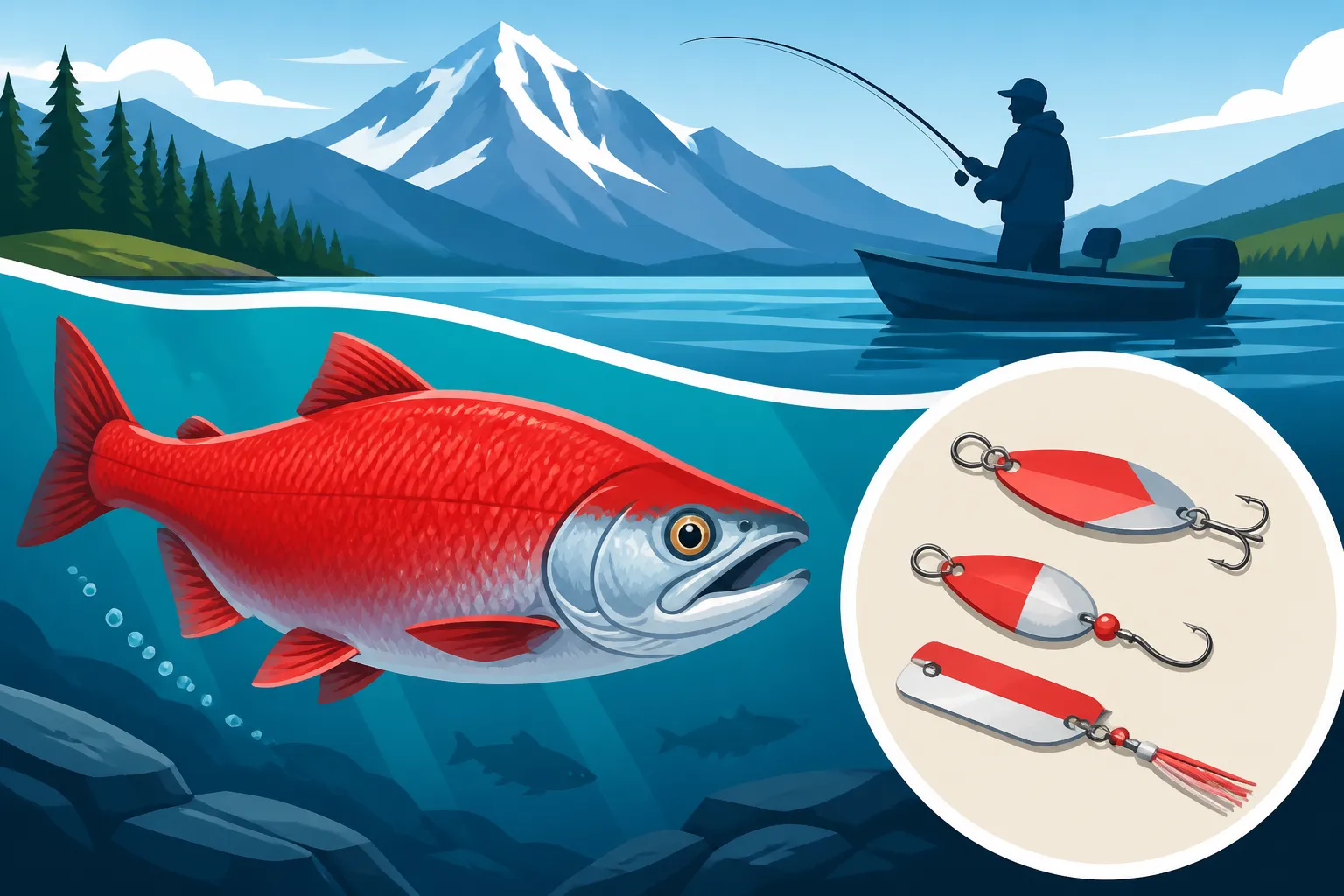
Small spoons are absolute kokanee magnets. Think names like the Gibbs-Delta "Wedding Band," "Wee G," "G-Force," or similar small, thin spoons from brands like Dick Nite, Rocky Mountain Tackle, and Shasta Tackle. Colors like pink, orange, chartreuse, and sometimes even red or green, often with glitter or scale patterns, are top performers. Small hoochies (squid skirts) in similar colors, often tipped with bait, are also incredibly effective. The key is small – typically 1.5 to 2.5 inches.
And then there's the bait and scent, which can often be the deciding factor between a good day and a great day. Kernels of shoepeg corn, maggots, or krill are common choices to tip your lures. But don't just use plain bait! Scent is king for kokanee. Brands like Pro-Cure, Pautzke’s Krill scent, or even simple garlic oil can make a huge difference. You'll want to frequently refresh the scent on your bait. Many anglers swear by soaking their corn in a mixture of tuna juice, garlic, and anise oil overnight. You can find a vast selection of these specialized kokanee lures, baits, and scents on platforms like Amazon, making it easy to stock up on all the essentials before your trip. The subtle flash and irresistible smell are often what seal the deal.
Mastering Trolling Techniques for Kokanee
Trolling is undeniably the most effective and popular method for catching kokanee in BC's larger lakes. These fish are constantly on the move, chasing plankton schools, and covering water with a trolled presentation allows you to find them and present your lure at the right depth and speed.
Downriggers and Dipsy Divers
To consistently catch kokanee, you absolutely need to get your lures down to where the fish are holding. This is where downriggers and dives come into play. A downrigger uses a heavy ball (cannonball) to take your line down to a precise depth, holding it there until a fish strikes and releases the line from a clip. This allows your lure to swim freely, unimpeded by heavy weights, making it more enticing. You can often run multiple lines at different depths using a downrigger, helping you pinpoint the fish's preferred zone.
If downriggers aren't in your setup, or you want to cover shallower depths, tools like Dipsy Divers, Jet Divers, or even simple planer boards can be incredibly effective. A Dipsy Diver, for instance, is a disc-shaped device that dives to a specific depth based on its size and how much line you let out, creating a similar effect to a downrigger but attached directly to your main line. They create a unique side-to-side action that some kokanee find irresistible. The key is to know your depths and adjust frequently. If your sonar shows fish at 60 feet, make sure your lure is running right through that depth.
Trolling Speed and Patterns
Kokanee are not typically fast-moving predators like some salmon or trout. They are often cruising slowly, feeding on tiny organisms. Therefore, a slow trolling speed is usually the most productive. Aim for speeds between 0.8 to 1.5 miles per hour. This slower speed allows your dodger or flasher to impart the correct enticing action to your lure. Too fast, and your gear might spin unnaturally; too slow, and it might not have enough action.
Don't just troll in a straight line, though! Incorporate S-curves and zig-zags into your trolling pattern. When your boat turns, the lures on the inside of the turn will slow down and drop, while the lures on the outside will speed up and rise. This change in speed and depth can often trigger a strike from a hesitant kokanee. Pay close attention to when and where strikes occur. Was it on the inside turn? The outside? This feedback will help you refine your pattern. Using your electronics to mark kokanee schools is paramount; troll right through them and note how your speed and turns affect their response.
Leader Length and Spacing
The setup ahead of your lure is just as important as the lure itself. Kokanee are visual feeders, but they can be shy, so the right presentation is key. Most kokanee anglers use a dodger or a flasher ahead of their lure. A dodger (like a Cowbell or Sling Blade) provides a wide, erratic side-to-side wobble that attracts fish from a distance, while a flasher (like a Hot Spot) creates a spiraling action and intense flash. Both are designed to mimic a school of baitfish or simply draw attention.
The leader length from your dodger/flasher to your actual lure is critical. Generally, a leader of 12 to 36 inches of light fluorocarbon (4-6 lb) works best. For very shy fish, a longer leader might be better, allowing your lure to swim more naturally away from the commotion of the dodger. Experiment with this length. Sometimes a shorter leader that makes your lure dance more wildly will trigger strikes, other times a longer, more subtle presentation is key. The distance between your dodger/flasher and the downrigger release clip (or your main line if using a Dipsy Diver) should also be considered, often 6-10 feet. This ensures the dodger has room to work properly before the lure.
Still Fishing and Jigging for Kokanee
While trolling might be the go-to for covering water and finding schools, there are definitely times and places where still fishing or vertical jigging can be incredibly effective, especially when kokanee are concentrated or holding in specific depths. These techniques offer a more direct approach and can be particularly rewarding.
Still Fishing from Anchor or Shore
Still fishing, whether from an anchored boat or from the shore, is a fantastic method when kokanee are schooled up in a specific area, perhaps near a drop-off, an underwater point, or during certain times of the year when they are shallower. This method requires a bit more patience but can yield excellent results if you've done your scouting.
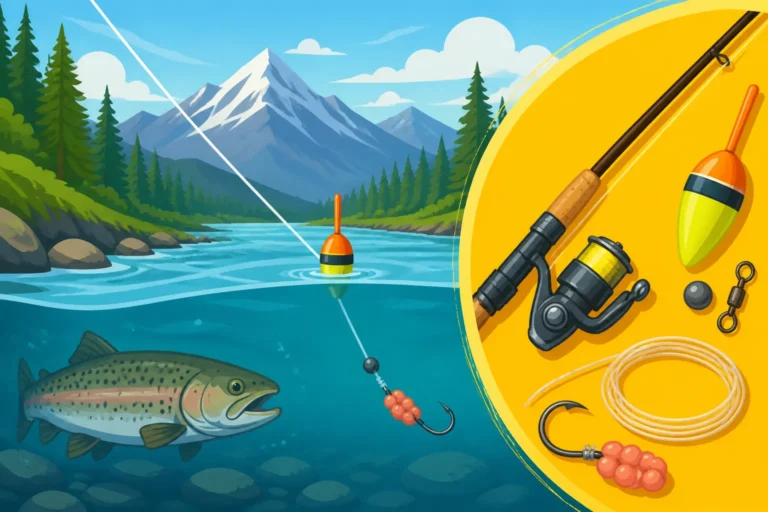
From an anchored boat, using your fish finder to locate schools before dropping anchor is crucial. Once you're over the fish, a simple bobber and weight setup can work, or you can opt for a slip sinker rig that allows your bait to rest on the bottom or be suspended at a specific depth. The key here is presenting natural baits, usually corn (often dyed or scented), maggots, or small pieces of krill. Keep your tackle light – a small hook (size 8-12) and a light leader will make a difference. Early morning and late evening, or overcast days, are often prime times for this method when kokanee might move into shallower feeding areas. Shore fishing for kokanee can also be surprisingly effective on certain lakes, particularly during spawning runs in the fall, or in lakes with good shore access to deeper water like some spots on Wood Lake.
Vertical Jigging for Suspended Schools
If you've got a good fish finder and you're seeing those tell-tale arches of kokanee schools suspended in the water column, vertical jigging can be an absolute blast. This is a very active fishing style that directly targets individual schools or aggregations of fish.
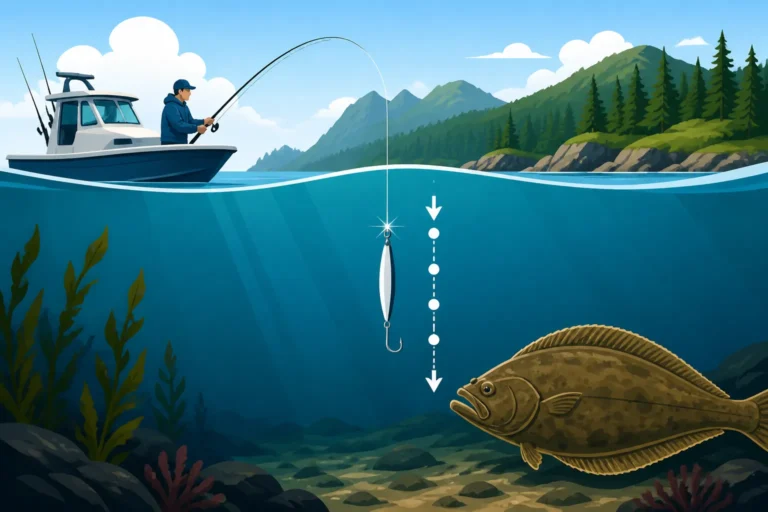
The key to successful jigging is precision. Once you’ve located a school, position your boat directly over them. Use small, flashy jigs, typically 1/8 to 1/2 ounce, in similar colors to your trolling lures (pink, orange, chartreuse). Popular jig types include small Kastmasters, Krokodile spoons, or even tiny plastic-bodied jigs like Gitzits. The technique involves dropping your jig down to the depth of the fish, then making short, sharp lifts and drops with your rod tip. The goal is to imitate a struggling baitfish or insect. Watch your sonar constantly; if the fish move, move with them. The bites can be subtle, so a sensitive rod is essential. Sometimes a slight pause after a lift is all it takes to trigger a strike. This technique is especially effective on calm days when boat control is easier and you can stay right on top of the fish.
Adapting to Seasonal Kokanee Patterns
Kokanee fishing isn't a static game; these fish are highly seasonal, and their behavior changes dramatically with water temperature, light penetration, and spawning cycles. Understanding these seasonal shifts is vital for choosing the Best Techniques for Kokanee in BC Lakes at any given time of year.
Spring and Early Summer (Post-Spawn to Pre-Summer Deep)
As the ice melts and spring blooms, kokanee in BC lakes begin a new cycle. In early spring, post-spawn kokanee are often relatively shallow, recovering from their spawning efforts and starting to feed actively. As the water warms, they'll become more active, and you might find them anywhere from the surface down to 30 or 40 feet. This is a great time for slightly faster trolling speeds as they actively chase emerging insect hatches or small baitfish.
Look for kokanee in bays, along drop-offs, and near the mouths of inflowing streams. They are often focused on replenishing energy reserves, so presentations that mimic their food source are key. This is a good time to experiment with small, brightly colored spoons and hoochies, perhaps with a bit more flash to grab their attention in the warming, sometimes clearer, water. As summer approaches and the surface water warms significantly, they'll gradually start to move deeper, ushering in the next phase of their seasonal migration.
Mid-Summer (Deep Water)
Mid-summer is when kokanee move to their deep-water haunts. As surface waters warm up and become less oxygenated, kokanee will descend to the cooler, oxygen-rich waters of the thermocline. This is typically where you’ll find them concentrated, often 40 to 80 feet deep, or even deeper in very large, clear lakes. This is the prime time for using downriggers, as precise depth control is absolutely essential.
You'll often find these schools suspended in open water, far from shore, concentrating in the main lake basins. Trolling becomes the dominant technique, and slowing down your boat speed might be beneficial as the fish become less active in the colder depths. Use your sonar to identify the exact depth of the thermocline and the fish schools. If you’re not marking fish, don’t be afraid to adjust your downrigger depths by 5-10 feet increments until you hit the right zone. This deep-water period is crucial, and mastering downrigger deployment is key. For more in-depth advice, check out our guide on How to locate kokanee in BC lakes.
Fall (Pre-Spawn and Spawning Runs)
As autumn approaches and lake temperatures begin to drop, kokanee undergo another significant behavioral change. This is the pre-spawn and spawning period, and it can offer some truly exceptional fishing opportunities, but also requires careful attention to regulations. Pre-spawn kokanee, typically in late summer and early fall, will start to move shallower and become incredibly aggressive as they fuel up for their final journey.
They'll often move closer to shore, particularly near the mouths of tributary rivers or along gravelly shorelines where they intend to spawn. During this time, you might find them in depths ranging from 10 to 40 feet, and they can be caught effectively by both trolling and, in some cases, even casting from shore. Their colors will also start to change from silver to vibrant reds and greens as they mature. Once the actual spawning run begins (check specific lake regulations for precise timing and any closures!), they will be concentrated in very shallow water, making them accessible to shore anglers. However, it's crucial to remember that spawning fish are very vulnerable, and regulations often restrict or close fishing during these times to protect the reproductive cycle. Be aware of the Kokanee Spawning Season in BC in your chosen lake.
Advanced Tips and Troubleshooting
Even with the right gear and techniques, kokanee can still be a challenge. They're often called "finicky" for a reason! Mastering the art of kokanee fishing involves constant adjustment and learning to read the subtle signs the fish and the water are giving you.
Reading the Water and Electronics
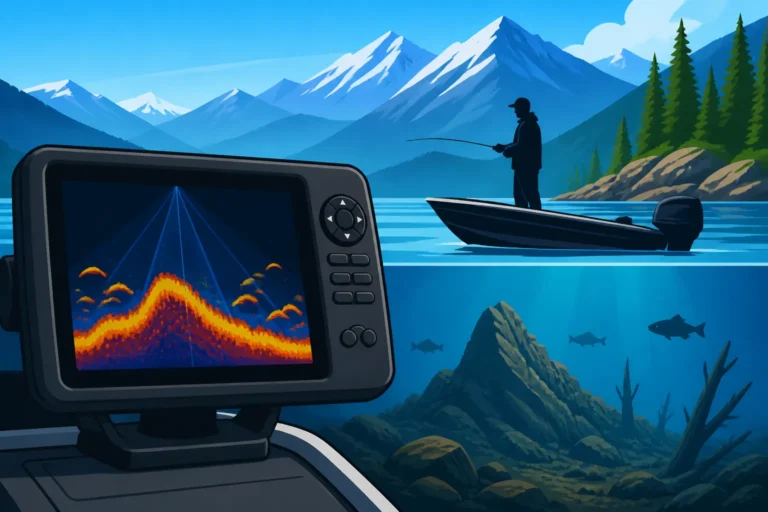
Your fish finder is your best friend when it comes to kokanee. Learn to interpret those arches and blobs on your screen. Tight, dense schools mean fish are concentrated, while scattered marks might mean they're more spread out. Pay attention to the depth at which you're marking fish, and ensure your lures are running right through that zone. Your sonar can also help you identify the thermocline – the distinct layer where water temperature changes rapidly – which is often where kokanee will congregate in summer.
Beyond electronics, keep an eye on surface activity. Sometimes, especially in low light, you might see kokanee breaking the surface, feeding on insects. Watch for bird activity, particularly gulls, diving on baitfish schools, as kokanee are likely to be nearby, feeding on the same food source. Water clarity, wind patterns, and even cloud cover can all influence where kokanee are holding and how aggressively they feed. On bright, sunny days, they might go deeper or prefer subtle presentations; on overcast days, they might be more active shallower.
Adjusting to Finicky Kokanee
One day, pink might be the hot color; the next, it’s chartreuse. Kokanee can be incredibly picky. If you're marking fish but not getting bites, it's time to troubleshoot. Start by changing colors. If pink isn't working, try orange, then green, then even silver or white. Experiment with different lure types – if spoons aren't working, try a small hoochie, or vice-versa.
Next, consider your speed and action. Speed up or slow down your troll by half a mile per hour. Make your turns sharper or wider. Try different leader lengths between your dodger and lure. And critically, refresh your scent frequently. Kokanee rely heavily on smell, and a fresh application of a quality scent can often turn a slow day around. Don't be afraid to scale down your tackle if the bites are light. Sometimes dropping to a 4lb leader can make all the difference. Many specialized kokanee scents and lure variations are readily available on platforms like Amazon, offering a convenient way to expand your tackle box with options for every mood of a kokanee. Remember, consistency in your presentation and constant tweaking are the hallmarks of a successful kokanee angler. For a deeper dive into the timing, consider our guide on the Best time to fish for kokanee at first light.
Handling and Releasing Kokanee
Kokanee are beautiful but delicate fish. Their mouths are soft, making them prone to tearing off the hook, especially during their characteristic head shakes. When you hook a kokanee, fight it gently and avoid horsing it in. Use a net with a fine mesh to land them carefully.
If you plan to keep your catch (and always adhere to BC Bag and Possession Limits by Species), it's best to dispatch and bleed kokanee immediately. This not only makes for better-tasting fish but also ensures a humane end. Place them on ice as quickly as possible. If you’re practicing catch and release, handle them minimally with wet hands, keep them in the water as much as possible, and quickly remove the hook. If the hook is deep, cut the line rather than trying to rip it out. These small efforts help ensure the health of BC's kokanee populations for future generations of anglers. It's important to differentiate between freshwater and tidal fishing, so remember that a BC Freshwater vs Tidal Waters License, Explained covers your kokanee adventures. Understanding What kokanee are and how they differ from sockeye will further enhance your appreciation for this unique species.
| Technique | Best Season | Gear Focus | Key Considerations |
|---|---|---|---|
| Trolling | Year-round | Downriggers, light rods, small spoons/hoochies, dodgers/flashers, scent | Speed (0.8-1.5 mph), S-curves, precise depth, frequent scent refresh |
| Jigging | Summer (deep), Fall (shallow) | Sensitive rod, small flashy jigs (1/8-1/2 oz), fish finder | Over suspended schools, short lifts/drops, boat control |
| Still Fishing | Spring (shallow), Fall (pre-spawn) | Bobber/slip sinker rig, small hooks, scented corn/maggots | Anchored over structure, patience, early/late day success |
Disclaimer
The information provided in this guide is for general informational purposes only and is not a substitute for official regulations. Fishing regulations in British Columbia can change frequently. Always consult the most current BC Freshwater Fishing Regulations Synopsis and local fishery notices before heading out on the water. Respect private property and adhere to all local laws and safety guidelines.