BC required boater safety course rules
Navigating the beautiful waters of British Columbia is an absolute dream for many, whether you're heading out for a day of salmon fishing off Vancouver Island or a leisurely cruise on Okanagan Lake. But the sheer joy of being on the water can sometimes make us overlook the crucial responsibilities that come with operating a boat. Far too often, I hear stories from fellow anglers who've been caught off guard by marine law enforcement, simply because they weren't fully aware of the mandatory boater safety course rules in BC. This comprehensive guide is here to clear up all that confusion and ensure your time on the water is safe, legal, and stress-free.
Understanding British Columbia's Boater Safety Requirements
When you think about getting out on the water, you probably picture reeling in a trophy salmon or casting a fly for a spirited rainbow trout. What often slips our minds, amidst the excitement, are the foundational rules designed to keep everyone safe. In British Columbia, just like the rest of Canada, operating a motorized vessel on the water isn't quite as simple as hopping in and taking off. There are critical safety regulations enforced by Transport Canada that every boater needs to be intimately familiar with.
The Mandatory Pleasure Craft Operator Card (PCOC)
The cornerstone of boater safety in Canada, and by extension British Columbia, is the Pleasure Craft Operator Card, or PCOC. This isn't just a suggestion; it's a legal requirement. Think of it like a driver's license for your boat. If your vessel has any kind of motor – be it electric, gasoline, or diesel – you need this card. This applies to everyone, regardless of age, who operates a motorized pleasure craft, even small inflatable boats with a trolling motor. The only real exception is for individuals operating a human-powered boat like a canoe or kayak, unless they decide to attach a motor to it, even temporarily.
I’ve met countless folks who thought their extensive experience on the water, perhaps from growing up around boats, would exempt them. Unfortunately, that's not how it works. The PCOC ensures that everyone at the helm has a fundamental understanding of navigation, safety, and emergency procedures, not just practical boat handling skills. Imagine a beautiful summer day on Shuswap Lake, bustling with families enjoying tubing, wakeboarding, and fishing. Without a PCOC, you could inadvertently put yourself and others at risk, not to mention face a hefty fine if stopped by marine police or a conservation officer. Getting your PCOC is a relatively straightforward process, and it's a small investment for peace of mind and safety. For a deeper dive into this, you might find our guide on the BC Pleasure Craft Operator Card Requirement incredibly helpful.
Exemptions and Specific Situations
While the PCOC is mandatory for most, there are a few specific situations and individuals who might be exempt from carrying one. Understanding these nuances is crucial, especially if you're visiting BC from elsewhere or operating a unique type of vessel.
Firstly, individuals operating a human-powered boat without any motor, as mentioned, are exempt. So, if you're strictly paddling a canoe up the Elk River for some trout fishing, you won't need a PCOC. However, the moment you clip on a small electric motor, that exemption vanishes, and you're back in PCOC territory. Another common scenario involves visitors to British Columbia. If you're a non-resident of Canada and you're operating your boat for less than 45 consecutive days, you might be exempt if you carry a valid equivalent competency card from your home country, or simply keep a rental boat contract and a temporary safety checklist on board. This is often the case for tourists bringing their boats up from the United States for a fishing vacation on the coast. However, for those planning extended stays or repeat visits, obtaining a Canadian PCOC is highly recommended to avoid any confusion or potential issues.
Another common misconception revolves around charter boats. Many people assume that if they're on a guided fishing trip, the guide's license covers everyone. While the charter captain is indeed licensed and responsible for the vessel's overall safety, you as an individual operating the boat (even for a short time) would still need your own PCOC unless specifically exempt or if the guide is always at the helm. If you're looking into charter options, remember to check out our BC fishing license for out-of-province charter passengers guide for more detailed information on what licenses apply to you. It's always best to clarify these details with your charter operator beforehand to ensure everyone is compliant.
How to Obtain Your Pleasure Craft Operator Card
The thought of taking a test or studying for an exam can feel daunting, especially when all you want to do is get out on the water. But getting your Pleasure Craft Operator Card (PCOC) is actually quite accessible and designed to equip you with essential knowledge rather than trip you up. There are a couple of main routes you can take, each with its own advantages, depending on your learning style and schedule.
Online Course Providers and Process
For many, the most convenient way to get their PCOC is through an online course. This option offers incredible flexibility, allowing you to study at your own pace, from the comfort of your home, and fit it around your work or family commitments. There are several Transport Canada-accredited course providers available. A quick web search will reveal options like AceBoater, Boatsmart, and Boat-Ed, among others, all of which offer comprehensive online modules.
The process typically involves a few key steps:
- Enrollment: You sign up with an accredited provider and pay the course fee. The BC Pleasure Craft Operator Card cost is generally quite reasonable, considering it's a lifetime certification.
- Course Material: You'll go through interactive online modules covering everything from basic navigation rules, buoy systems, safe operating practices, environmental responsibility, and emergency procedures. These courses often include quizzes and practice tests to reinforce your learning.
- Final Exam: Once you've completed all the modules and feel confident, you'll take a final, proctored online exam. Don't worry, these aren't meant to be trick questions; they assess your understanding of critical boating safety principles.
- Certification: Pass the exam, and your provider will issue you a temporary PCOC immediately. Your official, wallet-sized card will then be mailed to you within a few weeks. It's truly a lifetime card – no renewals required, which is a huge bonus! For those who like a physical book to study from, you can often find supplementary PCOC study guides on platforms like Amazon, though the online course itself typically provides all the necessary material.
In-Person Training Options
While online courses are super popular for their convenience, some individuals prefer a more traditional, in-person learning environment. Perhaps you learn better with direct interaction with an instructor, or you appreciate the structured schedule of a classroom setting. Good news: in-person courses are still readily available across British Columbia.
These courses are typically offered by boating schools, marinas, and even some community centers. They often run over a weekend or a series of evenings, providing a condensed and immersive learning experience. The benefits here are clear: you get to ask questions directly, engage in discussions with other learners, and sometimes even benefit from hands-on demonstrations or local insights from experienced instructors. For someone who might feel less confident with technology or simply prefers the camaraderie of a group, this is an excellent choice. You'll cover the same essential material as the online courses, culminating in a written exam at the end of the session. Check with your local marina in places like Richmond, Sidney, or Kelowna for upcoming course dates. The learning outcomes are identical, it's really about choosing the method that best suits your personal learning style.
Key Topics Covered in a Boater Safety Course
When you enroll in a boater safety course, whether online or in person, you’re not just memorizing facts; you’re building a foundation of knowledge that’s critical for safe and responsible enjoyment of BC’s waterways. These courses are designed to cover a broad spectrum of topics, ensuring that you’re prepared for various situations you might encounter. It's about empowering you with the confidence to handle your vessel and react appropriately, no matter what the waters throw your way.
Navigation Rules and Aids to Navigation
One of the most important sections of any boater safety course revolves around navigation rules, often referred to as the "rules of the road" for the water. Just like on land, there are specific protocols for how vessels interact to prevent collisions. You'll learn about right-of-way rules, which dictate who must give way to whom in different scenarios (e.g., powerboats vs. sailboats, vessels meeting head-on, or crossing paths). This knowledge is absolutely vital when navigating busy areas like the Georgia Strait or even a popular lake like Kalamalka.
Beyond just avoiding collisions, you’ll also delve into "Aids to Navigation." These are the signs and markers that guide mariners safely through channels, past hazards, and to their destinations. You'll learn to interpret the meaning of different colored buoys, lights, and day markers, understanding whether they indicate safe passage, a port or starboard side of a channel, or a danger zone. Imagine trying to navigate the complex estuary of the Fraser River without understanding these signals – it would be incredibly dangerous! The course will break down the Canadian Buoyage System, ensuring you can "read" the water just like you read a map.
Emergency Procedures and Equipment
While we all hope for smooth sailing, emergencies can happen, and knowing how to respond calmly and effectively can make all the difference. Boater safety courses place a strong emphasis on emergency preparedness, covering everything from minor mishaps to serious incidents. You’ll learn about various distress signals, such as flares (visual distress signals), sound-signaling devices, and the proper use of a VHF radio for hailing help. This is where understanding equipment really comes into play.
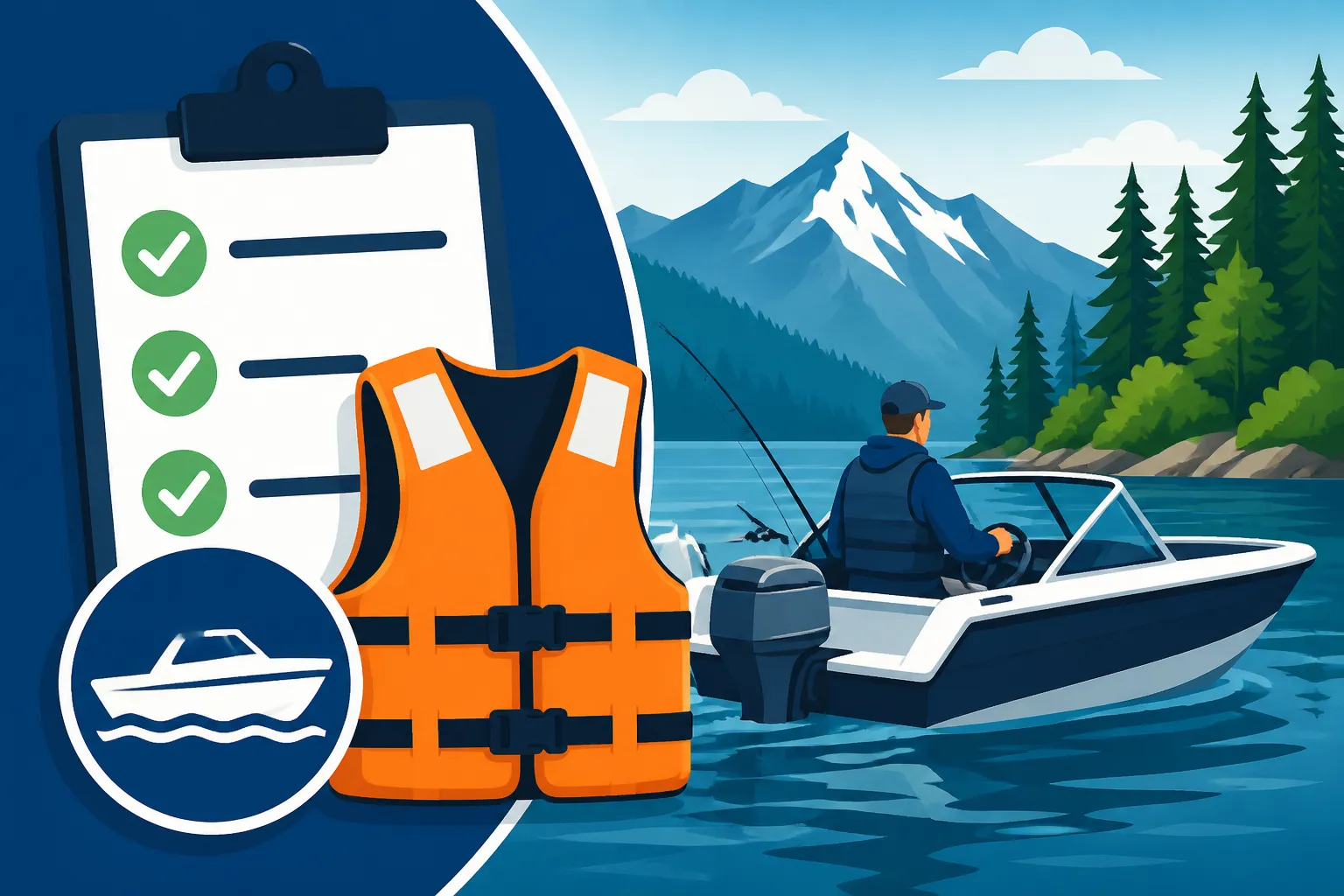
A significant portion of this section is dedicated to required safety equipment. You'll learn about the minimum legal requirements for your specific vessel size, including life jackets (or PFDs), bailers, anchors, fire extinguishers, and first-aid kits. For instance, knowing the specific Life Jacket Requirements for BC Boaters for each passenger on board your vessel is not just a good idea, it's the law. The course will teach you not only what equipment you need but also how to use it properly and where to store it for quick access. It’s not enough to have a first-aid kit; you need to know how to administer basic first aid on the water. You can find many of these essential safety items, from marine first aid kits to whistle/flare combos, readily available on Amazon, often with reviews that can help you choose reliable gear. Having a comprehensive BC required boat safety equipment checklist is something you'll definitely want to keep handy.
Environmental Responsibility and Safe Operating Practices
Operating a boat isn't just about personal safety; it's also about being a good steward of British Columbia's pristine natural environment and a respectful member of the boating community. Boater safety courses instill a deep sense of environmental responsibility, educating you on how to prevent pollution from fuel, oil, and waste, and how to minimize your impact on aquatic ecosystems. This includes proper waste disposal, understanding sensitive habitats, and avoiding areas where wildlife might be nesting or feeding.
Furthermore, courses cover safe operating practices designed to enhance everyone's enjoyment and safety. This involves understanding safe speeds for different conditions and areas, maintaining a proper lookout for other vessels, swimmers, and hazards, and being mindful of your wake. A large wake can cause significant damage to moored boats, shoreline erosion, and can be dangerous for smaller craft or paddlers. You'll learn about the dangers of impaired boating, specifically the severe penalties associated with BC boating under the influence penalties, which are just as strict as impaired driving on land. Essentially, these sections teach you how to be a courteous, responsible, and environmentally conscious boater, ensuring that BC's waters remain beautiful and safe for generations to come.
Penalties and Enforcement for Non-Compliance
It's easy to think of boating regulations as just a list of rules, but they exist for very serious reasons – primarily safety. Ignoring these rules, especially the mandatory requirement for a Pleasure Craft Operator Card (PCOC), can lead to some pretty significant consequences that go far beyond a slap on the wrist. Enforcement agencies in British Columbia take marine safety very seriously, and rightfully so.
Consequences of Operating Without a PCOC
Operating a motorized pleasure craft in British Columbia without a valid PCOC is illegal and can lead to a formal charge and a substantial fine. The typical fine for not having your PCOC on board or not possessing one can vary, but it's generally a minimum of around $250. This can escalate depending on the circumstances, and it's certainly enough to put a damper on any fishing trip or leisurely cruise. Imagine spending hundreds of dollars on gas, bait, and provisions for a weekend trip to Best Fishing Lakes in British Columbia, only to have it cut short by a fine that could have been easily avoided.
Beyond the immediate financial penalty, there's the underlying issue of safety. If you're operating a boat without the knowledge gained from a safety course, you could be putting yourself, your passengers, and other boaters at risk. In the event of an accident, your lack of a PCOC could complicate insurance claims and lead to further legal trouble. It's not just about avoiding a fine; it's about ensuring you have the fundamental understanding to react appropriately in an emergency, navigate safely, and respect other users of the water. Our guide on the BC minimum fine for no Pleasure Craft Operator Card offers even more specific details on the financial repercussions.
Marine Law Enforcement Agencies
So, who exactly is out on the water ensuring everyone is following the rules? In British Columbia, a few key agencies work together to enforce marine laws. The primary players you'll likely encounter are:
- Royal Canadian Mounted Police (RCMP) Marine Services: The RCMP has dedicated marine units that patrol coastal waters, major lakes, and rivers throughout BC. They are authorized to stop vessels, conduct safety checks, and enforce all federal marine regulations, including those related to the PCOC, impaired boating, and required safety equipment.
- Canadian Coast Guard (CCG): While the CCG's primary role is search and rescue, environmental response, and maintaining aids to navigation, their officers also have the authority to enforce boating regulations as needed, particularly concerning safety equipment and vessel compliance.
- BC Conservation Officer Service: These officers primarily focus on enforcing fishing, hunting, and wildlife regulations, but they also have the authority to check for general boating compliance, especially in remote fishing areas where they might be the only enforcement presence.
It's not uncommon to be stopped for a routine safety check, especially during busy seasons or in popular boating areas. Officers will typically ask to see your PCOC, your vessel's registration, and verify that you have all the required safety equipment on board. They're not trying to ruin your day; they're ensuring everyone's safety. Being prepared, having your documents readily available, and knowing your boat is fully compliant will make these interactions quick and painless, allowing you to get back to enjoying your day on the water.
Maintaining Your Boating Credentials and Continued Education
Once you've successfully completed your boater safety course and proudly received your Pleasure Craft Operator Card, you might wonder if that's the end of your boating education journey. For the most part, when it comes to the PCOC itself, you're set for life. However, maintaining good boating practices and considering further education is always a smart move for any serious angler or recreational boater in British Columbia.
Does the PCOC Expire?
This is one of the most common questions people ask, and it's great news: the Pleasure Craft Operator Card does not expire! Once you've earned your PCOC, it's valid for life. There's no need for renewals, refresher courses, or re-taking the exam, which is a significant relief for many. This "once and done" aspect makes it incredibly convenient for boaters, as you won't have to worry about your certification lapsing if you take a few years off from boating or move to a different province.
However, while the card itself doesn't expire, your knowledge and the regulations around boating can change. It's always a good idea to stay informed about any updates to Transport Canada's safe boating regulations. You can do this by regularly checking the Transport Canada website, subscribing to marine safety newsletters, or picking up the latest copy of the annual Reading the BC Freshwater Fishing Regulations Synopsis, which often includes a section on general boating rules. Even though your card remains valid, a quick refresher on key rules every few years can ensure you're always operating with the most current information. If you ever lose your card, replacing it is usually a simple process through the original course provider, as detailed in our Does a Pleasure Craft Operator Card Expire in BC? guide.
Beyond the Basics: Advanced Boating Courses
While the PCOC provides a solid foundation, there's a whole world of advanced boating knowledge and skills that can further enhance your safety, confidence, and enjoyment on the water. For many avid anglers and boaters, the PCOC is just the beginning.
Consider courses like:
- VHF Radio Operator Certificate: This is crucial if you plan on venturing into coastal waters or areas with limited cell service. Learning how to properly use a Very High Frequency (VHF) marine radio for distress calls, weather updates, and communicating with other vessels is an invaluable skill.
- Marine First Aid: While your PCOC covers basic emergency procedures, a dedicated marine first aid course goes much deeper, preparing you to handle medical emergencies far from shore or immediate medical help.
- Advanced Navigation and Seamanship: For those venturing into more complex coastal navigation, understanding charts, GPS, radar, and advanced weather interpretation can be incredibly beneficial.
- Boat Handling Skills: Practical, on-the-water training sessions can refine your docking, maneuvering, and trailering skills, making you a more proficient and confident operator.
These advanced courses not only make you a more capable boater but can also sometimes lead to insurance discounts. They're an investment in your safety and the safety of those on board, allowing you to explore more challenging waters or tackle more ambitious fishing adventures, perhaps in the remote areas covered in our Best Fishing Rivers in British Columbia guide. You can often find excellent books and guides for these advanced topics on platforms like Amazon, supplementing your hands-on learning.
Here's a quick overview of PCOC requirements:
| Vessel Type | PCOC Required for Operator | Minimum Age to Operate (with PCOC) | Key Exemptions |
|---|---|---|---|
| Motorized Vessel (any size, any motor type) | Yes | No minimum age, but competence req. | Non-residents (under 45 days, valid home cert) |
| Personal Watercraft (PWC) – e.g., Jet Ski | Yes | 16 years old | No exemptions for PWCs |
| Non-Motorized Vessel (e.g., canoe, kayak) | No | No minimum age | Always exempt unless a motor is added |
| Rental Motorized Vessel | No (if temporary rental) | Minimum age 16 for rental | Must have rental safety checklist & rental agreement |
| Commercial Vessel (for work) | No (different certification) | Varies by role | Commercial operators need specific Transport Canada certs |
Remember, this table summarizes general requirements, but it's always best to consult the official Transport Canada regulations for the most up-to-date and specific details.
Disclaimer
The information provided in this guide is for general informational purposes only and does not constitute legal advice. While we strive to offer accurate and up-to-date content, boating regulations can change, and individual circumstances may vary. Always consult the official Transport Canada website, the current BC Freshwater Fishing Regulations Synopsis, and other relevant government resources or a qualified legal professional for the most accurate and specific information regarding British Columbia's boater safety course rules and regulations. Boating safely and legally is your responsibility.