BC Pleasure Craft Operator Card cost
Navigating the beautiful waters of British Columbia is a dream for many, especially for those of us who love to cast a line. But before you can fully enjoy the breathtaking lakes, rivers, and coastal stretches, there's a crucial piece of paper you need: the Pleasure Craft Operator Card (PCOC). Many folks get hung up on understanding exactly what it is, why it's mandatory, and perhaps most importantly, how much it's going to set them back. This guide is here to demystify the PCOC costs and requirements, helping you get out on the water without any unnecessary headaches or surprises.
Understanding the Pleasure Craft Operator Card Requirement in BC
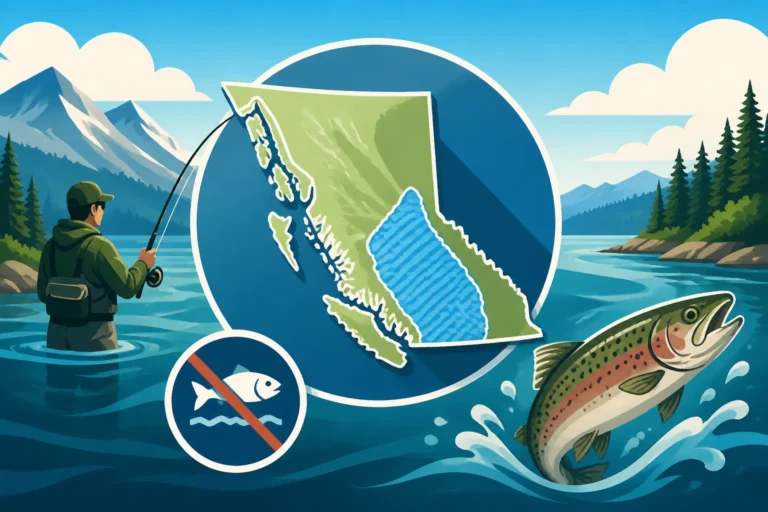
Before we even get to the dollars and cents, let's talk about why this little plastic card is so vital. It's not just another piece of bureaucracy; it's about safety on the water for everyone. Whether you're planning to explore the Best Fishing Lakes in British Columbia or venturing out for some halibut fishing off Vancouver Island, if you're operating a motorized pleasure craft, you need a PCOC. It’s a federal requirement, not just a provincial one, so it applies across Canada. This means that if you’re visiting from another province, your PCOC is still valid here in BC.
Why the PCOC is Mandatory for Boating Safety
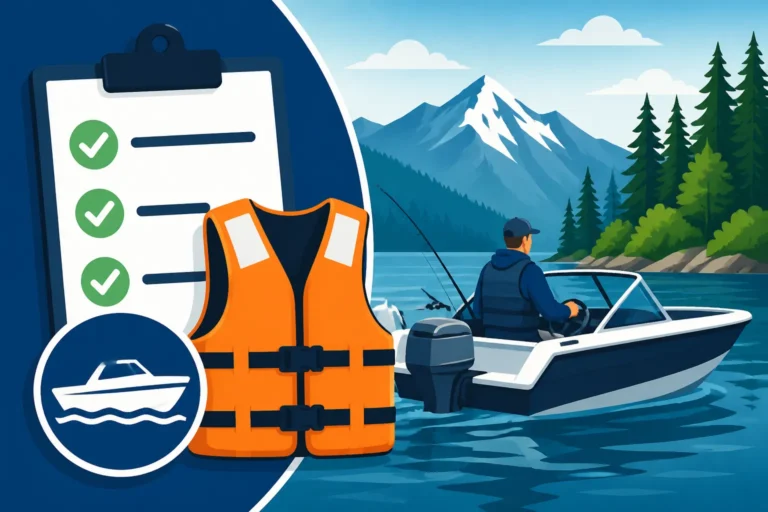
The intent behind the PCOC is simple: to ensure that anyone operating a motorized boat has a basic understanding of safe boating practices, navigation rules, and what to do in emergencies. Think about it, the water can be unpredictable, and other boaters might not always be as attentive as they should be. Having a common baseline of knowledge helps prevent accidents, protect marine life, and ensures that everyone can enjoy the waterways responsibly. Without this card, you could be facing some serious penalties, and nobody wants that. Understanding the BC minimum fine for no Pleasure Craft Operator Card is a good incentive to get yours sorted.
Who Needs a Pleasure Craft Operator Card?
Generally speaking, if you're operating any type of motorized boat, from a small aluminum fishing boat to a larger cruiser, you'll need a PCOC. The only real exemptions are for commercial vessels, specific emergency craft, or if you're operating a boat in the Northwest Territories or Nunavut, where some different rules apply. This even includes electric trolling motors on your canoe or kayak if they're the primary means of propulsion. Age also plays a role in some aspects; for instance, understanding BC fishing license age requirements is different from PCOC age restrictions. While there isn't a minimum age to get a PCOC, there are restrictions on who can operate certain types of boats based on age, even with a card. For example, those under 16 have horsepower restrictions on the boats they can operate. It's crucial to check Transport Canada's official guidelines for the most current rules.
Breaking Down the Cost: What to Expect for Your PCOC
Alright, let's get down to the brass tacks: how much does this thing actually cost? The truth is, there isn't one single, universal price tag for a PCOC. The cost can vary depending on a few factors, primarily the provider you choose and the format of the course. It’s not like buying a fishing license where the cost is set by the government; the PCOC is administered by third-party providers accredited by Transport Canada.
Typical Price Ranges for PCOC Courses
Most PCOC courses in Canada, including those available to BC residents, typically fall within a range of $40 to $80 CAD. This usually covers the online course material, practice quizzes, and the final proctored exam. Some providers might offer basic packages at the lower end, while others include additional study aids, longer access periods, or even a physical copy of the card at the higher end of the spectrum. It's a competitive market, so you'll see different promotional pricing throughout the year.
For example, a quick search often shows providers like Ace Boater, Boat Smart Exam, and MyBoatCard.com offering similar pricing structures, frequently running specials. It’s always worth checking a few different sites before committing. Don't just jump on the first one you see; compare what's included in the price. Sometimes, a slightly higher initial cost might mean a better learning experience or additional benefits that make it worthwhile.
What's Included in the PCOC Fee?
When you pay for a PCOC course, you're generally paying for the entire package needed to become certified. This usually encompasses:
- Online Course Material: This is typically interactive, self-paced content covering everything from navigation rules and buoyage systems to emergency procedures and environmental responsibility. It's designed to be engaging, with videos, diagrams, and text explanations.
- Practice Quizzes: Essential for reinforcing your learning, these quizzes help you gauge your understanding before you tackle the main exam. They often mimic the format and difficulty of the final test.
- The Final Exam: This is the moment of truth! It's usually an online, multiple-choice exam that must be completed within a set time frame. Most providers have measures in place to ensure academic integrity, like requiring you to keep your webcam on during the exam.
- The Pleasure Craft Operator Card: Once you pass, the provider will issue your official PCOC. This card is typically mailed to you, but most providers also offer a temporary digital card you can use immediately while waiting for the physical one. This is super handy if you're planning a trip soon after passing! Understanding Printing or Carrying a Digital Fishing License in BC might give you an idea of how digital permits are generally accepted.
It's also important to note that the PCOC is a lifetime card. Unlike your driver's license, it doesn't expire, meaning there are no renewal fees once you have it. This makes the initial investment even more valuable! If you're wondering, Does a Pleasure Craft Operator Card Expire in BC?, the answer is generally no for the card itself, but always stay updated on changing regulations.
Here's a quick comparison table of what you might find across different PCOC providers:
| Feature/Provider Aspect | Basic Package (e.g., $40-55) | Standard Package (e.g., $55-70) | Premium Package (e.g., $70-80+) |
|---|---|---|---|
| Online Course Access | Standard (e.g., 90 days) | Extended (e.g., 1 year) | Lifetime Access |
| Practice Exams/Quizzes | Included | Included, often more extensive | Included, often more extensive |
| Final Exam Attempts | 2 attempts usually | 2-3 attempts | Often unlimited attempts (check) |
| Physical PCOC Mailing | Standard mail | Expedited or Standard mail | Expedited or Standard mail |
| Digital PCOC | Yes | Yes | Yes |
| Printed Study Guide | Not usually | Optional add-on | Sometimes included |
| Video Lessons | Basic | More in-depth or animated | Most comprehensive |
| Customer Support | Email & Phone | Priority Email & Phone |
Online vs. In-Person Courses: Cost and Convenience
The method you choose to get your PCOC can definitely impact both the cost and your overall learning experience. For most recreational boaters in BC, the online option has become incredibly popular for its flexibility and affordability.
Advantages of Online PCOC Courses
Online PCOC courses are, by far, the most common and generally the most budget-friendly option. Their advantages are clear:
- Flexibility: You can complete the course at your own pace, fitting it around your work, family, and fishing schedule. Whether you're an early bird or a night owl, you can log in whenever it suits you. This is a huge bonus for busy individuals.
- Accessibility: You can take the course from anywhere in BC, whether you're in Vancouver, the Okanagan Valley, or a remote cabin on Vancouver Island, as long as you have internet access. This saves on travel time and costs that an in-person class would require.
- Cost-Effectiveness: As mentioned, online courses usually come in at the lower end of the price spectrum. They don't have the overhead costs of renting classrooms or paying instructors for live sessions.
- Self-Paced Learning: If you're someone who likes to take their time, review sections multiple times, or power through the material quickly, the self-paced nature of online learning is ideal. You're in control of your learning speed.
Many of these online courses are very well-designed, featuring interactive modules, clear explanations, and engaging visuals. The quizzes and practice tests are usually integrated seamlessly, allowing you to check your understanding as you go.
When an In-Person Course Might Be Better
While less common and usually more expensive, in-person PCOC courses still exist and can be a great option for some individuals, particularly those who prefer a structured learning environment or benefit from direct interaction with an instructor.
- Structured Learning: If you thrive in a classroom setting with a set schedule, an in-person course provides that discipline. You show up, learn, and often take the exam right there.
- Direct Interaction: For those who have a lot of questions or prefer to learn through discussion, an instructor-led class can be invaluable. You can ask questions in real-time and get immediate clarification. This can be particularly helpful if you're new to boating altogether and feel overwhelmed by the information.
- Networking: In-person classes offer a chance to meet other local boaters and anglers. You might pick up some great tips on local fishing spots or form new connections for future outings.
- Practical Application (Sometimes): Some in-person courses might integrate brief practical demonstrations or discussions, though the PCOC itself is a knowledge-based certification, not a hands-on driving test like a car license.
In-person courses typically cost more, often ranging from $80 to $150 or even higher, as they include instructor fees, facility costs, and printed materials. You might find these offered through community colleges, marine safety organizations, or local boat clubs in larger centres like Vancouver, Victoria, or Kelowna. These courses are also often required for certain advanced boating certifications beyond the PCOC. If you are looking for more comprehensive training, you might also want to look into other BC required boater safety course rules.
Finding the Right Provider and Avoiding Hidden Fees
Choosing the right PCOC provider can feel a bit like sifting through fishing lures – there are so many options! But with a little research, you can find a reputable provider that fits your budget and learning style, ensuring you don't get snagged by unexpected costs.
Key Factors to Consider When Choosing a Provider
When you're comparing PCOC course providers, keep these points in mind:
- Transport Canada Accreditation: This is non-negotiable. Ensure the provider is officially accredited by Transport Canada. You can usually find a list of approved providers on Transport Canada's website. If they aren't accredited, their card isn't valid, and you'll have wasted your money and time.
- Course Content and Quality: Look for reviews or testimonials from past students. Does the course seem thorough? Is it easy to understand? Are there interactive elements, videos, and good practice tests? A well-designed course will make learning much easier and more effective.
- Exam Process: Understand how the final exam works. Is it online? Is it proctored? What are the passing requirements? How many attempts do you get if you don't pass on the first try? Most reputable providers offer at least one free re-test.
- Customer Support: If you run into technical issues or have questions about the material, how easy is it to get help? Good customer support can make a big difference, especially with online courses.
- Physical Card Delivery: How quickly do they process and mail the physical card? Do they offer a temporary digital card? This is especially important if you need to be on the water soon after passing.
- Accessibility Features: If you have specific learning needs, check if the course offers features like text-to-speech, adjustable text sizes, or other accessibility options.
- Overall Value: Consider the entire package. Is it just the bare bones, or does it include lifetime access to the materials, extra practice questions, or a printed study guide? Sometimes, paying a little more upfront for better resources can save you frustration later.
Brands like Ace Boater and BoaterExam.com are widely recognized and generally have good reputations for their comprehensive online courses and support.
Watch Out for Hidden Costs and Upsells
While the PCOC is a relatively affordable certification, some providers might try to add on extras. Be vigilant for:
- "Expedited" Card Delivery Fees: Some providers might charge extra to send your physical card faster. Often, standard delivery is included, and unless you're in a huge rush, the standard option is usually fine.
- Printed Study Guides: While sometimes genuinely helpful, ensure you're not paying a premium for a printed version of content that's already freely available digitally within the course. However, for those who prefer physical books, having a tangible study guide can be a real benefit, and you might even find supplementary boating safety guides on platforms like Amazon if you want to further enhance your learning beyond the course materials.
- Extra Exam Attempts: Most reputable providers include at least one free re-test. Be wary of those that charge for every single retake.
- Membership Fees: You shouldn't need to sign up for any ongoing membership to get your PCOC.
- Outdated Information: Ensure the course material is up-to-date with current Transport Canada regulations. While the core rules are quite stable, small updates can occur.
It's always a good idea to read the fine print and understand exactly what you're paying for before you click that "buy now" button. A little bit of due diligence here will save you from any headaches down the line and ensure you're spending your hard-earned money wisely on getting certified to enjoy the stunning waters of British Columbia. And remember, once you have that PCOC, you're not just ready for fun; you're ready to boat safely and responsibly, whether you're fishing for salmon in the Fraser River or enjoying a leisurely cruise on Okanagan Lake.
Disclaimer
The information provided in this guide is for general informational purposes only and does not constitute legal advice. While we strive to keep the information up-to-date and accurate, boating regulations and associated costs can change. Always consult official Transport Canada resources and accredited PCOC providers for the most current and authoritative information.