BC non-resident 5-day tidal fishing license cost
Navigating the ins and outs of fishing regulations in British Columbia can feel like trying to untangle a particularly stubborn fishing knot, especially if you’re visiting from out of province or even another country. Many non-resident anglers just want to enjoy a few days on our stunning coastal waters, perhaps hoping to hook into a Pacific salmon, only to find themselves scratching their heads over license types and their associated costs. This guide is here to untangle that knot for you, specifically breaking down the costs and requirements for a BC non-resident 5-day tidal fishing license, so you can focus on the fishing, not the paperwork.
Demystifying the Non-Resident 5-Day Tidal Fishing License
British Columbia boasts some of the most spectacular marine environments and diverse fisheries on the planet. For those visiting, the allure of our tidal waters, teeming with various salmon species, halibut, and bottom fish, is undeniable. But before you cast your line, understanding your licensing obligations is paramount. The 5-day tidal fishing license is a popular choice for non-residents looking for a memorable, yet short, coastal angling adventure.
Who Needs This Specific License?
First things first: what defines a "non-resident" in BC fishing terms? Essentially, if your primary residence is outside of British Columbia, you are considered a non-resident. This includes visitors from other Canadian provinces, our neighbours to the south in the United States, and international travelers. The distinction between resident and non-resident is crucial because the pricing structure for licenses differs significantly, and certain regulations might also have nuances for each group.
Why would someone opt for a 5-day tidal license specifically? Well, it's pretty straightforward. Many visiting anglers come to BC for a short vacation, perhaps a long weekend or a week-long trip, with only a portion of that time dedicated to fishing. Maybe you're flying into Vancouver for a few days and planning a side trip to Tofino for some ocean action, or perhaps you're cruising through the Inside Passage and want to try your luck in the Georgia Strait. An annual license might be overkill and more expensive for such a brief visit. The 5-day option provides the perfect balance, offering ample time to explore the coastal waters without committing to a full year of licensing. This license covers you for five consecutive days of fishing in BC's vast tidal waters, which include everything from the coastline to the open ocean, estuaries, and saltwater bays. It's critical to remember that this license does not cover freshwater fishing; for that, you'd need a separate provincial freshwater license. We have a detailed guide on BC Freshwater vs Tidal Waters License, Explained if you need more clarity on this.
The Core Costs: Breaking Down the Price Tag
Let's get down to brass tacks: what's the actual cost of a non-resident 5-day tidal fishing license in British Columbia? As of early 2024, the base cost for an adult non-resident 5-day tidal fishing license is approximately $36.75 CAD. This fee grants you the fundamental privilege to fish in BC's tidal waters for five consecutive days.
It's important to understand that this is your base entry fee. It covers the general act of fishing and allows you to target many common species found in our coastal waters, like various bottom fish (rockfish, greenling) and potentially even some migratory species if specific regulations allow. However, the world of BC fishing is complex, and certain highly sought-after species come with additional requirements and costs, which we’ll delve into next. Always keep in mind that license fees can see minor adjustments from year to year, so before you plan your trip, it's always a good idea to confirm the latest figures directly on the official Fisheries and Oceans Canada (DFO) website or through the BC Angler system.
Understanding Essential Add-ons and Surcharges
The base license is just one piece of the puzzle. For most non-resident anglers visiting British Columbia, especially those dreaming of catching one of our iconic Pacific salmon, there will be additional, mandatory costs to consider. These aren't hidden fees; they are crucial components of our conservation efforts, ensuring the sustainability of our precious fisheries.
The Inevitable Salmon Conservation Stamp
If your angling dreams in BC involve retaining even a single salmon, whether it's a hard-fighting Chinook, a feisty Coho, or a delicious Sockeye, then the Salmon Conservation Stamp is absolutely mandatory. There's no getting around it, and it's a small price to pay for the incredible privilege of fishing for these magnificent creatures. This stamp applies to any species of salmon caught in tidal waters that you intend to keep.
For non-residents holding a 5-day tidal license, the most practical approach is often to purchase the annual Salmon Conservation Stamp, which typically costs around $22.05 CAD. While a 1-day stamp is available for about $6.30 CAD, if you're fishing for five days and plan to retain salmon on more than one of those days, the annual stamp quickly becomes the more economical choice. This stamp's revenue goes directly towards vital conservation initiatives, habitat restoration projects, and scientific research aimed at protecting and enhancing BC's salmon stocks. So, while it's an extra cost, you're directly contributing to the future of the fishery you're enjoying. Without this stamp, any retained salmon is considered an illegal catch, leading to potential fines and penalties, which is the last thing you want on your fishing vacation. Understanding BC Tidal Waters Salmon Conservation Stamp Cost is key before your trip.
Other Potential Surcharges or Tags to Consider
Beyond salmon, British Columbia's tidal waters offer a bounty of other species, and some of these might come with their own specific rules or additional tags, even for a short 5-day trip. It's vital to research your target species before you head out.
One of the most popular and highly regulated species is Halibut. If you're planning to target halibut, there isn't typically a separate "stamp" for retention in the same way there is for salmon. Instead, the regulations for halibut often involve strict daily and annual bag limits, size restrictions, and sometimes even specific season dates. You must mark your catch on your license immediately upon retention. While the cost is integrated into your general license for halibut access, adhering to the BC Halibut Bag Limit Rules and other specific guidelines is non-negotiable.
Similarly, if you're considering dropping a trap for Dungeness crab or pursuing prawns, these activities often require separate gear licenses or specific regulations that need to be followed, even for non-residents. While the base 5-day tidal license covers the angler, the act of harvesting certain shellfish or using specific gear like traps might have additional requirements, often outlined in the DFO Recreational Fishery Notices. Always consult these notices if you plan on expanding your target species beyond finfish caught by rod and reel. For those curious about these, specific rules apply to BC crab and prawn license requirements for anglers.
Calculating Your Total Expense: A Realistic Scenario
Let's put all these numbers together to give you a clearer picture of what a 5-day tidal fishing adventure might actually cost a non-resident in British Columbia. Being prepared for the full expense upfront avoids any unwelcome surprises when you arrive.
A Hypothetical Trip Budget
Imagine Sarah from Calgary is planning a five-day fishing trip to Campbell River on Vancouver Island. Her main goal is to experience the thrill of catching a Pacific salmon, and she hopes to bring one or two home for dinner. She's opted for the convenience of a 5-day tidal license.
Here’s how her licensing costs would typically break down:
- Base Non-Resident 5-Day Tidal Fishing License: $36.75 CAD
- Annual Salmon Conservation Stamp (for retention): $22.05 CAD
- Total Minimum Licensing Cost for Sarah: $58.80 CAD
Now, what if Sarah also wanted to try her hand at crabbing, or maybe try for a halibut during one of her charter days? While the base license covers the angler, specific gear requirements for crabbing or prawn trapping, and adherence to specific halibut regulations, would need to be thoroughly understood. There isn't an extra stamp for halibut per se, but she would need to be keenly aware of the BC Halibut Bag Limit Rules. Similarly, if she planned to use crab traps, she would need to ensure she had the appropriate gear tags or fulfilled any additional DFO requirements for shellfish harvesting. The cost can quickly climb if you diversify your angling goals, so always check the specific rules for each species you intend to target.
Where to Purchase and What to Look For
Purchasing your BC fishing license, including the non-resident 5-day tidal option, is a straightforward process, primarily done online through the official Fisheries and Oceans Canada (DFO) website. This is the most direct and reliable way to ensure you get a legitimate license and any necessary stamps. Many anglers choose to purchase their license just before their trip, or even while en route, as the system is user-friendly.
Here's what you should look for and how to proceed:
- Access the Official Website: Head to the National Recreational Licensing System portal on the DFO website.
- Select Your License Type: Navigate to the "Tidal Waters Sport Fishing License" section.
- Choose Non-Resident: Clearly select the non-resident option.
- Specify Duration: Pick the "5-Day" license option.
- Add Stamps: Crucially, if you plan to retain any salmon, make sure to add the "Annual Salmon Conservation Stamp" to your purchase. Don't forget this step!
- Complete Information: You'll need to provide personal details, including your full name, date of birth, and identification (like a driver's license number or passport number).
- Payment: Complete the payment using a credit card.
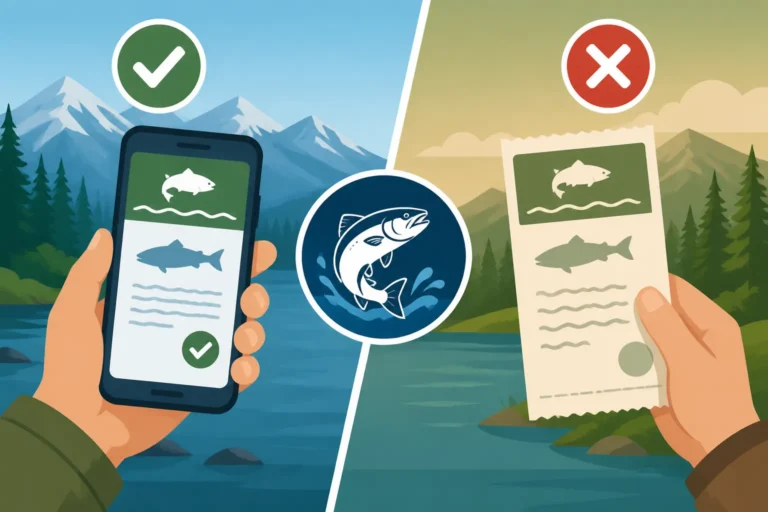
- Print or Save: Once purchased, you'll receive a digital copy of your license. It's always a good idea to print a physical copy to carry with you, especially in remote areas where cell service might be spotty. However, carrying a digital copy on your smartphone or tablet is also accepted, as detailed in Printing or Carrying a Digital Fishing License in BC.
Beyond the license itself, many non-resident anglers find themselves needing to stock up on gear for their BC adventure. Whether it's specialized lures for Pacific salmon, a new rain jacket for unpredictable coastal weather, or even a sturdy cooler for their catch, platforms like Amazon can be a convenient way to get everything you need delivered before your trip or to your accommodation in BC. Just remember that the license itself must be purchased directly from the official DFO channels.
Important Regulations Beyond the Price Tag
A license is a fundamental step, but it's just the beginning. British Columbia's fishing regulations are designed to protect our precious fish stocks and ensure sustainable angling opportunities for generations to come. Understanding these rules is as important as paying for your license.
Age Requirements and Exemptions
One common question, especially for families traveling with children, is about age requirements. In British Columbia, generally, everyone needs a license to fish. However, there are some important distinctions for younger anglers.
For tidal waters, while all individuals must be licensed or registered to fish, youth under the age of 16 are typically exempt from paying the license fee. This is fantastic news for encouraging the next generation of anglers! However, they are still required to register for a free youth fishing license. This ensures that their catch is accounted for and helps with vital data collection for fisheries management. So, if you're bringing a junior angler along, make sure they are properly registered. This requirement is clearly laid out in our article BC Youth Fishing License Exemption Under 16, and details on BC Fishing License Age Requirements are also available. Don't assume kids can just fish without any paperwork; proper registration is still key.
Catch Limits, Closures, and Fishery Notices
British Columbia's fisheries are dynamic, constantly changing due to factors like salmon returns, environmental conditions, and conservation needs. This means that regulations, including catch limits, size restrictions, and even entire area closures, can change on short notice, sometimes even mid-season. Relying solely on a regulation synopsis printed at the start of the year can be risky.
Before and during your 5-day tidal fishing trip, it is absolutely essential to check the latest DFO Recreational Fishery Notices. These notices are updated frequently and provide the most current information on closures, changes to bag limits, and other critical rules for specific areas and species. A spot that was open yesterday might be closed today due to conservation concerns. Knowing How to check BC fishery notices before a trip is a skill every angler, especially non-residents on a short timeline, must master.
Furthermore, make sure you are intimately familiar with the BC Bag and Possession Limits by Species for everything you intend to target. These limits govern how many fish you can keep (daily limit) and how many you can have in your possession at any given time (possession limit), which might be different, particularly for multi-day trips. Ignorance of the rules is not an excuse, and penalties for non-compliance can be steep, ranging from fines to confiscation of gear and catch. Stay informed, fish responsibly, and you'll have a fantastic and legal fishing experience in BC.
Here's a quick summary table of potential non-resident 5-day tidal fishing costs:
| Item | Cost (CAD, approx. 2024) | Notes |
|---|---|---|
| Non-Resident Adult 5-Day Tidal License | $36.75 | Mandatory for all non-resident adult anglers. |
| Annual Salmon Conservation Stamp | $22.05 | Mandatory if retaining any salmon species over your 5-day trip. Most practical choice. |
| 1-Day Salmon Conservation Stamp | $6.30 (per day) | Only economical if retaining salmon on just one day. Total for 5 days would be $31.50, more than annual. |
| Youth Tidal License | Free | Required for anglers under 16, but must be registered online. |
| Halibut Retention | N/A | No extra stamp, but strict catch and size limits apply. Must mark on license. |
| Crab/Prawn Harvesting | N/A | Requires knowledge of specific DFO rules for gear and limits; potentially separate gear tags. |
| Typical Total (Salmon Angler) | $58.80 | (Base License + Annual Salmon Stamp) |
Disclaimer
The information provided in this guide is intended for general informational purposes only and is based on current regulations as of 2026. Fishing regulations, license costs, and conservation measures in British Columbia are subject to change by Fisheries and Oceans Canada (DFO) and the provincial government without prior notice. It is the angler's sole responsibility to consult the most up-to-date official DFO Recreational Fishery Notices, the BC Freshwater Fishing Regulations Synopsis, and other relevant government publications before engaging in any fishing activity. Always verify all regulations and licensing requirements directly with official sources to ensure compliance.