Babine Lake best fishing spots
Oh, Babine Lake. Just hearing the name conjures images of vast, wild beauty and the kind of fishing adventures that stick with you for a lifetime. But let's be real, for anyone looking to drop a line, the sheer size of it – over 170 kilometers long, making it British Columbia's longest natural lake – can feel incredibly overwhelming. Where do you even start on such an immense body of water? This guide is here to cut through that daunting feeling, helping you pinpoint the best fishing spots on Babine Lake so you can spend less time guessing and more time reeling in those unforgettable catches.
Understanding Babine Lake's Unique Fisheries
Before we dive into specific coordinates, it's really helpful to understand what makes Babine Lake tick. This isn't just any large lake; it's a vital artery in the Skeena River system, playing a critical role in one of the world's most impressive wild salmon migrations. This unique position shapes everything about its fishery, from the species you'll encounter to the best times to target them.
The Sockeye Salmon Phenomenon and Its Impact
When you talk about Babine Lake, you have to talk about sockeye salmon. This lake is the largest sockeye salmon nursery in the entire Skeena watershed. Every year, millions of these vibrant red fish return from the ocean, navigating their way through the Skeena River system to spawn in Babine Lake and its numerous tributaries. It’s an ecological marvel that draws visitors from around the globe, and it absolutely dictates the rhythms of fishing here.
The sheer volume of sockeye salmon means that while they themselves are often closed to sport fishing due to conservation efforts (always check the BC Fishing Regulations Explained and BC Fishery Notices and In-Season Closures, Explained before heading out!), their presence is a huge draw for other species. For instance, apex predators like massive rainbow trout and lake trout (often called char here) thrive on the abundance of sockeye fry and smolts leaving the lake, and the decaying carcasses of spawned-out adults. This creates an incredibly rich food web. Anglers might find closures around major sockeye spawning areas during certain times of the year to protect these critical populations. It’s a delicate balance, but one that ensures the health of the entire ecosystem.
Trophy Rainbows, Lake Trout, and Other Residents
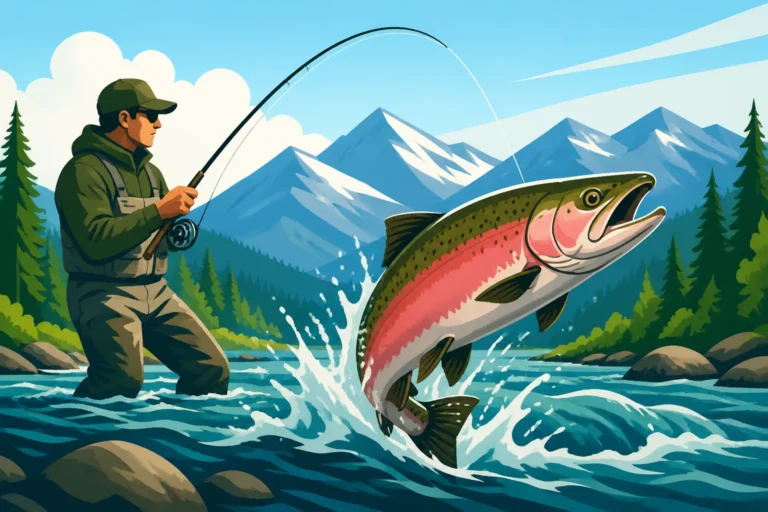
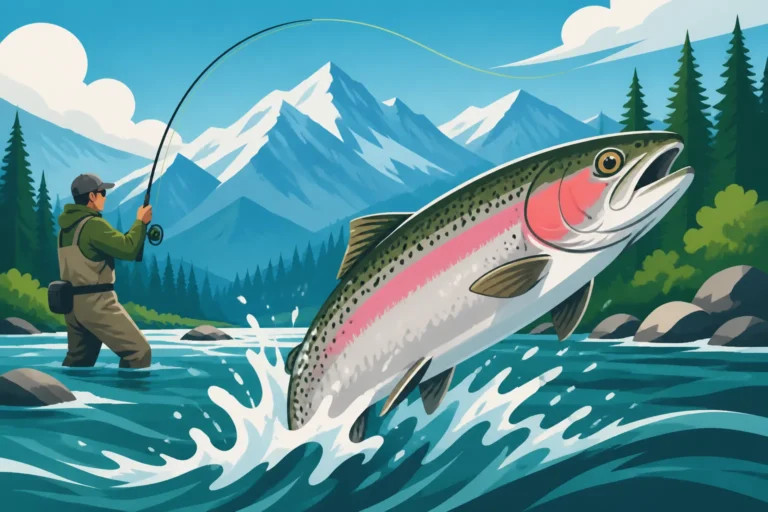
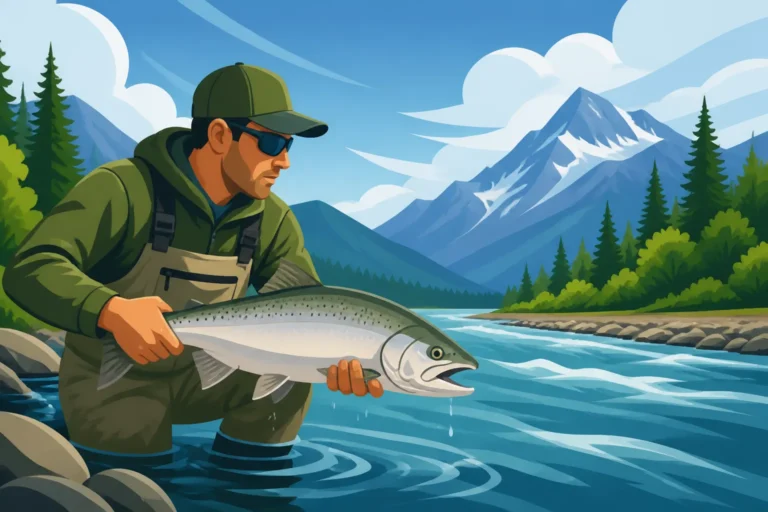
Beyond the sockeye, Babine Lake is renowned for its resident fish populations, particularly its trophy-sized rainbow trout and robust lake trout. These aren't just any trout; the nutrient-rich waters and abundant food supply allow them to grow to truly impressive sizes. Imagine hooking into a rainbow trout that's pushing into double-digit pounds – that's a very real possibility here.
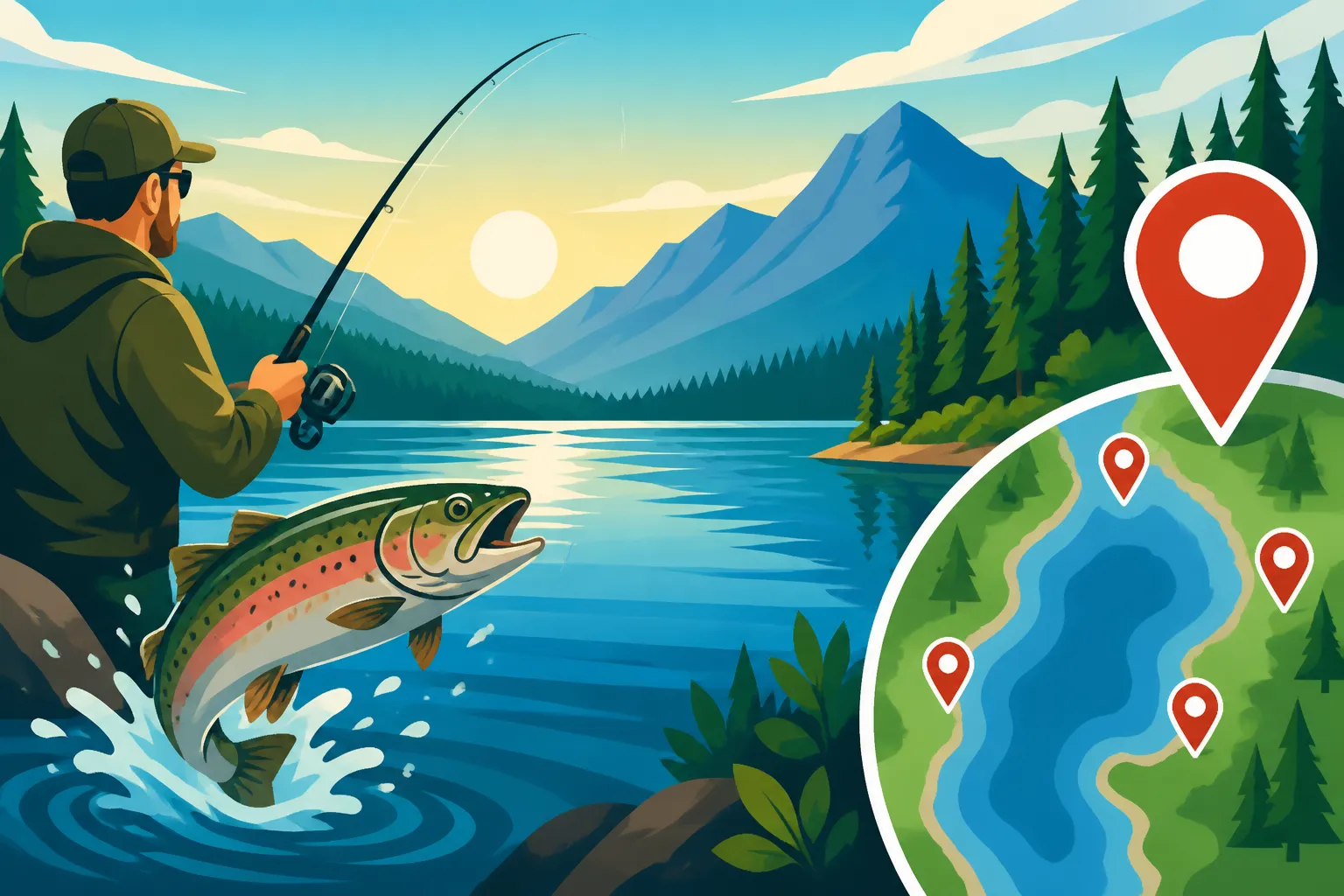
The rainbows in Babine Lake are often referred to as "Babine rainbows," known for their strong fight and beautiful colors. They feed voraciously on the smaller fish, insects, and even the sockeye smolts. Lake trout (also known as char) are the deep-water specialists, lurking in the colder depths, ambushing baitfish. They can grow even larger than the rainbows, offering a truly powerful fight. Beyond these two giants, you'll also find healthy populations of kokanee – which are landlocked sockeye salmon – and various whitefish species. These smaller fish provide additional forage for the larger predators and can offer fantastic light-tackle action in their own right, especially for those looking for consistent bites. The diversity means there's almost always something biting, no matter the season, provided you know where and how to look. For those interested in other species, exploring information on Bull Trout in BC's Interior Rivers can provide context on similar predatory fish found in the region.
Prime Fishing Locations on Babine Lake
Given its immense size, breaking Babine Lake down into distinct zones is key to finding success. You can't just randomly motor around and expect to stumble upon the best action. The lake's geography, inflow, and outflow, and seasonal fish movements all play a significant role in where the fish congregate.
River Mouths and Spawning Channels
When it comes to consistent action, especially for trout, river mouths and the outlets of major spawning channels are absolute magnets. These areas are typically teeming with activity because they offer several advantages for fish. First, rivers bring in nutrients and cooler, oxygenated water, which fish appreciate. Second, they serve as migratory highways for sockeye salmon and their fry, making them prime ambush points for hungry rainbow and lake trout.
- Fulton River and Pinkut Creek: These are perhaps the most famous and crucial spawning channels on Babine Lake. Millions of sockeye pass through or spawn in these systems. While there are often strict regulations and closures around these specific areas, the vicinity of these river mouths, particularly where they merge with the main lake, can be incredible. Look for drop-offs, current lines, and deeper pools just outside the protected zones. Anglers often find success trolling spoons or plugs that imitate sockeye fry or minnows.
- Nilkitkwa Lake Connection: At the south end of Babine Lake, it connects to Nilkitkwa Lake. This confluence creates a rich, dynamic environment with varying currents and depths, attracting a wide array of fish species. The movement of water and nutrients between the two lakes makes this a high-traffic area for both resident and migratory fish. It’s a fantastic spot for exploring both shallow and deeper water tactics, whether you're fly-fishing from shore or trolling from a boat.
Remember, respecting the conservation zones and understanding the BC Salmon Conservation Stamp Rules is paramount, especially when fishing near these sensitive areas.
Deep Water Structure and Trolling Lanes
Babine Lake is deep – really deep in places – reaching depths of over 180 meters (nearly 600 feet). This means there's a whole world of deep-water structure that holds fish, especially the larger lake trout and even some of the bigger rainbows looking for cooler temperatures during the warmer months. These fish will relate to underwater ledges, humps, old river channels, and steep drop-offs.
- Mid-Lake Depths: Many of the central sections of Babine Lake feature impressive underwater contours. Targeting these areas requires a good fish finder (sonar) to identify structure and baitfish schools. Trolling with downriggers is the most effective way to present lures at specific depths where these fish are holding. Large spoons, plugs, and even cut bait can be effective. Experiment with depths, speeds, and lure colors. Understanding Best Techniques for Deep Water Halibut can actually give you some transferable ideas for deep-water trolling in a lake, as the principles of targeting suspended fish over structure are similar.
- Main Lake Trolling Lanes: Identifying established trolling lanes used by local guides and successful anglers can save you a lot of time. These lanes often follow specific depth contours or run between known points of interest. Don't be afraid to observe what others are doing (respectfully, of course) or ask for advice at local lodges or tackle shops. Often, these lanes are productive because they intersect known fish travel routes or feeding grounds.
A crucial part of deep-water fishing is understanding What water temperature salmon prefer, as this can influence where other cold-water species like lake trout will hold. They'll often seek out the thermocline where cooler water and baitfish are concentrated.
Shallower Bays and Shoals for Resident Fish
While the deep water holds its giants, don't overlook the shallower bays, points, and shoals, especially during spring and fall, or early mornings and late evenings in summer. These areas warm up faster, provide cover, and host insect hatches, making them ideal feeding grounds for rainbow trout, kokanee, and whitefish.
- Pendleton Bay and Newman Peninsula: These areas, and other similar bays and points scattered along the lake, offer excellent opportunities for fly fishing, casting lures, or even still-fishing with bait (where permitted). Look for weed beds, rocky points, and areas with submerged timber. During spring, rainbows will often cruise these shallows, eager to feed after the long winter. As the season progresses, early morning and late evening become prime times before the fish retreat to deeper, cooler water.
- Kokanee Hotspots: Kokanee, being a landlocked sockeye, often school in vast numbers. They prefer cooler, open water but will move into shallower areas to feed or during their spawning runs. Trolling small spoons, wedding rings, or hootchies behind a dodger or flasher is highly effective for kokanee. Pay attention to fish finder readings for suspended schools. Information on How to Catch Kokanee in BC will be invaluable here, detailing specific rigs and techniques. These can also be found near river mouths, especially those that have sockeye runs, as kokanee often mimic the sockeye's feeding and schooling behaviors.
Gear, Tactics, and When to Go
Having the right gear and understanding the seasonal nuances of Babine Lake fishing can truly make or break your trip. It's not just about finding a spot; it's about being prepared for what that spot offers at a particular time.
Essential Gear and Proven Techniques
Fishing on Babine Lake, especially for its larger species, calls for robust gear. You're dealing with big water and potentially big fish, so light tackle might leave you heartbroken.
- Rods and Reels: For trolling for rainbows and lake trout, a medium-heavy rod (7-9 feet) paired with a good quality level-wind or large spinning reel spooled with 20-30 lb braided line and a fluorocarbon leader is a solid choice. If you're targeting the really big lake trout in deep water, you might even consider a heavier conventional setup. For fly fishing in the shallower bays, a 6-8 weight rod is versatile enough for most situations, allowing you to cast larger streamers and indicators.
- Lures and Baits:
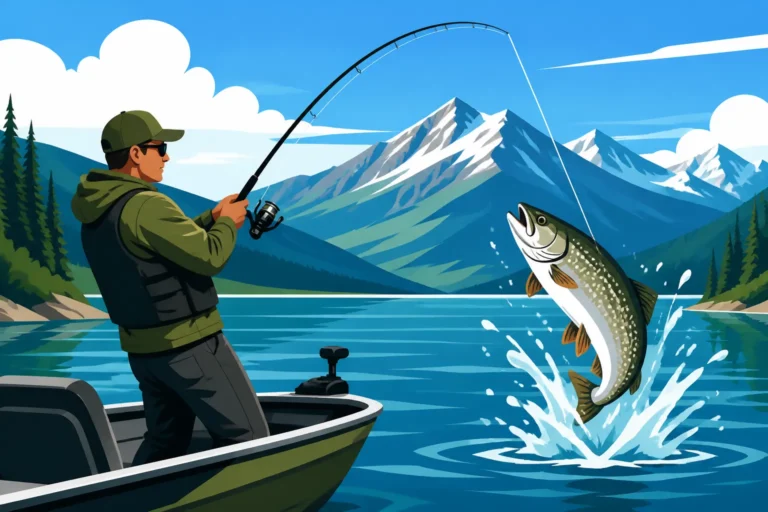
- Trolling: Large spoons (like Gibbs Delta, Luhr Jensen, or Dick Nite spoons), plugs (such as Flatfish or Kwikfish), and even natural bait like herring or anchovies trolled behind flashers or dodgers are highly effective for salmon, rainbow, and lake trout. Mimicking the local baitfish and sockeye fry is key.
- Casting/Jigging: For resident rainbows in shallower areas, casting small spoons, spinners (Mepps, Blue Fox), or even soft plastics can work well. When lake trout are holding deep, heavy jigs tipped with a piece of bait or a grub can be deadly when jigged vertically.
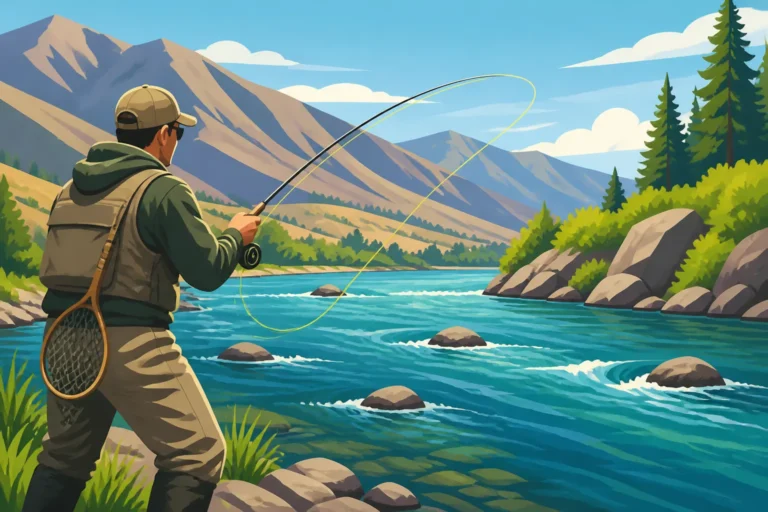
- Fly Fishing: Streamers that imitate minnows or leeches, nymphs during insect hatches, and even dry flies on calm evenings can produce fantastic results for rainbows.
- Electronics: A reliable fish finder with GPS and mapping capabilities is almost a necessity on a lake this size. It helps you navigate, mark productive spots, identify underwater structure, and locate schools of baitfish or game fish.
- Safety Gear: Given the size and potential for rapidly changing weather conditions, always carry essential safety gear: life jackets (Life Jacket Requirements for BC Boaters), a first-aid kit, emergency communication devices (satellite phone or marine radio), extra fuel, and a boat that is sea-worthy for large lake conditions.
Timing Your Trip for Optimal Success
The "best" time to fish Babine Lake really depends on what you're hoping to catch. Each season offers unique opportunities.
- Spring (May-June): As the ice melts, trout become very active in the shallower bays and around river mouths, feeding heavily after winter. This is an excellent time for targeting large rainbows with flies and light tackle as they cruise near shore. Water temperatures are cooler, and fish are more accessible.
- Summer (July-August): While the shallow waters might get too warm for consistent daytime trout action, the deep-water trolling for large lake trout hits its prime. This is also when the sockeye salmon begin their incredible return journey, though sport fishing for them is usually restricted. The presence of sockeye can still trigger feeding frenzies among opportunistic rainbows and char. Early mornings and late evenings remain productive in shallower areas for rainbows.
- Fall (September-October): This is often considered the peak season for trophy rainbow trout. As the sockeye spawn, large rainbows and char move into shallower areas to feast on eggs and decaying salmon carcasses. The weather can be less predictable, but the fishing can be absolutely phenomenal. This is a prime time for big, aggressive fish. Check out Best Time of Year to Fish in BC for a broader view, but keep Babine’s specifics in mind.
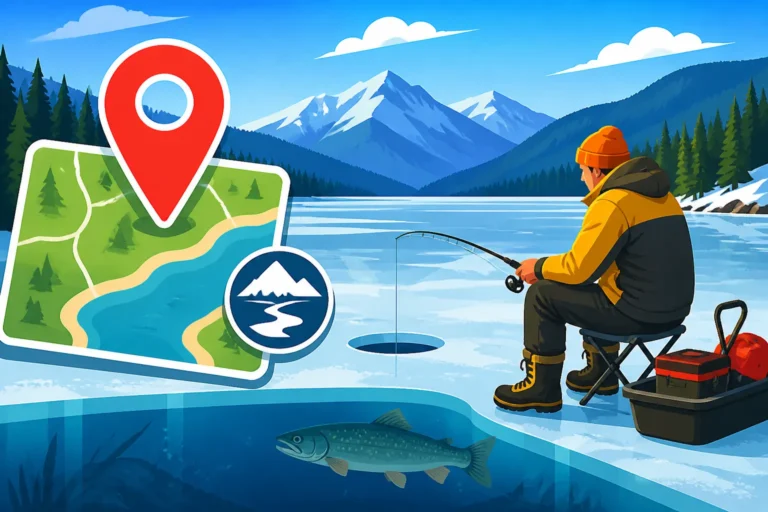
- Winter (November-April): While ice fishing is possible on smaller, more accessible parts of the lake, the sheer size and often heavy snow make large-scale winter access challenging and only for the most experienced and well-equipped. Always prioritize safety if considering ice fishing.
Knowing the BC Fishing Season Dates and Closures for the specific species you're targeting is non-negotiable, as regulations can change frequently, especially concerning salmon.
The Value of Local Expertise and Guided Trips
For a lake as vast and complex as Babine, there's no substitute for local knowledge. If it's your first time, or even your fifth, hiring a local guide can drastically increase your chances of success and significantly shorten the learning curve. These guides spend countless hours on the water, tracking fish movements, understanding current conditions, and knowing exactly what techniques are working best.
A good guide not only puts you on fish but also teaches you about the lake, its ecology, and the best practices for conservation. They'll have the right gear, the right boat, and most importantly, the hard-earned experience to navigate this incredible fishery safely and effectively. Places like Babine Lodge, Old Fort Fishing Lodge, and others often have their own guides or can recommend trusted local operators.
If you're looking to book a guided trip, online platforms like FishingBooker can be incredibly useful. You can browse various Best Fishing Charters in British Columbia, read reviews, compare prices, and find guides specifically experienced with Babine Lake. Using a service like FishingBooker simplifies the process of finding reputable outfitters who can ensure you have an ethical, safe, and productive trip. It's an investment that pays dividends in both fish caught and the overall experience. Even for those venturing out on their own, a day or two with a guide at the beginning of your trip can give you a massive head start in understanding the best fishing spots on Babine Lake and how to approach them.
| Fishing Spot Type | Primary Species | Best Season | Key Tactics | Notes |
|---|---|---|---|---|
| River Mouths (Fulton, Pinkut, Nilkitkwa) | Rainbow Trout, Lake Trout | Spring, Fall | Trolling, Casting Lures, Fly Fishing | High traffic areas, sockeye migration influence. Check regulations. |
| Deep Water Structures (Mid-Lake) | Lake Trout, Large Rainbows | Summer, Fall | Downrigger Trolling (spoons, plugs), Vertical Jigging | Requires sonar. Target ledges, humps, old channels. |
| Shallower Bays (Pendleton, Newman) | Rainbow Trout, Kokanee, Whitefish | Spring, Early Summer, Fall | Fly Fishing, Casting Spinners/Spoons, Trolling (Kokanee) | Look for weed beds, rocky points. Early/late day in summer. |
| Main Lake Trolling Lanes | Rainbow Trout, Lake Trout | All open seasons | Trolling (spoons, plugs, bait) | Established routes along depth contours or between points. |
Remember, while these are general guidelines, the fish don't always read the rulebook! Local conditions, weather patterns, and specific fishery notices will always play a role. Always refer to the most current regulations and conditions before you head out.
Disclaimer
Fishing regulations and conditions in British Columbia can change rapidly. Always consult the latest Freshwater Fishing Synopsis and any in-season fishery notices from Fisheries and Oceans Canada (DFO) or the BC Ministry of Forests, Lands, Natural Resource Operations and Rural Development before planning your trip and especially before fishing. This guide is for informational purposes only and does not supersede official regulations. Stay safe and respect the resource.