Williston Lake Fishing Guide
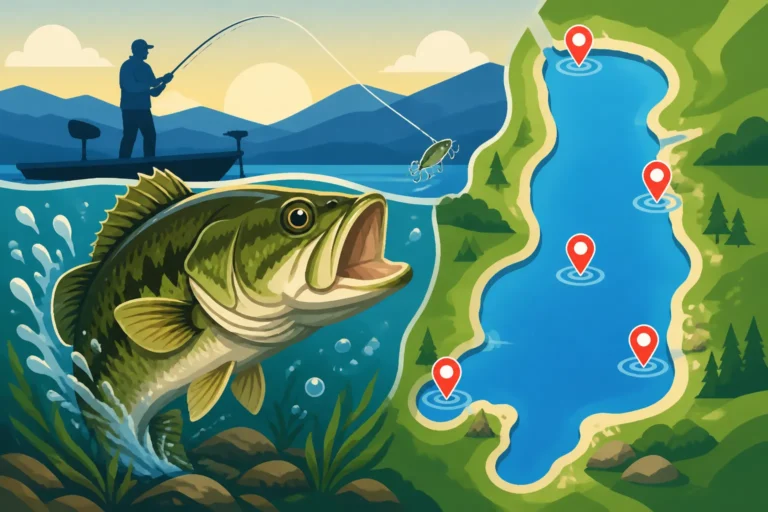
Oh, Williston Lake! If you've ever gazed at a map of northern British Columbia and seen that sprawling, intricate blue shape, you've probably felt a mix of awe and a little bit of intimidation. It's a truly massive body of water, a place of incredible wild beauty and astounding fishing potential, but it can also feel utterly overwhelming to plan a trip there. This isn't your average roadside lake; it's an inland sea born from the Peace River's damming, and it presents unique challenges and rewards for any angler. This guide is here to unravel the mysteries of Williston Lake, helping you understand its waters, target its fish, and plan an unforgettable fishing adventure.
Discovering Williston Lake's Fishing Potential
Williston Lake is not just big; it's epic. Formed in 1968 by the W. A. C. Bennett Dam on the Peace River, it flooded three major river valleys—the Finlay, Parsnip, and Ingenika—creating a labyrinthine network of arms, bays, and drowned timber. For anglers, this means a vast, untamed wilderness experience that's unlike almost anywhere else.
The Sheer Scale and Unique Formation
Imagine a lake with over 1,770 kilometers (over 1,100 miles) of shoreline! That's Williston Lake. Its sheer size means that one visit will only ever scratch the surface of its fishing opportunities. The lake's formation, from the flooding of valleys, has left behind an incredible amount of submerged structure. This isn't just a flat-bottomed reservoir; it's a world of underwater hills, forests, and old river channels, all providing ideal habitat for a variety of fish species. However, this also means navigation can be tricky, especially in areas dense with drowned timber just below the surface. A good sonar unit and a keen eye are essential here. The water itself is typically cold and deep, fed by numerous rivers and mountain streams, which is fantastic for cold-water species but also means you often need to fish deeper, especially during the warmer months.
A Diverse Fishery for Every Angler
The immense size and diverse environments of Williston Lake translate into a truly varied fishery. You're not just limited to one type of fish; this lake offers something for everyone. From aggressive, hard-fighting Rainbow Trout that patrol the shallower bays and river mouths to the elusive, deep-dwelling Lake Trout that grow to formidable sizes, the angling possibilities are vast. You'll also find healthy populations of Kokanee, often schooling in open water, and predatory Bull Trout (often called Dolly Varden in this region) that lie in wait near structure or tributary inflows. Whitefish are also abundant, offering a consistent bite and delicious table fare. Whether you're a fly angler who loves casting streamers into rocky points, a troller hoping to intercept schooling kokanee, or a gear angler aiming for a trophy lake monster, Williston Lake has a season and a spot for your preferred style. The sheer abundance of different fish, combined with the wild, remote setting, makes every outing an exploration.
Prime Fish Species to Target in Williston Lake
Williston Lake is a cold-water paradise, home to some of British Columbia's most sought-after game fish. Knowing what you're targeting and their habits is key to a successful trip on these expansive waters.
Rainbow Trout and Kokanee
These two species often go hand-in-hand in Williston Lake, as they share similar habitats and can often be caught using similar methods.
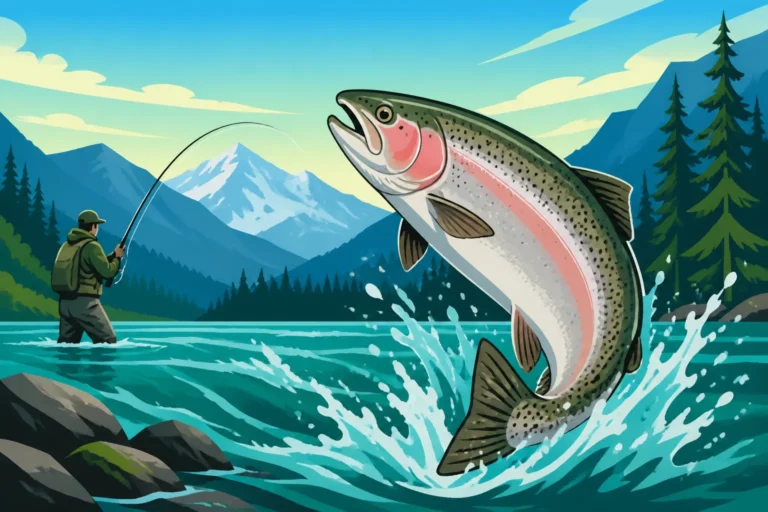
- Rainbow Trout: Williston Lake holds both wild and stocked Rainbow Trout, and they can grow to impressive sizes, especially those that have fed well on the abundant kokanee and whitefish. You'll often find them cruising the shallower areas, especially around tributary mouths, rocky points, and submerged islands. Early spring and late fall are prime times when they are more active closer to the surface. Trolling small spoons, spinners, or even gang trolls with a wedding band and worm can be incredibly effective. For fly anglers, throwing streamers or large nymphs near river inlets can yield great results. They are spirited fighters and offer consistent action, making them a fantastic target for anglers of all skill levels. If you're looking for more general tips, our guide on How to Catch Rainbow Trout in BC Lakes can be a great resource.
- Kokanee: These landlocked sockeye salmon are the primary forage fish in Williston Lake, and they are incredibly abundant. While not as large as sea-run salmon, they are feisty fighters on light tackle and are absolutely delicious to eat. Kokanee tend to school in the open water, often suspending at specific depths depending on the season and time of day. Trolling is the most common and effective method for kokanee, using small dodgers or flashers followed by tiny hootchies, mini-spoons, or wedding bands tipped with a kernel of corn. Finding the right depth is crucial, so a good fish finder is invaluable. Pay attention to changes in depth and thermoclines. If you want to learn more about targeting these delicious fish, check out our article on How to Catch Kokanee in BC.
The Deepwater Predators: Lake Trout and Bull Trout
For those seeking a true trophy, Williston Lake's deepwater predators offer an exhilarating challenge and the potential for a fish of a lifetime.
- Lake Trout: These are the apex predators of Williston Lake's deep, cold waters. Lake Trout, or 'Lakers' as they're often called, can grow to enormous sizes here, thanks to the abundant food source. They prefer deep, rocky structures, submerged ridges, and old river channels. Targeting them requires specialized techniques, often involving heavy trolling gear with downriggers to get large spoons, plugs, or even bait down to depths of 50 to 150 feet or more. Jigging heavy spoons or tube jigs vertically over known structure can also be very effective, especially during specific times of year. Catching a large laker from Williston Lake is a true testament to patience and skill. These fish are slow-growing, so respectful catch-and-release is highly encouraged, especially for the big breeders. You can delve deeper into methods for these giants with our Trolling Techniques for BC Lake Trout guide.
- Bull Trout (Dolly Varden): Often confused with Dolly Varden, which are generally smaller and more coastal-focused, Williston Lake's bull trout are magnificent char species. They are aggressive, opportunistic predators that will readily hit large spoons, plugs, and streamers. You'll find them in similar areas to rainbow trout – near river mouths, deep drop-offs, and around submerged timber, often slightly deeper than rainbows but shallower than the biggest lake trout. They are particularly active during the spring and fall when they move closer to shore and into tributaries to feed and spawn. They are another species where catch-and-release is very important for conservation, as they are crucial to the lake's ecosystem.
Other Worthy Catches: Dolly Varden and Whitefish
While perhaps not as glamorous as a trophy lake trout, these species add to the diverse fishing experience Williston Lake offers.
- Dolly Varden: In many parts of BC, the term Dolly Varden is used interchangeably with Bull Trout, but technically, true Dolly Varden are usually found in coastal drainages, while Bull Trout inhabit more inland systems. Regardless of the nomenclature, these char in Williston Lake are predatory and eager biters, often found in similar areas and responding to similar presentations as Bull Trout. They might not reach the same behemoth sizes as a true lake trout, but they provide excellent sport on medium tackle and are beautiful fish with their distinctive spots.
- Whitefish: Often overlooked by anglers focused on game fish, Whitefish are incredibly abundant in Williston Lake and offer a fantastic fishing opportunity, especially for those looking for consistent action and excellent table fare. They are bottom feeders and can be caught using small jigs, worms, or even tiny flies fished deep. They congregate in schools over sandy or silty bottoms, often near submerged structure. Don't discount these silver bullets; they put up a decent fight on light gear and are surprisingly tasty, making them a perfect target for a relaxing afternoon or a productive ice fishing session.
| Species | Best Season | Preferred Technique | Typical Size (Williston Lake) | Notes |
|---|---|---|---|---|
| Rainbow Trout | Spring, Fall | Trolling, Casting, Fly | 1-5 lbs (up to 10+ lbs) | Spirited fighters, good numbers. |
| Kokanee | Summer, Fall | Trolling (dodgers/hootchies) | 0.5-2 lbs | Abundant, great table fare, schooling fish. |
| Lake Trout | Summer, Fall | Deep Trolling, Jigging | 5-20 lbs (up to 50+ lbs) | Trophy potential, deepwater specialists, catch & release large ones. |
| Bull Trout/Dolly Varden | Spring, Fall | Trolling, Casting, Fly | 2-10 lbs | Aggressive predators, also great for catch & release. |
| Whitefish | Year-round | Bottom Fishing, Small Jigs | 1-3 lbs | Abundant, good eating, overlooked. |
Navigating Williston Lake's Unique Waters
Fishing Williston Lake isn't just about bait and hooks; it's about understanding and respecting its vast, wild character. This means knowing how to get there, when to go, and how to read its underwater landscape.
Best Access Points and Boat Launches
Accessing Williston Lake can be a bit of an adventure in itself, given its remote location. The primary service center for the region is Mackenzie, a small town that sits at the southern end of the lake. From here, several access points and boat launches cater to anglers:
- Mackenzie Boat Launch: Located near the town, this is usually one of the most reliable and maintained launches, especially for larger boats. It offers access to the main body of the lake and the southern arms.
- Finlay Bay: This area, accessed via forest service roads, provides launching opportunities further north, though facilities can be more rustic. It's a key entry point for exploring the Finlay Arm.
- Ingenika Point: Even more remote, this launch offers access to the Ingenika Arm, known for its incredible scenery and excellent fishing, particularly for bull trout in the tributaries. However, reaching Ingenika Point requires navigating extensive gravel roads, and conditions can vary greatly.
- Ospika Arm: Similar to Ingenika, the Ospika Arm is wild and remote, offering a true wilderness experience. Access is typically via rough forest service roads.
It’s crucial to understand that Williston Lake's water levels can fluctuate significantly, sometimes by many feet throughout the season, which can make boat launching challenging. Always check current conditions and ensure your vehicle and trailer are capable of handling rough, often muddy, or steep launches. A sturdy, reliable boat is non-negotiable on Williston Lake; its size and the potential for rapidly changing weather conditions demand a vessel that can handle big water. Don't forget your essential safety gear, as outlined in BC Boating Laws for Anglers, because help can be a long way off.
Seasonal Fishing Strategies
Understanding the seasonality of Williston Lake is paramount to a successful trip, as fish behavior changes dramatically throughout the year.
- Spring (May-June): As the ice recedes and waters begin to warm, fish become highly active. Rainbow trout and kokanee move into shallower bays and near river mouths to feed after the long winter. This is a great time for trolling or casting along shorelines. Bull trout also become more active, often chasing baitfish in these same areas. The weather can be unpredictable, so be prepared for anything from warm sun to snow flurries.
- Summer (July-August): During the peak of summer, surface waters warm, pushing most fish deeper. This is prime time for targeting Lake Trout with downriggers in the main lake basins or jigging over deep structure. Kokanee will also be found in specific thermal layers in open water. Early mornings and late evenings can still produce rainbow trout in shallower, cooler areas or where rivers flow in. Summer on Williston offers beautiful weather, but the fish often require more effort to locate at depth.
- Fall (September-October): Many anglers consider fall the absolute best time to fish Williston Lake. The water cools, and fish become incredibly active, feeding aggressively in preparation for winter. Rainbow trout and kokanee move closer to the surface again, offering fantastic trolling opportunities. Bull trout are often found near tributary mouths as they prepare to spawn. Lake trout are also very active and can be found at more accessible depths. The fall colours against the vast lake are simply stunning, but weather can turn quickly, so pack appropriate gear. If you're pondering the overall best time of year to fish in BC, you'll find fall ranks highly across many species.
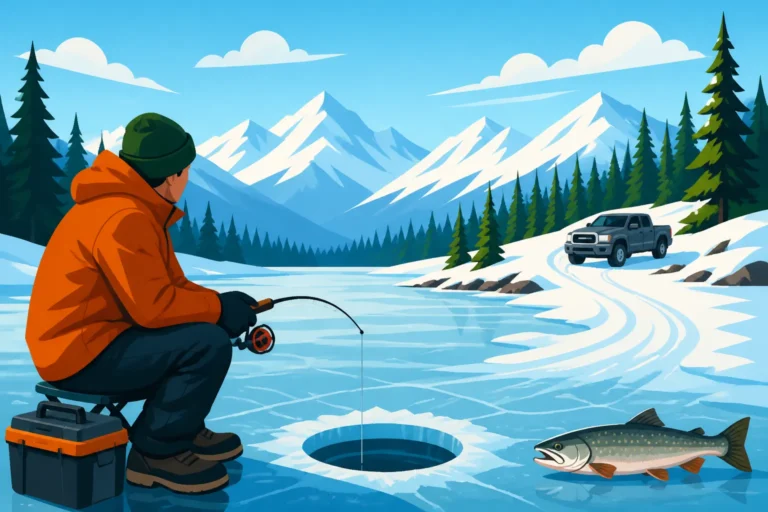
- Winter (December-April): While extremely remote and challenging, parts of Williston Lake do offer ice fishing opportunities in the depths of winter, particularly closer to Mackenzie. Whitefish are a prime target through the ice, as are smaller rainbow trout. However, given the lake's immense size and potential for dangerous currents and thin ice, extreme caution and local knowledge are absolutely essential. This isn't for the faint of heart or inexperienced ice angler.
Understanding Depths, Structure, and Submerged Timber
Williston Lake's most defining feature, beyond its size, is the vast amount of submerged timber. When the valleys were flooded, entire forests were drowned, creating an underwater landscape teeming with snags and incredible fish habitat.
- The Drowned Forest: This timber can be both a blessing and a curse. It provides unparalleled cover and ambush points for predatory fish like lake trout and bull trout, but it can also wreak havoc on your gear. Trolling near these areas requires extreme vigilance and often the use of downriggers with break-away releases to minimize snagging. Focus on the edges of these submerged forests, or areas where the timber is less dense.
- River Channels and Old Creek Beds: The original river channels of the Finlay, Parsnip, and Ingenika, along with countless smaller creeks, still exist under the water. These are natural highways for fish and often hold deeper, cooler water. Learning to identify these on your sonar and maps is crucial. Fish will often stack up along the edges or in the bends of these old riverbeds.
- Submerged Islands and Reefs: Like any large lake, Williston has its share of underwater islands, reefs, and humps. These structures act as magnets for baitfish and, consequently, the predatory species. A good GPS and depth sounder are your best friends here, allowing you to mark these features and repeatedly fish them. The steep drop-offs around these structures are particularly productive. Patience and persistence are key when exploring these vast underwater landscapes.
Essential Gear and Techniques for Williston Lake
Successfully tackling Williston Lake means being prepared with the right equipment and knowing how to use it effectively. This isn't a place for under-gunned tackle or half-hearted techniques.
Rods, Reels, and Line for Various Species
Given the diversity of fish and the challenging conditions, you'll want a range of gear.
- For Rainbow Trout and Kokanee: A medium-light to medium-action spinning rod (7-8 feet) paired with a 2500-3000 series spinning reel spooled with 8-12 lb monofilament or braided line with a fluorocarbon leader is ideal. This setup provides enough sensitivity for the often subtle bites of kokanee and sufficient backbone for fighting larger rainbows. For those who prefer baitcasting, a similar rod rating with a low-profile baitcasting reel would work well for casting lures or light trolling.
- For Lake Trout and Bull Trout: You'll need to step up your game significantly. For deep trolling with downriggers, specialized trolling rods (7-9 feet, medium-heavy to heavy action) are a must. These rods are designed to handle the stress of downrigger clips and the fight of a large fish. Pair them with large capacity baitcasting reels, often level-winds, spooled with 20-30 lb monofilament or heavy braided line, crucial for setting hooks in deep water and landing powerful fish. If you're jigging for lakers, a sturdy 6'6" to 7' medium-heavy spinning or baitcasting rod with a fast tip can deliver the power needed. Always use a strong fluorocarbon leader (15-25 lb) to resist abrasion from teeth and submerged timber.
- Line Considerations: Braided line excels for deep fishing due to its lack of stretch, providing excellent sensitivity and hook-setting power. However, it’s less forgiving than mono, so always use a fluorocarbon leader for stealth and abrasion resistance. Monofilament is a good all-around choice for rainbow and kokanee, offering a bit of stretch that can prevent hooks from pulling out.
Lures, Baits, and Flies That Produce
The specific offerings that tempt Williston Lake's residents are quite varied, so a diverse tackle box is essential.
- Trolling Lures:
- Spoons: For Rainbows and Lake Trout, classics like the Williams Wabler, Len Thompson, and Kitimat spoons in various sizes and flashy colours (silver, brass, chartreuse, orange) are perennial favourites. For Kokanee, smaller, lighter spoons like the Dick Nite or Apex are incredibly effective.
- Plugs/Stickbaits: Large diving plugs or crankbaits (e.g., Kwikfish, Flatfish, Rapala Deep Dive) are excellent for targeting larger Lake Trout and Bull Trout, especially when trolled deep.
- Dodgers/Flashers: These attractors, typically used with a short leader (10-24 inches) ahead of a small spoon, hootchie, or wedding band, are essential for kokanee and often productive for rainbow trout. They create flash and vibration that mimic baitfish.
- Jigs: Heavy lead jigs (1-4 oz) in white, chartreuse, or glow patterns are deadly for vertical jigging Lake Trout over deep structure. Soft plastic swimbaits or grub tails can also be added to jigs for extra attraction.
- Bait: PowerBait, worms, and scented corn are reliable choices for still-fishing or trolling for Rainbow Trout and Kokanee. For bottom fishing whitefish, a small piece of worm or even maggots can be very effective.
- Flies: For fly anglers, large streamers (e.g., Woolly Buggers, Sculpzillas, or baitfish imitations) in olive, black, or white patterns are excellent for Rainbow Trout and Bull Trout near river mouths or rocky areas. Nymphs can also work well in these zones, especially during insect hatches.
Mastering Trolling and Jigging
These two techniques are arguably the most effective for covering water and targeting fish in Williston Lake's expansive and deep environment.
- Trolling:
- Speed and Depth: Varying your trolling speed (typically 1.5-3.5 mph for kokanee/rainbows, slightly slower for lakers) and depth is critical. Use a fish finder to locate schools of baitfish or game fish, and then adjust your downrigger settings or lead core line accordingly. Experiment with different depths until you find where the fish are holding.
- Pattern and Direction: Don't just troll in a straight line. Incorporate S-turns or gentle curves; this varies the speed and depth of your lures, often triggering strikes. Pay attention to how the wind and currents affect your boat speed and lure presentation. Williston Lake's massive size means you can troll for hours without seeing the same shoreline twice.
- Scent and Attractants: Adding scent to your lures or baits (e.g., herring oil, anise, garlic) can make a significant difference, especially on finicky fish or in cold water.
- Jigging:
- Vertical Presentation: Jigging is most effective when you've located fish directly beneath your boat, usually on a fish finder. Drop a heavy jig or spoon down to their depth.
- Action: Experiment with different jigging actions – sharp snaps, slow lifts, or subtle twitches – to see what the fish prefer. Often, a "rip and fall" technique, where the jig flutters on the descent, is irresistible to Lake Trout.
- Structure: Focus your jigging efforts over submerged points, humps, ledges, and other significant underwater structure where fish are likely to congregate. This is where a good chartplotter and accurate GPS come in handy, allowing you to stay precisely on your marks. Remember to consult your BC Bag and Possession Limits by Species before your trip to ensure you are fishing legally.
Planning Your Williston Lake Fishing Adventure
A trip to Williston Lake is more than just a fishing excursion; it's an expedition into a vast wilderness. Careful planning ensures a safe and enjoyable experience.
Accommodation and Local Amenities
Given its remote nature, Williston Lake doesn't boast a plethora of lavish resorts. The town of Mackenzie serves as the primary hub for amenities.
- Mackenzie: This is where you'll find the most services, including gas, groceries, a few restaurants, basic lodging, and potentially some fishing supplies. It's a good place to stock up before heading out onto the lake. There are a few motels and B&Bs, but advanced booking is always wise, especially during peak seasons.
- Lakeside Options: Further up the lake, options become much more rustic and limited. There are several provincial park campgrounds along the lake's arms (e.g., Muscovite Lake, Ospika River Recreation Site), offering basic facilities but providing incredible access and a true wilderness camping experience. Some private, more remote lodges or cabins might exist, but they are few and far between and often require prior arrangements and potentially floatplane access.
- Self-Sufficiency is Key: For most trips to Williston Lake, particularly if you're venturing beyond Mackenzie, you need to be largely self-sufficient. This means bringing all your food, water, extra fuel, emergency supplies, and a robust first-aid kit. Cell service is spotty to non-existent on much of the lake, so satellite communication devices are a highly recommended safety measure.
Hiring a Guide or Charter
For a lake of Williston's magnitude and complexity, hiring a local guide can transform your trip from a challenging undertaking into a highly successful and memorable adventure.
- Benefits of Local Expertise: A good guide knows the lake's current conditions, where the fish are biting, how to navigate the submerged timber safely, and understands the often-changing BC Fishing Regulations Explained. They have the right equipment (including reliable boats and electronics), and their knowledge can save you countless hours of searching and potential frustration. For a large, intimidating body of water like Williston, a guide's expertise is invaluable, especially for first-timers.
- Finding a Guide: While not as common as coastal salmon charters, there are experienced freshwater guides who specialize in Williston Lake and its unique challenges. You might find them through local tackle shops in Mackenzie or by searching online platforms that connect anglers with guides, such as FishingBooker. When choosing a guide, ask about their experience on Williston Lake specifically, what species they target, what gear they provide, and what their safety protocols are.
- What to Expect: A guided trip typically includes all necessary fishing gear, bait, and safety equipment. Your guide will take you to productive spots, help with techniques, and share their knowledge of the lake. Be prepared for early mornings and full days on the water. It’s also an excellent way to learn the lake's nuances before attempting to navigate it on your own. For more general advice on choosing a guide, check out our guide on How to Choose a BC Fishing Charter.
Navigating Regulations and Conservation
Fishing in British Columbia, especially on unique waters like Williston Lake, always comes with a set of regulations designed to protect the fishery for future generations.
- Check Current Regulations: Before you even think about wetting a line, you absolutely must consult the most current BC Freshwater Fishing Regulations Synopsis. Regulations can change frequently, and specific rules apply to different bodies of water, including Williston Lake. Pay close attention to retention limits, size restrictions, and specific gear restrictions for each species. Our comprehensive British Columbia Fishing License Guide for 2026 is a good starting point for understanding licensing requirements.
- Species-Specific Rules: Williston Lake often has specific regulations regarding certain species, particularly for large Lake Trout and Bull Trout, which might have reduced bag limits or mandatory catch-and-release policies. For example, there might be specific rules about BC Bull Trout in BC's Interior Rivers that apply here.
- Conservation is Key: Williston Lake is a wild fishery, and responsible angling is crucial for its sustainability. Practice proper catch-and-release techniques, especially for larger, older fish that are vital for spawning. Handle fish gently, minimize their time out of the water, and use appropriate gear to reduce stress. Ensure you understand BC Boating Laws for Anglers and proper waste disposal to keep this pristine environment clean. Respecting the land and the resource ensures that Williston Lake remains a world-class fishing destination for years to come.
Disclaimer
Please note that fishing regulations in British Columbia can change frequently. Always consult the official BC Freshwater Fishing Synopsis or the Fisheries and Oceans Canada (DFO) website for the most current and accurate regulations before planning your fishing trip. This guide provides general information and should not be used as a substitute for official regulatory documents.