Best fishing spots on the Similkameen River
Ah, the Similkameen River! It’s one of those gems in British Columbia that calls to the heart of every angler, promising wild trout and stunning scenery. But let's be honest, trying to find the best fishing spots on such a vast and varied river can feel like searching for a needle in a haystack, especially if you're not a local. You want to spend your time fishing, not driving around endlessly looking for access points or guessing where the fish might be holding. This comprehensive guide is here to cut through that frustration, leading you to prime locations, the right techniques, and crucial insights to make your Similkameen fishing trip a truly memorable one.
The Similkameen River's Untamed Character and Fishery
The Similkameen River isn't just any waterway; it's a vibrant, ever-changing ribbon of life that flows through the heart of British Columbia's southern interior. Originating high in the Cascade Mountains, it winds its way eastward for approximately 190 kilometers before joining the Okanagan River near Oroville, Washington. This journey takes it through diverse landscapes, from rugged canyons and dense forests to open valleys and agricultural lands, offering a variety of fishing experiences that are as beautiful as they are challenging.
River Dynamics and Habitat Diversity
What makes the Similkameen so special is its dynamic nature. Its character shifts dramatically along its length, influenced by snowmelt, rainfall, and the geology of the region. In its upper reaches, closer to Princeton, the river is often faster, clearer, and more intimate, resembling a classic freestone trout stream with plenty of riffles, runs, and small pools. As it progresses downstream towards Hedley and Keremeos, the river widens, slows in certain sections, and becomes more powerful, with deeper pools, cut banks, and boulder fields providing excellent holding water for larger fish. This diversity means that what works in one section might not work in another, making local knowledge or thorough scouting absolutely essential. The clarity can vary from crystal clear in late summer and fall to a silty green during spring runoff, so always check local conditions before heading out.
The Similkameen's Prize Species
While the Similkameen River might not be as famous for its salmon runs as some coastal rivers, it truly shines as a premier destination for trout anglers. The stars of the show here are undoubtedly the Rainbow Trout and the elusive Bull Trout.
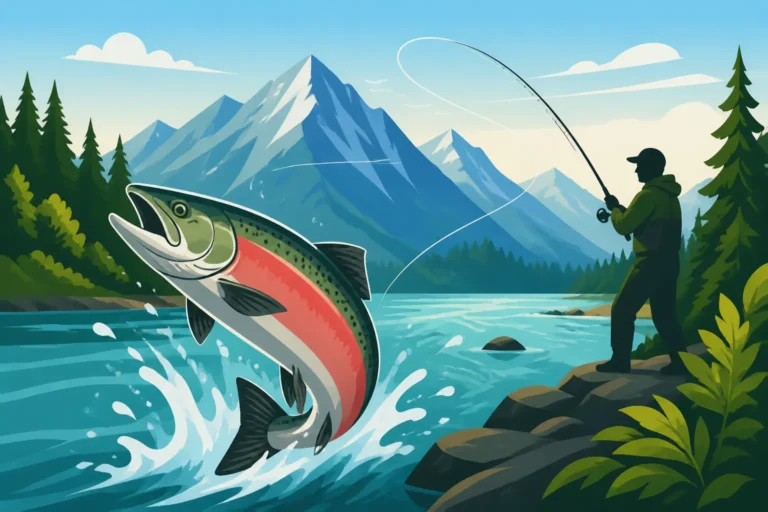
Rainbow Trout in the Similkameen are primarily wild, native fish, known for their vibrant colors and feisty fights. They thrive in the river's varied habitats, from swift riffles where they ambush nymphs to deeper pools where they might rise to a hatch. These fish are opportunistic feeders, making them a fantastic target for both fly and spin anglers. For a deeper dive into these beautiful fish, check out our guide on Rainbow Trout Fishing in BC.
Then there's the Bull Trout, a truly magnificent and powerful predator. These fish often grow to impressive sizes in the Similkameen, preying on smaller fish and even juvenile trout. Targeting Bull Trout requires a different approach, often involving larger flies or lures that imitate their natural forage. They tend to prefer deeper, cooler water and can be found lurking in the shadows of plunge pools and along significant current breaks. Protecting these native fish is crucial, and most anglers practice catch-and-release for them. If you're keen on pursuing these giants, our piece on Bull Trout in BC's Interior Rivers offers excellent insights. Beyond these two stars, you might also encounter small populations of Whitefish, particularly in deeper, slower sections, and occasionally even some non-native species like Pikeminnow.
Navigating the Similkameen: Key Fishing Zones and Access Points
Finding reliable access to the Similkameen River can be one of the biggest hurdles for visiting anglers. Much of the river runs through private land, but thankfully, there are several key public access points and stretches of Crown land that offer fantastic fishing opportunities. It's always paramount to respect private property and only access the river where public access is clearly permitted.
Upper River: Princeton to Hedley Stretch
This section of the Similkameen, from Princeton downstream to the historic mining town of Hedley, offers a more intimate and often less pressured fishing experience. Here, the river maintains much of its freestone character, with numerous riffles, pocket water, and smaller, well-defined pools.
- Princeton Area: Right around Princeton, there are several easily accessible spots, particularly where the river runs close to Highway 3. You'll find pull-offs and informal trails leading down to the water. This area is fantastic for wade fishing, especially during lower water conditions in late summer and fall. The fish here tend to be smaller, but numerous, offering consistent action for Rainbow Trout. This is a great spot for beginners to hone their skills.
- Stemwinder Provincial Park: Just outside Princeton, this park provides excellent public access to the river. There are designated parking areas and trails that lead to various fishing spots along the bank. It’s a popular spot, but the river here offers enough variety to spread out. You can expect to find good runs and pools that hold trout, and it’s usually well-maintained.
- Highway 3 Pull-offs: As you drive east from Princeton towards Hedley, keep an eye out for numerous roadside pull-offs. While some might be ambiguous, others offer clear access to Crown land. Always look for signs indicating private property and avoid trespassing. The water between Princeton and Hedley is characterized by its clearer, faster flow, making it ideal for sight fishing with dry flies or nymphs. These areas are excellent for those who enjoy exploring and finding their own hidden gems.
Middle River: Hedley to Keremeos
The section of the Similkameen between Hedley and Keremeos presents a mix of challenges and rewards. Here, the river starts to widen and deepen in places, offering habitat for larger trout. However, public access becomes a bit more scattered due to private agricultural land.
- Hedley Area: Around Hedley, there are a few public access points near the townsite and bridges. The river here can be quite beautiful, flowing through a more canyon-like setting in some spots. While access can be trickier, those who put in the effort can be rewarded with some quality fish. This area is less about easy roadside access and more about finding a good trail or knowing a local.
- Keremeos Area: As you approach Keremeos, the valley opens up, and the river flows through more agricultural land. Access here is primarily via specific bridges (e.g., Highway 3A bridge) or public parks in and around the town. The water can be slower and warmer in the summer, but deeper pockets and structure can hold impressive trout. This section might also be more conducive to floating the river if you have the right equipment and knowledge of access/egress points. However, ensure you understand all the access rules before attempting a float.
Lower River: Keremeos to Okanagan Confluence
The lowest stretch of the Similkameen, from Keremeos downstream towards its confluence with the Okanagan River, changes character once again. The gradient lessens, and the river becomes slower, deeper, and often warmer, especially in late summer.
- Downstream from Keremeos: Public access points are fewer and farther between here. Your best bet is to consult local maps for Crown land designations or look for provincial park day-use areas. This section can hold some surprisingly large trout, particularly during cooler months, but it requires more effort to find them. Due to the slower, warmer water, you might also encounter other species like Northern Pikeminnow or even Smallmouth Bass closer to the Okanagan River.
- Identifying Access: A good strategy for finding access, especially if you're exploring on your own, is to use satellite maps to identify potential public land or areas where roads run very close to the river. Cross-reference this with the BC Freshwater Fishing Regulations Synopsis to ensure you're fishing legally and respecting any local closures or restrictions. If you're not familiar with the area, sometimes the best way to get started is by hiring a local guide. You can often find reputable guides specializing in the Similkameen on platforms like FishingBooker, who know the secret spots and current conditions.
Techniques, Gear, and Best Times for Similkameen Success
Fishing the Similkameen River successfully requires a thoughtful approach, adapting your techniques to the river's changing conditions and the behavior of its resident fish. Whether you're a seasoned fly angler or prefer the simplicity of spin fishing, the Similkameen offers rewarding opportunities.
Fly Fishing Strategies
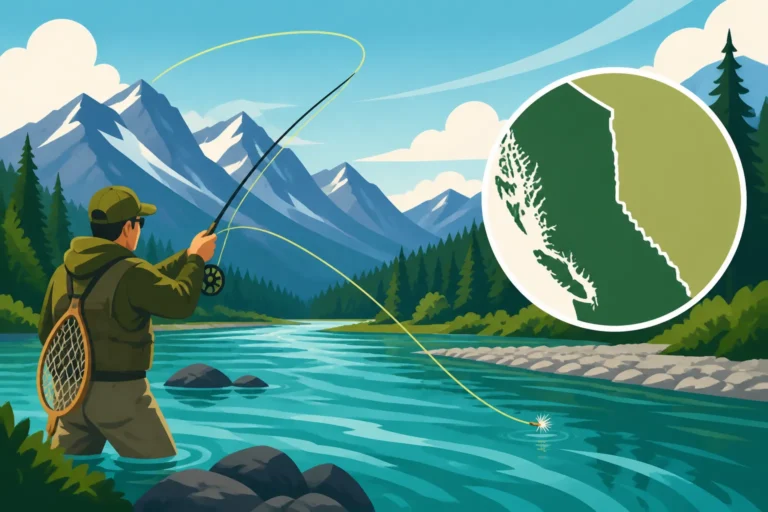
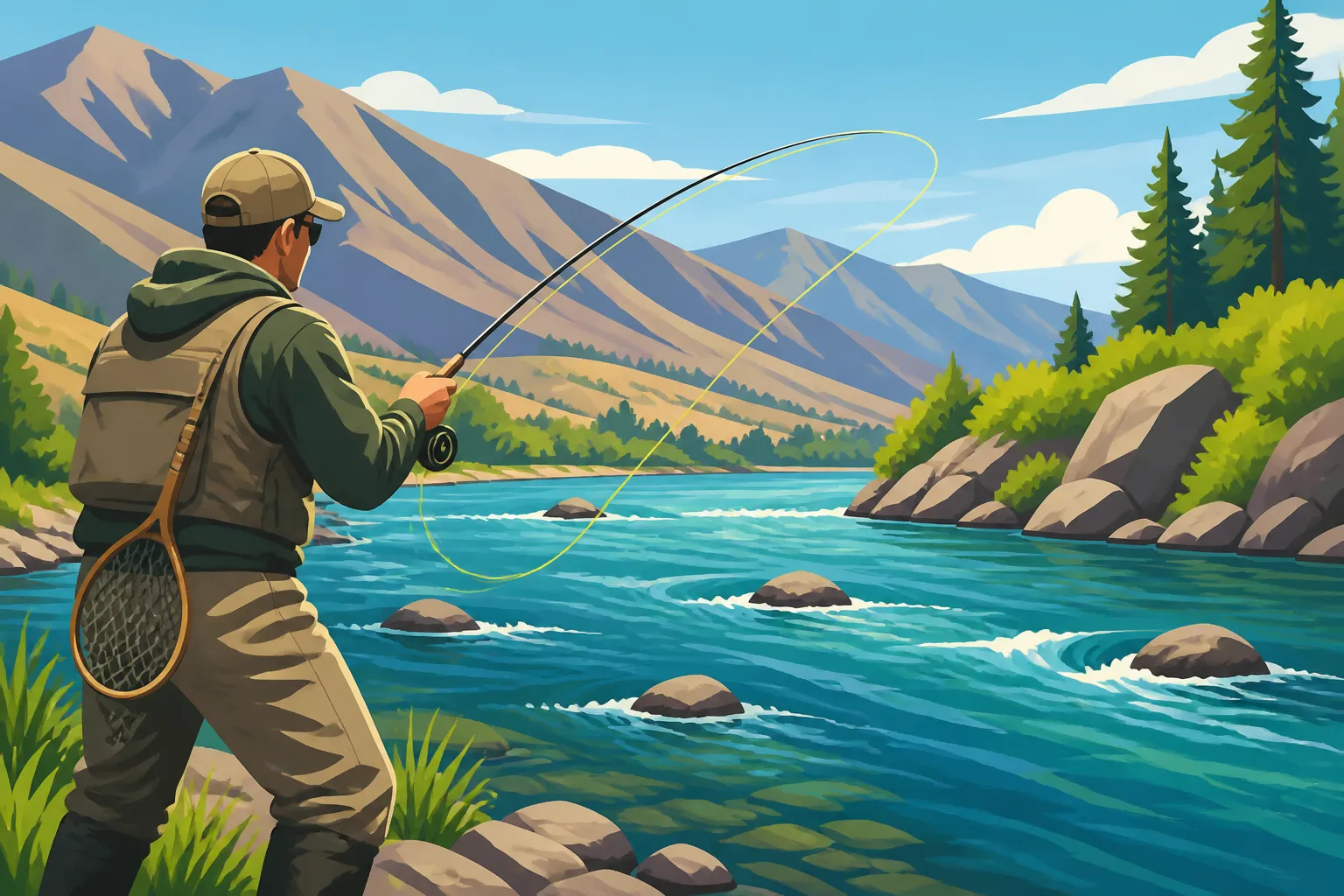
For many, fly fishing is the quintessential way to experience the Similkameen. The river's freestone characteristics and abundant insect life make it a prime target for various fly fishing techniques.
- Dry Fly Fishing: When conditions are right and insects are hatching, dry fly fishing on the Similkameen can be absolutely spectacular. Mid-to-late spring and early fall are often prime times for prolific hatches of various caddisflies, mayflies, and stoneflies. Look for rising fish in slower runs, eddies, and even faster riffles. A well-presented Elk Hair Caddis, Parachute Adams, or stimulator pattern can bring explosive strikes from eager Rainbows. Pay attention to the water; if you see bugs, match them!
- Nymphing: Nymphing is arguably the most consistent method for catching trout on the Similkameen throughout the season, especially when fish aren't actively rising. Trout spend the majority of their time feeding subsurface, and a good nymph rig can be incredibly effective. Tight-line nymphing, or Euro Nymphing, has gained popularity on interior streams like the Similkameen, allowing for precise depth control and excellent sensitivity. Popular patterns include Prince Nymphs, Hare's Ears, Pheasant Tails, and various stonefly imitations. Vary your weight and depth until you find where the fish are holding.
- Streamer Fishing: For those targeting larger Rainbows or especially the elusive Bull Trout, streamer fishing can be highly productive. Larger, baitfish-imitating patterns such as Woolly Buggers, Sculpzillas, or other articulated streamers, fished with a sink-tip line or weighted leader, can entice aggressive strikes. Focus on deeper pools, current seams, and areas with significant structure where predatory fish might be lurking. This technique is particularly effective in higher or slightly off-color water. While the Similkameen doesn't have major steelhead runs, many of the Fly Patterns for BC Steelhead Rivers can be adapted for larger trout or Bull Trout here.
Spin Fishing Approaches
Spin fishing is also a highly effective method on the Similkameen, offering accessibility and versatility. The key, as with fly fishing, is to understand the river and the fish.
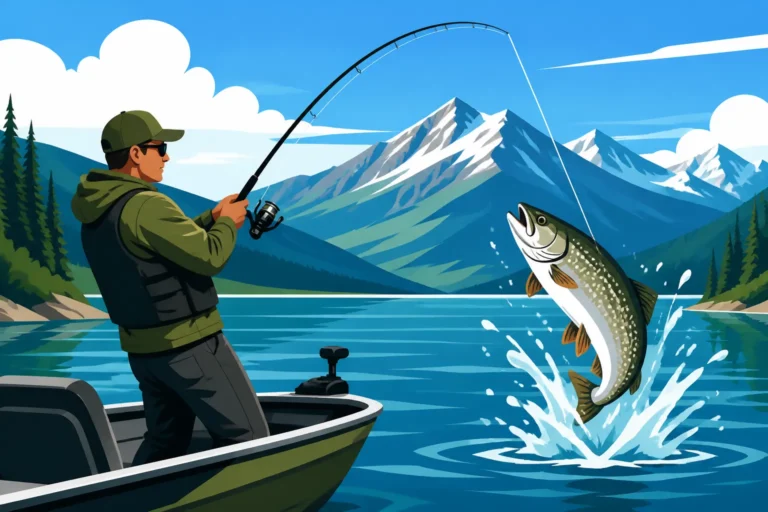
- Lures: Small inline spinners (like Mepps or Panther Martin), spoons (Kastmasters, Little Cleos), and small crankbaits are excellent choices for Rainbow Trout. Focus on casting upstream and retrieving with the current, or across and slightly downstream, allowing the lure to swing through prime holding lies. Vary your retrieve speed and depth until you find what triggers a strike. For Bull Trout, consider slightly larger spoons or swimbaits.
- Bait Fishing (with caution): While bait fishing can be highly effective, always check the current BC Freshwater Fishing Regulations Synopsis for specific bait restrictions on the Similkameen River, as rules can change seasonally or by section. If bait is permitted, worms, roe, or PowerBait can be excellent, especially when drift fishing through deeper runs and pools. Remember, single barbless hooks are usually required, and catch-and-release is encouraged, especially for native species.
Seasonal Considerations
The best time to fish the Similkameen varies throughout the year, with each season offering a unique experience. Understanding these cycles can dramatically increase your success rate. For a broader perspective on the angling calendar, consult our guide on the Best Time of Year to Fish in BC.
- Spring (April – June): Spring can be fantastic, but it's heavily dependent on snowmelt. Early spring (April) before the main runoff can offer great fishing for hungry post-winter trout. Once runoff begins in May and June, the river can become high and murky, making fishing difficult. However, skilled anglers can find success during runoff by targeting slower eddies, back channels, and using heavier setups to get flies or lures down. Our article on Best Techniques for High Water Spring Conditions can offer some great tips for these challenging periods.
- Summer (July – August): Late summer sees the river drop and clear, often reaching its lowest levels. This can make fish spooky, but also more concentrated. Early mornings and late evenings are prime times, as trout will be more active in cooler water. Midday can be tough. Look for fish holding in deeper pools or under shaded banks. Dry fly fishing can be excellent during evening hatches.
- Fall (September – November): Fall is arguably one of the best times to fish the Similkameen. The water levels are often stable and clear, the air is crisp, and the fish are actively feeding in preparation for winter. Large resident Rainbows become more aggressive, and Bull Trout can be particularly active. This is a great time for both dry fly fishing (especially terrestrials) and nymphing, and streamers can produce some real giants.
Similkameen River Fishing Regulations and Conservation
Fishing on the Similkameen River, like all waters in British Columbia, is subject to provincial regulations designed to protect fish stocks and ensure sustainable angling for future generations. Ignoring these rules can lead to significant penalties, so it's vital to be informed before you cast a line.
Licensing and Special Restrictions
First and foremost, you absolutely need a valid BC freshwater fishing license. This is non-negotiable for anyone over the age of 16. You can purchase these online or from authorized vendors across the province. For a complete overview of requirements and how to obtain one, refer to our British Columbia Fishing License Guide for 2026. It's also important to understand the difference between freshwater and tidal licenses, as the Similkameen is strictly freshwater. Our guide on BC Freshwater vs Tidal Waters License, Explained elaborates on this.
The Similkameen River often has specific regulations regarding tackle, bait, and retention limits that can vary by section and time of year. These details are crucial and are updated annually.
| Section of River | Primary Species | Typical Gear Restrictions | Retention Limit (Rainbow) | Retention Limit (Bull Trout) |
|---|---|---|---|---|
| Princeton to Hedley | Rainbow Trout, Bull Trout | Fly Fishing Only or Single Barbless Lures | Check Synopsis | Catch & Release |
| Hedley to Keremeos | Rainbow Trout, Bull Trout | Single Barbless Lures/Flies | Check Synopsis | Catch & Release |
| Keremeos to Okanagan Confluence | Rainbow Trout, Bull Trout | Single Barbless Lures/Flies | Check Synopsis | Catch & Release |
Important Note: This table is a general guide and should never replace checking the official, most up-to-date BC Freshwater Fishing Regulations Synopsis before each trip. Regulations can change in-season, and some sections may have specific closures or catch-and-release only rules for certain species or times of year. For example, some stretches may be fly-fishing only, or have specific bait bans. It is your responsibility to know and follow the rules. Finding a knowledgeable local guide through a service like FishingBooker can be a game-changer for navigating these complexities and ensuring you're always fishing legally and responsibly.
Respecting Private Land and Wildlife
A significant portion of the Similkameen River flows through private property, particularly ranchland and agricultural areas. It cannot be stressed enough how important it is to respect these landowners. Always seek permission before accessing private land. If there are "No Trespassing" signs, obey them. Anglers who disregard private property rules not only risk legal repercussions but also jeopardize future public access for everyone.
Beyond property boundaries, remember you are in wild BC. Be aware of wildlife, including bears and cougars, especially in more remote sections. Carry bear spray and know how to use it. Pack out everything you pack in, including all trash, discarded fishing line, and food waste. Leave no trace of your visit. This river is a precious resource, and its future health depends on all of us being responsible stewards. Planning a multi-day trip? Many local outfitters listed on FishingBooker offer packages that include accommodation and guided excursions, making it super easy to explore this beautiful region. Even if you prefer to fish solo, checking out guide reviews on FishingBooker can give you insights into popular fishing times and target species for the season. Before heading out, consider browsing FishingBooker for available guides, even if just for information gathering, to see what kind of trips are being offered and what fish are biting.
Disclaimer
The information provided in this guide is for general informational purposes only and is subject to change. Fishing regulations, conditions, and access points can vary. Always consult the official British Columbia Freshwater Fishing Regulations Synopsis before any fishing trip to ensure compliance with the most current rules and to verify specific area restrictions, closures, and licensing requirements. Fishing is an outdoor activity with inherent risks; please prioritize your safety and be aware of your surroundings.