Best lure color for murky water steelhead fishing
There’s nothing quite like the anticipation of a steelhead trip, only to arrive at your favorite run and find the river flowing high and silty, visibility next to nothing. It’s a frustrating scenario many of us anglers in British Columbia face, turning what should be a clear shot at a chrome beauty into a murky mystery. When the water gets turbid, your usual go-to lures might suddenly seem ineffective, leaving you wondering if you should even bother. But don't despair! This guide is all about understanding how to pick the best lure colors to cut through that murky water and entice those elusive steelhead, ensuring your next trip isn't a wash-out.
The Science of Color and Clarity in Murky Waters
When you're faced with stained or muddy water, it's easy to feel like you're just casting blindly. But there's a fascinating science behind why some colors shine and others disappear in these challenging conditions. Steelhead are incredibly adept predators, and while their primary sense in clear water might be sight, they adapt remarkably well when visibility drops. Our job as anglers is to present something they can both see and sense effectively.
Understanding Light Penetration and Water Turbidity
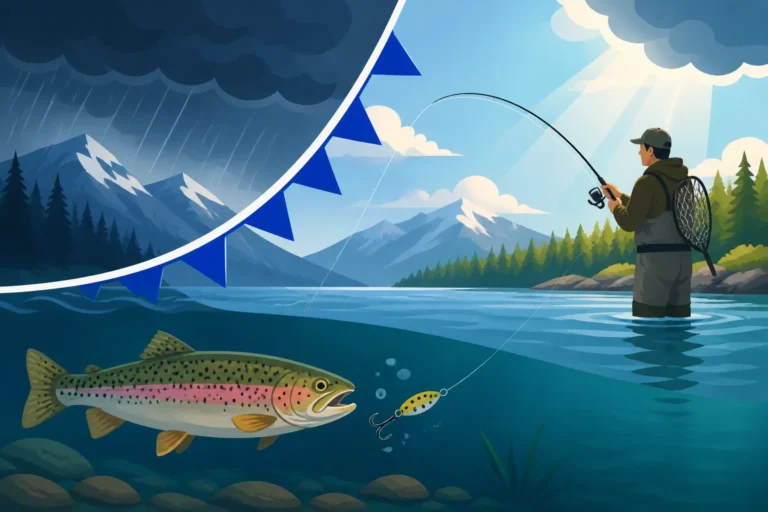
Imagine yourself underwater in a murky river. The light that penetrates from the surface is quickly absorbed or scattered by suspended particles like silt, clay, glacial till, or organic matter from heavy rain. This means that at even shallow depths, or in dense murk, the spectrum of light changes dramatically. Red light, for instance, is the first to be absorbed, making red lures appear dull gray or even black very quickly. Orange follows, then yellow, green, and finally blue. This is why a vibrant red lure that looks amazing in your tackle box can be completely invisible to a steelhead once it's a few feet deep in cloudy water.
The type of turbidity also plays a huge role. Glacial melt, common in many BC rivers like sections of the Skeena or Fraser in summer, often creates a milky, greenish-blue tint that still allows some light penetration but heavily scatters it. Rain runoff, on the other hand, frequently carries dark brown or tan silt and organic debris, which absorbs light much more aggressively, making conditions much darker. Understanding these subtle differences can help you fine-tune your color selection. Steelhead are still there, navigating by other senses, but they need that visual cue to stand out against the diminished light.
The Role of Contrast and Silhouette
In murky water, the actual hue of your lure becomes less important than its contrast against the background. Think about it: if the fish can't discern the specific color, can it at least see the shape of your offering? Absolutely. This is where creating a strong silhouette becomes paramount. A lure that stands out as a dark shape against a slightly lighter backdrop, or a light shape against a darker backdrop, is far more effective than one that simply blends in.
This principle is why dark colors can sometimes be surprisingly effective in very murky conditions. A black or dark blue jig, for example, might not scream "fish!" in terms of a vibrant color, but it will present a clear, distinct profile to a steelhead moving through low-visibility water. The fish perceives the distinct outline, a solid object moving through its environment, triggering its predatory instincts. Conversely, a bright, fluorescent color might appear as a hazy, luminous blob, creating a different kind of contrast. Both strategies leverage the diminished light to their advantage, ensuring your lure isn't just another particle floating by.
Top Lure Colors for Murky Water Steelhead
So, with the science in mind, what colors should you actually reach for when the river looks like chocolate milk, or at least a strong latte? It often comes down to two main approaches: ultra-bright attention-grabbers and high-contrast silhouette creators.
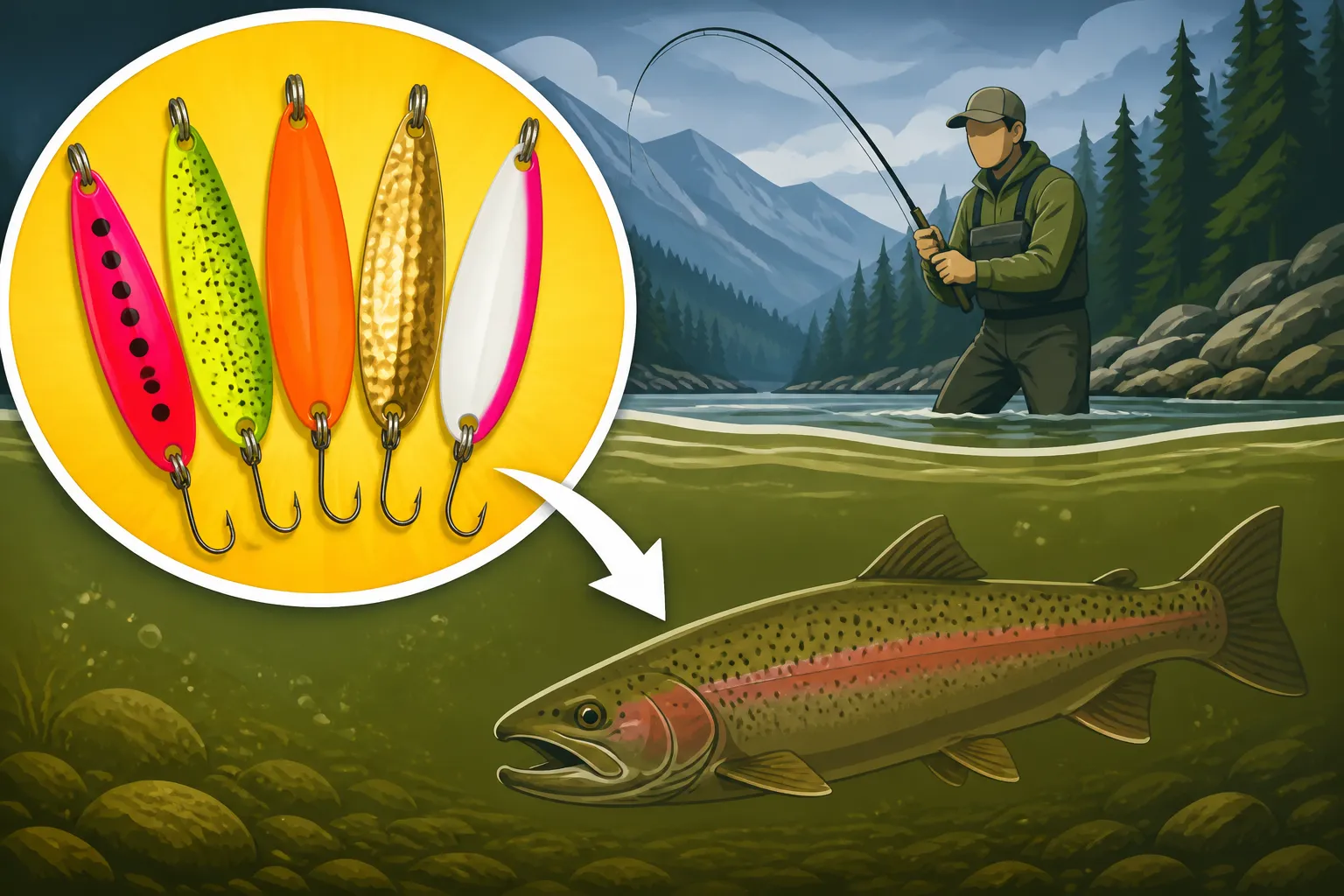
Fluorescent and Bright Colors (Chartreuse, Orange, Pink)
These are often the first colors anglers grab for murky water, and for good reason. They are designed to reflect and radiate what little light is available, making them highly visible even in low-light conditions.
- Chartreuse: This vibrant green-yellow is a perennial favorite for steelhead in murky water across British Columbia, from the coastal rivers of Vancouver Island to the mighty Skeena system. Its strong fluorescent properties allow it to "glow" even when other colors fade. Many anglers report great success with chartreuse jigs, gooey bobs, or even plugs when the water has a cloudy, greenish tint, often characteristic of glacial runoff or moderate rain events. It’s a color that screams "look at me!" to a passing steelhead, often triggering an aggressive strike. You can find excellent chartreuse lures, often with added flash, on platforms like Amazon, making it easy to stock up.
- Orange: Another incredibly effective color, especially for fresh, aggressive steelhead that have just entered the river. Bright orange, sometimes referred to as "blaze orange" or "creamsicle," performs exceptionally well in heavily stained or slightly tannin-stained water. It offers a strong contrast and maintains its visibility longer than reds. For rivers like the Vedder or Chilliwack that can get quite colored after a heavy rain, an orange drift bait or a bright orange roe bag can be deadly.
- Pink: From soft, baby pink to hot, fluorescent fuchsia, pink is another standout. It's often highly effective for very aggressive, fresh-run fish, and some argue it mimics salmon eggs, a natural food source for steelhead. Hot pink jigs, often paired with white or chartreuse, are a staple in many steelhead anglers' boxes. On some of BC’s wild steelhead waters, a pink worm or a pink-tipped jig can be irresistible, especially when the water has a distinct brown stain. For a consistent supply of these crucial colors, checking online retailers is a great option.
Dark and Opaque Colors (Black, Blue, Purple)
This approach might seem counter-intuitive at first. Why would you use a dark color in dark water? The answer lies in the principle of contrast and silhouette we discussed earlier. In extremely dark or heavily stained water, a light-colored lure might absorb the limited light and become almost invisible. A dark, opaque lure, however, creates a distinct, solid silhouette against even the faintest light backdrop.
- Black: When the water is truly chocolate milk, black can be a game-changer. It creates the strongest possible silhouette, a stark, dark shape moving through the dimness. Think of a black worm, a black marabou jig, or even a dark black-and-silver spoon. It doesn't rely on reflecting light; rather, it uses the absence of light to its advantage. This is often an excellent choice when targeting Best Steelhead Rivers in BC that get extremely muddy after significant rainfall.
- Blue: Dark blue, sometimes with a metallic flake, can also be surprisingly effective. It creates a strong, yet slightly more subtle, silhouette than pure black. In water that has a slightly green or gray tint from glacial melt or heavy silt, a dark blue can offer a more "natural" dark profile that still stands out. Consider dark blue jigs or plugs.
- Purple: Often overlooked, purple is a fantastic color for murky water, especially when it has a bit of a wine or plum tone. It provides a strong contrast and can often entice steelhead that have become wary of the brighter, more common colors. Purple jigs or even purple-and-black patterns can be incredibly effective in a variety of turbid conditions.
Here's a quick reference table for murky water lure colors:
| Color Category | Specific Colors | Best Water Conditions | Why it Works | Common Lure Types |
|---|---|---|---|---|
| Fluorescent/Bright | Chartreuse | Cloudy, greenish tint (glacial melt, moderate rain) | Reflects available light, highly visible, aggressive strikes | Jigs, gooey bobs, plugs, soft plastics |
| Orange | Heavily stained, tannin-stained, fresh run conditions | Strong contrast, maintains visibility, good for aggressive fish | Drift baits, roe bags, plugs, spinners | |
| Hot Pink | Brown-stained, aggressive fish, suspected egg imitation | Highly visible, stands out, often triggers reaction strikes | Jigs (marabou, hootchie), worms, roe bags | |
| Dark/Opaque | Black | Extremely muddy, very low visibility ("chocolate milk") | Strongest silhouette, doesn't rely on light reflection, distinct profile | Jigs (marabou), worms, spoons, plugs |
| Dark Blue | Slightly green/gray glacial tint, heavier silt | Strong silhouette, slightly more natural dark profile, good contrast | Jigs, plugs, soft plastics | |
| Purple | Varied murky conditions, subtle contrast, wary fish | Good contrast, unique profile, can be an "alternative" to brighter colors | Jigs, worms, soft plastics |
Beyond Color: Action, Scent, and Presentation in Murky Conditions
While color is undeniably important, it’s only one piece of the puzzle when you’re fishing for steelhead in murky conditions. When a steelhead's primary sense of sight is hindered, its other senses, particularly its lateral line (for detecting vibrations) and olfactory senses (smell), become amplified. This means your lure needs to do more than just look good – it needs to feel and smell good too.
The Importance of Lure Action and Vibration
In low visibility, sound and vibration become critical attractants. A steelhead might not see your chartreuse jig from twenty feet away, but it can certainly feel the throb of a diving plug or the pulse of a spinner from a significant distance. These vibrations travel through the water, alerting the fish to a potential meal or an intruder in its territory.
- Wobblers and Plugs: Lures like the Luhr Jensen Kwikfish or the Gibbs Delta Koho Spoon are fantastic for murky water because of their aggressive, wide wobble. This action displaces a lot of water, creating powerful vibrations that steelhead can easily detect with their lateral lines. Tuning these plugs correctly is key to maximizing their action. When drift fishing for steelhead in BC rivers, a well-tuned plug in a bright or dark color can be incredibly effective.
- Spinners and Spoons: The flash and thump of a Colorado blade on a spinner or the unique flutter of a spoon like a Johnson Silver Minnow (or its many variations) also create significant vibrational cues. The spinning or wobbling action sends out pressure waves, guiding steelhead right to your offering. Even if the flash is muted by the murk, the vibration isn't.
- Jigs with Movement: Marabou jigs, with their pulsating, breathing action, are another excellent choice. Even on a slow retrieve or dead drift, the soft marabou fibers constantly move, creating subtle vibrations and a lifelike profile that can fool a steelhead. Pair this with a strong color and maybe some added scent, and you’ve got a deadly combination.
Remember that when steelhead can't see well, they rely on these "feelers" to pinpoint their prey. The more distinct and consistent the vibration, the better your chances.
Adding Scent to Your Murky Water Arsenal
Think of scent as an invisible trail leading straight to your lure. In clear water, steelhead might primarily strike based on sight. In murky water, however, their olfactory senses kick into high gear, and a potent scent can be the difference between a missed opportunity and a hook-up. Many anglers overlook this simple, yet incredibly effective, enhancement.
- Types of Scents: There's a whole world of fishing scents out there. Popular choices for steelhead often include shrimp, krill, anise, garlic, and natural fish egg scents (like salmon roe or sardine oil). Brands like Pro-Cure offer a wide range of gel or liquid scents that adhere well to various lures.
- Application is Key: For jigs and soft plastics, you can generously coat the lure with gel scents. For hard-bodied plugs and spoons, consider applying scent to a felt pad or cotton swab attached to the lure, or directly into any internal rattles if your plug has them. Some anglers even inject scent into their soft plastics for a longer-lasting release. Even putting a dab of scent on your Fly Patterns for BC Steelhead Rivers can make a huge difference in murky conditions.
- Natural Bait: Of course, nothing beats the natural scent and appeal of real bait. When permitted by BC Fishing Regulations Explained, roe bags, prawn tails, or even cured roe can be incredibly effective in murky conditions, offering both scent and a natural profile. Just make sure you understand the specific rules for using bait on your chosen river, as many steelhead waters are artificials-only.
Strategic Presentation and Retrieves
Even with the perfect color and scent-enhanced, vibrating lure, a sloppy presentation in murky water won't cut it. Steelhead in low visibility often hold tighter to structure, or in slower, more predictable current seams where they don't have to expend as much energy. Your presentation needs to be slow, deliberate, and precise.
- Slow Down: Forget fast retrieves. In murky water, fish have less time to react to your lure, so a slower presentation gives them more opportunity to find it and strike. Slow-roll spinners, creep jigs along the bottom, or use a slower swing with plugs.
- Target Holding Water: Focus your casts on known holding water: behind large rocks, in deeper pools, along current seams, and near fallen timber. These are the places steelhead will seek refuge from strong currents and wait for food to drift by. Mastering Wading Techniques for BC Steelhead Rivers will help you get closer to these spots.
- Shorter Casts: You don't need to cast a mile in murky water. Shorter, more accurate casts that cover prime holding water are more effective. This also allows you to maintain better contact with your lure and feel for those subtle takes. When Drift Fishing for Steelhead in BC Rivers, focus on keeping your drift as natural as possible through these high-percentage zones. The fewer times your line has to interact with the turbulent water, the less chance of it spooking a fish.
Local Insights and Adapting to BC's Diverse Waters
British Columbia's steelhead rivers are as diverse as the province itself, and what works on one river might be less effective on another, even in similar murky conditions. Understanding the nuances of specific river systems and tapping into local knowledge can significantly boost your success.
Reading the Water on BC Steelhead Rivers
Every river has its own personality, especially when it comes to water clarity. The "murk" on the Fraser River during a freshet, loaded with silt and glacial flour, is different from the tannin-stained waters of some coastal systems or the runoff-darkened rivers after a heavy rain.
- Glacial Till: Rivers influenced by glaciers, such as parts of the Skeena system or upper Fraser, can have a milky, greenish-blue turbidity. In these waters, colors like chartreuse, certain fluorescent greens, and even some blues can be surprisingly effective. The suspended particles scatter light, creating a unique glow.
- Rain Runoff: Many smaller, rain-fed coastal rivers or interior streams like the Vedder or Thompson can turn dark brown or "coffee-colored" after significant precipitation. This is often rich with organic matter and silt. Here, the brightest fluorescents (hot pink, blaze orange) or high-contrast darks (black, purple) often shine. Understanding Steelhead Runs on BC's North Coast Rivers will often involve knowing how these rivers react to weather changes.
- Algal Blooms: Less common in major steelhead rivers but can occur in some lakes or slower river sections, giving the water a greenish, pea-soup consistency. In these cases, very bright colors like fluorescent green or yellow can penetrate best.
Ultimately, reading the water means paying attention not just to how cloudy it is, but why it's cloudy. This insight will guide your color choices more effectively.
Experimentation and Local Advice
The "best" lure color for murky water steelhead fishing is rarely a single, universal answer. Steelhead can be incredibly finicky, and what worked last week might not work today. This is where experimentation becomes crucial.
- Don't Be Afraid to Change: If you're not getting bites, don't keep throwing the same lure for an hour. Change your color. Change your size. Change your action. Carry a diverse range of colors, including those fluorescents and dark contrasts, and be willing to switch them out every 15-20 minutes until you find what the fish are reacting to. On a river like the Bulkley, where conditions can change rapidly, having a versatile tackle box is a must for Float Fishing the Bulkley River.
- Talk to Locals: The most valuable resource you have is often the local tackle shop or experienced anglers in the area. They fish these waters day in and day out and have firsthand knowledge of what's been working. Don't be shy; ask about recent conditions and successful colors or techniques. They might tell you that "fluorescent pink on a 3/8 oz jig" has been the hot ticket, or that in "this specific stretch of river, only black plugs get bit when it's high and dirty." Guides, especially, like those listed in Best Steelhead Guides in BC, are a goldmine of information.
- Observe and Learn: Pay attention to what other successful anglers are using (respectfully, of course). Look for patterns. Keep a fishing journal to record conditions, colors, and success rates. Over time, you'll develop your own personal database of what works best for you on your favorite How to Catch Steelhead in BC rivers. And remember, sometimes just because a river is murky, doesn't mean it's un-fishable. It just means you have to be smarter about your approach.
Disclaimer
Fishing regulations, license requirements, and catch limits in British Columbia can change frequently. Always consult the latest BC Freshwater Fishing Regulations Synopsis or the Department of Fisheries and Oceans (DFO) website for tidal waters before heading out. This guide is for informational purposes only and should not replace official government resources.