How to fish right after a fresh run of salmon arrives
There's nothing quite like the thrill of knowing a fresh run of salmon has just entered your favourite British Columbia river. That pulse of excitement, the chatter at the local tackle shop, the sudden increase in boat trailers at the ramp – it’s contagious. But then comes the real question: how exactly do you capitalize on this incredible opportunity? Often, these newly arrived fish can be surprisingly challenging to catch, moving quickly through systems or seemingly oblivious to typical offerings. This guide is here to walk you through the nuances of fishing successfully right after a fresh salmon run arrives, helping you turn that anticipation into actual fish on the line.
Understanding the Salmon's Mindset Upon Arrival
When salmon first flood into a river system from the vast ocean, their world completely changes. They've just transitioned from a saltwater feeding frenzy to a freshwater journey focused solely on reproduction. This shift in priorities dictates their behaviour, making them both incredibly powerful and, at times, frustratingly difficult to entice. Understanding this critical phase is key to unlocking their bite.
Why Fresh Fish Can Be Tricky
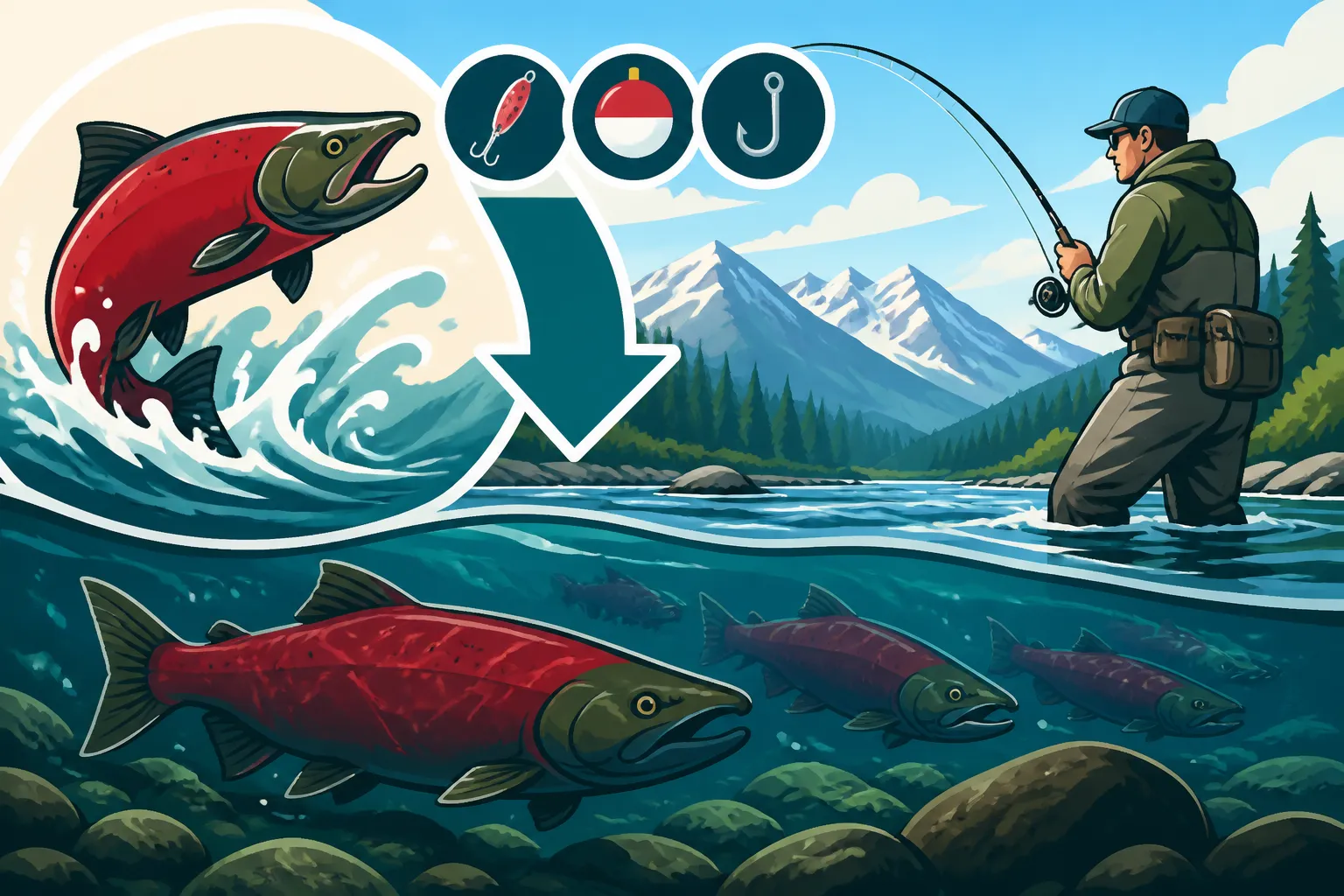
Unlike resident trout or even salmon that have been in the river for a while, fresh run fish are on a mission. Their bodies are still adapting to the freshwater, and their primary focus isn't feeding as it once was in the ocean. Instead, they're driven by an instinct to move upstream, find holding water, and eventually spawn. This means they often travel quickly, conserving energy and not actively looking for food. You might see them jumping and rolling, looking incredibly active, but that doesn't always translate to them striking your lure. They might be aggressive in defending their space or reacting to something shiny, but it's rarely a hunger strike. This can lead to anglers getting frustrated, thinking the fish aren't biting when in reality, their approach just isn't matching the salmon's current instincts.
Reading the River and the Fish
Successful angling for fresh run salmon starts with becoming a detective. You need to read the river like a book, looking for clues about where these powerful fish are holding or moving. Think about the flow: salmon will often take the path of least resistance, hugging current seams, eddies, and deeper channels. They'll also seek out pockets of slower water to rest during their upstream migration. Look for subtle signs of fish activity – splashes, rolls, or even just a flash of silver beneath the surface. Pay attention to structure too; submerged logs, large boulders, or changes in bottom contour can create prime holding lies.
Beyond the river itself, observe the fish if you can. Are they travelling in schools or singles? Are they jumping actively, or just subtly finning in a deep slot? This helps you gauge their mood and movement. For example, if you see fish porpoising through a riffle, they're likely pushing hard upstream, making quick drifts or fast retrieves more effective. If they're holding in a deep pool, a slower, more deliberate presentation might be needed. Remember to always check the latest BC Fishery Notices and In-Season Closures, Explained before heading out, as conditions and regulations can change rapidly.
Essential Gear and Bait for Fresh Run Salmon
Having the right tools for the job is paramount when targeting powerful, chrome-bright salmon. These fish are strong, and they're going to test your tackle. Don't skimp on quality, as a lost fish due to gear failure can be heartbreaking after all the effort.
Rods, Reels, and Line Considerations
For most BC river salmon, especially the larger Chinook or powerful Coho, you'll want a medium-heavy to heavy power rod, typically 9 to 11 feet in length. This extra length helps with casting heavier weights, managing line in current, and absorbing the shock of a hard-fighting fish. A common choice for many river anglers is a float rod designed for steelhead or salmon, usually rated for 10-25 lb line. Pair this with a robust spinning reel in the 3000-5000 size range, or a baitcasting reel with a good drag system, especially if you're targeting those Fraser River brutes.
When it comes to line, many anglers opt for a braided mainline (30-50 lb test) for its sensitivity and strength, followed by a fluorocarbon leader (15-30 lb test) for abrasion resistance and invisibility in the water. The leader length will vary depending on your technique; shorter for bottom bouncing, longer for float fishing. For those pursuing trophy fish in big water, don't be afraid to go heavier on your leader strength – it's better to be overpowered than underpowered when a 30-pound Chinook decides to run. A good selection of robust swivels, snap swivels, and weights (pencil lead, slinky weights, or cannonball sinkers) is also critical. Many of these items can be easily found on Amazon.
Top Baits and Lures for Energetic Salmon
Fresh run salmon, while not actively feeding, are highly reactive. This means you want presentations that are either highly visible, emit strong scents, or mimic something they might instinctively strike.
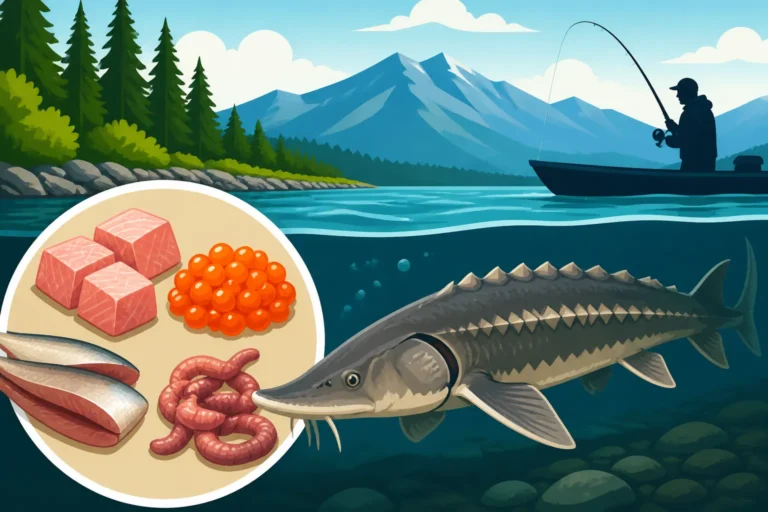
- Cured Roe: This is arguably the most consistent producer for river salmon in BC, especially for Chinook and Coho. The natural scent and vibrant colour of cured roe (salmon eggs) are almost irresistible. You can fish it under a float, on a drift rig, or even bottom-bouncing. Ensure your roe is fresh and properly cured. Brands like Pautzke Bait Co. offer excellent curing agents.
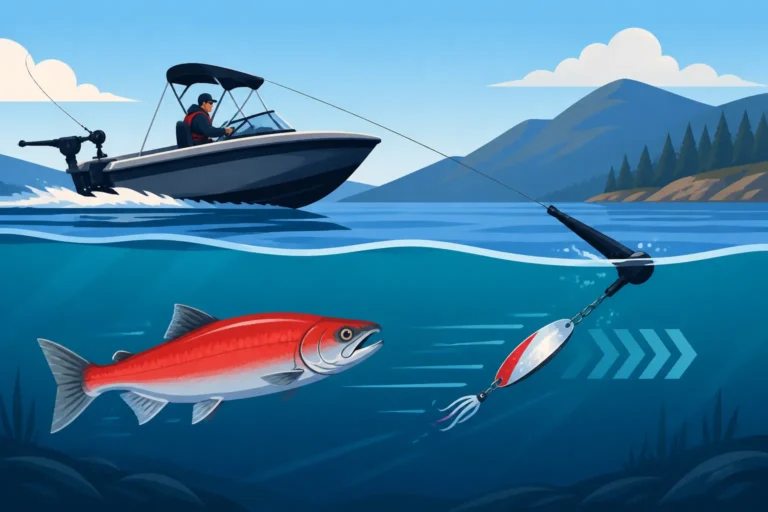
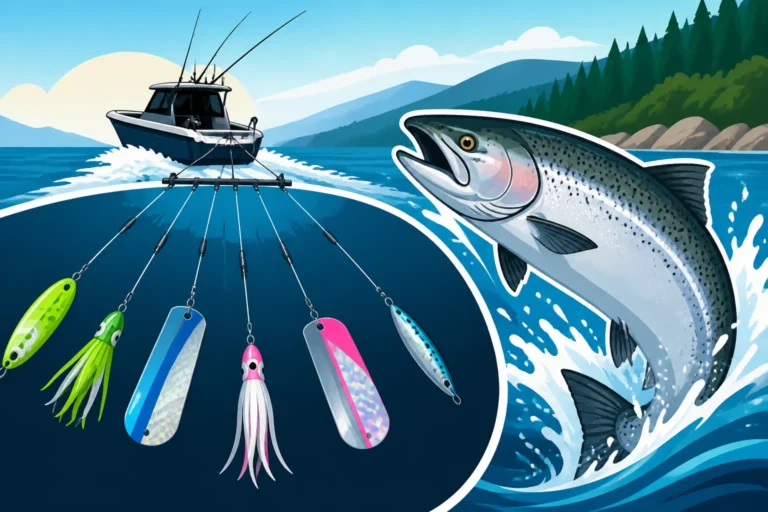
- Spinners and Spoons: Flash and vibration are key with these lures. Popular choices include classic "Pixie" spoons, Gibbs-Delta "Koho" and "Crocodile" spoons, and various sizes of Mepps or Blue Fox spinners. Sizes 3-5 are generally good, but larger spoons can entice aggressive Chinook. The flash mimics baitfish, triggering a territorial or predatory response.
- Drift Jigs/Marabou Jigs: These subtle offerings can be incredibly effective when fish are wary or in clearer water. A small, sparse jig (1/8 to 1/2 oz) tipped with a small piece of roe or scent can be deadly when drifted naturally through a holding spot. The marabou "breathes" in the current, creating a lifelike action.
- Soft Plastics and Scented Worms: Think of Berkley PowerBait or similar scented soft plastics. These can be fished under a float, jigged, or even drifted. The added scent can be a game-changer, especially in murky water or when fish are less aggressive.
- Flies: For fly anglers, large intruders, weighted streamers, or even traditional salmon patterns in bright colours (pink, chartreuse, orange) can be effective. Swinging flies through runs or dead-drifting nymph patterns can tempt a fresh salmon.
- Scent: No matter what you're fishing, adding a strong scent (like Pro-Cure or Mike's Liquid Bait Scent) to your bait or lure can significantly increase your chances. This is especially true for fresh fish that are relying on their sense of smell to navigate and react.
You'll find detailed breakdowns of various terminal tackle and bait preparations in our guide on Bait Fishing for Chinook Salmon in BC.
Proven Techniques for Newly Arrived Salmon
Fishing for newly arrived salmon requires a combination of precision, patience, and adapting your technique to the specific river conditions and fish behaviour. These aren't necessarily feeding fish, so presentations that get in their face or trigger a reactionary strike are often the most successful.
Float Fishing for Fresh Run Salmon
Float fishing, also known as "drift fishing" with a float, is one of the most popular and effective methods for salmon in BC rivers. It allows you to present your bait or lure naturally through a run, covering a lot of water and keeping your offering in the strike zone for an extended period.
The key to successful float fishing is achieving a "dead drift" – meaning your float, weights, and bait are all moving at the exact same speed as the current, without dragging or rushing ahead. To do this, you'll need a suitable float (often a large Drennan or Raven style), enough weight (split shot or pencil lead) to get your bait down quickly, and a leader of appropriate length. For fresh salmon, they often hold near the bottom in deeper runs or along current seams, so ensure your leader is long enough to get your offering into that zone, often 4-6 feet. Cast slightly upstream and across, mend your line to control the drift, and watch your float intently. Any hesitation, dip, or pull could indicate a take. When fishing the Bulkley River for example, anglers often use very specific float setups to combat the heavy current and present their offerings effectively. This technique can be applied to salmon as well. You can find more specific advice on this in articles like Float Fishing the Bulkley River.
Bar Fishing and Bottom Bouncing Strategies
When salmon are holding in deeper pools or moving along the river bottom, bar fishing or bottom bouncing can be incredibly productive. These techniques involve getting your bait directly to the bottom where the fish are often resting.
- Bar Fishing: This is typically done from shore or an anchored boat, often at night or during periods of heavy migration. Anglers use heavy weights (up to 8-12 oz, often with a spreader bar) to hold their bait (usually a large chunk of roe or a sardine fillet) directly on the bottom in a productive channel. The rod is placed in a holder, and you wait for a decisive take. This method is common on the Fraser River for Chinook and Sockeye, especially during peak runs.
- Bottom Bouncing: More active than bar fishing, bottom bouncing involves using a "slinky" weight (a piece of lead shot inside paracord) or a small pencil lead to keep your bait (roe, scented worm, or a small jig) in constant contact with the riverbed as it drifts downstream. The goal is to feel the weight lightly ticking the bottom, ensuring your bait is right where the fish are. This requires a sensitive rod and constant attention to your line. This method is incredibly effective for triggering reactionary strikes from salmon resting near the bottom.
Effective Casting and Retrieval Methods
Sometimes, a direct cast and retrieve with an aggressive lure are exactly what's needed to trigger a strike from an energetic salmon. This is particularly true for Coho and often works well for Chinook too.
For spinners and spoons, cast slightly upstream and across the current, then retrieve at a speed that allows the lure to wobble and flash enticingly. Experiment with retrieve speeds – sometimes a faster, erratic retrieve triggers a chase, while other times a slower, more methodical pace is preferred. For Coho in particular, a stop-and-go retrieve can be deadly, mimicking a wounded baitfish. Focus your casts on current seams, eddy lines, and the heads and tails of pools where salmon might be actively moving or holding. Don't be afraid to cast into seemingly "empty" water, as fresh fish can be anywhere. For more general advice on river fishing for these species, check out How to Fish a River for Chinook Salmon.
Navigating Challenges and Maximizing Your Chances
A fresh salmon run is a truly amazing event, but it often brings its own set of challenges. Knowing how to handle these can significantly improve your experience and success rate.
Dealing with Crowds and Fishing Etiquette
Let's be real, you're not the only one excited about a fresh salmon run. Popular spots, especially on rivers like the Vedder-Chilliwack or the lower Fraser, can get incredibly crowded. This is where patience and good fishing etiquette become paramount.
- Be Respectful: Give fellow anglers their space. A good rule of thumb is to allow at least one rod length of distance between you and the next angler, more if you're casting.
- Don't Hog a Spot: If a hole is producing, share it. Take a few casts, then move downstream a bit to let others cycle through. It’s not just polite, it keeps the fish from getting overly pressured in one spot.
- Know Your Turn: In popular runs, there's often an unspoken "rotation" where anglers drift through a section and then walk back up to start again. Observe what others are doing and fall into the rhythm.
- Keep Noise Down: Salmon are sensitive to vibrations and noise. Stomping around on the bank or yelling can spook fish.
- Mind Your Casts: Be aware of where your line and weights are going, especially if other anglers are nearby. Tangles are frustrating for everyone.
- Practice Catch and Release Responsibility: If you're releasing fish, do it quickly and gently. Use a knotless net, keep the fish in the water as much as possible, and revive it fully before letting it go. Always be mindful of BC Freshwater Salmon Retention Rules and any specific catch and release regulations.
Timing Your Approach for Peak Action
Salmon behaviour can change significantly throughout the day and with different water conditions. Being strategic about when and where you fish can make a huge difference.
- Early Mornings and Late Evenings: These are often the prime times for fresh run salmon. Lower light conditions make fish feel more secure, and they often become more active and willing to move or strike. The first few hours after dawn and the last few hours before dusk can be incredibly productive.
- Tide Cycles for Tidal Rivers: For rivers influenced by tides (like the lower Fraser River or Squamish River), the incoming or outgoing tide can concentrate fish. Often, the last hour of the incoming tide and the first hour of the outgoing tide are excellent as fresh fish push into the system. Our guide on the Best Time of Day to Catch Salmon offers more insight into this.
- Water Conditions: Pay attention to water clarity and height. Extremely high, murky water can make fishing tough, though sometimes a fresh push of fish will hug the banks in these conditions. Conversely, very low, clear water can make fish spooky, requiring lighter line and more subtle presentations. After a heavy rain, rivers can rise quickly, bringing in fresh fish but also a lot of debris.
- Weather Patterns: A sudden drop in temperature or a change in barometric pressure can affect fish behaviour. Sometimes, an approaching front can trigger a bite, while a post-front bluebird day can make them sluggish.
Knowing when to hit the water, based on these factors, is a skill developed over many hours on the river. Combine this with regularly checking provincial fishing regulations and conditions, and you'll be well on your way to intercepting those fresh, chrome salmon.
Here's a quick reference table for popular fresh run salmon presentations:
| Technique | Target Species | Best Conditions | Recommended Bait/Lure | Key Tip |
|---|---|---|---|---|
| Float Fishing | Chinook, Coho, Pink, Sockeye | Medium to clear water, moderate current | Cured Roe, Marabou Jigs, Worms | Achieve a perfect dead drift; watch float for any dip. |
| Bottom Bouncing | Chinook, Coho, Sockeye | Deeper runs, murky water, strong current | Cured Roe, Scented Soft Plastics (e.g., PowerBait) | Maintain light contact with bottom; feel for subtle taps. |
| Casting & Retrieve | Coho, Chinook, Pink | Varying water clarity, active fish | Spinners (Blue Fox, Mepps), Spoons (Pixie, Koho) | Experiment with retrieve speeds; focus on flash/vibration. |
| Bar Fishing | Chinook, Sockeye | Deep, slow pools, often tidal rivers | Large Roe Bags, Sardine Fillets | Use heavy weight to hold bottom; be patient for strong takes. |
| Fly Fishing | Steelhead, Coho, Chinook | Clearer water, defined runs, active fish | Intruders, Streamers, Weighted Nymphs | Present naturally; experiment with swing speed and depth. |
For a broader understanding of how different species behave throughout the year, our comprehensive guide on BC Fishing Season Dates and Closures will prove invaluable.
Disclaimer
Fishing in British Columbia is subject to various regulations that can change frequently. Always consult the official BC Freshwater Fishing Regulations Synopsis, the BC Tidal Waters Sport Fishing Guide, and any in-season fishery notices from Fisheries and Oceans Canada (DFO) before heading out. This guide is for informational purposes only and does not supersede official regulations.