Best Time of Year to Fish in BC
One of the biggest head-scratchers for any angler planning a trip to British Columbia is figuring out when to actually go. With such an incredible diversity of fish species and a vast landscape spanning temperate rainforests to arid interior valleys, pinpointing the "best" time can feel overwhelming. This comprehensive guide is here to untangle that complexity, helping you understand the seasonal rhythms of BC fishing so you can plan your ultimate angling adventure.
Understanding British Columbia's Diverse Fishing Seasons
British Columbia is a truly wild place, and its fishing opportunities ebb and flow with the changing seasons, just like the salmon runs that define so much of our angling culture. It's not just about what month it is; it’s about water temperatures, snowmelt, tides, and the ancient migratory patterns of fish that have been repeating for millennia. Trying to pick a single "best time" is like trying to pick a favorite star in the night sky – there are just too many incredible options, and each shines brightest at its own moment.
The Myth of a Single "Best Time"
Forget the idea that there's one magical month where all of BC's fishing is at its prime. That's a notion that simply doesn't apply to a province this geographically diverse. What might be peak Chinook salmon season on the coast could be the height of ice fishing in the Cariboo, or the tail end of a grueling winter steelhead run on a northern river. This beautiful complexity is what makes BC so special, but it also demands a more nuanced approach to planning. If you show up in July expecting to hit a robust winter steelhead run, you’ll be sorely disappointed, just as if you arrived in January hoping for a hot summer salmon bite. It’s all about aligning your target species and preferred fishing style with the natural cycles of the environment.
The sheer variety means that a dedicated multi-species angler might find themselves travelling across the province at different times of the year, chasing specific opportunities. It's a commitment, but one that always pays off with unique experiences. You might be gearing up for a big halibut trip off Haida Gwaii in the summer, then swapping to smaller tackle for Interior trout lakes in the spring, and pulling out your warmest layers for a winter steelhead quest near Terrace. Each season offers its own brand of challenge and reward, and truly mastering BC fishing means embracing this ever-shifting calendar.
Key Factors Defining BC's Fishing Calendar
Several critical factors dictate when and where the fishing will be hot in British Columbia. Understanding these will give you a much clearer picture of what to expect throughout the year. First and foremost are the species-specific migration patterns and life cycles. Salmon, for example, return to their natal rivers at very specific times, which then dictates the prime windows for anglers. Steelhead runs also have distinct winter and summer components, influenced by snowmelt and river temperatures. Trout in lakes, on the other hand, are often more active during cooler water periods in spring and fall, retreating to deeper, cooler waters during the heat of summer.
Beyond the fish themselves, environmental conditions play a massive role. Water levels in rivers can fluctuate wildly, especially during spring runoff or after heavy rainfall, which can make certain spots unfishable or conversely, open up new opportunities. Water temperature is another crucial element, influencing fish activity levels and where they choose to hold. Coastal fishing is also heavily influenced by tidal exchanges; knowing when to fish an incoming or outgoing tide can make all the difference in success. Finally, never underestimate the impact of provincial fishing regulations and seasonal closures, which are strictly enforced and can change with little notice. Always check the current BC Fishing Regulations Explained and BC Fishery Notices and In-Season Closures, Explained before heading out.
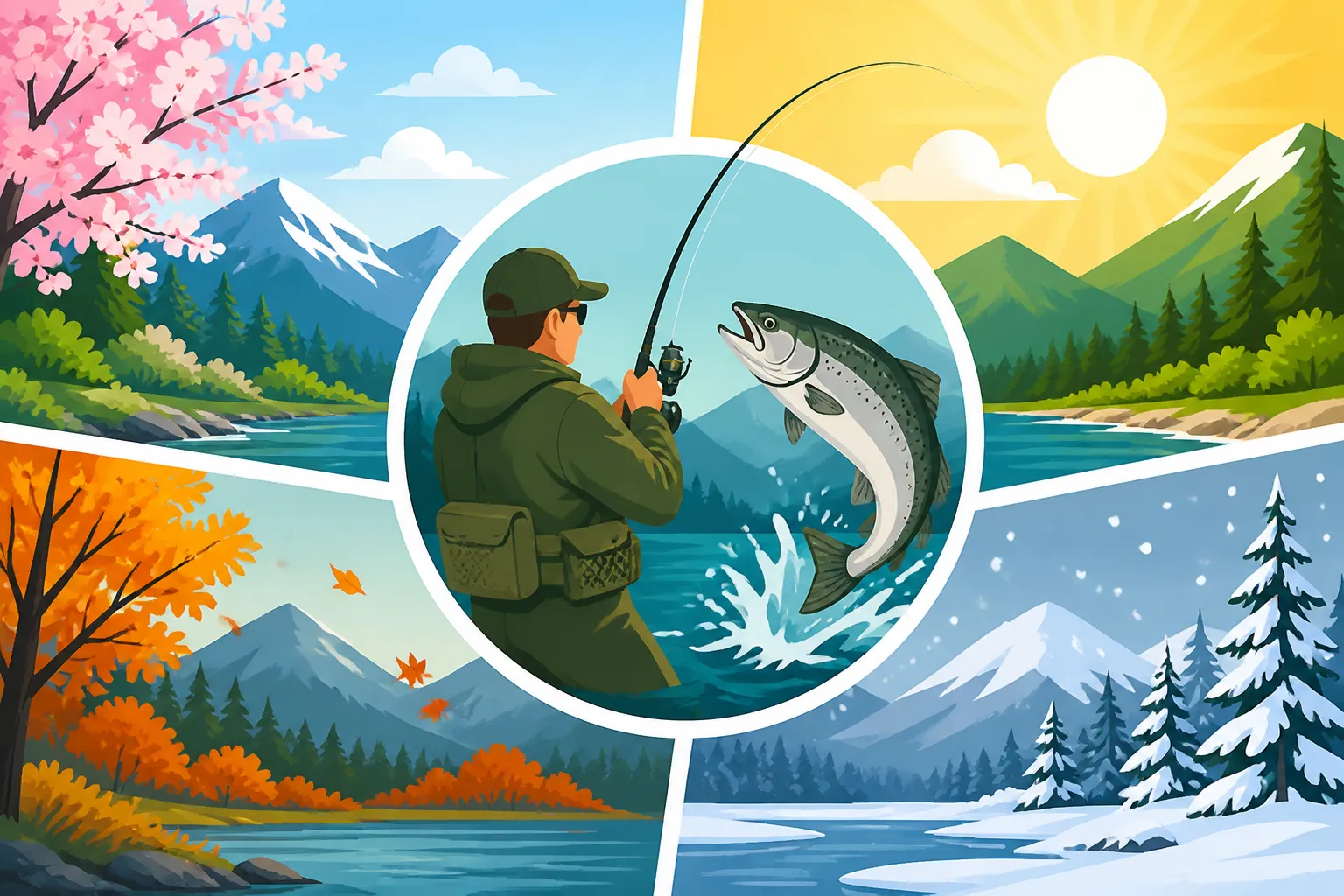
Spring Fishing in BC: The Awakening of the Waters (March-May)
As the last vestiges of winter snow begin to melt and the days grow longer, British Columbia’s waters slowly come alive. Spring is a season of transition, offering some truly unique angling experiences before the summer crowds arrive. It's a time when many fish species, invigorated by warming waters and renewed food sources, become more active. Anglers willing to brave variable weather can be richly rewarded with burgeoning trout action, the tail end of some incredible steelhead runs, and even the first hints of ocean-bound salmon activity.
Early Season Trout and Kokanee Opportunities
For freshwater enthusiasts, spring often kicks off with fantastic trout and kokanee fishing in many of BC's interior lakes. As ice thaws (usually from late March into April, depending on elevation), fish that have been dormant under the ice become aggressively hungry. This is often the prime time to target species like rainbow trout, cutthroat trout, and even the feisty kokanee (landlocked sockeye salmon). Lakes throughout the Cariboo, Okanagan, and Kootenay regions become hotbeds of activity. Shore fishing can be particularly productive as fish move into shallower, warmer waters to feed on emerging insects and baitfish.
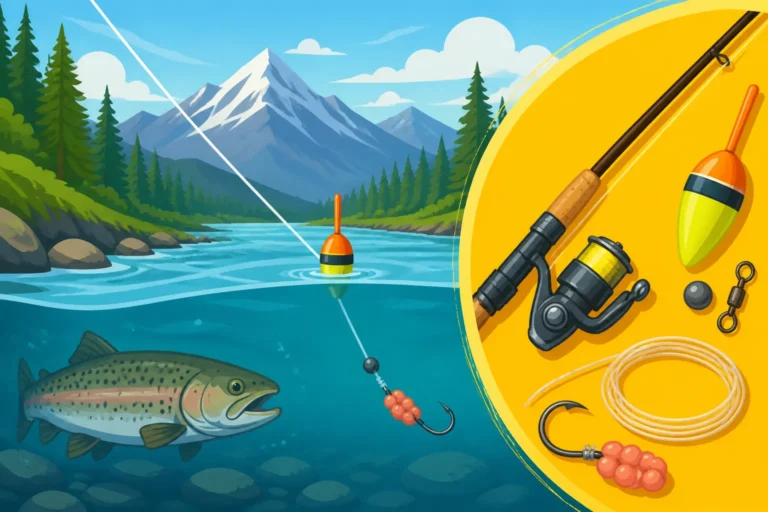
Fly anglers will find success with Chironomids, leeches, and small mayfly imitations, while gear anglers often do well with small spoons, spinners, or even bait like worms under a float. Many of these lakes are actively stocked by the Freshwater Fisheries Society of BC, providing excellent opportunities for both novice and experienced anglers. This shoulder season offers a chance to enjoy the peace and quiet of nature before the summer rush, with crisp mornings and the burgeoning sounds of spring wildlife. Remember to check local regulations for specific lake openings and bag limits, as some waters might still be under winter closures.
Coastal River Steelhead Runs
While winter is often synonymous with steelhead, the spring months can offer some of the most consistent and often most comfortable conditions for targeting these chrome beauties on BC's coastal rivers. As river temperatures slowly rise, dormant fish from the winter run can become more active, and fresh waves of spring-run steelhead might enter the rivers. Rivers like the Skeena, Bulkley, and Dean, while famous for their summer runs, can still hold impressive numbers of winter-run fish into April and sometimes even May, especially in their lower reaches.
The challenge with spring steelhead is often navigating the fluctuating water levels due to snowmelt. This can lead to periods of high, murky water, making fishing tough. However, when conditions stabilize, and the water clarity improves, the fishing can be exceptional. Guides often favor drift fishing with roe, spoons, or artificial baits, or fly fishing with larger intruders and weighted nymphs. Targeting Steelhead Fishing in BC during this transition period often means being prepared for all weather conditions, from sunny days to unexpected spring snow squalls. Layering your clothing and having good rain gear is essential for comfort and success.
First Signs of Salmon in Tidal Waters
For those focused on saltwater pursuits, spring marks the slow reawakening of salmon fishing in many coastal areas. While summer is the undeniable peak, early season Chinook (also known as "spring salmon" or "kings") begin to show up in greater numbers as they move into feeding grounds or stage for later river returns. Areas around Vancouver Island, such as the waters near Sooke, Victoria, and Campbell River, can offer decent trolling opportunities for these powerful fish. They are often targeted by charter boats and private anglers using downriggers with various spoons, hootchies, or natural bait like herring.
It’s important to manage expectations for spring salmon; while the fish caught can be absolute tanks, the numbers generally aren't as high as in peak summer. However, the chance to hook into a fresh, chrome-bright Chinook in the tranquility of a spring morning is a highly prized experience. This is also a good time to get your gear in order and practice your trolling techniques before the busier summer months. You can often find deals on essential gear like downrigger weights or new lures on platforms like Amazon, ensuring you're fully prepared for the season ahead.
Summer Fishing in BC: Peak Season for Many Species (June-August)
Summer in British Columbia is truly an angler’s paradise. With long daylight hours, generally stable weather, and an explosion of aquatic life, the fishing scene across the province reaches its zenith. From the ocean depths to the highest mountain lakes, practically every species is active, offering an incredible variety of experiences. This is when coastal waters are bustling with salmon and halibut, interior lakes are alive with trout and bass, and the mighty Fraser River yields its giant sturgeon.
Coastal Salmon and Halibut Bonanza
Without a doubt, summer is the prime time for saltwater fishing in BC. From June through August, all five species of Pacific salmon—Chinook, Coho, Sockeye, Pink, and Chum—are present in coastal waters, either feeding voraciously or beginning their incredible migration towards their natal rivers. The fishing for Chinook Salmon in BC can be phenomenal, especially off the west coast of Vancouver Island, Haida Gwaii, and in the Strait of Georgia. Coho salmon, known for their acrobatic fights, also become abundant as the summer progresses. Check out the Best Halibut Fishing Spots in BC and the Best Salmon Fishing Spots in BC for more specific locations.
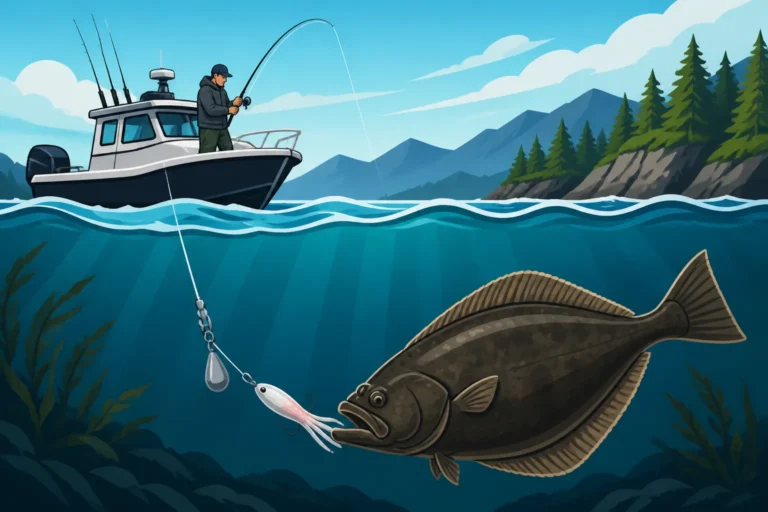
Alongside salmon, halibut fishing off Vancouver Island hits its stride in summer. These massive bottom dwellers are actively feeding, and charter operations in places like Tofino and Ucluelet are busy targeting them. Jigging with large metal jigs or bait presentations like octopus or salmon heads are common techniques. Lingcod also remain active around rocky structures. Booking a reputable charter is often the best way to experience this world-class fishing, ensuring you have the right gear, local knowledge, and safety protocols in place. Remember to review BC Halibut Bag Limit Rules and other specific regulations, as quotas and size limits are often in place to ensure sustainable fishing.
Interior Lake Trout and Bass Action
While coastal waters draw much of the attention, BC's interior lakes are absolutely vibrant during the summer months. High-elevation lakes become accessible as snow melts, offering pristine Rainbow Trout Fishing in BC, often by fly-out trips or strenuous hikes. Larger, more accessible lakes like Okanagan Lake, Shuswap Lake, and Kootenay Lake are perfect for trolling for big Gerrard rainbow trout or kokanee that have moved into deeper, cooler water. Downriggers are key here, allowing you to present lures and flies at the precise depths where these fish are holding.
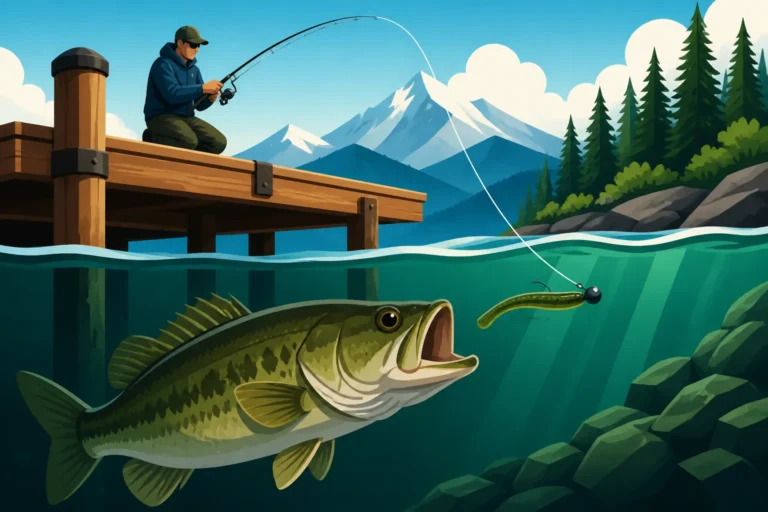
For those who enjoy warm-water species, the Okanagan Valley is a hotspot for smallmouth and largemouth bass fishing. These aggressive predators provide exciting action on topwater lures, soft plastics, and crankbaits, especially during the early morning and late evening hours. Families will also find plenty of stocked lakes offering consistent action for pan-sized trout, ideal for teaching kids the joys of fishing. A reliable fish finder can be a game-changer for locating structure and schools of fish in these larger lakes, and you can often find a good selection of models on Amazon to suit various budgets.
Fraser River Sturgeon Hot Spots
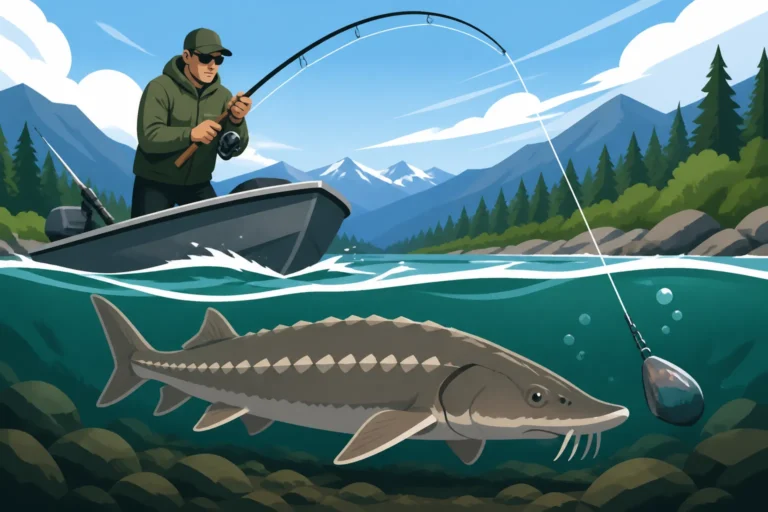
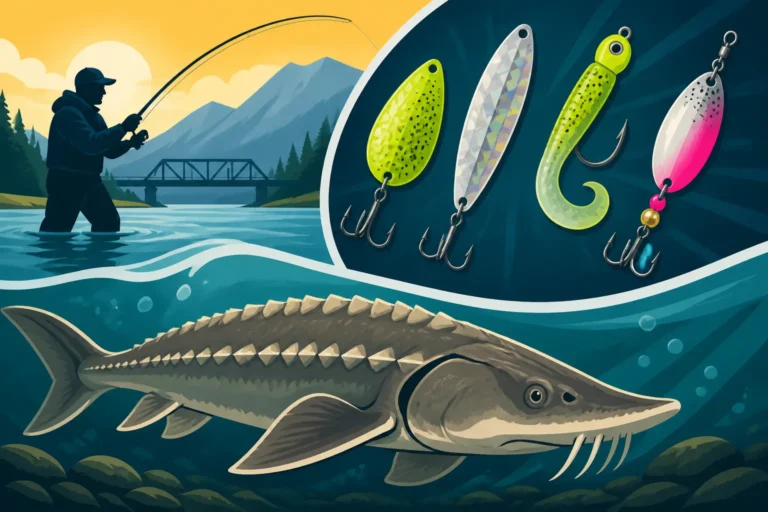
The mighty Fraser River, and its connected waterways, becomes a global destination in summer for those seeking a true freshwater leviathan: the White Sturgeon. While sturgeon can be caught year-round, the warmer water temperatures and active feeding patterns in summer can lead to some incredible action. These prehistoric fish, some growing to truly monumental sizes, offer an unforgettable catch-and-release experience. Guided trips are highly recommended for sturgeon fishing, as specialized heavy tackle and expert knowledge are essential for safely handling and releasing these magnificent creatures.
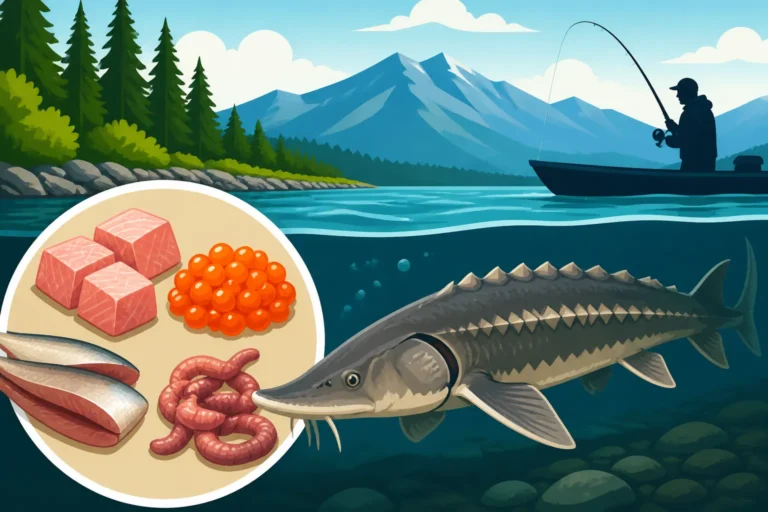
The Lower Fraser River Sturgeon Fishing area, particularly around Mission and Chilliwack, sees intense activity. Sturgeon feed on salmon carcasses, lamprey, and other opportunistic meals, so fresh bait like eulachon, salmon eggs, or roe is typically used. Remember, white sturgeon in BC are strictly catch-and-release only, and proper handling is paramount to their survival. Always use barbless hooks and minimize their time out of the water. Understanding the BC Fraser River Sturgeon Catch and Release Requirement is not just a rule, but an ethical obligation.
Fall Fishing in BC: The Salmon Spectacle (September-November)
As summer fades and the leaves begin to turn, British Columbia enters one of its most iconic and visually stunning fishing seasons: the fall salmon run. This period is a prime opportunity to witness and participate in the incredible journey of millions of Pacific salmon returning to their natal rivers to spawn. Beyond salmon, fall also brings a surge of activity for steelhead and trout, invigorated by cooler temperatures and the promise of rich salmon egg feasts. It's a time of dramatic beauty and intense angling action, offering some of the most memorable experiences in BC fishing.
River Salmon Returns (Chinook, Coho, Sockeye, Chum, Pink)
This is the season when BC's rivers swell with migrating salmon, creating a true spectacle. Starting in September and continuing well into November, different species arrive in waves. Early fall sees strong runs of Chinook Salmon Fishing in BC, with these powerful fish pushing into rivers like the Fraser, Thompson, and Skeena. Soon after, Coho Salmon Fishing in BC enter coastal rivers, offering incredible fly-fishing and drift fishing opportunities. Every few years, particularly in odd-numbered years, the Pink Salmon runs can be absolutely massive, providing non-stop action on many coastal streams. Sockeye Salmon Fishing in BC, while often peaking in late summer, can still offer opportunities in early fall, particularly in systems like the Fraser. Finally, Chum Salmon, known for their aggressive fights, arrive in droves in late fall.
Each river system and species has its own peak window, so understanding the BC Fishing Season Dates and Closures is absolutely crucial. Techniques vary widely, from bar fishing with roe on the Fraser, to float fishing with jigs or bait on smaller rivers, and fly fishing with various patterns. The Salmon Fishing Techniques for BC Rivers will give you a detailed breakdown. Anglers will often target specific species, like the trophy Chinook in the Fraser, or the abundant Coho in the Chilliwack/Vedder River system. The sheer number of fish in the water can make for some truly unforgettable days, though it also means adhering strictly to bag limits and conservation measures.
Fall Steelhead and Trout Fishing
Following the salmon, or sometimes even alongside them, the fall steelhead runs begin to build in many of BC's renowned rivers. These incredible anadromous rainbow trout enter rivers like the Bulkley, Kispiox, and Thompson, often feeding on salmon eggs. This is a highly anticipated time for dedicated steelhead anglers, offering challenging but highly rewarding fishing for chrome-bright fish. Techniques commonly include float fishing with bait or jigs, drift fishing, and spey casting large flies. The How to Catch Steelhead in BC guide can provide in-depth strategies for this exciting fishery.
Interior lakes and rivers also experience a resurgence in trout activity during the fall. As water temperatures cool down, fish move out of the deep summer refuges and become more active in shallower feeding areas. This can be an excellent time for fly fishing on small streams with dry flies or nymphs, or targeting larger lake trout and rainbow trout by trolling or casting from shore. The cooler air and water temperatures mean a comfortable angling experience, often in solitude as many fair-weather anglers have packed up for the season.
Late Season Halibut and Lingcod
While summer is considered peak, the early fall can still offer some excellent opportunities for bottom fish like halibut and lingcod in coastal waters. As the weather cools and conditions become choppier, many recreational boaters head home, leaving prime fishing grounds less crowded. Halibut can still be found on deeper banks and ledges, often feeding aggressively before the winter slowdown. Lingcod also remain active around their rocky habitats.
Charter operators often shift their focus slightly, perhaps targeting areas known for resident populations of these species. However, fall coastal weather can be unpredictable, with storms and rough seas becoming more common. This means paying close attention to marine forecasts and being prepared for all conditions. It’s always wise to ensure your boat is well-equipped with safety gear, and that you have appropriate foul-weather clothing, easily found on Amazon if you need an upgrade.
Winter Fishing in BC: Ice, Steelhead, and Opportunity (December-February)
When the snow blankets the mountains and the mercury drops, many anglers hang up their rods, but dedicated few know that British Columbia’s winter offers a unique and often rewarding fishing season. It's a time of quiet beauty, stark landscapes, and some truly challenging but deeply satisfying angling experiences. From the stillness of ice fishing on a frozen lake to the relentless pursuit of winter steelhead on a rain-swollen river, winter fishing in BC demands patience, preparation, and a love for the colder side of nature.
Hardwater Adventures: Ice Fishing in the Interior
As temperatures consistently drop below freezing, many of BC’s interior lakes transform into spectacular ice fishing destinations. This is particularly true in regions like the Cariboo, Okanagan, and Kootenay, where reliable ice forms from late December through February. Targeting rainbow trout, kokanee, burbot, and even some whitefish through the ice is a popular winter pastime. The tranquility of sitting over a hole, surrounded by snow-covered trees, is an experience unlike any other.
Safety is paramount when ice fishing. Always check ice thickness, go with a buddy, and inform someone of your plans. Essential gear includes an auger, a reliable ice fishing rod and reel, small jigs, power bait, and a warm shelter or sled to stay comfortable. Early morning and late afternoon are often the most productive times. Some specific lakes renowned for ice fishing include Lac la Hache, Bridge Lake, and various smaller lakes in the region. Always confirm local ice conditions and any specific regulations before heading out onto the ice.
Winter Steelhead Runs on Coastal Rivers
For many hardcore anglers, winter means one thing: steelhead. British Columbia is world-famous for its winter steelhead runs, particularly on rivers flowing into the Pacific Ocean. From late November through March, these elusive, powerful fish enter rivers along the coast of Vancouver Island, the Fraser Valley, and the North Coast. They are a test of skill, patience, and endurance, often requiring anglers to brave cold, wet conditions for the chance at a single, magnificent fish.
Rivers like the Vedder/Chilliwack, Chehalis, Stamp, and countless other smaller coastal streams receive healthy runs of winter steelhead. The typical methods involve float fishing with roe, jigs, or rubber worms, or spey casting with fly rods using various intruder patterns. The key to success often lies in understanding how fish relate to river structure in cold, high water conditions. This is a true dedicated fishery, and those who put in the time and effort are rewarded with one of the most prized freshwater fish in North America. For more detailed information, check out Winter Steelhead Runs on BC's North Coast Rivers.
Tidal Winter Chinook and Bottom Fish
While most winter salmon runs are over, a dedicated fishery exists for "winter Chinook" or "feeder Chinook" in many of BC's tidal waters. These are Chinook salmon that are actively feeding in the ocean, not yet committed to a spawning migration. They are typically found in deeper waters and are targeted by trolling with downriggers, using spoons, hootchies, or large bait. Areas like the Strait of Georgia, particularly near Vancouver and Victoria, can offer decent opportunities, though success often requires persistence and good electronics to locate bait balls.
Winter also provides opportunities for bottom fish like lingcod and various rockfish species, especially on calmer days when offshore access is possible. These fish are often found around rocky reefs and drop-offs. Jigging with heavy metal jigs or bait fishing are common methods. Just like with spring and fall, winter coastal weather can be highly unpredictable, so always prioritize safety, check marine forecasts, and ensure your vessel and gear are up to the task.
Tidal Waters vs. Freshwater: When and What to Expect
British Columbia offers two distinct angling experiences: the vast, dynamic world of tidal (saltwater) fishing and the intricate, ever-changing realm of freshwater fishing in its myriad lakes and rivers. Each environment has its own rhythms, species, and peak seasons, demanding different approaches and gear. Understanding these fundamental differences is key to planning a successful BC fishing trip, whether you dream of battling ocean-run salmon or casting for elusive trout in a pristine mountain stream.
Coastal Tidal Fishing: Ocean's Rhythm
Tidal fishing in BC is largely dictated by the annual migrations of Pacific salmon and the presence of bottom-dwelling species like halibut, lingcod, and various rockfish. For salmon, summer (June-August) is the absolute peak, with all five species present in significant numbers, actively feeding or beginning their journey to spawn. This is when large Chinook and Coho are targeted by trolling, jigging, and mooching in areas like the Strait of Georgia, the west coast of Vancouver Island, and the waters around Prince Rupert. Halibut fishing also peaks in summer when these huge flatfish are most active on offshore banks.
Spring (April-May) can offer some early Chinook action and decent bottom fishing on calmer days, while fall (September-October) provides a final push for migrating salmon in marine estuaries and opportunities for late-season halibut before winter storms set in. Winter (November-March) is the quietest time, though dedicated anglers can find feeder Chinook and various bottom fish. Tides, weather, and current fishery notices (especially for salmon) heavily influence daily success. You'll need a BC Freshwater vs Tidal Waters License, Explained for this fishery.
Interior Freshwater Fishing: Lakes and Rivers
Freshwater fishing in BC is incredibly diverse, encompassing everything from high-altitude alpine lakes to mighty glacier-fed rivers. Generally, the season here starts in spring (March-May) as ice melts and trout become actively feeding. This is an excellent time for targeting rainbow trout, kokanee, and char in lakes throughout the Interior, often near the shores. Rivers often experience spring steelhead runs, though high water from snowmelt can be a challenge.
Summer (June-August) brings warm-water species like bass into their prime in the Okanagan, while higher elevation lakes become accessible, offering pristine trout fishing. Larger lakes require specialized techniques like downrigger trolling to reach fish in cooler depths. Fall (September-November) is a fantastic time for river-based salmon fishing as species like Chinook and Coho return, and a strong season for resident trout and fall steelhead in many rivers. Ice fishing dominates winter (December-February) in many Interior regions, targeting a variety of species. Freshwater conditions are heavily influenced by snowmelt, rainfall, and water temperatures, which can vary greatly by region and elevation.
Regional Variations: Fishing Hotspots by Season
British Columbia is a massive province, and its fishing opportunities are incredibly localized. What’s biting in the Kootenays in July might be completely different from what’s happening off the coast of Vancouver Island. To truly maximize your fishing success, it’s essential to understand how the seasons play out in BC’s major fishing regions. This geographical diversity is part of the allure, but it also means a one-size-fits-all approach simply won't work.
Vancouver Island and Coastal BC
This region, encompassing Vancouver Island, the Gulf Islands, and the mainland coast, is renowned primarily for its saltwater fishing and coastal river systems.
- Spring (March-May): Early season Chinook salmon (feeders) can be targeted in sheltered waters, with Sooke and Victoria being popular starting points. Some coastal rivers may still have late winter steelhead runs. Bottom fishing for lingcod and rockfish picks up on calmer days.
- Summer (June-August): This is prime time for all five Pacific salmon species, with phenomenal action for Chinook and Coho. World-class halibut fishing is centered off the west coast of Vancouver Island (Tofino, Ucluelet) and Haida Gwaii. Many guides and lodges operate at peak capacity. Check out the Vancouver Island Fishing Guide for more specifics.
- Fall (September-November): Major salmon runs (Chinook, Coho, Chum, Pink) occur in coastal rivers like the Campbell River, Stamp River, and many smaller systems. This is an incredible time for river anglers. Some offshore halibut and lingcod fishing can still be good, weather permitting.
- Winter (December-February): The focus shifts to winter steelhead in coastal rivers and feeder Chinook salmon in tidal waters. This can be challenging but highly rewarding for dedicated anglers.
Fraser Valley and Lower Mainland
This densely populated region still offers incredible fishing, particularly on the iconic Fraser River and its tributaries.
- Spring (March-May): The Fraser River offers early sturgeon opportunities as temperatures warm. Some local lakes are stocked with trout and provide good early season action.
- Summer (June-August): Peak White Sturgeon Fishing on the Fraser River, with many record-sized fish caught and released. Sockeye salmon return in significant numbers in July and August (check regulations carefully as closures are common). Some local lakes have good trout and smallmouth bass. The Fraser River Fishing Guide is a must-read.
- Fall (September-November): The Fraser River experiences massive runs of Chinook, Coho, and Chum salmon, offering diverse angling techniques from bar fishing to drift fishing. Tributaries like the Vedder/Chilliwack River become epicenters for Coho and later, winter steelhead.
- Winter (December-February): Winter steelhead fishing is the main draw on the Vedder/Chilliwack and other smaller rivers. Sturgeon fishing continues on the Fraser, albeit at a slower pace.
BC Interior Lakes and Rivers (Okanagan, Kootenay, Cariboo)
This vast region is characterized by thousands of lakes, smaller rivers, and unique fisheries.
- Spring (March-May): Ice-off signals the start of prime stillwater trout fishing on lakes across the Interior. Rainbow trout, brook trout, and kokanee are highly active near shore. The Okanagan Valley Fishing Guide covers a key part of this region.
- Summer (June-August): Warm-water species like largemouth and smallmouth bass are excellent in Okanagan lakes. Higher elevation lakes become accessible for pristine trout fishing. Trolling for large Kamloops rainbow trout and Gerrard rainbow trout on lakes like Kootenay and Okanagan.
- Fall (September-November): Lake trout and kokanee fishing remains strong as water temperatures cool. Rivers and streams offer excellent opportunities for resident rainbow trout and bull trout, which become more active. Spawning kokanee can provide a spectacle.
- Winter (December-February): Ice fishing is the dominant activity, with excellent opportunities for rainbow trout, kokanee, and burbot on numerous frozen lakes. This is a very popular family activity.
Northern BC Wilderness Waters
This remote and vast region offers some of the most pristine and wild fishing experiences in the province, particularly for trophy steelhead and salmon.
- Spring (March-May): Late winter steelhead runs can still be found on rivers like the Skeena and its tributaries (Bulkley, Kispiox), offering challenging but rewarding fishing. Snowmelt causes high water.
- Summer (June-August): This is prime time for summer-run steelhead and all five species of Pacific salmon on iconic rivers like the Skeena, Bulkley, and Dean. Fly-in lodges and guided trips are popular. This region is home to some of the Best Steelhead Rivers in BC.
- Fall (September-November): Continues to be prime for salmon and steelhead, with strong runs of Coho and Chum. The cooler weather and changing foliage make for a stunning backdrop.
- Winter (December-February): Fishing opportunities are extremely limited due to harsh weather and frozen rivers, with only a few very dedicated anglers targeting winter steelhead in accessible areas. Ice fishing for burbot and lake trout in larger northern lakes can be productive.
Factors Influencing the "Best" Time to Fish
While understanding seasonal patterns and regional variations is a great start, the truth is that fishing, especially in a dynamic environment like British Columbia, is rarely as simple as checking a calendar. A multitude of variables can drastically alter conditions and success rates, sometimes even day-to-day. Savvy anglers know that flexibility and awareness of these influencing factors are just as important as knowing the general season. Ignoring them can lead to frustration, while embracing them can unlock incredible opportunities.
Weather, Water Levels, and River Conditions
The weather in British Columbia is notoriously unpredictable, and it directly impacts fishing conditions. A sudden cold snap can shut down a trout bite, while a sustained period of heavy rain can blow out a river, turning crystal-clear runs into a muddy torrent unsuitable for fishing. Conversely, stable weather patterns can lead to consistent, productive fishing. Always check the long-range forecast leading up to your trip, and then the localized, hourly forecast as you get closer. Online resources and weather apps are your best friend here.
Water levels, particularly in rivers, are a critical factor. Spring often brings high, murky water from snowmelt (known as "freshet"), which can make fishing difficult or dangerous. Later in summer, rivers can drop to very low levels, making fish spooky and concentrating them in deep pools. Ideal river conditions often involve stable, medium water levels with good clarity. Monitoring local hydrographs or calling local fly shops and guides for current river conditions is highly recommended. These factors can change rapidly, so staying informed is crucial for safety and success. You'll find many useful articles and safety equipment listings on Amazon to help you prepare for varying conditions, from waterproof bags to heavy-duty rain jackets.
Fishery Notices and Regulatory Changes
British Columbia’s fisheries are managed with conservation in mind, and that means regulations can, and do, change frequently, sometimes mid-season. Salmon runs, in particular, are subject to in-season closures or openings based on run strength and conservation goals. What was open yesterday might be closed today, or vice-versa. This can be a huge source of frustration for anglers who’ve planned trips months in advance, only to find their target species or river closed.
It is absolutely imperative to consult the official BC Fishery Notices and In-Season Closures, Explained regularly before and during your trip. These notices, issued by Fisheries and Oceans Canada (DFO) for tidal waters and the Ministry of Forests for freshwater, supersede general regulations and are the final word on what's open, closed, or restricted. Checking these notices is not optional; it’s a legal requirement and essential for responsible angling. You don't want to accidentally run afoul of the law, potentially facing fines or loss of gear.
Tidal Swings and Solunar Tables
For saltwater anglers, understanding the tides is just as important as understanding the weather. Tidal swings dictate current strength, water movement, and often, fish activity. Many species, especially salmon, feed most actively during specific parts of the tidal cycle, such as an incoming tide or a tide change. Knowing when high and low tides occur in your specific fishing area can make a huge difference in your success rate. Tide tables are readily available online and through local marine charts.
Some anglers also consult solunar tables, which attempt to predict fish activity based on the moon's position and lunar phases. While not universally accepted, many experienced anglers swear by the heightened activity during "major" and "minor" feeding periods indicated by these tables. While you shouldn’t plan your entire trip around them, checking a solunar calendar might give you an edge or help you decide when to be on the water during a particular day. Combining tidal knowledge with solunar predictions and local intel can help you pinpoint the best windows to hit the water, increasing your chances of finding actively feeding fish.
General Peak Seasons for Popular BC Fish Species
To help you get a quick overview of when to target some of British Columbia's most popular fish species, here's a general guide. Remember that specific dates and local conditions can vary, so always refer to current regulations and fishery notices.
| Species | Primary Environment | Peak Season(s) | Key Regions |
|---|---|---|---|
| Chinook Salmon | Tidal & Freshwater | Summer (June-Aug) for ocean, Fall (Sept-Oct) for rivers | Coastal BC, Fraser River, Vancouver Island |
| Coho Salmon | Tidal & Freshwater | Summer (July-Sept) for ocean, Fall (Sept-Nov) for rivers | Coastal BC, Fraser Valley rivers, Vancouver Island |
| Sockeye Salmon | Tidal & Freshwater | Summer (July-Aug) | Fraser River, Skeena River, Johnstone Strait |
| Pink Salmon | Tidal & Freshwater | Summer (Late July-Aug, odd years) | Coastal BC, Fraser Valley, Vancouver Island |
| Chum Salmon | Tidal & Freshwater | Fall (Oct-Nov) | Coastal BC, Fraser River, Vancouver Island |
| Halibut | Tidal | Summer (May-Aug) | West Coast Vancouver Island, Haida Gwaii, North Coast |
| Lingcod | Tidal | Spring/Summer (April-Sept) | Coastal BC, Vancouver Island |
| Rainbow Trout | Freshwater | Spring (April-June), Fall (Sept-Nov) | Interior lakes, Rivers province-wide |
| Steelhead | Freshwater | Winter (Dec-March) & Summer (June-Oct, specific rivers) | Coastal rivers, Skeena system, Thompson River |
| White Sturgeon | Freshwater | Summer (June-Sept) | Fraser River, Nechako River |
| Kokanee | Freshwater | Spring (April-June), Fall (Sept-Oct) | Interior lakes (Okanagan, Kootenay, Shuswap) |
| Largemouth Bass | Freshwater | Summer (June-Aug) | Okanagan Valley lakes |
| Smallmouth Bass | Freshwater | Summer (June-Aug) | Okanagan Valley lakes |
| Bull Trout | Freshwater | Spring/Fall (May-June, Sept-Oct) | Kootenay region, Interior rivers |
Disclaimer
The information provided in this guide is for general informational purposes only and is subject to change. Fishing regulations, season dates, and local conditions can vary significantly and are regularly updated by Fisheries and Oceans Canada (DFO) and the BC Ministry of Forests. Always consult the most current official BC Fishing Regulations Explained and BC Fishery Notices and In-Season Closures, Explained before planning and undertaking any fishing activity in British Columbia. Safety is paramount; be aware of weather conditions, water levels, and always practice responsible angling.