How to Catch Steelhead in BC
The pursuit of steelhead in British Columbia is often described as an obsession, and for good reason—these magnificent, elusive fish can test the patience and skill of even the most seasoned angler, leading to both soul-crushing blank days and unforgettable battles with chrome-bright giants. If you've ever felt the frustration of casting all day without a touch, or wondered if you're using the right gear for BC's challenging rivers, you're not alone. This guide aims to demystify the art and science of catching steelhead in BC, offering practical advice and in-depth strategies to help you connect with these incredible fish.
Understanding British Columbia Steelhead
Before we even talk about casting a line, it's crucial to understand what makes BC steelhead so special and why they behave the way they do. These aren't your typical stocked rainbow trout; they are anadromous, meaning they spend part of their lives in the ocean before returning to freshwater to spawn, much like salmon. This migratory lifestyle makes them incredibly powerful, wary, and highly responsive to environmental changes. Knowing their habits, biology, and the differences between various populations is your first step towards success.
Coastal vs. Interior Steelhead: What's the Difference?
While all steelhead are essentially sea-run rainbow trout, the populations in British Columbia are broadly categorized into two distinct groups: coastal and interior. These classifications aren't just geographical; they represent significant differences in genetics, size, run timing, and the environments they inhabit. Understanding these distinctions is paramount for targeting them effectively.
Coastal steelhead typically refers to populations that return to rivers on Vancouver Island, the Lower Mainland, and the numerous drainages along BC's rugged coastline, extending up to the North Coast. These fish often experience milder winter conditions and have shorter migrations from the ocean, leading to several key characteristics. They tend to be strong, aggressive, and can be quite numerous in certain systems, with runs peaking throughout the winter and early spring. Their silver, chrome-bright appearance, fresh from the ocean, is legendary among anglers. Rivers like the Stamp, Gold, and numerous streams in the Squamish and Chilliwack areas are prime examples of coastal steelhead fisheries. They are often targeted with a variety of methods due to their aggressive nature, from float fishing with bait to swinging flies.
Interior steelhead, on the other hand, undertake epic journeys far up major river systems, sometimes traveling hundreds of kilometers inland to reach their spawning grounds. The most famous interior populations are found in the Skeena River system and its tributaries like the Bulkley, Kispiox, and Babine rivers, as well as the Thompson and its associated Fraser River tributaries. These fish face much harsher conditions, including colder water temperatures and longer, more arduous migrations, which influence their life history and behavior. They are often larger on average than their coastal cousins, spending more time in the ocean to build up reserves for their extended journey. Interior steelhead typically enter rivers in late summer or fall, overwinter in the system, and spawn in spring. They are incredibly powerful, often with more subdued coloration due to their prolonged freshwater residency. The challenge of reaching these remote interior systems and the sheer magnitude of the fish make them a highly sought-after prize. Understanding these regional nuances will help you select the right gear and approach, whether you're chasing the chrome of a coastal fish or the brute strength of an interior giant.
The Incredible Steelhead Life Cycle
The life cycle of a steelhead is a testament to resilience and an incredible journey that demands our respect and protection. It begins in the gravel beds of freshwater rivers, where eggs are laid and fertilized. After hatching, the young steelhead, known as alevin, hide in the gravel, feeding on their yolk sacs. They then emerge as fry, slowly growing into parr, displaying distinctive vertical bars for camouflage in the river.
As parr, they spend typically 1 to 3 years in freshwater, feeding on insects and small fish, developing the instincts and strength needed for their arduous journey. During this freshwater phase, they look much like resident rainbow trout. The transformation truly begins as they prepare for their migration to the ocean. This physiological change, known as smoltification, prepares them for saltwater life. Their bodies become more streamlined, and their coloration changes to a silvery hue, helping them blend in with their new marine environment.
Once in the ocean, steelhead feed voraciously, growing rapidly and gaining the immense strength that makes them such a prized game fish. They can spend anywhere from 1 to 4 years in saltwater, venturing into the vastness of the Pacific. Unlike Pacific salmon, which die after spawning, steelhead are iteroparous, meaning they can survive spawning and return to the ocean, sometimes migrating back to spawn in subsequent years. These "kelts" or "spawned-out" fish are incredible survivors, but are often leaner and less vibrant. The cycle culminates as mature steelhead, now powerful and chrome-bright, navigate back to their natal rivers, driven by an innate desire to perpetuate their species. This arduous migration, often against strong currents and past numerous obstacles, is precisely why they are such formidable fighters on the end of a line.
Why Steelhead Strike: Reading Their Instincts
One of the biggest mysteries and frustrations for anglers is understanding why a steelhead, which isn't actively feeding once it enters freshwater to spawn, will decide to strike a lure or fly. Unlike a trout that feeds opportunistically throughout its life in a lake or river, an anadromous steelhead's primary goal in freshwater is reproduction. They're running on reserves built up in the ocean, making them famously elusive and selective.
However, steelhead do strike, and when they do, it's usually out of aggression, territoriality, or curiosity. They are highly territorial, especially when they settle into holding lies. A brightly colored lure or a fly swinging through their space can be perceived as an intruder, provoking a strike. This aggressive response is often triggered by something that flashes, moves erratically, or presents an unexpected profile in their peripheral vision. The flash of a spoon or spinner, the darting motion of a bead, or the broad profile of a swung fly can all trigger this instinct.
Curiosity also plays a role. Steelhead are predators by nature, and while not actively feeding, a well-presented offering that mimics a food item or simply looks "interesting" might elicit an investigatory bite. This is where subtle presentations, natural colors, and slow, deliberate drifts can be highly effective. The key is to put your offering directly in their face, often multiple times, to provoke a reaction. Sometimes, they need to be annoyed or surprised into striking. Understanding these instincts—aggression, territoriality, and curiosity—helps you choose the right technique and presentation. It transforms the act of fishing from merely casting into a strategic game of cat and mouse, where every drift and retrieve is designed to tap into these primal urges of the fish.
Key Steelhead Fishing Seasons in British Columbia
Steelhead fishing in British Columbia isn't a year-round affair, nor is it a monolithic season. Different runs of fish arrive at different times in various river systems, creating distinct seasonal opportunities. Each season presents unique challenges and rewards, largely dictated by water temperatures, river levels, and the specific life stage of the returning steelhead. Knowing when and where to focus your efforts is crucial.
Winter Steelhead: The Classic Pursuit
For many, winter steelhead fishing embodies the true spirit of the sport in British Columbia. This is the prime time for many coastal rivers and some lower Skeena tributaries, typically running from late November through March, and sometimes into April. The term "chrome" is often used to describe these fish because they enter the rivers fresh from the ocean, still sporting their brilliant, untarnished silver scales.
The allure of winter steelhead lies not just in their pristine appearance and incredible fighting power, but also in the solitude and raw beauty of the winter landscape. Anglers often brave cold temperatures, rain, and even snow, finding solace in the quiet determination required. These fish are typically found in slower, deeper pools and runs, conserving energy in the cold water. They can be incredibly aggressive when provoked, but their metabolism is slower, meaning presentations need to be precise and often slower as well.
Popular techniques for winter steelhead include float fishing with roe, beads, or jigs, which allows for a controlled drift through prime holding water. Fly anglers often employ spey rods to swing large, intrusive flies that provoke a territorial strike. Access can be a challenge, with icy roads and high, turbid water being common hurdles. However, the reward of hooking into a fresh, ocean-bright steelhead, battling it in the quiet chill of a BC winter, is an experience that keeps anglers coming back year after year. Understanding the BC Steelhead Season Dates for your chosen river is essential before heading out.
Spring Steelhead: Post-Spawn and Freshet Opportunities
As winter begins to recede and temperatures slowly climb, British Columbia transitions into its spring steelhead season, which offers a different set of challenges and opportunities. This period, usually from March through May, is characterized by rising river levels due to snowmelt, known as freshet, and the presence of both spawning and post-spawn steelhead, often referred to as "kelts" or "drop-backs."
While some fresh chrome fish may still be entering rivers in early spring, a significant portion of the spring fishery targets kelts. These are steelhead that have already spawned and are making their way back to the ocean. Though leaner from their spawning efforts, kelts can still be incredibly strong fighters and are often more willing to take a fly or lure as they attempt to regain energy. They tend to be found in faster, shallower water as they move downstream. This season can also see the tail end of some interior runs, particularly in systems like the Thompson, where fish have overwintered and are now actively spawning.
Freshet conditions, with high, often turbid water, can make fishing challenging. Anglers often need to use heavier gear, larger and brighter presentations, and seek out slower seams and eddies where fish might be resting. Focusing on river sections where fish might be staging before or after spawning is key. For those willing to navigate the changing river conditions, spring steelhead offers a unique chance to connect with these resilient fish as they complete their incredible life cycle. Always ensure you are familiar with BC Fishing Regulations Explained concerning the handling of spawning or kelp steelhead, as ethical angling practices are paramount.
Summer and Fall Steelhead: Lesser-Known Chances
While winter and spring typically garner the most attention, British Columbia also offers intriguing summer and fall steelhead fishing opportunities, particularly in its northern and interior river systems. These seasons, though less talked about, can be incredibly rewarding for anglers seeking a different experience and often larger, more aggressive fish.
Summer steelhead, primarily found in the Skeena River system and its numerous tributaries, begin entering rivers in June and July. These are often large, powerful fish that have spent several years in the ocean. They provide a fantastic warm-water fishery, especially for fly anglers who enjoy swinging flies. The clear, lower water conditions often found in late summer and early fall in these northern systems can make for exciting sight-fishing opportunities. However, these fish can be extremely wary in clear water, demanding stealth and precise presentations. This is also the time when the largest of the interior steelhead, those destined for rivers like the Bulkley and Kispiox, begin their long migration.
Fall steelhead fishing, continuing from late August through November, often overlaps with salmon runs in many systems. In northern BC, this is peak season for many of the iconic steelhead rivers like the Bulkley, Kispiox, and Babine, where trophy-sized fish are common. The cooler temperatures and often higher, rain-fed water levels can make fish more aggressive. Anglers in the Thompson River system also anticipate the arrival of fall-run steelhead, which are notoriously challenging but incredibly strong. The interplay between salmon and steelhead can mean that some techniques and baits designed for salmon might also attract a steelhead. While conditions can be variable, from crisp, clear days to heavy rain, the chance to intercept a fresh, powerful steelhead in its prime, against a backdrop of stunning autumn colors, is an experience not to be missed. For detailed insights, consider exploring specific strategies for Steelhead Runs on BC's North Coast Rivers.
Essential Gear for BC Steelhead Anglers
Approaching British Columbia's diverse steelhead fisheries requires thoughtful preparation and the right tools for the job. The rugged terrain, variable weather, and the sheer power of these fish demand reliable, durable, and purpose-built gear. Skimping on quality here can lead to frustrating break-offs, uncomfortable days on the water, or even safety issues. Investing in appropriate equipment is an investment in your success and enjoyment.
Rods, Reels, and Lines: Your Foundation
The rod, reel, and line form the fundamental trinity of your steelhead fishing setup. Their characteristics need to match the specific technique you're employing and the type of river you're fishing. For BC steelhead, versatility and strength are key.
For float fishing or drift fishing, a medium-heavy spinning or casting rod, typically 9 to 11 feet long, with a fast action, is ideal. The extra length aids in line control, mending, and absorbing the shock of a powerful steelhead's run. A good example might be a 9'6" to 10'6" rod rated for 8-15lb line. Pair this with a reliable spinning reel in a 3000-4000 series or a baitcasting reel with a smooth drag system, spooled with 15-30lb braided mainline. Braid offers superior sensitivity and strength for its diameter, crucial for detecting subtle takes and battling strong fish. You can find many reputable options for these setups on platforms like Amazon.
Fly fishing for steelhead often involves specialized gear. Single-hand rods typically range from 9 to 10 feet in length, rated for 7-9 weight lines, suitable for nymphing or short-range swinging. However, two-handed spey or switch rods are incredibly popular, especially for swinging flies on larger rivers. These rods, ranging from 11 to 15 feet, allow for effortless casting across wide rivers and provide incredible leverage when fighting big fish. A 7 or 8-weight spey rod with a corresponding spey or Skagit line system is a common choice. Matching your line to your rod's grain window is critical for optimal casting performance. A high-quality large arbor reel with a robust, smooth drag and plenty of backing (200+ yards of 30lb dacron) is essential, as steelhead are known for blistering runs that can strip line quickly. Selecting the correct rod action, reel capacity, and line type based on your chosen technique and the size of the river will significantly impact your effectiveness and enjoyment.
Terminal Tackle: The Business End
Once you have your rod, reel, and line sorted, it's time to focus on the terminal tackle – the components that directly interact with the fish and present your offering. This is where attention to detail really matters, as a weak knot or a dull hook can cost you the fish of a lifetime.
Leaders are paramount for steelhead. For float and drift fishing, fluorocarbon leaders are preferred due to their invisibility underwater and abrasion resistance. Typical breaking strengths range from 10lb to 15lb, depending on water clarity and fish size. You'll want a variety of leader material spools to adjust as conditions change. Swivels are crucial for preventing line twist, especially when using spinners or fishing with multiple weights. Good quality barrel or ball bearing swivels in appropriate sizes are a must. Hooks must be incredibly sharp, strong, and sized to your bait or lure. Octopus hooks, worm hooks, and jig hooks in sizes #1 to 3/0 are common, depending on your presentation. Barbless hooks are often mandated for steelhead in BC, so check regulations carefully. If you're buying hooks, ensure they are high-carbon steel for maximum strength.
For fly fishing, tapered leaders or custom-built tippet sections are used, often with lighter breaking strengths (8-12lb fluorocarbon or monofilament) at the fly end. Tippet rings are useful for extending the life of your leader. Your flies themselves are a form of terminal tackle. For swinging, large intruder-style flies, leeches, or spey flies in various colors (black, blue, chartreuse, pink) are common. For nymphing, weighted stonefly nymphs, egg patterns, and squirmy wormies can be effective. Carrying a selection of different weights, sizes, and colors for both hooks and flies allows you to adapt to changing water conditions and fish preferences. Investing in high-quality terminal tackle, from the leader material to the hook itself, dramatically increases your chances of landing that elusive steelhead.
Waders, Boots, and Safety Essentials: Staying Comfortable and Safe
Steelhead fishing often means spending long hours in or near cold, fast-moving water, sometimes in adverse weather. Comfort and safety are not luxuries; they are absolute necessities. The right outerwear and safety gear can make the difference between an enjoyable, productive day and a miserable, potentially dangerous one.
A good pair of breathable chest waders is non-negotiable. Look for durable, multi-layer GORE-TEX or similar waterproof-breathable fabrics that can withstand punctures and abrasion from bushwhacking and rocky riverbeds. Neoprene booties integrated into the waders provide insulation. Wading boots, separate from the waders, should offer excellent ankle support and aggressive sole traction. Felt soles, rubber soles with studs, or a combination are popular choices. Felt offers great grip on slippery rocks, but can be problematic in snowy or muddy conditions. Rubber with studs provides a more versatile option, especially if you also hike to fishing spots. Ensuring your boots fit well over your wader booties is crucial to prevent blisters and maintain stability.
Beyond staying dry and upright, safety is paramount. A wading belt is not just for comfort; it can be a life-saving device by preventing your waders from filling completely with water if you fall. Always wear it snugly. A personal flotation device (PFD) is highly recommended, especially when wading in strong currents or fishing from a boat. Many PFDs designed for anglers offer pockets for tackle and tools. Other essentials include polarized sunglasses for spotting fish and reading water, a hat for sun and rain protection, warm layering clothes (wool or synthetic, never cotton), gloves, and a reliable headlamp if you'll be fishing near dawn or dusk. A wading staff is invaluable for stability when navigating slippery bottoms or swift currents, especially for Wading Techniques for BC Steelhead Rivers. Finally, a small first-aid kit, a whistle, and a way to communicate (fully charged phone in a waterproof case) should always be with you. Being prepared for the elements and potential hazards allows you to focus on the fishing, knowing you're safe and comfortable.
Effective Steelhead Fishing Techniques and Tactics
Catching steelhead in BC is rarely a matter of luck; it's a strategic game of presenting your offering effectively to a wary fish in challenging river conditions. There's no single "best" technique, as success often depends on adapting to the river, the season, and the fish's mood. However, several core techniques have proven consistently effective across BC's diverse steelhead waters.
Float Fishing: Precision and Presentation
Float fishing, also known as "drift fishing with a float" or "Drennan fishing" in some circles, is arguably one of the most popular and effective methods for targeting steelhead in British Columbia, particularly in turbulent rivers and during colder water conditions. The technique allows for an incredibly natural, drag-free presentation of your bait or lure through prime holding water.
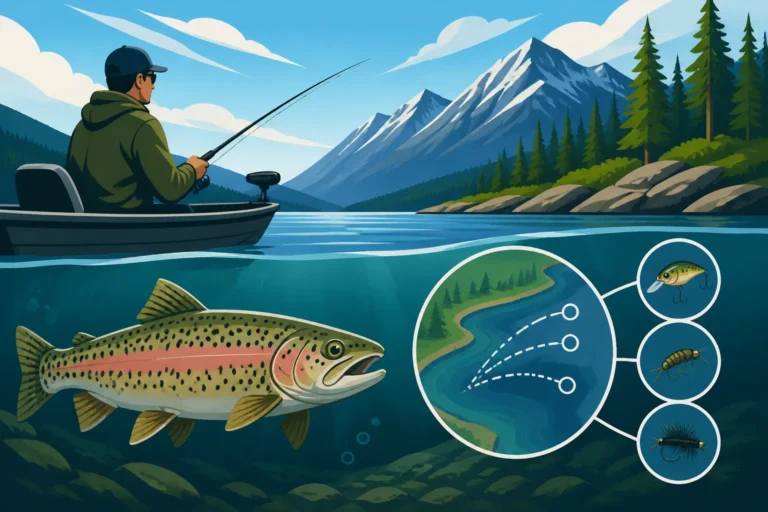
The core principle is to use a buoyant float (often a large "pin float" or "slip float") to suspend your offering just off the river bottom, allowing it to drift at the exact same speed as the current. This drag-free drift is critical because steelhead are extremely sensitive to unnatural movement; anything that looks like it's being pulled or pushed unnaturally will often be ignored. Below the float, a series of small lead weights (split shot or Slinky weights) are strategically placed to balance the float, keeping most of it submerged and highly sensitive to subtle bites. Your bait, often roe, a soft plastic worm, a bead, or a small jig, is then attached to a fluorocarbon leader.
Success in float fishing hinges on reading the water to identify potential steelhead lies—deeper pools, current seams, and structure—and then making precise casts upstream of these areas. The goal is to get your float and bait into the "fish zone" and allow it to drift naturally. Watching the float intently for any hesitation, dip, or sudden movement is crucial; a steelhead take can be incredibly subtle. Setting the hook quickly and decisively is key. The long rods used in float fishing aid in line control, allowing you to mend your line upstream to maintain a perfect drift and extend the length of your presentation through productive water. Mastering float fishing requires practice, patience, and a keen eye, but the reward of a perfectly executed drift culminating in a violent steelhead strike is unmatched.
Drift Fishing: Bottom Bouncing for Success
Drift fishing, sometimes called "bottom bouncing" or "pulling plugs," is another highly effective method for steelhead, particularly when fish are holding tight to the riverbed in turbulent or deeper runs. Unlike float fishing, this technique relies on directly feeling the bottom with your weight and offering, allowing for a sensitive, direct connection to the strike.
The setup typically involves a main line tied to a three-way swivel, with one eye connected to a short leader (6-12 inches) with a lead weight (often a "slinky" weight or pencil lead), and the other eye connected to a longer leader (18-36 inches) with your bait or lure. The weight is designed to tumble and tap along the river bottom, while your bait follows just behind and slightly above it, mimicking a natural food item dislodged by the current. The key is to use just enough weight to maintain intermittent contact with the bottom without snagging excessively.
Anglers cast upstream and across the current, allowing the weight to sink and bounce along the bottom as it drifts downstream. The sensation of the weight tapping the gravel is paramount; any change in this rhythm, a sudden stop, or a subtle tug, could indicate a steelhead bite. Unlike float fishing, where the visual cue is primary, drift fishing is highly tactile. Baits commonly used include cured roe, soft plastic worms, beads, or even small artificial plugs or lures. This technique is particularly potent in faster, deeper runs where it's difficult to get a float to perform a proper drift, or where steelhead are known to hug the bottom. It requires a sensitive rod and a focused angler to discern between a bottom tap and a fish take, but when done correctly, it can be incredibly deadly, especially for fish that are less inclined to rise for a float.
Fly Fishing: Swinging Flies and Nymphing
Fly fishing for steelhead in British Columbia is an art form, with two primary approaches dominating: swinging flies and nymphing. Each offers a distinct experience and is suited to different conditions and angler preferences.
Swinging flies, particularly with two-handed spey or switch rods, is perhaps the most iconic method for steelhead. It's a highly meditative and visually appealing technique, involving casting across and downstream, allowing the current to swing a weighted fly (often an "intruder" or "spey fly") through a fish's holding lie. The fly's movement, a slow, broad arc, is designed to provoke an aggressive or territorial strike from a steelhead. This method is especially effective for aggressive, fresh fish in moderate to strong currents. The takes can be incredibly violent, often described as a sudden, powerful grab that nearly rips the rod from your hands. Success lies in meticulously covering water, understanding current dynamics, and varying your swing speed and depth. Many of the most popular Fly Patterns for BC Steelhead Rivers are designed specifically for swinging.
Nymphing for steelhead, whether with an indicator or using European Nymphing (Euro Nymphing) techniques, focuses on presenting weighted fly patterns deep in the water column, mimicking aquatic insects or egg patterns. This method is particularly effective when fish are less aggressive or holding in deeper, slower water, where a swinging fly might not get deep enough. Indicator nymphing is similar to float fishing, using a small buoyant indicator to detect subtle takes. Euro Nymphing, on the other hand, is a tight-line technique, often using longer, lighter rods and specialized leaders to maintain direct contact with the flies and detect strikes by feel rather than sight. Both nymphing methods require precision in depth control and drift, but they can be incredibly effective when steelhead are concentrated in specific holding lies and are not actively chasing a swung fly. Whether you prefer the patient, rhythmic cast of a swung fly or the delicate precision of nymphing, fly fishing for steelhead offers a profound connection to the river and its inhabitants.
Casting Spoons and Spinners: Aggressive Takes
For anglers who prefer a more active retrieve and want to cover water quickly, casting spoons and spinners can be a highly effective technique for steelhead, especially when fish are aggressive or water conditions are slightly colored. These lures are designed to flash, vibrate, and imitate baitfish, triggering an instinctual predatory strike.
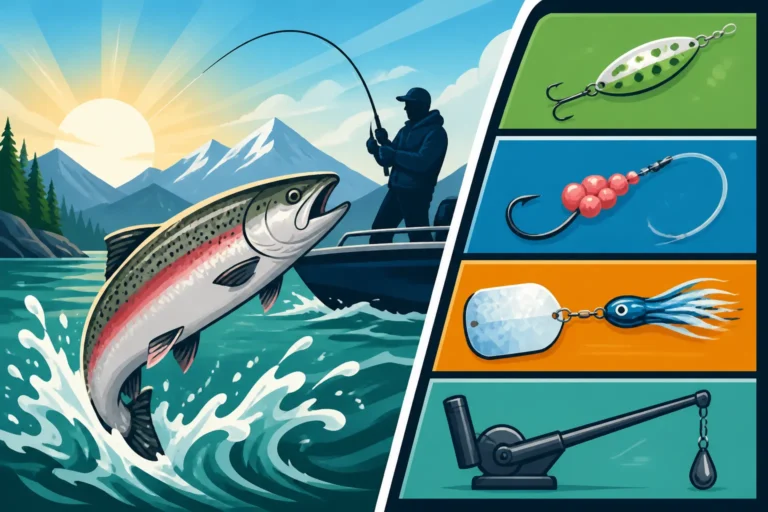
Spoons, like the classic Gibbs-Delta Koho or Croc, are typically made of metal and designed to wobble and flash as they are retrieved. Their erratic action can be irresistible to an aggressive steelhead. The key is to select the right size and weight for the water you're fishing – heavier spoons for faster, deeper water, and lighter ones for slower, shallower sections. Color choice can also be important, with bright colors like chartreuse, orange, and pink often working well in murky water, while more natural silver, gold, or brass might be preferred in clearer conditions.
Spinners, such as those from Mepps or Blue Fox, feature a blade that rotates around a central shaft, creating both flash and vibration. This combination can be a powerful attractant. Like spoons, matching the size and color to conditions is crucial. Often, a slower retrieve that just keeps the blade spinning is best, allowing the lure to hang in the strike zone longer. Both spoons and spinners are typically cast upstream and across the current, then retrieved at a steady pace, allowing the current to impart additional action. The takes are often sudden and violent, a testament to the aggressive nature of steelhead when they decide to strike a moving lure. This technique is particularly useful for covering large sections of river from the bank or from a boat, systematically searching for active fish.
Reading the Water: Locating Steelhead Lies
One of the most valuable skills a steelhead angler can develop is the ability to "read the water"—to look at a river and identify where a steelhead is most likely to be holding. Unlike salmon, which often stack up in predictable locations, steelhead can be more spread out and subtle in their choice of lies. This skill comes from experience, but understanding the basic principles of current, depth, and structure will give you a significant advantage.
Identifying Prime Holding Water
Steelhead, while migrating, will pause and rest in specific areas of the river that offer a combination of cover, reduced current, and access to the main travel lane. These are known as "holding lies," and identifying them is crucial for effective angling. A steelhead wants to conserve energy while remaining in a position to react to perceived threats or opportunities.
Look for areas where the main current slows down significantly. This could be at the tail-out of a deep pool, where the river flattens out, or in the slower water on the inside bend of a river. These spots allow fish to rest without fighting the full force of the current. Edges and seams, where fast water meets slow water, are also prime. Steelhead will often sit just out of the main current, in the slower seam, but positioned to dart into the faster water if needed.
Cover is another key element. This includes large boulders, submerged logs, undercut banks, or even simply deeper water. These features provide a sense of security and protection from predators. Think about where you would hide if you were a fish trying to avoid eagles, otters, or bears. Often, a perfect holding lie combines all these elements: a slower, deeper section of water, perhaps with some structure, adjacent to a main travel lane. While fish can be anywhere, systematically targeting these high-percentage areas will significantly increase your chances of success.
Understanding Current, Depth, and Structure
Current, depth, and structure are the three pillars of reading steelhead water. A nuanced understanding of how these elements interact is what separates consistently successful anglers from those who merely cast.
Current is paramount. Steelhead don't want to fight the current constantly. They seek "cushions" or "soft water" where they can hold with minimal energy expenditure. This means the immediate area downstream of a large boulder, inside bends, or behind submerged logs. However, they also need to be able to move into faster water quickly, so prime lies are usually adjacent to the main current flow. Observing how surface bubbles and foam move will give you clues about the subsurface current dynamics.
Depth is equally important, especially in different seasons. In colder water, steelhead often gravitate towards deeper pools and runs, where water temperatures are more stable and they feel more secure. In warmer water, or during active migration, they might hold in shallower riffles or medium-depth runs. Pay attention to how the riverbed contours, looking for depressions, trenches, or abrupt drop-offs that provide deeper water. Often, a fish will hold in just 4-8 feet of water.
Structure refers to any physical feature on the riverbed or bank that provides cover or alters current flow. This includes large rocks, boulders, fallen trees (log jams), undercut banks, and even changes in bottom composition from gravel to bedrock. Steelhead will often position themselves directly in front of, behind, or alongside structure, using it as a current break or ambush point. For instance, an undercut bank offers overhead cover and a deep pocket of slower water. A large boulder creates a current break downstream, a perfect resting spot. By mentally mapping how current, depth, and structure combine in a given stretch of river, you can deduce the most likely spots a steelhead would choose to hold.
Approaching a Steelhead Run Ethically
Once you've identified a promising steelhead run, how you approach and fish it can make all the difference. Steelhead are notoriously wary, and a careless approach can spook fish, ruining the opportunity for yourself and others. Ethical and strategic approaches are paramount.
First, move slowly and deliberately. Loud noises, heavy footsteps on the bank, or casting a long shadow over the water can send fish fleeing. Approach from downstream if possible, or use bankside vegetation for cover. Wear subdued clothing that blends with the environment, not bright, contrasting colors. Think stealth.
When you begin fishing a run, start at the head (upstream) and work your way downstream, or begin at the tail (downstream) and work your way up, depending on the river and technique. This systematic coverage ensures you don't miss any fish and that you disturb the water minimally. Avoid "walking through" water that looks like a potential holding lie before you've had a chance to fish it. With each cast or drift, cover a slightly different angle or depth. If you're float fishing, adjust your depth settings. If you're fly fishing, vary your swing angle and retrieve. Don't be afraid to make multiple presentations to the same likely spot; sometimes, it takes several drifts to annoy a steelhead into striking.
Finally, always be mindful of other anglers. BC's steelhead rivers can be popular, and respecting fellow anglers' space is critical. If someone is fishing a run, either wait for them to finish, or politely ask if you can fish through if there's ample room. Leave no trace, pack out all your garbage, and handle all fish with the utmost care. Practicing these respectful BC Fishing Regulations Explained and ethical approaches ensures a positive experience for everyone and preserves these precious fisheries for future generations.
Conservation and Responsible Steelhead Angling
The magnificent steelhead populations of British Columbia face numerous challenges, from habitat degradation and climate change to historical overfishing. As anglers, we have a critical role to play in their conservation. Responsible angling practices aren't just about following rules; they're about minimizing our impact and ensuring these incredible fish continue to thrive for years to come.
Mastering Catch and Release for Survival
Many of BC's steelhead fisheries operate under strict catch-and-release regulations, and even where retention is allowed, responsible anglers often choose to release these prized fish. Mastering proper catch-and-release techniques is vital to ensure the highest possible survival rate. A fish that swims away healthy has the chance to spawn and contribute to future generations.
The first rule is to minimize fight time. Use appropriately sized gear that allows you to land the fish quickly without completely exhausting it. A prolonged battle significantly increases stress and lactic acid buildup, reducing survival chances. Once hooked, keep the fish in the water as much as possible. Avoid dragging it onto rocks or dry banks. If a photo is desired, be swift, support the fish horizontally with both hands, and keep it in the water or just barely out of the water for a quick shot. Never hold a large steelhead vertically by the jaw, as this can cause irreversible internal damage.
Use a knotless, rubberized landing net if possible, as these are much gentler on the fish's slime coat and fins than traditional nylon nets. If the fish is deeply hooked, cut the line as close to the hook as possible rather than trying to rip the hook out. Barbless hooks are highly recommended, and often mandatory, as they cause less damage and are easier to remove. After release, gently hold the fish in a calm current, facing upstream, until it regains its strength and swims away on its own. Do not pump it back and forth; this can actually harm its gills. Observing areas designated as Catch and Release Only Waters in BC is crucial, and always consult the latest BC Fishery Notices and In-Season Closures, Explained for specific river rules. Your actions in those critical moments directly determine the steelhead's future.
Navigating BC Steelhead Regulations and Notices
British Columbia's fishing regulations for steelhead can be complex and are subject to frequent changes based on stock assessments and conservation concerns. It is the angler's personal responsibility to understand and adhere to all current regulations before heading out on the water. Ignorance is not an excuse, and penalties for violations can be severe.
The primary resource for freshwater regulations is the annual BC Freshwater Fishing Regulations Synopsis, available online and at tackle shops. This document details season dates, bag limits (which are often zero for steelhead), gear restrictions (e.g., single barbless hooks only), and specific rules for individual rivers or regions. Always pay close attention to the "Special Regulations" sections for your chosen river, as many steelhead waters have unique rules that supersede general regulations. For example, some rivers might have specific closures during peak spawning, or restrictions on certain bait types.
In addition to the annual synopsis, it is absolutely vital to check the BC Fishery Notices frequently, especially immediately before and during your trip. These notices provide in-season updates, emergency closures, or changes to regulations that can occur at any time due to low returns, extreme weather, or other conservation concerns. A river that was open last week might be closed today. These notices are published by Fisheries and Oceans Canada (DFO) for tidal waters and by the Province of BC for freshwater. Always ensure you have the correct licenses, including the mandatory BC Steelhead Conservation Surcharge Stamp when required, and understand the BC Freshwater vs Tidal Waters License, Explained differences. Navigating these regulations can feel overwhelming, but a diligent approach protects the resource and keeps you on the right side of the law.
Protecting Wild Steelhead Populations
The wild steelhead of British Columbia are an irreplaceable natural heritage, facing increasing pressures. As ethical anglers, our role extends beyond proper catch and release to actively support and participate in broader conservation efforts. Protecting these incredible fish means protecting their habitat and advocating for sound management practices.
Habitat loss and degradation are significant threats. Logging, urbanization, road building, and agricultural runoff can all impact the quality and quantity of spawning and rearing habitat. Support organizations that work to protect and restore riparian zones, remove culvert barriers, and improve water quality. These efforts directly benefit steelhead by ensuring they have healthy places to live and spawn.
Advocacy is also crucial. Stay informed about issues affecting steelhead in your region. Join conservation groups like the Steelhead Society of BC, and lend your voice to initiatives that promote sustainable fisheries management, science-based decision-making, and the protection of critical wild salmon and steelhead watersheds. This might involve writing to elected officials, participating in public consultations, or simply spreading awareness among fellow anglers. Understanding the specific challenges facing populations like the BC Interior Fraser steelhead protected status can guide your advocacy. By being engaged stewards of the resource, we can collectively work towards a future where healthy, thriving wild steelhead populations continue to grace the rivers of British Columbia.
Top Steelhead Rivers and Regions in BC
British Columbia is world-renowned for its steelhead fishing, offering a diversity of rivers and experiences from the remote wilderness of the North Coast to the more accessible streams of the Lower Mainland. While countless rivers host steelhead, a few regions and systems stand out as prime destinations, each with its own character and challenges.
The Legendary Skeena River System
When anglers speak of trophy steelhead, the Skeena River system inevitably comes up. Located in Northern British Columbia, this vast drainage is home to some of the largest and strongest wild steelhead on the planet, drawing anglers from across the globe. The Skeena itself is a massive river, but it's its tributaries that truly shine for steelhead.
Rivers like the Bulkley, Kispiox, Babine, and Copper are iconic. The Bulkley River, near Smithers and Telkwa, is famous for its powerful runs of summer-run steelhead, often exceeding 20 pounds. It's a challenging river, but one that offers incredible rewards for both fly and gear anglers. The Kispiox River, a smaller tributary of the Skeena, is known for its pristine beauty and its reputation for producing truly massive steelhead, making it a bucket-list destination for many. Access to these rivers can range from easily accessible sections to remote wilderness stretches requiring jet boat or even float plane access.
The Skeena system's steelhead typically enter the rivers in late summer and fall, overwintering before spawning in the spring. This means the prime fishing season runs from August through November, with some opportunities extending into winter. Conditions can be highly variable, from clear, low water in early fall to high, colored water after heavy rains. Many guided trips focus on these systems, offering unparalleled expertise and access. If you're looking for the ultimate challenge and the chance to hook into an Average size of a BC steelhead that could break provincial records, the Skeena system should be at the top of your list. For specific strategies, anglers often research Best Baits for Steelhead on the Skeena.
Vancouver Island and Coastal Treasures
Vancouver Island and the numerous coastal rivers of mainland BC offer a different, but equally compelling, steelhead experience. These rivers are generally shorter, steeper, and more heavily influenced by coastal weather patterns, often seeing strong winter runs of chrome-bright fish.
On Vancouver Island, rivers like the Stamp River, Gold River, Cowichan River, and several streams in the Nanaimo and Port Alberni regions are famous for their winter steelhead runs. These fish are typically fresh from the ocean, incredibly powerful, and often aggressive. The Stamp River, in particular, has a reputation for prolific runs and provides excellent opportunities for both fly and gear anglers. The timing of these runs is predominantly from late fall through early spring, making them a popular destination for those seeking winter angling action.
On the mainland coast, rivers flowing into the Strait of Georgia and Howe Sound, such as the Squamish, Cheakamus, and Chilliwack/Vedder rivers, also host significant steelhead populations. The Chilliwack/Vedder River, located in the Fraser Valley, is one of the most heavily fished rivers in BC, known for its strong winter steelhead returns and relatively easy access. These coastal rivers can be prone to freshet conditions after heavy rains, leading to fluctuating water levels and clarity. Anglers often employ float fishing techniques with roe or jigs, and fly anglers swing flies or nymph. While these rivers can experience higher angling pressure, they offer fantastic opportunities for accessible and exciting steelhead fishing, often just a short drive from major population centers.
Fraser Valley and Interior Fraser Opportunities
Beyond the coastal streams and the distant Skeena, the vast Fraser River watershed, particularly the Lower Fraser Valley and the Interior Fraser system, provides unique steelhead fishing opportunities, albeit often more challenging due to the sheer size of the river and the complex nature of its runs.
The Fraser Valley, encompassing rivers like the Chilliwack/Vedder (as mentioned above, which has both coastal and Fraser influences), Stave, and Harrison rivers, sees a mix of both coastal-origin and interior-bound steelhead. The lower sections of these rivers can offer fishing for fish that are either staging or migrating through. These more accessible rivers in the Fraser Valley offer significant angling pressure, but also the chance for consistent winter action.
Further upstream, the Interior Fraser system, most notably the Thompson River, is home to a legendary, albeit highly vulnerable, strain of summer-run steelhead. These fish undertake an incredible migration far up the Fraser and into the Thompson, often entering the river in late summer and overwintering before spawning. The Thompson River steelhead are known for their immense size, brute strength, and extreme wariness, making them one of the ultimate challenges in BC steelhead fishing. Due to severe conservation concerns, this fishery often has very strict regulations, including long-term closures or single-barbless-fly-only rules, and anglers must always confirm the latest BC Fishing Regulations Explained and BC Fishery Notices and In-Season Closures, Explained before even considering fishing these sensitive stocks. Other Fraser tributaries, less known, may also hold resident populations or migratory steelhead, offering secluded, off-the-beaten-path opportunities for the adventurous angler willing to explore.
Advanced Tips for Challenging Steelhead Conditions
Steelhead fishing in British Columbia is rarely easy. Mother Nature often throws curveballs in the form of rapidly changing river conditions, from raging freshets to crystal-clear lows. Mastering the ability to adapt your tactics to these challenging situations is a hallmark of a truly skilled steelhead angler. Don't let adverse conditions send you home; instead, view them as an opportunity to refine your approach.
Tackling High and Murky Water
High and murky water conditions, often resulting from heavy rain or snowmelt, can be incredibly intimidating for steelhead anglers. The river swells, velocity increases, and visibility drops dramatically, making it seem impossible to find fish. However, steelhead are still there, and with the right adjustments, they can be caught.
First, focus your efforts on the softest water you can find. Steelhead will move out of the heavy current and seek refuge in eddies, back channels, slow seams, and the calm water behind major obstructions like large log jams or massive boulders. They are looking for places to rest without expending too much energy. These areas might be close to the bank, or in spots you wouldn't normally consider in lower water.
In terms of presentation, visibility is key. Use larger, brighter, and more intrusive offerings that can be seen and felt in the turbid water. For float and drift fishing, this means using larger floats, heavier weights to get your bait down quickly, and big, vibrant baits like bright pink or orange cured roe, large plastic worms (often in chartreuse or fluorescent red), or oversized jigs with contrasting colors. For fly anglers, think large intruder patterns in black and blue, or black and chartreuse, with plenty of flash and movement. When swinging flies, use heavier sink tips (T-14 or T-17) to get your fly down quickly and maintain contact in the heavy current. Slow down your retrieve or swing speed; fish have less time to react in fast water but need a moment to register your offering in murky conditions. The goal is to maximize the visual and vibrational presence of your offering to cut through the murk and trigger a strike.
Strategies for Low and Clear Conditions
On the opposite end of the spectrum, low and clear water presents its own set of challenges. In these conditions, steelhead become incredibly wary and can be easily spooked. They have excellent eyesight, and every flaw in your presentation, every unnatural movement, can send them fleeing. This is where stealth and finesse truly come into play.
First and foremost, your approach must be stealthy. Move slowly, keep a low profile, and avoid making vibrations on the bank. Cast from a distance, and try to present your offering without casting a shadow over the water. Wear subdued clothing that blends into the background.
When it comes to tackle, lighten up. Use longer, lighter fluorocarbon leaders (8-10lb test) that are virtually invisible underwater. For float and drift fishing, use smaller floats, minimal weight, and downsize your baits. Small, natural-colored roe bags, tiny beads (6-8mm), or subtle jigs in natural hues like olive, black, or even clear can be highly effective. The key is a perfect, drag-free drift that looks completely natural. For fly fishing, this means smaller flies, often in natural patterns. Nymphing with smaller stoneflies, egg patterns, or even trout-style nymphs can be deadly. If swinging flies, use smaller, more sparsely tied patterns on lighter sink tips, and focus on very subtle, slow swings. Sometimes, a "dead drift" presentation with a fly is more effective than a swung fly. These conditions demand patience and meticulous attention to detail. Often, it's the angler who makes the most natural, subtle presentation in the most precise manner who will be rewarded with a hook-up.
Adapting to Pressure and Finicky Fish
Steelhead rivers, especially those with good access, can experience significant angling pressure, particularly during peak seasons. This pressure can make fish incredibly "finicky" or lock-jawed. They've seen every bait, every fly, and every technique countless times, making them much harder to entice.
To combat pressure, think outside the box and try to offer something different. If everyone is float fishing roe, try a different bait, like a plastic worm, or switch to a small, subtle jig. If everyone is swinging large intruders, try nymphing with small egg patterns or a subtle marabou jig. The goal is to present something the fish hasn't seen a hundred times that day. Changing colors can also be effective; if pink is the hot color, try orange, chartreuse, or even a natural black or olive.
Another strategy is to fish during off-peak times. Early mornings, late evenings, or even mid-day during a light rain can offer moments of reduced pressure. Fish locations that are harder to access; a short hike away from the main road can often lead to unpressured water. Sometimes, fish will move into less obvious holding lies to escape the constant parade of lines and lures. Don't be afraid to explore slower, shallower water, or even the middle of a wide, uniform run if other spots are crowded. Most importantly, maintain a positive attitude and persistent approach. Steelhead are known for their moodiness, but even the most finicky fish can be provoked into striking with enough persistence and a slightly different, perfectly presented offering.
| Steelhead Fishing Technique | Primary Conditions | Typical Baits/Flies | Pros | Cons |
|---|---|---|---|---|
| Float Fishing | Medium-fast water, varied depth, cold water | Roe, beads, jigs, plastic worms | Natural drift, sensitive to bites, covers specific spots well | Can be difficult in very fast/murky water, requires focus |
| Drift Fishing | Fast, deep water, turbulent runs, murky water | Roe, plastic worms, small plugs | Gets deep quickly, direct bottom contact, good for aggressive fish | Prone to snagging, requires good feel for bottom |
| Fly Fishing (Swinging) | Moderate to fast current, clearer water, aggressive fish | Intruder flies, spey flies, leeches | Highly engaging, covers large areas, often big, aggressive takes | Steep learning curve (spey casting), less effective for wary/deep fish |
| Fly Fishing (Nymphing) | Slower to moderate current, deeper holes, finicky fish | Stonefly nymphs, egg patterns, squirmies | Excellent for precise depth control, effective for non-aggressive fish | Requires delicate presentation, takes can be very subtle |
| Spoon/Spinner Casting | Varied conditions, aggressive fish, covering water | Metal spoons, inline spinners | Covers water quickly, triggers aggressive strikes, simple to learn | Less natural presentation, can spook wary fish in clear water |
Disclaimer
The information provided in this guide is for general informational purposes only and is not intended as legal advice. Fishing regulations in British Columbia are subject to change by Fisheries and Oceans Canada (DFO) and the Province of BC. It is the angler's sole responsibility to consult and adhere to the most current BC Freshwater Fishing Regulations Synopsis and any in-season DFO Fishery Notices before engaging in any fishing activity. Non-compliance with regulations can result in significant penalties. Always prioritize safety, ethical angling practices, and conservation.