Best Techniques for BC Salmon Opener
The BC Salmon Opener is a time filled with anticipation, excitement, and, let's be honest, a good dose of head-scratching. Many anglers feel the pressure to make the most of those crucial first few days, often leading to frustration when the fish aren't biting where they expect. This comprehensive guide is here to unravel the mysteries of opening day salmon fishing in British Columbia, offering proven techniques and essential insights to help you land those elusive chrome beauties.
Understanding the BC Salmon Opener Dynamics
The salmon opener in British Columbia isn't just one specific date; it's a dynamic period encompassing various fisheries and species that kick off at different times, sometimes even within the same general area. It's a complex tapestry woven with biological cycles, migration patterns, and ever-changing regulations, making a "one size fits all" approach nearly impossible.
Anticipating Opening Day Species and Locations
When we talk about the BC Salmon Opener, we're generally looking at the initial availability of various salmon species, primarily Chinook (King) and Coho (Silver), in specific marine or near-shore environments. For many coastal areas, particularly around Vancouver Island and the mainland inlets, spring and early summer can mark the first significant pushes of feeding Chinook salmon. These aren't necessarily the big, river-bound spawners yet; rather, they're often transient, ocean-rearing fish gorging on baitfish, building energy for their eventual return journey. Areas like the waters around Campbell River, the Discovery Islands, and parts of the Strait of Georgia see early action. These feeding grounds are rich in herring, anchovies, and needlefish, drawing in salmon that are aggressively looking for a meal.
Coho salmon typically arrive a bit later in large numbers, often becoming more prominent by late spring into summer, but early schools can certainly be encountered. Unlike Chinook, Coho are often found shallower and are known for their acrobatic fights. Pinpointing specific spots relies heavily on local knowledge and current reports. You'll often find these eager biters near kelp beds, current lines, and around river mouths, waiting for the tides to bring them an easy meal. Knowing what species are expected and where they're likely to be feeding is your first step to a successful opener. Sometimes, it’s not about finding a salmon, but finding the right salmon that's active.
Reading the Regulations and Fishery Notices
Navigating the labyrinth of BC fishing regulations is perhaps the most critical, and often most overlooked, aspect of any salmon opener. Regulations can change quickly and frequently, often announced through Fishery Notices from Fisheries and Oceans Canada (DFO). What was open last week might be closed this week, or a retention limit might be altered. It's not uncommon to see specific size restrictions, daily quotas, or even gear restrictions pop up for certain management areas. For instance, some areas might have BC Chinook Salmon Non-Retention Areas during certain periods to protect vulnerable stocks.
Before you even think about casting a line, make it an absolute ritual to check the latest DFO Fishery Notices and consult the BC Fishing Regulations Explained document. This isn't just about avoiding fines; it's about being a responsible angler and contributing to the conservation of these precious resources. Pay close attention to the specific management area you plan to fish, as regulations can vary dramatically from one inlet to the next, or even across a strait. Understanding nuances like whether you need a BC Tidal Waters Salmon Conservation Stamp Cost if you plan to retain certain salmon species, or whether a particular stretch of river is considered freshwater or tidal (which dictates your license type – refer to BC Freshwater vs Tidal Waters License, Explained), is crucial. Ignorance of the rules is never a valid excuse, and enforcement officers are out there, especially during popular openers.
Essential Gear and Setup for Opening Day Salmon
Having the right gear isn't just about having the flashiest rod or reel; it's about having equipment that is appropriately matched to the conditions, the species you're targeting, and the techniques you'll be employing. The BC salmon opener can throw a variety of challenges at you, from calm, glassy mornings to choppy, windy afternoons, so versatility and reliability are key.
Rods, Reels, and Line for Early Season Salmon
For most BC salmon fishing, whether trolling, mooching, or jigging, you'll want a medium-heavy to heavy action rod. For offshore trolling for Chinook, many anglers opt for a rod in the 9- to 10.5-foot range, capable of handling downriggers and the powerful runs of a large salmon. A good quality fiberglass or composite rod with a fast to moderate-fast tip is ideal for absorbing shocks and keeping hooks set. For Coho and lighter duty, a slightly shorter, more sensitive rod around 8.5 feet can be perfect for feeling subtle bites. Brands like Shimano, Fenwick, and Ugly Stik offer excellent options for various price points.
Matching your rod with a reliable reel is paramount. For trolling and mooching, a levelwind or conventional reel like those from Abu Garcia, Penn, or Daiwa, spooled with 25-40 lb monofilament or braided line, is standard. Braided line, while more expensive, offers incredible sensitivity and no stretch, which can be a huge advantage for detecting light bites or monitoring your gear's action. If you're using braid, adding a fluorocarbon leader (30-60 lb test) is essential for abrasion resistance and invisibility in clear water. For jigging, a robust spinning reel or a smaller conventional reel with a high retrieve ratio, spooled with 30-50 lb braid, works well for quickly working jigs and fighting fish in deeper water. Make sure your drag system is smooth and capable of handling a powerful salmon's surge.
Terminal Tackle: Baits, Lures, and Scent
The choice of terminal tackle on opening day can make or break your trip. While salmon are often aggressive, they can also be picky, so having a variety of options is wise.
For bait, herring is king. Whether whole, plug-cut, or rigged on a teaser head, fresh or brined herring is often irresistible. Ensure you know How to Rig Herring for Chinook Trolling for maximum action. Anchovies are another excellent choice, particularly for Coho. Using bait scents, readily available on platforms like Amazon from brands like Pro-Cure or Atlas Mike's, can significantly enhance your presentation, especially in murky water or when fish are less active.
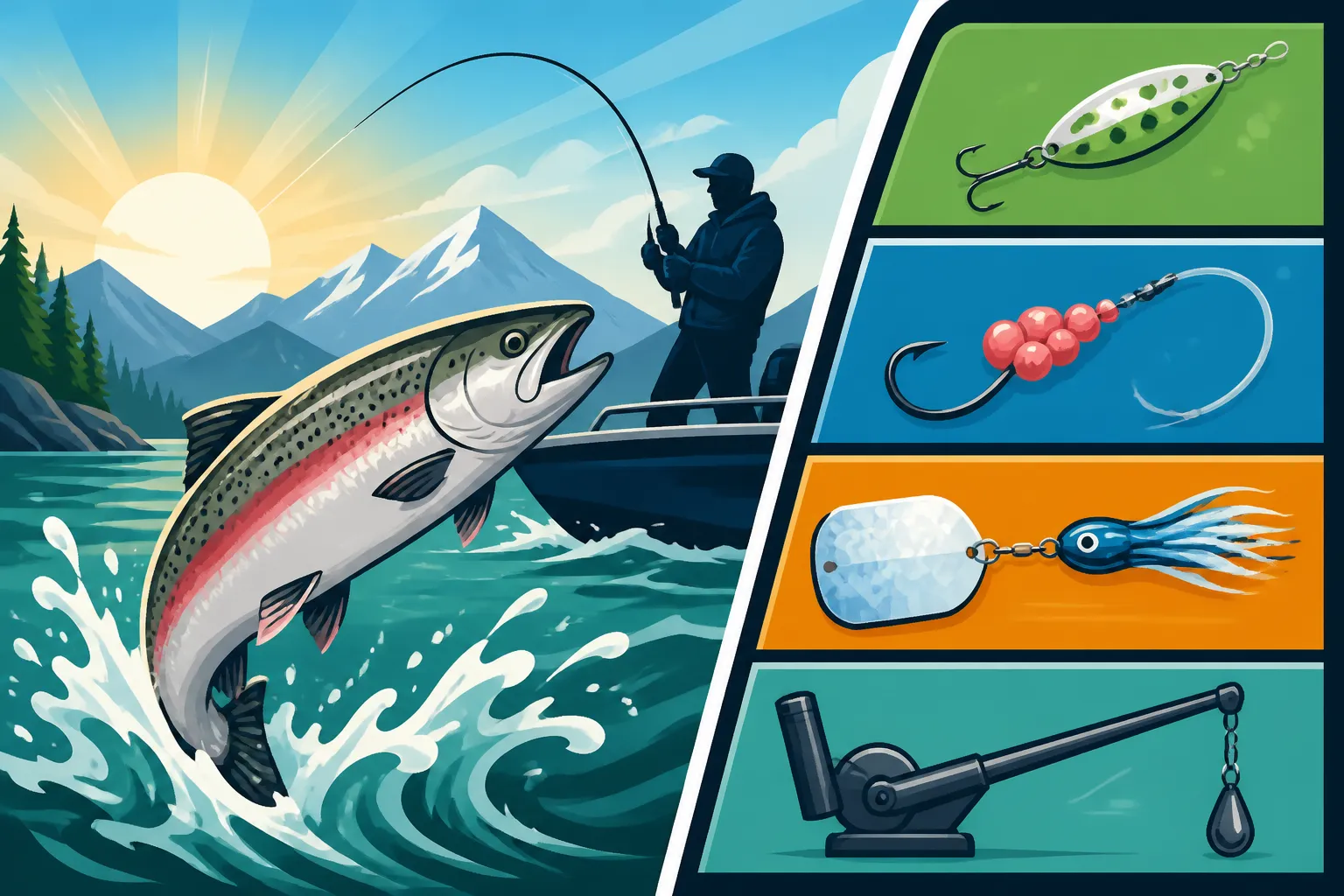
When it comes to lures, spoons are a classic for a reason. Silver, brass, and coho-killer patterns are popular. Brands like Gibbs Delta and Silver Horde make excellent spoons. Hootchies (squid skirts) in various colors (greens, blues, whites, pinks) are incredibly effective, especially when paired with a flasher. Flashers, such as those from Gibbs Delta or Hot Spot, are crucial for attracting salmon from a distance by mimicking a school of baitfish and creating vibration. Plugs, like the Tomic or Apex series, are also strong contenders, particularly for Chinook. The specific color and size often depend on the prevalent baitfish and water conditions, so have a range. For jigging, heavy metal jigs (e.g., Mac Deeps, Point Wilson Darts) in weights from 2-8 oz are essential for reaching deeper schools. Glow-in-the-dark options can be highly effective in low light or deep water.
Boating and Safety Equipment Considerations
Safety should always be your top priority, especially during busy opening days when many boats are on the water. Before heading out, conduct a thorough check of your vessel. Ensure all required BC Boating Laws for Anglers are met, including having your Pleasure Craft Operator Card, sufficient life jackets for everyone on board (check out Life Jacket Requirements for BC Boaters), and proper safety equipment like flares, a whistle, a bailing device, and a fully charged marine radio or satellite communication device. A marine first-aid kit is also a must-have.
Beyond the basic requirements, practical considerations for salmon fishing include a reliable fish finder/chart plotter combo. Brands like Garmin, Lowrance, and Raymarine offer units that allow you to locate bait schools, identify salmon marks, and navigate safely, especially in areas with underwater structure. Downriggers are virtually indispensable for effectively presenting baits and lures at precise depths when trolling for salmon. Manual or electric models are available, with electric ones (like Scotty Downriggers) offering convenience for frequent depth changes. A good quality net with a rubberized mesh (fish-friendly) and a sturdy gaff for larger Chinook are also essential tools to complete your setup.
Top Techniques for Tidal Water Salmon Opener
Tidal waters offer a vast array of possibilities for the salmon opener, from deep offshore banks to protected inlets. The key is to understand how salmon use these different environments and to employ the right technique to intercept them.
Effective Trolling Strategies
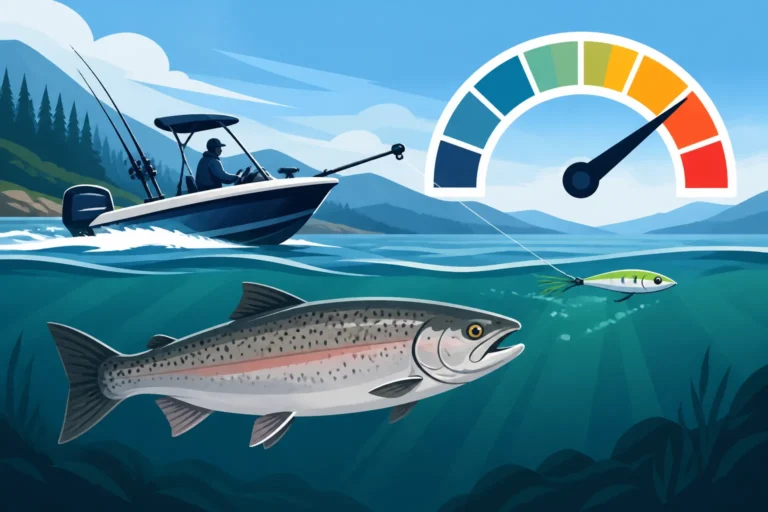
Trolling is arguably the most popular and effective method for targeting salmon in BC's tidal waters, particularly for Chinook and Coho on opening day. It allows you to cover vast areas and present your gear at specific depths where salmon are feeding. The goal is to imitate a baitfish swimming naturally, which means controlling your speed, depth, and presentation.
- Downrigger Trolling: This is the bread and butter of BC salmon fishing. Downriggers allow you to send your lure or bait down to a precise depth, often where bait schools or thermoclines are holding. For Chinook, you're generally looking for depths between 60 and 150 feet, though this can vary wildly based on location, time of day, and bait presence. Coho often feed shallower, from the surface down to 60 feet. Pay close attention to your fish finder to identify bait balls and salmon marks. Your trolling speed is crucial – typically between 2.0 to 4.0 knots. Experiment with speed; sometimes a slight acceleration or deceleration can trigger a strike. Keep an eye on your rod tip for the action of your lure; a vibrant "thump" indicates good swimming action. Remember, understanding Best Downrigger Settings for Summer Chinook can give you a significant advantage.
- Flasher and Leader Combinations: Flashers are integral to trolling. They attract salmon with their erratic rotation and reflective surfaces. A common setup involves a flasher followed by a leader of 30-72 inches, terminated with your bait (herring, anchovy) or lure (hootchie, spoon, plug). Longer leaders are often used in clearer water or for more wary fish, while shorter leaders can impart more action to the lure, especially with hootchies. Swivels are your friend to prevent line twist. Vary your leader length until you find what the fish prefer.
- Trolling Patterns and Depth Control: Don't just troll in a straight line. Incorporate S-turns and figure-eights to vary the speed and depth of your gear. When you turn, the inside lines will drop, and the outside lines will rise, often triggering strikes from following fish. Monitor your fish finder constantly. If you see bait or fish marks at a certain depth, adjust your downriggers accordingly. Sometimes, the fish are suspended just above a bait ball, or hugging the bottom structure. Also, consider the Best Trolling Speed for Chinook Salmon for optimum lure action.
Mooching and Drifting for Nearshore Salmon
When salmon are concentrated in specific areas, such as around prominent points, kelp beds, or current breaks, mooching and drifting can be incredibly effective, often leading to a more hands-on and exhilarating fight. These techniques are particularly popular in areas with strong tidal currents.
- Mooching: This technique involves slowly drifting over productive salmon grounds, presenting a bait (usually a plug-cut herring or anchovy) to suspended fish. A heavy lead-head jig or a mooching weight (2-6 oz) is tied directly to the main line, with a leader (4-6 feet) extending to a two-hook rig threaded through the bait. The idea is to allow your bait to flutter and "swim" as it descends, mimicking an injured baitfish. The rod tip is often lowered to allow the bait to fall, then slowly raised to impart action, creating a jigging-like motion. Bites are often subtle taps, followed by a solid tug. This method demands focus and sensitivity.
- Drifting: Similar to mooching, drifting uses the natural current or wind to carry your boat and bait over fish. This is excellent for covering productive reefs, kelp edges, or gravel banks. Instead of actively working the bait like in mooching, the current does much of the work. You can use a similar setup to mooching, or even a simple bottom-bouncing rig if fish are near the seabed. Pay attention to how the current is moving your boat and adjust your drift by using a sea anchor (drift sock) or occasionally engaging your motor to slow down or change direction. This allows your bait to stay in the strike zone longer. This method is often productive during the Best Time of Day to Catch Salmon, especially around tidal changes.
Jigging in Deeper Water
Jigging is a more active fishing technique that can be highly rewarding, especially when salmon are holding deeper or in tight schools, and particularly for Chinook or Lingcod. This method is often employed over specific structures, like ledges, pinnacles, or drop-offs, where fish are known to congregate.
- Vertical Jigging: This involves dropping a heavy metal jig directly down to the depth where fish are marked on your sounder. Once at the desired depth, you work the jig with a rhythmic up-and-down motion, mimicking an injured or fleeing baitfish. The retrieve can vary: sharp upward snaps followed by a controlled fall, or a slower, more deliberate lift and drop. It's crucial to feel for the bite on the drop, as salmon often strike as the jig flutters down. Keep a tight line and be ready to set the hook.
- Choosing the Right Jig: Jig weights typically range from 2 oz to 8 oz, depending on depth and current. Common jig types include Mac Deeps, Buzz Bombs, and Point Wilson Darts. The color can also be important; chrome, white, green, and glow-in-the-dark are popular choices. Having a variety of weights and colors allows you to adapt to changing conditions and fish preferences. This technique requires good boat control to stay over the marks and a sensitive rod to detect subtle strikes. It’s an exciting way to fish, offering a direct connection to the fish.
River Mouth and Estuary Strategies for Early Season Salmon
Estuaries and river mouths are critical transition zones for salmon, making them prime targets during the opener. These areas are where freshwater and saltwater mix, creating unique habitats and drawing in both feeding and migrating fish.
Targeting Transient Salmon in Mixing Zones
River mouths and estuaries are natural staging areas for salmon entering their natal rivers. Even early in the season, transient fish will often linger here, feeding actively before their upstream migration truly begins. These mixing zones are typically rich in baitfish flushed from the river or drawn in by the currents. The dynamic interplay of tides, river flow, and salinity creates nutrient-rich waters that attract a variety of marine life, including the salmon's preferred forage.
The key to success in these areas is understanding the tidal influence and how it interacts with the river's outflow. On an incoming tide, saltwater pushes upstream, bringing in baitfish and often the salmon themselves, especially Coho and Chinook. On an outgoing tide, the river's freshwater plume expands, carrying nutrients and sometimes disoriented baitfish, which can also draw in salmon. Anglers often focus on the edges of these plumes, current seams, and areas where eddies form. Trolling with small spoons or hootchies, or casting twitching jigs, can be effective. Consider the specific challenges and opportunities presented by major river systems like the Fraser River Fishing Guide, where understanding the unique estuarial dynamics is paramount. These areas can be incredibly productive, but also require careful navigation and adherence to any specific localized regulations.
Bar Fishing and Shore Casting Opportunities
Not everyone has access to a boat, and thankfully, BC offers fantastic shore-based salmon fishing opportunities, particularly during the opener in river mouths and estuaries. Bar fishing and shore casting are time-honored traditions that can be highly effective when executed correctly.
- Bar Fishing: This technique is often used in larger river estuaries, like the Fraser River, where extensive gravel bars are exposed or easily accessible. Anglers cast heavy weights (often pyramid or 'sputnik' weights) with a bait rig (usually roe or a prawn setup) into the main current, allowing the bait to sit on the bottom. The rod is then placed in a sturdy holder, and anglers wait for a salmon to pick up the bait. Patience is key with bar fishing, but it can yield large Chinook and even Sturgeon. It's about being in the right place at the right time, as salmon will move along these bars. Setting up a comfortable camp on a productive bar with several rods out is a common sight during peak seasons.
- Shore Casting: From jetties, beaches, and rocky outcrops around river mouths, shore casting can be very productive for early season salmon, especially Coho and smaller Chinook. Light to medium-heavy spinning gear with spoons, spinners (like a Gibbs Croc spoon or a Blue Fox Vibrax), or twitching jigs are popular choices. The strategy is to cast out, let the lure sink to the desired depth, and retrieve with an erratic action to mimic a fleeing baitfish. Focus your casts on areas with current, sudden drop-offs, or around visible structure like submerged logs or kelp beds. Early mornings and late evenings, or during specific tidal changes, often provide the best opportunities. Remember to always be aware of your surroundings and any potential hazards. Many anglers find success fishing from the shore in spots like the Chilliwack River Fishing Spots during the salmon runs.
Adapting to Conditions: Water, Weather, and Fish Behavior
Successful fishing on opening day, and indeed any day, hinges on your ability to adapt. Conditions in British Columbia can change in a heartbeat, and the salmon, being wild creatures, respond to these changes in predictable yet challenging ways.
Water Clarity and Temperature Adjustments
Water conditions, specifically clarity and temperature, are major factors influencing salmon behavior and your choice of technique and lure.
- Water Clarity: In clear water, salmon can be very visual hunters. This means presenting natural-looking baits and lures with subtle action. Fluorocarbon leaders become even more critical here due to their near invisibility. Natural colors like clear, white, or light green hootchies, or chrome and natural baitfish-patterned spoons, often work best. If the water is murky, perhaps due to heavy rain or a glacial melt, visibility is reduced, and salmon rely more on vibration and scent. This is when flashers with aggressive thumping action, bright or glow-in-the-dark lures (like chartreuse, orange, or hot pink), and heavily scented baits become highly effective. The added scent can attract fish from a distance that can't see your offering clearly.
- Water Temperature: Salmon are cold-blooded creatures, and their activity levels are directly tied to water temperature. Each species has a preferred temperature range. Chinook generally prefer cooler waters, typically between 8-15°C (46-59°F). If the water is too cold, they might be sluggish and hold deeper. If it's too warm, they might go deeper to seek cooler temperatures or become stressed and stop feeding. Coho can tolerate slightly warmer water but are still active in similar ranges. Monitoring water temperature (many modern fish finders have this feature) can help you pinpoint the depth where salmon are most comfortable and actively feeding. Slight temperature breaks (thermoclines) can often concentrate baitfish and, consequently, salmon. Adjusting your depth based on temperature readings can be a game-changer.
Weather Patterns and Their Impact
Weather isn't just about comfort; it significantly influences salmon behavior and your fishing success.
- Barometric Pressure: Changes in barometric pressure can affect fish activity. A stable or rising barometer often correlates with active feeding, while a rapidly dropping barometer (before a storm) can make fish lethargic. While you can't control the weather, being aware of the forecast can help you anticipate fish behavior.
- Wind and Waves: Windy conditions create chop and can make boat control challenging, but they can also create current lines and chop that disorient baitfish, making them easier targets for salmon. Choppy conditions also reduce light penetration, sometimes making salmon more comfortable to feed shallower. On the flip side, extremely calm, sunny days can push salmon deeper, or make them more wary, requiring subtle presentations. Using a drift sock can help manage your boat's speed and direction in windy conditions.
- Rainfall: Moderate rain can often improve salmon fishing. It can obscure your presence, add freshwater flow to river mouths (drawing in salmon), and reduce light penetration. However, heavy rainfall can lead to rapidly rising and muddy rivers, which can shut down river fishing, push salmon out of estuaries, and make coastal waters turbid. Always check local forecasts and BC Fishery Notices and In-Season Closures, Explained as heavy rain can sometimes trigger immediate closures or advisories.
Understanding Salmon Behavior and Feeding Habits
Being a successful salmon angler means not just knowing how to fish, but understanding why salmon behave the way they do. This ecological awareness helps you put the pieces together.
- Migration and Feeding Cycles: On opening day, you're primarily targeting either transient feeding salmon in marine waters or staging fish near river mouths. These fish are driven by a need to feed and accumulate energy. Their movements are often dictated by the availability of baitfish, which in turn are influenced by currents, tides, and water temperatures. Learning about Chinook Salmon Migration Patterns in BC and Coho Salmon Habits in Coastal Streams can give you a deeper understanding of their seasonal movements and preferred habitats.
- Diurnal Patterns: Salmon activity often follows a diurnal (daily) pattern. Early mornings and late evenings, when light levels are low, are typically prime feeding times. This is when baitfish are often most vulnerable. During bright midday hours, salmon might retreat to deeper, darker water or hold in shaded areas. However, this isn't a hard and fast rule; overcast days can extend good fishing throughout the day. Paying attention to these patterns can help you plan your fishing trips for the most productive windows.
- Responding to Pressure: Opening day often means more boats and more lines in the water. This increased pressure can make salmon more wary. If the bite slows down, consider changing your presentation, moving to a less crowded area, or trying a different technique. Sometimes, simply reducing your boat's speed or using a quieter trolling motor can make a difference. The fish are always adapting to their environment, and so should you.
Safety and Regulations for the BC Salmon Opener
Beyond just catching fish, ensuring a safe and responsible fishing trip is paramount. The popularity of the salmon opener means more people on the water, increasing the need for vigilance regarding both safety and adherence to regulations.
Navigational Awareness and Boating Safety
The waters of British Columbia, while stunning, can also be unforgiving, especially during busy periods or when weather turns unexpectedly.
- Pre-Trip Planning: Always file a float plan with a responsible person ashore, detailing your destination, estimated return time, and who is on board. Before heading out, check the marine forecast for your specific fishing area. Conditions can change rapidly, and being caught unprepared can be dangerous.
- Navigational Hazards: BC waters are full of potential hazards, including submerged rocks, kelp beds, strong currents, and unpredictable weather. Utilize your chart plotter and local knowledge to navigate safely. Give wide berth to other vessels, especially those actively fishing with lines out. The busiest areas during the salmon opener will have numerous boats, so maintaining a keen lookout is critical to avoid collisions. Knowing the "rules of the road" for marine navigation is not just good practice, it's law.
- Emergency Preparedness: Beyond the required safety equipment, ensure you know how to use it. A marine radio for contacting the Coast Guard or other vessels in an emergency is indispensable. Having backup communication like a satellite messenger or fully charged cell phone (though service can be spotty in many areas) is also wise. Consider taking a marine safety course if you haven't already; they provide invaluable knowledge and confidence. Always remember, the ocean commands respect.
Staying Current with In-Season Closures and Limits
As mentioned earlier, salmon regulations in BC are not static. They are managed in-season by Fisheries and Oceans Canada (DFO) based on stock assessments, conservation concerns, and unforeseen events. This means that rules can literally change overnight.
- Fishery Notices: The DFO issues Fishery Notices (FNs) to announce all changes to regulations, including openings, closures, retention limits, size restrictions, and gear modifications. It is your responsibility as an angler to check these notices regularly, ideally just before each trip. Websites like the DFO Pacific Region Fishery Notices portal are your best source. Don't rely solely on what you heard from another angler at the dock; verify it yourself.
- Species Identification: Accurate species identification is crucial, especially when different species have different regulations (e.g., Chinook vs. Coho). Familiarize yourself with how to identify each salmon species at various stages of their life cycle. If you're unsure, it's always best to err on the side of caution and release the fish.
- Bag and Possession Limits: Be clear on the daily bag limits and possession limits for each species in your specific management area. "Daily bag limit" refers to how many fish you can keep in a 24-hour period, while "possession limit" refers to how many fish you can have in your possession, including those at home. Exceeding these limits can result in significant fines and forfeiture of your catch and gear. The BC Bag and Possession Limits by Species document is an essential read for every angler. Being a responsible angler means not just following the rules, but understanding the conservation principles behind them.
| Technique/Gear | Target Species | Ideal Conditions | Pros | Cons | Best Use for Opener |
|---|---|---|---|---|---|
| Downrigger Trolling | Chinook, Coho | Open water, moderate current, varied depths | Covers large areas, precise depth control | Requires specialized equipment, less "hands-on" | Finding actively feeding schools in deeper water |
| Mooching/Drifting | Chinook, Coho | Concentrated fish, moderate current, nearshore | Interactive, sensitive to bites | Limited area coverage, weather dependent | Targeting fish around structure or current breaks |
| Jigging | Chinook, Lingcod | Deep water, tight schools, specific structure | Exciting, direct connection to fish | Physically demanding, requires boat positioning | When fish are marked deep and concentrated |
| Bar Fishing | Chinook, Sturgeon | River estuaries, gravel bars, strong current | Relaxed, can be very productive for large fish | Very static, requires patience | Shore-based angling in large river systems |
| Shore Casting | Coho, small Chinook | Jetties, beaches, rocky points | Accessible, good for beginners | Limited range, often smaller fish | Quick trips, accessible locations near river mouths |
Disclaimer
The information provided in this guide is for general informational purposes only. Fishing regulations and conditions in British Columbia can change frequently. Always consult the latest Fisheries and Oceans Canada (DFO) regulations and Fishery Notices before heading out on the water. It is the angler's responsibility to know and adhere to all current rules and regulations. Fishing can be dangerous; always prioritize safety and take appropriate precautions.