Best steelhead runs on the Skeena River
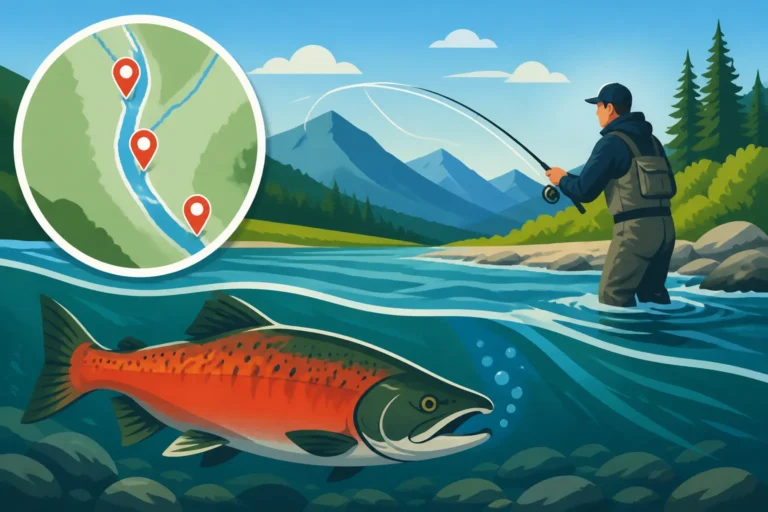
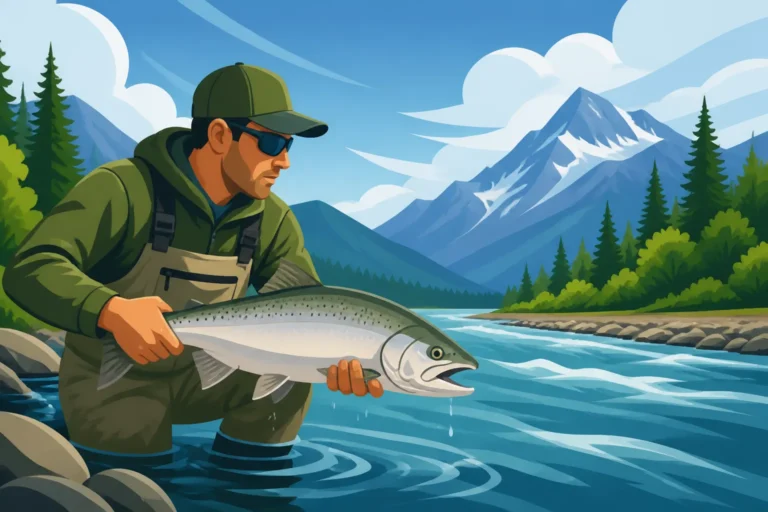
For many anglers, the dream of hooking into a wild, chrome-bright steelhead in British Columbia remains elusive, especially when trying to pinpoint the best spots on a vast, legendary system like the Skeena River. It’s not just about knowing where to go, but when, and with what approach, that truly unlocks the magic of these incredible fish. This guide is designed to cut through the noise, offering detailed insights into the Skeena's most celebrated steelhead runs, helping you plan an unforgettable trip to one of the world's premier steelhead destinations.
Understanding the Skeena River System and Its Steelhead
The Skeena River, often called "The River of Mists," isn't just a river; it's an entire watershed, a sprawling network of tributaries that stretches across vast swathes of northern British Columbia. For steelhead anglers, it's more than just a name—it’s a pilgrimage.
The Majesty of the Skeena
Imagine a river so immense it feels like an inland sea, carving its way through rugged mountains and pristine wilderness before emptying into the Pacific Ocean near Prince Rupert. That's the Skeena. It's the second-largest river in British Columbia by discharge volume, a fact that speaks to its incredible power and the sheer scale of the fishing opportunities it presents. This isn't your average trout stream; it's a wild, untamed system, a lifeblood for all five species of Pacific salmon, and, critically, home to some of the largest and most prized wild steelhead on the planet. The sheer size and complexity of the system can be intimidating, but its wildness is precisely what makes it so special. Every cast feels like an adventure, every hook-up a testament to the river's raw power.
The Skeena's tributaries, though smaller in comparison, are rivers in their own right, each with its unique character, flow dynamics, and specific runs of steelhead. These smaller systems often provide more intimate fishing experiences, allowing anglers to connect more deeply with the environment and the pursuit. The challenge of navigating these waters, understanding their subtle nuances, and outsmarting these elusive fish is a huge part of the allure.
Steelhead Migration and Timing
Skeena steelhead are generally categorized into two main runs: the summer-run (or "summer-fall") steelhead and the winter-run steelhead. Understanding these migration patterns is absolutely crucial for timing your trip.
The summer-run fish, sometimes referred to as "early winter steelhead" as they enter the river system in late summer and early fall, are typically in the river from late August through October. These fish are often characterized by their bright chrome appearance, having recently entered freshwater from the ocean. They are incredibly energetic and aggressive, making for spectacular fights. Many anglers target these fish on the swing with spey rods or even with dry flies when conditions align, offering an unparalleled fly fishing experience. As autumn progresses and water temperatures drop, these fish become more settled in their holding lies, presenting different challenges and rewards.
Winter-run steelhead, on the other hand, typically begin entering the lower Skeena system in late fall and continue their migration through the winter months, with peak fishing often occurring from November through early spring, sometimes even into April. These fish have spent more time in freshwater and can appear a bit darker, but they are no less powerful. Catching a winter steelhead in the crisp, often snowy landscape of northern BC is an achievement, demanding dedication and specialized techniques. They are often found in slower, deeper pools, requiring different presentations than their summer-run counterparts. Knowing the Best months to catch steelhead in BC is key to aligning your expectations with the river's natural rhythm.
Key Tributaries and Prime Steelhead Runs
While the mainstem Skeena holds its share of steelhead, it's often the legendary tributaries that draw the most ardent steelhead anglers. These rivers are famous for their consistent runs and the quality of their fish.
The Bulkley River: A World-Renowned Destination
When you talk about Skeena steelhead, the Bulkley River almost immediately comes to mind. Flowing through the picturesque Bulkley Valley, this river is globally recognized as one of the finest steelhead rivers on Earth. Its reputation is well-earned, offering both prolific numbers of fish and the chance at genuine giants. The Bulkley's consistent water flows and diverse structure—from long, swinging runs to deep, gravelly pools—make it an ideal steelhead habitat.
Anglers primarily target the Bulkley's steelhead from late August through early November. Early in the season, you might find more aggressive fish willing to chase a swung fly. As the season progresses and water temperatures drop, fish become more sluggish, often requiring deeper, slower presentations. Access on the Bulkley is generally good, with numerous public access points, though many prime sections are controlled by lodges or guide operations. Drift boat fishing is incredibly popular here, allowing guides to cover vast stretches of water and put anglers on fresh fish throughout the day. However, there are also fantastic walk-and-wade opportunities, especially for those willing to explore. For those interested in this specific river, our guide on the Best steelhead runs on the Bulkley River provides even more detailed insights.
The Kispiox River: Legendary for Big Fish
If the Bulkley is known for its numbers, the Kispiox River is revered for its size. This relatively smaller, boulder-strewn tributary holds a mythical status among steelhead anglers, often whispered about in hushed tones. The Kispiox has a long-standing reputation for producing truly massive steelhead, fish that push the 20, 25, or even 30-pound mark. These are chrome-bright, powerful creatures that will test every knot and every ounce of your angling skill.
The Kispiox season typically runs from early September through October, though the precise timing can vary depending on water levels and fish migration. Due to its fame and the limited number of prime holding lies, access can be more challenging and often comes at a premium, with many anglers opting for exclusive lodge packages or guided trips. The river itself is characterized by large boulders, swift currents, and deep pockets, demanding precise casting and presentations. While it can be fickle, the reward of connecting with a Kispiox monster is unparalleled. This river is not for the faint of heart or the inexperienced; it demands respect and patience, but the potential for a fish of a lifetime is very real. For more details on this elusive fishery, check out our guide on the Best steelhead runs on the Kispiox River.
Other Notable Skeena Tributaries: Morice, Sustut, Babine
Beyond the big two, the Skeena watershed boasts several other incredible steelhead tributaries, each with its own character and charm. These rivers often require more adventurous planning, sometimes involving fly-in access, but they offer solitude and untouched wilderness experiences.
The Morice River is another significant tributary, known for its strong runs of summer-run steelhead. It's a beautiful, pristine river that, while still popular, often sees less pressure than the Bulkley. Access can be a mix of road-accessible and more remote sections, offering diverse opportunities. Anglers here often employ spey techniques to swing flies through its varied runs. Our dedicated piece on the Best steelhead runs on the Morice River offers deeper insights into this gem.
The Sustut River is perhaps the most remote and exclusive of the major Skeena tributaries. It’s almost entirely fly-in access, which means fewer anglers and an incredibly pristine environment. The Sustut is famed for its strong runs of powerful summer steelhead, often found in a wild, untouched setting. This is a true wilderness experience, requiring careful planning and often involving a stay at one of the limited number of fly-in lodges. The cost is higher, but the experience and the quality of fishing can be legendary.
Finally, the Babine River, which flows out of Babine Lake, is another powerhouse tributary. While Babine Lake itself is a fantastic fishery, particularly for rainbow trout, the river section is renowned for its steelhead. It’s a challenging river to fish, with strong currents and large fish, making it a favorite for experienced anglers looking for a serious test. For broader fishing information in the region, including the lake itself, you might find our Babine Lake Fishing Guide helpful. These tributaries offer a chance to escape the crowds and immerse yourself in true BC wilderness fishing.
Best Seasons and Conditions for Skeena Steelhead
Timing your trip and understanding the prevailing conditions are as vital as choosing the right tributary. Steelhead fishing is rarely a "slam dunk," and success often hinges on being there when the river is cooperating.
Summer/Fall Steelhead: The Dry Fly Opportunity
The summer and fall steelhead season on the Skeena system, typically running from late August through October, offers some of the most exciting and visually rewarding fishing experiences. These are the "dry fly steelhead" opportunities that anglers dream about. When water levels are stable and clear, and insect hatches are present, steelhead will sometimes rise to a well-presented skater or foam pattern, creating heart-stopping takes that are etched into memory.
This window usually begins as water temperatures start to drop from their summer highs, signaling to the steelhead that it's safe to push further into the system. Early fall can see fish still quite fresh, bright, and aggressive. As the leaves begin to turn vibrant colors and the air gets crisp, the fishing can be spectacular. Float fishing with traditional gear or single-hand fly rods with weighted flies can be highly effective in deeper slots, but the real thrill for many is the possibility of a dry fly take. It’s a magical time, but conditions must align perfectly for surface action, meaning you should always be prepared with a variety of techniques.
Winter Steelhead: The Ultimate Challenge
For the truly dedicated, the winter steelhead season (late fall through early spring, typically November to April) offers a profound challenge and immense rewards. This is not for the fair-weather angler. Cold temperatures, potential snow, and often high, turbid water can make conditions formidable. However, the fish you encounter during this time are often incredible specimens, having endured months in freshwater. They are powerful, resilient, and represent the pinnacle of wildness.
Winter steelhead tend to hold in deeper, slower pools, seeking refuge from the cold currents. Techniques often shift from aggressive swinging to more patient, deep presentations, such as sink-tip spey lines with large, weighted intruders, or float fishing with heavier jigs and bait (where legal). Stealth and persistence are key. The quiet solitude of a winter river, often blanketed in snow, adds another layer of beauty to the pursuit. While the fish might be fewer and further between, the sheer satisfaction of landing a winter steelhead is unlike any other. If you're considering braving the elements, our guide on Best techniques for winter steelhead offers invaluable advice.
Reading Water and Weather
Steelhead fishing is a constant dance with nature. The river’s mood changes with every rain shower, every temperature swing. Knowing how to read the water and interpret weather patterns is paramount to success.
Water levels and clarity are perhaps the most critical factors. A sudden rise in water level due to heavy rain or snowmelt can make a river unfishable, as it becomes too high and turbid. Conversely, very low, clear water can make fish spooky and difficult to approach. Ideal conditions often involve stable, medium-to-low flows with good visibility (often described as "steelhead green"). Always check current river conditions before heading out, using online resources like Water Survey of Canada or local angling reports.
Water temperature plays a huge role in steelhead activity. As the water cools, steelhead become less active and more prone to holding in deeper, slower water. A general rule of thumb is that temperatures between 42°F to 52°F (6°C to 11°C) are often optimal for active feeding and aggressive takes. When temperatures drop below 40°F (4°C), fish activity slows significantly. Understanding the Best water temperature for steelhead fishing can help you adapt your techniques and target specific holding lies. Pay attention to sudden changes in air temperature, as these can quickly impact water temps and, subsequently, fish behavior.
Essential Gear and Techniques for Skeena Steelhead
Success on the Skeena often comes down to being prepared with the right tools and knowing how to use them effectively.
Rods, Reels, and Lines
Steelhead fishing on the Skeena system, especially with a fly rod, typically involves specialized gear designed for powerful fish and diverse conditions.
Two-handed (Spey) rods are king on these larger rivers. They allow anglers to cast long distances with minimal effort, covering vast runs efficiently without a traditional backcast, which is often difficult due to bankside vegetation. Common lengths range from 12 to 15 feet, with line weights typically from 7 to 9. The longer rods provide leverage for controlling powerful fish in strong currents.
Spey lines come in various configurations, with Skagit and Scandi setups being the most popular. Skagit lines are heavier, shorter heads designed for casting heavy sink-tips and large, weighted flies, ideal for getting down to fish in deeper, faster water. Scandi lines are lighter, longer taper heads, excellent for delicate presentations and smaller flies, often preferred for summer-run fish in clearer water or when swinging smaller patterns. You’ll also need plenty of backing (200-300 yards of 30-50 lb braid) to handle those screaming runs.
While less common for primary steelhead fishing on the mainstem or larger tributaries, single-handed fly rods (9-10 ft, 7-9 wt) can be useful for smaller streams, specific walk-and-wade situations, or if you're targeting other species. For conventional gear anglers, heavy-action casting rods paired with robust baitcasting reels (loaded with 50-80 lb braided line) are essential for throwing heavy jigs or bottom-bouncing bait.
Fly Patterns and Terminal Tackle
Choosing the right fly pattern or bait is crucial for tempting a Skeena steelhead. These fish are not actively feeding once they enter freshwater, so presentations often aim to provoke an aggressive strike or trigger an instinctual response.
Flies for steelhead are often categorized by the type of presentation. Intruder-style flies are large, flashy, and weighted patterns designed to be swung deep and slow, mimicking baitfish or an irritant. They come in a myriad of colors, but chartreuse, black and blue, pink, and purple are perennial favorites. Leech patterns (such as a black or purple marabou leech) are also highly effective, especially in colder water, representing a natural food source. For dry fly opportunities, skater flies (like waking muddlers or traditional bombers) can be incredibly exciting. Nymphs and egg patterns can also be effective when fish are holding tight to the bottom, especially when drift fishing. For a comprehensive look at what to tie on, consult our guide on Best steelhead flies for the Skeena River.
For terminal tackle, strong, abrasion-resistant leader material is non-negotiable. Fluorocarbon in 10-15 lb test is a common choice for its invisibility and toughness. You'll need sturdy, sharp hooks (size 2 to 4/0, depending on fly size). Always carry a variety of split shot, indicators, and swivels if you plan to float fish or bottom-bounce.
Wading and Safety Considerations
Wading the powerful currents of the Skeena and its tributaries can be hazardous. Safety must always be your top priority.
Invest in high-quality waders and wading boots with felt or studded soles for maximum grip on slippery rocks. A wading belt is essential for preventing water from filling your waders if you take a tumble, creating a dangerous situation. A wading staff is not optional; it provides an invaluable third point of contact, helping you maintain balance and probe for deep spots.
Always be aware of the current strength and river bottom composition. The Skeena system can have deceptively strong currents and unpredictable footing. Never wade deeper than your comfort level, and always test the bottom before taking another step. When fishing from a boat, always wear a personal flotation device (PFD). Even experienced anglers can misjudge a current or a slippery rock. Being prepared for emergencies, carrying a first-aid kit, and letting someone know your float plan are all part of responsible angling. Our guide on How to wade a BC steelhead river safely offers more in-depth advice.
Navigating Access and Planning Your Trip
Planning a trip to the Skeena system requires careful consideration of logistics, especially when dealing with remote wilderness areas.
Guided vs. DIY Trips
Deciding between a guided trip and a do-it-yourself adventure is a major consideration, often dictated by experience, budget, and desired level of comfort.
For first-time visitors to the Skeena, or those unfamiliar with large, powerful rivers and wilderness travel, a guided trip is highly recommended. Experienced local guides possess invaluable knowledge of river conditions, fish movements, and access points. They provide all necessary gear, transportation (often by drift boat), and, most importantly, safety. Guides can put you on fish much more efficiently, maximizing your limited time. Many excellent guides operate out of Terrace, Kitimat, and Smithers, offering day trips or multi-day packages. Platforms like FishingBooker can be an excellent resource for finding reputable guides and charters in the region, offering a range of options to suit different preferences and budgets. Hiring a guide also supports the local economy and ensures you're learning from experts. For specific recommendations, our resource on Best Guided Steelhead Trips on the Skeena is a great starting point.
DIY trips offer greater freedom and can be more budget-friendly, but they come with significant challenges. You'll need to research access points, understand complex regulations, and be entirely self-sufficient in terms of gear, transportation, and safety. While there are public access points on some tributaries, many of the prime spots require intimate local knowledge or permission from private landowners. If you're planning a DIY trip, consider focusing on areas with known public access and be prepared for extensive scouting. This option is best suited for experienced anglers who are comfortable navigating wilderness environments.
Permits, Licenses, and Regulations
British Columbia has strict fishing regulations designed to protect its precious wild fish stocks, especially steelhead. It is absolutely critical to understand and adhere to all current rules.
Before you even make a cast, you will need a valid British Columbia Freshwater Fishing License. For non-residents, this can be significantly more expensive than for residents, and specific surcharges apply for certain species. Crucially, if you plan to fish for steelhead, you will also need a Steelhead Conservation Surcharge Stamp. These stamps are vital for funding conservation efforts for these magnificent fish. Always purchase your license and stamps from an authorized vendor or online before you arrive. Our comprehensive British Columbia Fishing License Guide for 2026 and BC Fishing Regulations Explained offer all the necessary details on licensing, fees, and age requirements.
Beyond the general license, be aware that many Skeena tributaries have special regulations. These can include specific gear restrictions (e.g., single barbless hooks only, no bait), specific seasons, or even catch-and-release only rules. It is your responsibility to consult the current BC Freshwater Fishing Regulations Synopsis (available online and at license vendors) before each trip. Fishery notices and in-season closures can also be issued, especially for salmon, which can impact steelhead fishing if the two species overlap. Always check these notices. Ignorance of the rules is not an excuse, and penalties for infractions can be severe, including hefty fines and gear confiscation.
Accommodation and Logistics
The Skeena region, while wild, does offer various accommodation options to suit different preferences and budgets.
Many anglers choose to stay in towns like Terrace or Smithers, which serve as hubs for fishing access to various tributaries. These towns offer hotels, motels, and some private rentals. From these bases, daily guided trips or self-guided excursions to different rivers are feasible. For a more immersive experience, there are numerous fishing lodges scattered throughout the region, particularly on the Bulkley and Kispiox rivers. These lodges often provide all-inclusive packages, including accommodation, meals, guides, and even gear. They offer convenience and an intimate wilderness experience, but come at a higher price point. If you’re looking for options, FishingBooker can help you find lodges or guides that include accommodation.
For the more adventurous or budget-conscious, there are also public and private campgrounds available, though facilities can be basic, especially outside of peak summer tourist season. Be prepared for unpredictable weather, even in the fall, and ensure your camping gear is up to the task.
Travel logistics typically involve flying into Terrace (YXT) or Smithers (YYD), both of which have regional airports with connections to Vancouver (YVR). From there, you might rent a 4×4 vehicle, which is often recommended for accessing rougher fishing roads, especially on a DIY trip. Some lodges offer airport pickup services. Ensure your travel insurance covers remote wilderness activities, and always carry extra supplies, particularly if venturing into more isolated areas. Cell service can be spotty to non-existent in many parts of the Skeena watershed, so satellite communication devices are a wise investment for remote trips.
| Tributary Name | Primary Season | Typical Fishing Method | Reputation | Unique Challenge |
|---|---|---|---|---|
| Bulkley River | Late Aug – Oct | Drift Boat, Walk-Wade | High Numbers, Good Size | Pressure, Guide Demand |
| Kispiox River | Sep – Oct | Drift Boat, Walk-Wade | Trophy Size Steelhead | Access, Fickle Nature |
| Morice River | Late Aug – Oct | Drift Boat, Walk-Wade | Pristine, Good Numbers | Some Remote Access |
| Sustut River | Sep – Oct | Fly-in Wilderness | Remote, Abundant Fish | Cost, Extreme Remoteness |
| Babine River | Sep – Oct | Walk-Wade, Jet Boat | Strong Runs, Challenging | Strong Currents |
Disclaimer
Fishing in British Columbia involves inherent risks, including those associated with changing weather conditions, wildlife encounters, and difficult terrain. Always prioritize safety, understand and adhere to all local regulations, and be prepared for emergencies. This guide provides general information and recommendations, but conditions and regulations can change rapidly. It is the angler's responsibility to verify all current rules and conditions before embarking on any fishing trip.