Babine Lake Fishing Guide
Many anglers dream of finding that perfect, pristine fishing destination, a place where the fish are wild, the scenery is breathtaking, and the crowds are thin. Yet, with so much water in British Columbia, it can feel overwhelming trying to pinpoint those truly special spots, often leading to frustrations with overcrowded lakes or confusing regulations. If you've been searching for an unparalleled angling adventure, particularly one renowned for its robust wild rainbow trout and impressive sockeye salmon runs, then Babine Lake might just be your next great discovery. This guide will meticulously break down everything you need to know to confidently plan and execute a memorable fishing trip to Babine Lake, ensuring you're prepared for its legendary waters.
Unveiling Babine Lake's Fishing Potential
Nestled deep within the northern interior of British Columbia, Babine Lake isn't just another body of water; it's a colossal, dynamic ecosystem that offers an angling experience unlike any other. Its sheer scale and the pristine wilderness surrounding it create an environment where fish thrive, and anglers often find a solitude that's hard to come by elsewhere.
A Glimpse into Babine Lake's Geography and Ecosystem
Imagine a lake so vast it stretches over 177 kilometers (110 miles) in length, making it the longest natural lake in British Columbia. Babine Lake is truly immense, reaching depths of up to 186 meters (610 feet) in some areas. These cold, deep, and incredibly nutrient-rich waters are the bedrock of its phenomenal fishery. The lake's elongated shape, with numerous bays, inlets, and points, provides an incredible diversity of habitats for fish.
The surrounding landscape is a quintessential B.C. wilderness tapestry: dense coniferous forests, towering mountains, and untouched shorelines dominate the views. This remote setting, while requiring a bit more effort to access compared to some other popular fishing lakes, is precisely what preserves its pristine condition and robust fish populations. The clean, glacial-fed waters contribute significantly to the health and size of the fish inhabiting the lake, fostering a vibrant food web that starts with microscopic plankton and culminates in trophy-sized predators.
Why Babine Lake is a Trophy Angler's Dream
For many seasoned anglers, Babine Lake is synonymous with one thing: trophy-sized fish. It holds a well-deserved reputation, particularly for its absolutely massive wild rainbow trout. These aren't your average stocked hatchery fish; these are powerful, hard-fighting specimens that have grown large on a diet rich in protein, primarily sockeye salmon fry.
The lake's incredible size and balanced ecosystem provide ample space and resources for these fish to reach impressive dimensions. While the sheer vastness of Babine Lake can feel daunting at first, its very scale is what protects its wild character and allows its fish populations to flourish without excessive pressure. Anglers willing to learn the lake's nuances and put in the effort are frequently rewarded with personal bests, making the journey and the challenge all the more fulfilling. It's a place where you truly feel connected to the wild, and every hook-up feels like a significant accomplishment.
Prime Fish Species You'll Encounter
Babine Lake is a diverse fishery, home to several highly sought-after species, each offering a unique challenge and reward. While rainbow trout steal much of the spotlight, other significant fish contribute to the lake's rich angling tapestry.
The Legendary Babine Rainbow Trout
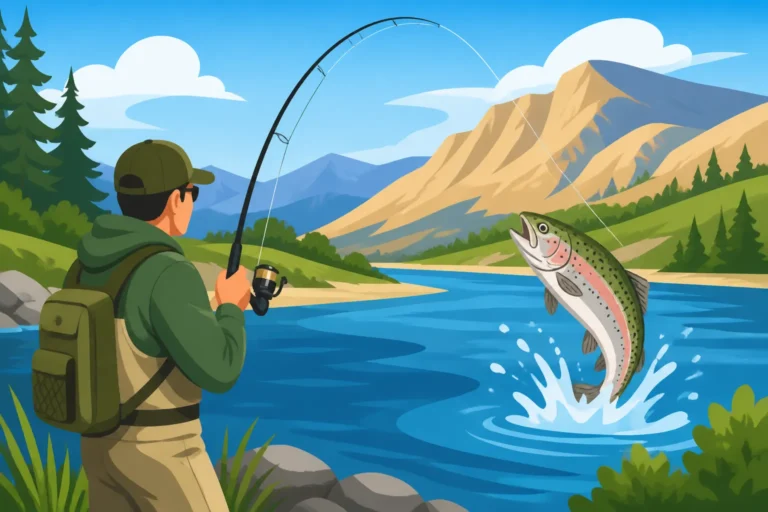
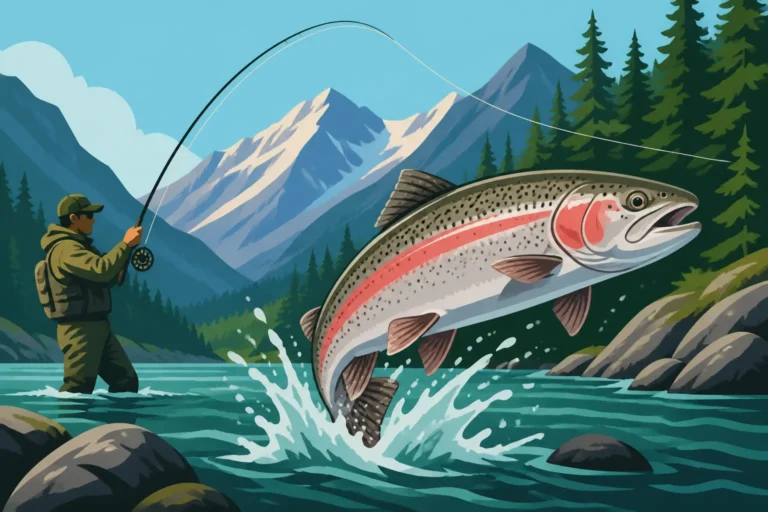
When people talk about fishing Babine Lake, the conversation invariably turns to its rainbow trout. These are not just any rainbows; they are a distinct, robust strain known for their incredible size and acrobatic fighting style. Many anglers report catching rainbows in the 5-10 pound range, with true monsters tipping the scales well into the double digits. Their growth is directly linked to the massive sockeye salmon runs in the lake's tributaries. After the sockeye spawn, millions of tiny sockeye fry emerge and migrate through the lake, providing an abundant, high-protein food source that fuels the growth of these predatory rainbows.
Beyond sockeye fry, Babine rainbows also feed on a variety of aquatic insects, leeches, and smaller baitfish. Understanding their diet and migratory patterns is key to locating them. They are often found patrolling shallower bays and points during cooler periods, moving to deeper, cooler waters during the peak of summer, or congregating near river mouths when sockeye fry are present. Their vibrant colors and powerful runs make them a truly exhilarating catch for any angler. If you're looking for a comprehensive guide on How to Catch Rainbow Trout in BC Lakes, many of those principles can be applied here, adapted for the scale of Babine.
Sockeye Salmon: A Seasonal Spectacle and Food Source
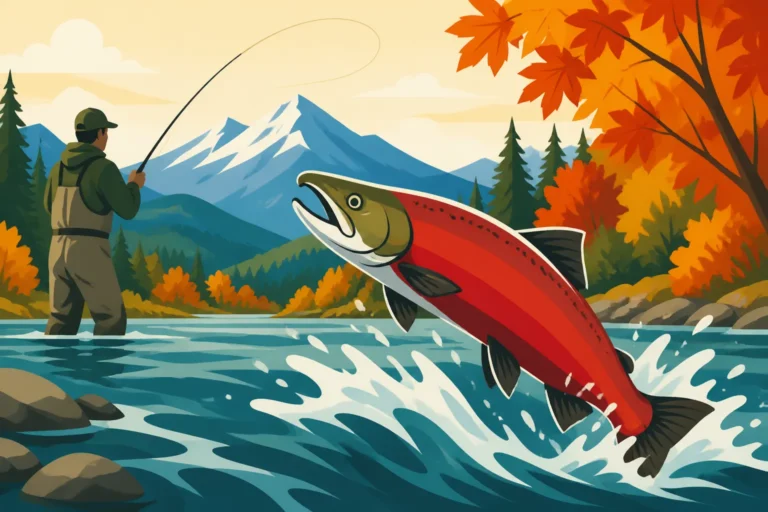
While sport anglers primarily target other species, the sockeye salmon are the undeniable heart of the Babine Lake ecosystem. Millions of sockeye return annually from the Pacific Ocean, migrating up the Skeena River system and into Babine Lake and its key spawning tributaries, like the Fulton River and Pinkut Creek. These massive spawning runs are a sight to behold, turning the rivers a vibrant red with their sheer numbers.
For sport anglers, it's crucial to understand that Babine Lake sockeye are typically managed as a catch-and-release fishery, or often have specific non-retention rules in place, to protect their critical spawning populations. Always check the latest BC Fishing Regulations Explained before heading out, as rules can change in-season based on run strength. However, even if you can't retain them, their presence is absolutely vital. The sockeye fry, as mentioned, are the primary food source for the lake's legendary rainbow trout and other predatory fish like bull trout. Observing these incredible migrations is a conservation experience in itself, highlighting the delicate balance of this wild environment. For more on the life cycle of these amazing fish, you might find information on the BC Sockeye Salmon Life Cycle in the Fraser System helpful, as the principles of migration and spawning are similar across different systems.
Bull Trout and Lake Char: The Apex Predators
Beyond the rainbows, Babine Lake is also home to formidable bull trout and lake char (often referred to as lakers). These are powerful, cold-water predators that patrol the deeper sections of the lake. Bull trout are a native species, known for their aggressive nature and willingness to chase down larger lures. They are often found near underwater structure, drop-offs, and around the mouths of cooler tributaries, especially when sockeye fry are available. Their striking coloration and solid build make them a prized catch. For more detailed information on identifying and targeting these fish, our guide on Bull Trout in BC's Interior Rivers offers excellent insights.
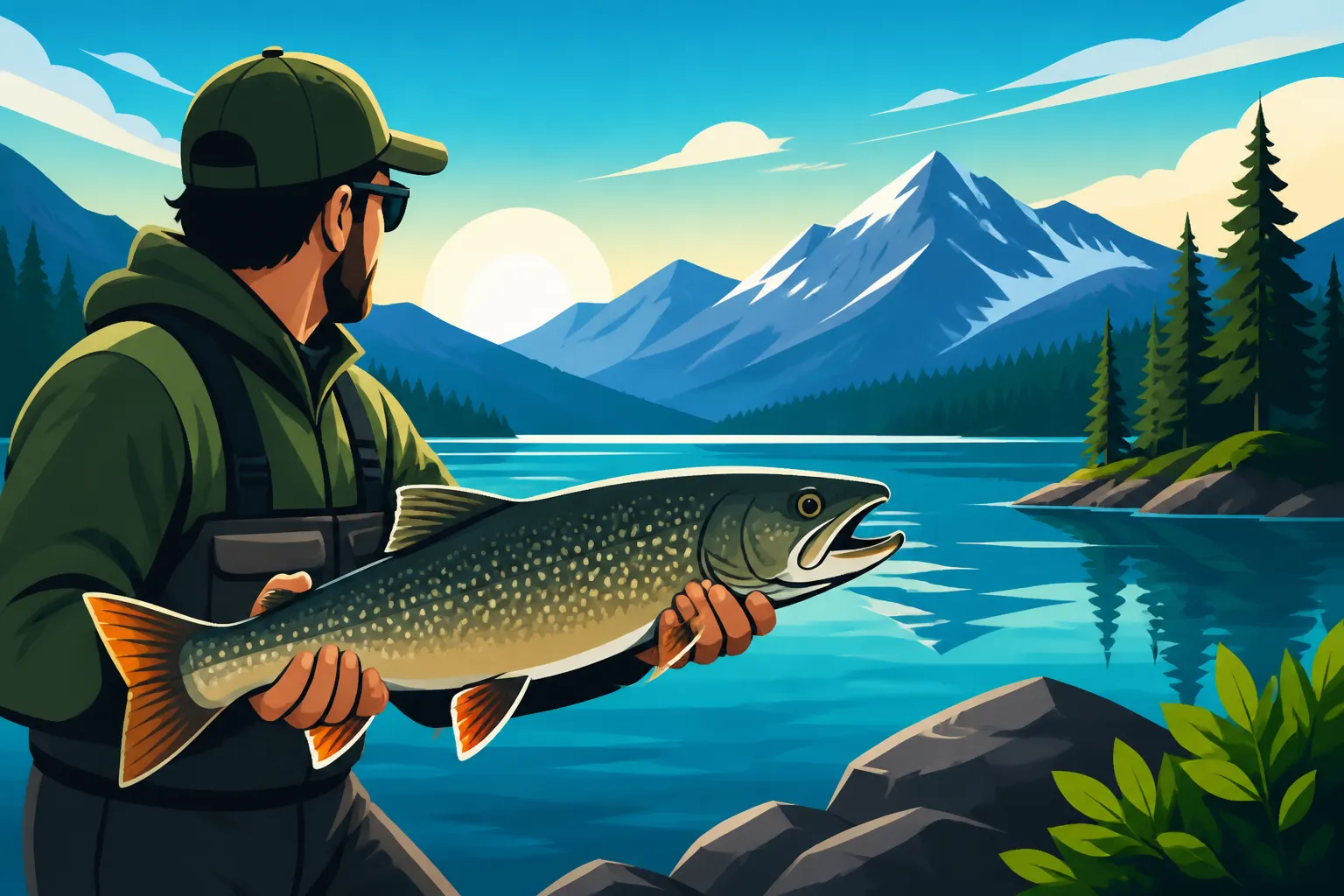
Lake char, or lakers, are also a significant presence, especially in the deeper, colder basins of Babine. These fish are built for life in the depths, with powerful tails and mouths full of sharp teeth. They are slower growing but can reach immense sizes, often staying close to the bottom, preying on whatever they can find, including smaller fish and even the occasional sockeye fry. Targeting lake char often requires different techniques, focusing on deep-water presentations. Catching one of these ancient predators from the depths of Babine Lake is a truly memorable experience.
Navigating Babine Lake's Best Fishing Spots
Babine Lake's immense size means that finding fish isn't always as simple as dropping a line anywhere. Successful angling here often comes down to understanding the lake's topography and where different species prefer to congregate. Knowing where to focus your efforts can drastically improve your chances of a productive day.
Productive Trolling Runs and Depths
Trolling is undeniably one of the most effective methods for covering water on Babine Lake and locating active fish, especially the large rainbow trout and lake char. There isn't one single "best" spot, as fish move, but certain areas consistently produce. Look for extended points, large bays with gradual slopes, and areas where the lake narrows or has prominent underwater features.
Many anglers find success trolling the vast open waters of the main lake, particularly in areas like those off Pinkut Creek or around the north and south ends of the main basin. Depths are crucial; in spring and fall, rainbows might be closer to the surface (10-30 feet), while in summer's heat, they'll retreat to cooler thermoclines, often 40-80 feet down. Lake char, being deep-water dwellers, will almost always be found in the deeper sections, often 80-150 feet or more, hugging the bottom contours. Using a reliable fish finder to monitor depth, water temperature, and identify bait balls or schools of fish is absolutely indispensable here. Understanding Trolling Techniques for BC Lake Trout can provide a good foundation, though you'll need to adjust for Babine's specific nuances.
River Mouths and Tributary Inflows
These are absolute hotspots, especially during certain times of the year. The most prominent examples are the mouths of the Fulton River and Pinkut Creek, two major sockeye spawning rivers. When sockeye salmon are returning to spawn, and particularly when their fry are migrating out into the lake, these areas become magnets for predatory fish.
Rainbow trout will stage near these river mouths, eagerly awaiting an easy meal of sockeye fry. Bull trout also frequent these areas for the same reason. The influx of fresh, oxygenated water from the tributaries, along with the abundant food source, creates a vibrant ecosystem that supports a dense concentration of fish. Anglers often target these zones by trolling along the seam where the river water meets the lake water, or by casting lures and flies into the current breaks and shallower flats. These areas can sometimes be subject to specific regulations due to the high concentration of migrating fish, so always double-check the current notices.
Structure and Drop-offs: Key to Predator Success
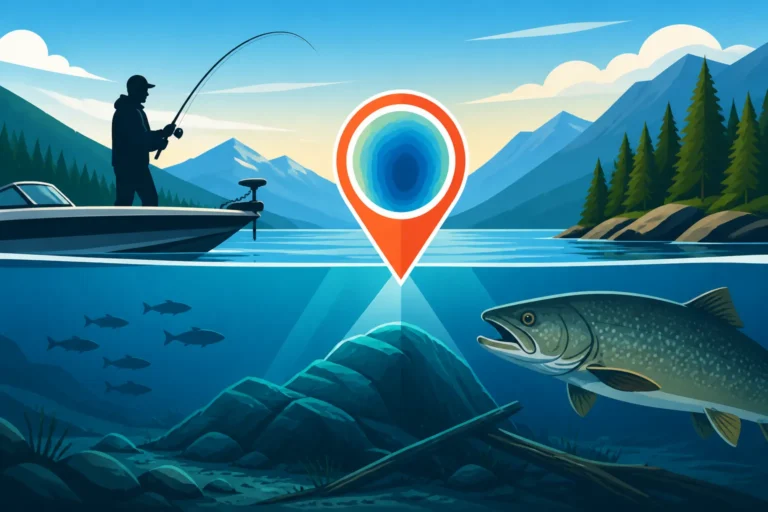
Just like in any large body of water, underwater structure and sudden changes in depth are critical for finding fish in Babine Lake. Rock piles, submerged ledges, old creek channels, and drastic drop-offs provide ambush points, cover, and feeding lanes for predatory fish.
A good sonar unit is your best friend here. Spend time idling over promising areas, mapping out the bottom contours. Rainbow trout might suspend over deep water near a drop-off, while bull trout and lake char will often hug the structure itself. The transitions from shallow to deep water are particularly important. For instance, finding a submerged ridge that rises from 100 feet to 40 feet can be a prime location for trolling or jigging. Learning how to effectively read and interpret your sonar to pinpoint these features will significantly enhance your success. While the context is different, the principles of using sonar to identify these features are similar to learning How to Read Structure for Sturgeon on the Fraser, emphasizing the importance of understanding the underwater landscape.
Tried-and-True Techniques for Babine Lake Success
Babine Lake's diverse fishery calls for a versatile approach. While a single method might work on a given day, having a repertoire of techniques will allow you to adapt to changing conditions and target different species effectively.
Trolling for Rainbows and Lakers
Trolling is perhaps the most popular and productive method on Babine Lake, especially for covering vast areas and finding those elusive trophy rainbows and deep-dwelling lake char. For rainbows, a common setup involves using lighter line (10-15 lb test) with a flasher or dodger followed by a spoon or plug. Popular spoons include those from Gibbs Delta Tackle or Silver Horde, in patterns like iridescent green, blue/silver, or red/white. Plugs that mimic sockeye fry or small baitfish are also highly effective. Many anglers employ downriggers to precisely control their lure depth, especially during warmer months when rainbows dive deeper. Adjusting your speed is key; often, a slower troll (1.5-2.5 mph) works best, but sometimes speeding up can trigger a strike.
For lake char, heavier gear is recommended. Trolling with large spoons, plugs, or even specialized jigs and bait presentations (like dead bait or large soft plastics) near the bottom is effective. Again, downriggers are essential to get your offerings into the strike zone, often 80-150 feet deep. Pay close attention to your fish finder and troll along contours or over known structure.
Fly Fishing Opportunities
While not as widely practiced as trolling, fly fishing on Babine Lake can be incredibly rewarding, especially for the discerning angler. The best opportunities often arise in the spring and fall, or near the mouths of tributaries when sockeye fry are migrating.
During spring, when insects like chironomids begin to hatch, targeting shallower bays with chironomid patterns under an indicator can be deadly for active rainbows. In the fall, or when sockeye fry are present, stripping large streamer patterns that imitate the fry can provoke aggressive strikes from trout and bull trout. Patterns like the "Sockeye Fry Imitation," "Muddler Minnow," or various leech patterns in olive, black, or brown can be very effective. Look for areas with current or shallower shelves where fish might be ambushing prey. Fly fishing requires a more intimate understanding of the lake's nuances and fish behavior, but the reward of landing a wild Babine rainbow on the fly is immense.
Still-Fishing and Jigging for Deep-Water Species
For those who prefer a more stationary approach, still-fishing can be effective, particularly for rainbow trout in certain areas or for lake char in the depths. When still-fishing for rainbows, especially in cooler water or near drop-offs, a simple bait rig with worms, roe, or even cooked shrimp can produce results. Anchor your boat in a promising location and use a sensitive rod to detect subtle bites.
Jigging is a highly effective technique for targeting lake char in their deep-water haunts. This involves using heavy jigs (1 oz or more), often vertical spoons, or even large soft plastic baits, dropped directly to the bottom and worked with an aggressive lift-and-drop motion. Lake char often congregate around submerged structure, so positioning your boat directly over these features is crucial. Electronics are vital here to identify fish on the bottom and precisely present your lure. The erratic action of a jig can often trigger a reaction strike from even sluggish deep-water predators.
| Species | Primary Technique | Best Season | Depth Range (approx.) | Recommended Lures/Baits |
|---|---|---|---|---|
| Rainbow Trout | Trolling, Fly Fishing | Spring, Fall, Summer | 10-80 ft | Spoons, Plugs, Sockeye Fry Streamers, Chironomids |
| Lake Char (Laker) | Trolling, Jigging | All Year | 80-200+ ft | Large Spoons, Plugs, Heavy Jigs, Dead Bait |
| Bull Trout | Trolling, Fly Fishing | Spring, Fall | 20-100 ft | Large Streamers, Plugs, Spoons |
| Sockeye Salmon | N/A (Catch & Release) | Late Summer, Fall | Variable | N/A |
Planning Your Babine Lake Fishing Expedition
A trip to Babine Lake isn't one you just spontaneously decide on. Its remoteness and scale demand careful planning and preparation. Doing your homework beforehand will not only enhance your success but also ensure your safety and enjoyment on these magnificent waters.
Best Time of Year to Visit
Choosing the right time of year can significantly impact your Babine Lake experience:
- Spring (May-June): As the ice comes off, the water is cold, and the fish are often aggressive and hungry after a long winter. Rainbow trout are more active in shallower waters, making them accessible to a wider range of techniques. This is a fantastic time for targeting cruising rainbows with spoons and plugs near the surface or in the upper water column. Water levels may be high, so checking conditions is important.
- Summer (July-August): This is when the lake is at its warmest. Rainbows will move into deeper, cooler water, often suspending over thermoclines. Trolling with downriggers becomes essential to reach them. The sockeye fry migration also peaks, offering prime opportunities for trophy rainbows feeding on the abundant food source. While the fishing can be consistent, you'll need to work harder to find the fish in the depths. This is generally when the weather is most stable for travel and boating.
- Fall (September-October): Many consider fall to be the prime time for trophy fish. As water temperatures drop, rainbows and bull trout become extremely active again, feeding heavily in preparation for winter. The sockeye spawning runs are in full swing in the tributaries, attracting large predatory fish. This is when the biggest fish are often caught. However, weather can be unpredictable, with sudden storms and cold snaps possible.
Always consult the BC Fishing Season Dates and Closures before planning your trip, as specific openings and closures can impact your target species.
Essential Gear and Boat Considerations
Given the size and sometimes challenging conditions of Babine Lake, your gear and boat setup are paramount.
- Rods and Reels: For trolling rainbows, medium-heavy action rods (8-10 feet) paired with level-wind or large spinning reels spooled with 10-15 lb monofilament or braided line are ideal. For lake char, you'll want heavier gear, capable of handling larger fish and heavier weights, often a robust trolling rod with 20-30 lb line. For fly fishing, a 7 or 8-weight rod is a good all-around choice.
- Electronics: A high-quality fish finder/chart plotter is non-negotiable. GPS mapping of the lake is essential for navigation, especially in large bays or during foggy conditions. Side-scan and down-imaging capabilities will help you locate structure and fish more effectively.
- Boat: Your boat needs to be capable of handling large lake conditions. Babine Lake can get extremely rough with strong winds, producing significant waves. A sturdy, deep-V hull boat with a powerful, reliable engine is highly recommended. Ensure you have all necessary safety equipment, including a VHF radio, flares, a comprehensive first-aid kit, and enough Life Jacket Requirements for BC Boaters for everyone onboard. A kicker motor is also a smart addition for peace of mind. Familiarize yourself with all BC Boating Laws for Anglers before launching.
- Clothing: Layering is key, as temperatures can vary widely throughout the day and with changing weather. Waterproof and windproof outerwear is a must. Don't forget sunscreen, sunglasses, and a wide-brimmed hat.
Navigating Regulations and Accommodations
Understanding the specific rules for Babine Lake is crucial for a legal and ethical fishing trip.
- Fishing Licenses: Every angler needs a valid British Columbia fishing license. Whether you're a resident or non-resident, freshwater or tidal, there are different options. Our detailed British Columbia Fishing License Guide for 2026 will walk you through everything you need to know, including where and how to purchase one. Always carry your license with you.
- Specific Regulations: Babine Lake, particularly around the Fulton River and Pinkut Creek, often has very specific regulations concerning closures, gear restrictions, or catch limits, especially regarding sockeye salmon. Always check the current BC Freshwater Fishing Regulations Synopsis and any in-season fishery notices before and during your trip.
- Accommodations: Lodges around Babine Lake offer varying levels of service, from rustic cabins to full-service guided trips. Most operate seasonally and book up well in advance. Some popular lodges include Babine Lake Lodge and Lakefront Resort. There are also several provincial parks and recreation sites with campsites for those who prefer a more rugged experience, like those at Pendleton Bay Provincial Park. Many anglers also find success in arranging guided trips through reputable services, and online platforms like FishingBooker can be an excellent resource for finding experienced local guides who know the lake inside and out and can handle all the logistical complexities for you.
Local Insights and Conservation Efforts
Fishing Babine Lake is more than just catching fish; it's an immersive wilderness experience that comes with a responsibility to protect this precious resource for future generations. Embracing local insights and practicing strong conservation ethics will ensure the lake remains a world-class fishery.
Respecting the Resource and Practicing Catch and Release
Babine Lake's fish populations, especially its iconic wild rainbow trout, are a testament to its healthy ecosystem. To maintain this, practicing responsible angling, particularly catch and release, is vital. While you might be able to retain certain species or sizes based on regulations, the true spirit of fishing a place like Babine often lies in the pursuit and respectful release of its trophy-sized inhabitants.
When practicing catch and release, always:
- Use barbless hooks to minimize harm.
- Land fish quickly to reduce stress.
- Keep the fish in the water as much as possible for unhooking and photography.
- Support the fish horizontally, never vertically by the jaw.
- Revive the fish gently, holding it upright until it swims away under its own power.
- Avoid fishing for sockeye salmon directly, as their primary value is as a spawning stock.
Understanding that these wild fish are a finite and precious resource will help ensure that future generations can enjoy the same incredible fishing opportunities you do.
Fishing Safely and Responsibly
Given Babine Lake's immense size and remote nature, safety should always be your top priority. Weather conditions can change rapidly and dramatically, turning calm waters into treacherous waves in a matter of minutes.
Always:
- Check the weather forecast thoroughly before heading out and throughout the day. If high winds are predicted, it's often best to stay in protected bays or off the water entirely.
- Inform someone of your itinerary. Let a friend, family member, or lodge staff know where you are going and when you expect to return.
- Carry essential safety gear beyond what's legally required: extra fuel, tools, a fully charged cell phone (though coverage can be spotty), a satellite communication device, and emergency food and water.
- Navigate carefully. The lake, while deep, does have some shallow areas and hazards, especially near shorelines and river mouths. Rely on your GPS and charts.
- Practice "Leave No Trace" principles. Pack out everything you pack in, dispose of waste properly, and respect the wilderness. This includes not leaving behind fishing line, hooks, or other debris that can harm wildlife or degrade the environment.
By combining careful planning, adherence to regulations, and a deep respect for the natural environment, your Babine Lake fishing adventure will be not only successful but also contribute to the long-term health of this extraordinary fishery.
Disclaimer
Please note that fishing regulations, season dates, and access points can change. It is always the angler's responsibility to consult the most current British Columbia Freshwater Fishing Regulations Synopsis, any in-season fishery notices, and local authorities before fishing. This guide is for informational purposes only and should not replace official sources.