Bulkley River Steelhead Fishing
The pursuit of steelhead on British Columbia's Bulkley River is legendary, yet many anglers feel daunted by its wild nature, complex regulations, and the sheer effort required to find these elusive fish. It’s easy to feel overwhelmed by the vastness of the system and the specialized techniques often discussed in hushed tones by seasoned veterans. This guide is designed to demystify the Bulkley, offering a comprehensive look at how to approach this iconic river and greatly improve your chances of success.
The Allure of Bulkley River Steelhead
There's something uniquely captivating about the Bulkley River. It's not just a river; it's a pilgrimage for steelhead anglers worldwide. The wild, unspoiled beauty of its canyon walls, the crystal-clear currents, and the promise of encountering one of the most powerful freshwater fighting fish on the planet all contribute to an experience that transcends mere fishing. Many seasoned anglers consider a Bulkley steelhead to be the ultimate prize, a true testament to skill, patience, and a deep appreciation for the wilderness. This isn't your average trout stream; it’s a living, breathing ecosystem that demands respect and offers unparalleled rewards.
Understanding the Bulkley River Steelhead Run
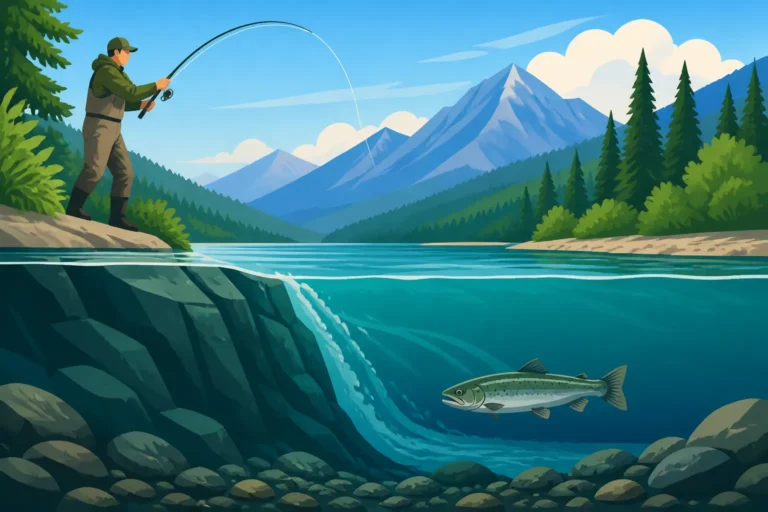
The steelhead in the Bulkley River are an anadromous form of rainbow trout, meaning they spend a significant portion of their lives in the ocean before returning to freshwater to spawn. These are not small fish; they average between 8 to 15 pounds, with many reaching well into the 20-pound class, and occasionally, true monsters are encountered. Their ocean-fed power makes them incredible fighters, known for acrobatic leaps and long, drag-screaming runs. The Bulkley is famous for its winter-run steelhead, which begin entering the river in late summer and continue through the fall, often holding over in the system through the winter months before spawning in the spring. This extended run offers a fantastic window of opportunity for anglers, but also requires adapting techniques to varying water temperatures and conditions. Understanding when and where these fish stage during their migration is key to success.
The return of these magnificent fish is a critical part of the Pacific Northwest ecosystem, and their survival is a testament to the health of the Bulkley watershed. These fish navigate thousands of miles, overcoming countless obstacles in both salt and freshwater environments, making their presence in the river a truly remarkable phenomenon. Anglers who pursue them feel a deep connection to this cycle, striving to release these wild creatures unharmed to complete their vital journey.
The Untamed Beauty of the Bulkley Valley
Beyond the fish, the Bulkley Valley itself is a spectacle of natural grandeur. Located in northern British Columbia, the river carves its way through stunning landscapes, from dense coniferous forests to dramatic canyons. The remoteness of the area means wildlife encounters are common – you might spot a black bear foraging along the banks, an eagle soaring overhead, or even moose wading in the shallows. The air is crisp, the silence is profound, broken only by the rush of the river and the calls of wilderness creatures.
This pristine environment offers an escape from the hustle and bustle of modern life, allowing anglers to truly immerse themselves in nature. It's a place where the journey to the river is as much a part of the experience as the fishing itself. The challenging terrain and limited access points only add to the sense of adventure and exclusivity, making every trip feel like a genuine expedition into the wild. For those who cherish solitude and an authentic wilderness experience, the Bulkley Valley is an unparalleled destination, offering a profound connection to the wild heart of British Columbia.
Prime Seasons and Conditions for Bulkley Steelhead
Knowing when to hit the Bulkley River is just as crucial as knowing how to fish it. Steelhead fishing isn't a year-round affair, and success often hinges on aligning your trip with the peak of the run and favorable river conditions. Unlike some other fisheries, the Bulkley can be incredibly fickle, with water levels, temperature, and clarity playing massive roles in whether fish are active and accessible. Many a hopeful angler has arrived to find the river either a raging torrent or an icy slush-fest, so careful planning is paramount.
Navigating Peak Steelhead Seasons
The Bulkley River experiences its most significant steelhead runs in the fall and into the early winter, generally from September through December. The shoulder seasons, particularly late August and early January, can also offer opportunities, though with higher variability.
- Fall (September – October): This is widely considered the prime time for Bulkley steelhead. Water temperatures are typically ideal, and large numbers of fresh, aggressive fish are entering the system. The river is usually at a good level, and the autumn colours of the surrounding forests create a breathtaking backdrop. Early fall sees warmer water, often making fish more active. As the season progresses into October, temperatures drop, and fish tend to hold in deeper, slower pools, requiring different presentations. This is also when you'll find the highest number of anglers on the water, especially on popular sections.
- Late Fall/Early Winter (November – December): As temperatures continue to fall, the fishing transitions. Fish become less aggressive and require more subtle presentations. While the numbers of new fish entering the river might taper off, the fish that are already in the system become larger, stronger holdovers. This period can offer incredible fishing for dedicated anglers willing to brave colder weather and potentially challenging conditions, including ice formation along the banks. It’s often considered the time to target some of the largest, most formidable steelhead. For more details on adapting to colder conditions, check out our guide on Best Techniques for Winter Steelhead.
Reading Water Levels and Weather Patterns
The Bulkley is a rain-fed river system, and its character can change dramatically with rainfall and snowmelt. Optimal conditions usually involve clear water with stable levels – not too high, not too low.
- High Water: Heavy rain can cause the river to blow out, turning it into a muddy torrent and making fishing extremely difficult, if not impossible. Fish tend to sit tight against the banks or in slack water during these periods, and visibility is severely reduced. Safety also becomes a major concern with increased currents. Monitoring local weather forecasts and river gauges (often available online through government resources) is absolutely critical when planning a trip to avoid disappointment.
- Low Water: Conversely, extended dry spells can lead to very low, clear water. While the water clarity might seem appealing, low water can make fish spooky and concentrated in fewer, deeper pools. Anglers need to be extra stealthy, use lighter leaders, and present flies or lures with extreme care. During very low flows, certain sections of the river might become inaccessible to drift boats, altering fishing strategies.
- Temperature: Water temperature dictates steelhead metabolism and aggression. In the fall, temperatures are often in the ideal range (around 5-10°C / 40-50°F). As winter approaches, colder water (below 4°C / 39°F) makes fish lethargic. You’ll need to slow down your presentation considerably and target slower, deeper holding water. Conversely, unusually warm water in the early fall can make fish more active and responsive to faster retrieves.
Understanding these dynamics and checking river conditions before and during your trip is paramount for a successful Bulkley River steelhead adventure. Local knowledge from guides or tackle shops can be invaluable here.
Essential Gear and Tackle for Bulkley Steelhead
Attempting to tackle the Bulkley River steelhead with inadequate gear is a recipe for frustration. These fish are powerful, and the river itself can be demanding. Having the right tools for the job not only increases your chances of landing a fish but also minimizes the stress on the fish, ensuring a healthy release. Think of it as preparing for a wilderness expedition – you wouldn't go hiking without the right boots, and you shouldn't fish the Bulkley without the right rod, reel, and line.
Fly Fishing: Spey Rods and Swing Tactics
For many, fly fishing, particularly with a two-handed (Spey) rod, is the quintessential Bulkley steelhead experience. The broad, powerful casts and the mesmerizing swing of a fly through classic steelhead water are what draw purists from around the globe.
- Rods: A Spey rod between 13 and 15 feet in length, rated for 7 to 9 weight line, is the standard for the Bulkley. The longer length allows for greater casting distance, better line control for swinging flies, and the power to handle large fish in strong currents. Brands like Sage, G. Loomis, and Echo are popular choices, offering various actions to suit different casting styles and preferences. The choice often comes down to personal feel and the specific type of water you'll be fishing most frequently.
- Reels: A robust, large arbor reel with a strong, smooth drag system is non-negotiable. Steelhead make blistering runs, and a high-quality drag is essential to cushion the fight and prevent break-offs. The reel should be capable of holding at least 200 yards of 30-pound backing, in addition to your shooting line and running line. Reputable brands include Lamson, Nautilus, and Hardy. It's an investment, but a good reel will last a lifetime and can save a trophy fish.
- Lines: Spey lines are a specialized system, typically involving a shooting head (Scandi or Skagit style, depending on the need for delicate presentation vs. heavy flies), a running line, and interchangeable tips (T-series MOW tips or similar). The choice of tip (from floating to various sink rates like T-11, T-14, T-17) allows you to target different water depths and current speeds. Matching the line weight and grain window to your specific rod is crucial for optimal casting performance. For effective fly presentation, especially with larger patterns, understanding different Fly Patterns for BC Steelhead Rivers is incredibly helpful.
- Leaders and Tippet: Generally, a short leader (3-6 feet) of 15-20 pound fluorocarbon is used, tapering down to a 10-15 pound tippet. Fluorocarbon is preferred for its abrasion resistance and invisibility underwater. You'll want plenty of spools, as snags are common when fishing subsurface.
- Flies: Traditional steelhead patterns like the Intruder, General Practitioner, Skunk, Green Butt Skunk, and various leeches and tube flies are highly effective. Sizes can range from small 2-inch patterns to larger 4-5 inch patterns, depending on water clarity and temperature. Flashy or contrasting colors often work well in off-color water, while more natural tones might be better in clear conditions.
Conventional Gear: Float Fishing and Drift Techniques
While fly fishing holds a special mystique, conventional gear, particularly float fishing (also known as "Dinking" in some circles), is incredibly effective on the Bulkley, especially in colder water or when fish are holding deep. This method allows for precise control of bait or lures through prime holding water.
- Rods: A long (10-13 feet), medium-heavy action spinning or casting rod is ideal for float fishing. The length helps with line control, mending, and setting the hook on long drifts. A sensitive tip is crucial for detecting subtle bites, while a powerful butt section provides the leverage to fight strong steelhead. Brands like Fenwick, Shimano, and Raven offer excellent options.
- Reels: A high-quality spinning reel in the 3000-4000 series, or a baitcasting reel with a reliable drag, is suitable. The reel should hold at least 200 yards of 15-20 pound braided main line, backed with mono, and have a smooth, powerful drag. The key is durability and consistent performance under pressure.
- Lines: 15-20 pound braided mainline (e.g., PowerPro, Sufix) is excellent for sensitivity and casting distance. It’s often paired with a fluorocarbon leader (10-15 pound test) of 3-6 feet. The low stretch of braid aids in bite detection, which is vital when fishing at range with a float.
- Floats (Bobbers): Drennan or Raven brand "Dink" floats are popular, designed for casting distance and precise depth control. They come in various sizes to match the amount of weight needed to get your presentation down quickly in current. The right float selection can make or break your drift.
- Weights: A selection of split shot and pencil lead is essential for getting your bait or lure to the desired depth and drift speed. Steelhead often hold tight to the bottom, so proper weighting to achieve a "dead drift" is crucial. Learning about Drift Fishing for Steelhead in BC Rivers will give you a significant edge in this technique.
- Baits/Lures: Roe bags (cured salmon eggs), worms, and small artificial baits like Pink Worms, soft beads, or even small jigs tipped with scent are highly effective. When using artificials, vibrant colors (pink, chartreuse, orange) often trigger strikes. For more insight into what entices these powerful fish, consider our guide on Best Baits for Steelhead on the Skeena, many of which are applicable to the Bulkley.
Having a diverse tackle box that includes both fly fishing and conventional options allows you to adapt to changing river conditions and fish moods, significantly increasing your chances of success on the Bulkley.
Key Fishing Techniques for Bulkley Steelhead
Catching a Bulkley River steelhead often comes down to precision, patience, and a deep understanding of the river. These fish are not only powerful but also incredibly wary. Simply casting and reeling won't cut it. You need to master specific techniques that present your offering in the most natural and enticing way possible. Whether you prefer the elegance of a fly rod or the methodical approach of conventional gear, understanding the nuances of presentation is paramount.
Mastering the Steelhead Swing
For fly anglers, the "swing" is more than a technique; it's an art form. It involves casting a weighted fly across the current and allowing it to swing downstream, mimicking the natural movement of baitfish or invertebrates. The take, when it comes, is often a distinct pull or tug, an electrifying moment that makes the hours of casting worthwhile.
- Casting and Presentation: With a Spey rod, the goal is to cast a long line directly across or slightly downstream of your target water. This is typically done with various Spey casts (e.g., the roll cast, snake roll, snap T), which allow for efficient casting without a lot of back-cast room. Once the line lands, the key is to allow the fly to sink to the appropriate depth and then "swing" naturally through the current. Avoid any unnatural drag on the line; you want the fly to look alive, not like it's being pulled.
- The Drift and Angle: As the fly swings, it will gradually move from the far bank towards your position, covering a wide swath of water. The angle of your dangle, or how directly across or downstream your cast is, will determine how quickly the fly swings and how much depth it achieves. A more downstream cast allows for a slower, deeper swing, often effective in colder water or when fish are lethargic. A more aggressive, quicker swing might trigger an aggressive take in warmer water.
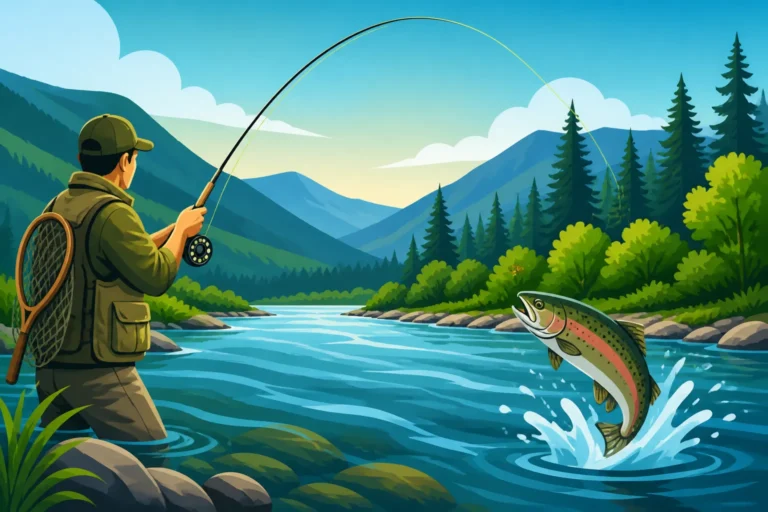
- The Take: When a steelhead grabs a swinging fly, it's often a firm, deliberate tug. Resist the urge to yank the rod back immediately. Instead, let the fish turn with the fly and then simply lift the rod into a firm, sweeping set. This allows the hook to properly embed in the fish's jaw. After the hook-set, be prepared for an explosive fight – Bulkley steelhead are known for their power and acrobatics.
Effective Float Fishing Strategies
Float fishing is a highly effective method for presenting bait or lures at a precise depth, especially in complex currents or when fish are holding close to the bottom. It requires keen observation and meticulous line control. For a comprehensive understanding, our article on Float Fishing the Bulkley River dives even deeper into this technique.
- Drift Control and Depth: The essence of float fishing is achieving a "dead drift" – meaning your float, weights, and bait/lure all travel at the exact same speed as the current, without any drag. This makes your offering appear natural and unattached. Adjust your depth so your bait/lure is just ticking the bottom or slightly above it. Steelhead often hug the riverbed, especially in faster currents or colder water.
- Mending and Line Management: After casting upstream of your target water, immediately "mend" your line (lifting and flipping a loop of line upstream) to keep excess line off the water. This prevents surface currents from pulling your float faster than your bait, causing drag. Multiple mends may be necessary on longer drifts. The goal is to keep as little line as possible on the water to maintain contact with your float and bait.
- Bait/Lure Presentation: When float fishing, roe bags are a perennial favorite due to their natural scent and appearance. However, small jigs, plastic worms, or soft beads can also be incredibly effective, especially when tipped with a strong scent like Atlas Mike's salmon egg cure or Pro-Cure scents. Ensure your bait is securely rigged and looks natural in the water. Pay close attention to subtle dips or pauses of your float, which often indicate a bite before the float fully submerges.
Ethical Angling and Conservation Practices
The Bulkley River is home to a wild and precious steelhead population. Practicing ethical angling and catch-and-release techniques is not just recommended; it's essential for the sustainability of this incredible fishery.
- Minimizing Stress: Use appropriate tackle that allows you to land fish quickly, reducing fight time and exhaustion. Barbless hooks are mandatory in most BC steelhead waters and make hook removal much easier and less damaging.
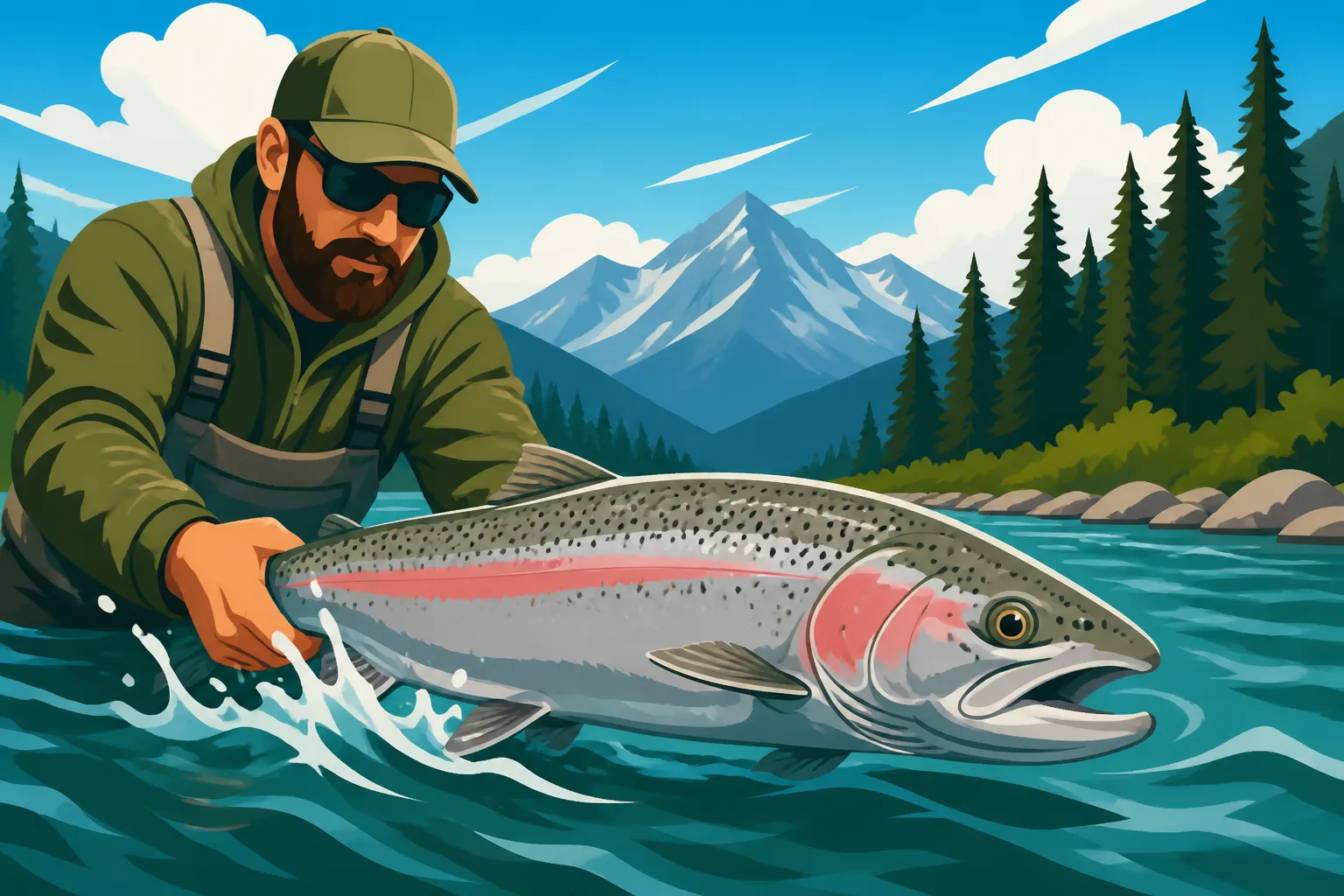
- Careful Handling: When you land a steelhead, keep it in the water as much as possible. If you must lift it for a quick photo, support its weight horizontally with both hands, one under the head and one under the tail. Avoid squeezing the fish or dragging it onto rocks or gravel. If a fish is bleeding significantly, consider whether it's truly releasable.
- Revival: After unhooking, gently hold the fish in the current, pointing it upstream, until it regains its strength and can swim away on its own. Watch for strong tail kicks and a steady posture. Never toss a fish back; always ensure it's fully revived. These practices are crucial for the long-term health of the Bulkley’s renowned Steelhead Runs on BC's North Coast Rivers.
By adhering to these ethical guidelines, we ensure that future generations can also experience the thrill of catching these magnificent Bulkley River steelhead.
Navigating the Bulkley River: Access and Logistics
Getting to and navigating the Bulkley River requires some planning, as much of its most productive water is accessed either by specialized drift boats or through less-traveled paths. While there are some accessible spots for walk-and-wade anglers, the full Bulkley experience often involves covering significant stretches of river. Understanding your options for access and the role of guided services can make all the difference between a frustrating trip and a memorable adventure.
Public Access Points and Drift Boat Launches
The Bulkley River winds through a mix of private land, Indigenous territories, and Crown land. Respecting property rights and understanding where you can legally access the river is paramount.
- Key Public Access Areas: Some well-known public access points include sections near Telkwa, Smithers, and Houston. These areas often have bridges or small parks that provide bank access for walk-and-wade fishing. However, these spots can also be heavily pressured, especially during peak season. You might find stretches of Crown land along logging roads, but navigation can be tricky, and it’s always best to consult local maps or inquire with local tackle shops for precise directions.
- Drift Boat Launches and Take-Outs: For many, the true way to experience the Bulkley is by drift boat. This allows anglers to cover vast stretches of water, moving from run to run and accessing water that’s otherwise unreachable. Public boat launches and take-out points exist, often at bridge crossings or designated river access sites. However, these can be rustic and require suitable vehicles and trailers. Popular drift sections might have specific put-in and take-out procedures, and knowing the river's gradient and hazards is essential for safe navigation. Always check the current river conditions, as low water can expose dangerous rocks, and high water can create powerful, unnavigable rapids.
- Indigenous Territories: A significant portion of the Bulkley River flows through the traditional territories of various First Nations communities. It is crucial to be aware of and respect these boundaries. Some areas may have specific rules or closures, or require special permissions. Always stay informed about local regulations and respect any signage or requests from First Nations communities.
The Role of Guided Trips and Outfitters
For many visiting anglers, especially those new to the Bulkley, booking a guided trip is not just a convenience but a highly recommended investment. Experienced guides provide invaluable local knowledge, expertise, and safe navigation.
- Local Expertise: A Bulkley River guide lives and breathes the river. They know the subtle nuances of each run, where fish are holding based on current conditions, and which techniques are most effective on any given day. They can navigate the river safely, often in specialized drift boats, getting you to the prime, less-pressured spots. This local knowledge is invaluable for finding fish and understanding the river's constantly changing character. Our guide on Best Bulkley River Guide Services provides further details on reputable options.
- Equipment and Logistics: Guides typically provide all necessary specialized equipment, from Spey rods and reels to float fishing setups, flies, and bait. They handle all the logistics of boat launches, shuttle services, and even prepare riverside lunches. This allows you to focus solely on the fishing experience without worrying about the practicalities.
- Learning Opportunity: A guided trip is an excellent learning experience. Guides are often fantastic instructors, offering tips on casting, presentation, reading water, and ethical fish handling. For someone looking to improve their steelhead fishing skills, a guided day on the Bulkley is an accelerated learning curve.
- Booking a Trip: There are many reputable outfitters and independent guides operating on the Bulkley River. It's wise to book well in advance, especially for peak fall dates, as their calendars fill up quickly. Platforms like FishingBooker are an excellent resource for finding and comparing various guide services, reading reviews, and booking your trip securely. They offer a transparent way to see what's available and who comes highly recommended by other anglers. Remember to communicate your expectations clearly with your chosen guide beforehand to ensure a successful day on the water. For those seeking other guided steelhead experiences, you can also explore options like Best Guided Steelhead Trips on the Skeena.
| Gear Type | Rod Specification | Reel Type & Capacity | Line Type & Weight | Typical Application |
|---|---|---|---|---|
| Spey (Fly) | 13-15 ft, 7-9 wt, Medium-Fast Action | Large Arbor, Smooth Disc Drag, 200+ yd backing | Skagit/Scandi Head, Running Line, T-Tips | Swinging large flies in broad currents |
| Float (Spin) | 10-13 ft, Med-Heavy Action, Sensitive Tip | Spinning 3000-4000 series, Smooth Drag | 15-20 lb Braid, 10-15 lb Fluorocarbon Leader | Precise depth control with bait/lures in varied currents |
| Float (Cast) | 10-13 ft, Med-Heavy Action, Sensitive Tip | Baitcasting, Smooth Drag | 15-20 lb Braid, 10-15 lb Fluorocarbon Leader | Accurate casting & line control with bait/lures |
Whether you choose to DIY or hire a guide, thorough preparation and respect for the river and its people will ensure a rewarding Bulkley River experience.
Local Insights and Tips for Success
Beyond the gear and the techniques, truly unlocking the secrets of the Bulkley River often comes down to understanding the nuanced behavior of its steelhead and respecting the unique environment and local culture. This river isn't just a place to fish; it's a community, an ecosystem, and a testament to the wild spirit of British Columbia. Tapping into local wisdom and approaching your trip with an open mind can greatly enhance your success and overall experience.
Understanding Steelhead Behavior in the Bulkley
Steelhead, particularly in a wild system like the Bulkley, are complex creatures whose behavior can shift dramatically with conditions, time of year, and even time of day. They are not always actively feeding, especially as they near their spawning grounds. Often, you're trying to elicit a reactionary strike rather than a feeding response.
- Holding Water: Steelhead in the Bulkley, much like other powerful salmonids, have preferred holding lies. These are typically areas where they can rest out of the main current while still having access to oxygenated water. Look for the "soft water" directly behind larger rocks, in the slower seams adjacent to faster runs, or at the tail-outs of deep pools. During higher flows, they might tuck tight against the banks. In colder water, they will often congregate in the deeper, slower sections of pools. Successfully identifying these holding lies is a critical skill for any How to Catch Steelhead in BC angler.
- Water Temperature and Aggression: As noted earlier, water temperature is a huge factor. In warmer fall waters, steelhead tend to be more aggressive and willing to chase a swung fly or hit a quickly retrieved lure. As temperatures drop in late fall and winter, their metabolism slows, and they become more lethargic. You’ll need to slow down your presentation, often drifting baits or flies very slowly right in front of their faces to trigger a strike. This patience is often rewarded with some of the biggest fish of the season.
- Light Conditions: Steelhead can be light-sensitive. Overcast days or periods of low light (dawn and dusk) often provide the best fishing opportunities, as fish feel more comfortable moving and reacting to presentations. On bright, sunny days, fish might hold deeper or in heavily shaded areas, requiring a more stealthy approach and potentially smaller, more subdued flies or lures.
Respecting the Environment and Local Culture
The Bulkley River flows through a region deeply rooted in Indigenous history and a strong local community. Being a respectful visitor is not just good manners; it's a responsibility.
- "Keep 'Em Wet": This mantra for catch-and-release is vital. The Bulkley is a wild steelhead fishery, and every released fish contributes to the future of the run. Minimize handling, keep fish in the water, and ensure they are fully revived before release. Understanding the Steelhead Average Size in BC Rivers helps to appreciate the growth potential of these released fish.
- Pack It In, Pack It Out: Leave no trace. All garbage, including leader scraps and broken line, must be packed out. Respect the pristine nature of the Bulkley Valley.
- Respect Private Property and Indigenous Territories: Always be aware of property boundaries and abide by any posted signs. The Bulkley is located within the traditional territories of the Wet'suwet'en and Gitxsan peoples, among others. Indigenous rights and title are paramount, and anglers should be informed and respectful of their presence and any related regulations or cultural protocols. A simple "hello" and a respectful demeanor can go a long way in fostering positive relations.
- Support Local Businesses: When you’re in towns like Smithers or Telkwa, support the local tackle shops, restaurants, and accommodations. These businesses are often run by passionate locals who care deeply about the river and its community. They can also be a fantastic source of up-to-date information on river conditions and fishing reports. Places like Oscar's Source for Sports in Smithers are often great spots for a chat and some insider tips.
- Fishing Etiquette: The Bulkley can get busy during peak season. Practice good river etiquette: give other anglers plenty of space, avoid walking through runs others are actively fishing, and be patient at popular access points. If you're floating, communicate with bank anglers and other boats. A little courtesy ensures a positive experience for everyone on one of Best Steelhead Rivers in BC.
By embracing these local insights and demonstrating respect for the Bulkley River and its community, you’ll not only improve your fishing success but also contribute to the lasting legacy of this incredible British Columbia fishery.
Disclaimer
The information provided in this guide is for general informational purposes only and is not intended as legal advice. Fishing regulations in British Columbia can change frequently. It is the angler's responsibility to consult the most current BC Freshwater Fishing Regulations Synopsis, applicable tidal water regulations, and local fishery notices before fishing. Always ensure you have the appropriate licenses and stamps, and adhere to all local, provincial, and federal laws. Fishing inherently involves risks, and safety precautions should always be taken.