The biggest steelhead ever caught in BC
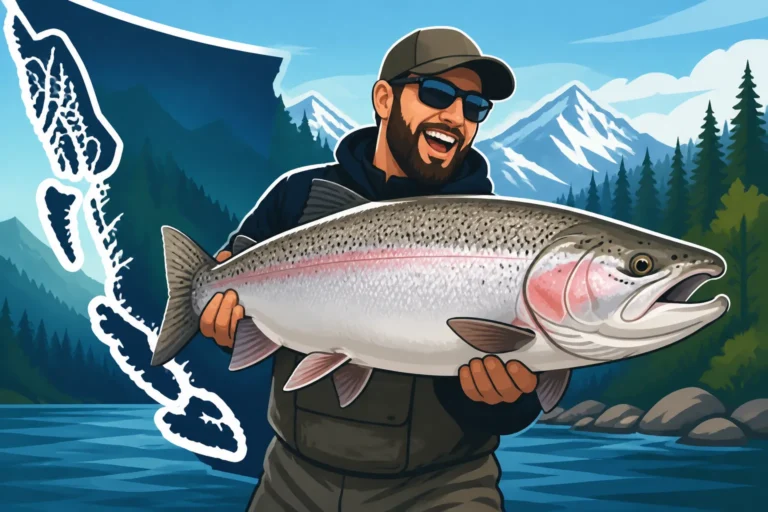
Ah, the quest for the ultimate steelhead! Every angler who has ever cast a line into British Columbia's wild rivers dreams of it – that moment when you hook into a true monster, a chrome behemoth that tests your tackle, your skill, and your very resolve. But what exactly defines "the biggest steelhead ever caught in BC"? It's a question that sparks endless debate, fuels campfire stories, and sends many of us on lifelong pilgrimages to remote rivers. This guide isn't just about a number on a scale; it's about the legends, the challenges, and the profound respect these incredible fish command in our waters.
The Myth and Reality of BC's Biggest Steelhead
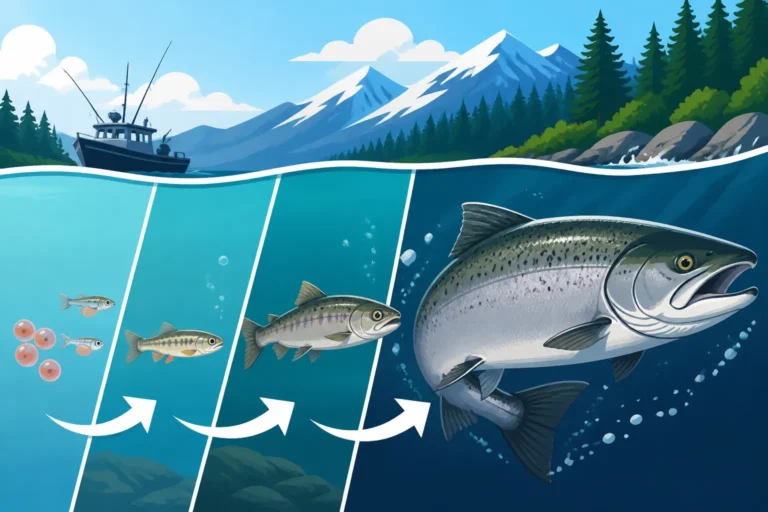
There's a certain mystique that surrounds British Columbia's steelhead. Unlike their resident trout cousins, these anadromous rainbow trout undertake incredible journeys to the ocean, only to return to their natal rivers as powerful, silver-sided warriors. This epic life cycle imbues them with a strength and beauty that truly sets them apart, making the pursuit of a giant steelhead one of the most revered angling experiences imaginable.
Why British Columbia Steelhead Capture Our Imaginations
For many, Steelhead Fishing in BC isn't just a hobby; it's a way of life, a deep connection to the untamed wilderness. BC's steelhead are renowned globally for their size, fight, and pristine environments they inhabit. Picture a cold, clear river, bordered by towering old-growth forests, where a shimmering, powerful fish, fresh from the Pacific, suddenly takes your fly or lure. They jump, they run, they dig deep, and they absolutely refuse to give up. Each fish is a testament to the resilience of nature and the health of our watersheds. The sheer power and acrobatics of a large steelhead on the end of your line are unforgettable, a primal struggle that leaves you breathless and buzzing long after the release. It's this wild, untamed spirit that makes every encounter with a BC steelhead so special, regardless of its size.
The Challenge of Defining "The Biggest"
When it comes to claiming "the biggest steelhead ever caught in BC," we step into a realm of legend, anecdote, and a healthy dose of angler's exaggeration. Unlike species with established world records consistently maintained by organizations with strict verification processes, steelhead records are often far more elusive and debatable. Many of the most legendary catches predate modern scales, reliable cameras, or a widespread culture of precise record-keeping. Imagine a logger in the 1930s pulling a massive steelhead from a remote Skeena tributary – the tale would spread by word of mouth, growing with each retelling, perhaps a rough estimate of weight taken on an old spring scale, but rarely with the kind of verifiable data we'd expect today. This isn't to say these fish didn't exist; rather, it highlights the romantic, often unquantifiable nature of these historical giants. Trying to pin down a single "biggest" becomes a fun, but ultimately impossible, task.
Legendary Catches: Stories from BC's Wild Rivers
British Columbia is steeped in fishing lore, and the stories of colossal steelhead are among the most captivating. These tales are often passed down through generations of guides and anglers, painting vivid pictures of fish that seemed almost mythical in their proportions.
Whispers of Giants: Unofficial Records and Historical Accounts
While an official, universally recognized record for "the biggest steelhead ever caught in BC" is hard to pinpoint due to inconsistent historical record-keeping and a general shift towards catch-and-release, the whispers of truly colossal fish are abundant. Many of the most legendary steelhead come from the vast and wild Best Steelhead Rivers in BC like the Skeena River system, including the Bulkley and Kispiox Rivers, as well as rivers further south like the Thompson and Dean.
Anglers often speak of fish pushing, or even exceeding, the 30-pound mark. These are not everyday catches, even on the most productive rivers. Some historical accounts from the early to mid-20th century describe fish caught by commercial or subsistence fishermen in the Skeena region that were reportedly in the high 30s or even touching 40 pounds. Think about that for a moment – a 40-pound steelhead! That's a fish of epic proportions, a true leviathan that would have been a once-in-a-lifetime catch even for the most seasoned angler. These accounts, while often lacking definitive proof by today's standards (imagine trying to get a certified scale and a witness out in the remote wilderness back then!), form the backbone of BC's steelhead heritage. The reverence for these ghost fish continues to drive many to explore the deepest pools and most remote runs, hoping to encounter a descendant of these legendary giants.
What Makes a Steelhead Grow to Mammoth Proportions
So, what exactly allows a steelhead to reach such immense sizes? It's a combination of several critical factors that often converge in BC's unique environment:
- Genetics: Like all animals, some steelhead populations simply have the genetic potential for larger growth. Certain river systems are known for producing larger-bodied fish consistently.
- Abundant Ocean Forage: This is perhaps the most crucial factor. Steelhead spend one to five years (or even more) in the ocean, feeding voraciously on rich marine food sources like herring, sandlance, and other baitfish. The longer they stay and the more food they consume, the larger they can grow. A steelhead that spends five years in the ocean will undoubtedly be larger than one that returns after two.
- Optimal River Conditions: Healthy rivers with good water quality, ample spawning habitat, and minimal obstructions allow smolts to migrate to the ocean efficiently and adults to return without undue stress. This contributes to overall population health and the ability for individuals to reach their full growth potential.
- Survival of the Fittest: Only the strongest, most genetically robust fish survive the gauntlet of predators, disease, and environmental challenges in both freshwater and saltwater. The ones that return year after year, growing larger with each ocean return, are truly exceptional.
- Repeat Spawning (Kelts): Unlike Pacific salmon that typically die after spawning, steelhead can, and often do, survive to spawn multiple times. These "kelts" return to the ocean to feed and grow even larger, sometimes coming back as monstrous fish in subsequent years. What a holdover steelhead is further explores these remarkable survivors.
Targeting Trophy Steelhead in Modern Times
While the pursuit of a true record-breaker is often an exercise in romanticism, the dream of hooking a legitimate trophy steelhead remains very much alive in British Columbia. Modern angling, however, emphasizes responsible practices to ensure these magnificent fish continue to thrive.
Realistic Expectations for a "Big" BC Steelhead Today
Let's be real: catching a 30-pound steelhead in BC today is like winning the lottery. It happens, but it's incredibly rare. What constitutes a "trophy" steelhead has perhaps shifted slightly, not because the fish themselves are necessarily smaller, but because our understanding of their fragility and the importance of conservation has grown.
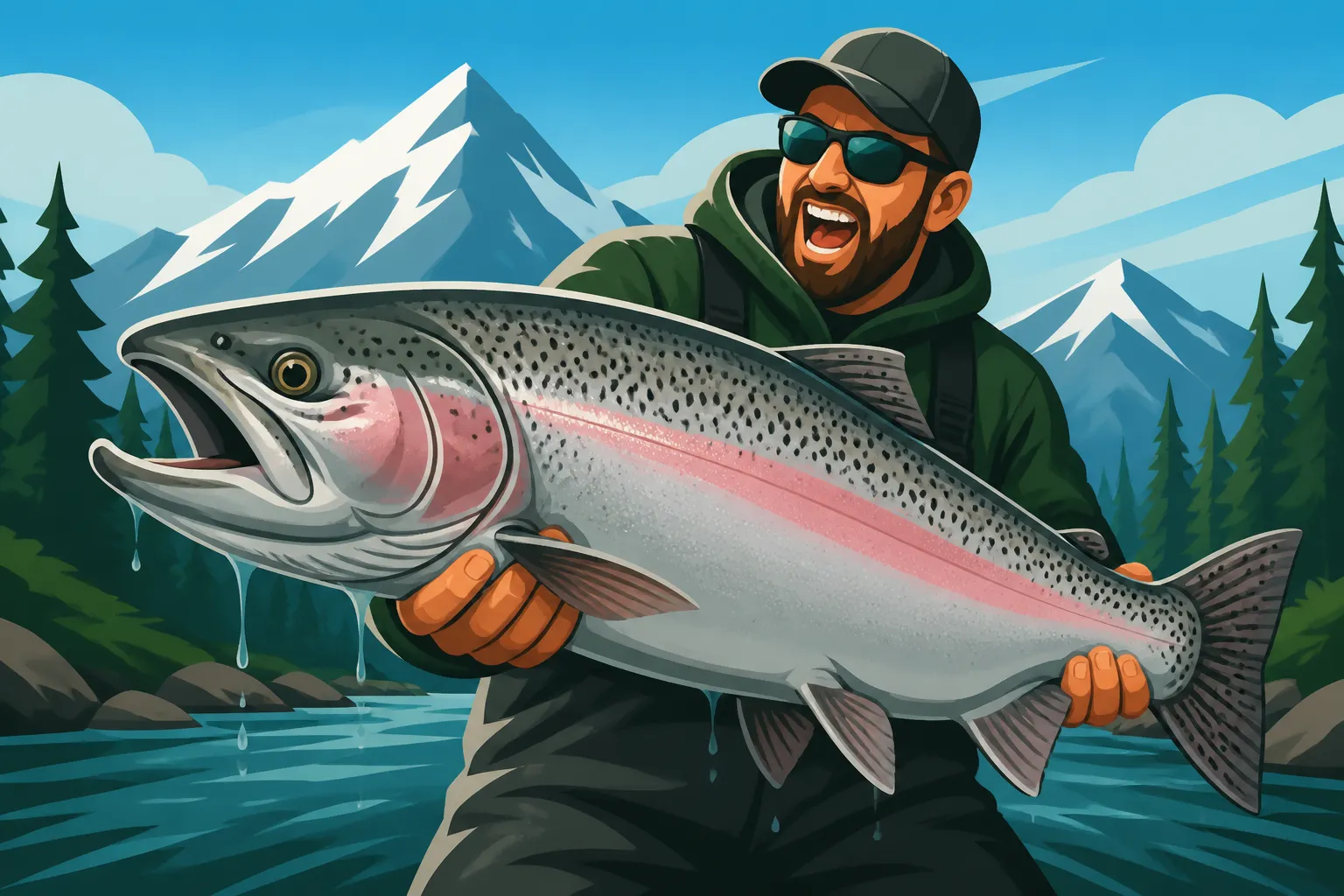
Today, a steelhead pushing 20 pounds is considered a truly exceptional fish, a once-in-a-decade or even once-in-a-lifetime catch for many dedicated anglers. A fish in the 15- to 18-pound range is definitely a trophy-class fish, one that will earn you bragging rights and fond memories. Average size of a BC steelhead would likely put the average fish significantly lower than that, making these larger specimens stand out even more. The focus for most anglers now is less on a specific weight and more on the overall health and wildness of the fish, the quality of the fight, and the experience of being in such incredible wilderness.
The emphasis on catch and release also means that many magnificent fish are simply admired, photographed quickly, and then sent back to their watery homes, without ever being placed on a scale. This is a positive development for conservation, but it does mean that hard "record" numbers are harder to come by.
Here's a general idea of what anglers consider:
| Category | Weight Range (Approximate) | Description |
|---|---|---|
| Average Steelhead | 6-12 pounds | Most commonly encountered fish, still a powerful fight. |
| Large Steelhead | 12-18 pounds | Solid, impressive fish, excellent fight. |
| Trophy Steelhead | 18-25 pounds | Exceptional fish, often a lifetime achievement for many anglers. |
| Legendary Steelhead | 25+ pounds | Extremely rare, almost mythical; the stuff of true fish stories. |
Renowned Rivers for Pursuing Giant Steelhead
If you're serious about your quest for a big BC steelhead, certain river systems consistently produce larger fish and have established reputations. These are not easy fisheries, mind you, and they often require significant travel, dedication, and sometimes the expertise of a local guide.
- The Skeena River System (Bulkley, Kispiox, Babine, Morice, Sustut): Often referred to as the "Steelhead Capital of the World," the Skeena and its tributaries are legendary. These rivers are fed by pristine wilderness and offer the ideal conditions for steelhead to grow large. Steelhead Runs on BC's North Coast Rivers are particularly strong here, drawing anglers from around the globe. Fish here have incredible genetics and ample ocean feeding grounds. Expect remote locations and challenging conditions.
- The Thompson River: Historically, the Thompson River was known for producing some of the largest steelhead in the world. While its runs have faced significant challenges, dedicated conservation efforts are underway. Anglers still dream of its powerful, distinctively coloured fish.
- The Dean River: A fly-fishing-only river known for its incredibly aggressive and large steelhead. It's an iconic destination, but access is highly controlled and expensive, often requiring bookings years in advance at exclusive lodges.
- The Squamish and Cheakamus Rivers: Closer to Vancouver, these coastal rivers can produce surprisingly large steelhead, especially during specific runs. They are more accessible but also experience higher fishing pressure.
Best Time of Year to Fish in BC for steelhead will generally be during their spring and fall runs, with winter steelhead providing a unique challenge for the most dedicated anglers. Remember, whether you're fly fishing or gear fishing, having the right tackle is crucial. You can find a fantastic selection of robust rods, reels, and lines designed for these powerful fish on Amazon, ensuring you're prepared for whatever a BC steelhead throws at you. For those new to these waters, considering a guided trip, perhaps one of the Best Guided Steelhead Trips on the Skeena, can drastically increase your chances of success and shorten your learning curve.
The Heart of Steelhead Fishing: Conservation and Respect
The pursuit of giant steelhead is exhilarating, but it comes with a profound responsibility. These fish are a precious, finite resource, and their future depends on our actions as anglers.
The Importance of Catch and Release with Large Fish
For truly large, wild steelhead, catch and release is not just a suggestion; it's a vital practice. These older, bigger fish are often the most important spawners, contributing significantly to the genetic strength and resilience of the population. Ensuring their survival after an encounter is paramount. When you hook into a giant steelhead, here are some critical best practices:
- Minimize Fight Time: Use appropriate tackle (How to Catch Steelhead in BC often discusses strong enough gear) to land the fish as quickly as possible without "horsing" it. Prolonged fights exhaust fish to the point where they can't recover.
- Keep the Fish in the Water: This is the golden rule. Avoid dragging the fish onto the bank or into a boat. If possible, unhook it while it's still in the current. If you must handle it, keep your hands wet and support its weight horizontally. Never hold a large fish vertically by the tail or gills, as this can damage internal organs.
- Use Barbless Hooks: Barbless hooks make removal quick and easy, minimizing injury to the fish's mouth. Many BC rivers have regulations mandating barbless hooks for steelhead.
- Quick Photography: If you want a photo, be prepared. Have your camera ready, wet your hands, and get the shot quickly. Hold the fish gently, just above the water, and return it within seconds.
- Revive Carefully: If the fish seems lethargic, hold it upright in the current, facing upstream, until it can swim away under its own power. Don't pump it back and forth; let the current do the work.
By practicing responsible catch and release, we ensure that these magnificent fish can continue their life cycle, contributing to future generations of BC steelhead and the continuation of these incredible fisheries.
The True Measure of a Successful Steelhead Trip
While the dream of catching "the biggest steelhead" is powerful, the true measure of a successful steelhead trip often extends far beyond the numbers on a scale. It's about the entire experience: the crisp morning air on the river, the camaraderie with fellow anglers, the challenge of reading the water and presenting your fly or lure perfectly, the sudden, heart-stopping take, and the sheer joy of watching a magnificent wild fish swim away strong.
It's the wildness of places like the Skeena system, the beauty of the Interior's rivers during a BC Steelhead Season Dates run, and the profound connection you feel to nature. Whether you land a modest-sized but feisty fish, or spend days without a single tug, the journey, the effort, and the immersion in BC's stunning natural landscapes are often the most rewarding aspects. The pursuit of a giant steelhead becomes a metaphor for perseverance, patience, and a deep respect for the wild. And sometimes, just sometimes, a ghost of those legendary giants will rise to your fly, and for a few exhilarating moments, you'll know exactly what those old-time anglers were talking about.
Disclaimer
This article is for general informational purposes only and does not constitute professional advice. Laws, prices and regulations vary by location and change over time. Consult a qualified professional for guidance on your specific situation.