Non-native trout species stocked in BC
It can be really frustrating, can't it? You hear about all the incredible fishing British Columbia has to offer, but sometimes you just want a straightforward, reliable day on the water without battling huge, wild rivers or venturing far offshore. Especially if you're introducing kids to fishing, or just looking for a low-pressure outing, the thought of deciphering complex regulations for native species can be a bit much. This guide is here to shed some light on an often-overlooked aspect of BC fishing: the non-native trout species that are regularly stocked in our lakes, providing accessible and exciting opportunities for anglers of all skill levels.
Understanding Non-Native Trout Stocking in BC
When we talk about fishing in British Columbia, many immediately picture majestic wild salmon runs, feisty steelhead, or massive Fraser River sturgeon. And while those iconic fisheries are certainly a huge draw, there's a vital, and often more accessible, component to our angling scene: the stocking of various trout species, some of which are not native to these specific waters. This practice is a cornerstone of recreational fishing management here, ensuring that there are plenty of fish for everyone to enjoy, especially in easily reachable lakes and ponds.
The "Why" Behind Stocking
So, why do we stock lakes with trout that aren't originally from BC? It all boils down to creating sustainable and accessible fishing opportunities. Many smaller lakes and ponds, particularly those close to urban centers or in high-use recreational areas, simply can't support robust wild trout populations naturally. They might lack suitable spawning habitat, suffer from inconsistent water levels, or experience too much fishing pressure to maintain a healthy fish population through natural reproduction alone.
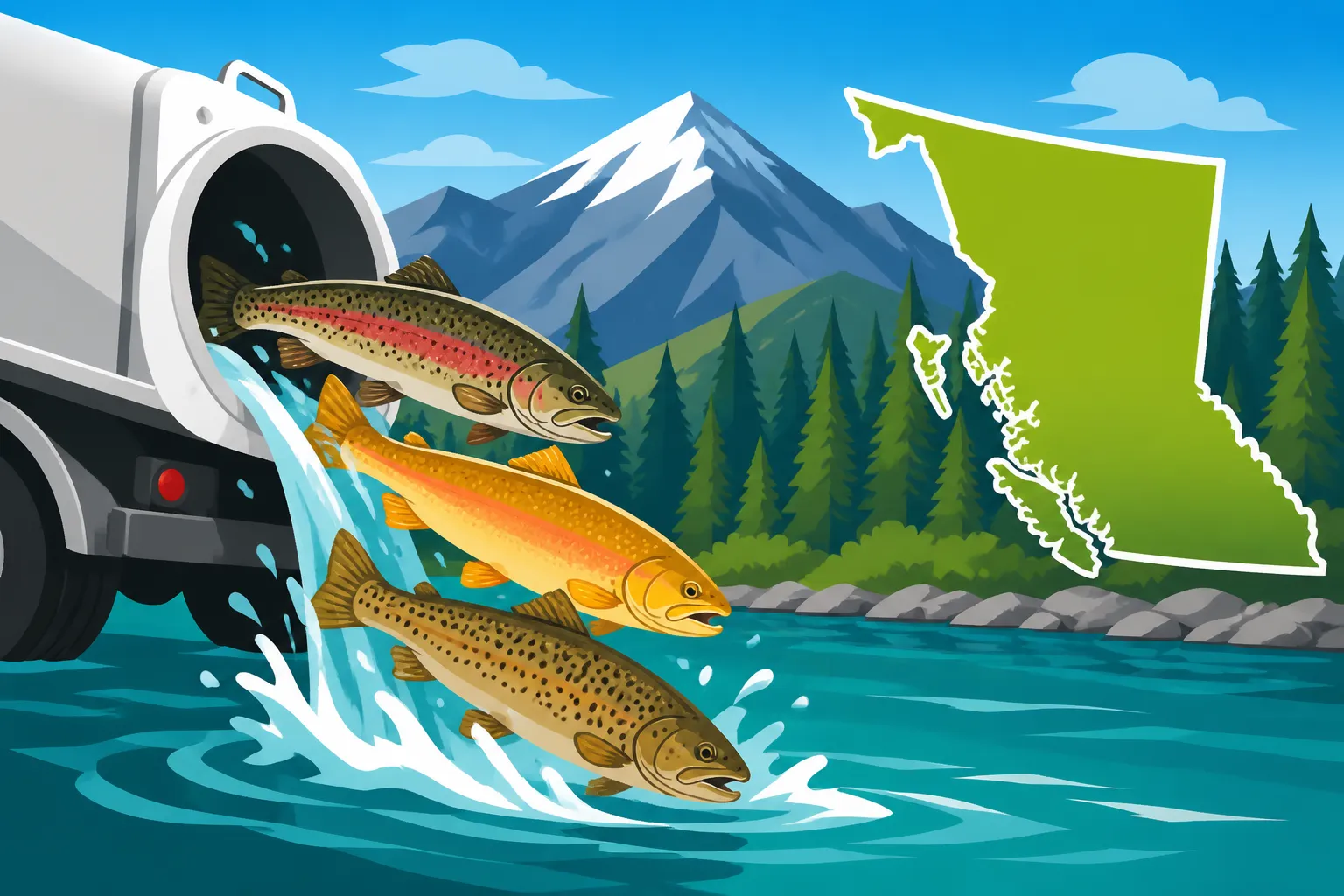
That's where stocking programs, primarily managed by the Freshwater Fisheries Society of BC, come in. These programs release millions of trout into hundreds of lakes across the province each year. The goals are multifaceted: to provide immediate fishing gratification for families and beginners, to relieve pressure on sensitive wild populations, and to create diverse angling experiences. Imagine a small lake near a park that gets constant foot traffic; stocking ensures that every kid with a BC fishing license age exemptions summary and a simple rod has a real chance to catch a fish. It's about participation and enjoyment, fostering a love for the outdoors in a controlled, manageable way.
Native vs. Non-Native: A Nuance with Rainbows
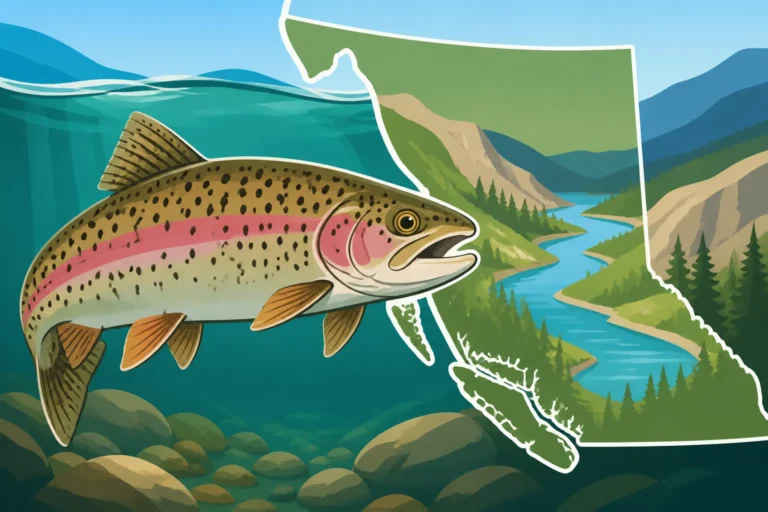
This conversation around "non-native" can sometimes get a little blurry, especially when we talk about Rainbow Trout. It’s important to clarify: Rainbow Trout (Oncorhynchus mykiss) are, in fact, native to British Columbia. However, when we discuss stocking, we often refer to specific strains or varieties of Rainbow Trout that might originate from hatcheries developed elsewhere, or that have been selectively bred for traits like fast growth or disease resistance.
For example, many of the Rainbow Trout stocked in BC lakes are triploids. What a triploid rainbow trout is refers to a fish that has three sets of chromosomes instead of the usual two, making them sterile. This sterility is a key reason for stocking triploids: it means they can't reproduce with wild fish, preventing any potential genetic mixing or competition with sensitive native populations. These stocked triploid Rainbows are often robust, grow quickly, and provide excellent sport, making them a fantastic choice for put-and-take fisheries. So, while the species Rainbow Trout is native, the specific stocked individuals or strains are often "non-native" in the sense that they are hatchery-bred, sometimes sterile, and not naturally occurring in that specific water body. Are Triploid Rainbow Trout Stocked in BC Lakes? Yes, they are a significant part of the provincial stocking program!
Key Non-Native Trout Species You'll Find
Beyond the specially managed Rainbow Trout, there are a couple of truly non-native trout species that have been introduced and are occasionally stocked in specific BC waters. These species bring their own unique characteristics and angling challenges, adding variety to the fishing landscape.
The Resilient Brook Trout (Salvelinus fontinalis)
Ah, the Brook Trout! These beautiful fish, with their stunning vermiculated patterns and vibrant orange fins, are actually native to eastern North America, not BC. They were introduced here many years ago and have since established themselves in certain lakes and streams, particularly in the interior and northern regions. What makes Brook Trout so popular in stocking programs and with anglers is their hardiness and willingness to bite.
Brook Trout thrive in colder, clear water, often found in high-elevation lakes or small, spring-fed ponds. They typically don't grow as large as some other trout species, often staying in the 8-14 inch range, but what they lack in size, they make up for in feistiness and stunning appearance. For a family outing, a lake stocked with Brook Trout can be a real treat. They're often less wary than their wild counterparts, making them an excellent target for beginners. Plus, their aggressive nature means they'll hit a variety of baits and lures. You can often find great deals on basic spinning rods and tackle boxes perfect for Brook Trout fishing on Amazon.
The Elusive Brown Trout (Salmo trutta)
The Brown Trout, originally from Europe and Western Asia, is another non-native species found in some BC waters. Unlike the gregarious Brook Trout or the readily catchable stocked Rainbows, Brown Trout are often considered more elusive and challenging to catch. They tend to be warier, preferring to hide in structure and often feeding more actively during dawn, dusk, or even at night, especially when they grow larger.
Brown Trout are known for their beautiful spotted flanks, which can range from golden brown to silvery with distinct red and black spots. They can grow to impressive sizes, particularly in lakes with abundant forage, making them a prized catch for anglers seeking a trophy. While not as widely stocked as Rainbows, they can be found in some lakes, particularly in the Kootenays and other interior regions, where they've been introduced and sometimes reproduce naturally. Targeting Brown Trout often requires a more patient and subtle approach, using larger baits or more sophisticated fly patterns, appealing to those who enjoy a bit more of a challenge. These fish are true survivors and can provide an exciting angling experience for the persistent fisher.
Triploid Rainbow Trout – A Stocking Staple
As mentioned earlier, triploid Rainbow Trout are a significant part of the stocking picture. These fish are genetic marvels in the angling world, and understanding them helps demystify some of BC's most popular stocked fisheries. Because they are sterile, their energy isn't diverted into reproduction, allowing them to focus entirely on eating and growing. This means they can reach larger sizes faster than their fertile counterparts, providing more substantial fish for anglers to catch.
Many of the List of BC stocked trout lakes will feature these triploid Rainbows. They are often stocked in catch-and-take fisheries, where the expectation is that anglers will harvest their catch. This helps manage the lake's ecosystem, as these fish aren't meant to establish self-sustaining populations. They offer a fantastic opportunity for anglers to fill their coolers while enjoying a fun day out. From small urban ponds to larger recreational lakes, these robust fish are designed to provide consistent action. When fishing for these, you'll find that they often respond well to common baits and lures, making them highly accessible. If you're looking for Rainbow Trout Fishing in BC that's consistently productive, these stocked lakes are often your best bet.
Where and How to Fish for Stocked Trout
Finding and catching stocked trout in BC doesn't have to be a mystery. The beauty of these programs is that they aim to make fishing accessible, so the locations and techniques are often quite straightforward.
Prime Locations for Stocked Trout
Stocked trout, whether they are Brook, Brown, or those hard-fighting triploid Rainbows, are typically found in specific types of water bodies. The Freshwater Fisheries Society of BC maintains an excellent database and even releases stocking reports, making it easy to identify where the fish are being released.
- Small Lakes and Ponds: These are the bread and butter of stocked trout fisheries. Often easily accessible by car, many have boat launches (even for non-motorized craft) or designated shore fishing areas. Lakes within BC fishing regulations for provincial park lakes are frequently stocked and often have amenities like picnic tables and restrooms, making them perfect for a Best family-friendly fishing spots in BC outing.
- Urban and Suburban Waters: Don't underestimate the fishing potential right on your doorstep! Many communities have small lakes or ponds within city limits that are regularly stocked. These offer a quick escape and an excellent opportunity for kids or beginners to experience the thrill of a catch without a long drive.
- High-Elevation Lakes: Especially for Brook Trout, you might find them in more remote, pristine high-elevation lakes. While these often require a hike or a 4×4 vehicle to access, the reward is often breathtaking scenery and eager fish. These waters might also hold some of the Best Fishing Lakes in British Columbia.
When planning your trip, always consult the current BC Freshwater Fishing Regulations Synopsis for specific lake rules, as some may have special restrictions on bait, gear, or catch limits.
Effective Techniques and Gear
The great news about stocked trout is that they're often quite eager to bite, having been raised in a hatchery environment. This means you don't always need highly specialized gear or advanced techniques, which is perfect for a Best beginner fishing spots in BC adventure.
- Bait Fishing: This is arguably the simplest and most effective method. PowerBait, worms, corn, and even small pieces of cheese are all popular choices. A simple slip-sinker rig with a small hook (size 8 or 10) can be deadly. Cast it out, let it settle on the bottom, and wait for a bite. If you're looking for Best bait for opening day trout in BC, worms or PowerBait are almost always a safe bet.
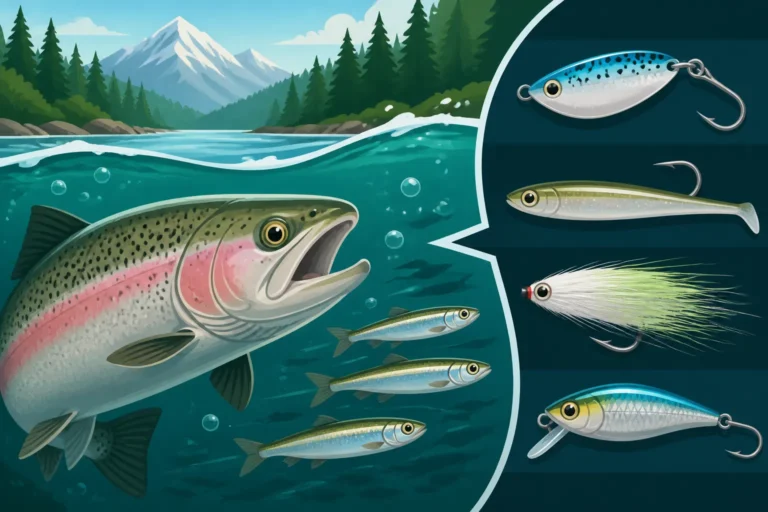
- Spin Fishing: Small spinners and spoons are incredibly effective for stocked trout. Think brands like Mepps, Panther Martin, or even a basic half-ounce spoon in silver or brass. Cast them out and retrieve them steadily. The flash and vibration mimic small baitfish, enticing aggressive trout. These types of lures are readily available and affordable, often found in multi-packs on Amazon for convenience.
- Fly Fishing: While more involved, fly fishing for stocked trout can be incredibly rewarding. Basic patterns like Woolly Buggers, Hare's Ears, and Pheasant Tails are often successful. If trout are rising to feed on insects, small dry flies can offer exciting visual strikes. For those looking to learn, stocked lakes are fantastic proving grounds.
- Float Fishing: If you're fishing from shore, a bobber or float can be your best friend. Suspend your bait (worm, PowerBait) at a desired depth, cast it out, and watch for the float to dip. This technique is especially good for kids, as it provides a clear visual cue when a fish bites.
Remember to vary your retrieve speed, depth, and lure choice until you find what the fish are keying into. Sometimes, subtle changes can make a big difference. If you're fishing shortly after a stocking event, which you can often track through the Freshwater Fisheries Society's reports, How to catch trout right after stocking in BC involves being patient and trying various depths, as the fish are still adjusting to their new environment.
Angler's Impact and Ethical Considerations
Fishing for non-native stocked trout offers fantastic recreational opportunities, but it also comes with responsibilities. As anglers, we play a crucial role in supporting these programs and ensuring the health of BC's aquatic ecosystems.
Supporting Stocking Programs
The continued success of BC's stocking programs relies heavily on angler participation and, indirectly, on license sales. When you purchase a British Columbia Fishing License Guide for 2026 or How Much Does a BC Fishing License Cost, a portion of those funds directly supports the hatcheries, transportation, and scientific research behind these stocking efforts. It's a direct investment in your own fishing enjoyment and in providing opportunities for future generations.
Furthermore, these programs are often supported by volunteers and local fishing clubs. Getting involved, even in a small way, can help maintain access points, improve lake health, or even assist with stocking events. It's about being part of the angling community and recognizing the benefits these non-native, yet carefully managed, fisheries bring to the province. Knowing your BC Fishing License Age Requirements and ensuring you are always compliant is the first step in supporting these efforts.
Responsible Angling Practices
Even when fishing for stocked, non-native species, responsible angling practices are paramount. This includes understanding and adhering to all BC Fishing Regulations Explained, including bag and possession limits. Just because there are plenty of fish doesn't mean you should keep more than allowed. These limits are in place to ensure a sustainable fishery for everyone.
- Catch and Release: If you're not planning to keep your catch, practice proper catch and release techniques to minimize harm to the fish. Wet your hands before handling, use barbless hooks, and release the fish quickly and gently. This is especially important for Trout Species Identification Guide for BC to ensure you're not accidentally harming a native species or one that is under stricter protection.
- No Live Bait Transfer: Never transport live bait (like minnows or other fish) from one water body to another. This is a primary way invasive species or diseases can spread, with potentially devastating effects on native populations.
- Clean, Drain, Dry: If you're using a boat or waders, always remember to clean, drain, and dry your equipment between fishing locations. This prevents the spread of aquatic invasive species that can hitch a ride on your gear.
- Respect the Environment: Pack out everything you pack in, and leave no trace. Be mindful of other anglers and wildlife. These common-sense practices ensure that our beautiful BC fishing spots remain pristine and enjoyable for all.
Stocked fisheries, particularly those featuring non-native trout, offer a unique and accessible gateway to the joys of fishing in British Columbia. By understanding the species, knowing where to find them, and practicing responsible angling, you can enjoy countless rewarding days on the water.
| Stocked Trout Species | Native Region | Key Identification Features | Preferred Habitat | Common Fishing Baits/Lures |
|---|---|---|---|---|
| Rainbow Trout | Pacific Coast (but stocked strains are often non-native to specific waters) | Silver-sided, pink or red stripe along lateral line, small black spots. | Lakes, ponds, rivers; wide tolerance for conditions. | PowerBait, worms, corn, small spinners, spoons, flies. |
| Brook Trout | Eastern North America | Dark green/brown body with light, worm-like markings (vermiculations), red spots with blue halos, white leading edges on fins. | Cold, clear lakes and streams, often high elevation. | Worms, small spinners, dry flies, wet flies. |
| Brown Trout | Europe/Western Asia | Gold/brown body with scattered dark spots, often with red or orange halos; can have large dark spots on gill covers. | Cooler lakes and rivers, often near structure; more wary. | Worms, minnows, larger spoons, jerkbaits, streamers. |
Disclaimer
This article is for general informational purposes only and does not constitute professional advice. Laws, prices and regulations vary by location and change over time. Consult a qualified professional for guidance on your specific situation.