Kokanee Fishing in BC
There's a special kind of magic that unfolds on a quiet British Columbia lake, where the sun kisses the water just right, and suddenly, your line comes alive with that distinctive tug. But for many anglers, especially those new to BC's incredible fisheries, understanding kokanee salmon can feel a bit like cracking a secret code. You might spot them schooling, hear whispers of their fierce fighting spirit, or even mistake them for their bigger sockeye cousins. This comprehensive guide is here to demystify kokanee fishing in BC, walking you through everything you need to know to find, catch, and truly appreciate these shimmering, landlocked gems.
Understanding Kokanee Salmon: A BC Treasure
Kokanee are truly unique residents of British Columbia's freshwater lakes, often described as landlocked sockeye salmon. They don't migrate to the ocean like their anadromous relatives, spending their entire lives within the confines of our beautiful lakes and the rivers that feed them. This makes them a fascinating and accessible target for freshwater anglers across the province. You might wonder why they're so popular, and the answer lies in their feisty nature, schooling habits, and fantastic table fare.
What Makes Kokanee Unique?
Imagine a salmon that lives its entire life in freshwater, never tasting the salty embrace of the Pacific Ocean. That's a kokanee. Genetically, they are identical to sockeye salmon, but unlike sockeye, kokanee found their niche in lakes that became cut off from the sea or where sockeye populations adapted to a freshwater-only existence. This unique life history means they are typically much smaller than ocean-going sockeye, usually ranging from 8 to 14 inches, though some larger individuals can be found in particularly nutrient-rich lakes.
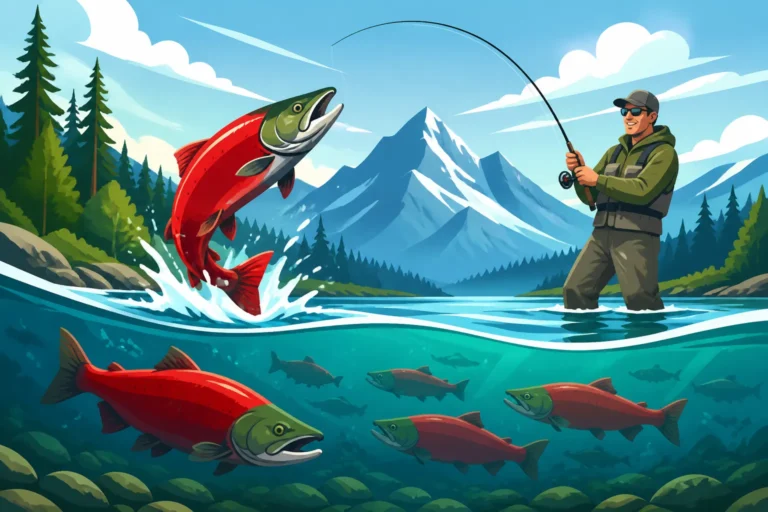
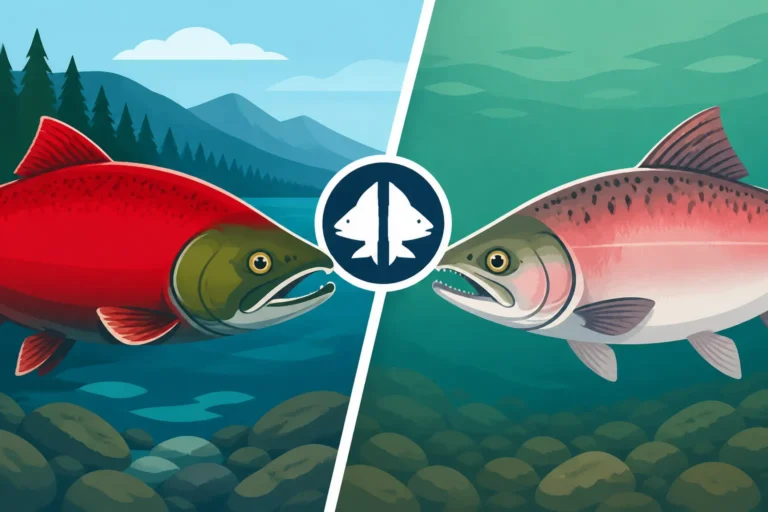
Their appearance changes dramatically throughout their life cycle. For most of the year, they sport a silvery, iridescent sheen, often with a hint of blue or green on their backs. However, as they approach their spawning cycle, usually in late summer or fall, they undergo a stunning transformation. Their bodies turn a brilliant red, and the males develop a distinct humped back (kype) and an elongated, hooked jaw, mirroring the dramatic changes seen in their ocean-going cousins. This transformation is a clear signal of their reproductive maturity and the culmination of their short, vibrant lives, typically lasting three to five years. Understanding this life cycle is crucial because it directly influences their behaviour and where you'll find them.
Kokanee vs. Sockeye: The Family Resemblance
The close genetic relationship between kokanee and sockeye salmon is often a source of confusion for anglers. Indeed, they are the same species, Oncorhynchus nerka. The primary difference, as we've established, is their migratory pattern. Sockeye undertake epic journeys from their natal streams to the ocean, growing large and strong on a diet of ocean-dwelling crustaceans and plankton, before returning to freshwater to spawn. Kokanee, on the other hand, complete their entire life cycle within freshwater ecosystems.
Physically, when they are not spawning, the non-anadromous kokanee are essentially smaller versions of juvenile sockeye. They share the same large, prominent eyes, and typically have fine, comb-like gill rakers adapted for feeding on plankton. However, once spawning colors set in, the vibrant red bodies and green heads become unmistakable for both. The key is knowing the context: if you're fishing a landlocked lake far from the ocean, you're almost certainly targeting kokanee. If you're on a major river system during a salmon run, you're likely encountering sockeye. This distinction is not just academic; it has implications for regulations and fishing techniques. For those interested in the deeper biological connections, understanding What kokanee are and how they differ from sockeye can really clarify things.
Life Cycle and Spawning Habits in BC
The life of a kokanee is a fast-paced, freshwater journey culminating in a spectacular spawning event. After hatching in river gravels or sometimes along shallow lake shoals, the tiny fry emerge and head for the deeper, cooler waters of their natal lake. For the next three to five years, they feed primarily on zooplankton, growing steadily. Their schooling behavior is a key survival mechanism, offering protection from predators like lake trout, bull trout, and even larger rainbow trout.
As late summer rolls around, the biological clock for mature kokanee starts ticking loudly. They begin their dramatic colour change, migrating towards their spawning grounds. These can be the gravel beds of tributary streams flowing into the lake, or sometimes, specific gravelly shoals within the lake itself. This is often when they become more aggressive and territorial, making them an exciting target for anglers, though many anglers practice catch-and-release during this sensitive period to protect future stocks. The act of spawning itself is exhaustive, and like all Pacific salmon, kokanee die shortly after depositing their eggs and milt, completing their life cycle and providing vital nutrients back into the ecosystem. Knowing these habits helps you predict where and when to find them throughout the year.
Where to Find Kokanee in British Columbia
British Columbia is blessed with an abundance of stunning lakes, many of which are prime kokanee habitat. From the vast, deep waters of the Okanagan Valley to the rugged Cariboo region and beyond, these feisty fish thrive in cool, clear, and often deep bodies of water. Knowing where to look is the first step to a successful kokanee outing.
Premier Kokanee Lakes Across BC
When it comes to kokanee fishing in BC, several lakes consistently stand out as hotspots, offering incredible opportunities for anglers. The Okanagan Lake system, including Okanagan, Kalamalka, and Wood Lakes, is famous for its kokanee populations. These lakes provide ample deep, cold water and a rich food source. Anglers here often report fantastic days, especially during the spring and early summer months before the water warms too much. For an even deeper dive into this specific fishery, you'll want to check out Okanagan Lake Kokanee Fishing.
Further east, Kootenay Lake is another legendary kokanee fishery, known not only for kokanee but also for the giant Gerrard rainbow trout that feed on them! The sheer size and depth of Kootenay Lake make it an ideal environment. Moving into the interior, Shuswap Lake also holds significant kokanee populations, particularly in its deeper sections. In the Cariboo and Kamloops regions, countless smaller lakes like Dragon Lake, Bridge Lake, and Canim Lake also provide excellent kokanee opportunities, often with less fishing pressure than the larger, more well-known waters. These lakes typically share common characteristics: they are relatively deep, often have good inflowing streams for spawning, and maintain cool water temperatures, especially in the thermocline layer where kokanee prefer to reside. If you're looking for more specific suggestions, Best kokanee lakes in the interior of BC is an excellent resource to guide your next adventure.
Understanding Kokanee Habitat and Depth
Kokanee are pelagic fish, meaning they typically inhabit the open water column rather than sticking close to structure like rocks or weeds, although they will congregate around submerged features or drop-offs. Their primary driver is food (zooplankton) and comfortable water temperatures. They thrive in colder waters, usually between 8°C and 15°C (46-59°F). This means that throughout much of the year, you'll find them suspended in the water column, often associated with the thermocline—the layer where warm surface water meets colder, deeper water.
During the spring, as lakes warm up, kokanee might be found closer to the surface, especially during low light conditions or on overcast days, as the entire water column is still relatively cool. However, as summer progresses and surface temperatures climb, they will retreat to deeper waters, often congregating just above or within the thermocline. This makes using a fish finder invaluable for identifying their preferred depth. They are highly attuned to light levels too, often moving shallower at dawn and dusk, or on cloudy days, and retreating deeper during bright sunshine. Understanding these depth preferences is paramount for successful targeting. Where kokanee live in BC lakes provides more insights into their specific dwelling places.
Seasonal Movements: Tracking Kokanee Year-Round
Kokanee behaviour changes significantly with the seasons, impacting where and how you should fish for them.
- Spring (April-June): As the ice comes off and water temperatures begin to rise, kokanee become more active and start feeding aggressively. They can be found anywhere from 10 to 40 feet deep, sometimes even shallower early in the morning. This is an excellent time for trolling as they spread out across the lake.
- Summer (July-August): This is when kokanee move deeper to find cooler, more oxygenated water. They'll typically be found from 30 to 80 feet, often right in the thermocline. Precision depth control with downriggers becomes critical. Mornings and evenings offer the best bite windows, as they may move up slightly to feed.
- Fall (September-October): The spawning migration begins. Kokanee turn red and begin to move towards their natal streams or lake shoals. While still catchable by trolling, many anglers shift to targeting them near spawning areas, often by still fishing or jigging from shore or anchored boats. It's important to be mindful of local regulations and conservation during this sensitive period.
- Winter (November-March): In lakes that freeze over, kokanee are a popular target for ice fishing. They remain suspended, but often at varying depths depending on the lake's specific characteristics and oxygen levels under the ice. Jigging small lures through the ice can be incredibly effective.
Each season presents its own challenges and rewards, but by understanding these general movements, you can adjust your tactics and increase your chances of success.
Essential Gear for Successful Kokanee Angling
Don't let their relatively small size fool you; kokanee are powerful fighters on light tackle and can be surprisingly finicky. Having the right gear specifically tailored for them can make all the difference between a frustrating day on the water and a cooler full of delicious fish.
Rods, Reels, and Line: The Right Setup
For kokanee, a light, sensitive setup is your best friend.
- Rods: Look for a spinning or casting rod in the 6 to 7.5-foot range with a light or ultra-light action. A fast tip is crucial for detecting those subtle kokanee bites, which can sometimes feel like nothing more than a faint tick or a sudden slackening of the line. Fiberglass or composite rods often offer a nice parabolic bend that helps cushion the fight of these soft-mouthed fish, preventing hooks from tearing out. If you're trolling with downriggers, a shorter, more flexible rod (around 7-8 feet) with a soft tip will let you see the subtle rod load and release when a fish strikes.
- Reels: Pair your rod with a small spinning reel (1000 to 2500 size) or a low-profile baitcasting reel. The key is a smooth drag system. Kokanee might be small, but they make strong, surging runs, and a sticky drag will lead to lost fish.
- Line: Many kokanee anglers opt for a main line of 6-8 lb monofilament or fluorocarbon, or a thin braided line (10-15 lb test) with a fluorocarbon leader (4-6 lb test). Monofilament offers good stretch, which is forgiving for soft mouths, while fluorocarbon is nearly invisible underwater and has less stretch, enhancing sensitivity. Braided line offers extreme sensitivity and strength, but its lack of stretch means you must use a mono or fluorocarbon leader to absorb shock. A leader of at least 8-10 feet is common when trolling. You can find a fantastic selection of these lines and more on sites like Amazon.
Lures, Flies, and Baits: What Gets Their Attention
Kokanee are primarily plankton eaters, but they are also opportunistically drawn to small, flashy lures and natural baits, especially those that mimic small invertebrates or attract their curiosity.
- Dodgers and Flashers: These are perhaps the most critical components of a kokanee trolling setup. They don't have hooks but create attraction by flashing and vibrating, drawing kokanee in from a distance. Dodgers have a wide, erratic swing, while flashers rotate. Popular colours include chrome, gold, pink, green, and orange. You attach your leader (usually 8-24 inches) from the dodger/flasher to your lure.
- Lures: Small wedding rings, hootchies (mini skirts), and small spoons are incredibly effective. Wedding rings are typically trolled with bait, while hootchies and spoons can be fished alone or tipped with bait. Look for bright, eye-catching colours like pink, orange, chartreuse, and iridescent combinations. Many anglers swear by lures that incorporate UV or glow-in-the-dark properties, especially in deeper, darker water.
- Baits: Corn, usually dyed and scented, is the quintessential kokanee bait. A few kernels on a hook, tipped on a wedding ring or small jig, can be irresistible. Small maggots or pieces of worm can also work. The key is often applying a strong, fish-attracting scent (like garlic, anise, or krill oil) to your bait and even directly onto your lures.
- Flies: While less common than trolling lures, small streamer patterns (like a sparse Mickey Finn or a small Woolly Bugger) or even tiny chironomid imitations can be effective when kokanee are feeding near the surface or when fly fishing from a boat.
Experimentation is key, as kokanee can be particular about colour, size, and action on any given day.
Electronic Aids and Specialized Equipment
Modern fishing technology has revolutionized kokanee fishing, making it far more efficient and precise.
- Downriggers: These are almost indispensable for serious kokanee trolling. Downriggers allow you to precisely present your lure at a specific depth, which is crucial when kokanee are holding in a narrow band within the thermocline. Many anglers use two downriggers, running one slightly deeper and one shallower to cover more of the water column. Models from companies like Scotty are popular for their reliability.
- Fish Finders/Sonar: A good fish finder is your eyes below the surface. It helps you locate schools of kokanee, identify the thermocline, and detect bottom structure. Pay attention to suspended arches or blobs, as these are often kokanee schools. Modern units with side-imaging or down-imaging can give you an even clearer picture of what's beneath and around your boat.
- Trolling Motors: A quiet electric trolling motor, especially one with GPS anchoring capabilities, allows for precise speed control and hands-free boat positioning, which is invaluable for maintaining optimal trolling speeds and making subtle turns that can trigger bites.
- Snubbers: These are small, elastic devices placed between your main line and your dodger/flasher. They act as a shock absorber, preventing the soft mouth of a kokanee from tearing when it strikes, especially when trolling with less forgiving braided line.
- Net: A long-handled, fine-mesh landing net is essential. Kokanee have soft mouths, and a good net minimizes stress on the fish and helps you land them quickly and safely. Ensure the mesh is knotless to protect their delicate scales and fins if you plan to release fish.
Investing in these tools can significantly elevate your kokanee fishing game, turning guesswork into a more scientific and successful pursuit.
Effective Kokanee Fishing Techniques
Catching kokanee isn't just about having the right gear; it's about understanding how they behave and applying the techniques that best exploit their habits. Precision and attention to detail are paramount.
Trolling for Kokanee: The Bread and Butter Method
Trolling is, without a doubt, the most popular and often most effective method for catching kokanee in British Columbia. It allows you to cover vast areas of water, locate schools, and present your lures at their feeding depth.
The basic setup involves a dodger or flasher followed by a short leader (typically 8 to 24 inches) to a small lure or baited hook. The dodger or flasher provides attraction and action, while the lure or bait entices the bite. The secret often lies in the "action" created by the dodger, which makes your trailing lure wiggle enticingly. When it comes to trolling, speed is critical. Kokanee generally prefer a slower pace, typically between 0.8 to 1.5 miles per hour. Too fast, and your lures might not have the right action; too slow, and they might appear lifeless. Experiment with subtle changes in speed; sometimes a slight acceleration or deceleration is all it takes to trigger a strike.
Depth control is equally important. This is where downriggers truly shine. By using downriggers, you can precisely present your lures at the exact depth where you're seeing kokanee on your fish finder, or where you suspect the thermocline lies. Many anglers will run multiple rods at varying depths to determine the kokanee's preferred zone. Making gentle "S-turns" with your boat can also be incredibly effective. As your boat turns, the inside line slows down, and the outside line speeds up, creating varied lure action that often triggers inactive fish. Setting up a spread with different dodger/lure combinations, colours, and depths allows you to systematically cover the water and quickly identify what the fish are keying into that day.
Jigging and Still Fishing: When to Use Them
While trolling is dominant, there are specific scenarios where jigging or still fishing can be highly effective for kokanee.
- Ice Fishing: When lakes freeze over, jigging through the ice becomes a primary method. Anglers use small jigs, spoons, or tungsten jigs tipped with corn or maggots. The technique involves dropping the lure to the desired depth, then gently jigging it with short, subtle lifts and pauses. Kokanee under the ice are often less active, so a patient, subtle presentation is usually best. A flasher unit (like a Vexilar or Humminbird Ice Helix) is invaluable here for seeing your lure and the fish below.
- Deep Water Jigging from a Boat: In certain situations, particularly when kokanee are tightly schooled and suspended in deep water, vertical jigging from an anchored or spot-locked boat can work. This is similar to ice fishing but from a boat. Small metal jigs or blade baits can be dropped to the school's depth and jigged vertically.
- Shore Fishing (Spawning Kokanee): During their spawning runs in late summer and fall, kokanee often congregate in shallow areas of lakes or in tributary streams. While regulations often prohibit fishing in spawning streams, fishing from shore near these areas in the lake can be productive. Simple still fishing setups with a slip bobber or bottom rig, baited with corn or a small worm, can tempt these pre-spawn fish. Fly fishing with small, flashy streamers can also be effective during this period. However, always be acutely aware of local regulations, as conservation of spawning fish is critical. Many anglers choose to avoid targeting salmon when they are displaying their spawning colours, opting for other species instead. For more specific tactics during cooler seasons, consider Best technique for ice fishing kokanee.
Reading the Water and Adjusting Your Approach
Kokanee are not always in the same place, or interested in the same thing, day after day. Successful kokanee fishing demands observation, interpretation, and constant adjustment.
- Interpreting Sonar: Your fish finder is your best friend. Look for suspended arches or blobs, which indicate schools of kokanee. Pay attention to the depth at which these schools appear. Also, identify the thermocline, which often shows as a distinct layer on your screen; kokanee will frequently be found just above, in, or below this transition zone. If you're not seeing fish, don't be afraid to move to different areas of the lake, targeting points, drop-offs, or open water. Learning How to locate kokanee in BC lakes with your electronics is a game changer.
- Watching for Surface Activity: While kokanee are generally deep-water fish, they can sometimes be seen breaking the surface, especially at dawn or dusk, as they feed on hatching insects or congregating zooplankton. Gulls diving into the water can also indicate baitfish schools, which kokanee might be pursuing.
- Responding to Weather Changes: Barometric pressure, cloud cover, and wind can all affect kokanee behaviour. A rapidly dropping barometer might send them deeper, while overcast conditions might bring them shallower. Strong winds can also push baitfish, concentrating kokanee.
- Experimentation: Never be afraid to change things up. If a particular lure colour isn't working, try another. If fish are hitting one rod but not another, adjust the depth, leader length, or lure on the unproductive rod. Vary your trolling speed, make more aggressive turns, or even try a different scent. Kokanee can be finicky, and solving the puzzle is part of the fun! This willingness to adapt is what separates good kokanee anglers from truly great ones. For tips on timing, Best time to fish for kokanee at first light might give you an edge.
Mastering Kokanee Tactics: Tips from the Pros
You've got your gear, you know where to go, and you've got the basic techniques down. Now, let's talk about the nuances that can truly elevate your kokanee game. These are the subtle tricks that experienced anglers use to consistently put fish in the boat.
Scent and Color: The Kokanee Code
Kokanee have an incredibly keen sense of smell, and they are also highly sensitive to visual stimuli, especially in the often-murky depths where they feed. Mastering the use of scent and color is non-negotiable for consistent success.
- The Power of Scent: Think of scent as an invisible attractant that draws kokanee in and encourages them to bite and hold onto your lure longer. Popular scents include garlic, anise, krill, and various fish formulas. Many anglers will tip their wedding rings or small jigs with a few kernels of shoepeg corn (often dyed bright colours) that has been pre-soaked in scent, or they'll apply a gel or liquid scent directly to their hootchies and dodgers. Reapply scent frequently, especially after catching a fish or if you haven't had a bite in a while, as it washes off over time. You can find pre-scented corn and a variety of powerful liquid scents on Amazon, making it easy to experiment.
- Decoding Color Preferences: Kokanee can be incredibly particular about color, and what works one day might be ignored the next. General rules of thumb exist: bright colours like pink, orange, chartreuse, and iridescent combinations are perennial favourites. However, factors like water clarity, light conditions, and even the natural forage in the lake can influence their preference. On bright, sunny days, darker or more natural colours might work better, while on overcast days or in deeper water, UV-active or glow-in-the-dark lures can be killer. Don't be afraid to run a spread of different colours until you find what they're hitting. Sometimes, it's not just the lure color, but the dodger color that makes the difference. Many anglers match their dodger and lure color for maximum impact. For more specific insights, Best kokanee jig colors for deep trolling might offer some fantastic tips.
Depth Management: Precision is Key
I can't stress this enough: kokanee are incredibly depth-sensitive. Being even a few feet above or below their preferred feeding zone can mean the difference between constant action and a silent day.
- The Thermocline Advantage: As discussed, the thermocline is often the sweet spot. This layer provides optimal temperatures and often concentrates plankton, making it a natural feeding ground. Use your fish finder to identify this layer, and then use your downriggers to precisely position your lures within or just above it. Don't assume the thermocline is at a consistent depth across the entire lake; it can undulate with currents or underwater structure.
- Multiple Rods, Multiple Depths: If regulations allow, running multiple rods at different depths is the most efficient way to pinpoint the kokanee's exact location. You might run one rod at 30 feet, another at 45, and a third at 60. Once one rod starts getting consistent bites, you can adjust the others to that productive depth.
- Subtle Adjustments: Sometimes, just a 5-foot adjustment up or down can turn the bite on. Pay close attention to your fish finder and any changes in fish activity. If you mark a school at 50 feet and your lure is at 45, drop it down. If you're marking fish just below your lure, reel it up slightly. Precision is your best friend when these fish are finicky. Keep notes on what depths produced fish on different days and conditions – patterns will emerge.
Speed and Action: Triggering the Bite
Kokanee are not often chasing down fast-moving prey; their diet is primarily zooplankton. So, while speed is important, it's often the subtle changes in speed and the resulting lure action that truly trigger a strike.
- The S-Turn Strategy: I mentioned this before, but it's worth reiterating. Making gentle S-turns with your boat causes your lures to speed up on the outside of the turn and slow down on the inside. This erratic action often mimics fleeing baitfish or triggers a predatory instinct in otherwise uninterested kokanee. Don't just troll in a straight line; incorporate these turns regularly.
- Optimal Trolling Speed: While the general range is 0.8 to 1.5 mph, this can vary day by day and lake by lake. Start in this range and experiment. Use your GPS or trolling motor display to maintain a consistent speed. Sometimes, a slight increase or decrease of even 0.2 mph can make a huge difference. Watch your rod tips: they should have a consistent, rhythmic wobble from the dodger action.
- Erratic Retrieves (Jigging): When jigging, whether through the ice or vertically from a boat, don't just drop your lure and hold it still. Implement short, sharp lifts followed by pauses, or a slow, undulating retrieve. The idea is to make the lure look injured or enticingly active. Pay close attention on the drop, as many kokanee bites occur as the lure falls.
Combining these tactics—perfecting your scent and color, managing your depth with precision, and fine-tuning your speed and lure action—will significantly increase your success rate and make your kokanee fishing trips in BC truly memorable.
Kokanee Fishing Regulations and Conservation in BC
As exhilarating as kokanee fishing can be, it's crucial to remember that we are stewards of this incredible resource. Understanding and adhering to British Columbia's fishing regulations is not just about avoiding penalties; it's about ensuring healthy kokanee populations for generations to come. BC has a robust system of regulations designed to protect our fisheries.
Understanding Bag and Possession Limits
British Columbia sets specific bag and possession limits for kokanee, just as it does for all other fish species. These limits are in place to manage fish stocks and prevent overfishing. A "bag limit" refers to the number of fish you can legally keep in a single day, while a "possession limit" refers to the total number of fish you can have in your possession, including those at your camp, home, or in transit.
It's absolutely paramount to check the current Freshwater Fishing Regulations Synopsis for the specific lake or region you plan to fish before you head out. These regulations can vary significantly from one water body to another and can change from year to year. For example, some lakes might have a daily limit of four kokanee, while others might have a limit of two, or even be catch-and-release only at certain times. Ignoring these rules can lead to significant fines. The synopsis is your bible when fishing in BC, offering detailed information on specific lakes, species, and seasons. You can find more general information about these rules in BC Bag and Possession Limits by Species, but always cross-reference with the official synopsis.
Protecting Kokanee Stocks and Habitats
Conservation isn't just about limits; it's about responsible angling practices that protect the fish and their environment. Kokanee, like all salmon, play a vital role in their freshwater ecosystems.
- Catch and Release Best Practices: If you're practicing catch and release, especially during sensitive times like the pre-spawn, handle fish with the utmost care. Minimize their time out of the water, use wet hands, support their body, and use barbless hooks to make release easier. Avoid touching their gills or eyes.
- Avoiding Spawning Beds: When kokanee turn red and begin their spawning migration, they are incredibly vulnerable. Many regulations exist to protect these fish, but even where not explicitly forbidden, avoiding targeting actively spawning fish helps ensure their reproductive success. Disturbing spawning beds can destroy eggs and reduce future populations. Understanding BC Kokanee Retention Rules will give you a better sense of how to responsibly harvest.
- Habitat Preservation: Be mindful of your impact on shorelines and stream banks, especially when launching boats or accessing fishing spots. Avoid littering and do your part to keep BC's beautiful lakes and rivers pristine. Protecting their habitat is protecting the kokanee themselves.
Invasive Species and Ecosystem Health
The health of BC's kokanee populations is also affected by broader ecosystem concerns, including the threat of invasive species. Non-native species, whether plants, invertebrates, or other fish, can outcompete kokanee for food, prey on their young, or introduce diseases.
Anglers have a crucial role to play in preventing the spread of invasive species. The "Clean, Drain, Dry" initiative is critical for boaters:
- Clean all plants, mud, and debris from your boat, trailer, and gear before leaving the launch.
- Drain all water from your boat's bilge, live wells, and engine before leaving the area.
- Dry your boat and gear completely before launching in another water body.
Even seemingly harmless actions, like moving baitfish from one lake to another, can introduce devastating invaders. By being vigilant and following these simple steps, we help protect the delicate balance of BC's freshwater ecosystems and ensure that kokanee continue to thrive. For a comprehensive overview of rules, you might find Reading the BC Freshwater Fishing Regulations Synopsis helpful, as it covers broader ecological considerations.
The Joy of Kokanee: Eating and Enjoying Your Catch
While the thrill of the chase and the fight of a feisty kokanee are undeniably rewarding, one of the greatest joys of fishing for these freshwater salmon is bringing them home for the table. Kokanee are renowned for their delicate flavour and firm, orange-red flesh, making them a true culinary delight.
Preparing Kokanee for the Table
Once you've had a successful day on the lake, the next step is to properly prepare your catch to maximize its flavour and freshness. The key to excellent-tasting kokanee starts with proper handling immediately after catching.
- Bleeding and Icing: As soon as you land a kokanee you intend to keep, dispatch it humanely and bleed it. A quick cut to the gills or throat allows the blood to drain, resulting in cleaner, better-tasting fillets. Then, get your fish on ice immediately. A cooler full of ice is essential; never let your catch sit in warm water or air. This rapid cooling preserves the texture and flavour of the flesh.
- Cleaning and Filleting: Kokanee are typically small enough that you can either pan-dress them (remove guts, head, and scales) or fillet them. Filleting is generally preferred as it removes all bones and skin, leaving you with pure, delicious meat. Use a sharp, flexible filleting knife. Because they are smaller, the fillets will be delicate, so a gentle touch is key. If you're new to filleting, there are plenty of online tutorials, and a little practice goes a long way. Rinse the fillets quickly in cold water and pat them dry before cooking or freezing.
Taste Profile and Culinary Uses
Kokanee are highly prized by those who know them, often considered among the finest eating fish from BC's freshwaters. Their flesh is typically a vibrant orange-red, a testament to their plankton-rich diet, which is similar to what gives sockeye salmon their distinctive colour.
The flavour of kokanee is delicate, sweet, and mild, with a clean, fresh taste that's less "fishy" than some other salmon species. The texture is firm yet flaky, making it incredibly versatile in the kitchen. They are delicious simply pan-fried or grilled with a squeeze of lemon and some herbs. For a more adventurous culinary experience, try smoking kokanee – the rich, sweet smoke complements their natural flavour beautifully. They also make fantastic ceviche, baked dishes, or even fish tacos. Their small size makes them perfect for individual servings, and their rich flavour stands up well to a variety of seasonings without being overwhelmed. Don't be shy about experimenting with different preparations; kokanee rarely disappoint.
Sharing the Experience: Family, Friends, and Memories
Beyond the delicious meals, kokanee fishing offers a fantastic opportunity to create lasting memories with family and friends. It's an activity that truly embraces the lifestyle of being outdoors in British Columbia, connecting with nature, and sharing a common passion.
- Introducing Kids to Fishing: Kokanee are often an ideal species for introducing children to the joys of fishing. Their eager bites and spirited fights on light tackle are exciting, and their schooling nature means that once you find them, the action can be steady, keeping young anglers engaged. Imagine the thrill of a child reeling in their first kokanee, then helping prepare it for dinner – those are moments that truly last a lifetime. Many tackle shops, and even Amazon, offer beginner-friendly kokanee fishing kits that make getting started simple.
- Building Traditions: Whether it's an annual trip to a favourite kokanee lake, a family recipe for smoked kokanee, or simply the tradition of heading out at dawn with a thermos of coffee, kokanee fishing can become a cherished ritual. These shared experiences, the laughter on the boat, the quiet moments of anticipation, and the satisfaction of a shared meal, are what truly enrich our lives as anglers. So next time you're planning a trip, consider inviting someone new along to share in the unique joy of kokanee fishing in BC.
| Season | Best Depth Range (Approx.) | Preferred Techniques | Key Considerations |
|---|---|---|---|
| Spring | 10-40 feet | Trolling (slow-medium) | Warming water, active feeding |
| Summer | 30-80 feet (thermocline) | Trolling (with downriggers) | Deep, cool water; precise depth |
| Fall | 15-50 feet (near spawning) | Trolling, jigging, shore fishing | Spawning colours, check regulations |
| Winter | Variable (under ice) | Ice jigging | Patience, sensitive tackle |
Disclaimer
This article is for general informational purposes only and does not constitute professional advice. Laws, prices and regulations vary by location and change over time. Consult a qualified professional for guidance on your specific situation.