Best technique for ice fishing kokanee
There’s nothing quite like the crisp, still air of a British Columbia winter day, the vast expanse of snow-covered landscape stretching out, and the thrill of dropping a line through a hole in the ice, hoping for that tell-tale twitch. But let's be honest, ice fishing for kokanee isn't always as simple as it sounds. These landlocked sockeye salmon can be notoriously finicky, and figuring out their habits under a thick sheet of ice can feel like trying to solve a frozen riddle. This guide is here to unravel those mysteries, helping you understand the best techniques to entice those beautiful silver-sided kokanee onto your line, even when the thermometer dips.
Decoding Kokanee Behavior Under the Ice
When the lakes freeze over, kokanee don't just disappear; they simply adapt to a new, colder reality. Understanding their winter patterns is the first step to becoming a successful ice angler. It's not just about finding water; it's about finding their water, and knowing what makes them tick when the surface is hard.
Why Kokanee are Different in Winter
Unlike their anadromous sockeye cousins, kokanee spend their entire lives in freshwater. As lakes cool and eventually freeze, the entire aquatic ecosystem shifts. Kokanee, being planktivores, are constantly on the hunt for zooplankton, which are tiny crustaceans that make up a huge part of their diet. In winter, these plankton often concentrate in specific areas or depths, and the kokanee follow suit. They become less active, conserving energy, but they still need to eat. This means their movements might be slower, their bites more subtle, and their preferred depths can change dramatically from their summer patterns. Instead of roaming vast open waters, they tend to school up more tightly and stick to areas where food is abundant and temperatures are stable.
It's also important to remember their lifecycle; many kokanee will be preparing for their spawning run, which typically happens in the fall, but some might still be in a post-spawn recovery phase or simply growing. This internal clock can influence their feeding aggressiveness. A fat, pre-spawn kokanee in the fall might hit anything, but a mid-winter kokanee needs a bit more convincing. Their metabolism slows down, making them less inclined to chase fast-moving baits or venture far from their comfort zone. This is why presentation, subtlety, and being in the right place at the right time become absolutely paramount for a productive ice fishing trip.
Preferred Depths and Locations
During the ice fishing season, kokanee often suspend in the water column, rather than sticking to the bottom. In many BC lakes, you'll find them anywhere from 20 to 60 feet deep, but this can vary significantly based on the specific lake's characteristics, oxygen levels, and, crucially, the location of their food source. Zooplankton often undergoes diurnal vertical migration, meaning they move up and down in the water column throughout the day. Kokanee will follow this migration, so a depth that was hot in the morning might be barren by afternoon. This means you need to be adaptable and ready to adjust your depth often.
Structure is still key, even under the ice. While they might be suspended, kokanee often relate to subtle underwater features such as humps, ledges, submerged creek channels, or even gradual slopes where food might be funneled. Look for areas where the depth changes gradually, or where there are slight contours. Deep points extending into the main lake basin can also be productive, as can the mouths of inlets where fresh water flows in, potentially bringing nutrients and plankton. In larger lakes, focusing on the main lake basin near these structures, rather than shallow bays, is often a better bet. Knowledge gained from understanding How to locate kokanee in BC lakes during open water seasons can be a great starting point for finding winter hotspots, as their general foraging areas might remain similar, just at different depths.
Essential Gear for a Successful Kokanee Ice Adventure
Ice fishing is a specialized pursuit, and while you might be able to get by with some jury-rigged gear for other species, kokanee demand a bit more precision. Having the right tools won't just make your experience more comfortable; it will directly impact your success rate.
Rods, Reels, and Line Choices
For kokanee, sensitivity is the name of the game. You're looking for ultra-light to light-action ice fishing rods, typically between 24 and 32 inches long. A sensitive tip is crucial for detecting those often-subtle kokanee bites, which can sometimes feel like nothing more than a slight pressure or a tiny tap. Many anglers opt for rods with a spring bobber or a very flexible tip section integrated into the blank, enhancing bite detection. For reels, a small spinning reel in the 500 to 1000 size range is perfect. You don't need heavy drag or massive line capacity; smooth operation and a comfortable retrieve are what matter most.
When it comes to line, fluorocarbon is often the preferred choice for kokanee ice fishing. Its low visibility in water, coupled with its minimal stretch, provides excellent feel and sensitivity. A 2 to 4-pound test fluorocarbon main line is usually sufficient, as kokanee don't typically make powerful runs or fight like a salmon. Some anglers prefer a braided main line with a fluorocarbon leader for even greater sensitivity, but the lack of stretch in braid can sometimes lead to hooks pulling out if your rod isn't forgiving enough. Regardless of your choice, ensuring your knots are strong and your line is in good condition is always a priority, especially when fishing in cold conditions where line can become brittle.
Electronics and Augers: Your Eyes and Arms Below the Ice
Without a doubt, a good ice auger is non-negotiable. Whether you opt for a hand auger, a propane-powered model, or a high-tech electric auger, it needs to be sharp and efficient. Drilling multiple holes is often necessary to locate kokanee, especially if they are schooled up or moving. A 6-inch auger is usually perfectly sized for kokanee; it's easier to drill than larger holes and more than big enough to land even a decent-sized fish.
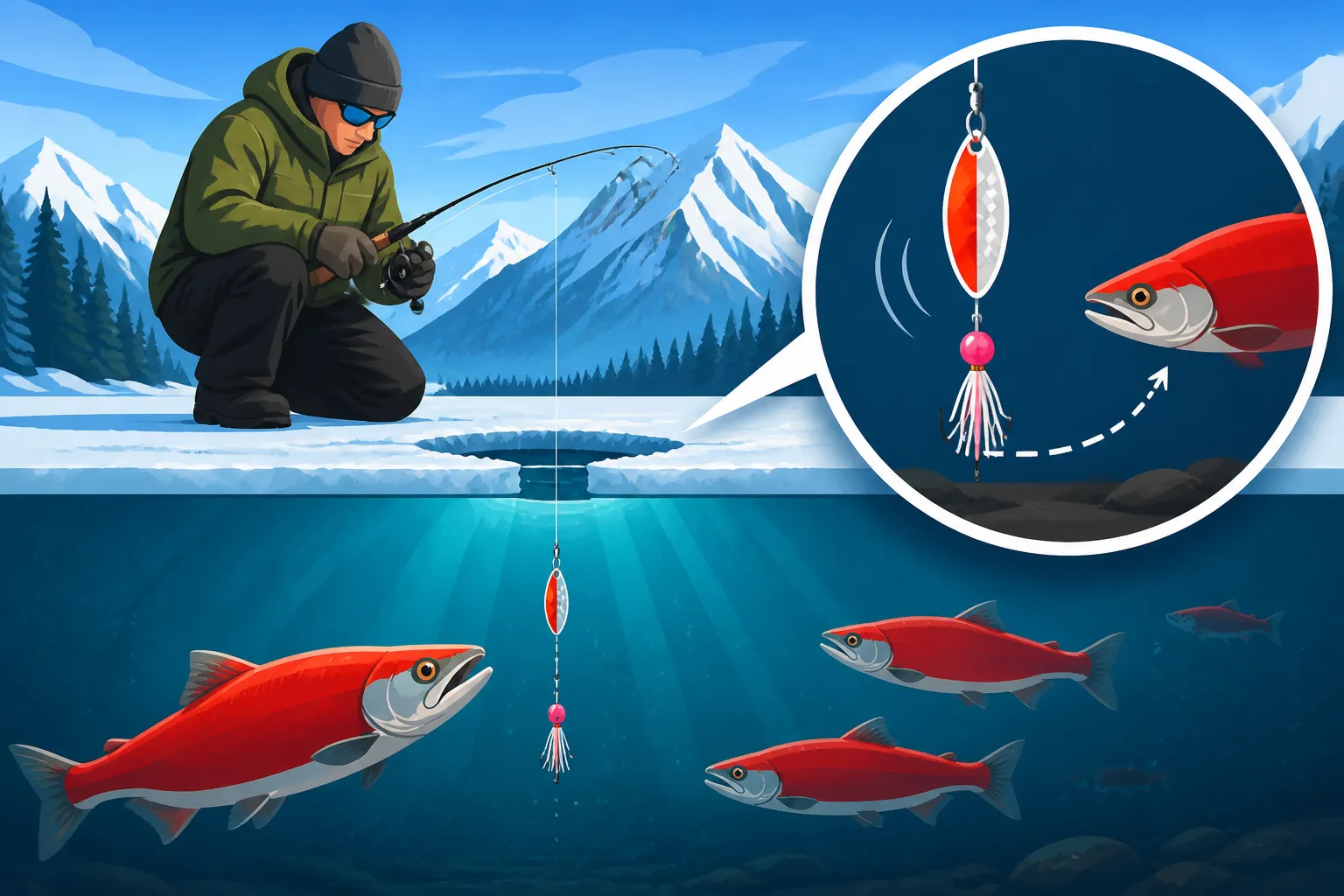
More importantly, electronics are your eyes under the ice. A flasher or a portable fish finder is invaluable for ice fishing kokanee. These devices allow you to see your lure, detect fish approaching it, and observe their reaction in real-time. This feedback loop is essential for refining your jigging technique and determining the exact depth the kokanee are holding. You can literally watch a kokanee come in, inspect your lure, and then react – or not. Popular models available on Amazon and specialized fishing stores offer features like zoom modes for better target separation, interference rejection, and long battery life, which are crucial for extended days on the ice. These tools drastically cut down on guesswork and greatly increase your efficiency.
Lures, Baits, and Attractants
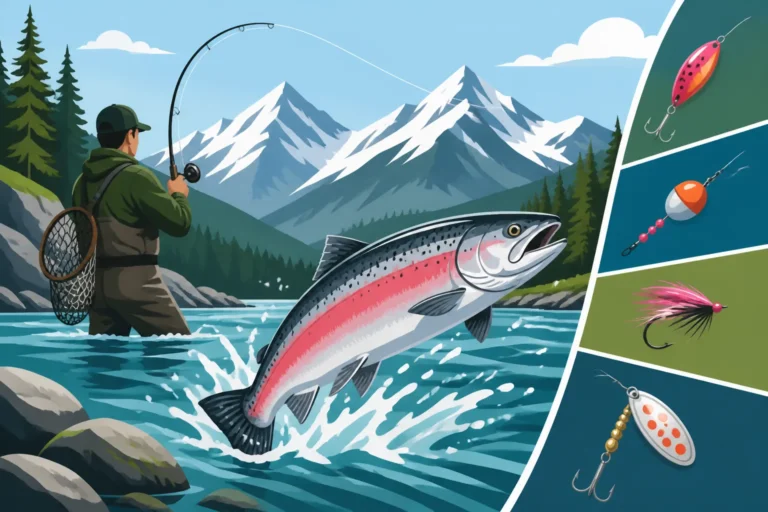
Kokanee are attracted to small, flashy, and often scented offerings. The "best" lure can change day-to-day, but common choices include small jigs, spoons, and flies.
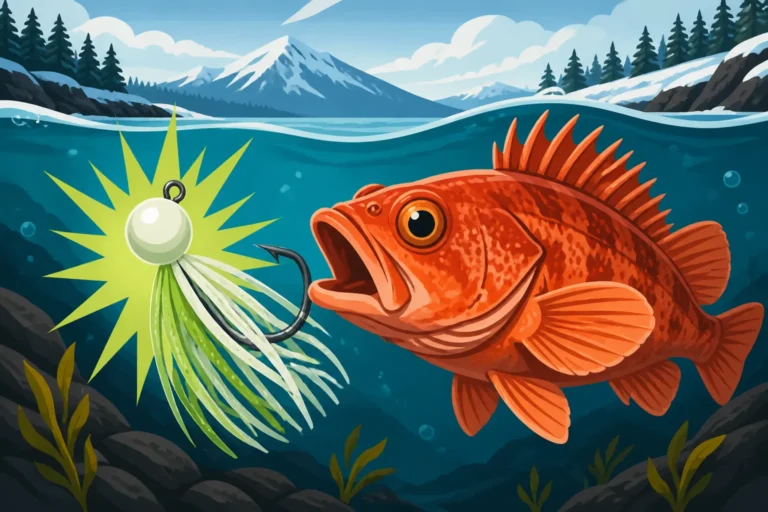
- Jigs: Small tungsten jigs or ice flies in sizes from 1/32 to 1/8 ounce are very effective. Colors like pink, chartreuse, orange, and silver often perform well. The tungsten helps them drop quickly through the water column.
- Spoons: Tiny spoons, sometimes called "micro spoons," that flutter on the drop are also popular. Again, bright colors or those with UV finishes can be excellent.
- Baits and Scents: Tipping your jig or spoon with a kernel of Pautzke's salmon eggs (often dyed bright colours), a piece of Berkley PowerBait maggots, or even a tiny piece of shrimp can make all the difference. The scent trail can draw kokanee in, especially when their metabolism is low. Commercial attractants applied to your lure also boost appeal. You can find a wide selection of these specialized baits and lures on Amazon as well.
Here’s a quick overview of popular kokanee ice fishing lure types:
| Lure Type | Characteristics | Typical Size | Best Action | Notes |
|---|---|---|---|---|
| Tungsten Jigs | Small, heavy for size, fast sink rate | 1/32 – 1/8 oz | Sharp, quick jigging, subtle twitches | Excellent for deep water, good for tipping with bait. Wide range of colors. |
| Ice Spoons | Flat or curved, flutter on the fall | 1/16 – 1/4 oz | Lift and fall, erratic movements | Attracts fish from a distance with flash. Often have holographic or UV finishes. |
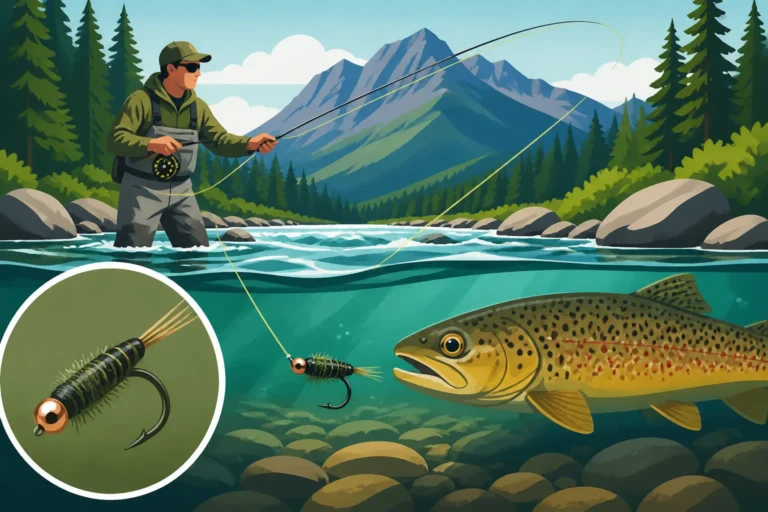
| Micro Jigs/Flies | Very small, often resemble insects | Size 10-16 hook | Very subtle jigging, quiver | Best when kokanee are very finicky, often tipped with small bait. |
| Jigging Rap-style | Hard bait, swims in circles on the retrieve | 1/8 – 1/4 oz | Aggressive lifts, then pauses for glide | Good for active fish, creates larger profile. |
Remember that presentation is key. Sometimes the kokanee want a slow, methodical jig; other times, a more aggressive lift and fall will trigger a strike. Experimentation is crucial on any given day.
Mastering the Art of Jigging for Kokanee
Once you've got your holes drilled and your electronics on, it’s time to actually fish. This is where patience, observation, and a refined technique come into play. Kokanee bites can be incredibly subtle, so staying focused is essential.
The Subtle Art of the Kokanee Jig
Jigging for kokanee is all about rhythm and variety. Start by dropping your lure to the depth where you're marking fish on your flasher. Then, begin with a series of short, sharp lifts, maybe 6 to 12 inches, followed by a pause. Pay close attention to how your lure falls and settles. Sometimes, kokanee will hit on the fall, especially if it's a fluttering spoon. After a few lifts, try a more subtle presentation: tiny quivers of the rod tip, just enough to make your bait dance without moving it too far. The key is to keep experimenting with the speed, height, and frequency of your jigs.
If fish show interest but don't commit, try changing your jigging pattern. Maybe a longer pause, or a very slow lift. Sometimes, a tiny bait such as a single salmon egg or a piece of plastic like a Berkley PowerBait Maggot, threaded onto a small jig like those you can find on Amazon, will make all the difference. When you see a fish on your flasher move towards your lure, slow down your presentation, almost to a standstill. Often, the fish will hit when the lure is suspended motionless. Keep your rod tip close to the hole and be ready for that gentle pull or tap.
Interpreting the Bite
This is perhaps the most challenging, yet rewarding, aspect of ice fishing for kokanee. Their bites are often incredibly light. It's rarely a violent strike that rips the rod out of your hand. Instead, you might feel a slight pressure, a subtle tap, or even just a momentary "weightlessness" as the fish inhales your bait on the fall. Sometimes, the only indication is the line going slack for a fraction of a second, or the tip of your spring bobber barely straightening.
This is why a sensitive rod and constant focus on your line and rod tip are so important. If you’re using a flasher, you might see the fish symbol rise up to your lure, and then your lure signal might momentarily disappear or merge with the fish signal as it takes the bait. At the slightest indication of a bite, set the hook with a quick, upward wrist snap. Don't swing for the fences; a gentle but firm pop is usually all it takes to embed the small hook in their soft mouths. Knowing your BC Kokanee Retention Rules is also vital here; ensure you can identify your catch and adhere to current limits once you start pulling them through the ice.
Finding the Perfect Spot and Staying Safe on the Ice
While technique is crucial, it's all for naught if you're not fishing in a productive area or, more importantly, if you're not safe. Ice fishing requires respect for the elements and preparation.
Scouting Productive Waters
Finding kokanee under the ice begins with research. Lakes known for good summer kokanee fishing are often excellent ice fishing destinations. However, accessibility can change with the snow and ice. Consider popular spots like Okanagan Lake or areas within the Cariboo region. For instance, if you're looking for specific locations, checking guides on Best ice fishing access on Shuswap Lake or Best ice fishing access in the Cariboo region can give you a head start. Local bait shops are an invaluable resource for current conditions and recent bite reports. They can often tell you what depths are producing and what colors are working.
Once on the ice, don't be afraid to move around. Drilling a series of holes in a grid pattern or along a contour line can help you locate schools of fish. Use your electronics in each hole for a few minutes before committing. If you don't see any activity, move to the next hole. Kokanee are schooling fish, so when you find one, you're often in for a good bite. Look for signs of others fishing, but also be willing to explore areas less pressured. Remember to also check the BC Freshwater Fishing Regulations Synopsis before heading out, as specific lake rules and closures can apply. And don't forget your BC freshwater fishing license and to ensure you have one before you drill that first hole!
Prioritizing Ice Safety
Safety on the ice cannot be overstated. Always, always prioritize safety over catching fish. The golden rule is never to fish alone, and always tell someone where you are going and when you expect to return. Before venturing out, research local ice conditions. Conditions can vary widely even on the same lake, especially near inlets, outlets, or areas with current.
- Ice Thickness: A minimum of 4 inches of clear, hard ice is generally recommended for walking, but 6-8 inches is safer for small groups. For snowmobiles or ATVs, you're looking at 8-12 inches or more. Always verify the ice thickness with an auger or spud bar as you go, especially in new areas. Our guide on How thick ice needs to be to fish safely in BC offers more detailed information on this critical topic.
- Gear: Carry essential safety gear: ice picks worn around your neck, a throw rope, and a fully charged cell phone in a waterproof bag. Dress in layers, wear waterproof boots, and have a dry set of clothes in your vehicle.
- Vigilance: Be aware of your surroundings. Cracks, pressure ridges, and areas of slush can indicate unstable ice. Listen for unusual sounds; loud cracks or groans from the ice can be warning signs. If in doubt, stay off the ice or turn back.
Taking these precautions will ensure that your kokanee ice fishing adventure is not only successful but also safe and enjoyable. There's immense satisfaction in catching these feisty fish through the ice, and with the right approach, you'll be enjoying fresh kokanee for dinner in no time.
Disclaimer
This article is for general informational purposes only and does not constitute professional advice. Laws, prices and regulations vary by location and change over time. Consult a qualified professional for guidance on your specific situation.