Best fishing spots in the Kootenay region
Few things are as frustrating as planning a fishing trip to a new region, only to find vague information about where to actually cast your line. British Columbia's Kootenay region, with its sprawling lakes, powerful rivers, and endless mountain backdrops, offers some of the most spectacular angling opportunities in the province, but knowing where to start can feel overwhelming. This guide will cut through the guesswork, helping you pinpoint the best fishing spots in the Kootenays so you can spend less time searching and more time reeling in your next trophy.
The Allure of the Kootenay Region for Anglers
The Kootenay region of British Columbia isn't just a picturesque postcard come to life; it's a vibrant, diverse fishery that calls to anglers from all walks of life. From the moment you cross into this southeastern corner of the province, you're enveloped by towering peaks, dense forests, and an intricate network of waterways that hold a treasure trove of fish. It's a place where every cast holds the promise of something special, and the sheer variety of fishing experiences keeps people coming back year after year.
A Diverse Fishery Amidst Stunning Scenery
What really sets the Kootenays apart is its incredible diversity. You're not just fishing for one type of fish in one type of water; you have a whole ecosystem at your fingertips. Imagine battling a monstrous rainbow trout on a vast, deep lake one day, and then delicately nymphing for cutthroat in a crystal-clear mountain stream the next. This region boasts everything from anadromous species like salmon (in specific areas of the Columbia system) to a wide array of resident freshwater fish. The landscape itself is part of the appeal; you're often casting against a backdrop of snow-capped peaks, ancient glaciers, and untouched wilderness. It’s a sensory experience that combines the thrill of the catch with the profound peace of nature. This variety also means that whether you prefer fly fishing, spin casting, or trolling, there’s a perfect spot and a perfect technique waiting for you.
Understanding Kootenay's Unique Waters
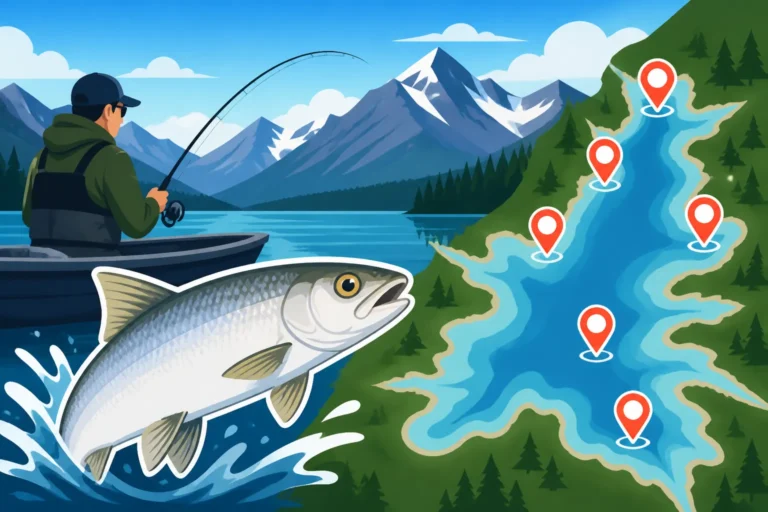
The Kootenays are defined by their unique hydrology. You have immense, deep glacial lakes like Kootenay Lake and the Arrow Lakes, which are essentially large, complex inland seas. These big waters present different challenges and opportunities than the swift-flowing rivers such as the Elk River or the tributaries of the Columbia. The temperature, clarity, and nutrient levels in these different water bodies all play a significant role in what fish species thrive where, and how you should approach them. For instance, the deep, cold waters of Kootenay Lake are perfect for growing massive Gerrard Rainbow Trout, while the shallower, more structured areas of Lake Koocanusa might hold smallmouth bass. Understanding these nuances is key to a successful trip, and it’s why many anglers find themselves pouring over detailed maps and local fishing reports before heading out. Knowing whether you're dealing with a large, deep system versus a smaller, more intimate river will dictate your gear, your approach, and ultimately, your success.
Iconic Fishing Destinations in the Kootenays
When people talk about fishing in the Kootenays, a few names immediately jump to mind. These are the legendary spots that have produced countless memories and, for many, the fish of a lifetime. However, beyond the famous names, there are also numerous hidden gems waiting to be discovered by the adventurous angler.
Kootenay Lake and its Legendary Gerrard Rainbows
Without a doubt, Kootenay Lake stands as one of British Columbia's premier freshwater fishing destinations, largely thanks to its world-famous Gerrard Rainbow Trout. These aren't just any rainbow trout; these are a unique strain that can grow to truly enormous sizes, often exceeding 20 pounds, making them an incredibly sought-after trophy. The lake itself is vast, stretching over 100 kilometers long, with deep, cold waters that provide the perfect habitat for these magnificent fish. Anglers primarily target Gerrards by trolling with downriggers, presenting large spoons, plugs, or bucktail flies at specific depths.
The best time to target these giants is typically in the spring and fall when they are most active. Beyond the Gerrards, Kootenay Lake also offers excellent fishing for kokanee salmon, which are landlocked sockeye salmon and a favourite prey for the big rainbows, as well as bull trout and the occasional whitefish. Fishing the north arm of Kootenay Lake, especially near the community of Kaslo, or the West Arm closer to Nelson, can be particularly productive. For more detailed insights, check out our comprehensive guide, "Kootenay Lake Fishing Guide". If you're planning a trip and need to line up a local expert, checking out guide services on platforms like FishingBooker can help you find someone experienced in navigating Kootenay Lake’s unique challenges and opportunities.
The Mighty Columbia River and its Tributaries
The Columbia River, one of North America's great waterways, flows right through the Kootenay region, offering a completely different but equally rewarding fishing experience. Here, you'll find strong populations of rainbow trout, bull trout, and cutthroat trout, particularly in the sections between the various dams (e.g., Castlegar to Trail, or above Revelstoke). The river's character changes dramatically along its length, from wide, slower sections to faster, more turbulent stretches. This means that both drift fishing from a boat and wading from shore can be effective, depending on the specific location.
Tributaries feeding into the Columbia, like the Kootenay River (below the lake) and smaller creeks, also provide exceptional opportunities, especially for those who enjoy fly fishing. These waters often hold wild, feisty fish eager to take a well-presented dry fly or nymph. The "Best Fishing Rivers in British Columbia" article provides broader context on why rivers like the Columbia are so vital to BC's fishing scene. When navigating the Columbia, always be mindful of current conditions and local regulations, which can change frequently.
Hidden Gems and Smaller Lakes
While Kootenay Lake and the Columbia get a lot of the spotlight, the Kootenay region is absolutely dotted with smaller lakes and reservoirs that offer fantastic, often less-pressured fishing.
- Arrow Lakes (Upper and Lower): These vast, deep reservoirs, formed by the Columbia River, hold abundant rainbow trout, bull trout, and even some walleye in their lower reaches. They offer similar trolling opportunities to Kootenay Lake but often with fewer crowds.
- Moyie Lake: Located south of Cranbrook, Moyie Lake is known for its kokanee, rainbow trout, and even burbot. It’s a popular spot for family fishing trips, offering easy access and a variety of species.
- Lake Koocanusa: Straddling the US border, this massive reservoir is a diverse fishery. It's one of the few places in BC where you can consistently catch smallmouth bass, alongside rainbow trout, kokanee, and even northern pike. It offers excellent opportunities for both boat and shore anglers.
- St. Mary's River: Near Kimberley, the St. Mary's River is a celebrated fly fishing destination, particularly for its healthy populations of rainbow and cutthroat trout. It's a classic freestone river, offering technical challenges and rewarding big catches for the skilled angler.
- Elk River: Further east, near Fernie, the Elk River is another world-class fly fishing river, famous for its abundant cutthroat trout and bull trout. It’s a stunning river to float or wade, with breathtaking mountain scenery. Our "Elk River Trout Fishing" cluster post is a great resource if you're planning a trip there.
These smaller venues often require a bit more local knowledge or exploration, but the rewards are well worth the effort. They provide a more intimate fishing experience, away from the hustle and bustle, where you can truly connect with the wilderness.
Species to Target and Tactics to Employ
Understanding what fish swim in the Kootenay waters and how best to catch them is paramount to a successful trip. This region is a true mixed bag, offering opportunities for both trophy hunters and those simply looking for a relaxing day on the water.
Chasing Trophy Rainbow Trout and Bull Trout
The Kootenays are undeniably famous for their trophy trout, particularly the Gerrard Rainbows of Kootenay Lake and the impressive Bull Trout found throughout many of the region's larger lakes and rivers.
- Gerrard Rainbow Trout: As mentioned, these giants are often caught trolling deep with downriggers. Common lures include large flasher-hoochie combinations, Kwikfish, or large spoons in patterns like purple haze, chartreuse, or even silver/blue. Speed and depth are crucial, and it often takes experimentation to find what the fish are keying on that day. These fish are powerful fighters, so a stout rod and reel with a good drag system are essential. Understanding the lake's thermocline and baitfish locations (primarily kokanee) is vital. For more on catching similar species, check out "How to Catch Rainbow Trout in BC Lakes".
- Bull Trout: These predatory fish are often found in the same waters as rainbow trout and kokanee, as they feed heavily on smaller fish. In rivers like the Elk or Columbia, they can be targeted with large streamers on fly gear or with spoons and minnow-imitating plugs on spin gear. In lakes, bull trout will often be found deeper, near structure or drop-offs, and respond well to trolling large spoons or even jigging lead jigs. You can learn more about "Bull Trout in BC's Interior Rivers" in our dedicated post. They are a protected species in some areas, so knowing the "BC Bag and Possession Limits by Species" is critical for responsible angling.
The Abundance of Kokanee and Other Panfish
While the big trout get a lot of attention, kokanee salmon are a staple fishery across many Kootenay lakes, including Kootenay Lake, Moyie Lake, and Lake Koocanusa. These landlocked sockeye are fantastic table fare and provide consistent action, making them perfect for family outings.
- Kokanee: Typically, kokanee are targeted by trolling with small dodgers or flashers paired with wedding rings, small spoons, or kokanee flies. They are very sensitive to colour, and pinks, reds, and oranges are often top producers. A small piece of scented corn on the hook can significantly increase your bite rate. They tend to school, so once you find them, you can often enjoy fast-paced action.
- Other Panfish: Lakes like Koocanusa also offer opportunities for smallmouth bass and perch. Smallmouth bass are aggressive fighters and can be caught on a variety of lures, including crankbaits, plastic worms, and jigs, particularly around rocky points and submerged timber. Perch are often found in weed beds and respond well to worms or small jigs.
Seasonal Considerations for Kootenay Fishing
Fishing in the Kootenays is a year-round affair, but the species you target and the methods you use will change dramatically with the seasons.
- Spring (April-June): This is prime time for trophy Gerrard rainbows on Kootenay Lake as they emerge from the deeper waters to feed actively. River fishing for rainbows, bull trout, and cutthroat also picks up as water levels stabilize after the spring runoff. "Best Time of Year to Fish in BC" provides a great overview of spring opportunities.
- Summer (July-August): While some rivers might be low and clear, presenting challenges, high-elevation lakes and the deeper parts of the larger lakes remain productive. Kokanee fishing is excellent, and bass fishing on Lake Koocanusa really heats up. Early mornings and late evenings are often the most productive times during the heat of summer.
- Fall (September-November): Another peak season, especially for big Gerrard rainbows on Kootenay Lake as they prepare for spawning. River fishing for bull trout and rainbows can be phenomenal as fish become more aggressive. The vibrant fall colours also add to the experience, making it a favorite for many.
- Winter (December-March): Ice fishing becomes popular on many smaller, accessible lakes like Moyie Lake for kokanee, rainbow trout, and burbot. Larger lakes that don't fully freeze over, like Kootenay Lake, still offer deep-water trolling opportunities for trophy trout. Always prioritize safety when ice fishing, ensuring ice thickness is adequate.
Essential Tips for a Successful Kootenay Fishing Trip
Preparation is key to maximizing your enjoyment and success when fishing in the Kootenay region. From understanding the rules to knowing who to call for local advice, these tips will help ensure your trip goes smoothly.
Navigating Regulations and Licensing
British Columbia has specific regulations for both freshwater and tidal waters, and the Kootenays fall under the extensive freshwater rules. Before you even think about casting a line, you need the appropriate license. For the Kootenay region, this means a BC Freshwater Fishing License. You might also need specific conservation stamps depending on what species you plan to retain, such as the "BC Rainbow Trout Conservation Surcharge Stamp" if you intend to keep certain rainbow trout.
It’s absolutely crucial to consult the current BC Freshwater Fishing Regulations Synopsis, available online or at license vendors. Regulations can vary widely from lake to lake and river to river, and they can change in-season due to conservation concerns. For example, some areas might be catch-and-release only, or have specific gear restrictions (e.g., single barbless hooks). Familiarize yourself with "BC Fishing Regulations Explained" and "BC Fishing Season Dates and Closures" to avoid any legal troubles. Remember, ignorance of the law is not an excuse, and penalties for non-compliance can be steep.
| Body of Water | Primary Target Species | Recommended Technique | Best Time of Year | Key Regulation Note |
|---|---|---|---|---|
| Kootenay Lake | Gerrard Rainbow, Kokanee, Bull Trout | Deep Trolling (downriggers), Jigging | Spring, Fall (Gerrard); Summer (Kokanee) | Special length limits for Gerrard Rainbows |
| Columbia River | Rainbow Trout, Bull Trout, Cutthroat | Drift Fishing, Fly Fishing (streamers/nymphs) | Spring, Fall, Early Summer | Check specific sections for closures/restrictions |
| Elk River | Cutthroat Trout, Bull Trout | Fly Fishing (dry flies, nymphs, streamers) | Summer, Fall | Often single barbless hook, catch & release focus |
| Moyie Lake | Kokanee, Rainbow Trout, Burbot | Trolling (small gear), Ice Fishing (winter) | Summer, Winter | General freshwater regulations apply |
| Lake Koocanusa | Smallmouth Bass, Rainbow, Kokanee, Pike | Spin Casting (lures), Trolling, Fly Fishing | Summer (Bass); Spring, Fall (Trout) | Check for invasive species rules (e.g., boat cleaning) |
Hiring a Local Guide or Charter
While exploring on your own is part of the adventure, for truly maximizing your time and increasing your chances of success, especially on larger, complex waters like Kootenay Lake or the Columbia River, consider hiring a local guide or charter. These professionals live and breathe Kootenay fishing; they know the current hot spots, the right depths, the productive lures, and the ever-changing regulations.
A guided trip can dramatically shorten your learning curve and get you onto fish faster. They provide the right gear, safe transportation, and invaluable local insight. If you’re visiting from out of province or country, they’re particularly beneficial as they can explain nuances of the fishery and local etiquette. Websites like FishingBooker are excellent resources for finding reputable, licensed guides and charters in the Kootenay region. Just specify "Nelson" or "Kaslo" or "Castlegar" as your location, and you'll find a list of operators. Make sure to discuss what’s included (gear, bait, fish cleaning) and verify their licensing before booking. Our article "How to Choose a BC Fishing Charter" offers more guidance on this decision.
Gear Recommendations for Kootenay Waters
The gear you bring will depend heavily on what you plan to target and where. However, here are some general recommendations:
- Rods & Reels: For general lake fishing (kokanee, smaller rainbows), a medium-light spinning rod (6-7 ft) with a 2000-3000 series reel spooled with 6-8 lb test is versatile. For larger trout or bull trout on lakes, a medium-heavy baitcasting or spinning rod (7-8.5 ft) with a 4000-5000 series reel and 10-20 lb braided line (with a fluorocarbon leader) is advisable. For river fly fishing, a 5- or 6-weight rod for trout and an 8-weight for bull trout is a good starting point.
- Lures & Baits: Pack a variety. Spoons (like Gibbs Delta, Lucky Craft, or Luhr Jensen), plugs (Kwikfish, Flatfish), and bucktail flies are essential for trolling. For rivers, various nymph patterns, dry flies (depending on hatches), and streamers are key for fly anglers. Spinners, jigs, and soft plastics are great for bass and smaller trout in lakes and slower river sections. Don't forget scented corn for kokanee!
- Accessories: A good landing net is crucial, especially for larger fish. Pliers for hook removal, a small first-aid kit, sun protection (hat, sunglasses, sunscreen), bug spray, and layered clothing are all necessities. A reliable cooler for keeping your catch fresh is also a must. If you're wading, good quality waders and wading boots with felt or rubber soles are important for safety and comfort in slippery riverbeds.
Staying flexible and observing local conditions will always be your best bet. The Kootenays are a magical place to fish, offering both incredible challenges and unforgettable rewards for those who come prepared.
Disclaimer
Fishing regulations and conditions in British Columbia can change frequently. Always consult the official BC Freshwater Fishing Regulations Synopsis and local fishery notices before heading out. This guide is for informational purposes only and should not replace official sources.