Best winter fishing spots in BC
Many anglers hang up their rods once the crisp autumn air turns truly cold, believing that fishing in British Columbia is purely a fair-weather sport. But let me tell you, that couldn't be further from the truth! Battling the elements and finding success during the colder months can be incredibly rewarding, offering a unique sense of peace and often some truly exceptional catches. This guide is all about shedding light on the best winter fishing spots in BC, ensuring you know exactly where to cast your line when the snow starts to fall or the fog rolls in.
Embracing the Chill: Why Winter Fishing in BC is Worth It
I get it, the thought of standing by a river with frosty breath or jigging on a frozen lake might not immediately scream "relaxing vacation." But for those of us who truly love fishing, winter offers a distinct kind of magic that the busier summer months simply can't compete with. It’s a completely different rhythm, a different challenge, and honestly, often a different caliber of fish.
The Unique Appeal of Winter Angling
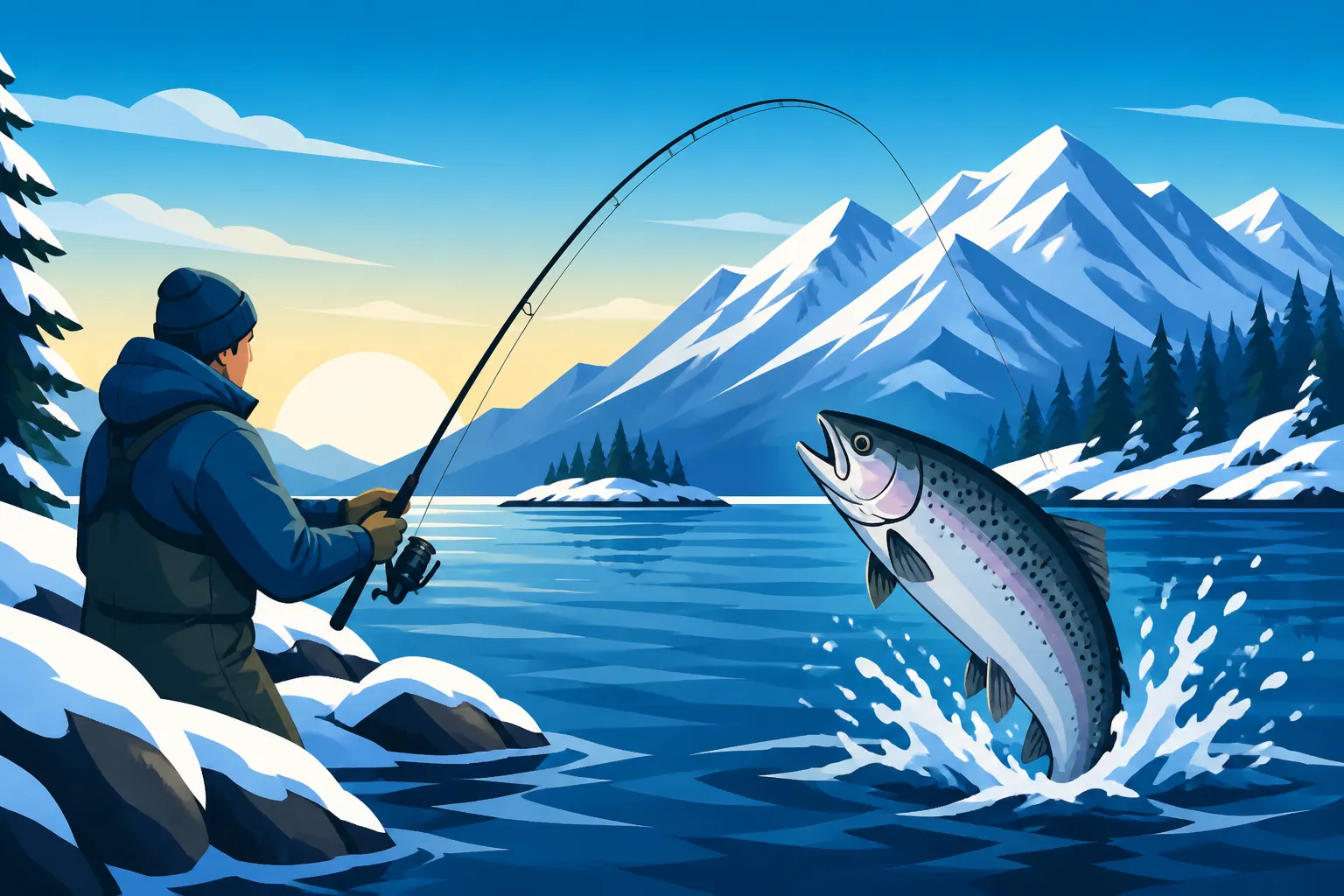
One of the biggest draws of winter fishing is the sheer tranquility. Picture this: you're on a pristine river, the banks dusted with snow, the only sounds being the gentle flow of water and the occasional call of a bird. The crowds are gone, the popular summer spots are often empty, and you have the river or lake almost entirely to yourself. This solitude isn't just peaceful; it often means less pressured fish. When fewer anglers are constantly disturbing the waters, the fish can be more inclined to feed, making your chances for a successful outing even better.
Beyond the peace and quiet, winter fishing in BC often targets some of our most prized species when they are at their prime. Think about the powerful winter steelhead, migrating upstream in their silvery glory, or the plump, hard-fighting rainbow trout that are often more active under the ice or in cold lake waters. These fish are in excellent condition, often having gained weight, and they put up an incredible fight in the colder water. There’s a raw, elemental satisfaction in outsmarting a fish when the conditions are challenging, and it makes that hot coffee taste even better.
Overcoming Winter Challenges
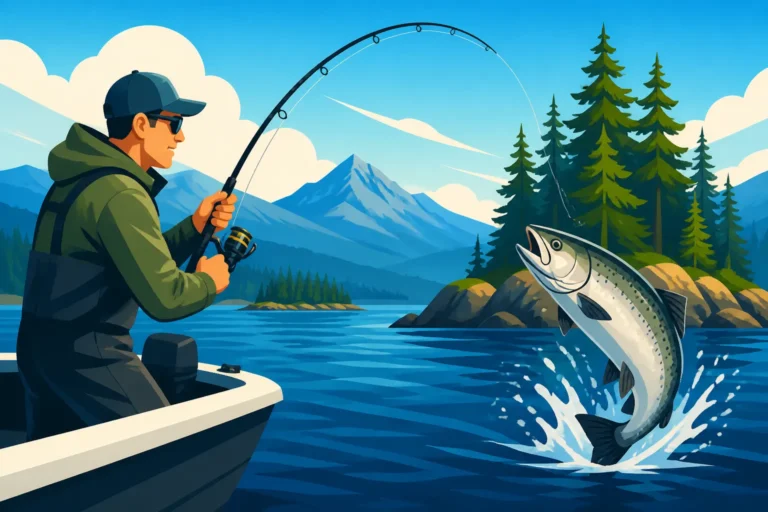
Now, let's be realistic: winter fishing comes with its own set of hurdles. The weather, naturally, is the biggest one. From biting winds and freezing temperatures to heavy snowfall and icy conditions, you need to be prepared. This isn't the time for a quick run-and-gun trip with minimal gear. Proper layering is non-negotiable to stay warm and dry, and investing in good quality waterproof and insulated clothing will make all the difference. Imagine being out on a boat near the mouth of the Squamish River, a light snow falling, but you're toasty warm and focused solely on your line – that's the goal!
Safety is also paramount. Ice fishing, for example, requires absolute diligence about ice thickness and conditions. Rivers can be high and swift with snowmelt or heavy rains, making wading treacherous. Marine conditions on the coast can turn rough quickly, so checking forecasts and having proper safety gear is critical. It’s not just about the gear you wear, but the gear you carry—things like ice picks, a throw rope, a first-aid kit, and always letting someone know your plans. While the challenges are real, they are entirely manageable with the right preparation and a healthy respect for Mother Nature.
Top Winter Fishing Destinations Across BC
British Columbia is a vast province, and its winter fishing opportunities are just as diverse. From the rugged coastal inlets to the frozen interior lakes, there’s a spot for every type of winter angler, each offering its own unique flavor of cold-weather adventure.
Coastal Gems for Salmon and Steelhead
When most people think of BC fishing, salmon and steelhead often come to mind, and winter doesn't disappoint for these iconic species. The coastal rivers are where the real action often lies.
One of the absolute standout locations for winter steelhead is the Squamish River system. Starting typically in late November and running through March or even April, these beautiful fish migrate up the Squamish and its tributaries. It's a challenging fishery, requiring dedication and often a willingness to brave some chilly conditions, but the reward of a powerful, chrome-bright steelhead is unparalleled. Anglers often employ drift fishing or fly fishing techniques, swinging flies or drifting jigs and bait through the runs and pools. Remember, respecting wild steelhead and practicing proper catch and release is vital here. If you're looking for guidance, plenty of reputable local guides specialize in the Squamish, and you can often find them through services like FishingBooker, who can help connect you with experienced professionals who know these waters like the back of their hand.
Further south on Vancouver Island, the Cowichan River is another phenomenal winter fishery. Known for its strong runs of both winter steelhead and coho salmon, particularly in the earlier winter months, it's a river that offers diverse opportunities. The river's mild climate often means more comfortable fishing than some other northern spots, making it a favorite for many. You'll find anglers using a variety of methods, from gear fishing with floats and jigs to fly fishing with traditional steelhead patterns. Always consult the specific BC Fishing Regulations Explained for the Cowichan, as it often has special restrictions and areas, like "BC Chinook Salmon Non-Retention Areas" to protect vulnerable stocks.
For those interested in tidal waters, some of the sheltered inlets and sounds along the coast can still produce winter salmon. While the massive summer runs are over, resident Chinook and Coho can often be found, especially around baitfish schools. Areas around Nanaimo, Victoria, and even some parts of the Sunshine Coast can offer opportunities for hardy boat anglers. Often, fishing structures, drop-offs, and current seams can be productive. The key is finding the bait.
Interior Lakes for Trout and Kokanee
Venturing inland, BC’s vast network of lakes transforms into a winter playground, especially for ice anglers. The Cariboo and Okanagan regions are particularly renowned for their hardwater opportunities.
Okanagan Lake, while massive, offers some fantastic winter fishing, particularly for burbot, a unique freshwater cod species that becomes active in the cold. But for many, the smaller, shallower lakes in the surrounding areas and further north in the Cariboo are the real gems for ice fishing. Lakes like Bridge Lake, Lac la Hache, and dozens of others are regularly stocked with rainbow trout, and they provide excellent action through the ice. "Rainbow Trout Fishing in BC" is a popular pursuit here, with anglers jigging small spoons, lures, or bait like maggots or mealworms. It’s incredibly family-friendly, too, as setting up a shelter and fishing in comfort can be a truly enjoyable way to spend a winter day. Always ensure you check the local ice conditions, as safety is paramount when venturing onto frozen bodies of water.
Then there are the kokanee, the landlocked sockeye salmon, which offer a spirited fight on light tackle. While Okanagan Lake is famous for its kokanee, many smaller lakes throughout the interior hold healthy populations that can be targeted through the ice. "How to Catch Kokanee in BC" involves using small jigs, spoons, or even corn on a hook, often tipped with a maggot, fished just off the bottom or suspended in the water column. The sight of a bright red kokanee coming through the ice is always a treat! Checking specific regulations for each lake is essential, as some have unique retention rules or bait restrictions. For those new to ice fishing or looking for specific knowledge on a lake, connecting with a local guide through platforms like FishingBooker can provide invaluable insights and ensure a safe, productive trip.
The Mighty Fraser for Sturgeon
No discussion of BC fishing, even in winter, is complete without mentioning the white sturgeon of the Fraser River. While the peak season is definitely summer and fall, these incredible prehistoric fish are present year-round. Winter sturgeon fishing is a more subdued affair, often targeting the larger, slower pools of the Lower Fraser River. It requires patience and heavy tackle, but the chance of hooking into a true monster – some reaching over 10 feet in length – is always there.
The "White Sturgeon Fishing on the Fraser River" is strictly catch-and-release, with a strong emphasis on proper handling to ensure these magnificent creatures thrive. Guides who specialize in winter sturgeon fishing are invaluable, as they know the deep holes and winter holding patterns of these fish. They also have the specialized gear and expertise for safe handling. While the action might be slower than in warmer months, the peace and quiet of the winter river, combined with the potential for a truly monumental catch, make it an unforgettable experience. Remember, the "BC Fraser River Sturgeon Catch and Release Requirement" is a rule to live by, and handling these fish with extreme care is not just regulation, it’s a privilege.
Essential Gear and Safety for Winter Angling
Don't let the beauty of a snowy landscape distract you from the practicalities of winter fishing. Being prepared with the right gear and knowledge is the difference between a memorable adventure and a miserable, potentially dangerous, outing.
Dressing for Success: Layering and Warmth
This isn't just a suggestion; it's the golden rule of winter outdoor activity in BC. Forget cotton next to your skin – it absorbs moisture and will make you cold the moment you stop moving. Start with a good synthetic or merino wool base layer to wick away sweat. On top of that, build with insulating layers: fleece, down, or synthetic puffy jackets work wonders. For your outer layer, you need something fully waterproof and windproof, whether it's high-quality waders for river fishing or a stout jacket and bib pants for boat or ice fishing. Think brands like Simms, Columbia, or Helly Hansen for reliable outerwear.
Don't forget the extremities! A warm hat that covers your ears is critical, as is a neck gaiter or scarf. Gloves are a bit trickier for fishing, as you need dexterity. Many anglers opt for fingerless gloves with a fold-over mitt, or separate thin liners under thicker waterproof gloves. For your feet, waterproof, insulated boots are a must, paired with good wool or synthetic socks. Bring extra socks, too, just in case. Trust me, there's nothing worse than cold, wet feet when you're trying to enjoy a beautiful day on the water.
Must-Have Safety Equipment
Safety in winter takes on added importance. For ice fishing, you absolutely need ice picks around your neck, a spud bar or auger to check ice thickness as you go, and a throw rope. Never venture out alone, and always tell someone where you're going and when you expect to return. Consider a personal flotation device (PFD) even on the ice, especially if you're fishing near open water or questionable ice.
For river and boat fishing, always wear a PFD. Cold water immersion is a serious danger, and even strong swimmers can be quickly incapacitated. A proper PFD gives you crucial minutes. If you're on a boat, ensure all required marine safety equipment is on board and in good working order. A marine radio, flare kit, and a well-stocked first-aid kit are non-negotiables. And don't underestimate the power of a thermos filled with hot coffee, tea, or soup – it can be a real morale booster and a vital source of warmth.
Tackle Adjustments for Cold Water
Fish, like us, become a bit more lethargic in cold water. This means your approach to tackle often needs to change.
- Lighter Lines: In clear winter waters, fish can be more line-shy. Many anglers switch to lighter fluorocarbon leaders for increased stealth.
- Sensitive Rods: Detecting subtle bites when fish are less aggressive requires a sensitive rod. Graphite rods with fast actions are excellent for transmitting those light taps.
- Slower Presentations: Often, fish won't chase a fast-moving lure in cold water. Slower drifts, gentle jigging, or even static bait presentations can be more effective.
- Smaller Baits/Lures: Sometimes, downsizing your offerings to small jigs, beads, or natural baits like roe or worms can tempt a reluctant fish. For fly anglers, smaller, more subtle nymph patterns or slowly swung streamers can be key.
Understanding the unique behavior of fish in cold water and adapting your gear and technique accordingly is a big part of "How to Catch Steelhead in BC" or any other winter species.
| Fishing Spot | Primary Species | Recommended Winter Techniques | Key Gear Considerations |
|---|---|---|---|
| Squamish River | Winter Steelhead | Drift fishing (jigs, bait), Fly swinging | 10-12ft drift rod or 7-9wt spey rod, strong waders, stud boots |
| Cowichan River | Winter Steelhead, Coho | Float fishing, Fly fishing (nymphs/streamers) | Medium-heavy spinning rod or 7-8wt fly rod, polarized glasses |
| Okanagan/Cariboo Lakes | Rainbow Trout, Kokanee, Burbot | Ice jigging (spoons, small jigs), Bait fishing | Ice auger, short ice rod, portable shelter, warm insulated boots |
| Lower Fraser River | White Sturgeon | Bottom fishing (roe, eulachon) | Heavy-duty boat rod, strong reel, 100lb+ braided line, PFD |
Planning Your Winter Fishing Trip in BC
A successful winter fishing trip isn't just about showing up with a rod; it's about meticulous planning. From understanding the rules to securing a skilled guide, a little foresight goes a long way.
Checking Regulations and Conditions
This is perhaps the most critical step for any angler in BC, but especially so in winter. Regulations can change quickly and often, particularly for sensitive species like salmon and steelhead. Always consult the official BC Freshwater Fishing Regulations Synopsis or the Department of Fisheries and Oceans (DFO) website for tidal water regulations. Pay close attention to "BC Fishery Notices and In-Season Closures, Explained," as these updates can determine if a river is even open for fishing, what tackle you can use, or if retention is allowed. For instance, sections of the Fraser River might have specific closures for sockeye or chum, even if you’re targeting sturgeon.
Beyond regulations, monitoring environmental conditions is paramount. For rivers, check water levels and clarity, which can fluctuate wildly with winter rains or snowmelt. Websites like Water Survey of Canada provide real-time streamflow data. For ice fishing, never rely on outdated information; check with local tackle shops, guiding services, or reputable online forums for current ice thickness reports. A quick call to a local marina or tackle shop is always a good idea before heading out to assess conditions and get local insights.
Booking Guides and Accommodations
While the crowds thin out in winter, popular guides, especially for coveted winter steelhead runs or specialized sturgeon trips, can still book up. If you're planning a trip to the Skeena system for trophy steelhead or want to tackle the Fraser for sturgeon, booking a guide well in advance is highly recommended. These professionals provide not only expertise but also crucial safety equipment, local knowledge, and often heated boats or comfortable transport, making the experience much more enjoyable.
Services like FishingBooker are excellent for finding and booking guides across BC, from the coast to the interior. You can browse different guides, compare their specialties (e.g., fly fishing for steelhead versus gear fishing for salmon), check reviews, and see what they offer for winter trips. Many lodges and accommodations also offer special winter rates, or cater specifically to the hardy winter angler, providing amenities like drying rooms for wet gear. Don't assume everything is open; always confirm operating hours and availability, especially in more remote areas. A little planning ensures you have a warm, dry place to return to after a day battling the elements and some incredible BC fish.
Disclaimer
Please be aware that fishing regulations in British Columbia are subject to change without notice. It is your sole responsibility to check the latest regulations, fishery notices, and local conditions (including ice thickness and river levels) before heading out on any fishing trip. The information provided in this guide is for general informational purposes only and does not constitute legal advice or an endorsement of any specific fishing practice that may violate current regulations. Always prioritize safety and practice responsible angling.