Barkley Sound Salmon Fishing
For many anglers, the dream of hooking into a powerful Pacific salmon in British Columbia is a deep-seated one, but figuring out where to go can feel overwhelming with so much stunning coastline. Between the countless islands, inlets, and open water stretches, pinpointing the perfect spot to chase these incredible fish can be a real head-scratcher. This guide is here to untangle that mystery, focusing specifically on Barkley Sound – a true gem on Vancouver Island's west coast – and helping you plan an unforgettable salmon fishing adventure.
The Allure of Barkley Sound for Salmon Anglers
Barkley Sound isn't just another beautiful stretch of BC coastline; it's a legendary destination for salmon fishing, known for its consistent action and the sheer size of the fish it produces. If you've ever found yourself scrolling through images of anglers battling massive Chinook or acrobatic Coho against a backdrop of rugged islands, chances are many of those photos were taken right here.
Why Barkley Sound Stands Out
What makes Barkley Sound such a magnet for salmon, and by extension, for anglers? It really comes down to a perfect storm of geographical features and nutrient-rich waters. The Sound acts as a crucial staging area and feeding ground for Pacific salmon making their way to natal rivers all along the west coast of Vancouver Island, and even further up into the mainland rivers. It's an intricate maze of islands, reefs, and passages, all creating diverse habitats where baitfish thrive.
Imagine a giant underwater buffet, constantly replenished by ocean currents and sheltered from the harshest Pacific swells by a barrier of outer islands. This protection means more consistent fishing conditions than some of the truly exposed offshore areas. Furthermore, the Sound is a veritable crossroads for various salmon runs, meaning you often have opportunities for different species throughout the season, which certainly keeps things interesting. It’s a dynamic ecosystem where the big ones come to feed before their final push upstream, and that’s precisely why it's so appealing.
A Salmon Hotspot on Vancouver Island's West Coast
Geographically, Barkley Sound is nestled on the west side of Vancouver Island, forming a significant indentation in the coastline between Ucluelet and Bamfield. It’s essentially a large, deeply indented body of water, studded with over a hundred small islands, which are part of the Broken Group Islands within Pacific Rim National Park Reserve. This unique topography offers anglers a fantastic mix of sheltered inshore waters, productive passages, and access to more open, offshore feeding grounds without having to brave the truly exposed ocean every day.
The deep, clear waters are influenced by the nutrient-rich currents of the Pacific Ocean, drawing in immense schools of baitfish like herring and anchovies. These baitfish are, in turn, the primary food source for migrating salmon. When you combine abundant food with ideal holding structure and numerous migratory paths, you’ve got a recipe for a world-class fishery. Anglers often launch from nearby communities like Ucluelet, which sits right at the northern entrance, or Bamfield to the south, gaining immediate access to some of the most productive salmon grounds in British Columbia. For those exploring more of the island's angling opportunities, Barkley Sound is a key part of any comprehensive Vancouver Island Fishing Guide.
Understanding Barkley Sound's Salmon Species and Seasons
One of the great joys of fishing in Barkley Sound is the variety of salmon species you can encounter. While two species typically dominate the sportfishing scene, knowing when and where to target each can significantly increase your chances of a successful outing. Each salmon has its own personality, fight, and preferred feeding habits, making for a truly diverse angling experience.
Chinook Salmon The Kings of Barkley Sound
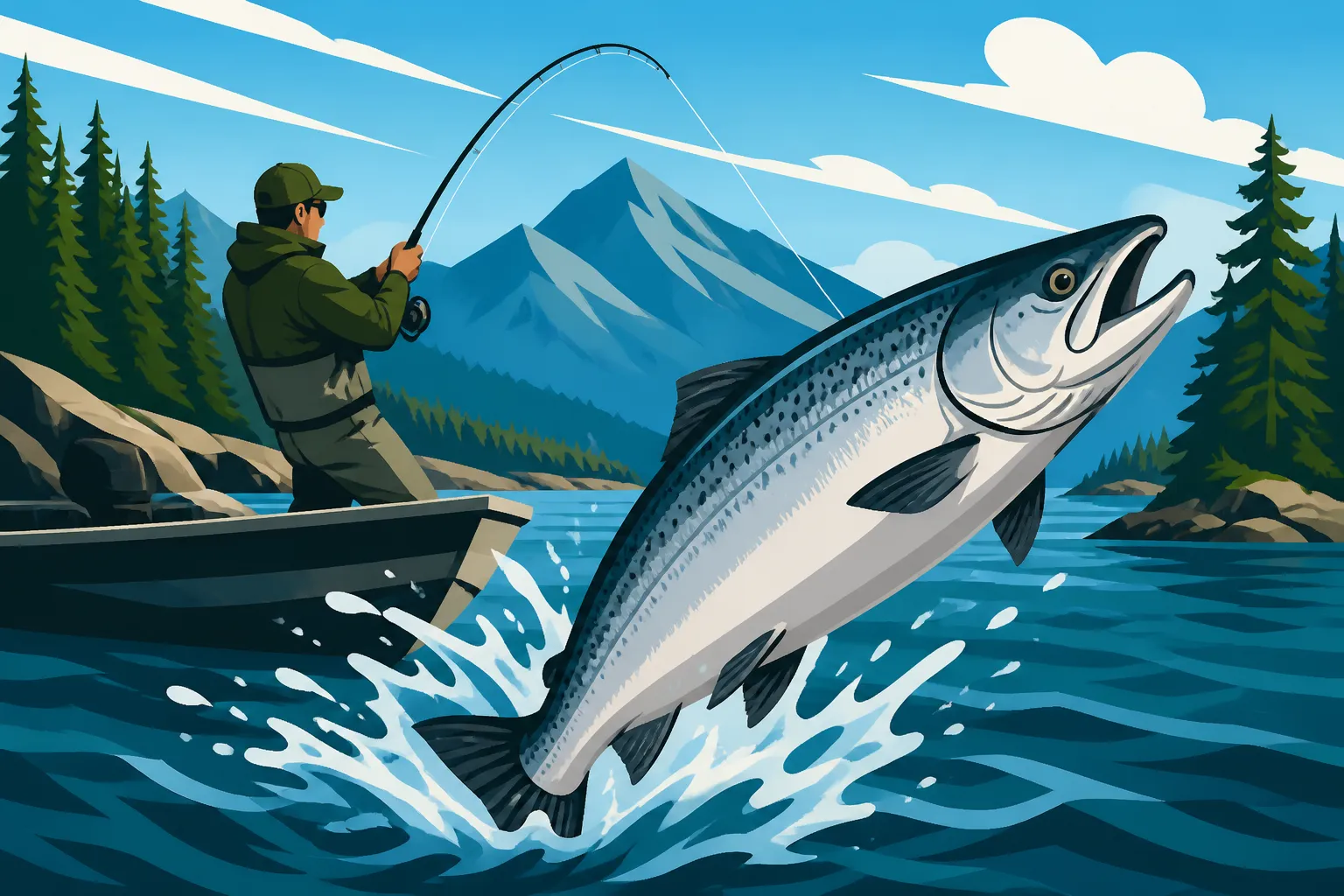
Ah, the Chinook – often called "Kings" or "Springs" – and for good reason! These are the largest and most sought-after of the Pacific salmon species, and Barkley Sound is renowned for producing some truly massive ones. Hooking into a 30-pound Chinook, or even a smaller "feeder" Chinook in the 10-20 pound range, is an unforgettable experience. They are powerful, deep-diving fighters that will test your tackle and your stamina.
In Barkley Sound, you'll find Chinook salmon virtually year-round, but their presence peaks during specific seasons. "Feeder" Chinook, which are non-spawning fish actively gorging on baitfish, can be targeted through the winter and spring. These fish are generally smaller but offer fantastic eating and a lively fight. However, the true glory of Barkley Sound Chinook fishing arrives from late spring through early fall, typically from May into September. This is when the mature, ocean-run Chinook, some destined for distant rivers, gather to feed heavily before beginning their spawning migrations. This period sees the largest fish, often referred to as "trophy" Chinook, making their way through the Sound. For a deeper dive into targeting these magnificent fish, check out our guide on Chinook Salmon Fishing in BC.
Coho Salmon The Acrobatics of the Sound
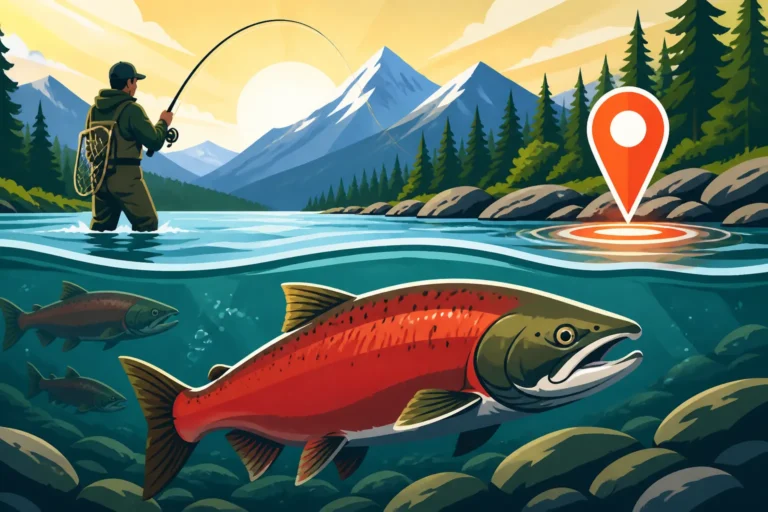
If Chinook are the powerful wrestlers of the salmon world, Coho salmon – often called "Silvers" – are the acrobats. While they don't reach the same titanic sizes as Chinook, Coho offer an incredibly exciting fight, often leaping clear out of the water multiple times and making blistering runs. They are aggressive biters and can be found in large schools, making for fast-paced action when you find them.
Coho salmon typically start showing up in good numbers in Barkley Sound by early summer, usually June, and their runs continue strongly through July, August, and into September. As the season progresses into late summer and early fall, these fish can become incredibly abundant, particularly as they stage closer to their natal streams. They tend to be found higher in the water column than Chinook, often feeding on baitfish near the surface. This makes them a prime target for different trolling depths and even some exciting surface fishing. Their energetic nature makes them a favorite for many anglers, adding a thrilling dimension to any fishing trip. For those keen to learn more about these energetic fish, our article on Coho Salmon Fishing in BC offers plenty of insights.
Other Pacific Salmon in Barkley Sound
While Chinook and Coho dominate the sportfishing agenda in Barkley Sound, it’s worth remembering that British Columbia is home to all five species of Pacific salmon. During certain times of the year, especially as specific runs pass through, you might encounter other species, though they are generally not the primary targets for sport anglers in this specific location.
- Pink Salmon: Known for their distinct humped backs (in males) during spawning, Pink salmon are the smallest and most numerous of the Pacific salmon. They typically run on odd-numbered years (e.g., 2025, 2027), usually from late July through September. While often not targeted by serious sport anglers due to their smaller size and softer flesh, they can provide incredible light-tackle action during their abundance.
- Chum Salmon: Also known as Dog salmon, Chums are powerful fighters but are generally less esteemed for their eating quality compared to Chinook or Coho, especially as they get closer to spawning. They typically appear from late summer into fall (August to October).
- Sockeye Salmon: While huge runs of Sockeye migrate through BC waters, particularly the Fraser River system, they are generally not a common sportfishing target in Barkley Sound. Sockeye feed primarily on plankton, making them difficult to catch on traditional lures or bait. However, during large migration years, you might see them passing through, typically in late summer.
Understanding the timing of these different species runs is crucial for planning your trip, and keeping an eye on the BC Fishing Season Dates and Closures will always give you the most up-to-date information.
| Salmon Species | Primary Season in Barkley Sound | Common Techniques | Average Size (lbs) | Fight Characteristics |
|---|---|---|---|---|
| Chinook (King/Spring) | May – September (Peak July/Aug) | Trolling, Mooching | 10-30 (up to 50+) | Deep dives, powerful runs |
| Coho (Silver) | June – September (Peak July/Aug) | Trolling, Mooching, Fly Fishing | 5-15 (up to 20) | Acrobatic jumps, fast runs |
| Pink (Humpy) | Late July – September (Odd Years) | Trolling, Spin Casting | 3-8 | Energetic, good light tackle |
| Chum (Dog) | August – October | Trolling, Spin Casting | 10-25 | Powerful, bulldog fight |
| Sockeye (Red) | Late July – August | Specialized gear (less common) | 4-10 | Strong, but rarely targeted |
Prime Barkley Sound Salmon Fishing Techniques
Fishing for salmon in Barkley Sound involves a variety of techniques, each suited to different conditions, target species, and even individual angler preferences. Whether you prefer the steady rhythm of trolling or the more interactive approach of mooching, there’s a method that will get you hooked.
Trolling for Success in Open Waters
Trolling is arguably the most popular and effective method for targeting salmon in Barkley Sound, especially for covering large areas and finding active fish. It involves dragging lures or bait behind a boat, typically at a slow speed, to imitate natural prey. The key to successful trolling here lies in presentation, depth, and speed.
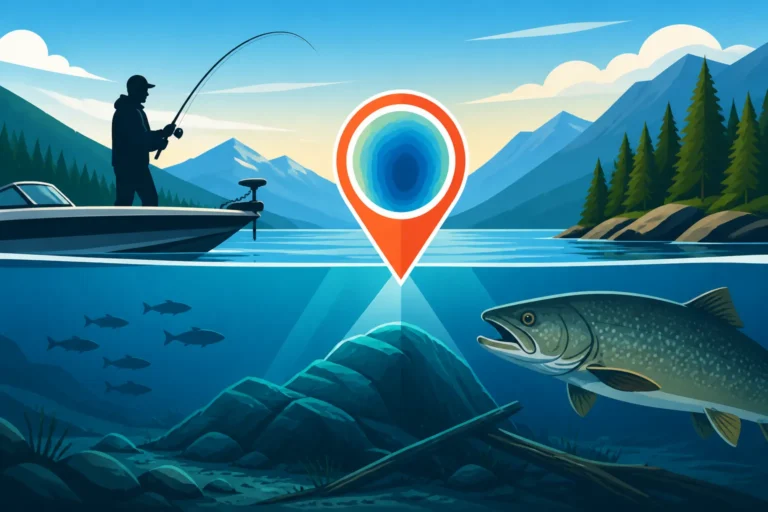
Most serious salmon anglers use downriggers to precisely control the depth of their lures. Chinook often feed deeper, sometimes from 50 to 150 feet or more, while Coho tend to be shallower, often in the top 50 feet. Spoons are incredibly effective, with popular choices including those from local brands like Gibbs Delta, or Coyote spoons in various sizes and finishes. Hootchies (squid skirts) in green, blue, or purple, often paired with a flasher, are also deadly, particularly for Coho. For bait, cut-plug herring or anchovies trolled behind a flasher can be irresistible to both Chinook and Coho. Pay close attention to your electronics (fish finder/sonar) to locate bait balls and schools of salmon, and adjust your depths accordingly. Varying your speed and making S-turns can also trigger strikes as your lure speeds up and slows down, mimicking an injured baitfish. For more detailed insights into effective presentations, our guide on Salmon Fishing Techniques for BC Rivers provides excellent foundational knowledge applicable to tidal waters as well.
Mooching and Anchoring for Resident Fish
While trolling is excellent for covering ground, mooching and anchoring offer a more hands-on and often thrilling way to fish, especially for resident or staging salmon in specific areas.
Mooching: This technique is a local favorite, particularly effective for Chinook and Coho that are congregating around structure or feeding in specific current lanes. It involves drifting with the current, typically using a cut-plug herring or anchovy, weighted to sink slowly. The rod tip is held low, and the angler 'mooches' or retrieves line with a slow, sweeping motion, then lets it fall again, creating an enticing, injured baitfish presentation. This method allows you to feel every bump and bite, making for an incredibly engaging fishing experience. Mooching is often done in spots like "The Alley" or around the Pinkerton Islands, where salmon are known to hold.
Anchoring: In areas with strong currents or known feeding grounds, anchoring can be highly effective. Anglers will drop anchor in a strategic location – often near a drop-off, kelp bed, or reef – and fish vertically with bait, jigs, or mooched herring. This allows you to thoroughly work a productive spot without drifting past it too quickly. It's a patient game, but when a school of feeding salmon moves in, the action can be furious. This technique is also sometimes employed when targeting bottom fish in Barkley Sound, but for salmon, it’s about presenting your offering right in their feeding zone.
Fly Fishing Opportunities
While Barkley Sound is primarily known for its boat-based trolling and mooching, fly fishing can offer a unique and exhilarating challenge, especially for Coho salmon. Fly fishing is typically most successful closer to shore, in estuaries, river mouths, or shallower bays where Coho gather to feed on small baitfish or insects.
Anglers targeting Coho with a fly rod usually employ a fast-sinking line or an intermediate line, paired with a streamer pattern that imitates small baitfish or even krill. Popular patterns include Clouser Minnows, Deceivers, or even larger Intruder-style flies in various shades of green, blue, and white. The key is to find schools of Coho actively feeding near the surface or just below. Often, you'll spot them breaching or see baitfish scattering, signaling their presence. Casting into these feeding frenzies and stripping your fly back with varying retrieves can trigger aggressive strikes. It's not the primary method for most Barkley Sound salmon trips, but for the dedicated fly angler, it offers a truly rewarding, sight-fishing experience, particularly during the late summer and early fall Coho runs.
Navigating Barkley Sound: Access and Charters
Barkley Sound is a vast and intricate waterway, which means getting around and knowing where to fish can be a bit of a challenge, especially for those unfamiliar with the area. Luckily, there are excellent options for both independent anglers and those who prefer the expertise of a local guide.
Launching Your Own Boat
For experienced boaters, launching your own vessel and exploring Barkley Sound offers immense freedom. The primary access points are Ucluelet at the northern end and Bamfield to the south.
- Ucluelet: This vibrant fishing village boasts excellent marina facilities, including several public and private boat launches. You'll find fuel, bait, tackle shops, and marine services readily available. From Ucluelet, you have immediate access to the more exposed outer edges of Barkley Sound, including areas known for Chinook migration routes, as well as the Broken Group Islands.
- Port Alberni: While Port Alberni isn't directly in Barkley Sound, it sits at the head of the Alberni Inlet, which leads directly into the Sound. Many anglers prefer launching from here, especially if they plan to fish the Alberni Inlet first or access the eastern parts of the Sound. It's a slightly longer run to the main salmon hotspots, but provides another convenient option.
- Bamfield: A charming, more remote community located further south on the edge of the Sound, Bamfield offers a quieter access point. It's perfect for those wanting to explore the southern and eastern reaches of the Sound and the myriad islands. Facilities here are more limited than Ucluelet but provide essential services.
Navigating Barkley Sound requires a good understanding of marine charts, tides, and weather. The numerous islands and reefs can create complex currents and hazards. Always carry reliable navigation equipment (GPS, charts), maintain proper safety gear, and check marine forecasts diligently. For anyone operating a boat in BC waters, understanding BC Boating Laws for Anglers is absolutely essential to ensure a safe and legal outing.
The Advantage of Guided Charters
For many, especially those new to Barkley Sound or BC salmon fishing in general, booking a guided charter is an invaluable option. A local guide brings years, often decades, of experience and intimate knowledge of the Sound's ever-changing conditions, salmon movements, and productive hotspots.
Charter captains know precisely where the fish are biting, what depth they're at, and what lures or bait they're hitting. They have top-notch gear, safe and comfortable boats, and handle all the challenging aspects of navigation and regulation interpretation. This means you can focus purely on the thrill of fishing. Many guides operate out of Ucluelet, which is a prime hub for sportfishing on the west coast. When you book a charter, you're not just paying for a boat; you're investing in expertise, local knowledge, and an optimized chance for success. If you're considering this route, services like FishingBooker can be a fantastic resource for finding reputable guides and comparing options directly from Ucluelet or other local ports, making it easy to see what's available and book your trip.
Choosing the right charter means considering factors like group size, target species, and trip duration. Many charters offer half-day and full-day options. Our guide on How to Choose a a BC Fishing Charter can help you narrow down your choices and ensure you pick a professional operator who matches your fishing style. For a more direct focus on this area, you might also be interested in specific guides about Barkley Sound Sportfishing Charter Trips.
Popular Fishing Zones and Hotspots
Barkley Sound is dotted with countless productive fishing zones, but a few areas consistently stand out for salmon. Local guides are experts at hitting these spots at the right time, but for independent anglers, knowing these names can give you a head start:
- The Alley: Located between the eastern shore of Beg Island and the mainland, this narrow passage is a renowned Chinook hotspot, particularly during major migrations. The strong currents here concentrate baitfish and salmon.
- Pinkerton Islands: This cluster of islands near the entrance to the Sound offers varied structure and deep water, making it excellent for both trolling and mooching. Chinook and Coho often stage around these islands.
- Swale Rock: An exposed rock formation that acts as an underwater beacon for baitfish and salmon. It's a classic trolling ground for Chinook, but can be bumpy on windy days.
- Long Beach/Locker Island: Closer to Ucluelet, these areas offer good opportunities, especially for Coho and migrating Chinook moving along the coastline.
- Outer Banks: Further out towards the open ocean, spots like the South Bank or Wreck Bay can hold immense schools of feeding Chinook, though these require calmer weather and a more robust boat.
Remember, fish move! A hotspot one day might be quiet the next. The best approach is to observe what other boats are doing, read fishery notices, and adjust your strategy based on current conditions and your fish finder.
Essential Gear and Regulations for Barkley Sound
Preparing for a salmon fishing trip to Barkley Sound involves more than just picking a date and a spot; it also means having the right gear and, crucially, understanding and adhering to British Columbia's fishing regulations. Getting caught unprepared can lead to disappointment or, worse, penalties.
Recommended Tackle for Salmon
Having the right tackle is paramount for effectively fighting and landing a powerful Pacific salmon. While guides will provide everything on a charter, if you're bringing your own gear or rigging your boat, here's what you'll need:
- Rods: For trolling, a medium-heavy to heavy action rod, typically 8.5 to 10.5 feet long, is ideal. These rods have enough backbone to handle heavy weights (like downrigger balls) and strong fish, while also providing enough give to absorb powerful runs. For mooching, a slightly lighter, more sensitive rod of similar length is preferred to feel subtle bites.
- Reels: A high-quality level-wind baitcasting reel (often referred to as a "mooching" reel for its free-spool capabilities) or a robust conventional reel is essential. Look for models with a smooth, reliable drag system and good line capacity (e.g., 250-300 yards of 20-30 lb monofilament or braid). Popular choices include those from Shimano, Daiwa, and Penn.
- Line: Many anglers prefer 20-25 lb monofilament as a main line for its shock absorption, but increasingly, braid (30-50 lb) is used for its sensitivity, with a monofilament or fluorocarbon leader attached.
- Leaders: Fluorocarbon leaders are highly recommended due to their invisibility underwater and abrasion resistance. Use 30-50 lb test for Chinook and 20-30 lb for Coho.
- Terminal Tackle:
- Flashers: Essential for attracting salmon to your lure, flashers come in various sizes and colors. Gibbs Delta and Pro-Troll are popular brands.
- Lures: Spoons (e.g., Tomic Plugs, Luhr Jensen Coyote Spoons), hootchies (Yamashita, Oki Tackle), and artificial cut-plug herring imitations are all staples.
- Bait: Fresh or brined anchovies and herring are highly effective when fished on a teaser head or behind a flasher. Always ensure your bait is fresh and rigged to spin correctly.
- Downriggers: If trolling, these are non-negotiable for precise depth control. Electric downriggers are a game-changer.
- Landing Net: A large, sturdy landing net with a rubberized mesh is crucial for safely landing salmon and minimizing damage to released fish.
Understanding BC Fishing Regulations
British Columbia has detailed and sometimes complex fishing regulations, especially when it comes to salmon. These regulations are designed to conserve fish stocks and ensure sustainable fishing for future generations. Ignorance is not an excuse, so it’s your responsibility to be informed.
- Fishing License: Every angler, regardless of age, needs a valid BC fishing license. For saltwater fishing in Barkley Sound (which falls under Marine Area 23), you'll need a BC Tidal Waters Sport Fishing Licence. If you plan to retain salmon, you must also purchase a BC Salmon Conservation Stamp Rules. Even children under 16, while often exempt from the basic license fee, still need to acquire a license (which is free) and any necessary stamps if they plan to keep salmon. Our comprehensive British Columbia Fishing License Guide for 2026 breaks down all the requirements.
- Bag and Possession Limits: These vary significantly by species, size, and even specific sub-areas within Barkley Sound. For example, Chinook limits can change in-season, and Coho limits are often different from Pink or Chum. Always check the current DFO (Department of Fisheries and Oceans Canada) Pacific Region Recreational Fishing Regulations Summary for Tidal Waters, or the latest Fishery Notices, before you head out. These can be found online or picked up at local tackle shops. Pay particular attention to size restrictions and daily/possession limits. Our guide on BC Bag and Possession Limits by Species is a good starting point.
- Gear Restrictions: Certain areas or times may have restrictions on gear, such as single barbless hooks only, or no bait. Always verify before you fish.
- Area Closures: Periodically, specific areas within Barkley Sound or portions of the Alberni Inlet may be closed to fishing for certain species to protect vulnerable stocks. Always consult the latest Fishery Notices.
Make it a habit to check the DFO website or a local tackle shop for the most current regulations, as they can change even mid-season. Printing or carrying a Digital vs paper fishing license in BC is also critical, as you need to be able to produce it upon request.
Planning Your Barkley Sound Salmon Adventure
A successful fishing trip to Barkley Sound isn’t just about the fish; it’s about the entire experience. Thoughtful planning, from understanding weather patterns to knowing where to stay, can elevate your adventure from good to truly unforgettable.
Best Times and Weather Considerations
While salmon can be caught year-round in Barkley Sound, the "best" time depends on what species you're primarily targeting and your tolerance for weather.
- Spring (April – June): This is excellent for "feeder" Chinook and the start of the mature Chinook runs. Weather can be variable, from calm, sunny days to windy, rainy conditions.
- Summer (July – August): Peak season for both Chinook and Coho. The weather is generally more stable and warmer, making for more comfortable fishing. This is when the largest runs of mature salmon are passing through.
- Fall (September – October): Good for late-run Coho and Chinook, as well as Pink and Chum. The crowds thin out, but the weather becomes more unpredictable, with increasing chances of strong winds and rain.
Regardless of the season, weather in Barkley Sound can change rapidly. This is the wild west coast, after all! Always check multiple marine forecasts (Environment Canada, Windy.com, etc.) before heading out, and be prepared for rain, wind, and swell. Fog can also be a significant factor, especially in the mornings, requiring careful navigation. A wise angler always has a Plan B, or is willing to call it a day if conditions become unsafe.
Accommodation and Local Amenities
Barkley Sound is primarily accessed through the charming communities of Ucluelet and Bamfield, with Port Alberni at the head of the inlet providing another gateway.
- Ucluelet: As the larger of the coastal towns, Ucluelet offers a wide range of accommodations, from cozy B&Bs and vacation rentals to hotels and resorts. You'll find excellent restaurants, grocery stores, tackle shops, marine fuel, and boat repair services. It's a bustling hub with a strong fishing culture.
- Bamfield: A more remote and tranquil option, Bamfield is accessible by gravel road or by ferry/water taxi from Port Alberni. Accommodations are typically lodges, cabins, or quaint guesthouses. Services are more limited but sufficient for anglers seeking a quieter experience. It’s perfect if you want to be right in the heart of the Broken Group Islands.
- Port Alberni: Situated inland, Port Alberni offers all the amenities of a larger town, including big box stores, hotels, and multiple services. It’s a good base if you plan to fish both the Alberni Inlet and Barkley Sound, though it involves a longer boat ride to the prime ocean fishing grounds.
Regardless of where you stay, it's wise to book accommodations and charters well in advance, especially during the peak summer months, as these popular destinations fill up quickly. Many FishingBooker guides also offer lodging recommendations or packages.
Responsible Angling Practices
As stewards of this incredible fishery, it's crucial that all anglers practice responsible fishing to protect salmon stocks and the environment.
- Catch and Release Best Practices: For any fish you intend to release, minimize handling time, keep the fish in the water as much as possible, use a knotless, rubberized landing net, and avoid touching the gills. Barbless hooks are mandatory for salmon in BC tidal waters and greatly aid in quick, clean releases.
- Respect Bag and Possession Limits: Never exceed the legal limits. These rules are in place for a reason and contribute directly to the sustainability of the fishery.
- Minimize Your Impact: Pack out everything you pack in. Dispose of all trash responsibly. Avoid disturbing wildlife, especially marine mammals.
- Report Poaching: If you witness illegal fishing activity, report it to the DFO's Observe, Record, Report line. It's up to all of us to protect these precious resources.
- Support Conservation: Consider donating to local conservation efforts or purchasing an extra BC Salmon Conservation Stamp Rules to support habitat restoration and research.
By following these guidelines, you're not just ensuring your own enjoyment but helping to preserve the magic of Barkley Sound salmon fishing for generations to come.
Disclaimer
Please remember that fishing regulations, conditions, and fish stocks are subject to change. Always consult the most current DFO (Fisheries and Oceans Canada) regulations and local fishery notices before planning and embarking on any fishing trip in British Columbia. Safety on the water is paramount; always be aware of weather conditions and carry appropriate safety gear.