Best sturgeon fishing near Mission BC
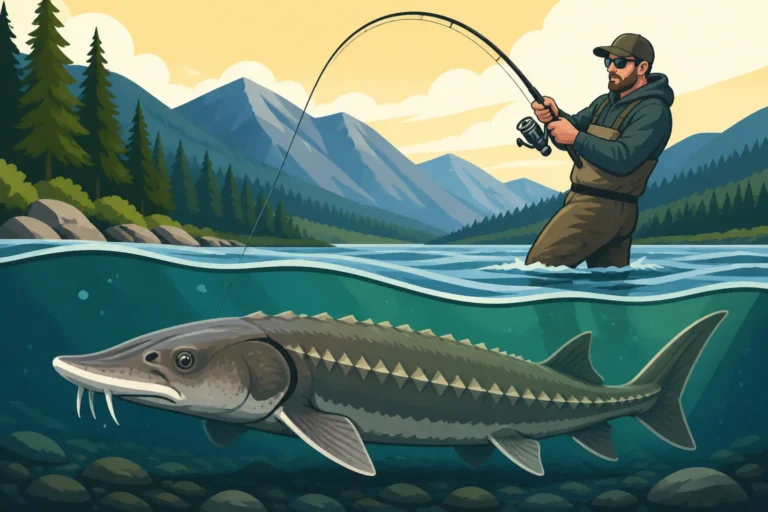
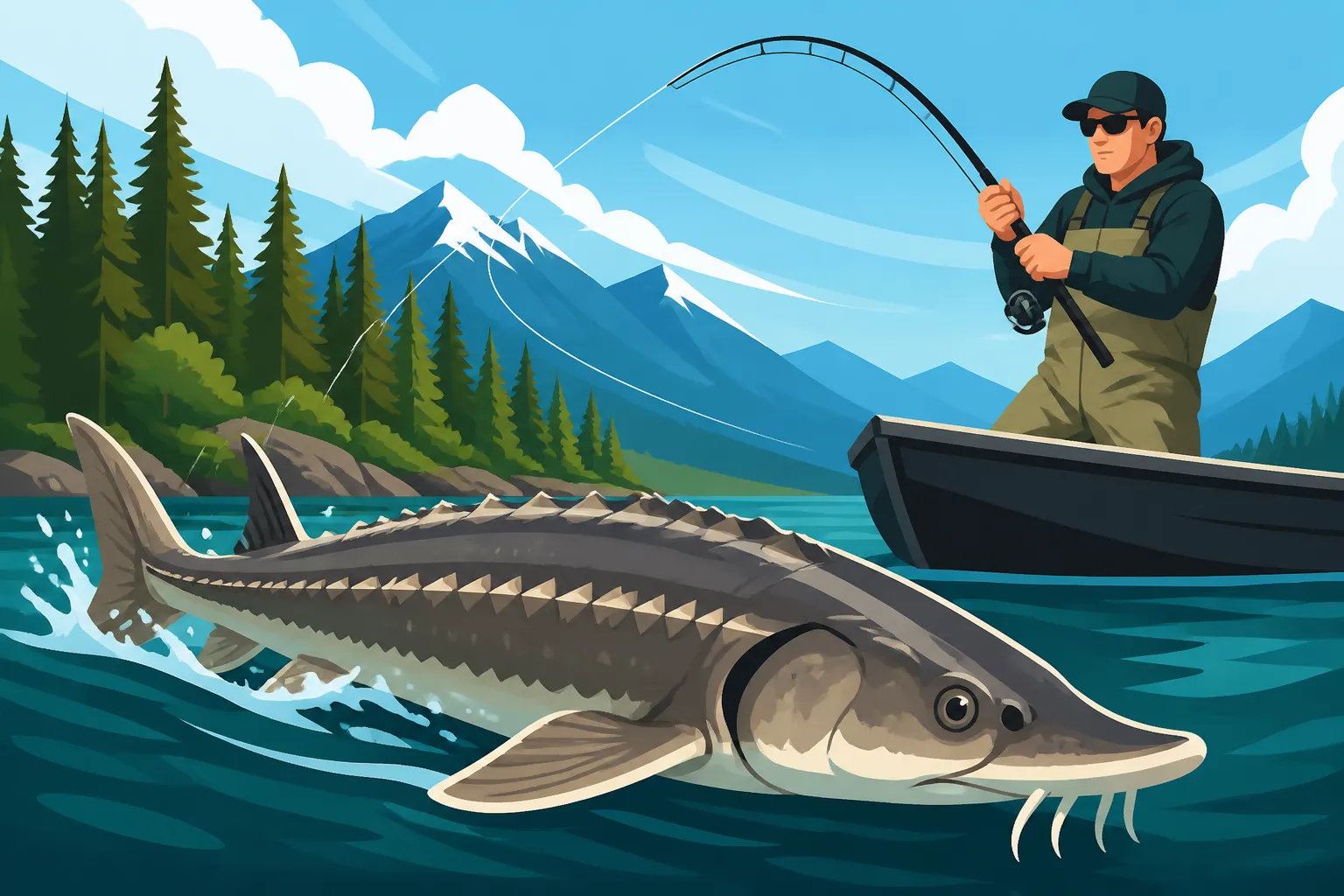
There's nothing quite like the thrill of targeting giant white sturgeon, and if you're looking to experience that incredible fight, fishing near Mission, BC, offers some of the absolute best opportunities. Many anglers get overwhelmed by the sheer size of the Fraser River and aren't sure where to start, or what tactics actually work for these prehistoric giants. This comprehensive guide will peel back the layers, showing you exactly why the Mission area is a sturgeon hotspot, pinpointing prime locations, detailing effective techniques, and ensuring you understand the critical regulations to protect these magnificent fish.
Why Mission, BC, is a Prime Sturgeon Fishing Destination
Mission, British Columbia, isn't just another quaint town along the Fraser River; it's a strategically perfect launchpad for some of the most phenomenal sturgeon fishing you can imagine. This particular stretch of the river offers a unique combination of geographic features and fish behavior that makes it a consistent producer for anglers seeking the ultimate freshwater challenge.
The Fraser River's Abundance and Mission's Strategic Location
The Fraser River is the lifeblood of British Columbia, supporting an incredible array of ecosystems, including the largest run of white sturgeon in the world. Mission sits right in the heart of what's often referred to as the Lower Fraser River, a section renowned for its robust sturgeon population. What makes Mission so special? It's where the river really starts to deepen and form significant holding areas, providing perfect habitat for these large, bottom-dwelling fish. The consistent flow of nutrient-rich water, coupled with the seasonal salmon runs that provide a massive food source, means sturgeon here are not only abundant but also grow to truly impressive sizes.
Throughout the year, especially during the prolific salmon migrations, the sturgeon move into these deeper channels and back eddies near Mission to gorge themselves. This predictable feeding behavior makes them a prime target for knowledgeable anglers. The easy access from major population centers like Vancouver also makes Mission a go-to spot, saving you long drives and getting you on the water faster. For those truly passionate about the species, understanding the broader context of White Sturgeon Fishing on the Fraser River is key to appreciating the local opportunities.
Understanding Sturgeon Behavior Near Mission
To consistently hook into Fraser River white sturgeon, you need to think like a sturgeon. These fish are primarily scavengers, relying heavily on their barbels to detect food odors along the riverbed. Near Mission, their behavior is heavily influenced by a few key factors: water temperature, current speed, and, most importantly, the availability of food.
During the warmer months, sturgeon are more active and feed aggressively. When salmon are migrating, they're practically in a frenzy, targeting dead or dying salmon as an easy meal. This means focusing your efforts around the edges of fast currents, where salmon might get washed up or where carcasses accumulate in slower seams and back eddies. In colder water, their metabolism slows down, and while they still feed, they might be less active, requiring more patience and strategic bait placement in deeper, slower pools. Knowing White Sturgeon Habits on the Fraser River will give you a significant advantage in predicting where and when to find these magnificent creatures in the Mission area. Remember, they prefer to conserve energy, so look for them out of the main force of the current, often behind submerged structures or in deep holes.
Top Sturgeon Fishing Spots Around Mission
Once you've wrapped your head around the "why" of Mission sturgeon fishing, it's time to dive into the "where." This stretch of the Fraser is vast, but certain areas consistently produce, especially for those who understand the nuances of the riverbed.
Key Drifting and Anchoring Locations
The beauty of sturgeon fishing near Mission lies in the variety of tactics you can employ, often dictated by the specific spot. For those who prefer to anchor, look for significant drop-offs, deep holes, or the edges of prominent sandbars and gravel beds. These features often act as natural traps for food and provide shelter from strong currents for the sturgeon. One well-known area is near the confluence of the Stave River, where the mixing waters and varied bottom structure create excellent feeding grounds. Just downstream from the Mission Bridge, there are also numerous deep pockets and underwater shelves that hold fish, particularly when salmon are running.
Drifting is another highly effective method, allowing you to cover more water and present your bait to a wider range of fish. When drifting, focus on slower seams that run parallel to the main current, especially those with varying depths. Utilizing a fish finder to identify sudden changes in depth or submerged structure is paramount. Popular drifting lanes can be found further upstream towards Agassiz, but the waters directly around Mission also offer fantastic opportunities, particularly along the southern bank where the current often creates productive eddies and calmer stretches. Many local guides on FishingBooker specialize in these productive drift trips, ensuring you hit the prime spots at the right time.
Access Points and Boat Launches in the Area
Getting your boat onto the Fraser River near Mission is relatively straightforward, with several good options available, whether you're bringing your own vessel or meeting a charter.
One of the most popular and well-maintained public boat launches is the Mission Harbour Boat Launch. Located conveniently in Mission itself, it provides easy access to the Lower Fraser. It has ample parking, multiple ramps, and is suitable for a wide range of boats, making it a favorite for both recreational anglers and professional guides. From here, you can head upstream or downstream to explore the various sturgeon haunts.
Another option, though slightly further east, is the Kilby Provincial Park Boat Launch near Harrison Mills. While it's a bit of a drive from Mission's core, it offers direct access to a fantastic stretch of river, often less crowded, and puts you right near the confluence with the Harrison River, which is a major salmon highway and thus a sturgeon magnet.
For those without their own boat, countless reputable charter operations run out of the Mission area. Booking a trip through platforms like FishingBooker can connect you with experienced Fraser River sturgeon guides who know these waters like the back of their hand and have all the necessary equipment. This is often the best way to ensure you're fishing the most productive spots without the stress of navigation or boat handling on a powerful river.
Essential Techniques and Gear for Mission Sturgeon
Catching a sturgeon is a truly unique experience, requiring specialized gear and a methodical approach. These aren't your average trout; they are powerful, bottom-feeding behemoths.
Recommended Baits and Rigging
Sturgeon are opportunists, and their diet on the Fraser River is heavily influenced by seasonal availability, especially the salmon runs. When it comes to bait, fresh is always best. Here's a breakdown:
| Bait Type | Season/Condition Preference | Rigging Strategy | Notes |
|---|---|---|---|
| Salmon Roe | All year, especially during and after salmon runs. | Large roe bags (nylon mesh) or individual skeins. | Highly effective, strong scent trail. |
| Salmon Parts | Peak effectiveness during salmon runs (August-November). | Chunks of flesh, guts, or bellies. | Very oily, releases strong attractants. |
| Lamprey | Excellent year-round, especially in cooler water. | Whole or large sections, robust bait. | Tough, stays on the hook well, strong natural scent. |
| Eulachon | Superb in spring when eulachon are running. | Whole or large chunks. | Oily, very potent scent. Highly prized by sturgeon. |
| Dew Worms/Nightcrawlers | General attractant, can be used as a supplement. | Large bundles, often combined with other baits. | Less preferred than fish baits but can entice smaller sturgeon. |
For rigging, a sturdy bottom rig is essential. This typically involves a heavy pyramid or flat sinker (often 8-16 oz, sometimes more depending on current) on a slider, a heavy-duty swivel, and a strong leader (100-200 lb monofilament or fluorocarbon) with a large, sharp circle hook (10/0 to 14/0). The circle hook is crucial for ethical catch and release, as it typically hooks the fish in the corner of the mouth, minimizing harm. For more specifics, consider reading up on the Best rig for bottom fishing for sturgeon. Proper presentation means ensuring your bait is on the river bottom and can waft enticingly in the current, releasing scent without being washed away too quickly.
Rods, Reels, and Line for Monster Sturgeon
When you're fighting a fish that can exceed 10 feet and weigh hundreds of pounds, your gear needs to be up to the task. This isn't light tackle fishing.
- Rods: Look for heavy-action rods, typically 7-9 feet in length, designed for big game fishing. Fiberglass or composite rods are often preferred for their durability and parabolic bend, which helps absorb the powerful surges of a large sturgeon. Brands like Ugly Stik or custom-built sturgeon rods are common choices among serious anglers. The rod should have a strong backbone but a relatively sensitive tip to detect subtle bites. For those looking for the ultimate setup, our guide on the Best rod setup for Fraser River sturgeon has even more specific recommendations.
- Reels: A high-quality conventional (baitcasting) reel with a powerful drag system is absolutely mandatory. Large capacity reels that can hold at least 300-400 yards of heavy line are necessary. Penn International, Shimano Talica, or Daiwa Saltiga are popular, albeit premium, choices. The reel needs to be robust enough to handle sustained pressure and offer smooth line retrieval.
- Line: Braided line is the standard for sturgeon fishing due to its incredible strength-to-diameter ratio and lack of stretch, which provides excellent sensitivity. Most anglers opt for 80-150 lb test braided line. This main line is then connected to your heavy leader. The lack of stretch in braid also helps with solid hooksets on fish often far away in a strong current.
Always remember, while this gear might seem excessive, it's designed not just to land the fish, but to do so efficiently, minimizing the fight time and stress on the sturgeon, which is vital for its successful release.
Navigating Regulations and Conservation Efforts
Fishing for white sturgeon on the Fraser River is a privilege, and it comes with a significant responsibility. These fish are a protected species, and stringent regulations are in place to ensure their survival and healthy population numbers. Ignorance of the rules is never an excuse, and penalties for infractions can be severe.
Must-Know Fraser River Sturgeon Rules
The primary rule you absolutely must adhere to is that all white sturgeon fishing on the Fraser River is strictly catch and release. There are no exceptions. This means you cannot retain any sturgeon, regardless of size or condition. This foundational rule is critical for the long-term health of the species. Beyond this, there are several other key regulations:
- No Barbed Hooks: Only single, barbless hooks are permitted when fishing for sturgeon. This makes hook removal easier and reduces harm to the fish.
- Designated Recovery Waters: Certain areas of the Fraser River might have additional restrictions or closures, especially during sensitive periods for sturgeon. Always check the latest BC Fishery Notices before heading out.
- Reporting Program: Anglers are encouraged to report their sturgeon catches to the Fraser River Sturgeon Conservation Society (FRSCS). This data is invaluable for scientific research and population monitoring. Many professional guides participate actively in this program by tagging fish.
- Licensing: While the sturgeon itself is catch and release, you still need a valid British Columbia Fishing License Guide for 2026 for freshwater fishing. Make sure you have the correct license for the waters you intend to fish. Fishing without one can result in BC fishing without a license penalty.
It's your responsibility as an angler to be completely up-to-date on all regulations, as they can change. Consult the official BC Freshwater Fishing Regulations Synopsis regularly.
Ensuring Sustainable Catch and Release
Because all sturgeon fishing is catch and release, mastering proper handling techniques is just as important as mastering fishing techniques. Your actions directly impact the survival rate of these incredible fish.
- Minimize Fight Time: Use appropriate heavy tackle to bring the fish in as quickly as possible without over-stressing it. A prolonged fight can exhaust a sturgeon, making it more vulnerable after release.
- Keep Fish in Water: Under no circumstances should you remove a large sturgeon completely from the water. Smaller sturgeon might be briefly lifted for a quick photo, but always support their entire body horizontally. For large sturgeon, they should remain in the water alongside the boat. This is specifically outlined in the BC Fraser River Sturgeon Catch and Release Requirement.
- Support the Fish Properly: If you do need to handle the fish (e.g., for hook removal or a quick measurement), support its body horizontally with both hands, especially under the head and caudal peduncle (where the tail meets the body). Avoid holding them vertically by the head or tail, as their internal organs are not designed to support their weight in that orientation.
- Quick Hook Removal: Use long-nosed pliers or a de-hooking tool to remove the barbless hook quickly and efficiently. If the hook is deeply embedded and cannot be removed without causing further injury, cut the line as close to the hook as possible. Circle hooks usually prevent deep gut-hooking.
- Revival: After handling, gently guide the sturgeon back into the current, holding it upright by the tail until it regains its strength and can swim away under its own power. Sometimes a gentle forward and backward motion can help water flow over its gills. Look for strong tail kicks as a sign it's ready.
By following these guidelines and prioritizing the well-being of the fish, you contribute directly to the conservation of this magnificent species, ensuring that future generations of anglers can also experience the thrill of Lower Fraser River Sturgeon Fishing.
Disclaimer
Fishing regulations and conditions in British Columbia can change frequently. Always consult the most current BC Freshwater Fishing Regulations Synopsis and relevant BC Fishery Notices before you head out on your trip. This guide is for informational purposes only and does not supersede official government regulations. Always prioritize safety and responsible angling practices.