Best shore fishing near Vancouver
It can be incredibly frustrating when you're itching to cast a line but don't have a boat, or simply want to enjoy the simplicity of fishing from shore, especially when you live in or around a bustling city like Vancouver. You might think prime fishing spots are only accessible by boat, but that's simply not true! This guide is here to shed light on some fantastic, accessible shore fishing locations right near Vancouver, along with the essential know-how to make your outing a success.
Discovering Prime Shore Fishing Hotspots Around Vancouver
Vancouver, with its stunning coastline and proximity to both the Pacific Ocean and major rivers, offers a surprising number of accessible shore fishing opportunities. You don't need a fancy boat or expensive gear to enjoy a good day out; just a bit of local knowledge and the right approach. From bustling urban parks to quieter riverbanks, there's a spot waiting for every type of angler.
Accessible Spots for City Dwellers
For those living right in the heart of the city or in the immediate vicinity, several well-known locations offer convenient access to fishable waters. These spots are often popular, easily reached by public transport or a short drive, and can provide diverse fishing experiences. It's truly a blessing to have such opportunities so close to home.
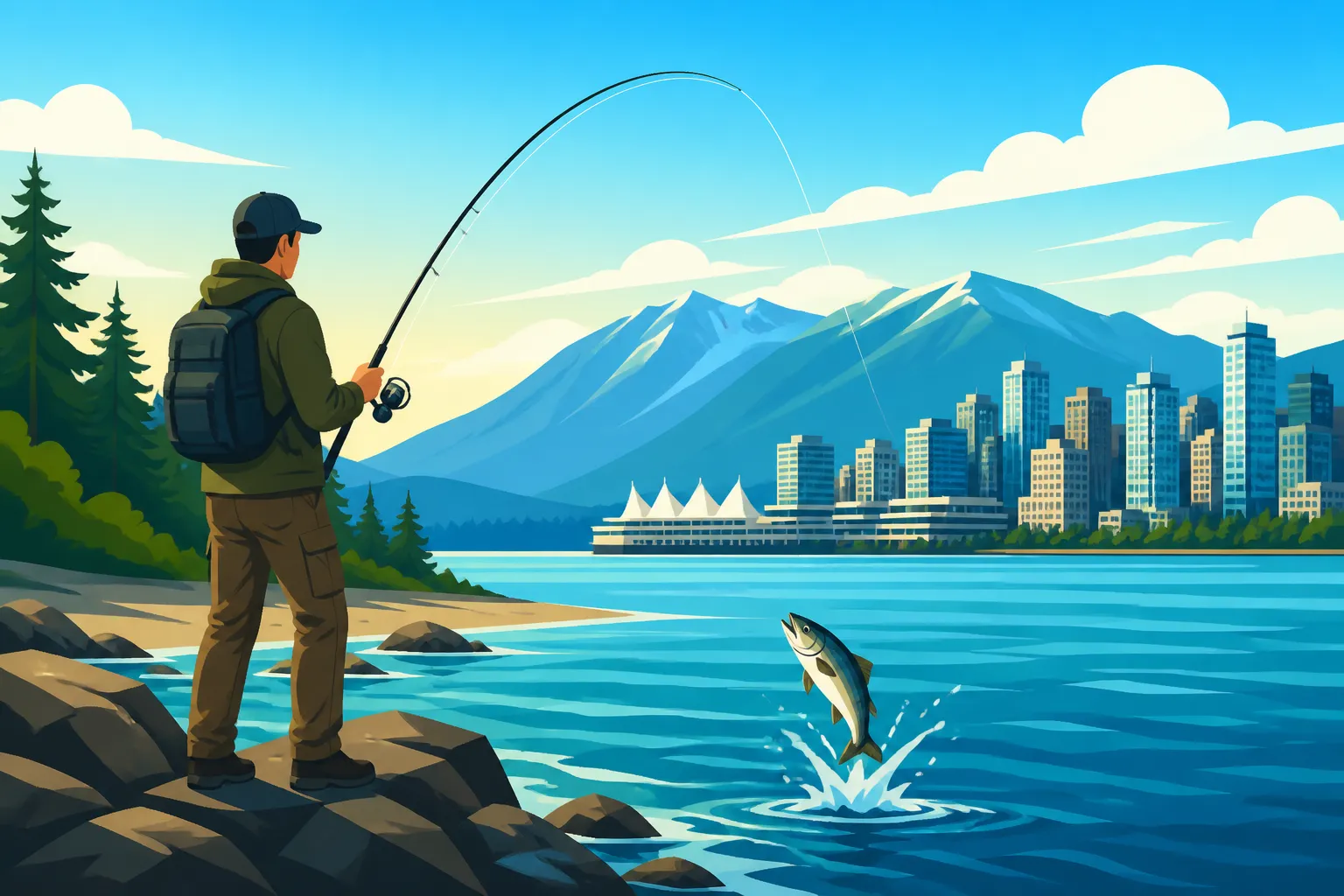
One of the most iconic and user-friendly locations is Ambleside Park in West Vancouver. The long seawall and sandy beach here provide excellent casting opportunities into Burrard Inlet. Anglers often target surf perch, various rockfish species, and even migrating salmon, especially coho and pinks, when they are running in the fall. The accessibility is unbeatable, with parking nearby and ample space to set up. It's a great spot for families, too, as there are playgrounds and amenities nearby, making it easy to turn a fishing trip into a full family outing. Just remember that it can get busy, so arriving early, especially on weekends, is often a good strategy to secure your preferred spot.
Further along the West Vancouver Seawall, towards Stanley Park, you'll find more rocky outcrops and small beaches that can hold fish. These areas might require a bit more walking but often offer a bit more solitude than the main Ambleside stretch. Anglers often use light spinning gear here, casting small spoons, jigs, or bait like squid or shrimp. The varied structure provides hiding spots for different species, so don't be afraid to experiment with your retrieve and bait presentation. Sometimes a subtle change can make all the difference, especially when you're trying to entice a wary sea-run cutthroat trout or a bottom-dwelling rockfish.
Another promising area, though slightly less known for consistent salmon action from shore, is around Jericho Beach and Spanish Banks in Vancouver. While primarily popular for crabbing, these sandy beaches can still yield surf perch and flatfish. During certain tides and seasons, particularly the coho salmon run, anglers casting spoons or Buzz Bombs from the outer edges of the beaches can sometimes connect with a chrome beauty. It’s always worth checking local fishing reports or online forums to see what’s biting and when, as conditions can change rapidly. Remember that the tide swings here are significant, so pay attention to the tide tables for optimal fishing windows and safe access.
River Mouths and Estuaries: Where Freshwater Meets Salt
The confluence of freshwater rivers and the Pacific Ocean creates incredibly rich ecosystems, often referred to as estuaries. These dynamic zones are nutrient-rich and act as crucial migration corridors and feeding grounds for many fish species, making them prime shore fishing locations. The Fraser River, in particular, offers some fantastic opportunities right on Vancouver's doorstep.
The mouth of the Fraser River, particularly areas around Steveston in Richmond, is a legendary fishing destination. While much of the action is boat-based, there are sections of the riverbanks and jetties where shore anglers can find success. Target species here often include various salmon species during their runs – Chinook, Coho, and Pink salmon are all possibilities depending on the season. Using heavier gear is advisable due to the strong currents and potentially large fish. Drift fishing with roe or even casting large spoons or spin 'n' glows can be effective. It’s a completely different experience than ocean-side fishing, with the powerful river current dictating much of your technique. You might even stumble upon some of the giant white sturgeon that frequent the lower Fraser, though targeting them requires specialized gear and specific regulations, as highlighted in the article on White Sturgeon Fishing on the Fraser River.
Another excellent estuary option is the Capilano River mouth, especially near Ambleside Park. During the fall, when the salmon are returning to spawn, this area can become a hive of activity. Anglers often fish off the beach or adjacent rocks, casting spoons, jigs, or float fishing with bait. The Capilano is famous for its large return of coho and chinook salmon, making it a highly anticipated destination each season. However, be mindful of specific regulations, as areas like the Capilano River have very precise boundaries and often have Special Regulation Waters in BC or even specific BC Fishery Notices and In-Season Closures, Explained that change frequently, especially during peak salmon runs. Always consult the official Freshwater Fishing Regulations Synopsis for the most current rules.
The mouth of the Squamish River, while a bit further drive north of Vancouver, is another superb estuary that offers excellent shore fishing. This area is renowned for its salmon runs, particularly coho and pinks, as well as an incredible winter steelhead fishery. Access points along the dykes and beaches allow anglers to cast into the productive waters where the river meets Howe Sound. Due to its popularity, especially during runs, it's wise to arrive early. Fly fishing and spin fishing are both popular here, with various presentations working depending on water levels and clarity. The stunning mountainous backdrop only adds to the experience, making it a truly picturesque place to spend a day fishing.
| Shore Fishing Spot | Target Species | Best Time | Access & Tips |
|---|---|---|---|
| Ambleside Park | Surf Perch, Rockfish, Coho, Pink | Fall (salmon), Year-round (perch) | Easy, popular. Use light gear, spoons, jigs, bait. Arrive early. |
| Capilano River Mouth | Coho, Chinook, Sea-run Cutthroat | Fall (salmon), Winter (cutthroat) | Busy during runs. Check regulations carefully. Spoons, jigs, float fishing. |
| Fraser River (Steveston) | Chinook, Coho, Sturgeon | Summer/Fall (salmon), Year-round (sturgeon) | Strong currents, requires heavier gear. Drift fishing, large spoons. Check tides. |
| Squamish River Mouth | Coho, Pink, Steelhead, Cutthroat | Fall (salmon), Winter/Spring (steelhead) | Fly and spin fishing. Drive north. Check conditions, often busy. |
Essential Gear and Smart Techniques for Urban Anglers
Shore fishing near Vancouver doesn't require a massive investment in gear, but having the right tools for the job will significantly increase your success and enjoyment. Many anglers are surprised by the quality of fish that can be caught from the bank, but it often comes down to matching your tackle to the conditions and the species you're targeting.
Rods, Reels, and Lines for the Bank
For most shore fishing scenarios in and around Vancouver, a medium to medium-heavy spinning rod, roughly 8 to 10 feet in length, is a versatile choice. This length allows for longer casts, which can be crucial when trying to reach deeper water or active fish beyond the immediate shoreline. Look for a rod with a sensitive tip to detect subtle bites but enough backbone to handle a strong salmon or a feisty rockfish. A good quality, corrosion-resistant spinning reel in a 3000-4000 series size, spooled with 15-20 lb braided line and a fluorocarbon leader (10-15 lb), is generally ideal. Braided line offers excellent casting distance and sensitivity, while the fluorocarbon leader provides invisibility and abrasion resistance against rocks and sharp-toothed fish.
If you're specifically targeting larger salmon or fishing in areas with very strong currents, like parts of the Fraser River, you might consider a heavier setup. A 9-11 foot medium-heavy to heavy conventional or spinning rod paired with a robust reel capable of handling 20-30 lb mainline and heavier leaders would be more appropriate. These setups are designed to handle big fish and the considerable weight of lures or bait needed to get down in strong flows. Always remember that the gear you choose should be comfortable for you to cast repeatedly, as shore fishing often involves a lot of casting and retrieving.
Fly fishing from shore is also a highly effective method, particularly in estuaries like the Capilano or Squamish river mouths for coho, sea-run cutthroat, and even steelhead. An 8-10 weight fly rod with a fast-sinking or intermediate line is often preferred for getting flies down to cruising salmon. For cutthroat, a lighter 6-7 weight setup might be more suitable. Matching the hatch, or in this case, matching the baitfish or insect life, is key. Popular fly patterns include various baitfish imitations, Clouser Minnows, and Squamish Poachers. Don't forget a stripping basket to manage your line in the wind and current, and a good pair of polarized sunglasses to spot fish cruising in the shallows.
Lure, Bait, and Presentation Strategies
The type of presentation you choose will largely depend on the species you're after and the specific conditions of the water. For salmon and sea-run cutthroat in tidal waters and estuaries, spoons and jigs are incredibly effective. Popular spoon brands like Buzz Bombs, Gibbs Crocs, and Koho Killers in chrome, blue, green, or pink are perennial favourites. Casting these out and retrieving them with a varied, erratic motion can often trigger aggressive strikes. Jigs, especially those mimicking baitfish like anchovies or herring, can also be deadly when jigged near the bottom or retrieved in a darting motion.
Bait fishing is another highly successful method, particularly for bottom-dwellers like surf perch and rockfish, and also very effective for salmon and sturgeon in river systems. For perch and smaller rockfish, a simple bottom rig with a small hook and bait like pieces of shrimp, squid, or even power bait can work wonders. In the Fraser River for salmon, roe (salmon eggs) fished under a float or drifted on the bottom is a classic and highly effective choice. When targeting sturgeon, which are strictly catch-and-release, large pieces of bait like eulachon, salmon parts, or even lamprey eels fished on heavy bottom rigs are necessary. Platforms like FishingBooker can sometimes offer insights into popular local baits and techniques employed by guides in the area, even if you’re fishing from shore.
Regardless of your chosen lure or bait, successful shore fishing often boils down to experimentation and paying attention to the environment. Observe other anglers, notice where fish are jumping or feeding, and try different retrieves, depths, and colours until you find what works. The tide plays a massive role in coastal and estuarial fishing; often, the incoming or outgoing tide can concentrate baitfish or trigger feeding frenzies, making these periods prime time to fish. Understanding the Best Time of Day to Catch Salmon can greatly improve your success rate, especially when relying on tidal movements.
Navigating Regulations and Responsible Angling Practices
Fishing in British Columbia, whether from shore or boat, comes with a set of responsibilities. Understanding and adhering to the regulations is not just about avoiding fines; it's about ensuring the sustainability of our precious fish stocks for future generations. It’s also about being a good neighbour to other anglers and the environment.
Understanding Your Fishing License Requirements
Before you even think about casting a line, you need the appropriate fishing license. This is non-negotiable in British Columbia. For freshwater fishing (rivers, lakes, streams), you'll need a BC Freshwater Fishing License. If you plan to fish in tidal waters (the ocean, including estuaries where tidal influence is present), you'll need a Tidal Waters Sport Fishing License. Often, you'll need both if you're fishing in transitional zones like river mouths that are influenced by tides. For instance, fishing the Capilano River mouth might require a tidal license, but moving further upstream into its pure freshwater sections would require a freshwater license. The article on BC Freshwater vs Tidal Waters License, Explained can help clarify which license you need for specific areas.
Beyond the basic license, there are often additional stamps required for certain species. If you intend to retain salmon in tidal waters, you'll need a Salmon Conservation Stamp, and for freshwater salmon retention, a different Freshwater Salmon Conservation Stamp. Steelhead also has its own conservation stamp in freshwater. These stamps contribute directly to conservation efforts, so they are incredibly important. You can easily purchase your licenses and stamps online through the provincial government website or from authorized vendors like local tackle shops or sporting goods stores. Always carry your license with you, either a physical printout or a digital copy on your phone, as enforcement officers regularly check.
It's also crucial to be aware of BC Fishing Regulations Explained, including bag and possession limits, size restrictions, and gear restrictions specific to the waters you are fishing. These can vary not only by species but also by specific river systems or management areas and can change in-season based on stock assessments. For example, the BC Bag and Possession Limits by Species can differ greatly from one lake to another, or one river to the next. Ignorance of the rules is not an excuse, so make it a habit to check the latest regulations synopsis and any fishery notices before each trip. A great place to start is the official BC Freshwater Fishing Regulations Synopsis or the DFO Pacific Region website for tidal regulations.
Practicing Catch and Release and Ethical Angling
Many of the fish you encounter while shore fishing, especially certain species of salmon or steelhead, might be subject to catch-and-release only rules, or you might choose to release them voluntarily. Practicing proper catch-and-release techniques is vital for the survival of these fish. This means using barbless hooks, minimizing handling time, keeping the fish in the water as much as possible, and reviving it carefully before release. Avoid dragging fish onto dry land or handling them with dry hands, as this can remove their protective slime layer.
Beyond catch-and-release, ethical angling encompasses respecting the environment and other users of the area. Pack out everything you pack in, including any discarded fishing line or bait packaging. Monofilament line, especially, can be incredibly damaging to wildlife if left behind. Respect private property and always ask for permission if you're unsure about access. Give other anglers ample space and avoid casting over their lines. These simple courtesies make the experience better for everyone.
Conservation is a shared responsibility, and every angler plays a role. Be mindful of habitat. Avoid wading through sensitive spawning areas, especially during critical times like the salmon runs. Report any suspicious activities, like poaching or illegal fishing, to the appropriate authorities. Your participation in responsible angling directly contributes to the health of BC's fish populations and the continued enjoyment of this incredible resource. If you're looking to gain deeper insight into specific species and their conservation status, exploring resources like FishingBooker can sometimes offer educational content or connect you with guides who are passionate about sustainable fishing practices.
Timing Your Shore Fishing Trip for Maximum Success
Timing is everything in fishing, and shore angling near Vancouver is no exception. Understanding the seasons, tides, and even the time of day can dramatically increase your chances of hooking into something special.
Best Seasons for Shore Fishing in the Vancouver Area
British Columbia offers year-round fishing opportunities, but specific seasons are definitely more productive for certain species from shore.
Spring, typically from March to May, can be excellent for sea-run cutthroat trout in estuaries and river mouths, especially around the Squamish and Capilano River systems. As the weather warms, various resident species like rockfish and surf perch become more active along the coast. It’s also when some of the early salmon runs begin, though often these are limited and tightly regulated.
Summer, from June to August, can be fantastic for pink and coho salmon in tidal waters, especially closer to the peak of their runs in late summer. Places like Ambleside Park and the Squamish River mouth can see good action. During this time, the Fraser River mouth also gets busy with Chinook and Sockeye runs, though Sockeye are often very restricted for retention from shore. Resident species along the coast remain active. The warm weather makes for comfortable fishing, but the increased recreational boat traffic and crowds can be a factor.
Fall, from September to November, is arguably the most exciting time for shore anglers targeting salmon. The major runs of Coho and Chinook salmon are in full swing in many rivers and estuaries, offering some of the best opportunities to catch these powerful fish from the bank. The Capilano, Squamish, and even sections of the Fraser River light up. This is also a prime time for whitefish and various trout species in other freshwater systems. The article on Best Time of Year to Fish in BC provides a broader overview of seasonal opportunities across the province.
Winter, from December to February, can be challenging but highly rewarding, especially for those dedicated to targeting winter steelhead. Rivers like the Squamish and other coastal streams see incredible, but often elusive, steelhead runs. While many of these are better accessed with guides or boats, some accessible shore spots can produce. This season also offers opportunities for resident trout in lakes and continued surf perch fishing on the coast. Dress warmly and be prepared for changeable weather conditions.
The Influence of Tides and Weather
For any coastal or estuarial shore fishing near Vancouver, understanding the tides is paramount. Fish activity, baitfish movement, and even access to certain fishing spots are all heavily influenced by the ebb and flow of the ocean. Often, the hour before and after a high or low tide, or the peak of an incoming or outgoing tide, can be the most productive. These periods typically create stronger currents that dislodge food and concentrate baitfish, making it easier for predatory fish to feed. For salmon, an incoming tide can bring fresh fish closer to shore and into river mouths. Conversely, an outgoing tide might concentrate bait in certain channels. Always check a local tide chart before heading out.
Weather conditions also play a significant role. Overcast days with light rain can often be excellent for salmon and trout, as the diffused light makes fish feel more secure. Bright, sunny days might push fish into deeper, shadier waters, making them harder to reach from shore. Wind can be a double-edged sword: a light breeze can create a chop on the water that breaks up your outline and can improve fishing, but strong winds can make casting impossible and fishing miserable. Water clarity is another key factor; too murky after heavy rains (known as freshets) can shut down fishing, while overly clear water can make fish wary. Always check local forecasts and recent reports to gauge the conditions before you head out. Don't be afraid to adjust your plans, or even your fishing spot, based on what Mother Nature is throwing your way.
Disclaimer
Fishing involves inherent risks. Always prioritize safety, wear appropriate personal flotation devices if fishing near deep or fast water, and be aware of your surroundings. Regulations can change frequently; it is the angler's responsibility to consult the most current British Columbia Freshwater Fishing Regulations Synopsis and Fisheries and Oceans Canada (DFO) Pacific Region regulations before fishing. This guide is for informational purposes only and does not constitute legal advice or guarantee fishing success.